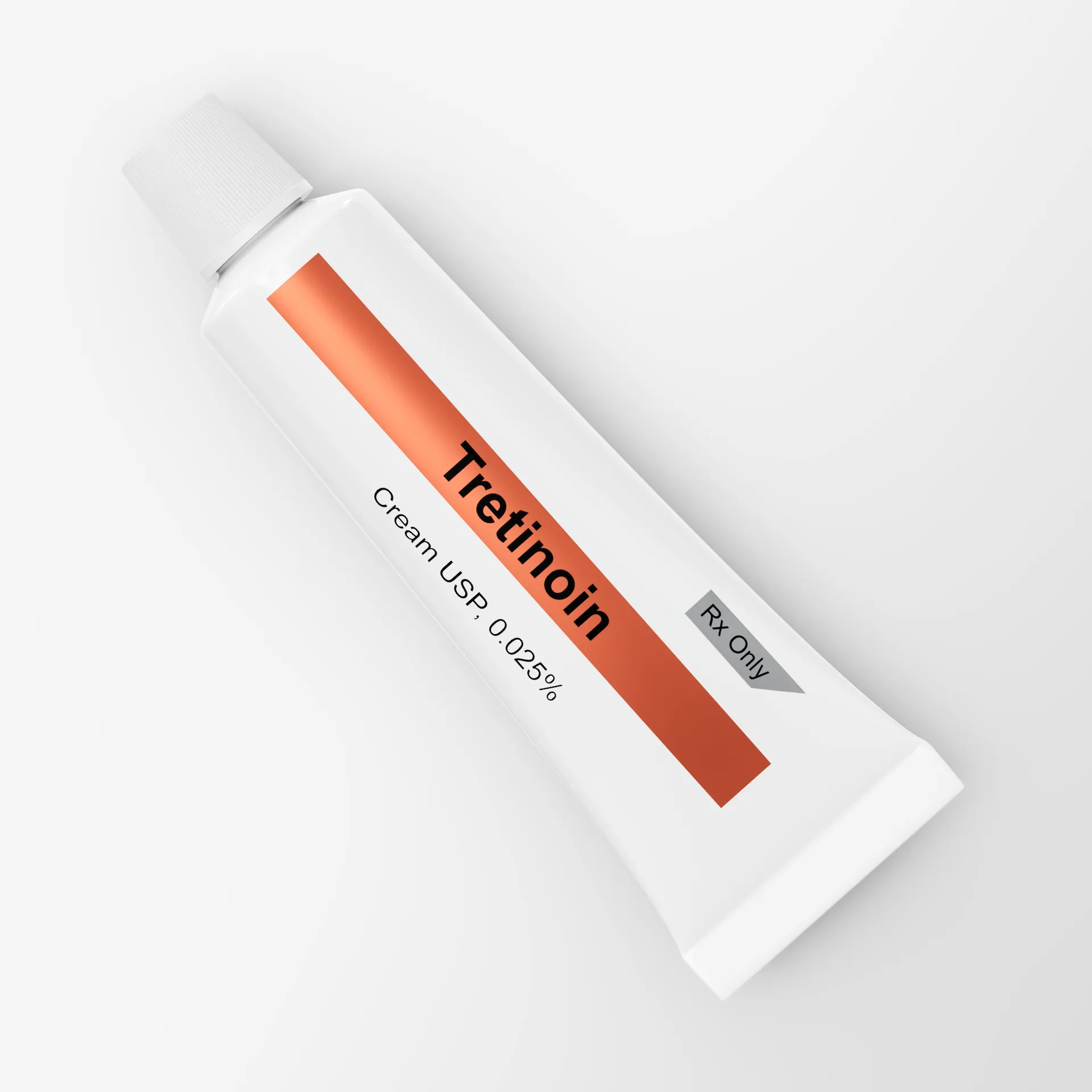
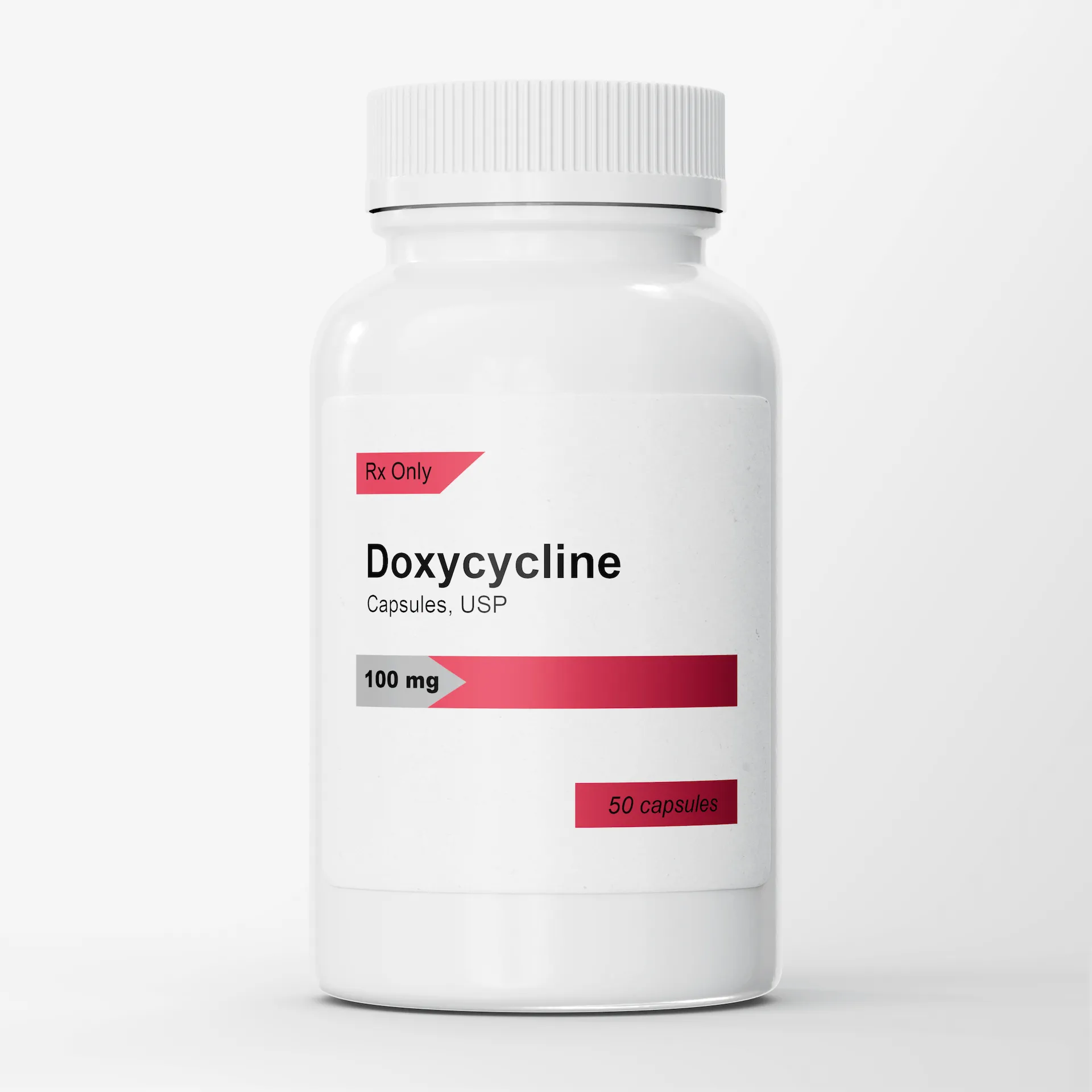
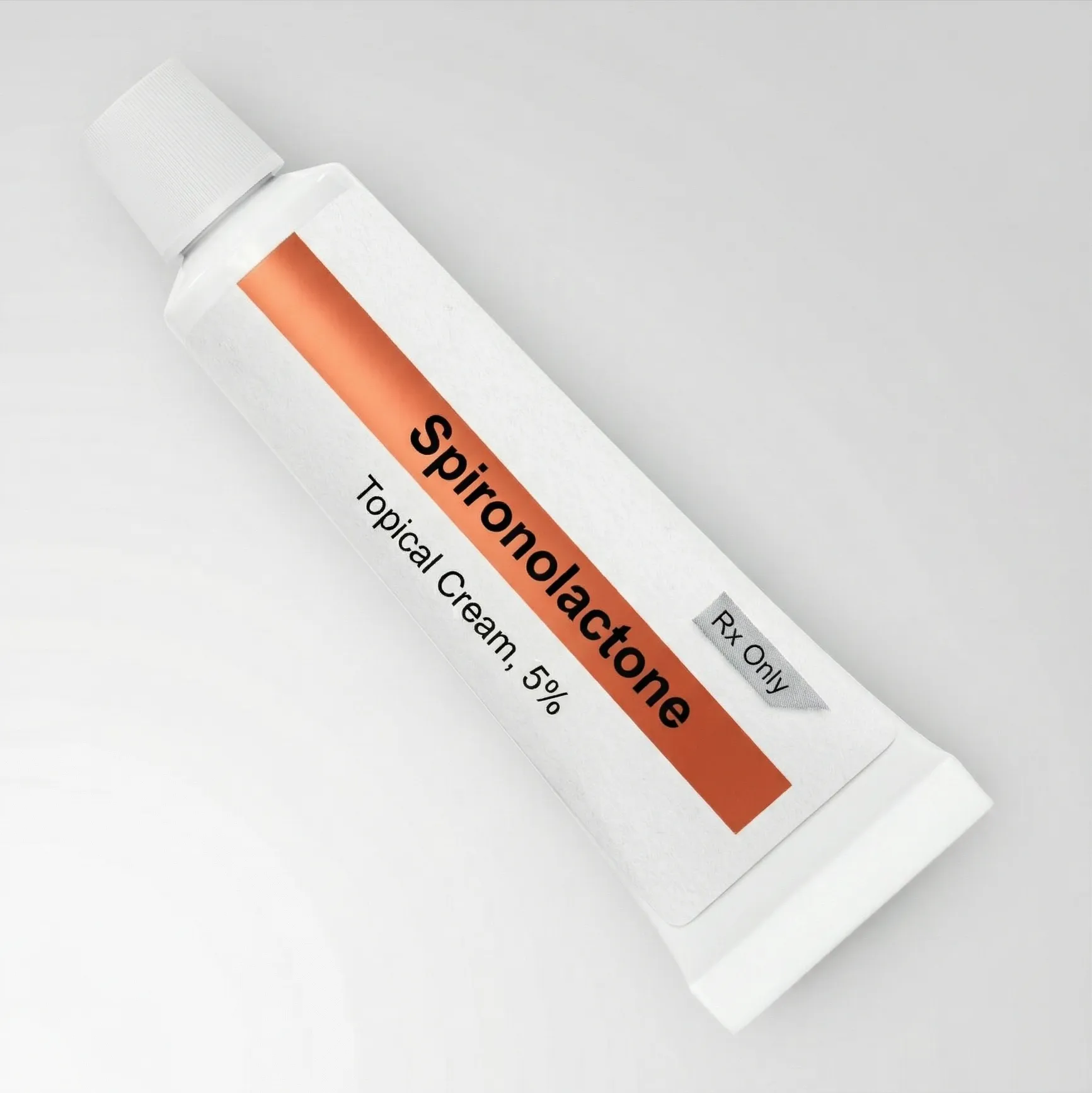
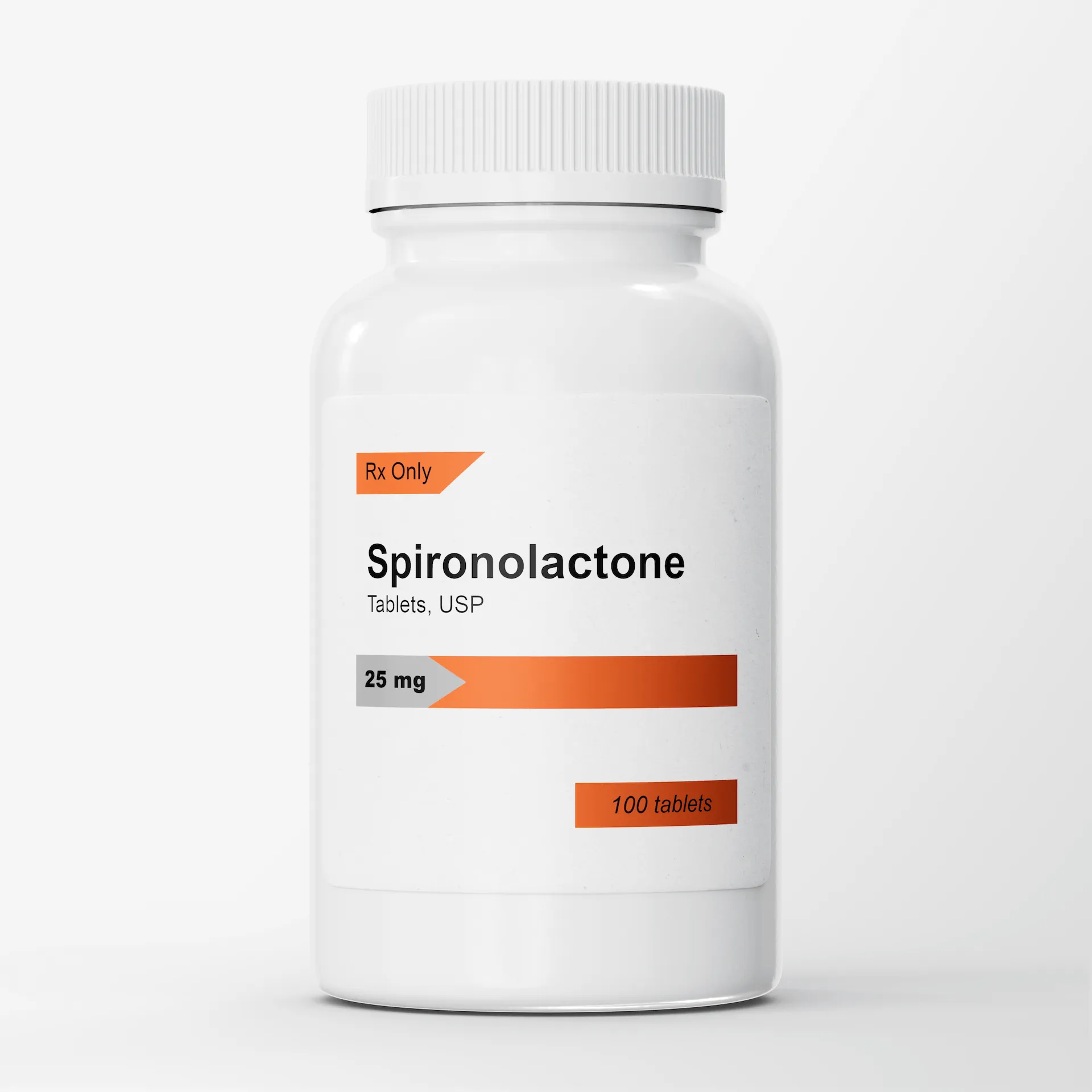
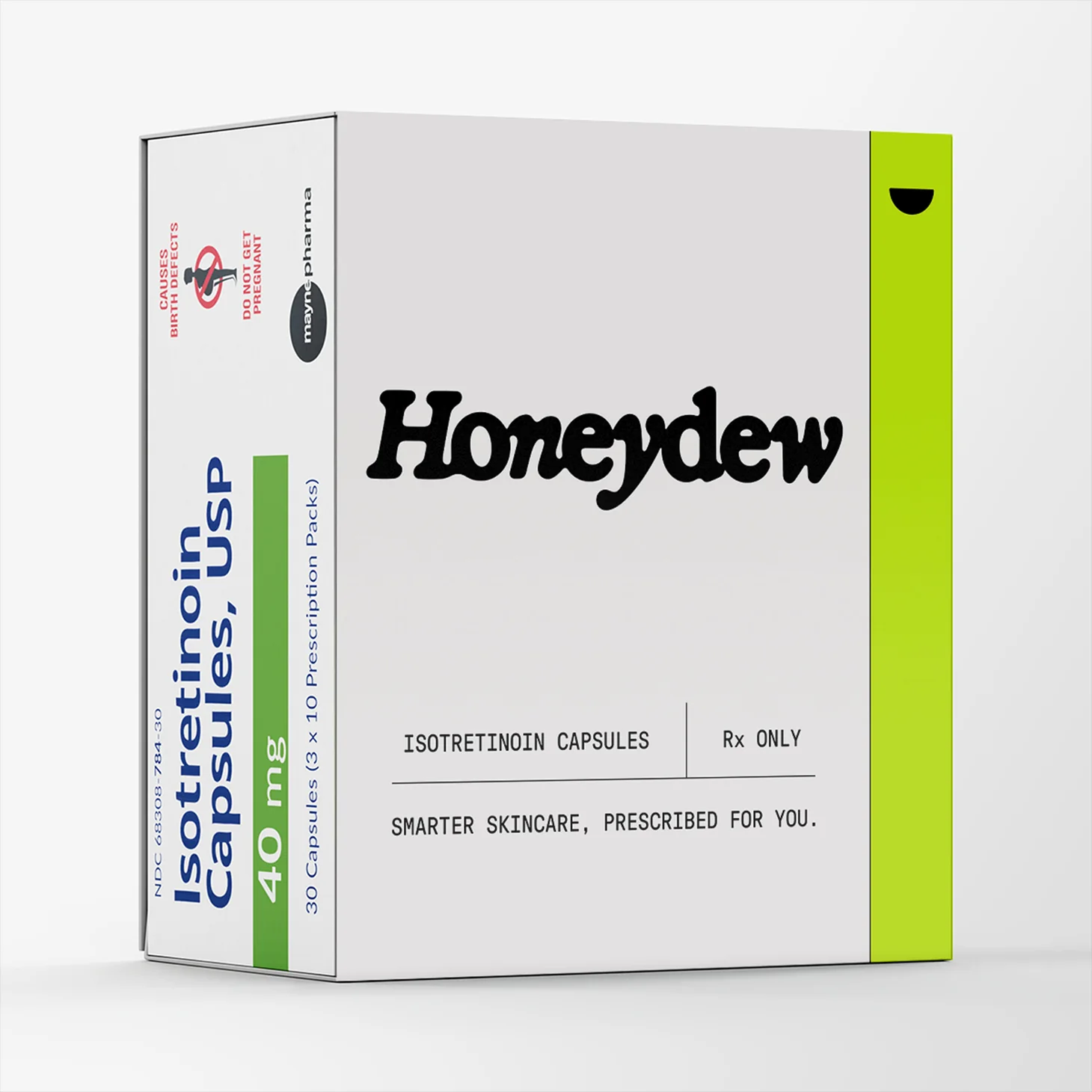
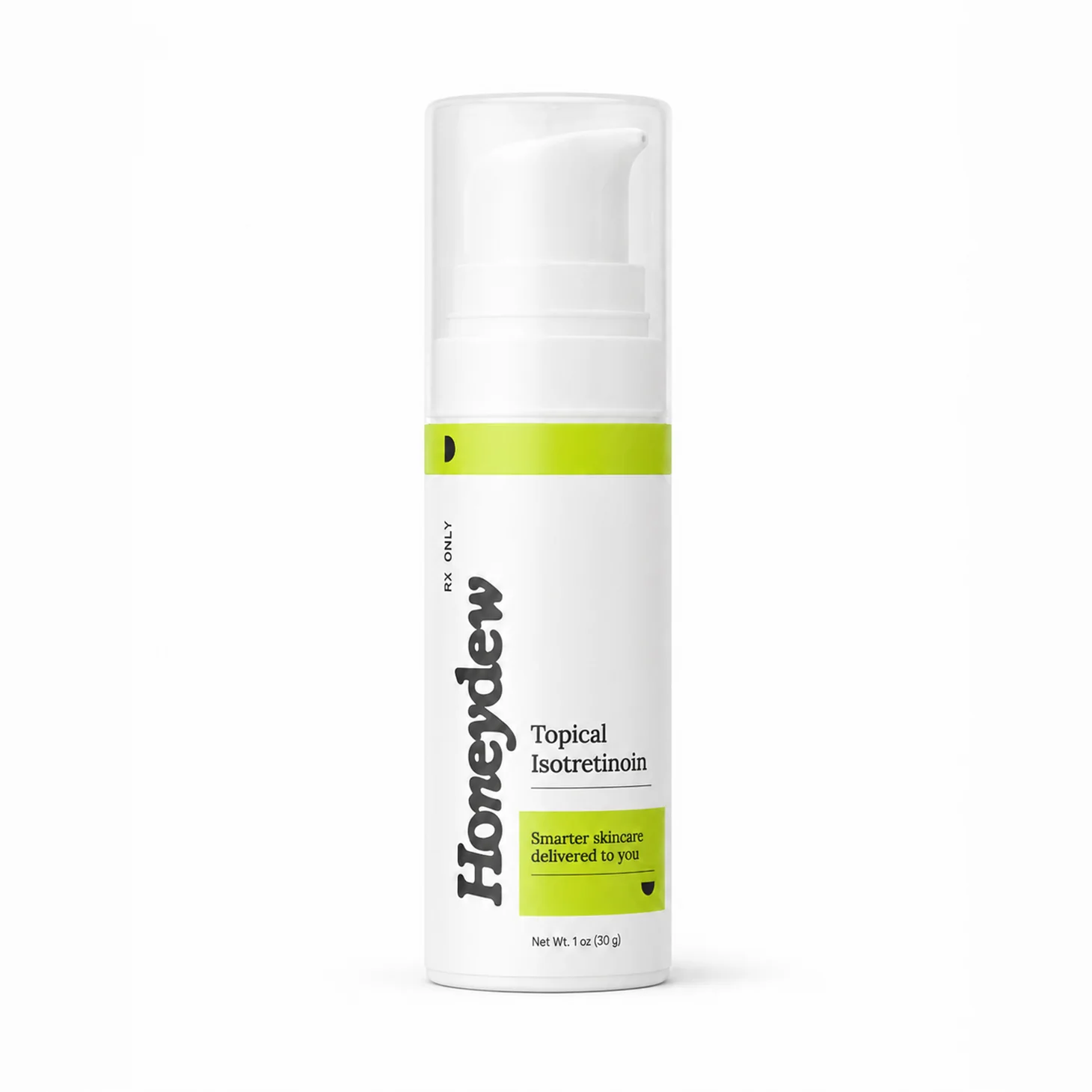
Hormonal acne needs a different kind of treatment. Honeydew's licensed dermatology providers prescribe spironolactone, Accutane, tretinoin, and more. Personalized for you. Delivered to your door.
Get Started



.webp)
If any of the below sounds familiar, your breakouts may be hormonally driven and respond best to treatments that address the underlying cause, not just the surface.
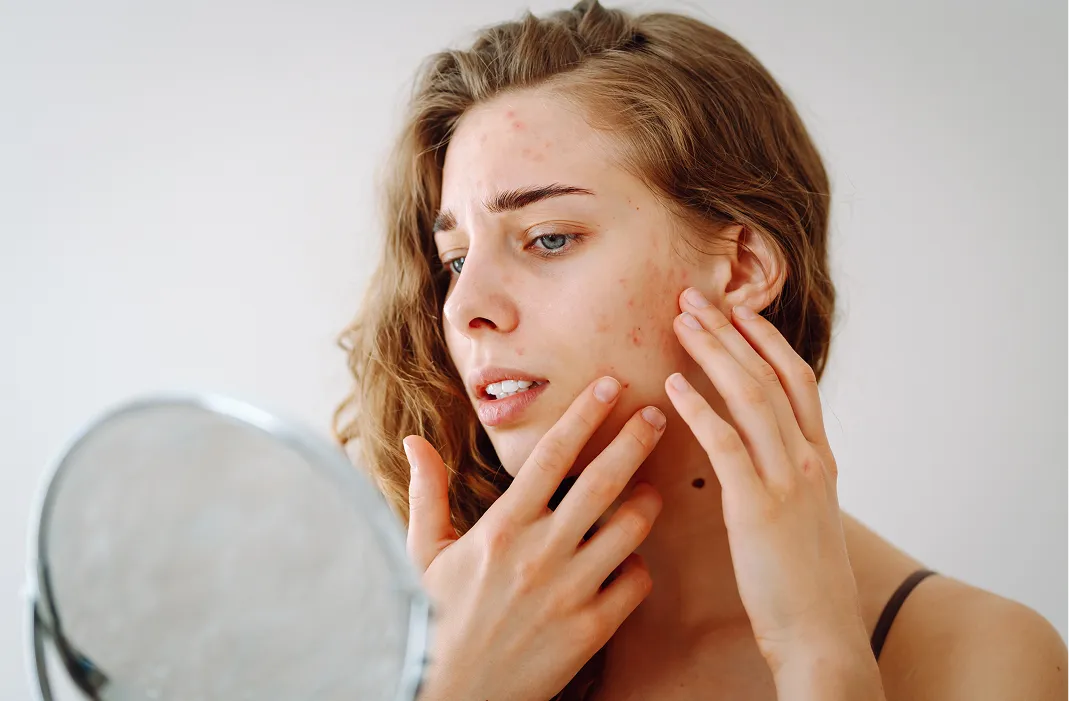
Breakouts that cluster around your cycle, especially along the jawline, chin, or lower face, are a classic sign of hormonal acne driven by androgen fluctuations.
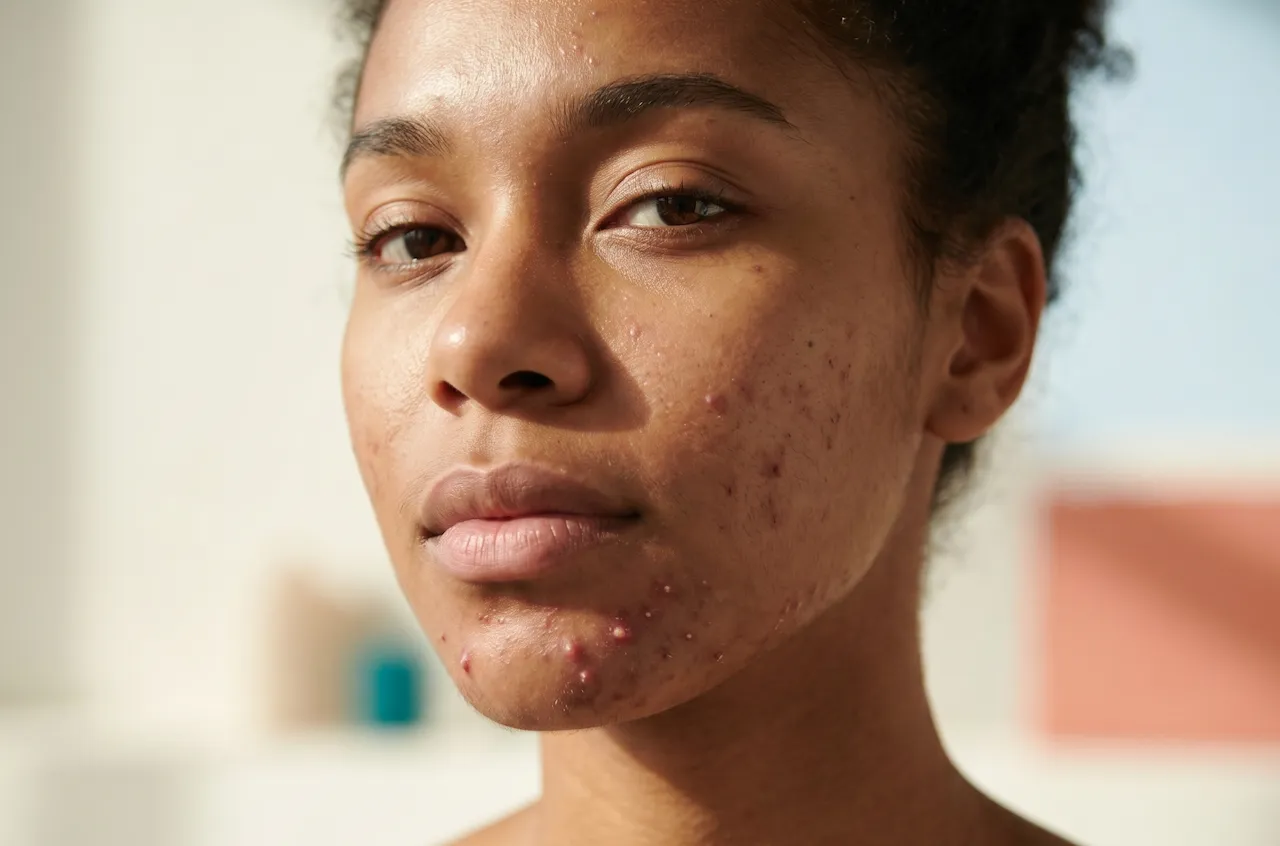
Polycystic ovary syndrome drives acne through androgen excess and rarely responds to topical treatments alone.
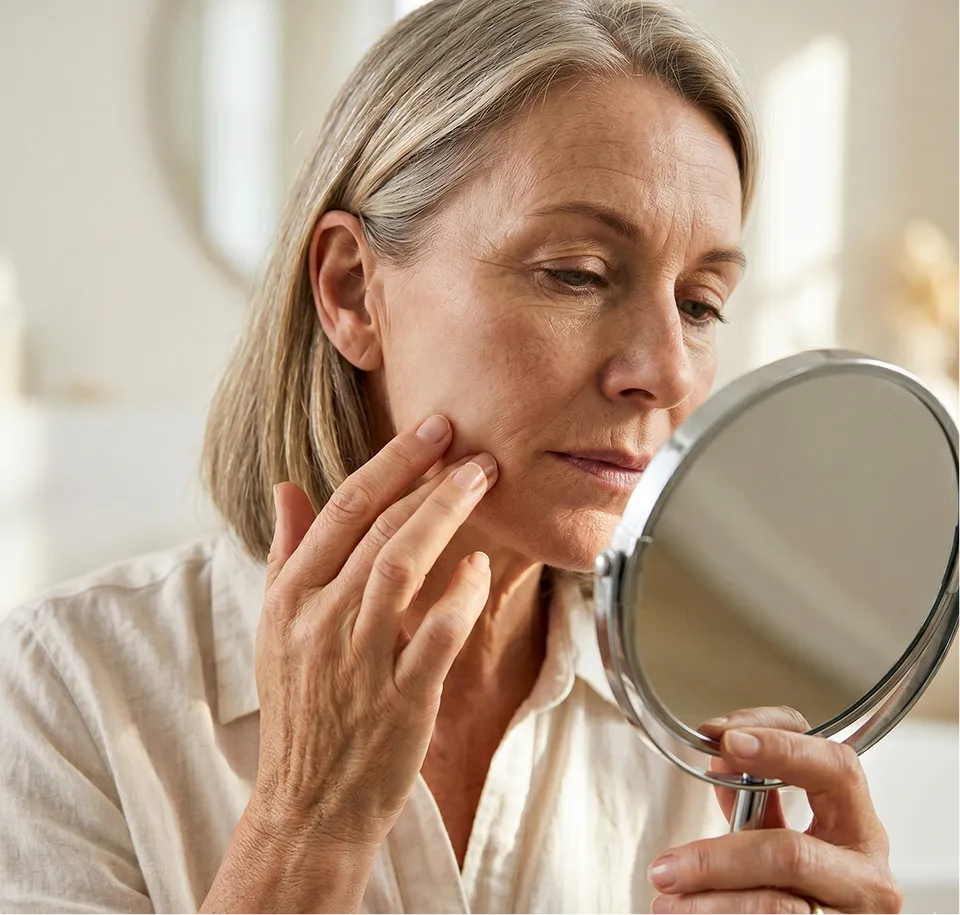
Perimenopause and menopause shift the estrogen-testosterone balance, often triggering breakouts for the first time in your 40s or 50s.
.webp)
Acne is one of the most common side effects of testosterone replacement therapy (TRT) and gender-affirming hormone therapy.

Starting or stopping birth control, switching IUDs, or going through any significant hormonal transition can trigger or worsen acne.
From topicals to oral medications, your provider prescribes what’s right to treat your hormonal acne.
Hormonal acne is driven by androgens — hormones like testosterone and DHT that stimulate the skin's sebaceous glands to overproduce oil. When that oil mixes with dead skin cells, it clogs pores and creates the deep, often painful breakouts most associated with hormonal acne: cysts and nodules along the jawline, chin, and lower face, or widespread inflammatory acne on the chest and back.
Because the cause is internal, not topical, standard skincare products rarely provide adequate control. The most effective treatments work at the hormonal level. Identifying which treatment is right for you depends on your specific hormonal driver — your cycle, your PCOS status, your medications, your stage of life. That's what your Honeydew provider assesses.
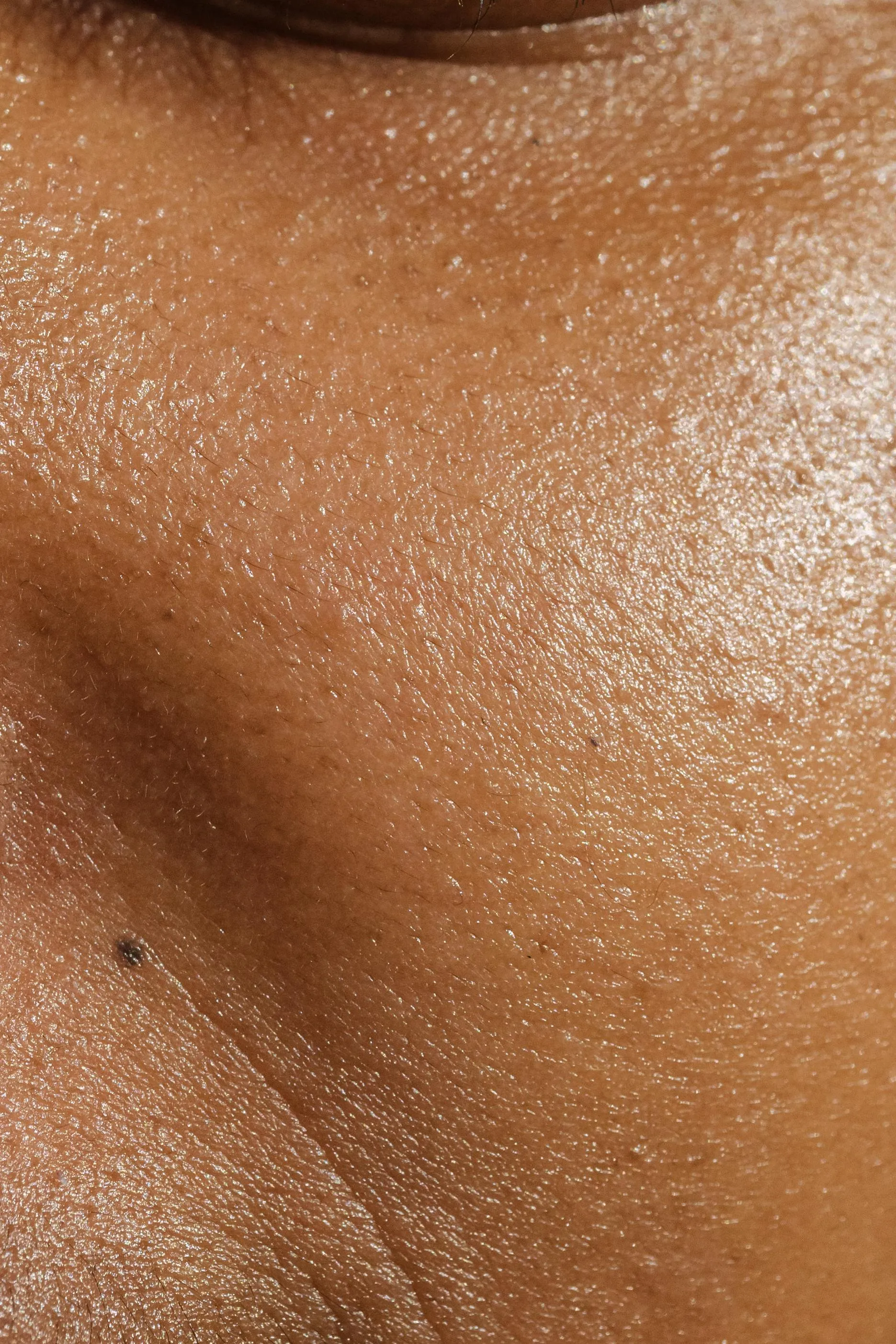
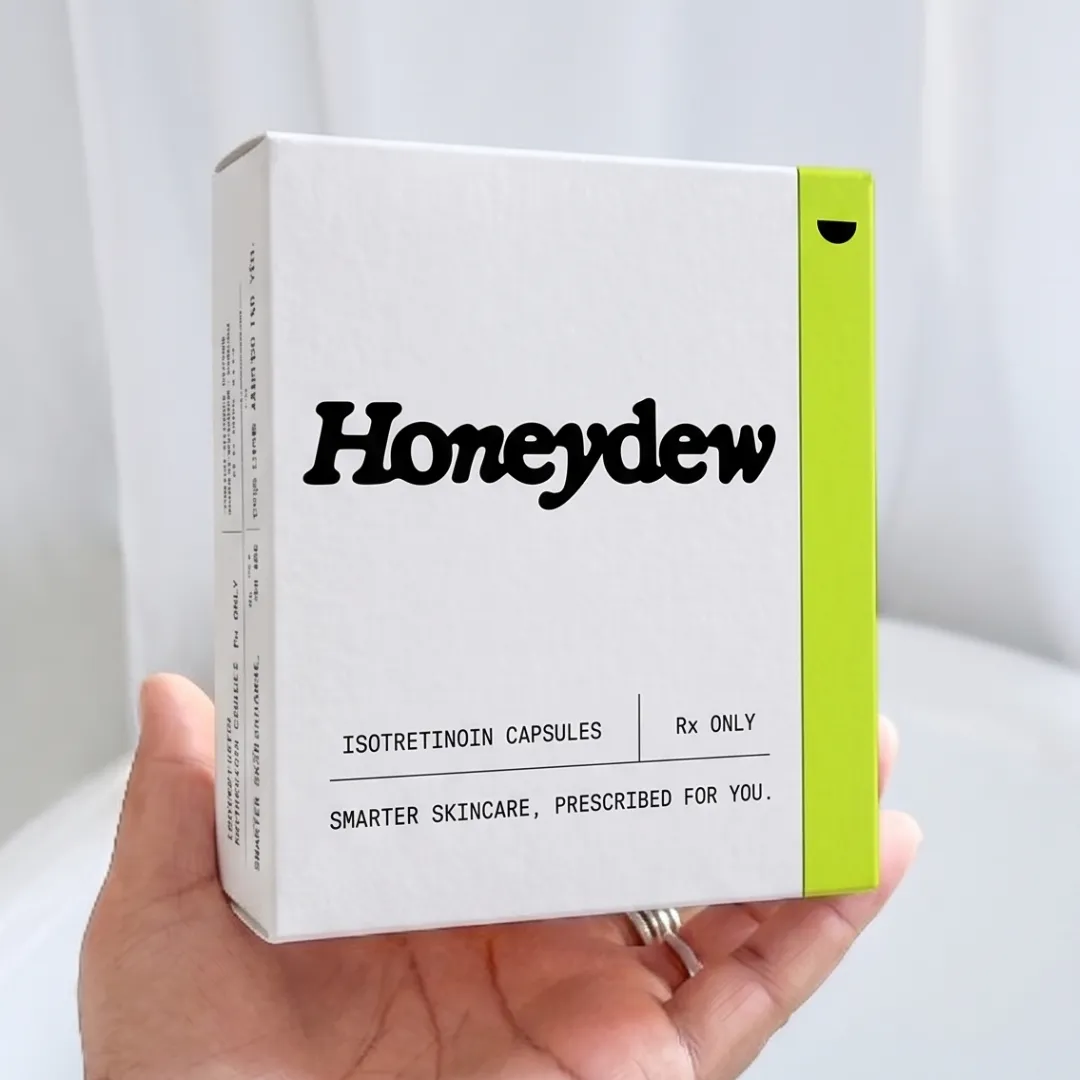

The root cause is androgen activity: Testosterone and DHT stimulate oil production at the gland level — a process that prescription treatments target directly.
Location tells you a lot: Jawline, chin, and lower face breakouts are a hormonal pattern. Chest and back acne that worsens on testosterone or steroids is another.
Life stage matters: PCOS, perimenopause, TRT, and birth control changes all affect acne differently. Treatment is tailored to your specific hormonal context, not a generic protocol.
Your dermatology provider will review your skin and determine the best treatment for you.
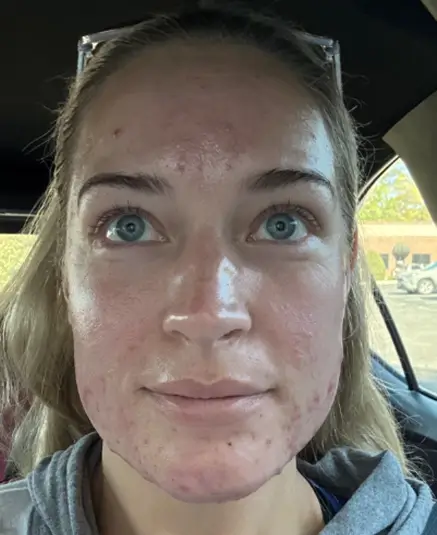

Honeydew changed my life
Honeydew changed my life. My provider is thorough and my patient concierge experience is top tier. I feel heavily supported and I am confident they are rooting for me. I would recommend this service every time. Thank you so much for giving me my confidence and my life back!!!
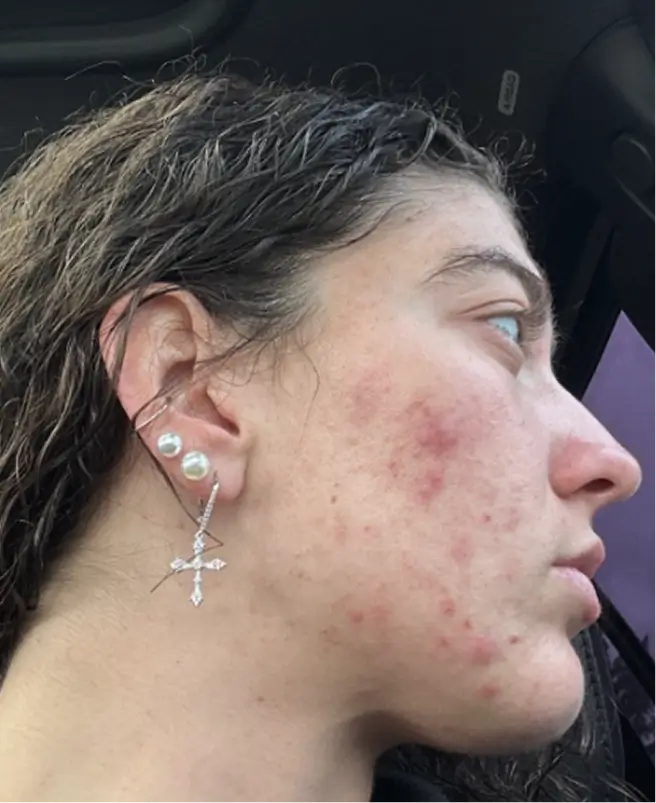

I’ve struggled with acne for over 10 years
I’ve struggled with acne for over 10 years, and nothing has worked quite like Accutane. Since starting my treatment with Honeydew, I’ve seen a dramatic transformation in my skin—and it’s only been a short time! Being away at school, I really appreciated how convenient and supportive the process was. Honeydew made everything so easy. I finally feel confident in my skin again, and I can’t recommend it enough!
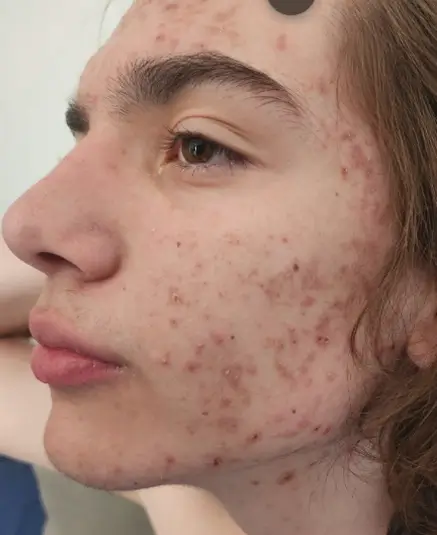

Honeydew has made such a difference in my life
Honeydew has made such a difference in my life! Everyone is super friendly, and they make the process very easy to understand. I couldn't recommend them enough!
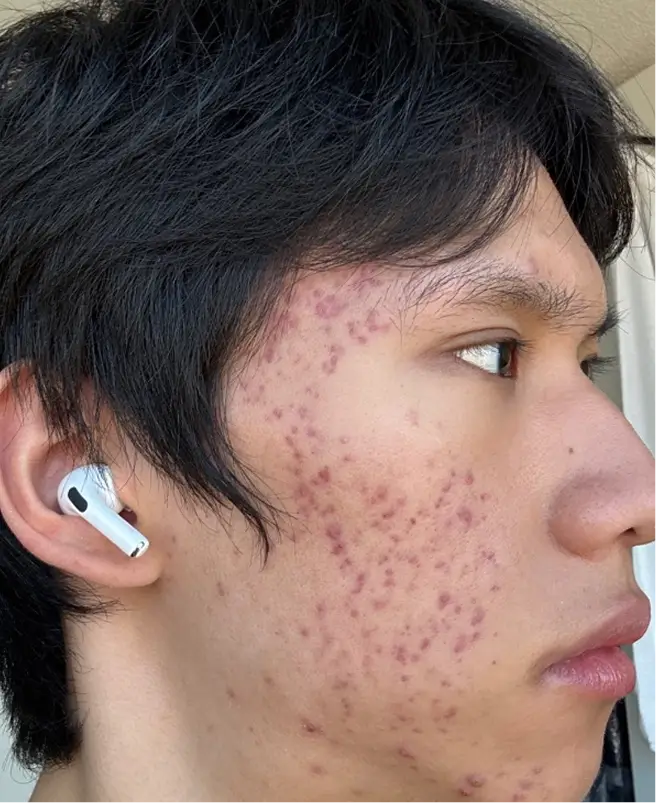
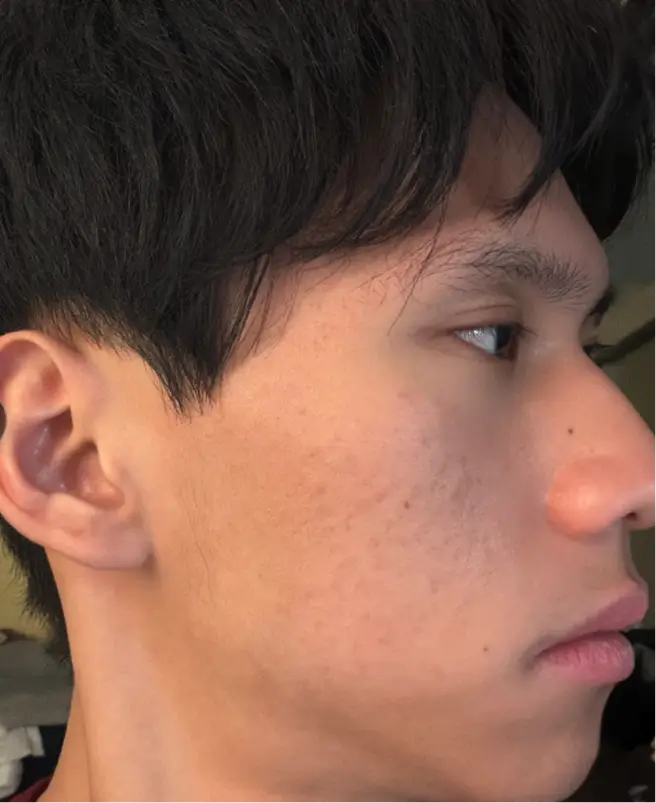
Quick no nonsense service
Quick no nonsense service, got me on a treatment course that worked and was easy to stick to
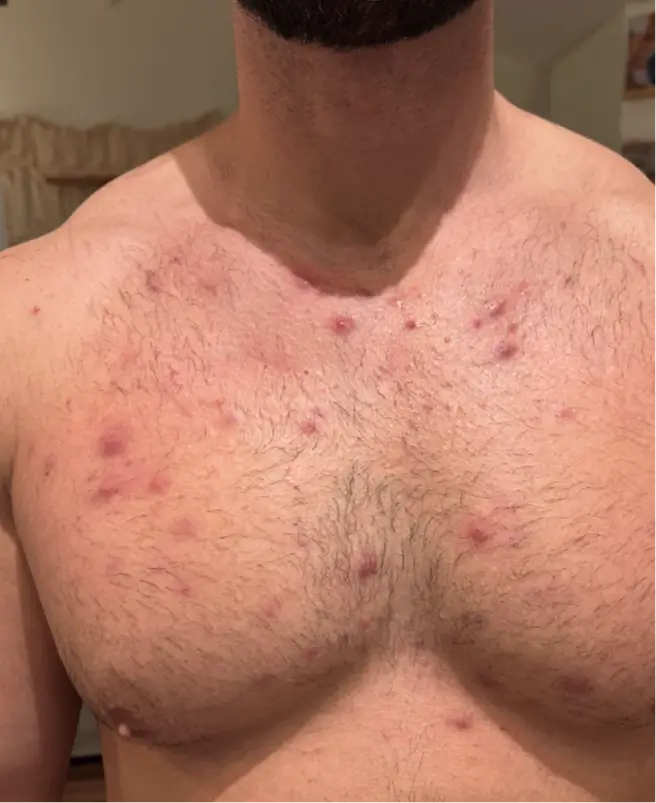
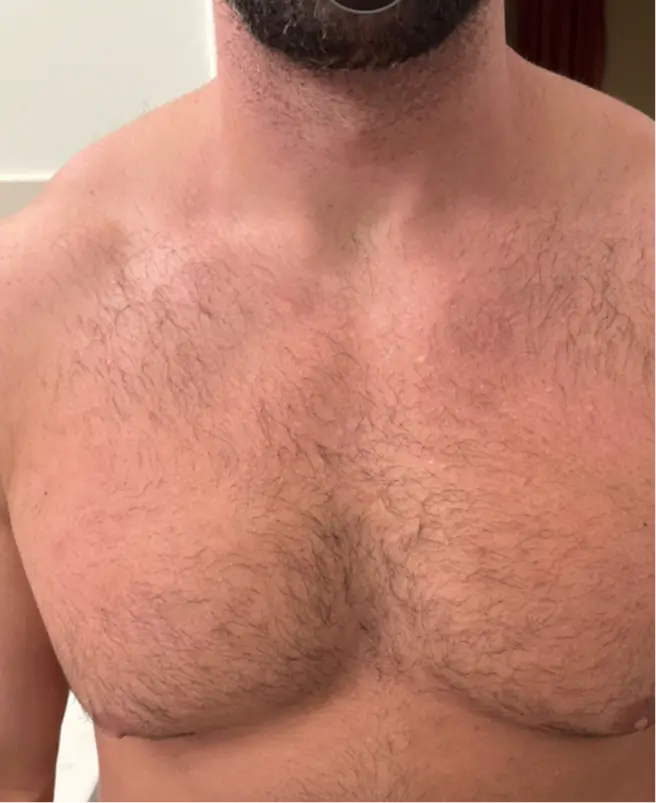
Excellent service overall
Excellent service overall, couldn't be happier with my results!
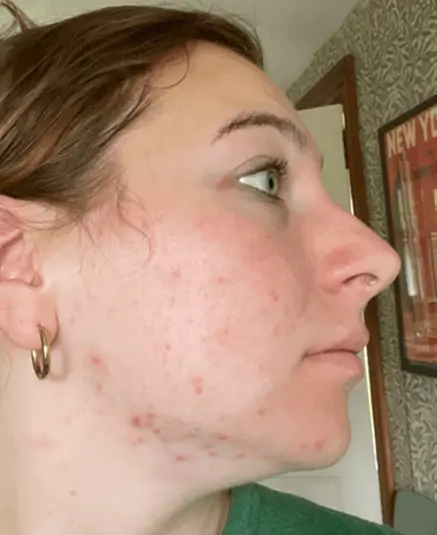
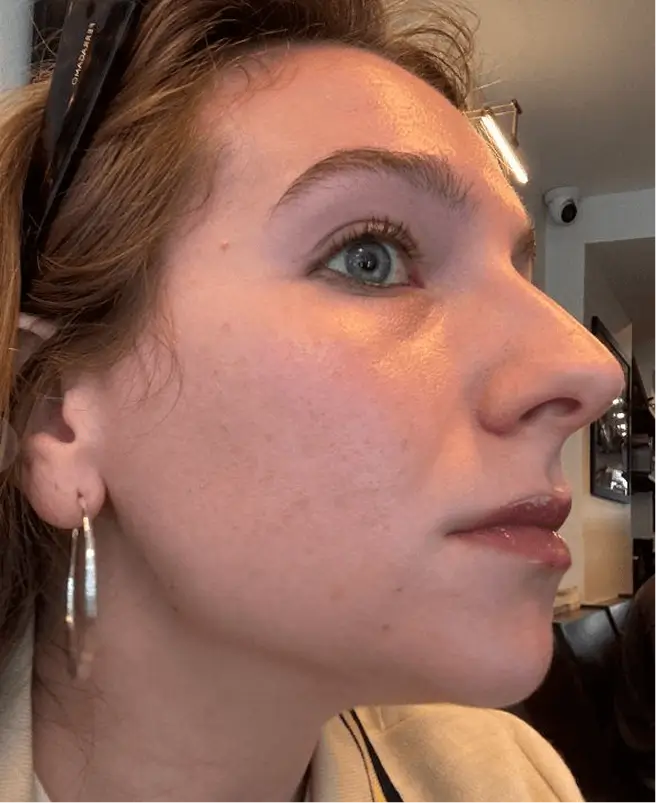
My skin completely cleared up
Through Honeydew, I started Spironolactone. My skin completely cleared up and the level of new breakouts has been zero to none. The consistency of sticking with Honeydew and sticking with Spironolactone has been amazing.

Fill out a quick medical questionnaire and upload photos of your skin. In many cases, treatment can begin right away without a video consult.

If a visit is needed, you can book a quick video consult within 48 hours. Your provider takes the time to understand your skin and your goals.

Your provider creates a personalized plan, then your treatment is delivered to your door or sent to your local pharmacy.

Track your progress with photos and message your Care Team anytime for questions, refills, and guidance. We'll respond, 7 days a week.
.webp)
Monthly check-ins help your provider monitor side effects, tolerance, and overall progress throughout treatment.

We guide you through every iPLEDGE step, including timing windows, confirmations, testing, and monthly requirements.
.webp)
If needed, your provider may request baseline or follow-up labs to ensure treatment stays safe and effective.
.webp)
Patients who can become pregnant complete required monthly pregnancy testing and iPLEDGE steps, with support at every stage.
.webp)
Mood changes are rare but taken seriously. Your provider checks in regularly and adjusts care if needed.

Zero waiting rooms, zero co-pays. Get expert care, personalized treatments, and ongoing support, all online for one transparent price.


Licensed dermatology providers who understand acne beyond the surface and guide your treatment from day one.
We handle prior authorizations, pharmacy communication, and refills so you don't have to.
Upload photos directly to your patient dashboard so you and your provider can monitor how your skin is responding to treatment over time.
Message your provider anytime your skin changes, your prescription needs adjusting, or for anything else.
Honeydew membership is eligible for HSA/FSA spending.
Get expert dermatology care from anywhere in the U.S., with no in-person visits required.
Find more answers in our FAQ or Contact us.
Hormonal acne in adults is driven by androgens — hormones like testosterone and DHT — that stimulate the skin's sebaceous glands to overproduce oil. When that excess oil mixes with dead skin cells, it clogs pores and creates the deep, often cystic breakouts most associated with hormonal acne. In women, this is often tied to the menstrual cycle, PCOS, perimenopause, or changes in birth control. In men, it can be linked to naturally elevated androgens, testosterone replacement therapy (TRT), or anabolic steroid use. The location of your breakouts — particularly along the jawline, chin, and lower face — is often the clearest signal that hormones are the primary driver.
Hormonal acne typically presents as deep, tender cysts or nodules along the lower face — the jawline, chin, and around the mouth — as well as the chest and back in cases driven by elevated testosterone. Unlike surface-level blackheads or whiteheads, hormonal acne forms deep in the skin and is often painful to the touch. It tends to follow a pattern: flaring before a period, worsening under stress, or intensifying after a hormonal change. Over-the-counter products that target surface bacteria often have little effect because they don't address the underlying hormonal cause.
They frequently overlap but aren't the same thing. Cystic acne describes the type of lesion — large, deep, pus-filled cysts under the skin. Hormonal acne describes the cause — breakouts driven by androgen activity. Hormonal acne very commonly manifests as cysts, particularly along the jawline and lower face, but not all cystic acne is hormonal, and not all hormonal acne is cystic. The distinction matters for treatment: purely cystic acne may respond to isotretinoin, while hormonally-driven acne often requires a treatment — like spironolactone — that works at the androgen level.
Spironolactone is the most commonly prescribed and most effective treatment for hormonal acne in women. It works by blocking androgen receptors, reducing the excess sebum production that drives hormonal breakouts at the source. It's typically prescribed in doses of 50–150mg and often combined with a topical retinoid like tretinoin for added cell turnover support. Oral contraceptives can also help regulate hormone levels and reduce breakouts for some patients. For severe or cystic cases that don't respond to hormonal therapies alone, isotretinoin may be recommended. Your Honeydew provider will evaluate your specific hormonal pattern before recommending a treatment plan.
Yes — and it's far more common than most people realize. As estrogen and progesterone decline during perimenopause and menopause, testosterone's effects become relatively more pronounced — a state called androgen dominance. This leads to increased sebum production and slower skin cell turnover, creating exactly the conditions that cause acne. Menopausal acne typically appears along the jawline, chin, and lower face, often for the first time in decades. It can feel particularly confusing because it occurs at a life stage when most people expect acne to be behind them. Honeydew providers are experienced in treating perimenopausal and menopausal acne, and the same treatments effective for younger hormonal acne patients — including spironolactone and topical retinoids — are often effective for this audience.
Yes. Acne is one of the most common skin manifestations of polycystic ovary syndrome (PCOS), driven by the androgen excess that characterizes the condition. PCOS-related acne often doesn't respond well to topical treatments or antibiotics because the root cause is hormonal. Spironolactone is particularly effective because it directly counters the androgen activity driving excess oil production. Your Honeydew provider will take your full history — including any PCOS diagnosis — into account when building your treatment plan, and may coordinate with your OB-GYN or endocrinologist for patients whose PCOS management extends beyond skin care.
When you stop a combined oral contraceptive, the estrogen that had been suppressing androgen activity is no longer present. This can cause a temporary surge in androgen-driven sebum production — often triggering acne that is worse than anything experienced before going on birth control. This is sometimes called "post-pill acne" and it can be significant. It usually peaks around 3–6 months after stopping. Spironolactone is one of the most effective treatments for post-pill hormonal acne, as it directly addresses the androgen rebound driving it. Your Honeydew provider can help you manage this transition and start treatment before the breakouts peak.
Testosterone — particularly when converted to dihydrotestosterone (DHT) — directly stimulates the sebaceous glands to produce more oil. When you start or increase TRT, this increase in androgen activity can trigger breakouts, particularly on the face, chest, back, and shoulders. TRT acne is extremely common and does not mean you need to stop your therapy. With the right dermatology treatment — typically prescription topical retinoids, oral antibiotics for moderate cases, or isotretinoin for severe or persistent breakouts — most patients can continue TRT and achieve clear skin.
Yes. Honeydew providers can evaluate and treat acne caused by testosterone replacement therapy or gender-affirming hormone therapy entirely online. Treatment is tailored to the severity of your breakouts and your testosterone regimen. Mild cases may be managed with topical retinoids and antibiotics; moderate to severe TRT acne — particularly nodular or cystic breakouts — often responds best to isotretinoin. Your provider will coordinate your skin treatment alongside your existing hormone therapy without requiring you to stop or modify your TRT.
Yes. Acne is one of the most common dermatological side effects of masculinizing hormone therapy, and it can significantly impact quality of life and mental health during what is already a meaningful transition. Honeydew providers are experienced in treating testosterone-induced acne and provide inclusive, gender-affirming care. Treatment follows the same protocols as TRT-related acne — topicals for mild cases, oral antibiotics for moderate inflammation, and isotretinoin for severe or cystic presentations. Your provider will work around any gender-affirming surgery timelines when prescribing isotretinoin, as dosing timing may need to be coordinated.
Yes. Spironolactone is one of the most commonly prescribed medications through Honeydew, and it can be prescribed at your first visit. After completing your intake — including your medical history, current medications, and skin photos — your provider will determine whether spironolactone is appropriate and, if so, what dose makes sense for you. Prescriptions are sent to your local pharmacy or can be delivered to your door.
No. Honeydew membership does not require insurance. Our flat-rate pricing covers provider access, unlimited follow-ups, and prescription coordination with no co-pays or surprise bills. If you do have insurance, your medications can be submitted to help reduce out-of-pocket costs. Membership is also HSA/FSA eligible. Generic spironolactone is widely available and typically low cost even without insurance coverage.