
Oral Aldactone
Treat hormonal acne at the source with Spironolactone, prescribed online. Get dermatologist-guided care with close monitoring, safety oversight, and medication delivered to your door.


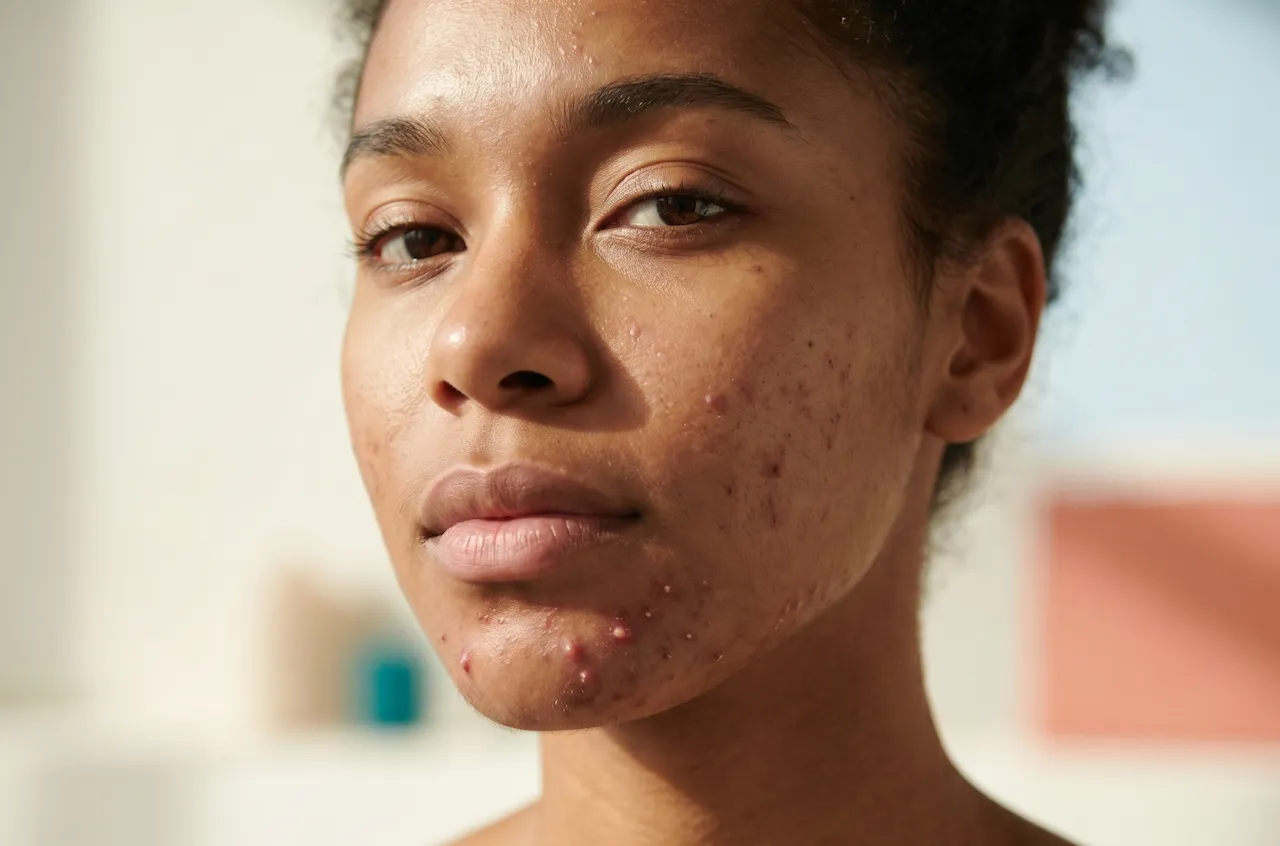
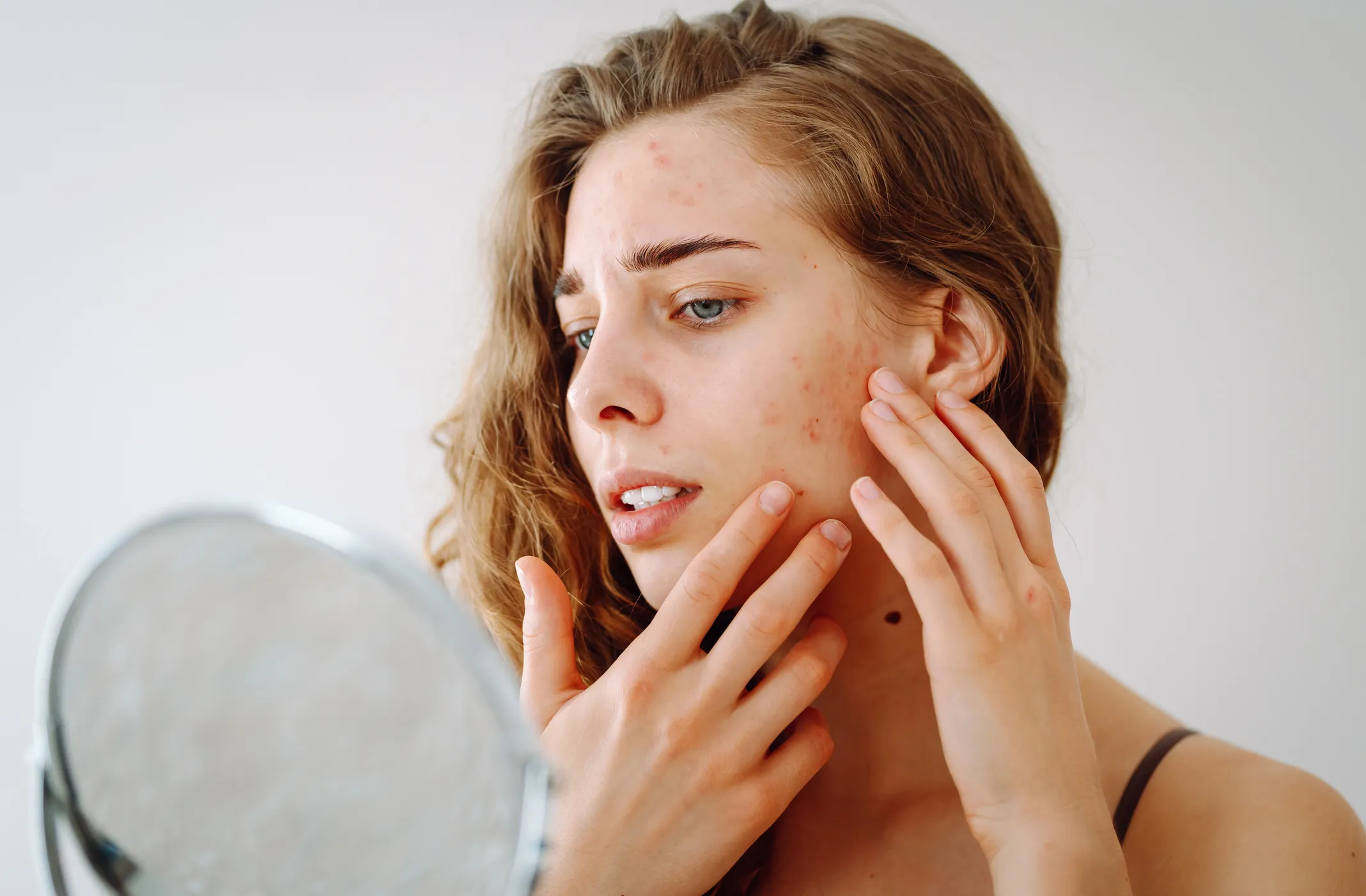
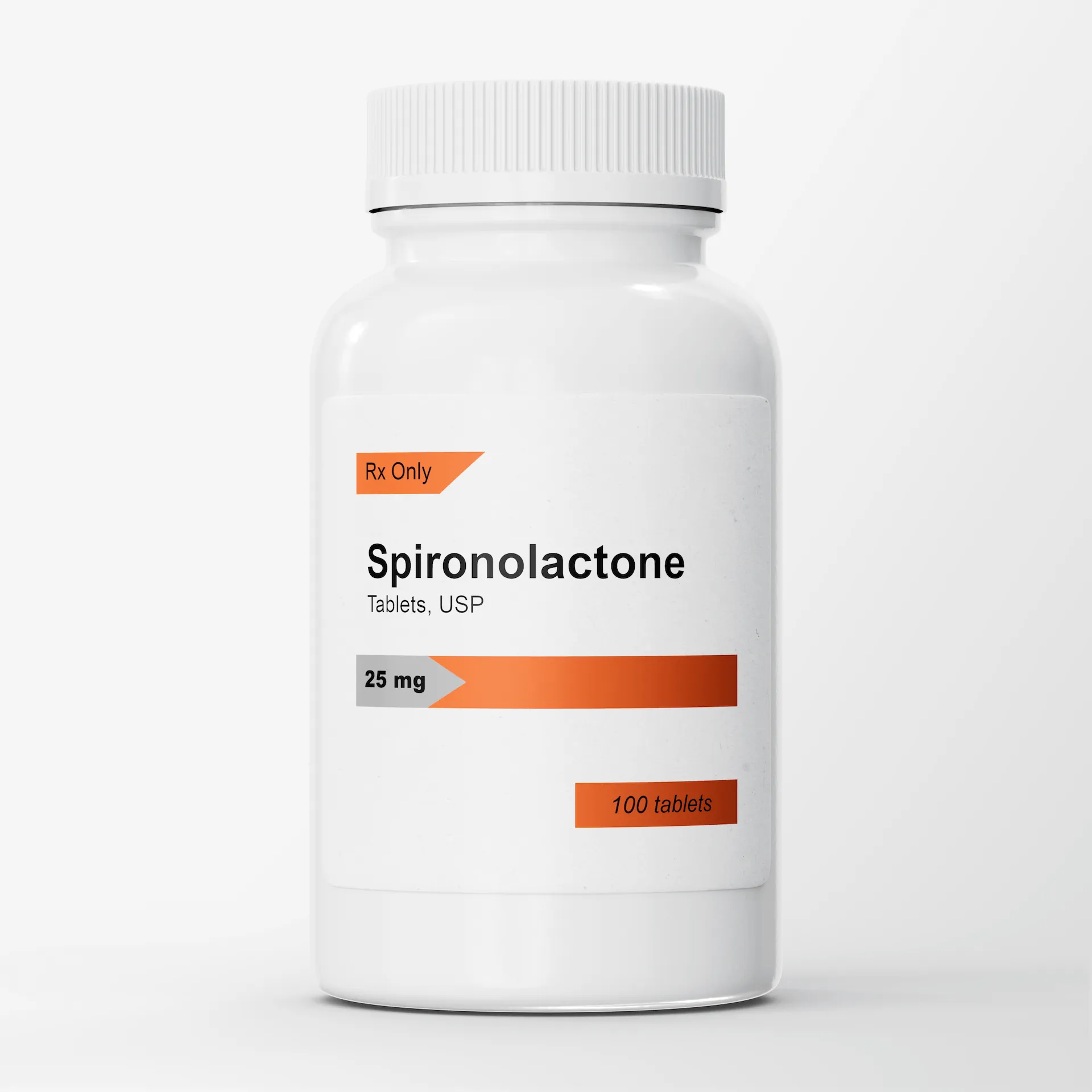
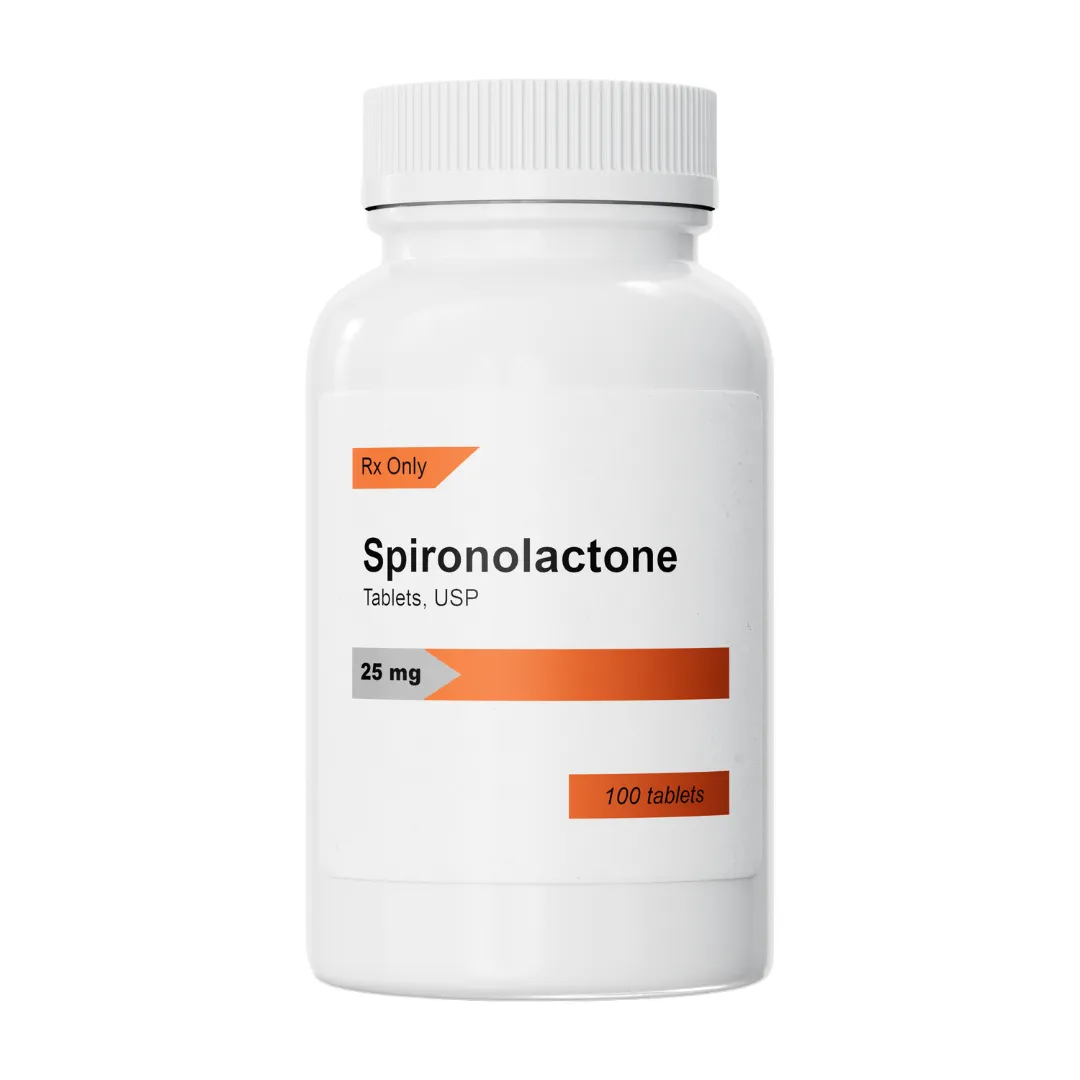
Spironolactone is an oral medication used to treat hormonal acne, especially acne along the jawline, chin, and lower face. It works by blocking excess androgens that trigger oil production and breakouts.
Some people experience increased urination, mild dizziness, breast tenderness, or menstrual changes. These side effects are usually mild and improve over time. Your dermatologist monitors dosing and tolerance throughout treatment.
Spironolactone is not safe during pregnancy and should be avoided if you are pregnant or trying to become pregnant. While iPLEDGE is not required, your provider may recommend birth control as part of your treatment plan.
Honeydew manages your prescription, dosing guidance, and follow-ups, 100% online. Your dermatologist and dedicated care team track progress and coordinate refills, with medication delivered directly to your door.

Fill out a quick medical questionnaire and upload photos of your skin. In many cases, treatment can begin right away without a video consult.

If a visit is needed, you can book a quick video consult within 48 hours. Your provider takes the time to understand your skin and your goals.

Your provider creates a personalized plan, then your treatment is delivered to your door or sent to your local pharmacy.

Track your progress with photos and message your Care Team anytime for questions, refills, and guidance. We'll respond, 7 days a week.
Spironolactone works by blocking the hormones that tell your skin to produce excess oil, helping to keep pores clear and breakouts at bay. By calming this hormonal signal, Spironolactone stops new blemishes before they start and supports clearer, more balanced skin.
With the right dermatology guidance, it can dramatically reduce breakouts and support lasting improvement.

Your dermatology provider will review your skin and confirm whether Spironolactone is the right fit before prescribing.
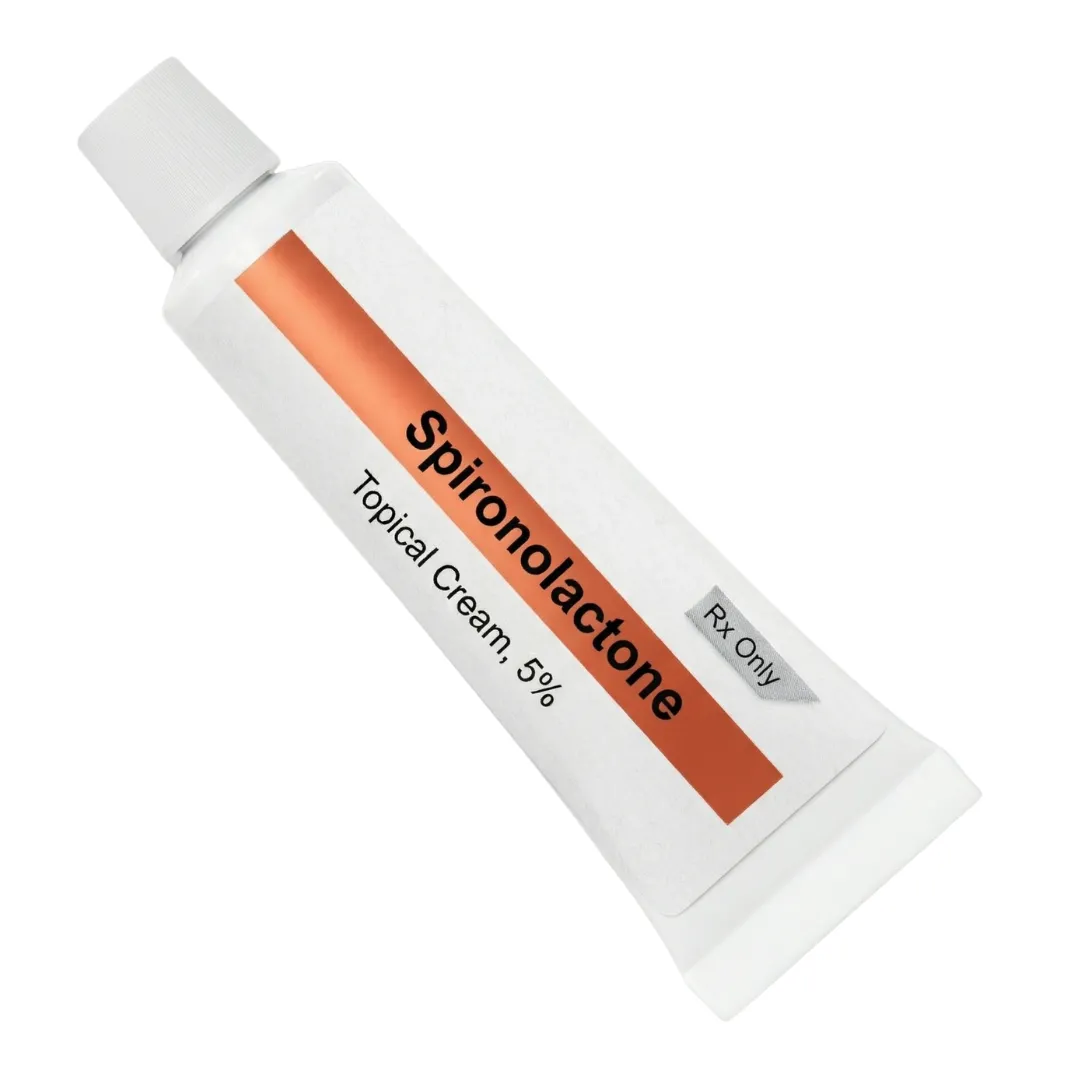
Deciding between topical and oral spironolactone is a collaborative process between you and your dermatology provider. Your provider will evaluate your skin, medical history, and treatment goals to recommend the option that best fits your needs.

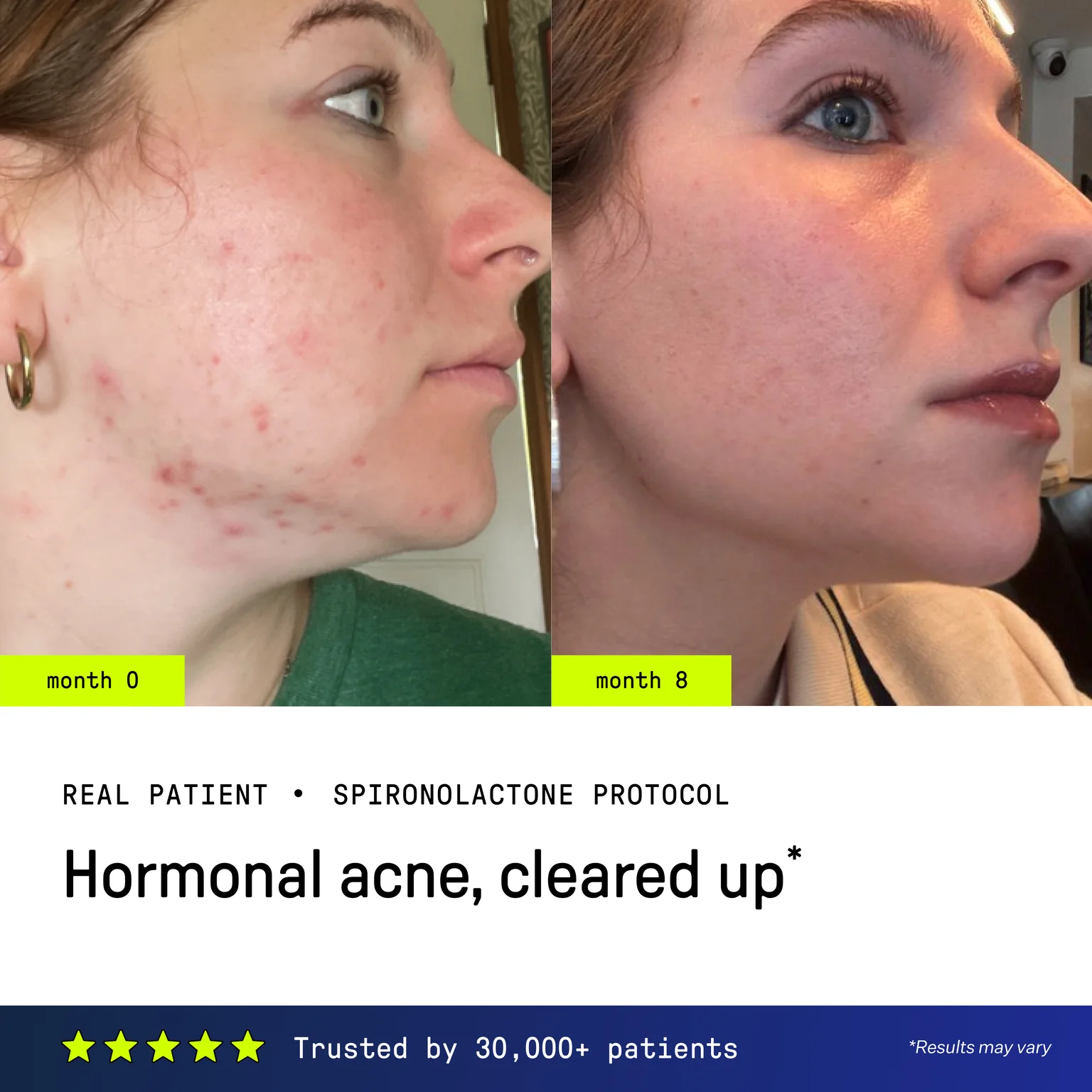
see a noticeable reduction in hormonal acne breakouts*
maintain clear or mostly clear skin while continuing treatment*
report improved control of jawline, chin, and lower-face acne*
*Based on clinical studies and dermatology practice outcomes. Results depend on dose, consistency, and individual hormone patterns.
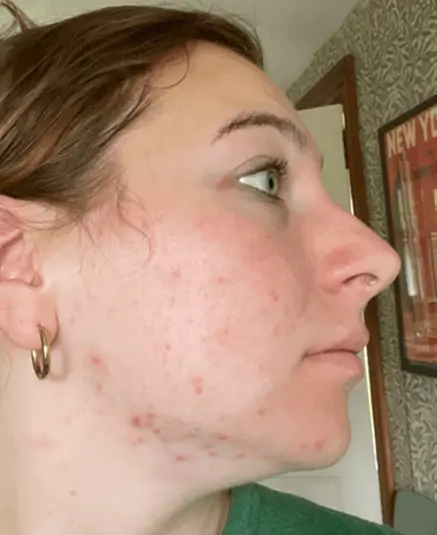
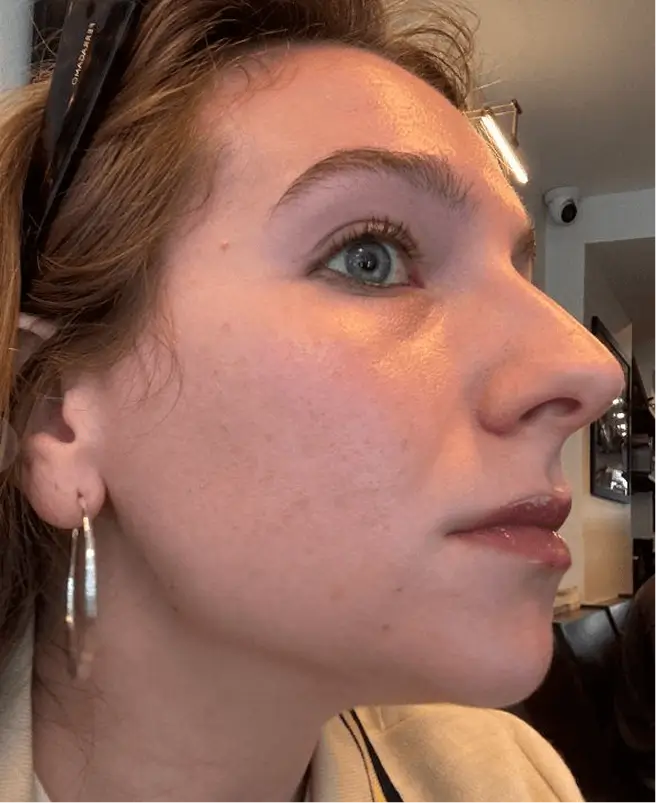
My skin completely cleared up
Through Honeydew, I started Spironolactone. My skin completely cleared up and the level of new breakouts has been zero to none. The consistency of sticking with Honeydew and sticking with Spironolactone has been amazing.
No. Spironolactone should not be taken by anyone who is pregnant or actively trying to conceive. It can interfere with normal hormonal development in a male fetus and is contraindicated in pregnancy. If you are planning to become pregnant, you should stop taking spironolactone before trying to conceive — your Honeydew provider will advise you on the appropriate timing for discontinuation. If you're at the stage where you may want to become pregnant in the near future, discuss this with your provider during your intake so they can factor it into your treatment plan, which may include a time-limited course or an alternative therapy.
Unlike isotretinoin, spironolactone does not have mandatory monthly check-in or refill requirements; it's managed more like a standard prescription. Through Honeydew, refill coordination is handled by your care team as part of your membership. Your provider may schedule periodic check-ins to assess your response and adjust your dose, and may order occasional blood work to monitor potassium levels and blood pressure depending on your dose and health history. You can message your care team any time your skin changes, your side effects concern you, or you need a prescription adjustment.
Yes. Honeydew membership does not require insurance. Our flat-rate pricing covers provider access, prescription management, and unlimited follow-up care regardless of coverage status. Because generic spironolactone is among the most affordable medications available — often $10 to $30/month at retail without insurance — uninsured patients typically find spironolactone treatment through Honeydew very accessible. If you do have insurance, your prescription can be submitted to further reduce or eliminate medication costs.
Generic spironolactone is one of the most affordable prescription medications available. Without insurance, a 30-day supply typically costs $10 to $30 at most major pharmacies — and with GoodRx or similar discount cards, it can be as low as $5 to $15. With insurance, most patients pay a minimal co-pay. Honeydew's membership fee — starting at $25/month on an annual plan — covers all provider access, unlimited follow-ups, and prescription coordination. For most patients, the total monthly cost of spironolactone treatment through Honeydew is very manageable, and Honeydew's membership is HSA/FSA eligible.
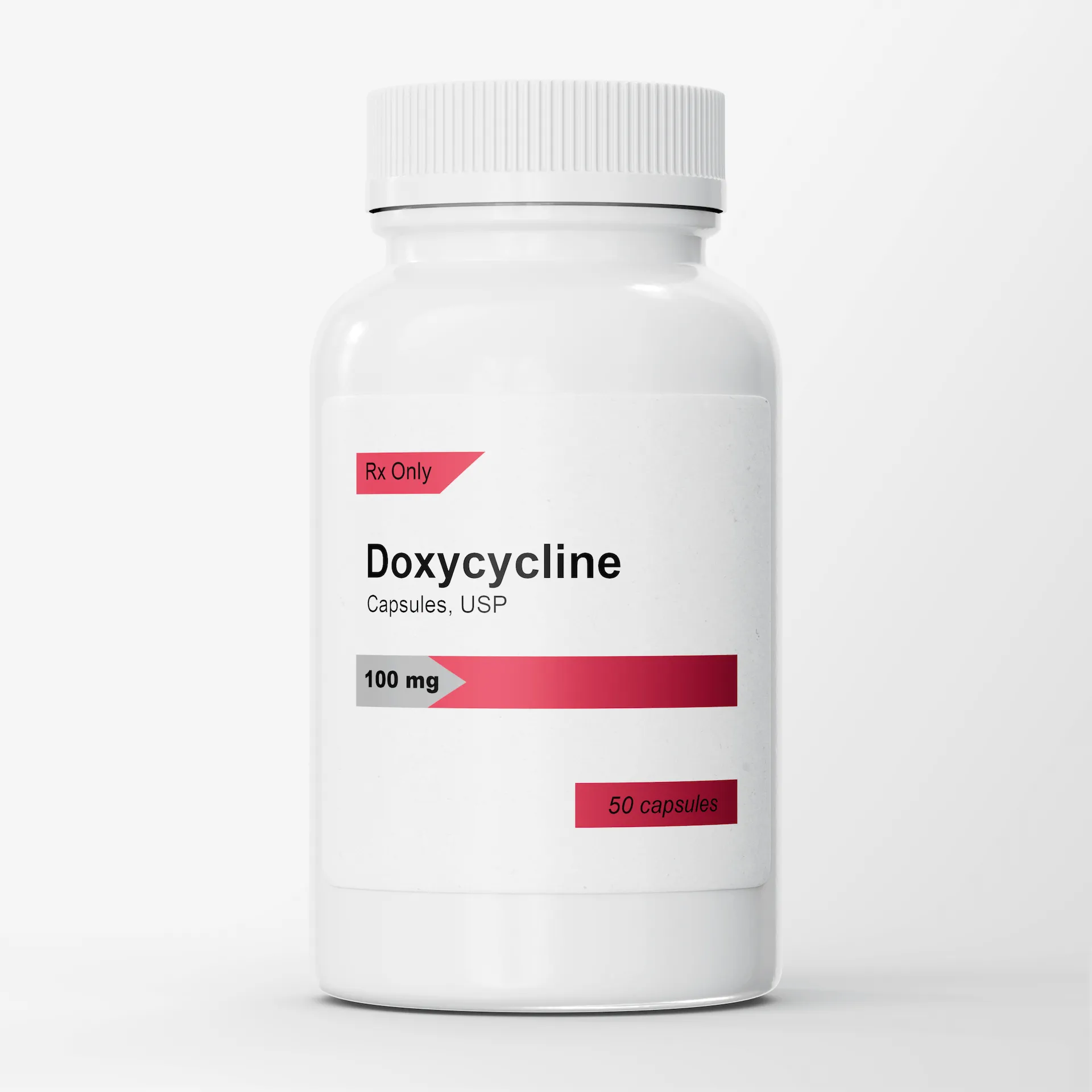
Doxycycline is an oral antibiotic that reduces acne by targeting bacteria and decreasing inflammation — it doesn't address the hormonal driver of acne at all. For women with clearly hormonal acne (cycle-related, jawline-concentrated, oil-driven), doxycycline can reduce inflammation short-term but rarely produces lasting results because it doesn't address why the acne is occurring. Spironolactone, by contrast, addresses the root hormonal cause. Most dermatologists consider antibiotics like doxycycline a bridge or short-term measure while waiting for a hormonal treatment to take effect — not a long-term solution for hormonally-driven acne. If you've tried doxycycline and your acne keeps returning, transitioning to or adding spironolactone is typically the recommended next step for women.
Both combined oral contraceptives and spironolactone address hormonal acne, but through different mechanisms. Oral contraceptives work by reducing the production of androgens overall and increasing a protein (SHBG) that binds free testosterone, reducing its activity. Spironolactone blocks androgen receptors directly, preventing androgens from acting on the skin regardless of their circulating levels. In practice, spironolactone tends to be more potent for dermatological androgen blockade than birth control alone, particularly for moderate-to-severe hormonal acne. The two are frequently prescribed together — birth control for cycle regulation and baseline androgen suppression, spironolactone for additional androgen blockade at the receptor level. If you've been on the pill and your acne hasn't fully responded, adding spironolactone is a common next step.
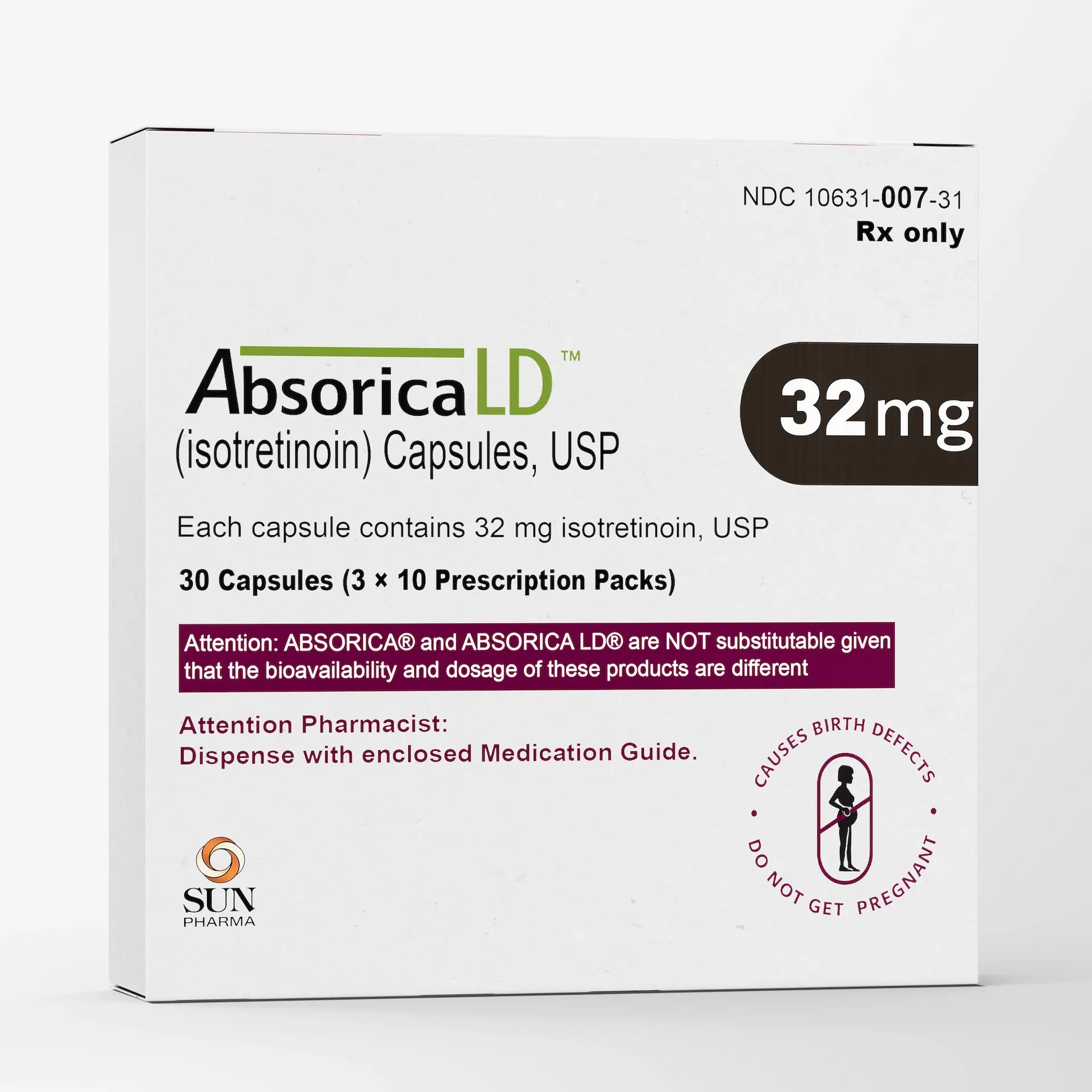
Spironolactone and Accutane (isotretinoin) are both effective for acne but work differently and suit different patients. Spironolactone is prescribed only for women, targets the hormonal driver of acne, requires ongoing use to maintain results, and has a mild side effect profile. Accutane is for both men and women, works by directly and significantly reducing sebaceous gland activity, and for many patients produces lasting or permanent clearance after a single finite course — but comes with a more significant side effect profile and the iPledge monitoring requirement. For women with clearly hormonal acne — jawline, chin, cycle-related — spironolactone is typically the first-line systemic recommendation. For severe, nodular, or cystic acne that hasn't responded to spironolactone, or for patients who want a time-limited course with lasting results, Accutane is often the stronger option. Your Honeydew provider will help you evaluate which path makes sense based on your acne type, severity, and goals.
The answer depends on the severity of your hormonal acne and your personal preferences. Oral spironolactone works systemically and is generally more effective for moderate-to-severe hormonal acne, widespread breakouts, or cases with significant oil production. Topical spironolactone is well-suited for mild-to-moderate hormonal acne localized to the face, particularly the jawline and chin, and for patients who want to minimize systemic side effects. Some patients use both simultaneously for enhanced effect. Your Honeydew provider will evaluate the pattern and severity of your acne and make a personalized recommendation. Both formulations are available through Honeydew.
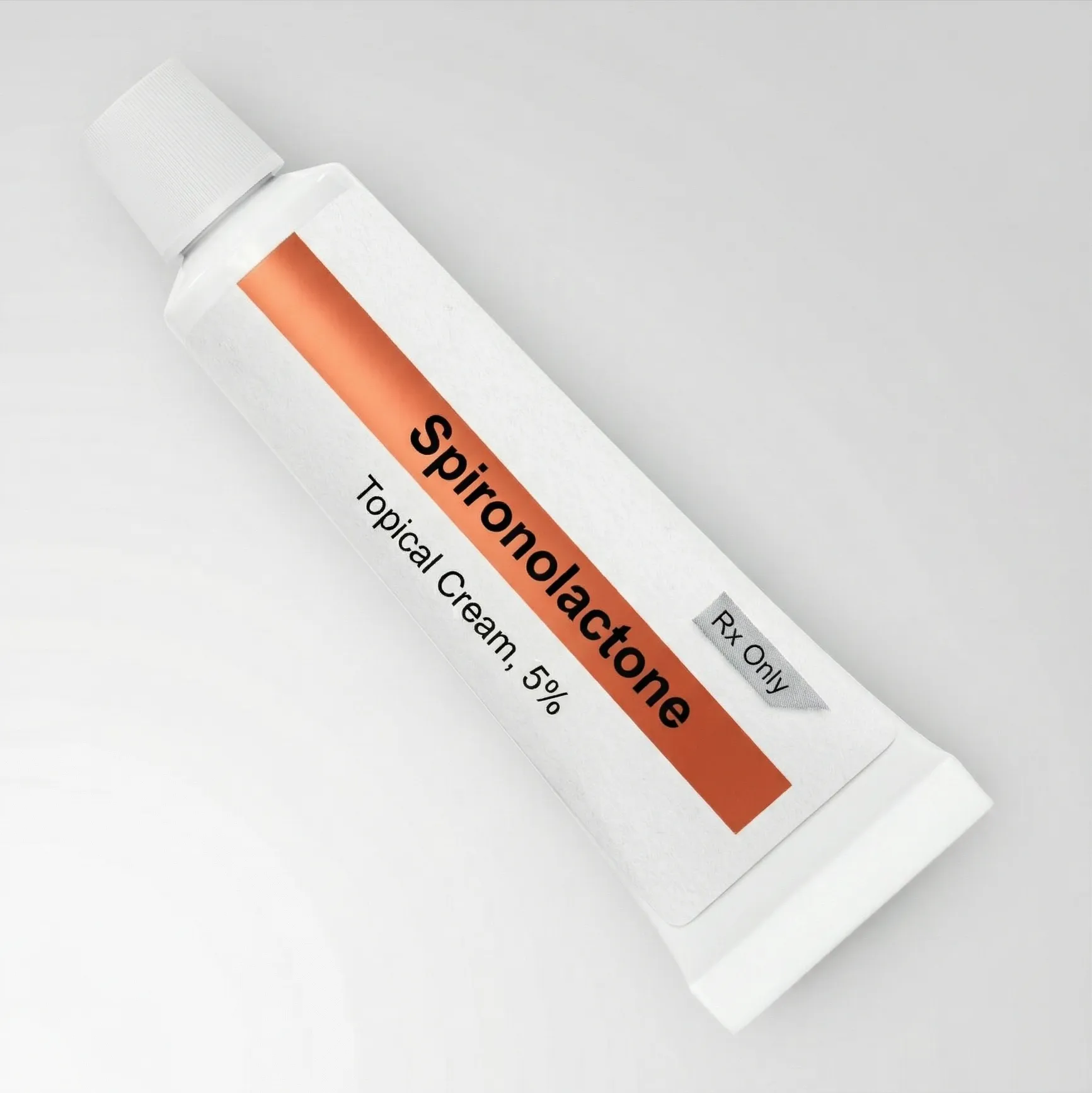
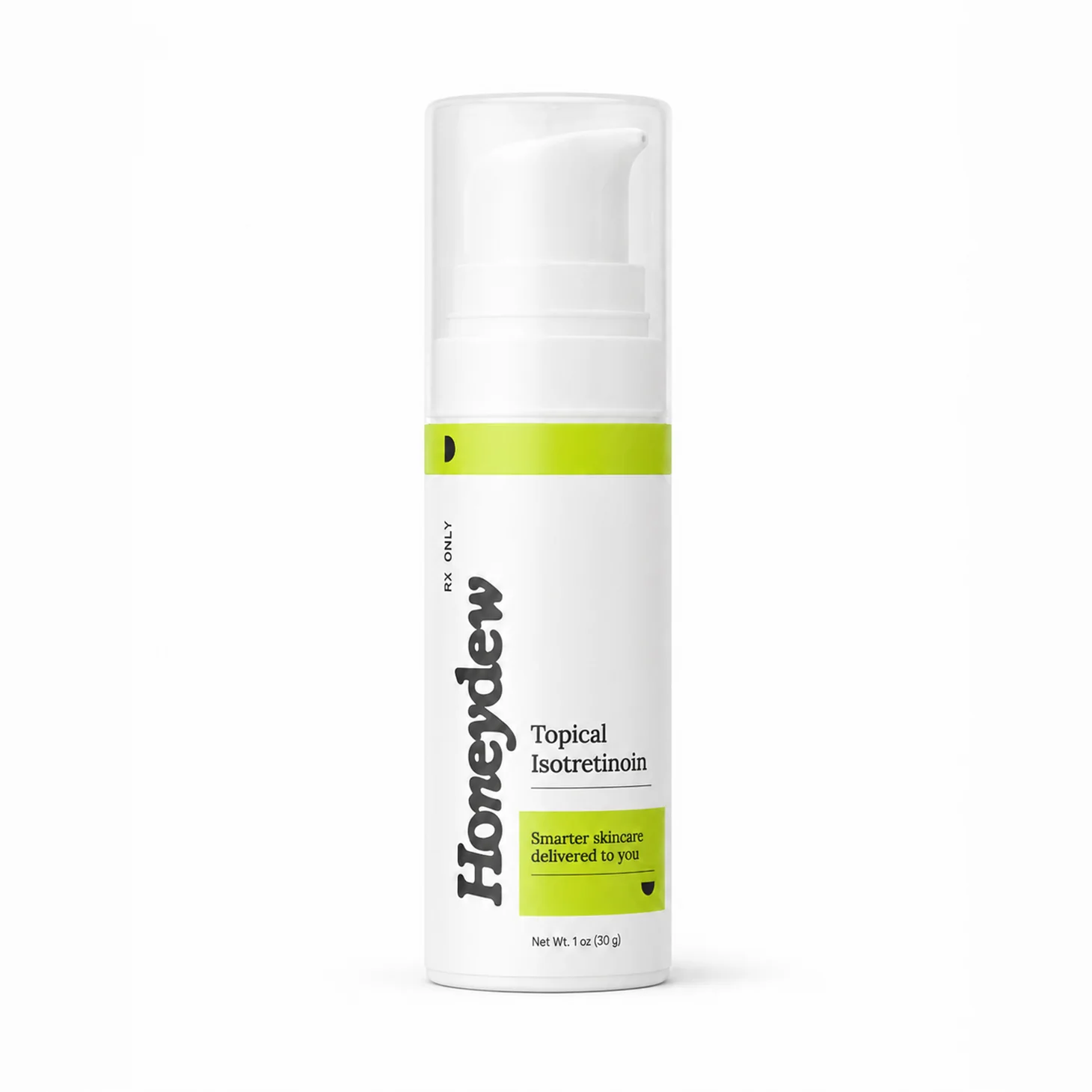
Topical spironolactone is a compounded formulation of spironolactone applied directly to acne-prone areas of the skin. Unlike oral spironolactone which works systemically throughout the body, topical spironolactone targets androgen receptors locally in the skin where it's applied. This means it delivers anti-androgen benefits with minimal systemic absorption, significantly reducing the risk of systemic side effects like menstrual changes, increased urination, or blood pressure effects. Topical spironolactone is often a good option for patients with mild-to-moderate hormonal acne, those who are sensitive to side effects of oral medications, or those who prefer not to take a daily pill. Honeydew offers both formulations, and your provider will recommend the right approach based on your acne severity, medical history, and preferences.
Spironolactone works in the kidneys by blocking aldosterone receptors, which causes the kidneys to retain potassium rather than excreting it. This mechanism, "potassium-sparing diuresis," means spironolactone can raise potassium levels (hyperkalemia) in some patients, particularly those with kidney disease, those taking other potassium-raising medications, or those consuming very large amounts of potassium supplements or salt substitutes. For most healthy women taking spironolactone at acne doses, dietary potassium in normal amounts — from foods like bananas, avocados, or leafy greens — does not pose a meaningful risk. Your provider will advise you to avoid potassium supplements and high-potassium salt substitutes specifically, and may check your potassium through baseline blood work if clinically appropriate.
Yes. Spironolactone has been prescribed for decades and has a well-established long-term safety profile in women at the doses used for acne. Unlike broad-spectrum antibiotics, it does not cause antibiotic resistance or gut microbiome disruption. The main long-term considerations are potassium levels — spironolactone is a potassium-sparing diuretic, meaning it can elevate potassium, which is monitored with periodic blood work — and ongoing blood pressure monitoring in patients with pre-existing low blood pressure. For the vast majority of healthy women on dermatology doses (25mg to 100mg), long-term use is well tolerated. Your Honeydew provider will determine appropriate monitoring based on your dose and medical history.
Alcohol is not strictly prohibited on spironolactone, but it should be consumed with caution. Spironolactone can lower blood pressure, and alcohol amplifies this effect — increasing the risk of dizziness, lightheadedness, or fainting, particularly when standing up quickly. This combination is most problematic at higher doses of spironolactone and if you're prone to low blood pressure. Your Honeydew provider will advise based on your dose and health history, but the general guidance is to limit alcohol consumption while on spironolactone and to avoid drinking on an empty stomach or in situations where dizziness could be unsafe.
Spironolactone is not safe during pregnancy — it can interfere with normal hormonal development in a male fetus. For this reason, providers strongly recommend that patients who can become pregnant use reliable contraception while taking spironolactone. Unlike isotretinoin, there is no mandatory federal safety program (like iPledge) requiring birth control but your Honeydew provider will discuss contraception as part of your treatment plan and will advise accordingly based on your circumstances. Many patients take spironolactone alongside a combined oral contraceptive, which provides both pregnancy prevention and an additional benefit for hormonal acne. If you're using other reliable contraception or cannot use hormonal birth control, discuss this with your provider.
Menstrual changes are one of the most commonly reported side effects of spironolactone. Because spironolactone affects androgen levels and has weak progesterone-blocking activity, it can cause irregular periods, lighter or heavier flow, spotting between periods, or changes in cycle timing — particularly in the first few months. These changes typically stabilize after 2 to 3 months as the body adjusts to the medication. For patients whose periods are already irregular due to PCOS, spironolactone alone may not regulate the cycle. An oral contraceptive is often prescribed alongside it both for cycle regulation and for the added acne benefit. If your cycle changes are disruptive or persistent, your Honeydew provider can discuss whether dose adjustment or combination with a hormonal contraceptive makes sense.
This is nuanced. For women with androgenic alopecia or PCOS-related hair thinning, spironolactone typically helps stabilize or slow hair loss by blocking DHT at the follicle. For patients taking spironolactone for acne without underlying androgenic hair loss, temporary increased shedding is occasionally reported in the early weeks of treatment as the hormonal environment shifts. This initial shedding — if it occurs — typically resolves within the first couple of months. If you experience ongoing or significant hair shedding while on spironolactone, raise it with your Honeydew provider. A dose adjustment can often address the issue.
Weight gain is not a documented side effect of spironolactone at doses used for acne treatment. Because spironolactone is a diuretic, it can actually cause a small initial drop in water weight as the body excretes excess fluid. Any weight changes experienced while taking spironolactone are most likely related to other factors — including hormonal fluctuations associated with PCOS or normal variation. If you notice significant unexplained weight changes while on spironolactone, mention it at your next check-in so your provider can assess whether it warrants further evaluation.
The starting dose of 25mg is typically used to assess initial tolerance, particularly for patients who are sensitive to blood pressure-related side effects like dizziness. 50mg is the most commonly used starting dose for acne and often provides meaningful improvement on its own. 100mg is a commonly used maintenance dose for patients who needed more aggressive androgen blockade to achieve clearance. 150mg to 200mg is prescribed less frequently and typically reserved for patients who haven't responded adequately at lower doses. Generally speaking, higher doses provide stronger androgen blockade and faster results but carry a greater risk of menstrual cycle changes and other side effects. Your provider will recommend the dose most likely to give you good results with acceptable tolerability.
For hormonal acne, spironolactone is typically started at 25mg to 50mg per day and titrated upward based on response and tolerability. Most patients are maintained at 50mg to 100mg daily, with some requiring up to 150mg or 200mg for adequate control. Higher doses are generally more effective but also associated with a higher likelihood of side effects like menstrual irregularities and breast tenderness. Your Honeydew provider will start you at a conservative dose and adjust based on how your skin responds and how well you're tolerating the medication. Dose decisions are individualized — there's no single right dose for every patient.
For most patients, yes. Because spironolactone works by blocking androgen activity rather than permanently altering the sebaceous glands, its benefits are tied to continued use. When you stop taking spironolactone, androgen activity resumes and hormonal acne typically returns — often within 1 to 3 months. This is different from isotretinoin (Accutane), which can produce lasting or permanent remission after a finite course. If you're considering stopping spironolactone, your Honeydew provider can help you evaluate whether a dose reduction, a transition to topical spironolactone, or a different long-term strategy makes sense for your skin.
Clinical studies of spironolactone for hormonal acne show that 70–85% of patients experience a meaningful reduction in breakouts within 3 to 6 months. Many patients describe a gradual but progressive improvement: fewer new cysts, less jawline and chin congestion, and significantly reduced oil production. Some patients achieve near-complete clearance; others see 70–80% improvement that can be further enhanced by adding a topical retinoid. It's worth noting that spironolactone manages hormonal acne rather than curing it — most patients need to continue treatment to maintain their results, and breakouts typically return when the medication is stopped. Your Honeydew provider will discuss long-term management alongside your initial treatment plan.
Most patients begin to see a reduction in new breakouts between 4 and 8 weeks after starting spironolactone, with more significant improvement developing over 3 to 6 months. Full results — meaning a sustained, meaningful reduction in hormonal acne — typically take 3 to 6 months to achieve. Some patients see near-complete clearance; others see a significant but partial reduction that may prompt a dose adjustment. Because spironolactone works by gradually changing the hormonal environment in the skin rather than killing bacteria or unclogging pores directly, patience is important. Your Honeydew provider will track your progress with photo check-ins and can adjust your dose if your response is slower than expected.Read more in detail about each stage on our blog.
In women with androgenic alopecia — hair thinning or loss driven by DHT sensitivity at the hair follicle — spironolactone may help slow or stabilize hair loss by blocking DHT's effect on hair follicles. It is less consistently effective for hair loss than for acne or hirsutism, and it is not a first-line treatment for all types of female hair thinning. However, for women whose hair loss is clearly androgen-driven, particularly those with PCOS or elevated androgens, spironolactone can be a useful part of a treatment plan. Your Honeydew provider will evaluate the likely cause of your hair thinning and discuss whether spironolactone is appropriate for your situation.
Yes. Spironolactone is one of the most commonly prescribed treatments for hirsutism — excess facial and body hair growth in women driven by elevated androgens. By blocking androgen receptors at the hair follicle level, spironolactone slows the growth rate of existing hair, reduces coarsening and darkening, and in many cases produces meaningful reduction in facial and body hair over 6 to 12 months of treatment. Results develop more slowly for hirsutism than for acne and require patience — most patients see initial changes at 3 to 6 months, with more significant improvement at 6 to 12 months. If you're experiencing both excess facial hair and hormonal acne, spironolactone can address both simultaneously.
Yes. Honeydew providers can evaluate and prescribe spironolactone for PCOS-related acne entirely online. After completing your medical intake — including your PCOS diagnosis, current medications, and any relevant lab history — your provider will assess whether spironolactone is appropriate and at what dose. Patients with PCOS who are also managing other aspects of the condition with an OB-GYN or endocrinologist can continue that care alongside Honeydew treatment, as spironolactone for skin is typically managed independently of PCOS care more broadly.
Yes. Spironolactone is one of the most effective treatments for acne driven by polycystic ovary syndrome (PCOS). PCOS is characterized by excess androgen production, which stimulates the sebaceous glands to overproduce oil and cause the persistent, often cystic acne that many women with PCOS experience. Because the root cause is hormonal rather than bacterial, topical treatments and antibiotics frequently fail for this audience. Spironolactone addresses the problem at the source by blocking androgen receptors which is why it works when other treatments haven't. If you have a PCOS diagnosis and are experiencing acne, your Honeydew provider will take your full hormonal picture into account when evaluating whether spironolactone is appropriate for you.
Yes. Spironolactone is FDA-approved as a diuretic and for conditions including high blood pressure, heart failure, and hyperaldosteronism. Its use for hormonal acne, hirsutism, and androgenic alopecia in women is considered off-label — meaning the FDA has not specifically reviewed or approved these indications, though the medication itself is fully approved. Off-label prescribing is a standard, widely accepted medical practice. Spironolactone has been used off-label for hormonal acne for decades, is supported by robust clinical evidence, and is recommended by the American Academy of Dermatology for this indication. Honeydew providers prescribe spironolactone for hormonal acne when it is clinically appropriate for a patient's individual needs and history.
Yes. Spironolactone is classified as an androgen receptor antagonist commonly referred to as an androgen blocker or anti-androgen. It works by competitively binding to androgen receptors throughout the body, including in the skin's sebaceous glands, preventing testosterone and dihydrotestosterone (DHT) from binding and triggering excess oil production. This mechanism makes it effective not only for hormonal acne but also for other androgen-driven conditions in women, including hirsutism (excess facial and body hair) and androgenic hair thinning. It is the most widely prescribed anti-androgen for dermatological conditions in women in the U.S.
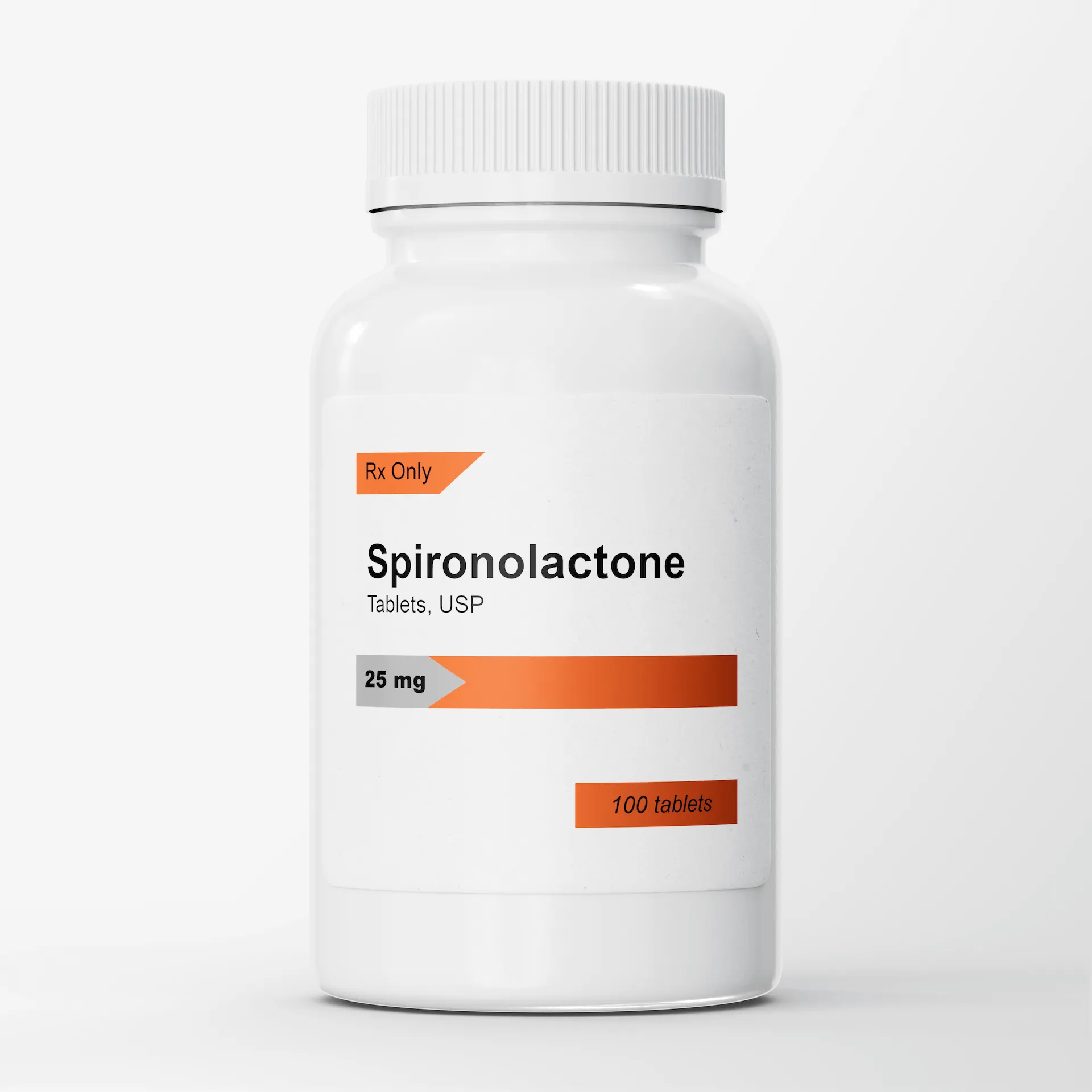
Spironolactone — sold under the brand name Aldactone — is an oral anti-androgen medication that treats hormonal acne by blocking androgen receptors in the skin. Androgens like testosterone and DHT (dihydrotestosterone) stimulate the skin's sebaceous glands to overproduce oil, which clogs pores and leads to the deep, cystic breakouts characteristic of hormonal acne. By occupying those androgen receptors, spironolactone prevents testosterone and DHT from binding — effectively reducing oil production at the source. The result, for most patients, is a progressive reduction in new breakouts over the course of several months. Because it targets the hormonal driver rather than just the surface symptoms, spironolactone often works where topicals and antibiotics have failed.
.webp)
Monthly check-ins help your provider monitor side effects, tolerance, and overall progress throughout treatment.
.webp)
If needed, your provider may request baseline or follow-up labs to ensure treatment stays safe and effective.
.webp)
Patients who can become pregnant complete required monthly pregnancy testing and iPLEDGE steps, with support at every stage.
.webp)
Mood changes are rare but taken seriously. Your provider checks in regularly and adjusts care if needed.

Zero waiting rooms, zero co-pays. Get expert care, personalized treatments, and ongoing support, all online for one transparent price.
Licensed dermatology providers who understand acne beyond the surface and guide your treatment from day one.
We handle prior authorizations, pharmacy communication, and refills so you don't have to.
Upload photos directly to your patient dashboard so you and your provider can monitor how your skin is responding to treatment over time.
Message your provider anytime your skin changes, your prescription needs adjusting, or for anything else.
Honeydew membership is eligible for HSA/FSA spending.
Get expert dermatology care from anywhere in the U.S., with no in-person visits required.
Find more answers in our FAQ or Contact us.
From topicals to oral medications, your provider prescribes what’s right for your skin.