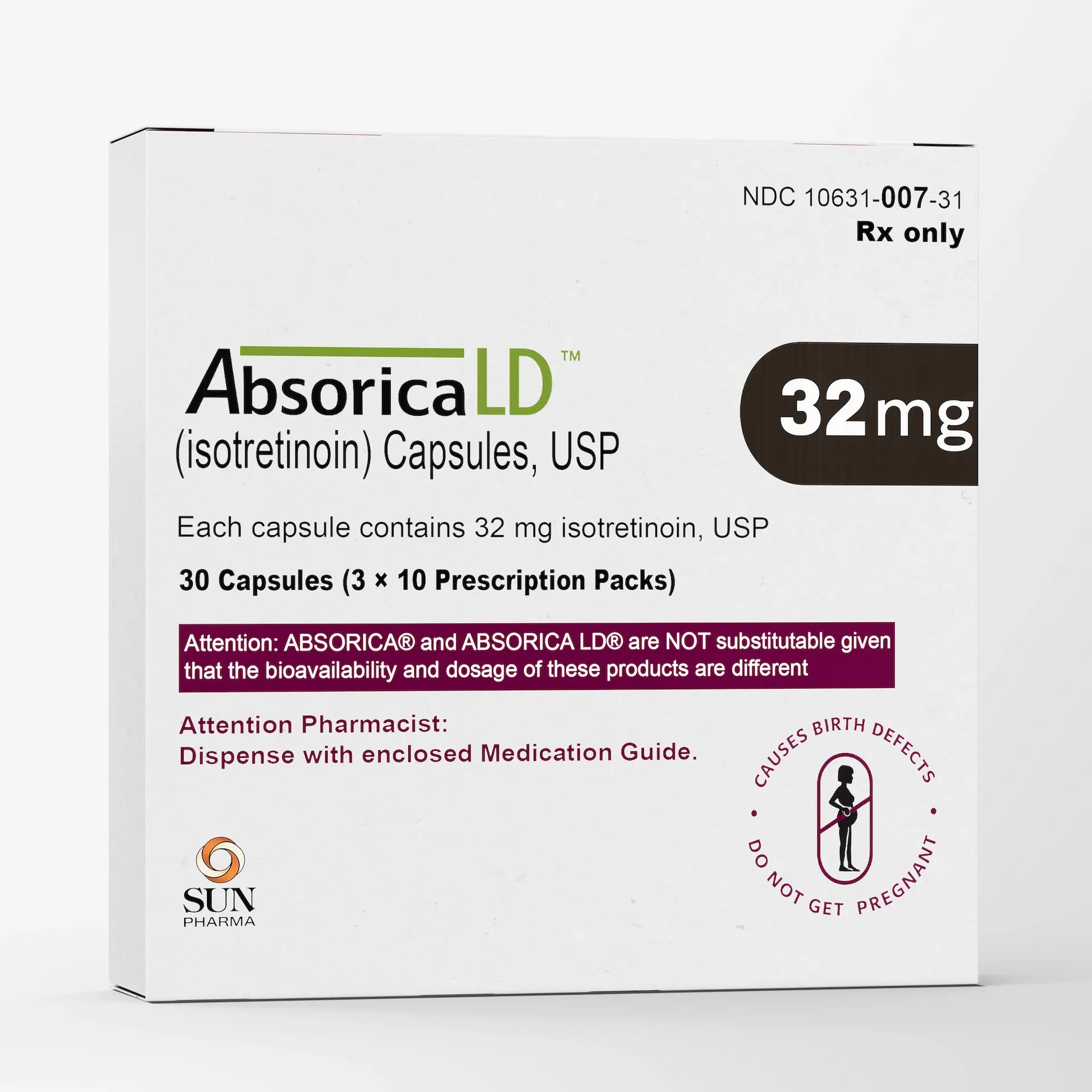

Isotretinoin
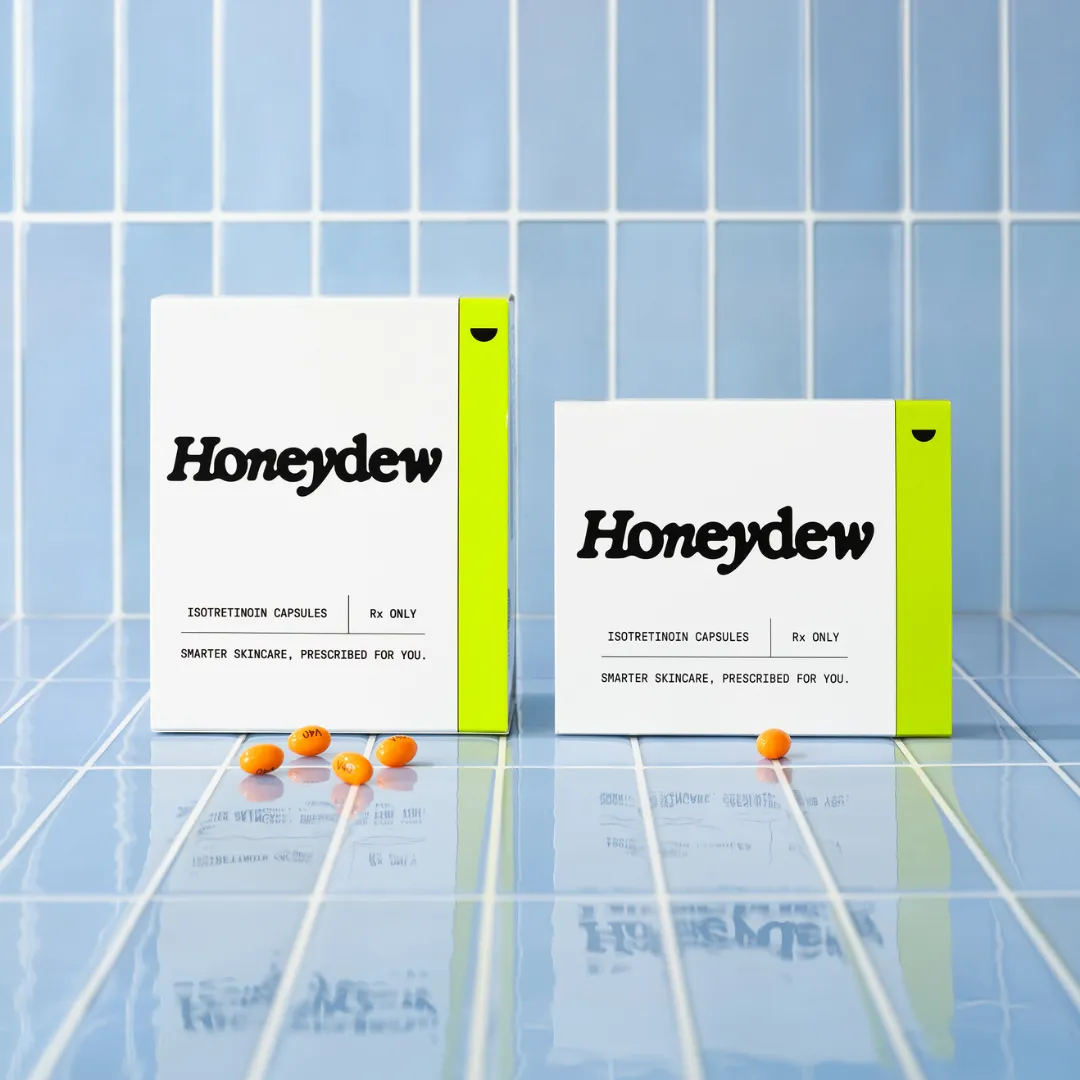
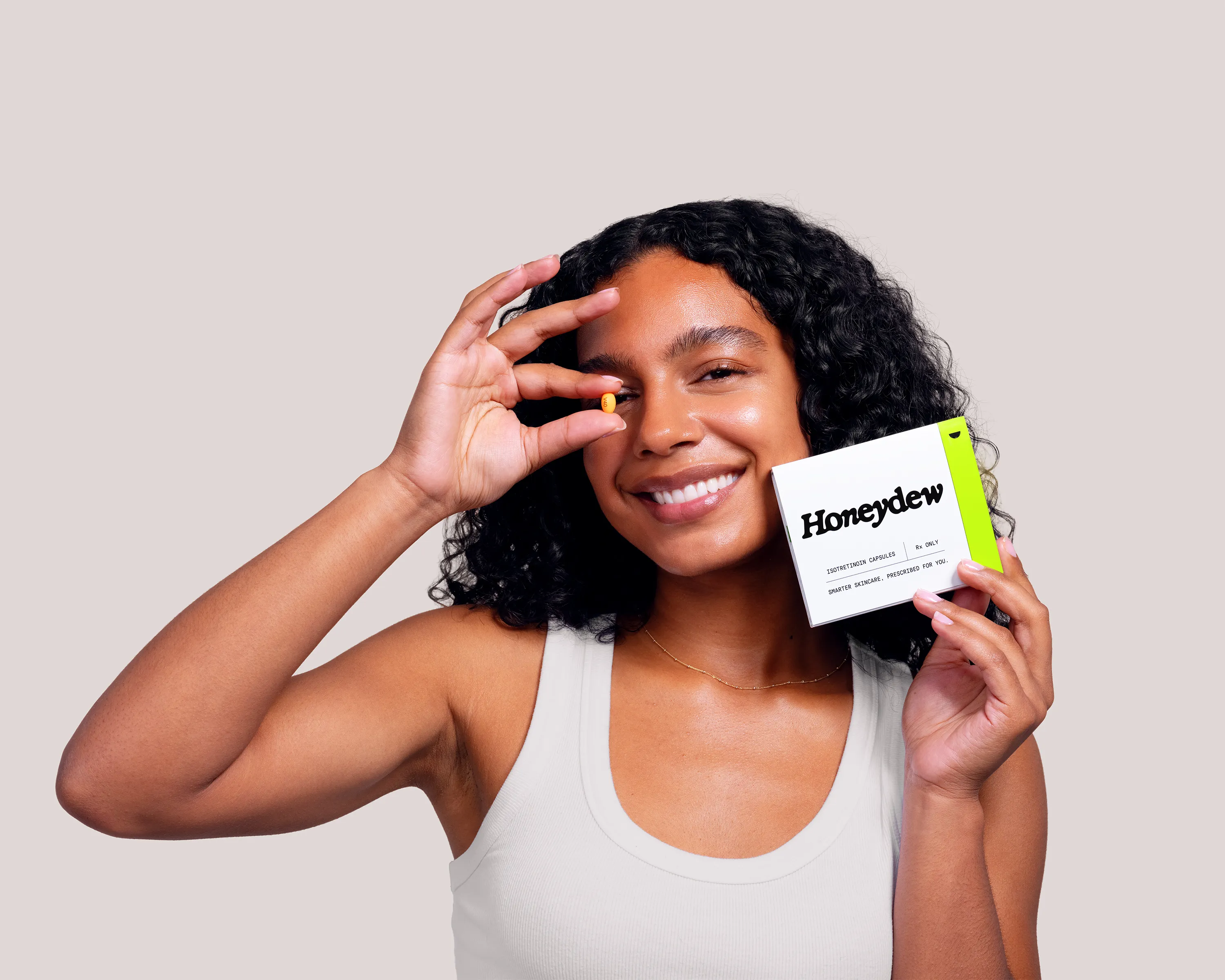
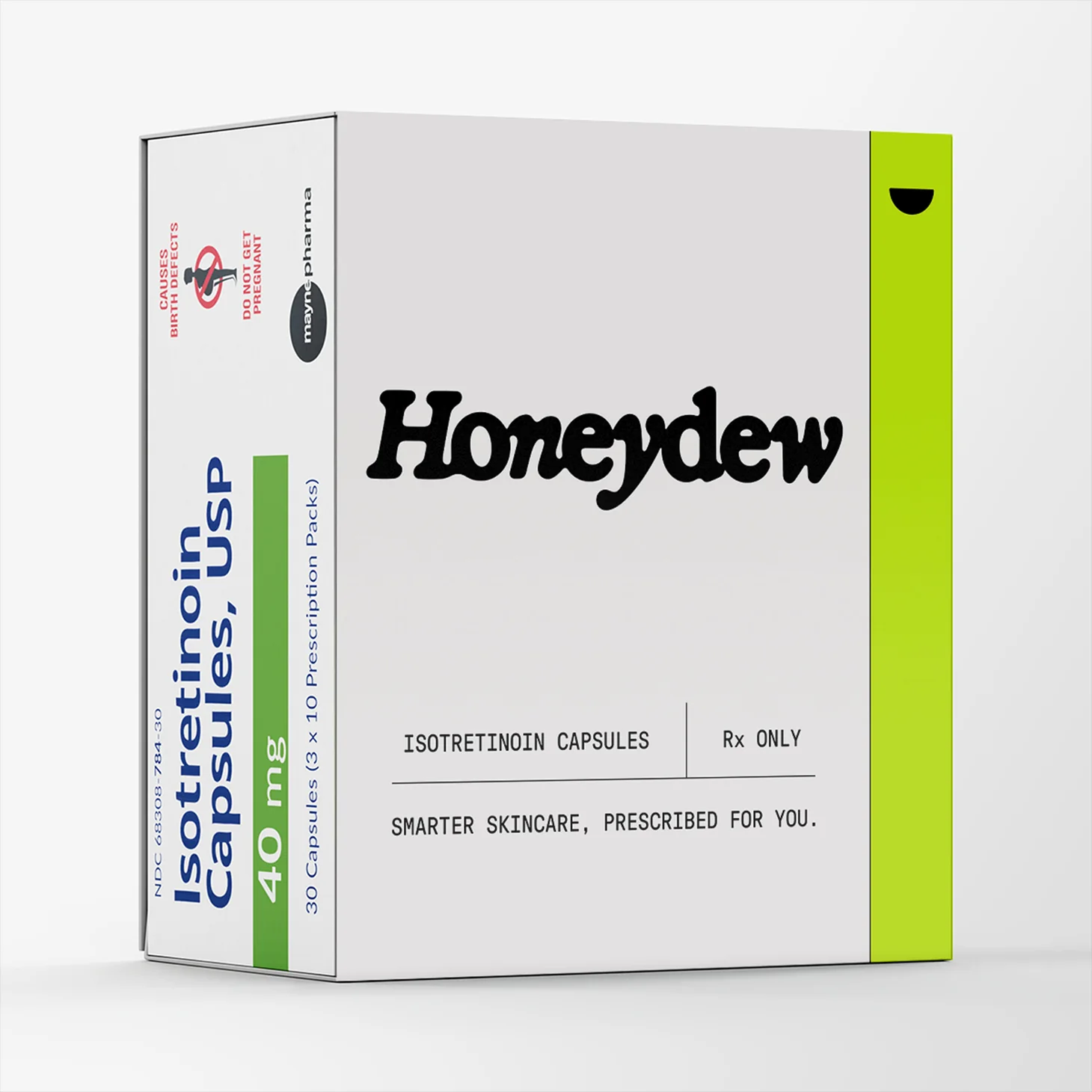
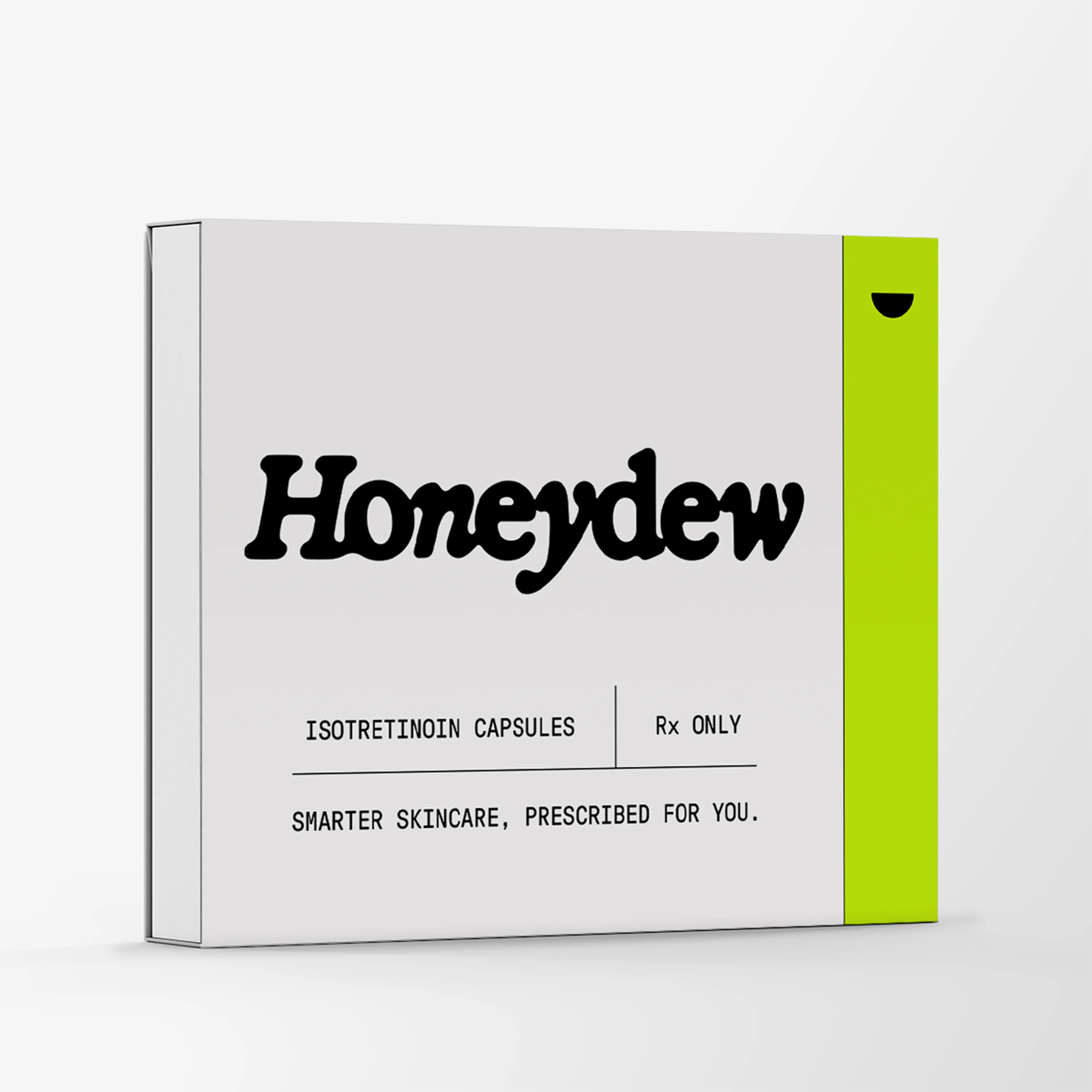
Treat persistent acne with Low-Dose Accutane (isotretinoin), prescribed online. Get dermatologist-guided care with close monitoring, safety oversight, and medication delivered to your door.


Eligible patients may be prescribed Accutane-branded isotretinoin or other equivalent generic versions depending on pharmacy selection, insurance coverage, and pharmacy stock.
IMPORTANT SAFETY INFORMATION FOR ACCUTANE® (ISOTRETINOIN): Accutane® must not be used by patients who are or may become pregnant. There is an extremely high risk that severe birth defects will result if pregnancy occurs while taking Accutane in any amount, even for short periods of time. Potentially any fetus exposed during pregnancy can be affected. There are no accurate means of determining whether an exposed fetus has been affected. Read more about serious warnings and safety info.
Off-Label Notice: Low-dose isotretinoin is considered an off-label use of the medication. While isotretinoin is FDA-approved, the agency has not specifically approved lower-dose regimens for acne treatment. Licensed healthcare providers, however, may prescribe medications for off-label uses when they determine it is safe and appropriate for a patient’s individual needs.Off-label prescribing is a common and accepted medical practice, often supported by research and clinical experience. Honeydew providers may recommend low-dose isotretinoin when, in their medical judgment, it is the best approach for a patient’s unique history, symptoms, and treatment goals.

Accutane (isotretinoin) treats severe, cystic, or scarring acne that hasn’t improved with other treatments. It reduces oil production, inflammation, and clogged pores to help achieve long-term acne clearing.
Dry lips, skin, and eyes are common. Some people notice mild muscle aches or an early acne flare. These effects are expected and monitored closely by your dermatologist, however, lower doses of Accutane have resulted in more mild side effects.
Accutane is regulated through the iPLEDGE program. Patients who can become pregnant must use approved birth control and complete monthly pregnancy testing. All patients complete required safety check-ins before refills.
Honeydew makes Accutane treatment simple and fully online. Your dermatologist manages dosing, labs, and safety monitoring, while we coordinate iPLEDGE requirements, prescriptions, and delivery - so you can focus on your skin, not paperwork.

Fill out a quick medical questionnaire and upload photos of your skin. In many cases, treatment can begin right away without a video consult.

If a visit is needed, you can book a quick video consult within 48 hours. Your provider takes the time to understand your skin and your goals.

Your provider creates a personalized plan, then your treatment is delivered to your door or sent to your local pharmacy.

Track your progress with photos and message your Care Team anytime for questions, refills, and guidance. We'll respond, 7 days a week.
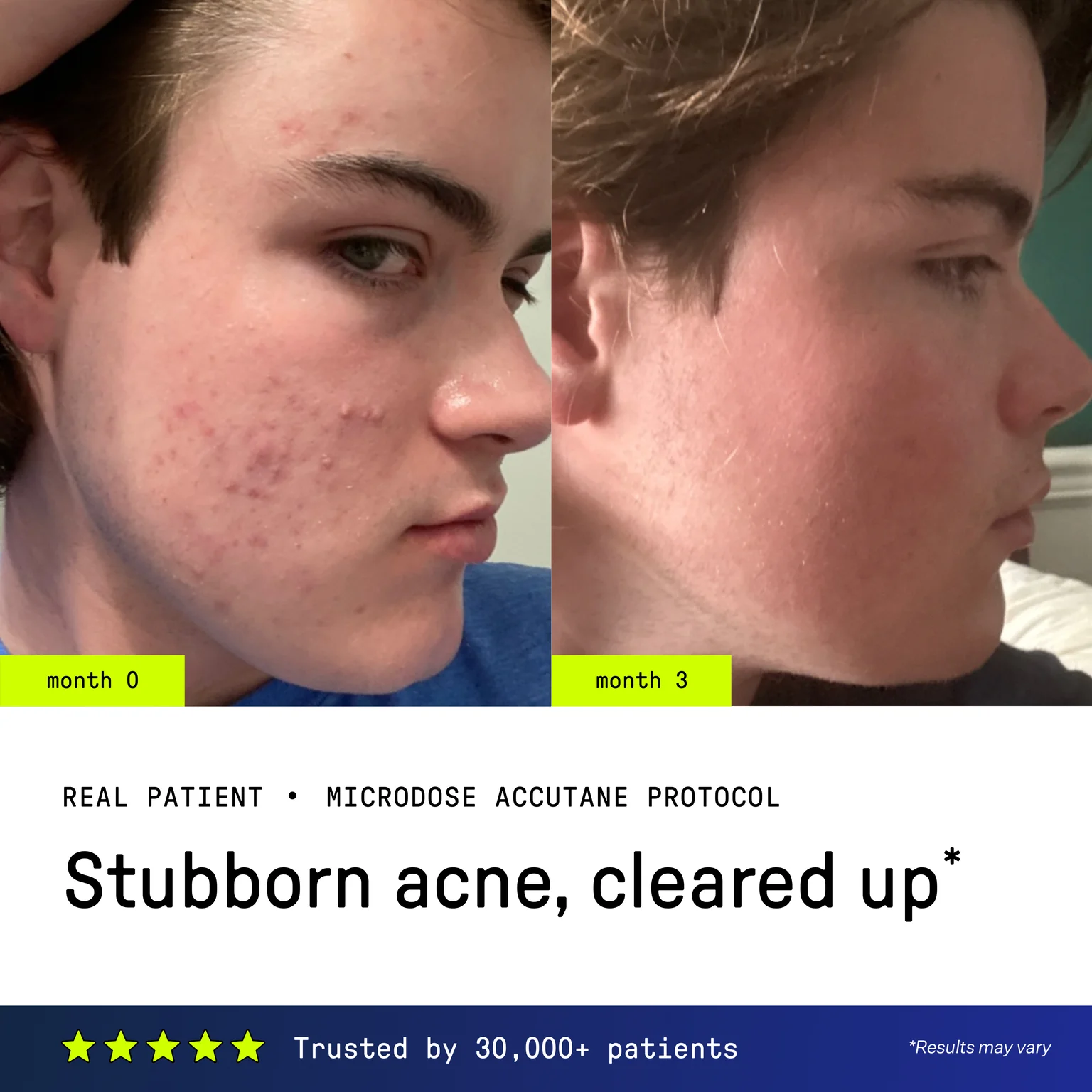
Accutane (isotretinoin) reduces oil production, prevents clogged pores, and decreases inflammation, helping many patients achieve long-term remission after treatment. It tackles breakouts at the source and can deliver lasting, life-changing results.
With the right dermatology guidance, it can dramatically reduce breakouts and support lasting improvement.
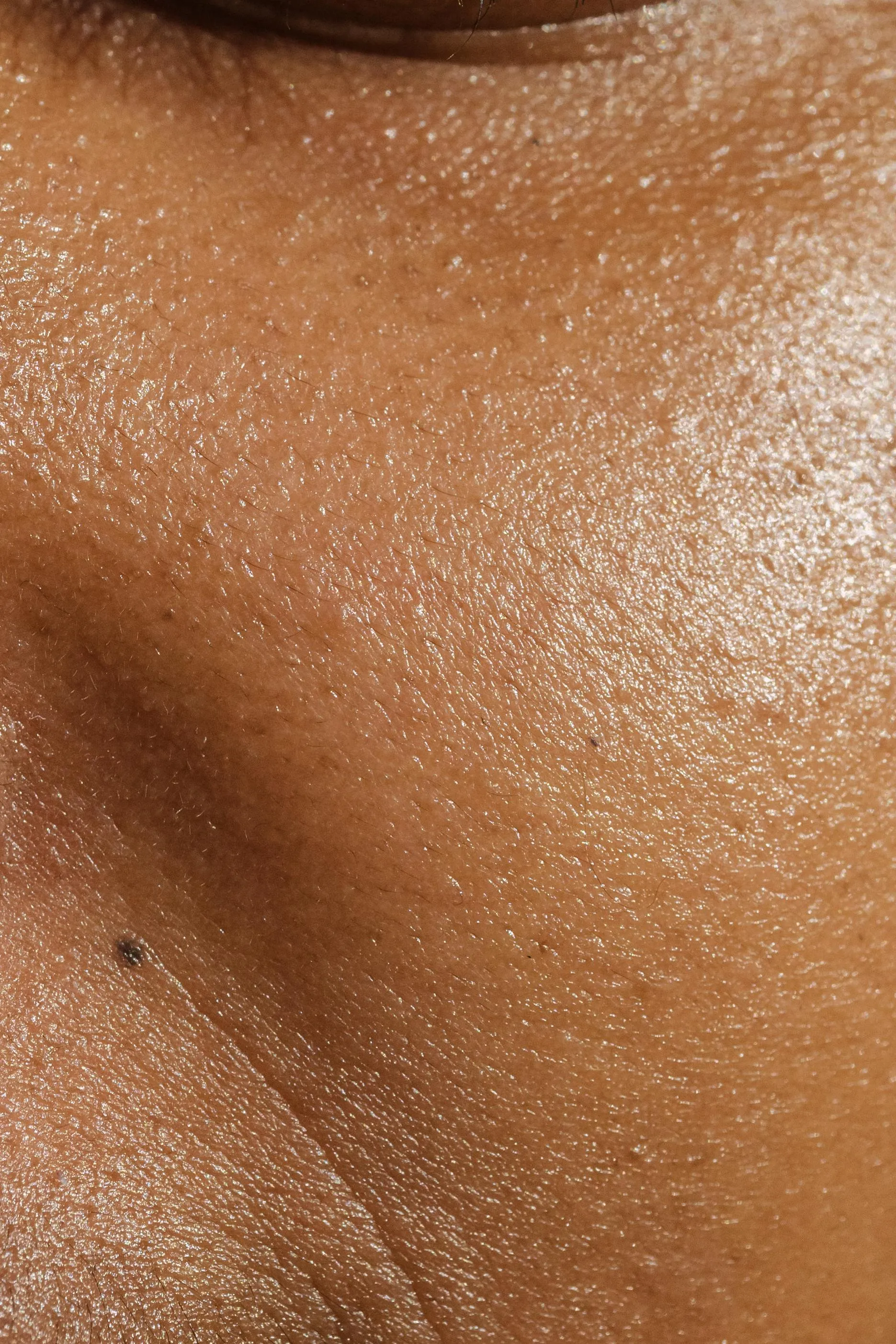
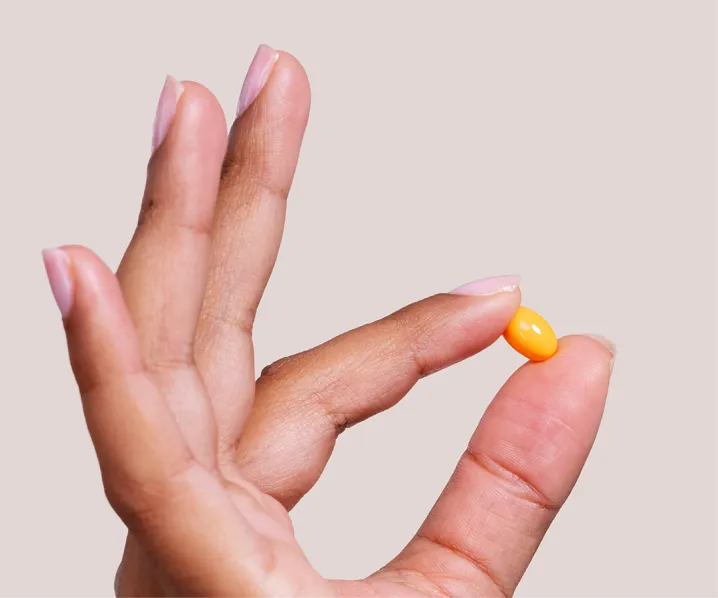
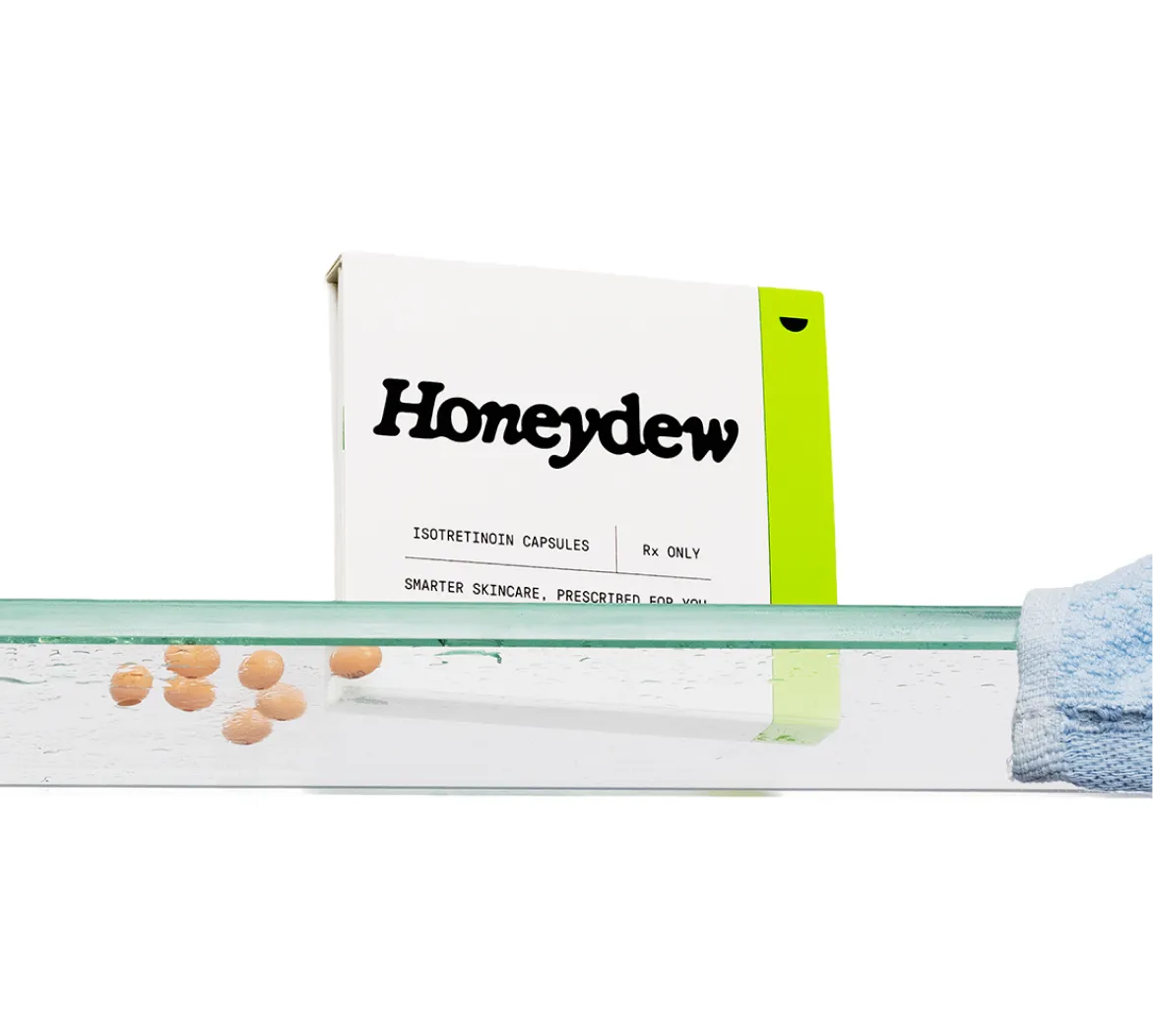

Your dermatology provider will review your skin and confirm whether Accutane is the right fit before prescribing.

Prevents clogged pores
Reduces pore-blocking buildup

Targets acne-related bacteria

Reduces oil production

saw a significant reduction in inflammatory acne*
maintain long-term remission after one course*
may require a second course (often at lower dose)*
* Based on clinical studies of isotretinoin, with outcomes dependent on individualized treatment and provider guidance.
Dosing should be a collaborative process between you and your healthcare provider. Your healthcare provider will assess these factors and recommend the most appropriate dosage based on your individual needs and circumstances.
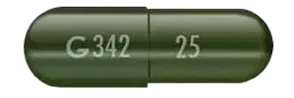
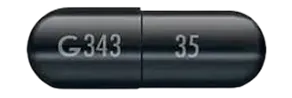
* Eligible patients may be prescribed Accutane-branded isotretinoin or other equivalent generic versions depending on pharmacy selection, insurance coverage, and pharmacy stock.
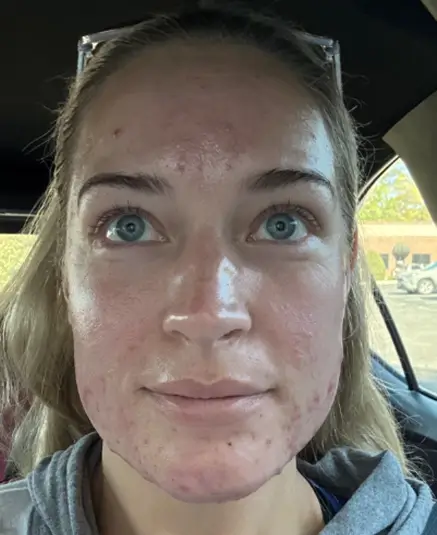

Honeydew changed my life
Honeydew changed my life. My provider is thorough and my patient concierge experience is top tier. I feel heavily supported and I am confident they are rooting for me. I would recommend this service every time. Thank you so much for giving me my confidence and my life back!!!
The monthly refill process for low-dose isotretinoin is identical to standard dosing — it's governed by iPledge and cannot be dispensed without a monthly prescription renewal. Each month you'll complete a brief safety check-in through your Honeydew dashboard, confirming your current side effects and, for patients who can become pregnant, pregnancy test results. Your provider reviews your check-in, approves the refill, and updates your iPledge status. Your prescription is then sent to your pharmacy. The entire process takes a few minutes each month and happens entirely online through Honeydew.
Yes, in some cases. If you're experiencing significant side effects on standard dosing, your Honeydew provider may recommend reducing your dose rather than stopping treatment altogether. A mid-course dose reduction can improve tolerability while maintaining therapeutic progress toward your cumulative dose target. Conversely, if you start on a low-dose protocol and are tolerating it well but want faster results, your provider may recommend increasing to a standard dose. Dose adjustments are a routine part of Accutane management. Your Honeydew provider will discuss any changes with you at your monthly check-in.
Yes. All isotretinoin, regardless of dose, is regulated under the iPledge REMS program. There are no exceptions based on dose level. This means all patients must be enrolled in iPledge before starting treatment, and patients who can become pregnant must complete monthly pregnancy testing and confirm use of two forms of contraception. Honeydew manages iPledge enrollment and monthly compliance steps on your behalf, making the process as streamlined as possible regardless of which dosing protocol you're on.
Yes. This is one of the most common reasons patients come to Honeydew for low-dose isotretinoin. Some in-person dermatologists are unfamiliar with or uncomfortable prescribing off-label low-dose protocols, or simply don't offer them routinely. Because Honeydew providers specialize in acne and are experienced with both standard and microdose isotretinoin, they evaluate low-dose candidacy as a routine part of their practice. If your history and presentation support a low-dose protocol, your Honeydew provider can prescribe it, regardless of what other providers have or haven't offered you.
No. Honeydew membership does not require insurance. Our flat-rate pricing covers all provider access, iPledge support, and unlimited follow-ups regardless of insurance status. If you do have insurance, we'll submit your isotretinoin prescription to help reduce or eliminate your medication cost. Low-dose isotretinoin is covered by most major plans, though prior authorization is typically required. Membership fees are also HSA/FSA eligible, and Honeydew's care team handles prior authorization paperwork on your behalf.
Yes, in terms of monthly medication cost because a lower dose means a smaller quantity dispensed each month. At Honeydew, low-dose medication is capped at $30/box versus $50/box for standard dose. However, because a low-dose course runs 18–24+ months compared to 6–12 months for standard dosing, the total cost over the full course of treatment is broadly similar. The main financial advantage of low dose is lower monthly outlay and greater predictability, which matters for patients managing ongoing medication costs over a long period.
Low-dose isotretinoin costs less per month than standard dosing because you're dispensing a smaller quantity of medication. At Honeydew, the cash price for low-dose isotretinoin is capped at $30 per box (compared to $50 per box for standard dose) and with insurance, eligible patients may pay as little as $0. Honeydew membership, which covers all provider access, iPledge coordination, unlimited follow-ups, and lab coordination, starts at $50 per month on an annual plan. For most patients, the total monthly cost of low-dose Accutane treatment through Honeydew is significantly lower than what they'd pay through traditional in-person dermatology even before medication costs are considered.
Clinical studies of low-dose isotretinoin show significant or complete acne clearance in the majority of patients with mild-to-moderate disease. Many patients report a gradual but steady reduction in breakout frequency, oiliness, and inflammatory lesions over the first several months, with continued improvement through the course. Long-term remission rates are somewhat lower than for standard dosing, but many patients maintain clear skin for years after completing a low-dose course — particularly when the underlying driver of their acne (hormonal fluctuations, for example) is also being managed. Your Honeydew provider will set realistic expectations based on your acne type and severity at your first visit.
A typical low-dose isotretinoin course runs 18 to 24 months, though some patients continue beyond this depending on their response and goals. Treatment duration is determined by cumulative dose — the total amount of isotretinoin needed to achieve lasting sebaceous gland suppression — and because the daily dose is lower, it takes longer to reach that target. Some patients on maintenance protocols continue at very low doses indefinitely to prevent relapse. Your Honeydew provider will monitor your progress and discuss treatment duration at each check-in. Honeydew's Cumulative Dose Calculator can help you estimate your expected course length based on your dose and body weight.
Most patients on a low-dose isotretinoin protocol begin to see meaningful improvement between weeks 8 and 16 — somewhat later than the 4–8 week window typical with standard dosing. Initial improvement often appears as a reduction in active breakouts and oiliness before visible skin clearing fully takes hold. Full clearance on a low-dose protocol generally occurs over the course of 18 to 24 months or longer. The slower pace is a deliberate feature of the approach, not a sign that the treatment isn't working. Your Honeydew provider will track your progress with photo check-ins and can adjust your protocol if your response is slower than expected.
Hair thinning associated with isotretinoin is dose-dependent. It occurs less frequently at low doses than at standard doses, and at very low microdose levels is rarely reported. When hair shedding does occur on a low-dose protocol, it is typically temporary and resolves after completing treatment or reducing the dose further. If you notice increased hair shedding during low-dose treatment, raise it with your Honeydew provider. A dose adjustment can often resolve the issue while maintaining therapeutic benefit.
In terms of side effect burden, yes, low-dose isotretinoin is considerably better tolerated than standard dosing. Significant dryness, liver enzyme elevations, elevated triglycerides, joint pain, and other side effects associated with standard Accutane are substantially less common at low doses, with some largely disappearing at very low microdose levels. The serious risk profile that makes isotretinoin tightly regulated — specifically its teratogenicity — remains the same regardless of dose. Low-dose isotretinoin still requires iPledge enrollment, and patients who can become pregnant must still follow all pregnancy prevention requirements. The medication's safety profile for the patient taking it improves with lower doses; its risk profile for a potential fetus does not.
This depends on your specific dose and your provider's clinical judgment. At very low doses — particularly below 10mg daily — some providers take the position that monthly bloodwork is not clinically necessary because the risk of significant liver enzyme elevation or lipid abnormalities is substantially lower than at standard doses. However, Honeydew providers follow evidence-based monitoring protocols and will determine whether and how frequently lab work is appropriate for your specific dose and health history. All patients still complete monthly iPledge safety check-ins regardless of dose level. If reduced monitoring frequency is clinically appropriate for your protocol, your provider will advise accordingly.
Some patients experience a mild purge on low-dose isotretinoin, but it tends to be less intense and shorter-lived than the purge associated with standard dosing. Because the medication is introduced more gradually at a lower dose, the initial acceleration of pore-clearing that causes the purge is gentler. Not everyone experiences a purge at any dose — and when it does occur on a microdose protocol, most patients report it as very manageable compared to what they've read about standard-dose purging. If you experience a significant early flare, contact your Honeydew care team and your provider can help you assess whether it's a normal purge response or requires a dose adjustment.
Side effects at low and microdose levels are significantly milder than at standard doses. The most commonly reported side effect at low doses is mild dry lips — this is nearly universal but manageable with regular lip balm use. Moderate-to-severe skin dryness, eye dryness, joint pain, and significant lab abnormalities are much less common at low doses than at standard dosing. The reduced side effect burden is the primary reason many patients and providers choose a microdose protocol. That said, individual tolerance varies, and your Honeydew provider will monitor how you're responding at your monthly check-ins and adjust your dose if needed. Read more on our blog.
Slower. Because the daily dose is lower, sebaceous gland suppression happens more gradually — most low-dose patients begin to see improvement at around 8–12 weeks, compared to 4–8 weeks with standard dosing. Full clearance typically takes longer to achieve and the overall course is significantly longer. This is a deliberate trade-off: a slower, gentler path to clearer skin with a better side effect profile. Some patients prefer this approach precisely because the gradual response feels more manageable. Your Honeydew provider will monitor your progress throughout and can adjust your dose if your response is slower than expected or if you're tolerating treatment well enough to increase the dose.
The key differences come down to dose, timeline, side effects, and cost. Standard dose isotretinoin (0.5–1.0mg/kg/day) runs 6–12 months and is most effective for moderate-to-severe acne, but carries a higher likelihood of significant dryness, potential lab abnormalities, and other side effects. Low-dose isotretinoin (typically 10–20mg/day) runs 18–24+ months, produces milder side effects for most patients, costs less per month because less medication is used, and is well-suited to mild-to-moderate or hormonally-driven acne. At Honeydew, both protocols are available. Standard dose medication is capped at $50/box cash while low dose is capped at $30/box, reflecting the lower quantity dispensed.
For the right patient, yes. Clinical studies show that low-dose isotretinoin achieves significant or complete acne clearance in the majority of patients, particularly those with mild-to-moderate disease. The main trade-offs compared to standard dosing are a longer treatment timeline (18–24+ months versus 6–12 months) and, for some patients, a slightly higher rate of relapse over the long term. For patients with moderate-to-severe or nodular cystic acne, standard dosing tends to produce more complete and durable clearance. Your Honeydew provider will help you weigh the efficacy-versus-tolerability trade-off and recommend the protocol most likely to give you lasting results.
Yes, in fact, adult patients often tolerate microdose isotretinoin particularly well and find it better suited to their needs than a standard course. Adults experiencing hormonal acne related to perimenopause or menopause, or those with persistent adult-onset acne, frequently benefit from a low-dose approach. The longer treatment timeline of a microdose protocol (18–24+ months) is also often more compatible with adult lifestyles than committing to the more intensive monitoring requirements of a standard high-dose course. Honeydew providers are experienced in treating adult acne at all life stages and will tailor your protocol accordingly.
Yes. Men on testosterone replacement therapy (TRT) who develop acne have two main isotretinoin options: a standard course to achieve clearance, or a low-dose protocol for ongoing control while continuing TRT. Because TRT creates a continuous androgen stimulus for sebum production, some patients find that a standard Accutane course clears acne initially but breakouts return when the course ends. A low-dose maintenance protocol can be an effective strategy for sustained control without requiring repeated standard courses. Your Honeydew provider will evaluate your acne severity and TRT regimen to determine the right approach.
Yes. Maintenance low-dose isotretinoin is an increasingly common strategy for patients who've completed a standard course but are at high risk of relapse — particularly those with hormonal acne, a history of severe disease, or those on testosterone therapy. A typical maintenance protocol involves 5mg to 10mg daily or every other day for an extended period. The goal is to keep sebaceous gland activity suppressed without the side effect burden of full-dose treatment. Your Honeydew provider can evaluate whether maintenance dosing is appropriate based on your treatment history, current skin status, and relapse risk factors.
Yes. Low-dose isotretinoin is a well-established option for hormonal acne, both as a standalone treatment and alongside spironolactone. While spironolactone addresses the hormonal driver of excess sebum production, isotretinoin directly reduces the sebaceous gland activity that produces the oil. For women with moderate-to-severe hormonal acne that hasn't fully responded to spironolactone, a low-dose isotretinoin protocol can significantly boost results. It's also a useful option for patients who cannot or prefer not to take spironolactone, including women who aren't good candidates due to blood pressure considerations or those who want a single-agent approach.
Yes, and this is one of the most common reasons patients choose a microdose protocol. Standard isotretinoin is typically reserved for moderate-to-severe acne, but low-dose isotretinoin is increasingly used for persistent mild-to-moderate acne that hasn't responded to topical treatments and antibiotics. The lower dose reduces the risk of significant side effects while still delivering meaningful long-term improvement. If your acne is consistently present, affecting your confidence, and hasn't cleared despite prior treatment, a low-dose protocol may be the most efficient path to lasting improvement — even if your acne isn't classified as "severe."
Low-dose isotretinoin is well-suited to several patient profiles: patients with mild to moderate acne that hasn't responded to topicals or antibiotics; patients who want the long-term results of isotretinoin but are concerned about the side effects of standard dosing; adults — particularly those in their 30s, 40s, and 50s — who may be more sensitive to side effects than younger patients; patients with hormonal acne who want isotretinoin as a complement to or alternative to spironolactone; and patients who've completed a standard Accutane course and want a low-dose maintenance protocol to prevent relapse. Your Honeydew provider will evaluate your history and goals to determine whether low dose or standard dose is the right fit.
Yes. Isotretinoin is FDA-approved for severe, recalcitrant nodular acne at standard doses. Low-dose and microdose protocols are considered off-label — meaning the FDA has not specifically reviewed or approved these lower dosing regimens, though the medication itself is fully approved. Off-label prescribing is a standard, legal, and widely accepted part of medical practice. Many of the most effective treatments in dermatology, including spironolactone for acne, are prescribed off-label. Honeydew providers prescribe low-dose isotretinoin when, in their clinical judgment, it is the most appropriate approach for a patient's individual needs and history.
Standard isotretinoin is dosed at 0.5–1.0mg per kilogram of body weight per day — for most adults, that means 40mg to 80mg daily. Low dose (microdose) protocols typically use 10mg to 20mg per day, regardless of body weight, or a weight-based dose in the range of 0.1–0.3mg/kg/day. Some providers prescribe as low as 5mg daily for very sensitive patients or as a long-term maintenance strategy. Your Honeydew provider will determine the specific dose that balances efficacy and tolerability for your individual case. Honeydew's free Accutane Dosing Calculator can help you estimate a starting dose range based on your weight. Read more about low vs standard dose Accutane in our blog.
Yes. Honeydew providers prescribe microdose isotretinoin entirely online. After completing your medical intake and uploading photos of your skin, your provider will evaluate whether a low-dose protocol is appropriate for you. If prescribed, your medication is sent to your local pharmacy or delivered to your door. All the same iPledge requirements apply to low-dose isotretinoin as to standard dosing and Honeydew handles all iPledge coordination on your behalf.
Microdose Accutane and low dose Accutane refer to the same approach — prescribing isotretinoin at a significantly lower daily amount than a standard course. "Microdose" is the term most commonly used by patients, while "low dose" is used more frequently in clinical settings.
In practice, both describe isotretinoin protocols typically ranging from 5mg to 20mg per day, compared to the 0.5–1.0mg/kg/day used in standard treatment. Honeydew providers prescribe both standard and microdose isotretinoin, and will recommend the appropriate protocol based on your acne severity, medical history, and treatment goals.
.webp)
Monthly check-ins help your provider monitor side effects, tolerance, and overall progress throughout treatment.
.webp)
If needed, your provider may request baseline or follow-up labs to ensure treatment stays safe and effective.
.webp)
Patients who can become pregnant complete required monthly pregnancy testing and iPLEDGE steps, with support at every stage.
.webp)
Mood changes are rare but taken seriously. Your provider checks in regularly and adjusts care if needed.

Zero waiting rooms, zero co-pays. Get expert care, personalized treatments, and ongoing support, all online for one transparent price.
Licensed dermatology providers who understand acne beyond the surface and guide your treatment from day one.
We handle prior authorizations, pharmacy communication, and refills so you don't have to.
Upload photos directly to your patient dashboard so you and your provider can monitor how your skin is responding to treatment over time.
Message your provider anytime your skin changes, your prescription needs adjusting, or for anything else.
Honeydew membership is eligible for HSA/FSA spending.
Get expert dermatology care from anywhere in the U.S., with no in-person visits required.
Find more answers in our FAQ or Contact us.
From topicals to oral medications, your provider prescribes what’s right for your skin.