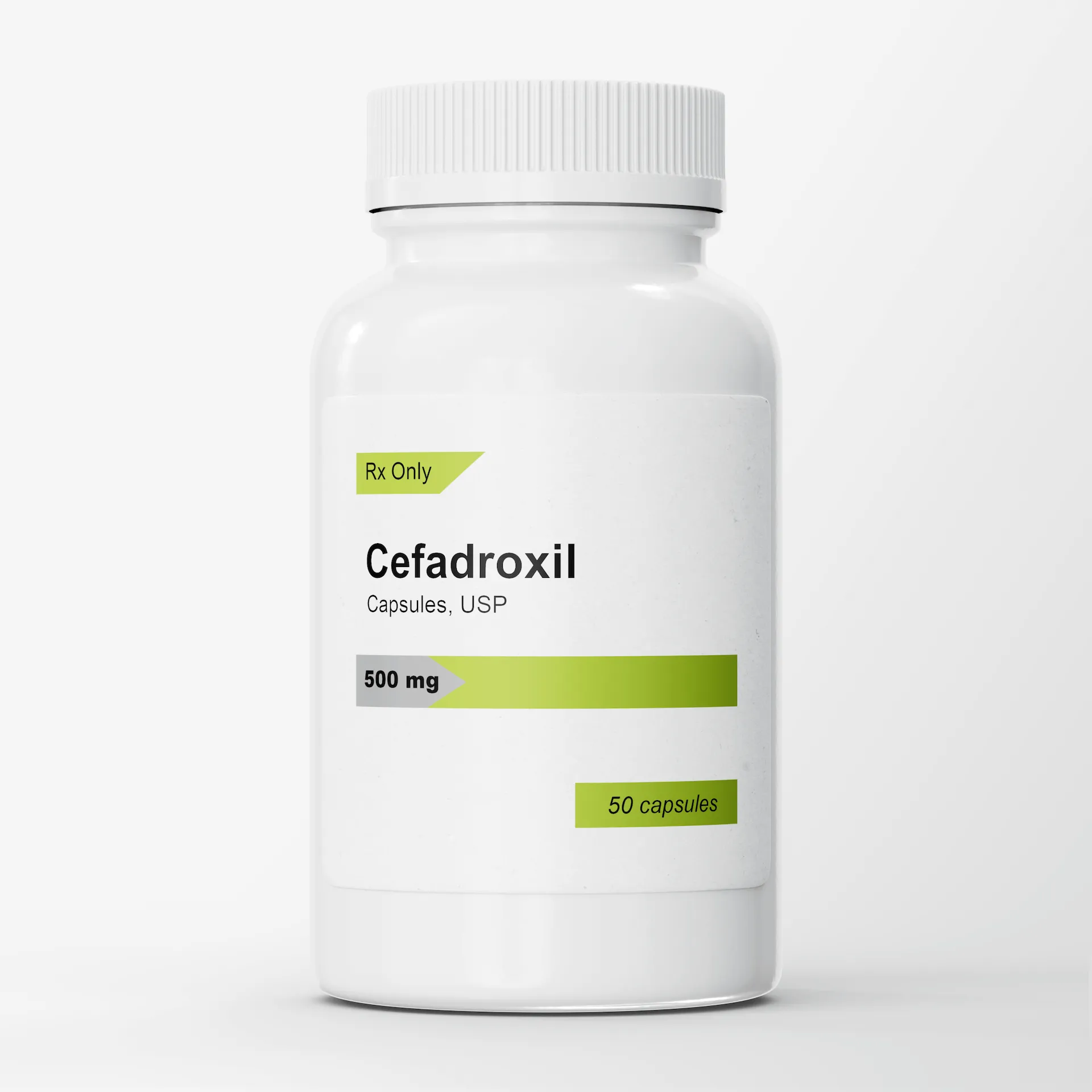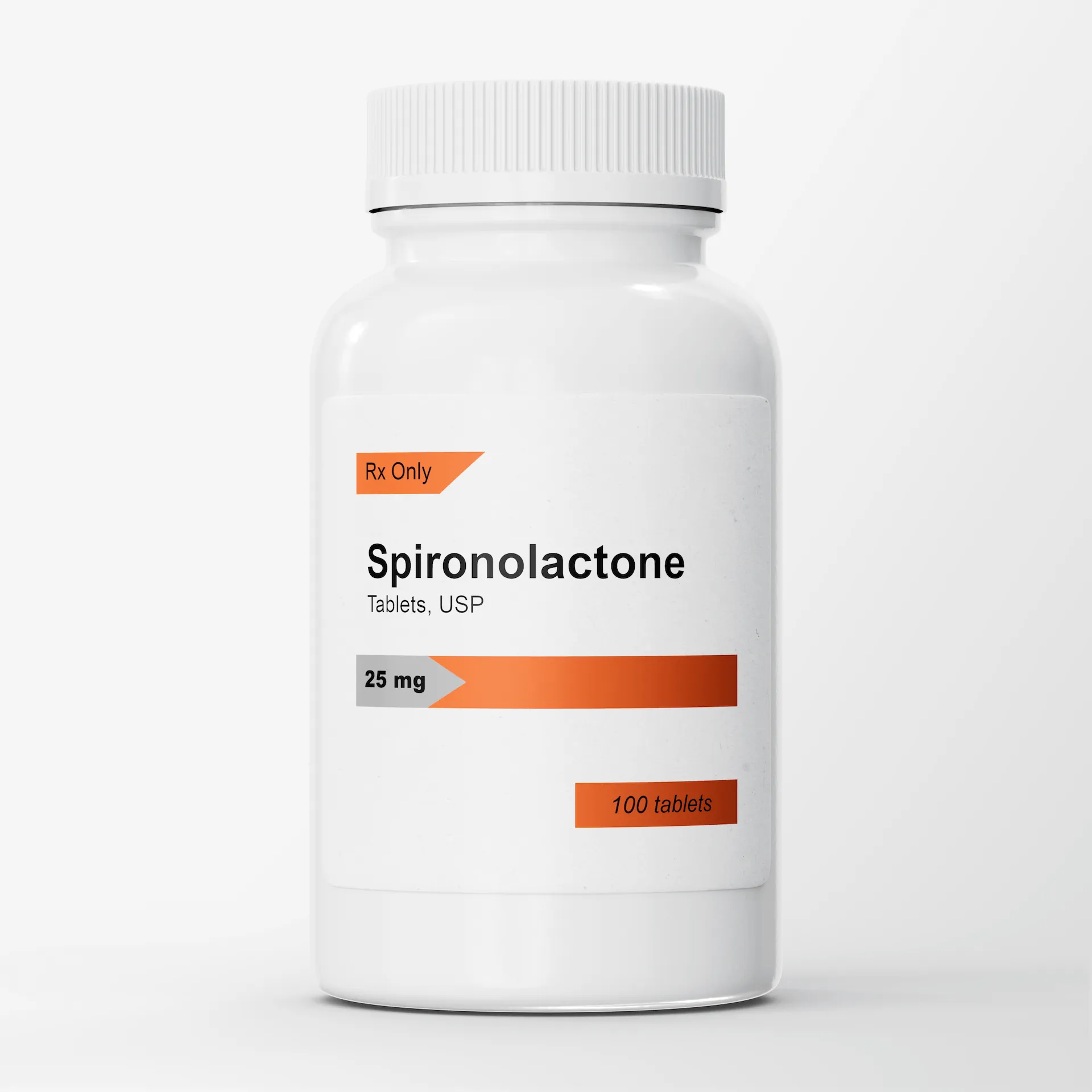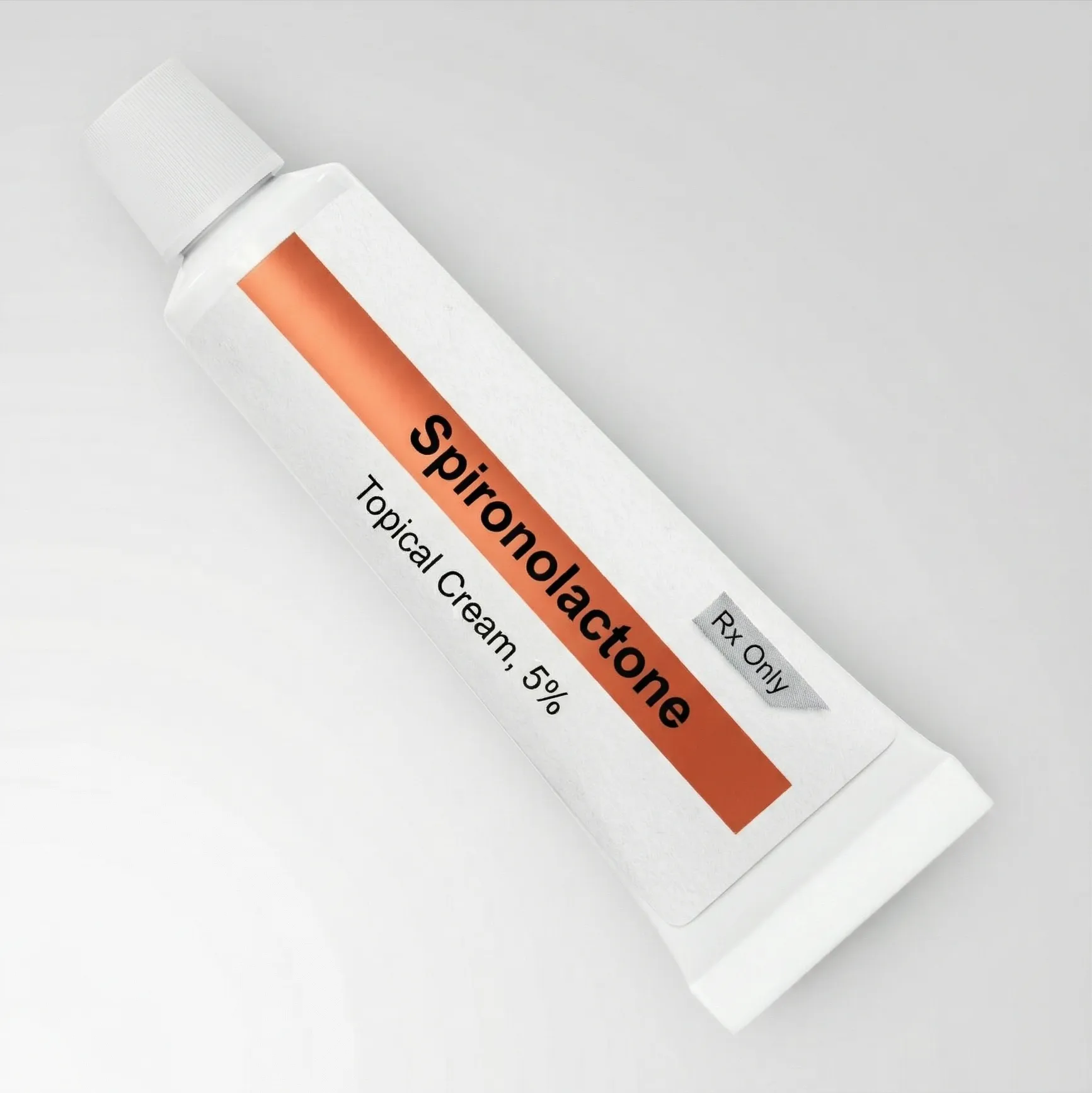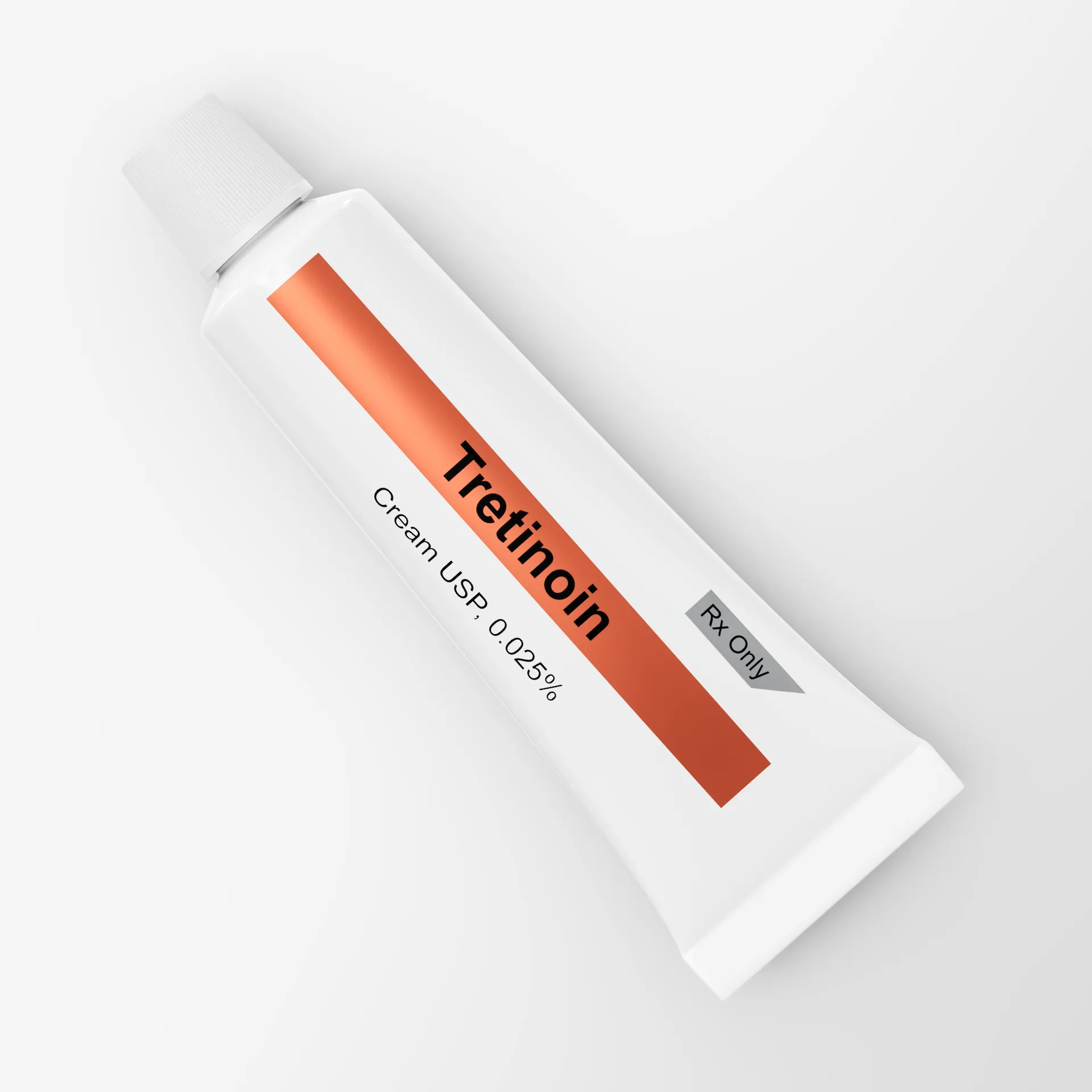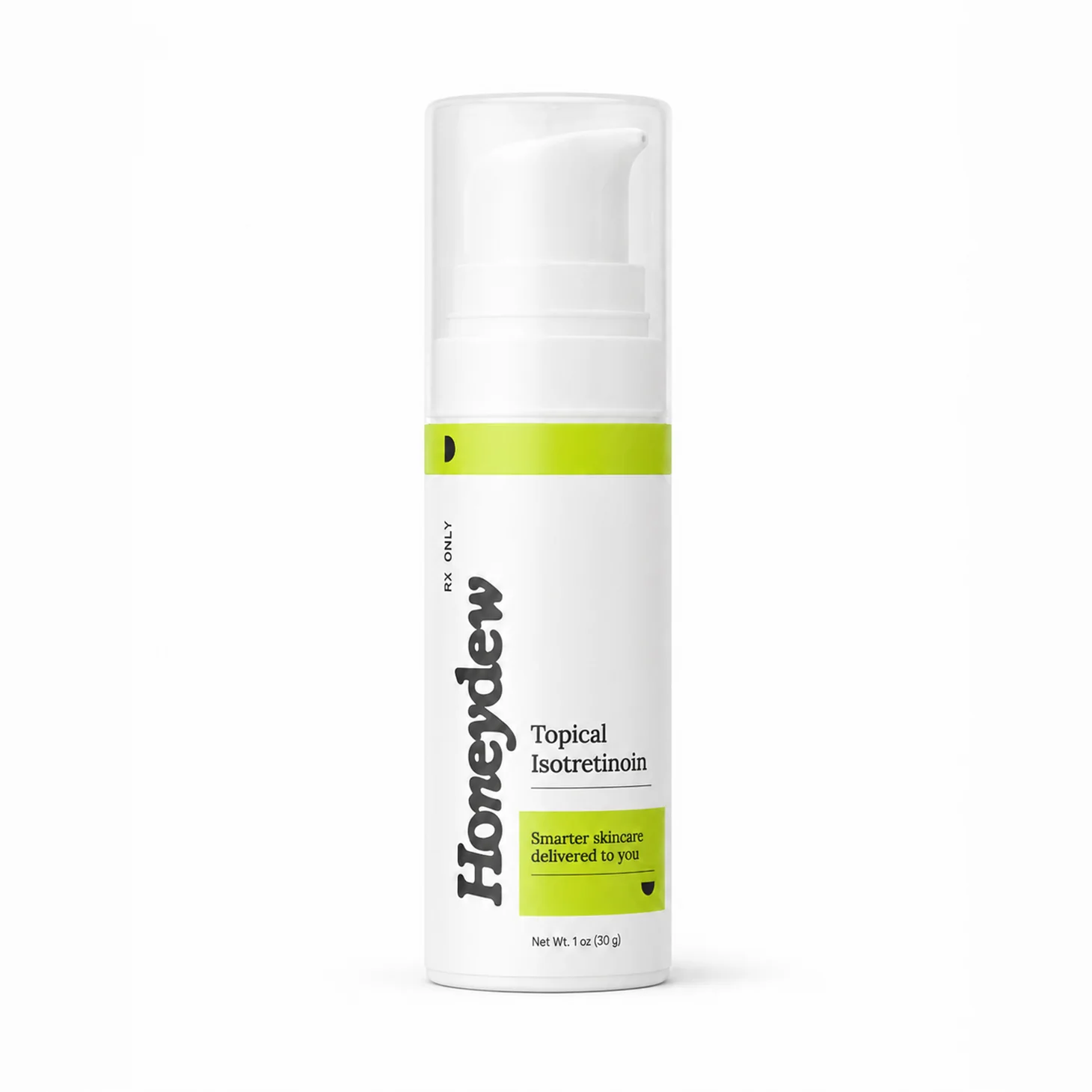
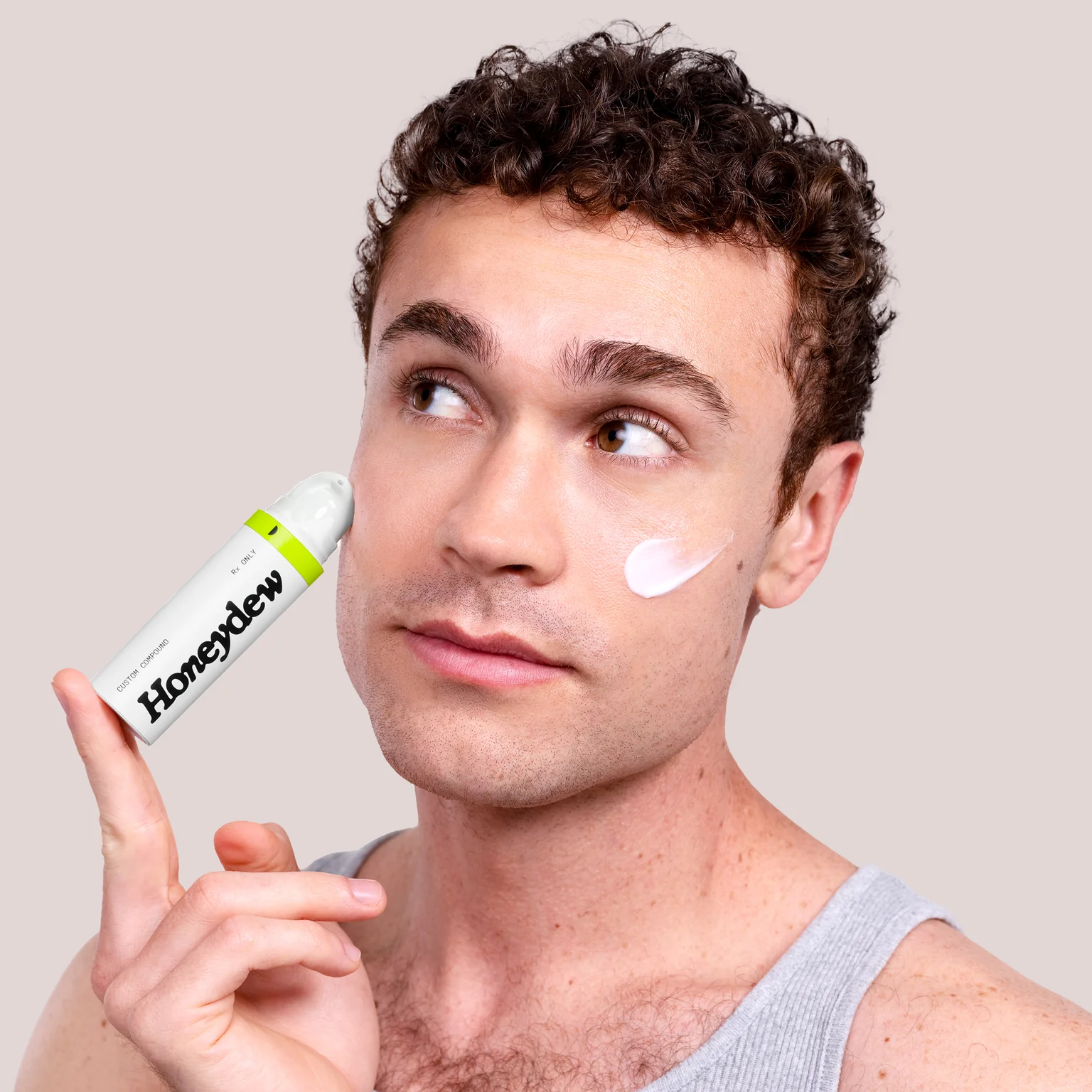
Personalized prescription formulas
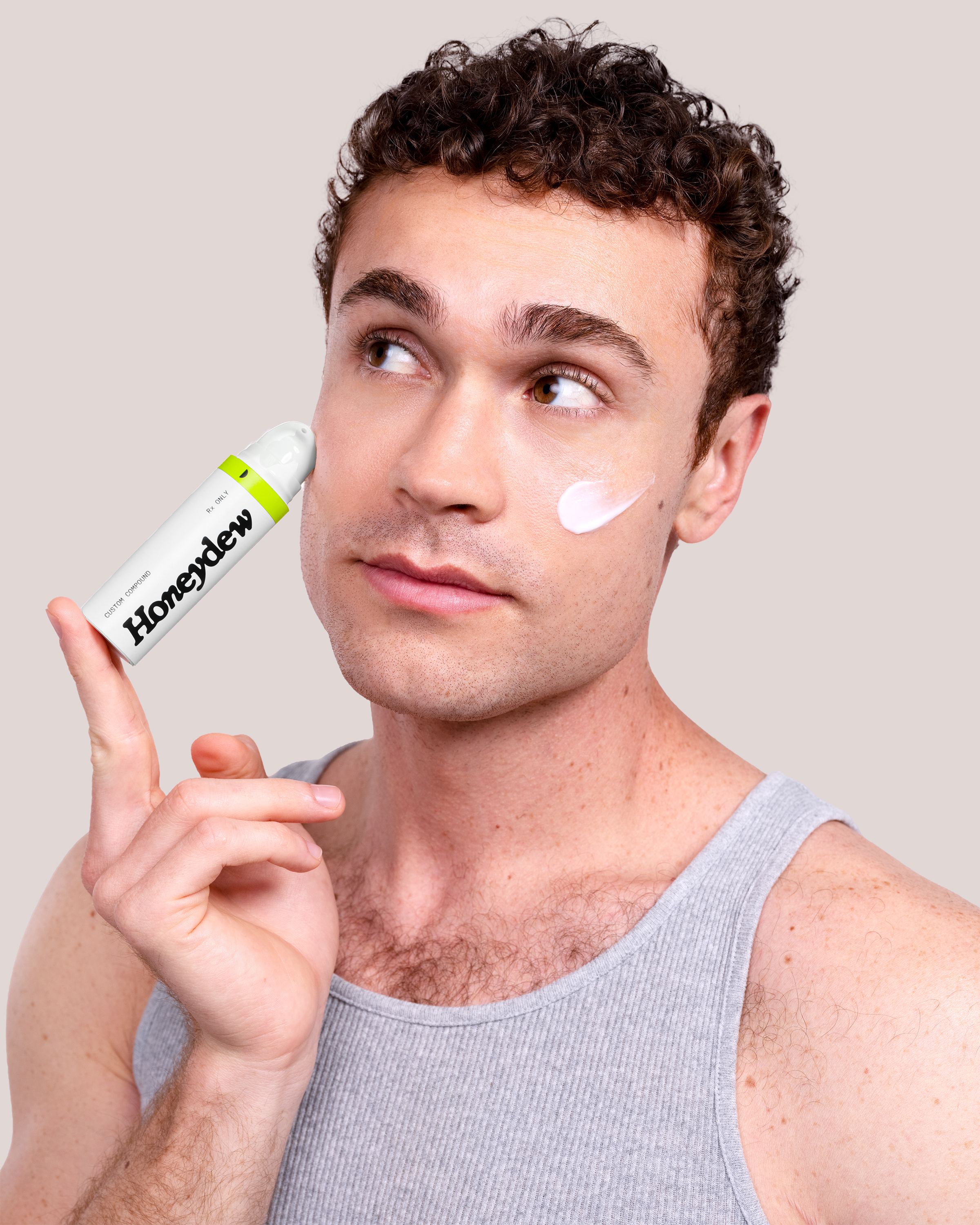
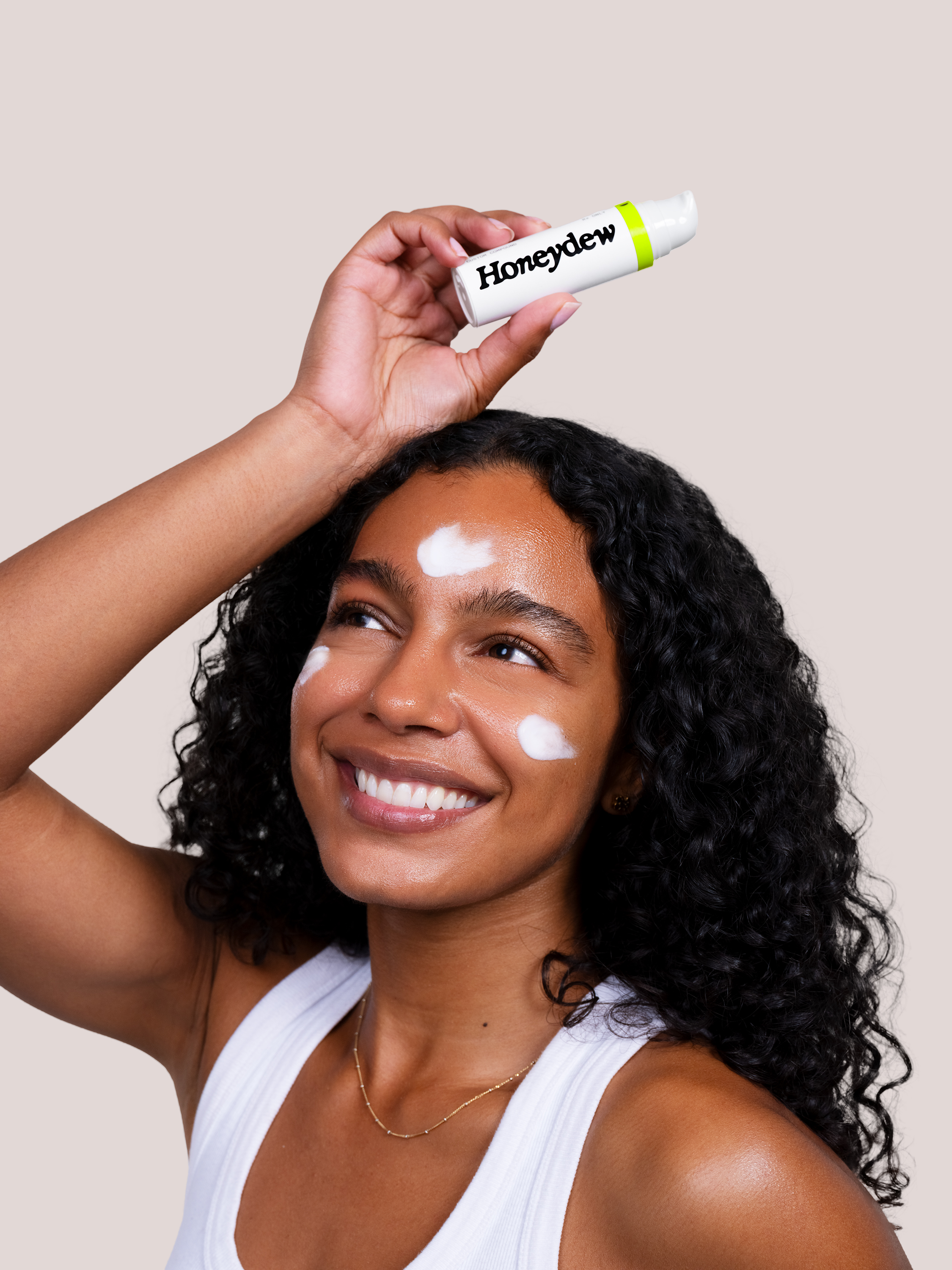
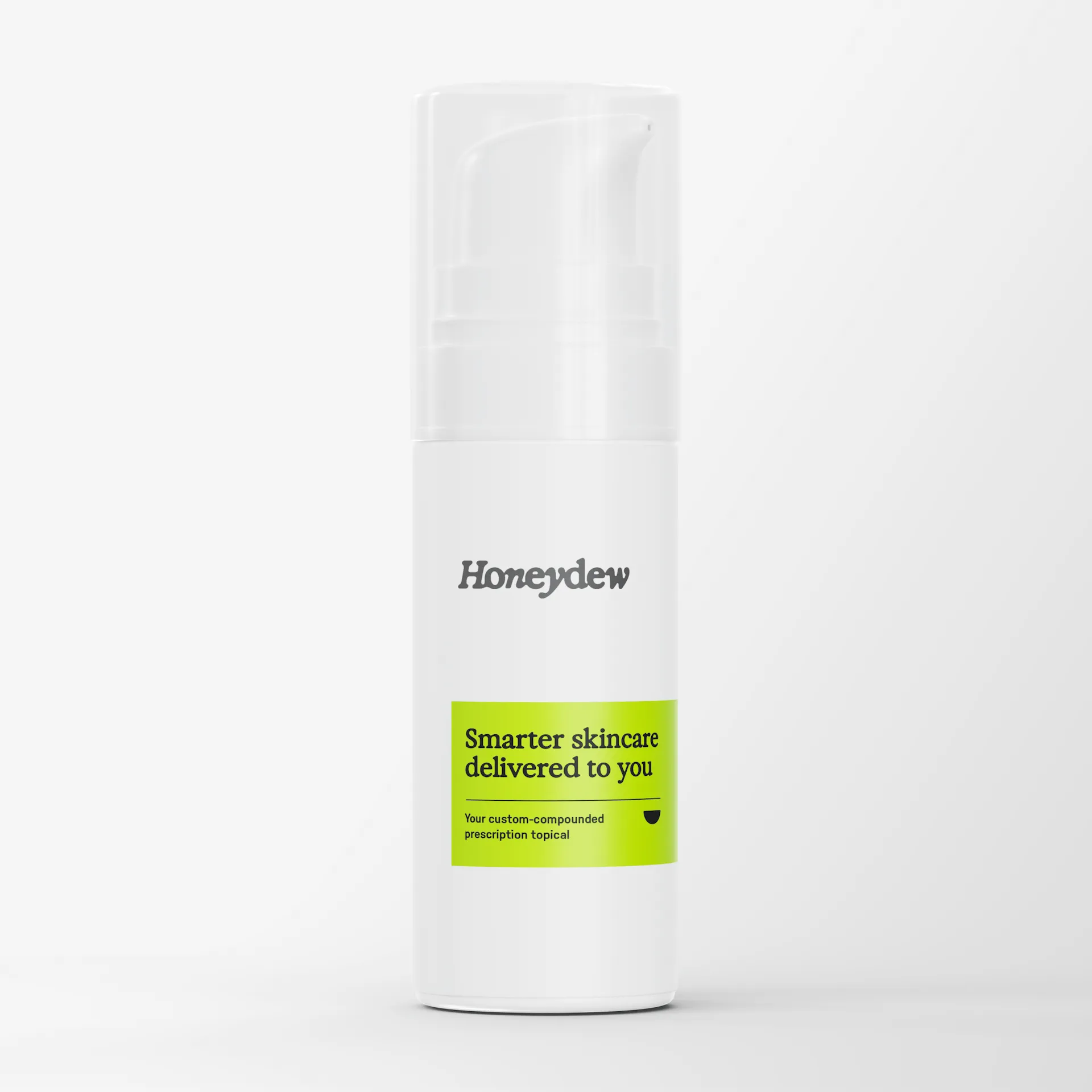
Get a custom-compounded prescription designed specifically for your skin and prescribed online. Our dermatology providers combine clinically proven ingredients into a single formula made just for you and delivered to your door.
Custom compounded formulas can treat acne, fine lines & wrinkles, clogged pores, discoloration, redness, uneven texture, and hormonal breakouts. Your treatment is designed to target your specific concerns in one streamlined routine
Mild dryness, irritation, or sensitivity can occur depending on the ingredients used. Your dermatologist selects concentrations carefully and can adjust your formula as your skin responds.
All compounded treatments are prescribed and customized by dermatology providers. Ingredients and strengths are selected based on your medical history, skin type, and tolerance.
Honeydew manages your prescription, dosing guidance, and follow-ups, 100% online. Your dermatologist and dedicated care team track progress and coordinate refills, with medication delivered directly to your door.
Fill out a quick medical questionnaire and upload photos of your skin. In many cases, treatment can begin right away without a video consult.
If a visit is needed, you can book a quick video consult within 48 hours. Your provider takes the time to understand your skin and your goals.
Your provider creates a personalized plan, then your treatment is delivered to your door or sent to your local pharmacy.
Track your progress with photos and message your Care Team anytime for questions, refills, and guidance. We'll respond, 7 days a week.
Custom compounded treatments allow your dermatologist to combine proven prescription and clinical-grade ingredients into one personalized formula to target your key concerns. This approach helps treat acne, fine lines & wrinkles, discoloration, redness, and texture simultaneously, so you don’t have to juggle multiple products.
By tailoring ingredients and strengths to your skin, compounding supports more effective, streamlined, and sustainable results.
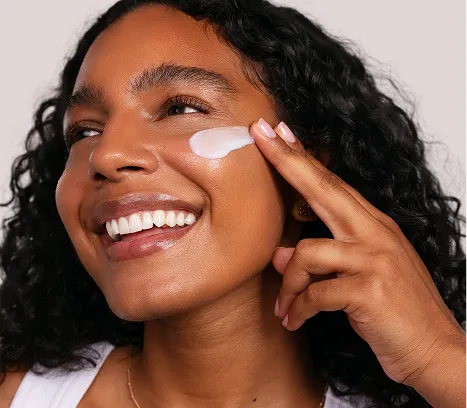
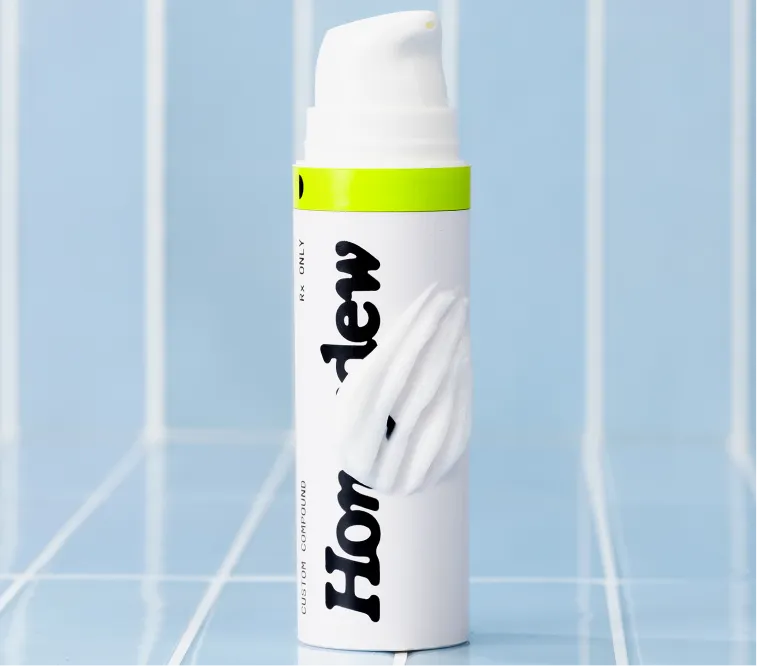
Your dermatology provider will review your skin and select ingredients based on your skin type, concerns, and goals.

formulas address several skin concerns at once*
improve consistency and adherence*
help balance results and tolerability*
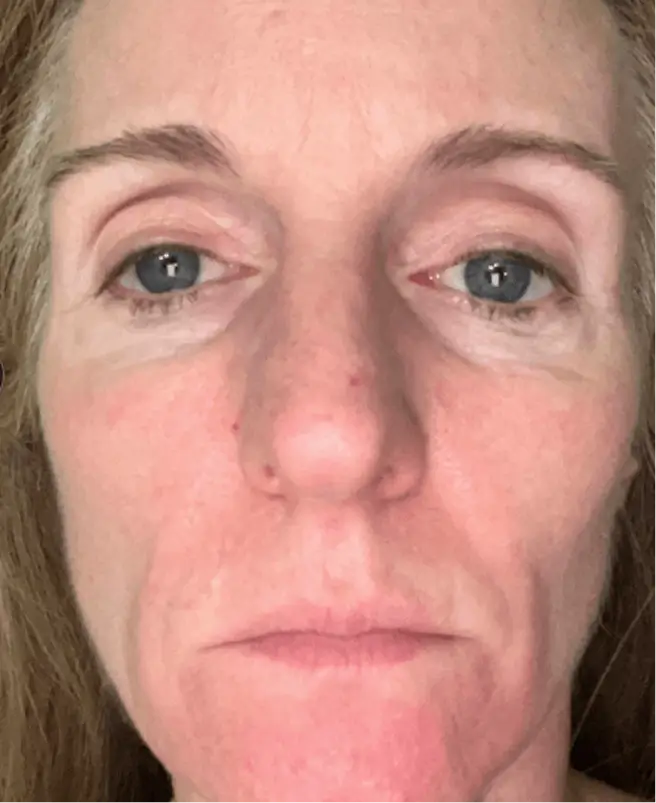
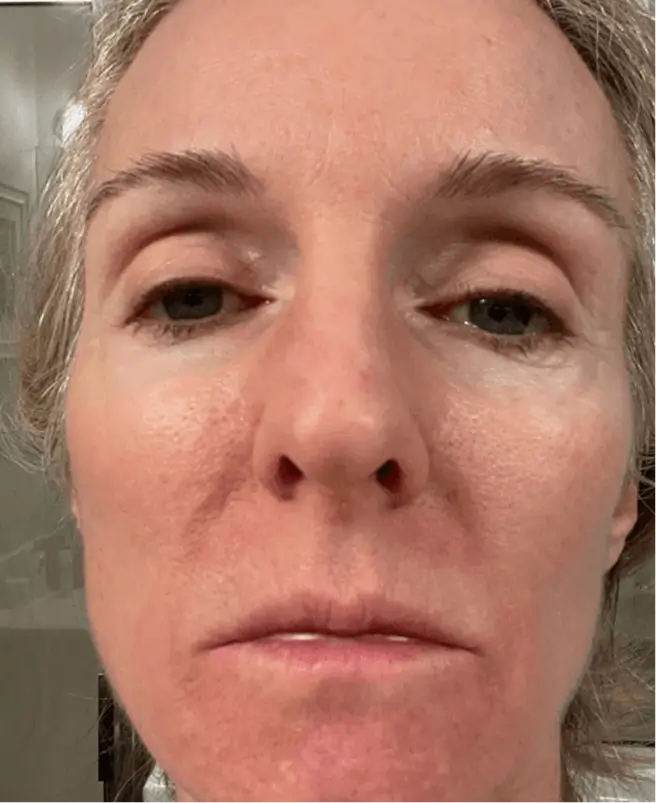
I’m incredibly happy with the improvements
I’m incredibly happy with the improvements. I’ve noted in my skin since starting my honeydew compounded topical product.


I'm so happy with the results
After about 5 weeks of consistent use, I started to see a real difference. My dark spots have visibly faded, and my overall skin tone looks much more even. I also noticed that my skin feels smoother and more hydrated. I'm so happy with the results


Honeydew's compounded formulas can be prescribed for a wide range of skin concerns, depending on which ingredients your dermatologist determines are appropriate for your skin:
Acne and breakouts: including inflammatory acne, hormonal acne along the jawline and chin, clogged pores, and body acne. Ingredients: tretinoin, clindamycin, azelaic acid, topical spironolactone, niacinamide.
Post-acne marks and scarring: fading dark marks (post-inflammatory hyperpigmentation) and improving skin texture left by previous breakouts. Ingredients: tretinoin, azelaic acid, tranexamic acid, kojic acid, niacinamide.
Melasma and hyperpigmentation: brown patches, sunspots, and uneven skin tone. Ingredients: tranexamic acid, kojic acid, azelaic acid, niacinamide, tretinoin.
Anti-aging: fine lines, wrinkles, loss of firmness, and photoaging (sun damage). Ingredients: tretinoin at custom concentrations, niacinamide, azelaic acid.
Rosacea: redness, inflammatory bumps, and skin sensitivity associated with rosacea. Ingredients: metronidazole, ivermectin, azelaic acid, niacinamide.
Uneven skin texture and enlarged pores: improving overall skin surface and reducing congestion. Ingredients: tretinoin, azelaic acid, niacinamide.
Your dermatologist will assess your full skin history and goals before recommending specific ingredients. Not every ingredient is appropriate for every patient, and the formula is built around what will work best for your individual skin.
If your formula contains tretinoin or other retinoids, it should not be used during pregnancy or while trying to conceive. Topical retinoids are contraindicated in pregnancy due to the risk of birth defects, even when applied topically. If you become pregnant while using a tretinoin-containing formula, discontinue use immediately and consult your OB-GYN.
Honeydew dermatologists take pregnancy status into account when prescribing. If you are pregnant, breastfeeding, or planning to become pregnant, inform your provider during your initial questionnaire. There are effective pregnancy-safe alternatives for many skin concerns, including azelaic acid (generally considered safe in pregnancy for acne and pigmentation), certain topical antibiotics, and non-retinoid brightening ingredients. Your provider can build a formula around these instead.
If your treatment goals change during or after pregnancy, your Honeydew provider can adjust your formula at any point through a message to your care team.
The timeline depends on what you're treating, but here's what most patients can expect:
For acne: Many patients notice fewer active breakouts within 4 to 6 weeks. Full improvement — including fading of post-acne marks and more consistent skin texture — typically takes 8 to 12 weeks of consistent use. The first 2 to 4 weeks sometimes include a brief adjustment period with mild dryness or temporary increased purging as tretinoin accelerates cell turnover.
For hyperpigmentation and dark spots: Visible fading typically begins at 6 to 8 weeks, with more meaningful improvement at 3 to 6 months. Tranexamic acid and kojic acid can begin working more quickly than tretinoin alone for pigmentation concerns.
For anti-aging (fine lines, texture, wrinkles): Improvements in skin texture and tone are typically noticeable within 2 to 3 months. The most significant changes in fine lines and collagen density build over 6 to 12 months of consistent use.
For rosacea: Many patients notice improvement in redness and inflammatory lesions within 4 to 8 weeks of consistent use. Metronidazole and ivermectin tend to work steadily over time rather than producing overnight changes.
Your Honeydew provider will check in regularly to assess your progress and adjust your formula if results are slower than expected or if your skin's needs change.
Yes — and custom compounding is arguably better suited to sensitive skin than standard prescriptions, because your dermatologist can calibrate every variable to your skin's specific tolerance.
With a standard tretinoin prescription, you choose from fixed concentrations (0.025%, 0.05%, 0.1%) in a fixed base. If the lowest available concentration still causes too much irritation, your only option is to use it less frequently. With a compounded formula, your dermatologist can prescribe a genuinely lower concentration — say, 0.01% — and choose a more emollient, hydrating base that buffers irritation while still delivering results.
Your provider can also exclude ingredients you've reacted to previously, add calming agents like niacinamide or ceramides to the formula to reduce inflammation, and adjust concentrations incrementally as your skin builds tolerance over time. This flexibility is particularly valuable for patients with eczema-prone, rosacea-prone, or reactive skin who've struggled to tolerate standard prescription retinoids or acids.
If you have a history of sensitive skin reactions, mention every product and ingredient you've reacted to during your initial questionnaire — your dermatologist factors this directly into the formula design.
Compounded medications are typically not covered by commercial health insurance, because they're custom-made for an individual patient rather than commercially manufactured. The "as low as $0 with insurance" listed elsewhere on the site generally applies to commercially manufactured medications, not compounded formulas — so it's worth setting accurate expectations upfront.
The out-of-pocket cost for a Honeydew compounded formula depends on the specific ingredients and concentrations prescribed, but most patients pay in the range of $40–$80 per month for their formula, which includes shipping. Many patients find this is comparable to — or less than — what they were spending on multiple separate OTC skincare products that weren't delivering results.
The good news: compounded prescription medications are HSA/FSA eligible, which can meaningfully reduce your effective out-of-pocket cost if you have one of these accounts. Honeydew's membership fee (starting at $25/month on an annual plan) is also HSA/FSA eligible and covers unlimited provider access, formula adjustments, and ongoing care.
If cost is a concern, mention this during your consultation — your dermatologist may be able to prioritize a smaller number of high-impact ingredients to keep your formula cost lower while still delivering meaningful results.
Yes. Rosacea is one of the conditions that responds particularly well to compounded formulas because it typically requires targeting multiple underlying factors simultaneously, including redness, inflammatory bumps (papules and pustules), and skin sensitivity, while avoiding the irritating ingredients that can trigger flares.
Ingredients Honeydew dermatologists frequently include in compounded rosacea formulas include:
Metronidazole: a prescription antibiotic with strong anti-inflammatory properties, FDA-approved for rosacea and one of the most effective topical options for reducing redness and inflammatory lesions.
Ivermectin: targets the Demodex mites that contribute to inflammatory rosacea, with clinical evidence for reducing papules and overall redness.
Azelaic acid: reduces the bumps, swelling, and discoloration associated with rosacea while being generally well tolerated by sensitive skin.
Niacinamide: calms redness and supports the skin barrier, which is commonly compromised in rosacea patients.
The compounded approach allows your dermatologist to combine these ingredients at custom concentrations and in a base formula suited to your skin's sensitivity, something standard prescription rosacea products don't offer. If your rosacea also involves significant flushing or requires oral treatment, your Honeydew provider can prescribe oral medications alongside the topical formula.
Yes. Anti-aging is one of the most common reasons patients seek compounded prescriptions, and for good reason. A dermatologist-prescribed compounded formula can combine multiple proven anti-aging actives at concentrations not available in any over-the-counter product, into a single nightly treatment.
A typical anti-aging compounded formula might include:
Tretinoin at a concentration tailored to your skin's tolerance. This is the only FDA-approved topical retinoid for photoaging, with decades of clinical evidence for reducing fine lines, wrinkles, and sun damage. Compounded formulas can start lower than commercially available strengths for patients with sensitive skin, or go higher for patients who've already built tolerance.
Niacinamide to support collagen production, reduce pore appearance, and calm the redness and inflammation that tretinoin can cause during the adjustment period.
Azelaic acid to address any age spots, uneven tone, or sun damage alongside the structural anti-aging effects of tretinoin.
Tranexamic acid or kojic acid for patients whose primary aging concern is hyperpigmentation, sunspots, or uneven skin tone rather than wrinkles.
The advantage of a compounded formula over buying these ingredients separately is that your dermatologist calibrates exactly which combination and concentrations your skin can tolerate, minimizes irritation, and adjusts the formula over time as your skin improves. Many patients find they get faster, more consistent results than they achieved self-managing multiple OTC products.
Compounded medications are not FDA-approved as finished drug products and it's worth understanding what that means and what it doesn't mean.
The ingredients themselves are FDA-approved active pharmaceutical ingredients. What compounding pharmacies do is combine those approved ingredients into a custom formula for an individual patient, following a licensed prescriber's instructions. This is a legal and well-established practice in U.S. pharmacy. Compounding has existed as long as pharmacy itself, and licensed compounding pharmacies are regulated by state boards of pharmacy and, for larger facilities, by the FDA under current good manufacturing practices.
What "not FDA-approved" means in this context is that the specific compounded formula as a finished product hasn't undergone the same approval process as a commercially manufactured drug. The individual ingredients have, they're just being combined in a custom way for your skin.
Honeydew only works with licensed, quality-verified compounding pharmacies. Your formula is prescribed by a board-certified dermatologist who selects ingredients and concentrations based on your medical history and skin profile. If at any point a commercially available medication is more appropriate for your needs, your provider will say so.
Yes, and this is one of the strongest use cases for compounded skincare. Melasma and stubborn hyperpigmentation are notoriously difficult to treat with a single ingredient, and compounded formulas allow your dermatologist to combine multiple brightening and pigmentation-targeting actives into one prescription that's stronger and more targeted than anything available over the counter.
Common ingredients in a compounded hyperpigmentation or melasma formula include:
Tranexamic acid: available in OTC products at 2–5%, but prescription compounded formulas can use higher concentrations with more consistent efficacy for melasma and post-inflammatory hyperpigmentation (the dark marks left after breakouts).
Kojic acid: a natural brightening agent that inhibits melanin production, frequently combined with tranexamic acid for a synergistic fading effect.
Azelaic acid: works on multiple pigmentation pathways simultaneously, reducing both active inflammation and the melanin overproduction that causes dark marks. Also FDA-approved for rosacea, making it useful when redness and pigmentation coexist.
Niacinamide: reduces melanin transfer to the skin surface and supports the skin barrier, reducing the inflammation that drives hyperpigmentation in the first place.
Tretinoin: accelerates cell turnover, speeding the natural fading of existing dark marks while preventing new ones from forming.
Your Honeydew dermatologist will select the combination and concentrations based on your specific pigmentation type, skin tone, and sensitivity. Sun protection is essential alongside any hyperpigmentation treatment and your provider will factor this into your care plan.
Yes, this is one of the most common reasons patients come to Honeydew. Your board-certified dermatologist reviews your skin, history, and previous treatments, then prescribes a custom formula combining the prescription-strength ingredients most appropriate for your specific type of acne.
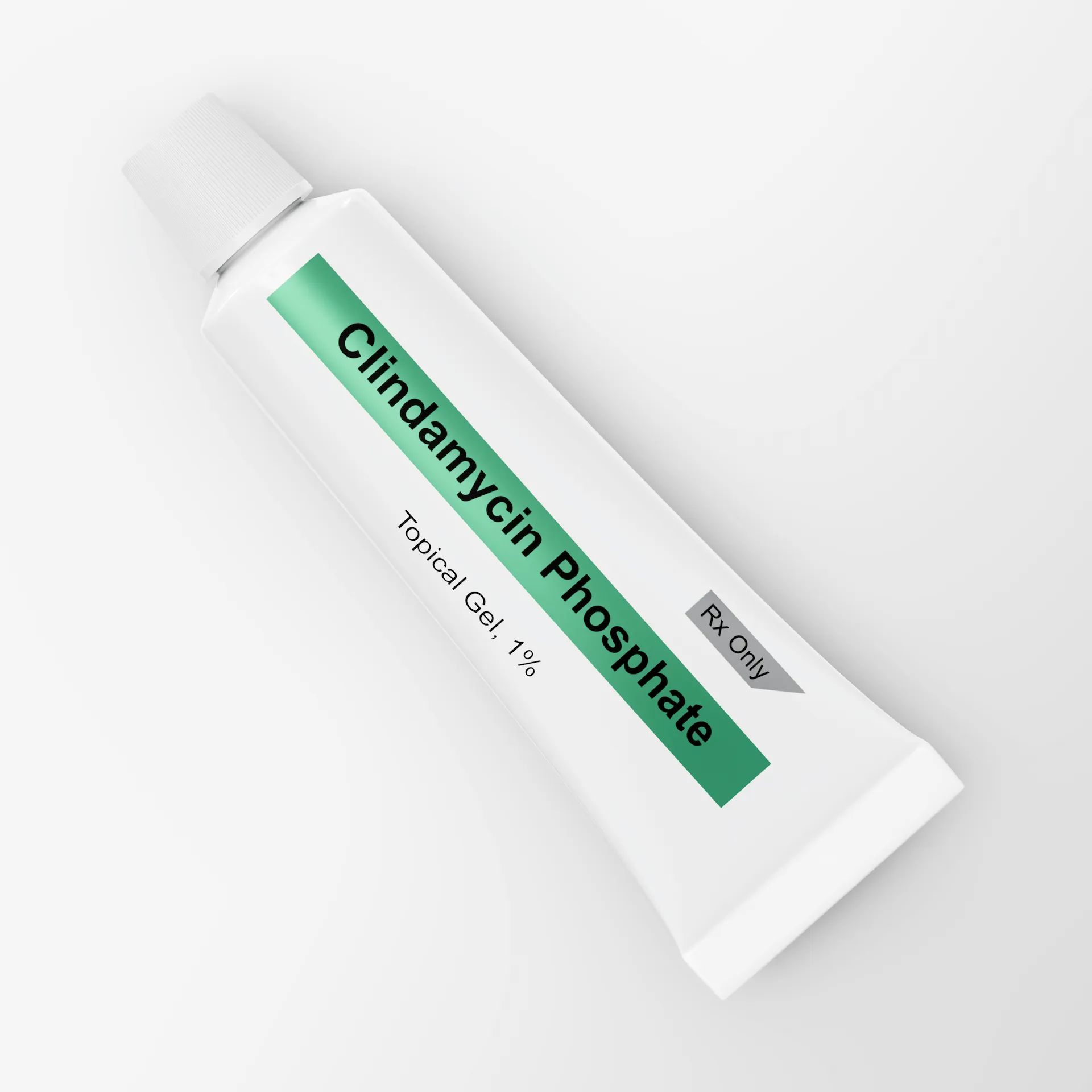
For inflammatory acne and breakouts, a formula might combine tretinoin (to prevent clogged pores and increase cell turnover), clindamycin (a topical antibiotic to reduce acne-causing bacteria), azelaic acid (to calm inflammation and fade post-acne marks), and niacinamide (to support the skin barrier and reduce redness) — all in one nightly application.
For hormonal acne specifically (breakouts along the jawline, chin, and lower face) topical spironolactone can be added to the formula to target androgen-driven oil production directly at the skin level. This is particularly useful for patients who want to treat hormonal acne without oral medication.
Getting a custom acne prescription online through Honeydew takes a few minutes: fill out a questionnaire, upload photos of your skin, and your dermatologist prescribes your formula.
Standard tretinoin prescriptions, like Retin-A or generic tretinoin cream, come in fixed concentrations (0.025%, 0.05%, 0.1%) in a single base formula. Compounded tretinoin is custom-made by a licensed compounding pharmacy to your dermatologist's exact specifications, which opens up several advantages:
Concentration flexibility: Your dermatologist can prescribe tretinoin at concentrations not commercially available, or start you at a very low concentration tailored to your sensitivity level.
Combination formulas: Compounded tretinoin can be combined with other active ingredients such as azelaic acid, niacinamide, clindamycin, tranexamic acid, kojic acid, and others, into a single formula. This means one nightly application addresses multiple concerns (acne, texture, pigmentation, inflammation) instead of layering five separate products.
Custom base: The vehicle (cream, gel, lotion, serum) can be adjusted based on your skin type. Patients with very dry or sensitive skin often do better with a more emollient base than commercially available gels offer.
Your compounded medication is prepared individually by a compounding pharmacy using FDA-approved ingredients. Your Honeydew dermatologist only works with licensed, quality-verified compounding pharmacies.
The biggest difference is who prescribes your formula and what they can prescribe. Honeydew's providers are board-certified dermatologists, the same specialists you'd see in a traditional dermatology office, which means they can identify conditions that require more than a topical formula and prescribe accordingly.
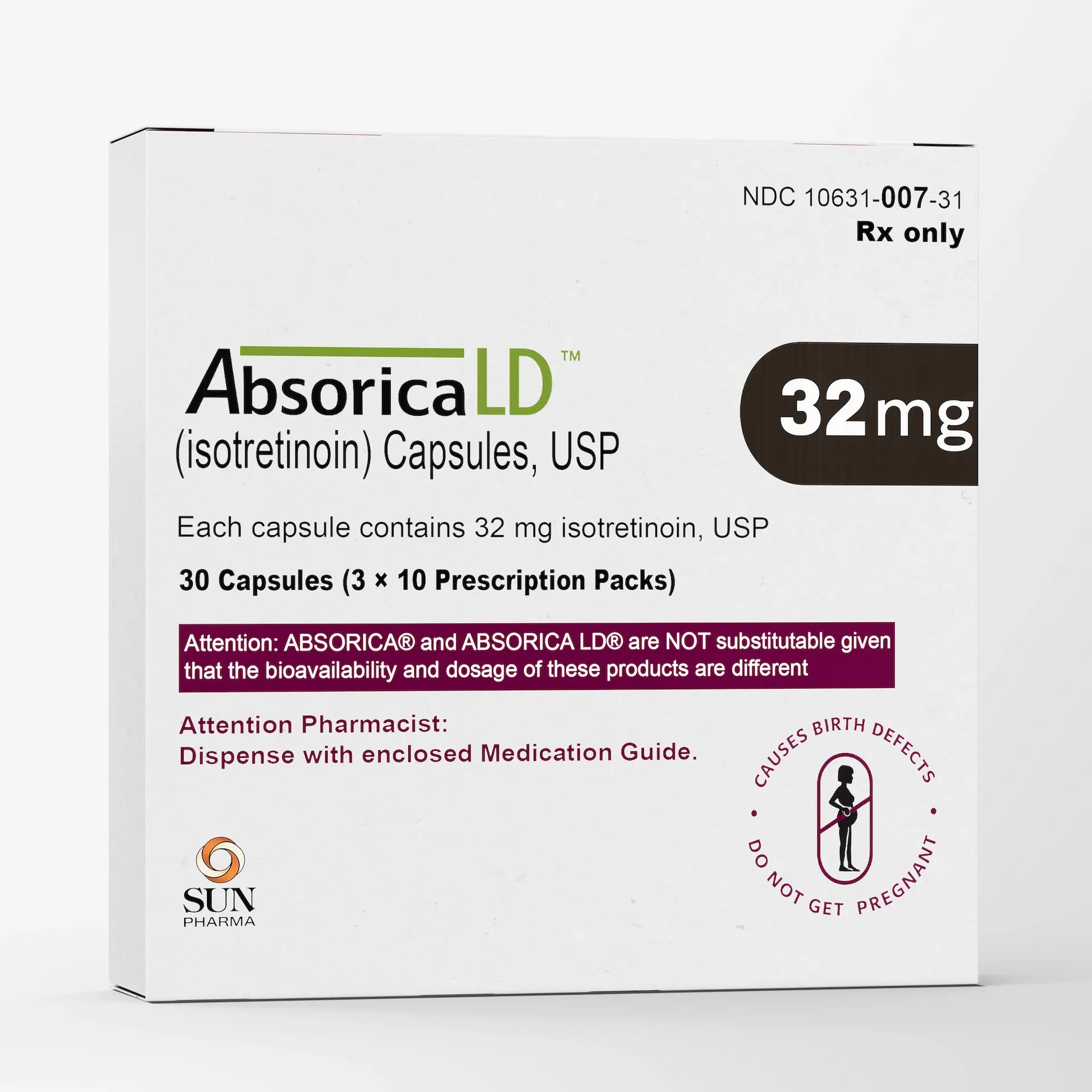
In practice, this matters when your acne or skin concern needs something beyond a topical compound. For example, if your hormonal acne would benefit from oral spironolactone, or your skin isn't responding to a topical-only approach and Accutane is worth discussing, a Honeydew dermatologist can prescribe those treatments directly without you needing to start over with a new provider. Curology and Musely cannot prescribe oral medications for most patients.
The formula itself is also highly customized. Your dermatologist selects ingredients and concentrations based on your full skin history, skin type, sensitivities, and goals, not a quiz algorithm. As your skin changes over time, your formula changes too.
If you or your child is under the age of 18, a parent or guardian should be part of the initial consultation. In circumstances where this is not possible, please contact info@honeydewcare.com and we will assist you with alternate ways to establish parental consent.
We will run the prescriptions through your insurance and help you find the lowest costs out there. The membership fee and any products are also eligible for HSA or FSA reimbursement.
We offer comprehensive support for our patients, including access to experienced providers, assistance with lab orders and the iPledge program (when needed), unlimited support, and progress tracking.
Zero waiting rooms, zero co-pays. Get expert care, personalized treatments, and ongoing support, all online for one transparent price.
Licensed dermatology providers who understand acne beyond the surface and guide your treatment from day one.
We handle prior authorizations, pharmacy communication, and refills so you don't have to.
Upload photos directly to your patient dashboard so you and your provider can monitor how your skin is responding to treatment over time.
Message your provider anytime your skin changes, your prescription needs adjusting, or for anything else.
Honeydew membership is eligible for HSA/FSA spending.
Get expert dermatology care from anywhere in the U.S., with no in-person visits required.
Find more answers in our FAQ or Contact us.
From topicals to oral medications, your provider prescribes what’s right for your skin.