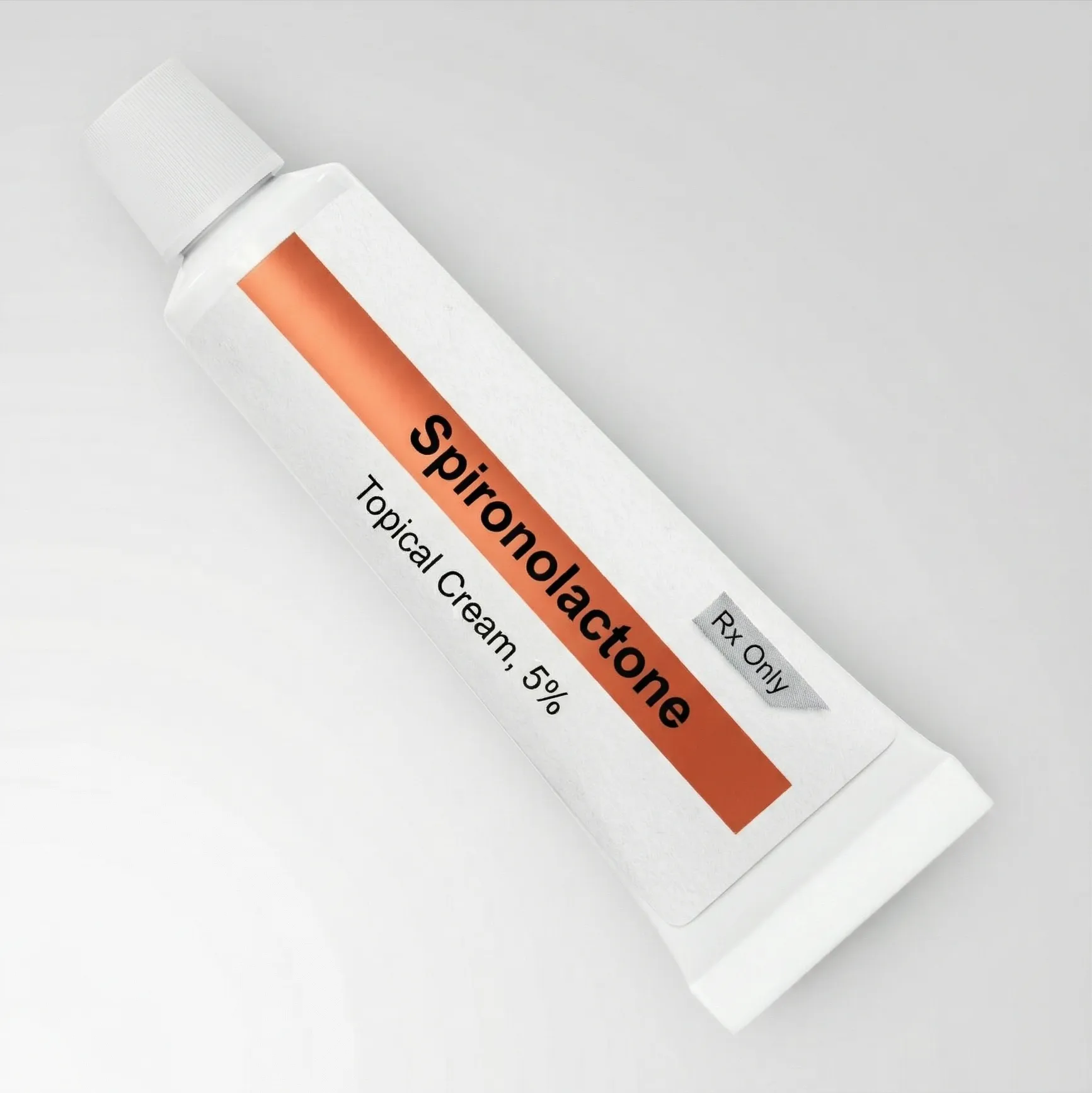
Topical Aldactone
Treat hormonal acne on the jawline and chin with Topical Spironolactone, prescribed online. Get dermatologist-guided care with close monitoring, safety oversight, and medication delivered to your door.


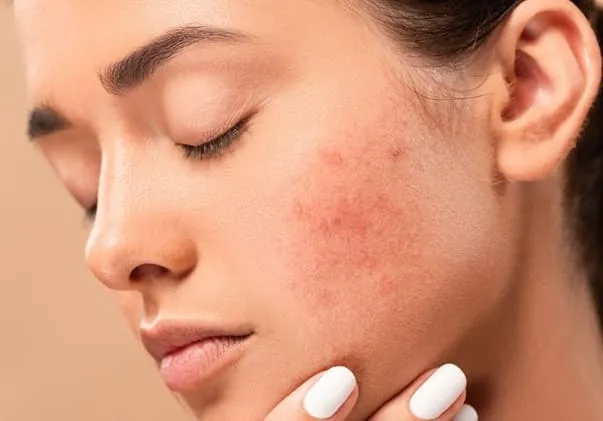
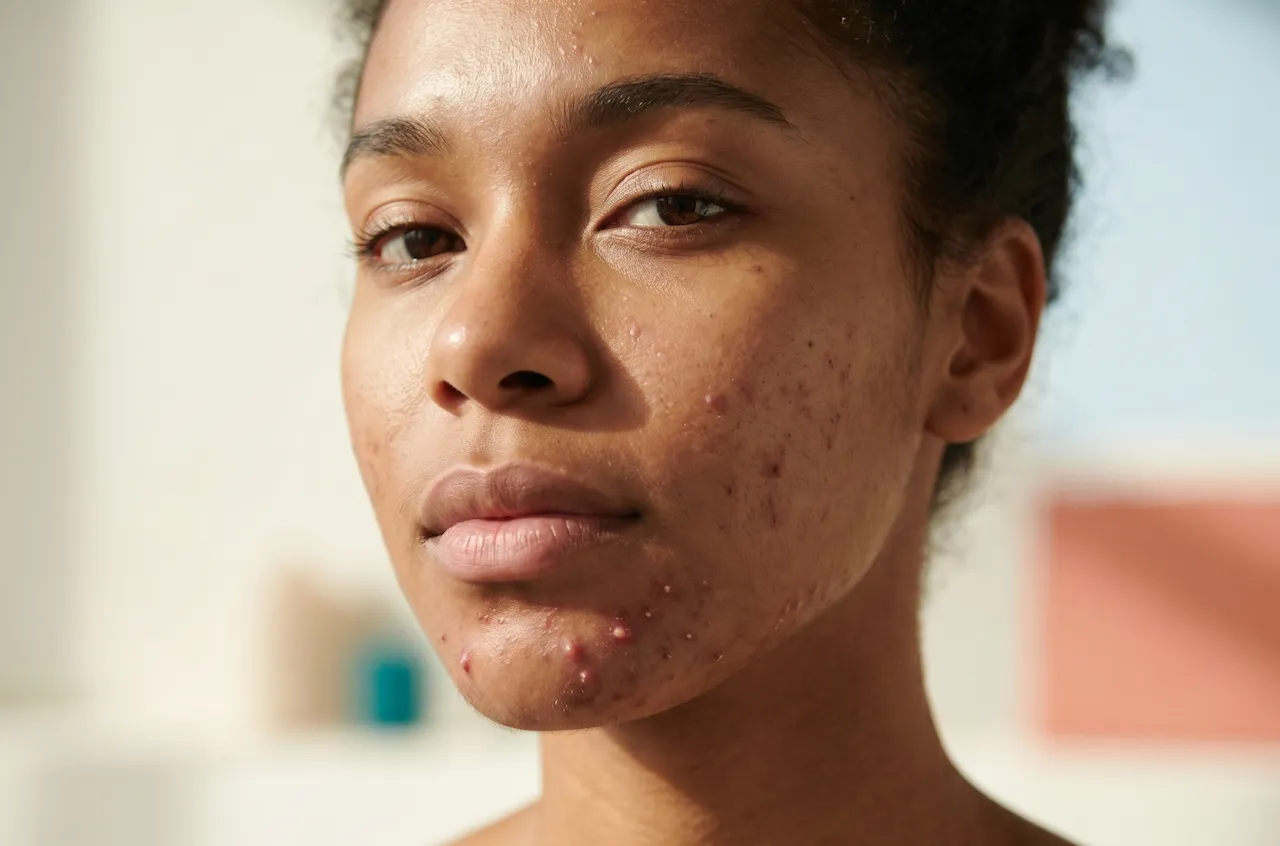
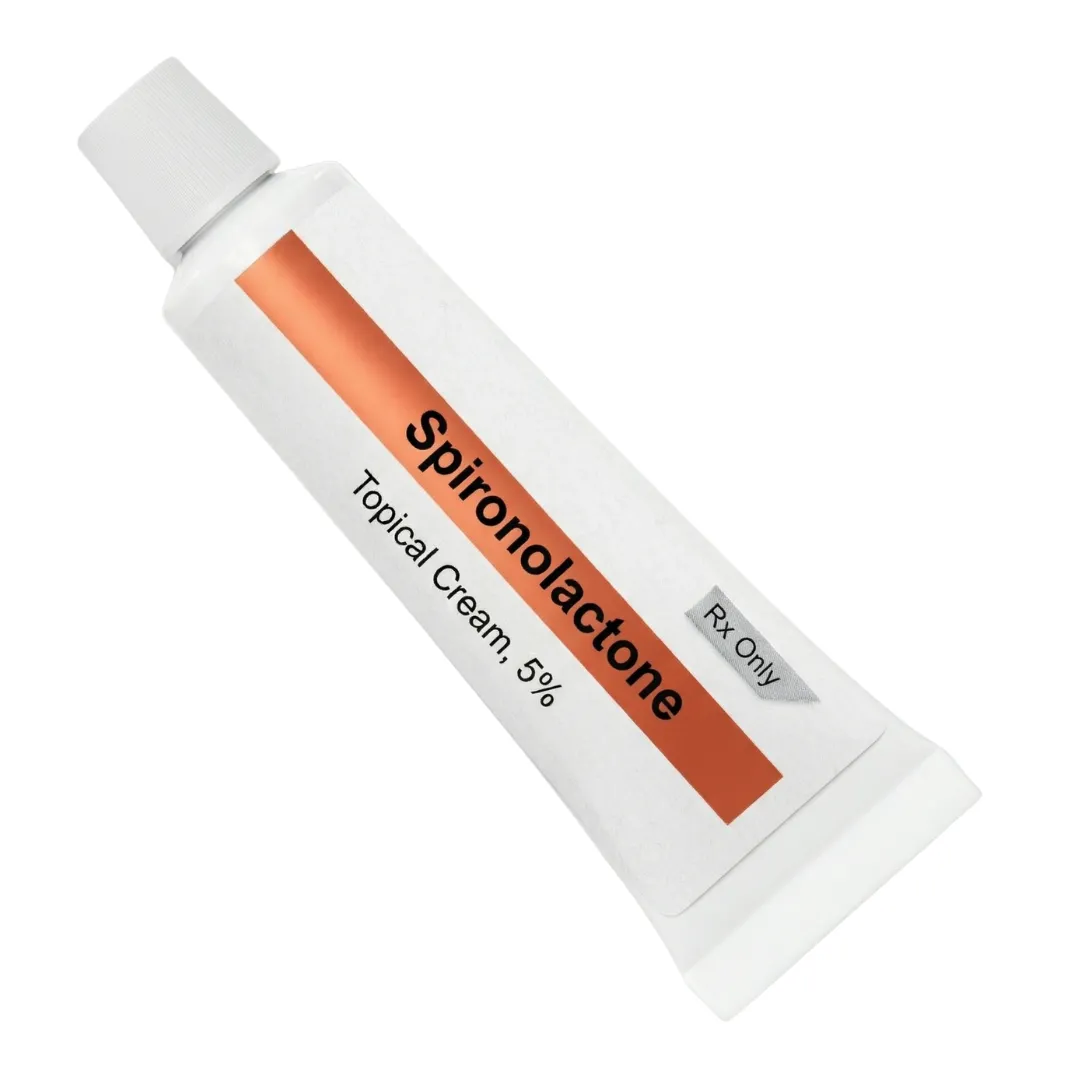
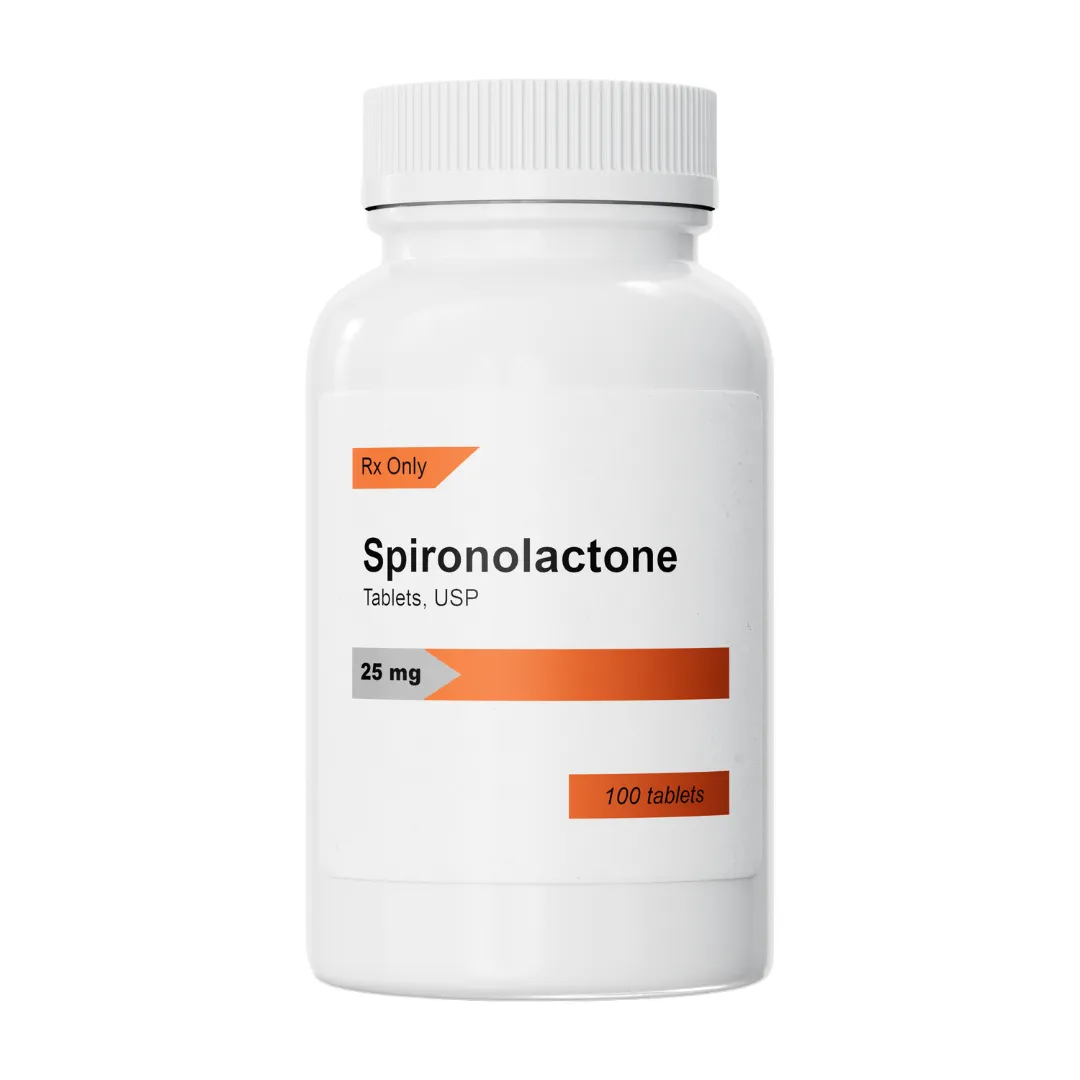
Topical spironolactone helps treat hormonal acne, especially along the jawline, chin, and lower face.
It helps reduce the effects of androgens on the skin, lowering oil production and helping prevent breakouts. It’s often combined with other treatments like retinoids or benzoyl peroxide for a more complete acne plan.
Some people may experience mild dryness or irritation. These effects are usually manageable and improve with continued use.
Honeydew manages your prescription, dosing guidance, and follow-ups, 100% online. Your dermatologist and dedicated care team track progress and coordinate refills, with medication delivered directly to your door.

Fill out a quick medical questionnaire and upload photos of your skin. In many cases, treatment can begin right away without a video consult.

If a visit is needed, you can book a quick video consult within 48 hours. Your provider takes the time to understand your skin and your goals.

Your provider creates a personalized plan, then your treatment is delivered to your door or sent to your local pharmacy.

Track your progress with photos and message your Care Team anytime for questions, refills, and guidance. We'll respond, 7 days a week.
Hormonal acne is often driven by androgens that increase oil production, leading to clogged pores and breakouts, especially along the jawline and chin.
Topical spironolactone works directly on the skin to help block these effects locally, reducing oil and helping prevent breakouts without affecting the body systemically.
With dermatologist guidance, it can be an effective option for managing hormonal acne in a more targeted way.
.webp)

Your dermatology provider will review your skin and confirm whether Topical Spironolactone is the right fit before prescribing.
Deciding between topical and oral spironolactone is a collaborative process between you and your dermatology provider. Your provider will evaluate your skin, medical history, and treatment goals to recommend the option that best fits your needs.

see a noticeable reduction in hormonal acne breakouts*
maintain clear or mostly clear skin while continuing treatment*
report improved control of jawline, chin, and lower-face acne*
*Based on clinical studies and dermatology practice outcomes. Results depend on dose, consistency, and individual hormone patterns.
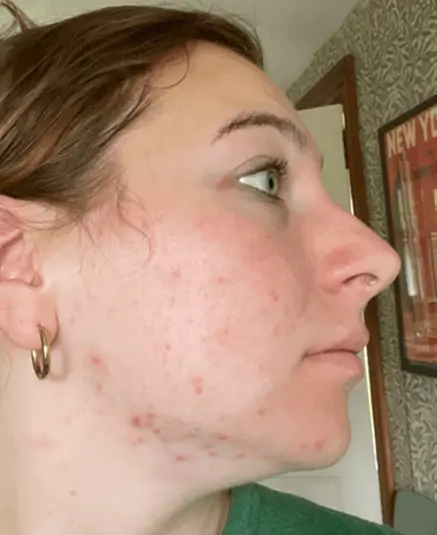
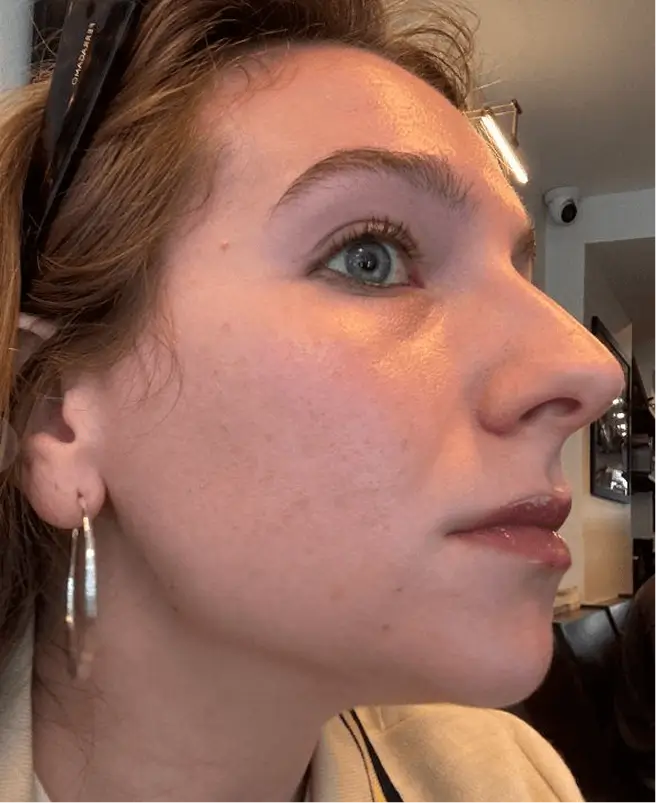
My skin completely cleared up
Through Honeydew, I started Spironolactone. My skin completely cleared up and the level of new breakouts has been zero to none. The consistency of sticking with Honeydew and sticking with Spironolactone has been amazing.
Most topical acne treatments work by targeting bacteria (clindamycin, benzoyl peroxide), improving cell turnover (tretinoin), or reducing inflammation. Topical spironolactone works differently. It targets the hormonal root cause of acne by blocking androgen receptors in the skin, which reduces excess oil production. This makes it uniquely suited for hormonal acne that doesn't respond well to antibiotics or retinoids alone. It's often prescribed as part of a combination plan alongside those treatments rather than as a standalone replacement.
Topical spironolactone may not be appropriate for everyone. It is primarily used for hormonal acne in female patients and is generally not prescribed for severe or widespread cystic acne, which may require oral medication or Accutane. It may also not be the best first choice for patients with very sensitive or compromised skin barriers, or those whose acne is driven primarily by factors other than androgen excess (such as bacterial acne or closed comedones). Your Honeydew dermatologist will review your skin, medical history, and previous treatments before recommending topical spironolactone to confirm it's the right fit.
Because topical spironolactone is a compounded medication, insurance coverage varies and it may not always be covered under a standard pharmacy benefit. However, Honeydew will run your prescription through your insurance to explore coverage and help you find the lowest out-of-pocket cost available.
Cash pricing for compounded topical spironolactone is generally affordable, and the Honeydew membership fee (starting at $25/month on an annual plan) is HSA/FSA eligible. Your provider can also discuss whether oral spironolactone — which is a generic with broader insurance coverage — might be an appropriate alternative if cost is a concern.
Yes, and combination therapy is often more effective than using a single treatment. Topical spironolactone is frequently prescribed alongside tretinoin (a topical retinoid), benzoyl peroxide, clindamycin, or other acne medications. Each targets a different driver of acne — spironolactone addresses androgen-driven oil production, tretinoin improves cell turnover and prevents clogged pores, and antibiotics reduce acne-causing bacteria. Your Honeydew dermatologist will build a complete, personalized treatment plan and advise you on how to layer these products safely to minimize irritation.
Yes, adult hormonal acne is one of the most common reasons topical spironolactone is prescribed. Many women continue to experience breakouts well into their 20s, 30s, and 40s, often driven by hormonal fluctuations related to menstrual cycles, stress, or perimenopause. Topical spironolactone directly targets the androgen activity that drives this type of acne, making it a well-suited treatment for adult women who haven't responded to traditional topicals like retinoids or benzoyl peroxide. It's also a good option for those who want to avoid oral medications.
Compounded topical spironolactone is a prescription medication prepared by a licensed compounding pharmacy to your dermatologist's exact specifications. Unlike mass-manufactured drugs, compounded medications are custom-made — allowing your provider to tailor the concentration, formulation (cream, gel, or lotion), and any additional active ingredients to your specific skin needs. Honeydew coordinates the compounding pharmacy and prescription process entirely on your behalf, so you don't have to source or manage it yourself.
Topical spironolactone is a compounded medication, which means it can be formulated as a cream, gel, or lotion depending on your provider's prescription and your skin type. It's applied directly to acne-prone areas — typically the jawline, chin, and lower face — once or twice daily as directed. Your dermatologist will specify the concentration and formulation best suited to your skin. Because it's compounded, the exact texture and application instructions may vary slightly from patient to patient.
Yes, it can be a useful option. Acne associated with PCOS (polycystic ovary syndrome) is typically driven by elevated androgens that overstimulate oil glands, leading to clogged pores and breakouts — particularly along the jawline, chin, and lower face. Topical spironolactone works by blocking androgen receptors directly in the skin, reducing oil production at the source. While it doesn't treat PCOS systemically, it can meaningfully reduce acne caused by androgen excess. Your Honeydew provider will review your full health history before prescribing to ensure it's appropriate for your situation.
Topical spironolactone is unlikely to affect your menstrual cycle. Oral spironolactone can sometimes cause irregular periods or spotting because it enters the bloodstream and influences hormone levels throughout the body. Since topical spironolactone works locally on the skin without significant systemic absorption, it does not typically disrupt your cycle. If you have concerns about hormonal side effects, topical spironolactone is often a better-tolerated alternative to the oral form.
No. This is one of the key advantages of the topical form over oral spironolactone. Because topical spironolactone is applied directly to the skin and is not significantly absorbed into the bloodstream, it does not typically affect blood pressure, potassium levels, or kidney function. Oral spironolactone requires monitoring for these systemic effects; topical spironolactone generally does not. This makes it a practical option for patients who want targeted hormonal acne treatment without the need for bloodwork or systemic monitoring.
Winlevi (clascoterone 1%) is an FDA-approved topical androgen blocker for acne. Topical spironolactone is a compounded prescription that works through a similar mechanism — blocking androgen receptors in the skin to reduce oil production and prevent hormonal breakouts — but is formulated by a licensed compounding pharmacy rather than manufactured as a branded product. Both are applied directly to the skin and avoid the systemic effects of oral spironolactone. Your dermatologist can help determine which is the better fit based on your insurance coverage, skin type, and treatment goals. In some cases, topical spironolactone may be more accessible or cost-effective than Winlevi depending on your insurance.
Yes. Honeydew's board-certified dermatologists prescribe topical spironolactone entirely online — no office visit required. You fill out a short medical questionnaire and upload photos of your skin, and a licensed dermatology provider reviews your case. If topical spironolactone is the right fit, your compounded prescription is sent directly to a pharmacy and delivered to your door. Most patients can get started same day.
Topical spironolactone may help improve hormonal acne, especially breakouts along the jawline, chin, and lower face. It works by reducing the effects of androgens on the skin, which can lower oil production and help prevent clogged pores. Results vary, but many patients see improvement with consistent use as part of a personalized treatment plan.
Topical spironolactone is a compounded prescription treatment applied directly to the skin. It works locally by blocking androgen receptors in the skin, which helps reduce excess oil production—a key driver of hormonal acne. Unlike oral spironolactone, it does not significantly affect hormone levels throughout the body.
Topical and oral spironolactone are both used to treat hormonal acne, but they work differently. Oral spironolactone affects hormones systemically and is often used for more persistent or widespread acne. Topical spironolactone works directly on the skin and may be a good option for mild to moderate acne or for patients who prefer a non-oral approach.
Topical spironolactone is generally associated with fewer systemic side effects because it acts locally on the skin. Most side effects are limited to mild irritation or dryness. Oral spironolactone can affect the body more broadly, which is why providers review your medical history before prescribing.
Most patients begin to see improvement in 6 to 12 weeks, with continued improvement over several months. Like other acne treatments, consistent use is important for best results.
Yes. Topical spironolactone is often used alongside other acne treatments such as tretinoin, benzoyl peroxide, or clindamycin. Combination therapy can help target multiple causes of acne at once. Your provider will guide how to layer and use these treatments together.
Topical spironolactone is also offered in a custom compounded solution, where our providers combine clinically proven ingredients into a single formula made just for you.
Topical spironolactone may be used long term as part of a maintenance routine, depending on your provider’s guidance. Because it works locally, it can be a good option for ongoing acne management.
Topical spironolactone may be a good option for patients who:
Your provider will help determine the best approach for your specific situation.
Yes. Topical spironolactone is typically a compounded prescription medication and must be prescribed by a licensed provider.
Yes. By reducing the effects of androgens on the skin, topical spironolactone may help decrease excess oil production, which can improve both acne and overall skin texture.
It can be a good option for sensitive skin because it avoids systemic exposure. However, some patients may still experience mild irritation, especially when starting treatment or combining with other active ingredients.
Topical spironolactone may be considered for men in some cases, but treatment decisions depend on individual factors. Your provider will determine if it’s appropriate based on your medical history and goals.
If you or your child is under the age of 18, a parent or guardian should be part of the initial consultation. In circumstances where this is not possible, please contact info@honeydewcare.com and we will assist you with alternate ways to establish parental consent.
We offer comprehensive support for our patients, including access to experienced providers, assistance with lab orders and the iPledge program (when needed), unlimited support, and progress tracking.
We will run the prescriptions through your insurance and help you find the lowest costs out there. The membership fee and any products are also eligible for HSA or FSA reimbursement.
.webp)
Monthly check-ins help your provider monitor side effects, tolerance, and overall progress throughout treatment.
.webp)
If needed, your provider may request baseline or follow-up labs to ensure treatment stays safe and effective.
.webp)
Patients who can become pregnant complete required monthly pregnancy testing and iPLEDGE steps, with support at every stage.
.webp)
Mood changes are rare but taken seriously. Your provider checks in regularly and adjusts care if needed.

Zero waiting rooms, zero co-pays. Get expert care, personalized treatments, and ongoing support, all online for one transparent price.
Licensed dermatology providers who understand acne beyond the surface and guide your treatment from day one.
We handle prior authorizations, pharmacy communication, and refills so you don't have to.
Upload photos directly to your patient dashboard so you and your provider can monitor how your skin is responding to treatment over time.
Message your provider anytime your skin changes, your prescription needs adjusting, or for anything else.
Honeydew membership is eligible for HSA/FSA spending.
Get expert dermatology care from anywhere in the U.S., with no in-person visits required.
Find more answers in our FAQ or Contact us.
From topicals to oral medications, your provider prescribes what’s right for your skin.