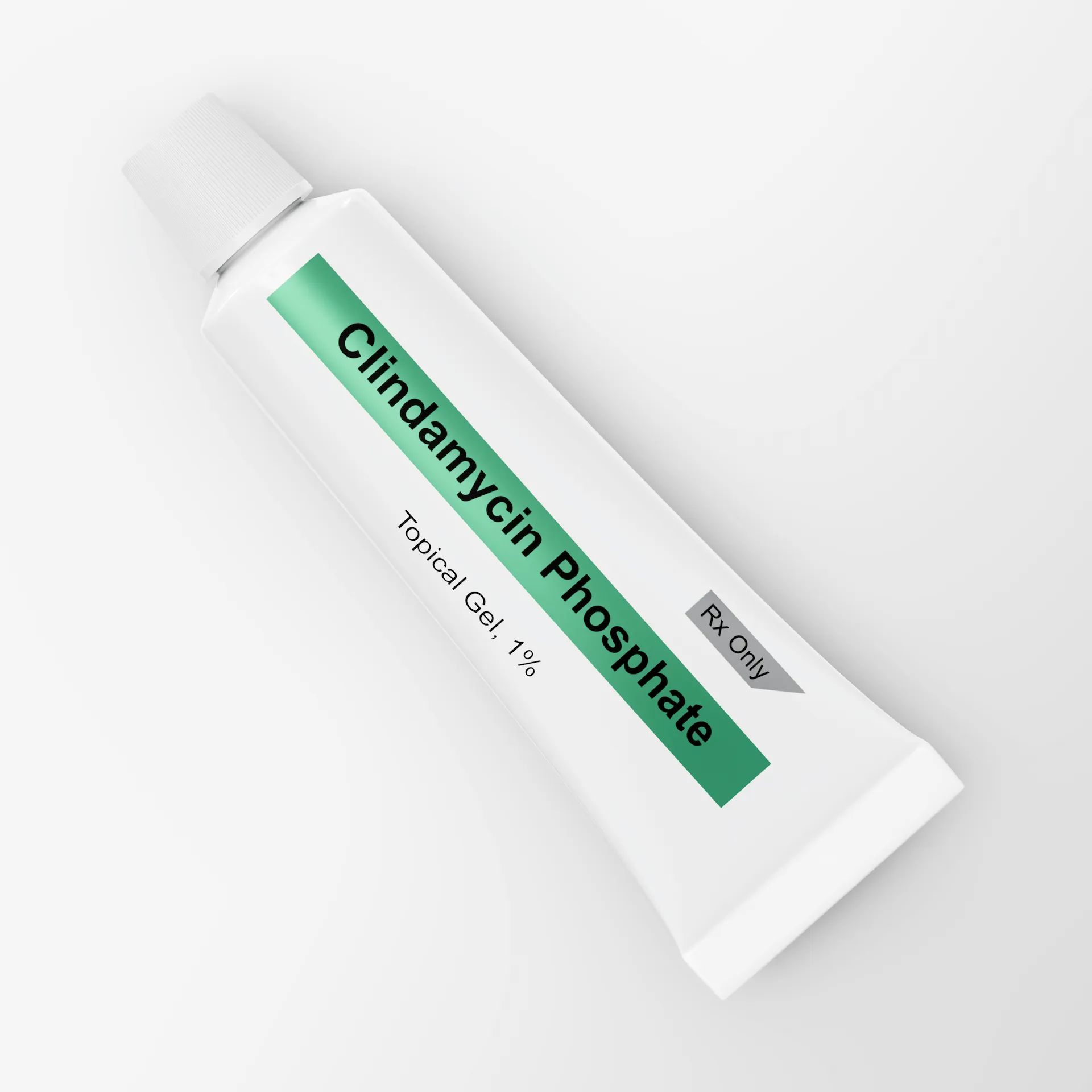
Topical antibiotic
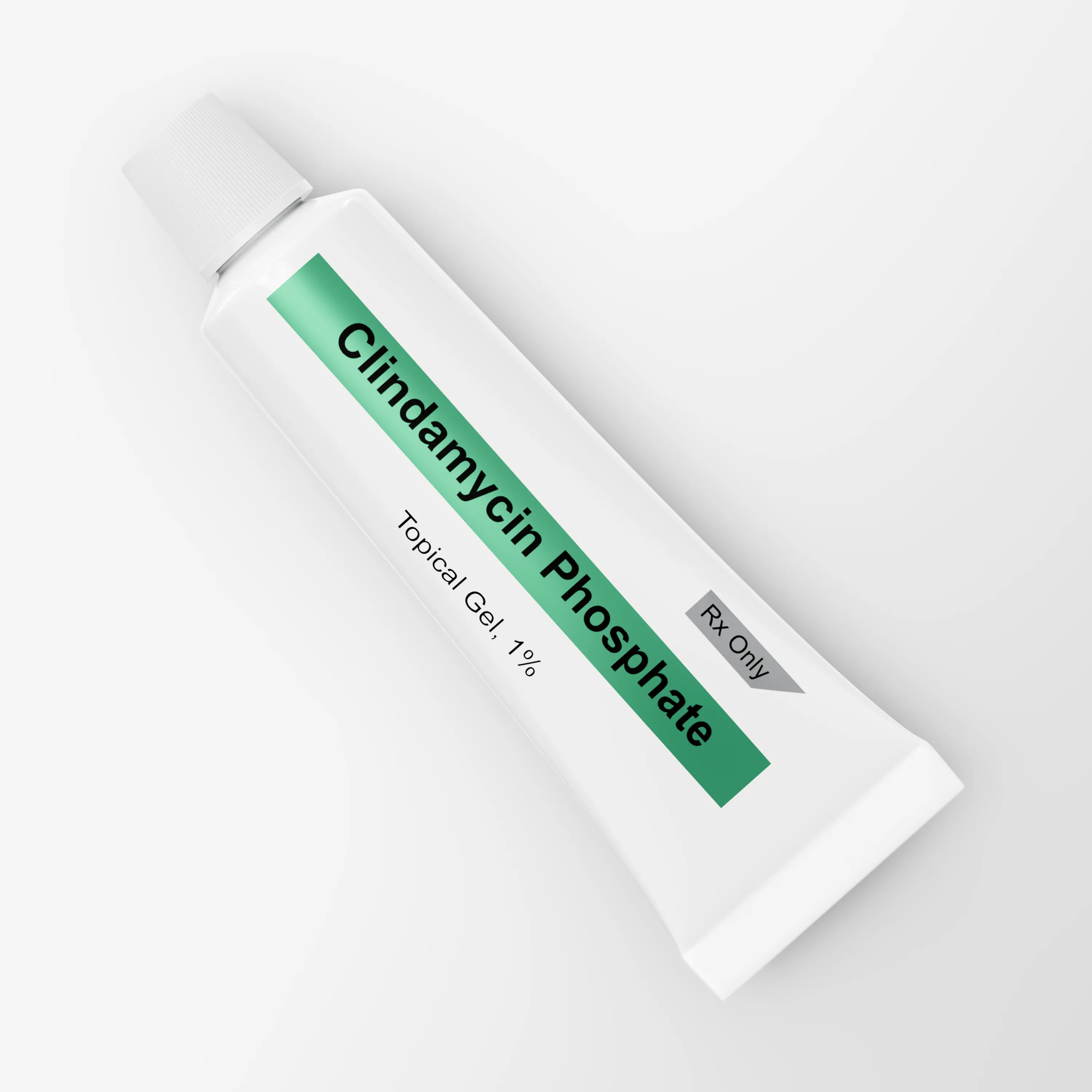
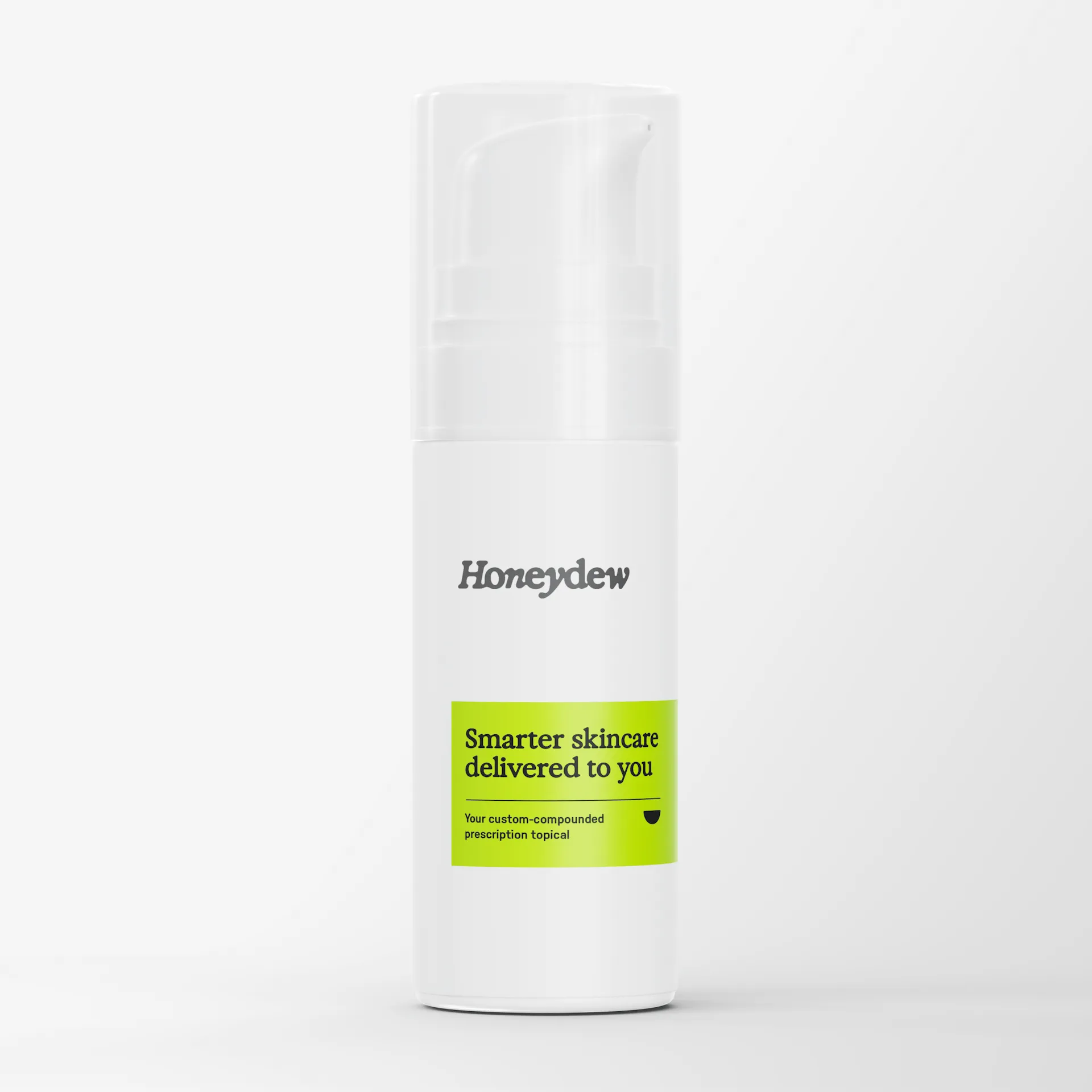
Treat persistent acne with Clindamycin, prescribed online. Get dermatologist-guided care with close monitoring, safety oversight, and medication delivered to your door.



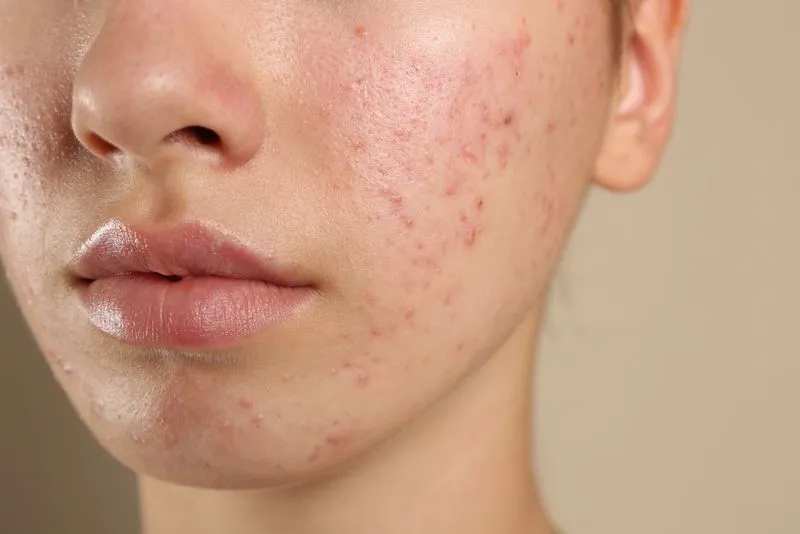
Clindamycin treats inflammatory acne by reducing acne-causing bacteria and calming redness and swelling. It’s often used as part of a combination acne routine.
Mild dryness, redness, or irritation may occur. Most side effects are mild and improve with continued use. Your provider will guide proper use to reduce irritation.
Clindamycin is generally well tolerated when used as directed. It’s often paired with other treatments to reduce antibiotic resistance and improve effectiveness.
Honeydew manages your prescription, dosing guidance, and follow-ups, 100% online. Your dermatologist and dedicated care team track progress and coordinate refills, with medication delivered directly to your door.

Fill out a quick medical questionnaire and upload photos of your skin. In many cases, treatment can begin right away without a video consult.

If a visit is needed, you can book a quick video consult within 48 hours. Your provider takes the time to understand your skin and your goals.

Your provider creates a personalized plan, then your treatment is delivered to your door or sent to your local pharmacy.

Track your progress with photos and message your Care Team anytime for questions, refills, and guidance. We'll respond, 7 days a week.
Clindamycin is a topical antibiotic that helps reduce acne-causing bacteria and inflammation, making it effective for red, swollen, and active breakouts. It works best as part of a combination routine to calm flare-ups and support clearer skin.
With dermatology guidance, clindamycin can help control breakouts while other treatments work to maintain long-term results.

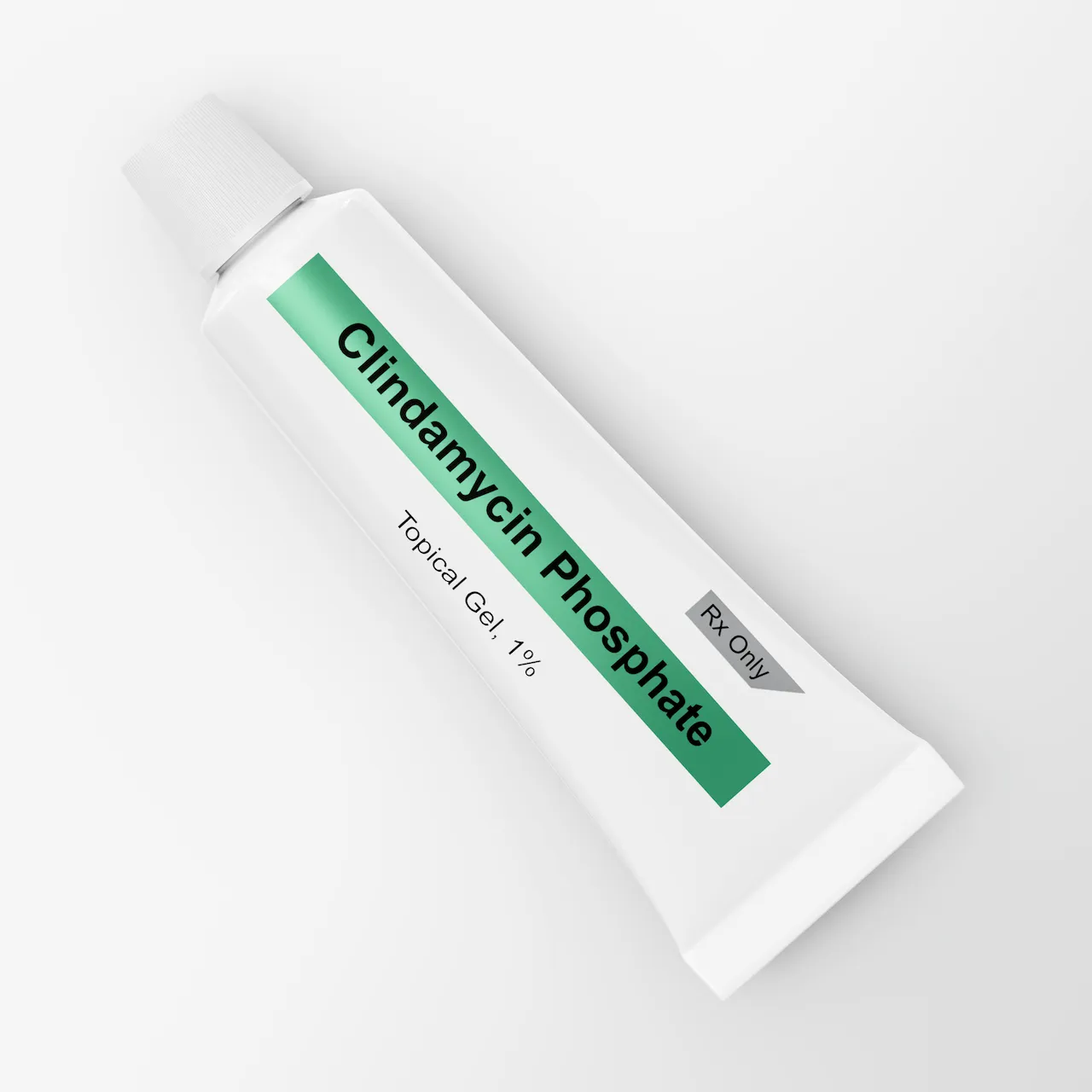

Your dermatology provider will review your skin and confirm whether Clindamycin is the right fit before prescribing.

see a reduction in inflammatory acne lesions*
maintain improved control while using treatment*
Often combined with other topicals to improve results and reduce resistance*
*Based on clinical studies of topical antibiotics and dermatology practice outcomes. Results depend on consistency and combination therapy.
Topical clindamycin may not be appropriate for everyone. It should not be used by patients with a known allergy to clindamycin or lincomycin. It is also generally not recommended for patients with a history of inflammatory bowel disease (such as Crohn's disease or ulcerative colitis) or a history of antibiotic-associated colitis, because even topical clindamycin is partially absorbed through the skin and may trigger GI complications in susceptible patients.
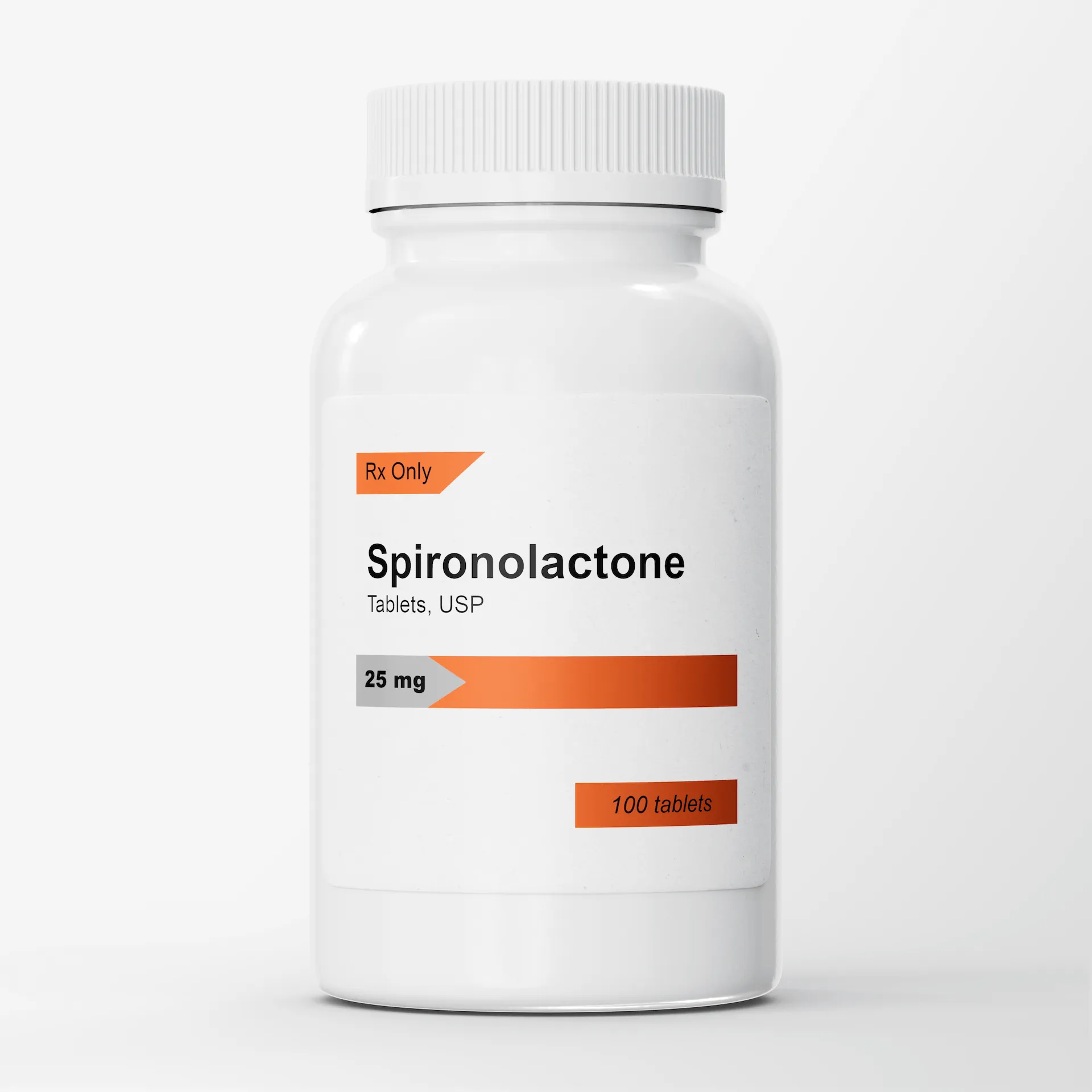
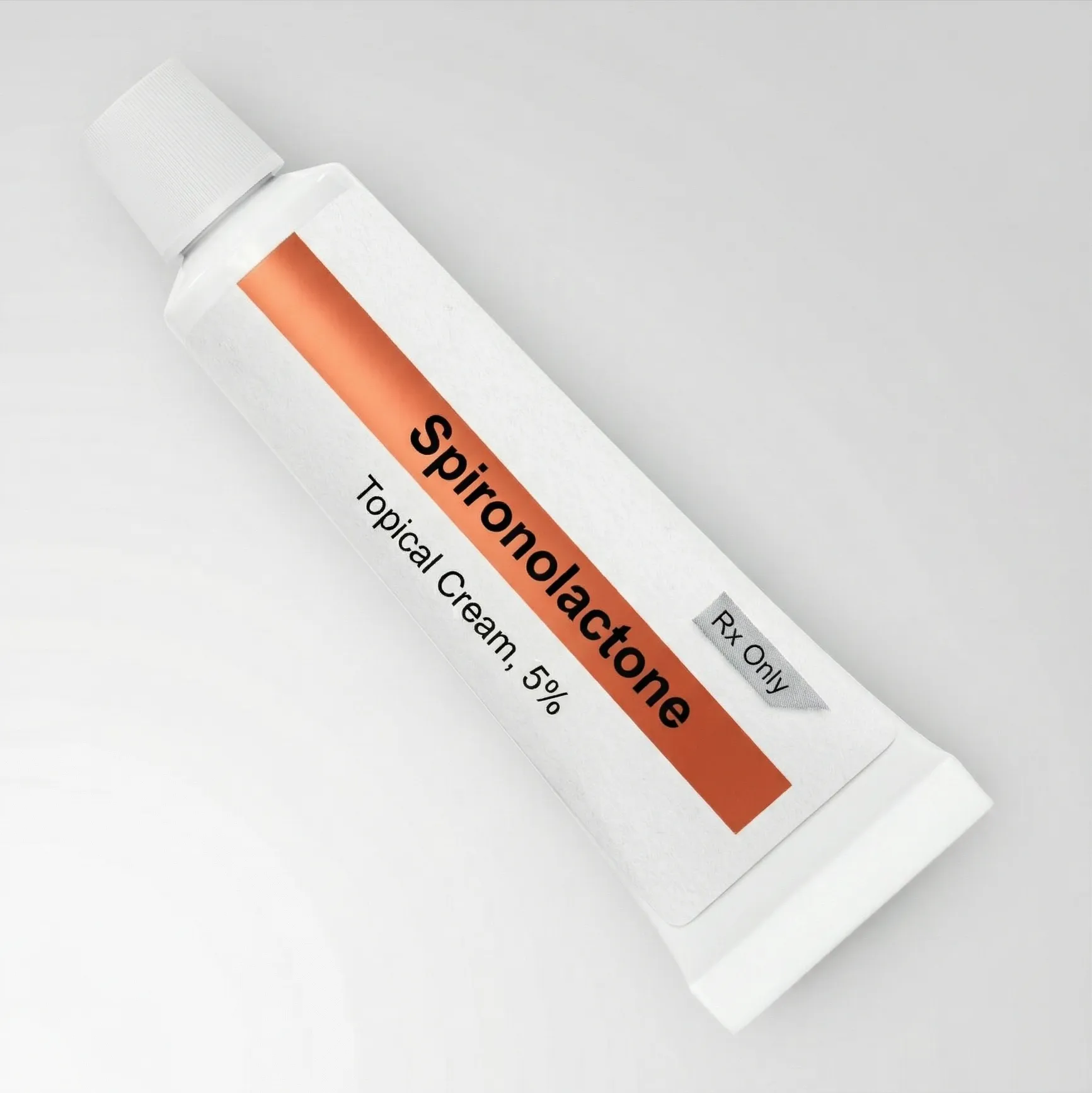
Clindamycin is most effective for inflammatory acne (red, swollen, tender lesions) and is not the right choice as a primary treatment for purely comedonal acne (blackheads and whiteheads without inflammation) or for severe, widespread, or cystic acne that hasn't responded to topical treatments. In those cases, your Honeydew provider may recommend a more targeted treatment plan, which could include oral antibiotics, spironolactone, or Accutane.
If you've used topical clindamycin before and stopped responding to it, flag this during your consultation. It may indicate resistance has developed, and your provider will adjust your treatment accordingly.
Topical clindamycin is one of the limited prescription acne treatments considered relatively safer during pregnancy compared to retinoids and some oral antibiotics. While systemic absorption from topical application is minimal, it's not zero, and use during pregnancy should always be discussed with both your dermatologist and your OB-GYN before starting.
Topical clindamycin is generally categorized as a lower-risk option for pregnant patients who need prescription-level acne treatment, particularly compared to tretinoin (which is contraindicated in pregnancy) and oral tetracyclines like doxycycline (not recommended during the second and third trimesters). If you are pregnant, planning to become pregnant, or breastfeeding, inform your Honeydew provider at the start of your consultation. They'll take this into account and discuss the safest appropriate options for your situation.
Most patients begin to notice a reduction in active inflammatory lesions within 4 to 6 weeks of consistent use. The clearest improvements in overall acne severity are typically visible at 8 to 12 weeks.
Clindamycin is faster-acting than retinoids for active inflammatory breakouts because it directly targets the bacterial overgrowth driving the inflammation, rather than working through cell turnover. However, it doesn't prevent new clogged pores from forming on its own, which is why it's almost always paired with a retinoid like tretinoin for longer-term acne control.
If you're not seeing meaningful improvement by week 8 to 12, contact your Honeydew care team. Your provider may adjust your routine by switching antibiotic, adding benzoyl peroxide, or escalating to a more definitive treatment, rather than continuing a regimen that isn't working.
Yes, topical clindamycin is one of the most commonly prescribed treatments for back acne and other body acne. The foam formulation in particular is well suited to larger treatment areas like the back, chest, and shoulders because it spreads evenly across the surface and is easy to apply without help.
Back acne and body acne are driven by the same factors as facial acne (excess oil production, clogged pores, and C. acnes bacteria) so topical clindamycin addresses the bacterial and inflammatory component in these areas just as it does on the face. It's typically used alongside benzoyl peroxide (body washes containing benzoyl peroxide work particularly well for back acne as a companion to topical clindamycin) and sometimes a retinoid for stubborn body breakouts.
If back or body acne is your primary concern, mention this during your Honeydew consultation so your dermatologist prescribes the right formulation and coverage area.
Yes. Honeydew's board-certified dermatologists prescribe topical clindamycin entirely online, without an in-person office visit. You fill out a short medical questionnaire and upload photos of your skin, and a licensed dermatology provider reviews your case and determines whether clindamycin is appropriate for your acne type and severity.
If prescribed, your clindamycin is sent to a pharmacy near you or delivered directly to your door. Your dermatologist will also specify the formulation, concentration, and how to pair it with other treatments, so you're not just getting a prescription, you're getting a complete treatment plan with guidance on how to use it effectively.
Getting a clindamycin prescription online through Honeydew typically takes less time than booking and attending a single dermatology appointment, and your care team is available 7 days a week for any follow-up questions.
Clindamycin is straightforward to use, but a few details matter for both effectiveness and tolerability:
Cleanse first: Wash your face with a gentle cleanser and pat dry before applying. Applying to clean skin ensures the medication absorbs properly rather than sitting on top of makeup, sunscreen, or other products.
Apply a thin layer: You only need a thin film across the affected area. More product doesn't mean better results and increases the risk of irritation. For gel or lotion, apply with clean fingertips. For solution, use the pledget or swab provided.
Timing: Most clindamycin formulations are applied twice daily: once in the morning and once in the evening. Some once-daily gel formulas exist; follow your provider's specific instructions. If you're also using tretinoin, your dermatologist will give you a layering schedule to minimize irritation.
Avoid the eye area: Keep clindamycin away from the corners of your eyes, nostrils, and mouth. If contact occurs, rinse with cool water.
Solution formulation note: If you're using the liquid solution, be aware it contains alcohol and is flammable until dry. Don't apply near open flames or candles immediately after use.
Don't stop without talking to your provider: If your skin improves, continue using clindamycin as prescribed until your dermatologist advises otherwise. Stopping early can allow bacteria to rebound.
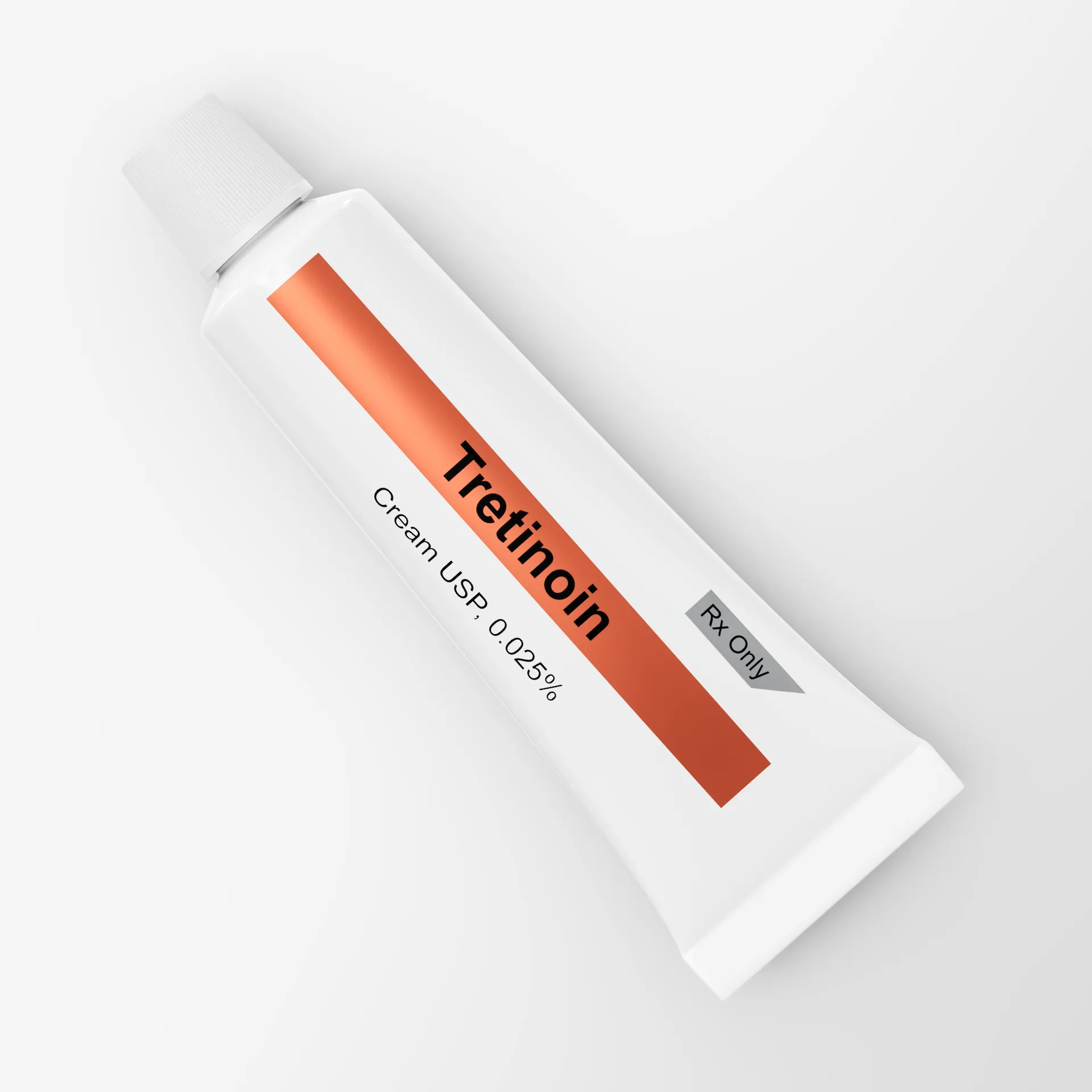
Yes, clindamycin and tretinoin are frequently prescribed together and are a well-established combination in dermatology. They complement each other directly: clindamycin reduces the bacteria and active inflammation driving inflammatory acne, while tretinoin improves cell turnover, prevents clogged pores, and helps fade post-acne marks. Together they address both the active breakout and the underlying factors that cause new ones.
The standard approach is to apply them at different times of day. A typical morning/evening split looks like:
Morning: Benzoyl peroxide (to pair with the clindamycin and prevent resistance), followed by moisturizer and SPF.
Evening: Clindamycin applied to clean dry skin, followed by tretinoin after a short wait, then moisturizer.
One important note: benzoyl peroxide can degrade tretinoin if applied at the same time, which is why keeping them in separate routines (benzoyl peroxide in the morning, tretinoin at night) is the standard recommendation. Your Honeydew provider will give you a specific layering schedule based on your exact formulations.
If you're already on tretinoin through Honeydew and want to add clindamycin, message your care team. Your provider can update your prescription without starting over.
Both clindamycin and doxycycline are antibiotics used in acne treatment, but they work differently and are prescribed for different situations. The key distinction is topical vs. oral: clindamycin is applied directly to the skin, while doxycycline is taken by mouth and works systemically throughout the body.
Clindamycin (topical): Works locally at the skin surface to reduce acne-causing bacteria and inflammation. Better suited for mild to moderate inflammatory acne concentrated in a specific area — typically the face. Lower risk of systemic side effects since absorption through the skin is minimal. Almost always prescribed alongside benzoyl peroxide or a retinoid.
Doxycycline (oral): Works throughout the body, making it more appropriate for moderate to severe acne, widespread breakouts, or inflammatory acne on both the face and body simultaneously. Also has anti-inflammatory properties beyond its antibiotic effect. More systemic side effects to be aware of, including sun sensitivity, GI upset, and esophageal irritation if not taken with a full glass of water.
In some cases, dermatologists prescribe both oral doxycycline short-term to get active breakouts under control quickly, with topical clindamycin as part of the longer-term maintenance plan. Honeydew prescribes both medications and can help determine which approach is right for your acne severity and pattern.
Topical clindamycin is available in several formulations, all at the same 1% concentration. The right one depends on your skin type, the area you're treating, and your personal preference:
Gel: The most commonly prescribed form. Lightweight and easy to apply, it absorbs quickly and works well for oily and acne-prone skin. Most gels are applied twice daily, though some once-daily gel formulas exist.
Lotion: Slightly more hydrating than gel, making it better suited for combination or dry skin types who find gel formulations too drying. Applied twice daily.
Foam: Particularly useful for treating larger areas like the chest, back, or scalp. Applies evenly over a broader surface and is often preferred for body acne. Applied once daily.
Solution (liquid): A thinner liquid applied with a pledget or swab directly to acne-prone areas. Worth noting: the solution formulation is alcohol-based and flammable until it dries — avoid open flames immediately after application.
Swabs: Pre-soaked applicator pads for precise spot treatment. Each swab is used once and then discarded.
Your Honeydew dermatologist will prescribe the formulation best suited to your skin type, the area being treated, and any other products in your routine. If you've used a specific form before and prefer it, mention this during your consultation.
This is a real and important concern, and one that's worth understanding before you start treatment. Topical clindamycin works by suppressing the growth of Cutibacterium acnes (C. acnes), the bacteria that contribute to inflammatory acne. When used as monotherapy (without a partner ingredient like benzoyl peroxide) the bacteria can develop resistance over time, meaning clindamycin becomes less effective the longer you use it alone.
The good news is that resistance is largely preventable with the right treatment design. The standard dermatology approach is to pair clindamycin with benzoyl peroxide, which kills bacteria through oxidation — a mechanism that doesn't create resistance. Studies show this combination is more effective than clindamycin alone and significantly reduces resistance development.
Honeydew's board-certified dermatologists prescribe clindamycin as part of a complete acne regimen and monitor your response over time. If your skin stops responding or resistance becomes a concern, your provider will adjust your treatment plan accordingly, which may include rotating to a different antibiotic, adding benzoyl peroxide, or stepping up to a more definitive treatment like Accutane.
In most cases, yes, and this is one of the most important things to understand before starting clindamycin. Dermatology guidelines consistently recommend against using topical clindamycin as a standalone, long-term treatment. The reason is antibiotic resistance: when clindamycin is used alone over time, the acne-causing bacteria on your skin can adapt and stop responding to it, making the treatment progressively less effective.
Pairing clindamycin with benzoyl peroxide directly addresses this. Benzoyl peroxide kills bacteria through a different mechanism (one that doesn't create resistance) and the combination is clinically more effective than either ingredient alone. This is why dermatologists commonly prescribe a clindamycin/benzoyl peroxide combination product (such as BenzaClin or Acanya) or instruct patients to use benzoyl peroxide in the morning and clindamycin in the evening.
When your Honeydew dermatologist prescribes clindamycin, they will specify how to pair it with benzoyl peroxide or other treatments to maximize results and protect against resistance. If you've been prescribed clindamycin alone in the past without guidance on combination therapy, it's worth discussing this with your provider.
Yes, Cleocin T is the most widely recognized brand name for topical clindamycin phosphate. You may also see it sold under brand names including Clindagel, ClindaMax, and Evoclin. Generic topical clindamycin is considered equally effective to all of these and is typically what's prescribed when you fill a clindamycin prescription at a standard pharmacy.
When you're prescribed clindamycin through Honeydew, your dermatologist specifies the formulation and concentration, and your prescription is sent to a pharmacy or compounding pharmacy depending on your treatment plan. Whether you receive a branded or generic version, the active ingredient, clindamycin phosphate 1%, is the same.
If you or your child is under the age of 18, a parent or guardian should be part of the initial consultation. In circumstances where this is not possible, please contact info@honeydewcare.com and we will assist you with alternate ways to establish parental consent.
We will run the prescriptions through your insurance and help you find the lowest costs out there. The membership fee and any products are also eligible for HSA or FSA reimbursement.
We offer comprehensive support for our patients, including access to experienced providers, assistance with lab orders and the iPledge program (when needed), unlimited support, and progress tracking.
.webp)
Monthly check-ins help your provider monitor side effects, tolerance, and overall progress throughout treatment.
.webp)
If needed, your provider may request baseline or follow-up labs to ensure treatment stays safe and effective.
.webp)
Patients who can become pregnant complete required monthly pregnancy testing and iPLEDGE steps, with support at every stage.
.webp)
Mood changes are rare but taken seriously. Your provider checks in regularly and adjusts care if needed.

Zero waiting rooms, zero co-pays. Get expert care, personalized treatments, and ongoing support, all online for one transparent price.
Licensed dermatology providers who understand acne beyond the surface and guide your treatment from day one.
We handle prior authorizations, pharmacy communication, and refills so you don't have to.
Upload photos directly to your patient dashboard so you and your provider can monitor how your skin is responding to treatment over time.
Message your provider anytime your skin changes, your prescription needs adjusting, or for anything else.
Honeydew membership is eligible for HSA/FSA spending.
Get expert dermatology care from anywhere in the U.S., with no in-person visits required.
Find more answers in our FAQ or Contact us.
From topicals to oral medications, your provider prescribes what’s right for your skin.