Key Takeaways

Finishing a course of Accutane (isotretinoin) is a milestone. After months of dry lips, blood draws, and watching your skin slowly transform, you finally have the clear skin you have been working toward. It is completely natural to feel protective of that progress — and a little anxious about whether it will stick.
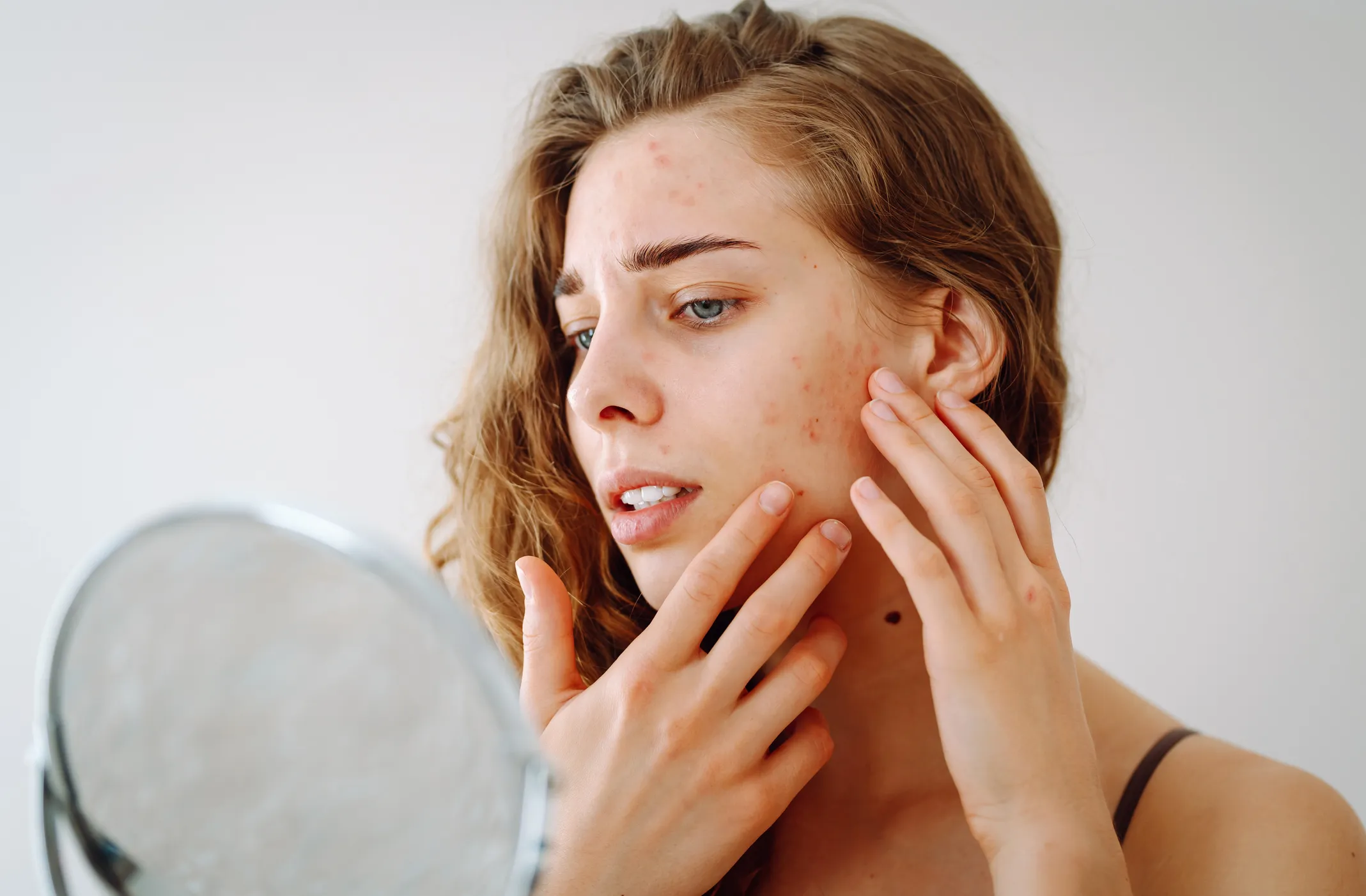
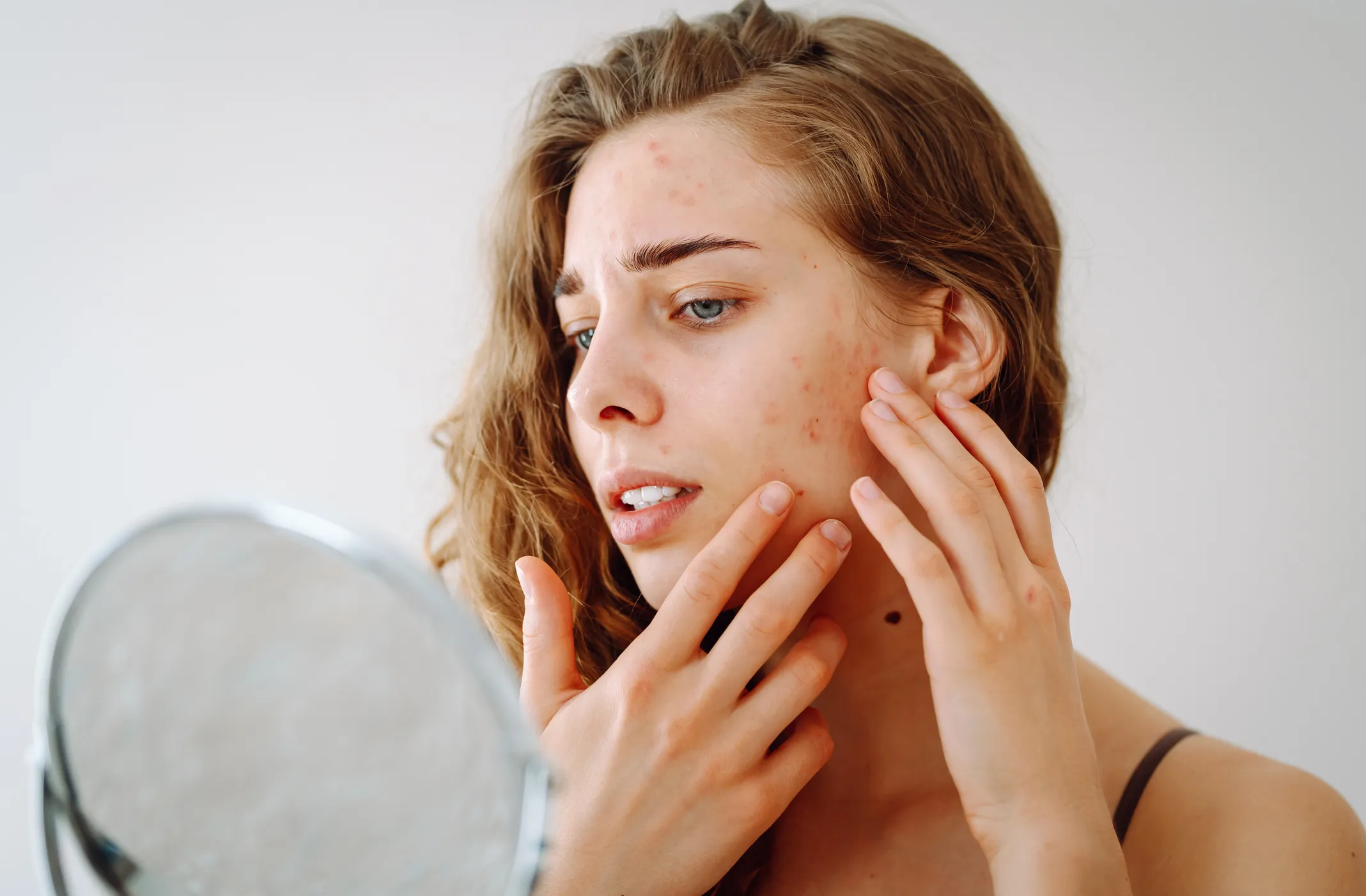
The question "does acne come back after Accutane?" is one of the most common things patients ask us, and the answer is genuinely encouraging for most people. The majority of patients who complete a full course of isotretinoin enjoy long-lasting results. But acne relapse does happen in a meaningful percentage of cases, and understanding why it happens — and what you can do about it — puts you in a much stronger position than simply hoping for the best.
The most important thing to know up front is that your relapse risk is not fixed. A prescription topical retinoid maintenance routine after Accutane can meaningfully reduce the chance of acne coming back, which is why it is worth planning what comes after isotretinoin before your course ends.
Whether you are currently on Accutane and thinking ahead, or you have noticed some breakouts returning months or years after finishing treatment, this guide covers what the clinical evidence says about long-term outcomes, who is most at risk for relapse, how to recognize early signs of recurrence, and what your options are if acne does come back.
Quick Answer: Does Acne Come Back After Accutane?
For most people, no — Accutane provides lasting results. Here is what the data shows:
- About 80% of patients achieve long-term remission after one course of isotretinoin
- Relapse rates range from 10-30%, but maintenance treatment can push that risk meaningfully lower. In one prospective study, patients who used adapalene 0.1% for one year after isotretinoin had a relapse rate of just 9.35% over two years of follow-up.
- A prescription topical retinoid is one of the most important tools for maintaining your results after Accutane. One 24-month study found that each additional month of topical retinoid maintenance was associated with a 32% protective effect against relapse.
- Most relapses occur within 2-3 years of completing treatment
- Key risk factors include younger age at treatment, lower cumulative dose, hormonal influences, and truncal (chest/back) acne
- A second course of Accutane is safe and effective if needed, with success rates comparable to the first course
That means what you do after Accutane matters. If your skin is clear now, this is the time to build a maintenance plan rather than waiting for acne to return. Honeydew can create a custom prescription topical built around a retinoid, with additional ingredients selected to address lingering concerns like post-acne marks, redness, uneven texture, or discoloration.
What the Research Says: Acne Relapse Rates After Accutane
Isotretinoin is the single most effective treatment for persistent acne. It achieves complete or near-complete clearance in 85-95% of patients by the end of a typical 4-6 month course. But "clearing during treatment" and "staying clear forever" are two different things, and the long-term relapse data is worth understanding in detail.
A large-scale review published in the Journal of the American Academy of Dermatology analyzed outcomes across multiple studies and found that approximately 10-30% of patients experience some degree of acne recurrence after completing isotretinoin. The wide range reflects differences in how studies define "relapse" — some count any new breakout, while others only count recurrence significant enough to require retreatment.
A frequently cited 2013 study in JAMA Dermatology followed patients after high-dose isotretinoin and found that at 12 months post-treatment, 97.4% of patients maintained significant improvement. Another retrospective study in Dermatology and Therapy reported that roughly 20% of patients required a second course of isotretinoin, with the majority of relapses occurring within the first two to three years after treatment ended.
One important reason relapse rates vary so widely is what happens after isotretinoin ends. Patients who use a topical retinoid for maintenance appear to have substantially lower rates of recurrence than the headline relapse numbers suggest.
In one prospective study, patients used adapalene 0.1% for one year after completing isotretinoin, and only 9.35% relapsed during two years of follow-up. A separate 24-month study found a 32% protective effect against relapse for each month of topical retinoid maintenance.
A 2024 paper reviewing the post-isotretinoin maintenance literature similarly noted relapse rates of 2.9–9.4% in studies using topical retinoid maintenance. In the authors' own case series, none of the 12 patients using tazarotene 0.045% after isotretinoin relapsed during an average of approximately 13 months of maintenance, and patients also experienced subjective improvement in acne-related scarring.
Relapse risk is not entirely predetermined when your Accutane course ends. A consistent prescription retinoid maintenance routine can play a meaningful role in helping you stay clear.
| Outcome | Approximate Rate | What It Means |
|---|---|---|
| Long-term clearance after one course | 70-80% | Most patients stay clear with no or minimal acne |
| Mild relapse (manageable with topicals) | 10-15% | Some breakouts return but respond to simpler treatments |
| Significant relapse (needs retreatment) | 10-20% | Acne returns at a level requiring oral medication or a second course |
| Typical time to relapse | 6-24 months | Most relapses happen within the first 2 years post-treatment |
It is important to put these numbers in context. Even among patients who experience some recurrence, the post-Accutane acne is almost always significantly milder than the acne they had before treatment. A patient who started with widespread cystic acne may relapse with occasional inflammatory papules — a meaningful improvement even if it is not the complete clearance they hoped for.
What to expect: If you have recently finished Accutane, it is normal to see an occasional pimple in the months that follow. One or two spots does not mean your acne is coming back. Your skin is still adjusting after treatment, and isolated breakouts are different from a pattern of returning acne. Give your skin time — and talk to your dermatologist if you are unsure whether what you are seeing is normal.
Why Does Acne Come Back After Accutane?
To understand why acne can return, it helps to understand what isotretinoin actually does. Accutane works by dramatically shrinking the sebaceous (oil) glands, reducing sebum production by up to 90%, normalizing the way skin cells shed inside your pores, and reducing Cutibacterium acnes bacteria and inflammation. These effects are profound, and for most people, they persist well beyond the treatment period. But isotretinoin does not permanently eliminate sebaceous glands — it shrinks them significantly, and in some patients, the glands gradually recover their size and activity over time.
When relapse occurs, it is typically because one or more of the underlying drivers of acne reasserts itself. The most common reasons include:
- Sebaceous gland recovery: Over months to years, the oil glands can gradually return toward their pre-treatment size and output. In patients with genetically larger or more active sebaceous glands, this recovery is more likely to produce enough sebum to restart the acne cycle.
- Hormonal fluctuations: Hormones — particularly androgens — are a primary driver of sebum production. If your hormonal profile is contributing to your acne, isotretinoin can override those effects during treatment, but the hormonal influence returns once the drug is out of your system.
- Insufficient cumulative dose: Research has established that reaching an adequate cumulative dose — typically 120-150 mg/kg over the full course — is associated with lower relapse rates. Courses that end prematurely or use too low a daily dose may not produce the same lasting gland shrinkage.
- Genetic predisposition: Some people are simply more prone to acne due to their genetics. Isotretinoin can put the condition into remission, but it does not change the underlying genetic factors that make your skin susceptible.
Risk Factors for Acne Relapse After Accutane
Not everyone faces the same odds of relapse. Research has identified several factors that are associated with a higher or lower likelihood of acne returning after isotretinoin. Understanding where you fall can help you and your dermatologist plan accordingly.
Factors That Increase Relapse Risk
- Younger age at treatment: Patients who take Accutane during their early-to-mid teens have higher relapse rates than those treated in their late teens or twenties. A study published in the Journal of the American Academy of Dermatology found that patients under 16 at the start of treatment had significantly higher rates of relapse compared to older patients. This is likely because hormonal fluctuations are still ongoing during puberty, and acne-driving hormones may surge after treatment ends.
- Hormonal influences: Patients whose acne has a strong hormonal component — breakouts concentrated along the jawline and chin, acne that fluctuates with menstrual cycles, or acne accompanied by other signs of hormonal imbalance — tend to have higher relapse rates. The hormonal driver persists after isotretinoin is discontinued.
- Lower cumulative dose: Studies have consistently shown that patients who receive a higher cumulative dose (closer to 150 mg/kg or above) have lower relapse rates than those who receive doses at the lower end of the range. A JAMA Dermatology study found that higher cumulative dosing was associated with better long-term outcomes.
- Truncal acne (chest and back): Patients with significant acne on the chest and back, in addition to facial acne, tend to have higher relapse rates. Truncal acne is often associated with larger sebaceous glands and a stronger hormonal component.
- Family history of persistent acne: If close family members had acne that persisted into adulthood or required multiple treatments, your risk of relapse may be higher due to shared genetic factors.
- Early relapse after stopping Accutane: Patients whose acne begins returning within the first few months of finishing treatment are more likely to experience a significant relapse than those who remain clear for a year or more.
Factors That Decrease Relapse Risk
- Adequate cumulative dose: Completing a full course at the recommended cumulative dose (120-150 mg/kg) is one of the strongest predictors of lasting results.
- Older age at treatment: Patients treated in their late teens or twenties, after the most volatile period of hormonal fluctuation has passed, tend to have lower relapse rates.
- Good maintenance skincare: Patients who maintain a consistent skincare routine — including a topical retinoid — after completing Accutane may reduce their risk of recurrence.
- Milder pre-treatment acne: Patients with less severe acne at the start of treatment tend to have better long-term outcomes. This is one of the reasons why isotretinoin does not need to be reserved for the most severe cases — treating acne earlier, before it becomes deeply entrenched, can actually lead to better results.
Important to know: Having one or more risk factors does not mean relapse is inevitable. These are statistical associations, not guarantees. Many patients with multiple risk factors stay clear for years, and some patients with none of these risk factors experience recurrence. What matters most is completing your full prescribed course and working with your dermatologist on a post-treatment plan.
Honeydew can formulate a custom post-Accutane prescription built around a retinoid, while incorporating additional ingredients selected for the concerns your skin still has after Accutane. Depending on your skin, that might mean targeting post-acne marks, redness, uneven tone, texture, clogged pores, or other lingering concerns.
That gives you a streamlined maintenance routine designed to do two things at once: help protect your Accutane results and continue taking care of your skin for the long term.
How to Tell If Acne Is Coming Back After Accutane
One of the most stressful aspects of life after Accutane is trying to figure out whether every new blemish is the beginning of a relapse or just a normal, isolated breakout. Here is how to tell the difference.
Normal Post-Accutane Skin vs. Relapse
| What You Are Seeing | Likely Normal | Possible Relapse |
|---|---|---|
| Frequency | An occasional pimple every few weeks | Multiple breakouts appearing regularly |
| Type | Small whiteheads or surface-level spots | Deeper, inflamed papules, nodules, or cysts |
| Pattern | Random, no clear pattern | Concentrated in the same areas as pre-treatment acne |
| Oil production | Skin still relatively balanced | Noticeably increased oiliness returning |
| Progression | Spots resolve quickly and do not multiply | Breakouts are gradually getting worse over weeks or months |
The key signal is progression. Everyone gets the occasional pimple — that is normal skin behavior, not a relapse. What distinguishes a relapse is a pattern of worsening: breakouts becoming more frequent, more inflamed, and more persistent over time, especially if they are appearing in the same locations where your acne was worst before treatment.
Increased oiliness is often one of the earliest signs. If you notice that your skin, which was dry during and after Accutane, is gradually becoming oilier — especially in the T-zone, jawline, or areas where you previously broke out — it may indicate that your sebaceous glands are recovering and the conditions for acne recurrence are building.
What to expect: If you think your acne might be coming back, do not panic or start aggressively treating your skin on your own. The earlier you connect with a dermatologist, the more options you have — and mild relapse is much easier to manage than a full recurrence. Our providers can evaluate what is happening and recommend the right next step before things progress.
What to Do If Acne Comes Back After Accutane
If your acne does return, the good news is that you have plenty of effective options — and they do not all involve another course of Accutane. The right approach depends on how much acne has returned and what is driving the recurrence.
For Mild Relapse
If you are seeing occasional breakouts or a modest increase in acne that is significantly milder than what you had before Accutane, topical and maintenance treatments are usually effective.
- Topical retinoids (tretinoin, adapalene): These are often the first-line maintenance treatment after Accutane. Retinoids keep pores clear, regulate skin cell turnover, and help prevent the buildup that leads to breakouts. Many dermatologists recommend starting a topical retinoid a few months after finishing isotretinoin to help maintain results.
- Benzoyl peroxide: An effective add-on for mild breakouts that targets acne-causing bacteria without contributing to antibiotic resistance.
- Topical antibiotics: Clindamycin or other topical antibiotics can help manage mild inflammatory acne, typically used in combination with benzoyl peroxide to prevent bacterial resistance.
- Azelaic acid: A gentle but effective option that targets both acne and post-inflammatory hyperpigmentation — useful if you are dealing with dark marks from new breakouts.
For Moderate Relapse
If breakouts are more persistent or starting to resemble your pre-Accutane acne, oral medications may be appropriate.
- Oral antibiotics (doxycycline, minocycline): Short courses of oral antibiotics can help bring a moderate relapse under control. These are typically used for 3-6 months alongside topical treatments, not as long-term solutions.
- Spironolactone: If your relapse has a hormonal component — particularly if breakouts are concentrated along the jawline and chin — spironolactone can be an excellent option. It works by blocking androgen receptors in the skin, reducing the hormonal drive behind sebum production. For patients whose acne relapse is hormonally driven, spironolactone can provide long-term control without needing another course of Accutane.
For Significant Relapse: A Second Course of Accutane
When acne returns at a level that is not adequately controlled by topical treatments or other oral medications, a second course of isotretinoin is a well-established and effective option.
Research supports the safety and efficacy of repeat isotretinoin courses. A study in the Journal of the American Academy of Dermatology found that second courses produce response rates comparable to first courses, with a similar side effect profile. Most dermatologists are comfortable prescribing a second course when it is clinically warranted.
What you should know about a second course:
- It works just as well: Response rates for a second course are comparable to the first — typically 85-90% clearance.
- Same monitoring requirements: You will need the same blood work, check-ins, and (if applicable) iPLEDGE enrollment as your first course.
- Your dermatologist may adjust the approach: Based on how you responded to your first course, your provider may use a different dosing strategy — for instance, a higher cumulative dose if the first course used a lower one, or a low-dose, longer-duration approach for patients who had significant side effects at standard doses.
- Timing matters: Most dermatologists recommend waiting at least two months after finishing your first course before starting a second, though many wait longer to see if the acne stabilizes on its own.
Important: Do not try to self-manage a significant relapse with over-the-counter products or leftover prescription medications. Isotretinoin requires proper medical supervision, including lab monitoring and regular follow-up. If you think you need a second course, work with a dermatologist who can evaluate your specific situation and create the right treatment plan.
How to Prevent Acne From Coming Back After Accutane
While there is no guaranteed way to prevent relapse, there are evidence-based strategies that can help you maintain your results and reduce the likelihood of acne returning.
Maintenance Skincare
- Start a topical retinoid: This is the single most important maintenance step. A topical retinoid like tretinoin or adapalene keeps pores clear and maintains the skin cell turnover benefits that isotretinoin provided during treatment. Most dermatologists recommend introducing a retinoid 2-3 months after finishing Accutane, once your skin has had time to recover from treatment-related dryness.
- Use a gentle, non-comedogenic cleanser: Keep your cleansing routine simple and consistent. Avoid harsh, stripping products that can damage your skin barrier and trigger compensatory oil production.
- Moisturize daily: A lightweight, non-comedogenic moisturizer supports your skin barrier and helps regulate oil production. Skipping moisturizer does not reduce oiliness — it often makes it worse.
- Wear sunscreen: Post-Accutane skin can be more susceptible to hyperpigmentation. A non-comedogenic SPF 30+ sunscreen protects against dark marks and sun damage.
Lifestyle Factors
- Manage stress: Chronic stress elevates cortisol, which directly stimulates sebum production. Stress management strategies — adequate sleep, regular exercise, mindfulness — support your post-Accutane results by keeping hormonal drivers in check.
- Watch your diet: While diet alone does not cause acne, high-glycemic foods and dairy consumption have been associated with acne in some studies. You do not need to follow a restrictive diet, but being mindful of triggers that seem to correlate with your breakouts can help.
- Stay in touch with your dermatologist: Even after Accutane, periodic check-ins with your dermatologist allow you to catch early signs of relapse before they become a bigger problem. Addressing a few new breakouts is much simpler than treating a full recurrence.
Post-Accutane Maintenance Checklist
- Start a topical retinoid 2-3 months after finishing treatment
- Use a gentle, non-comedogenic cleanser twice daily
- Apply a lightweight moisturizer daily
- Wear non-comedogenic sunscreen (SPF 30+) every day
- Avoid harsh scrubs and stripping skincare products
- Monitor your skin for gradual increases in oiliness or breakouts
- Schedule follow-up appointments with your dermatologist
- Contact your provider early if you notice a pattern of returning breakouts
How Many Courses of Accutane Can You Take?
This is a question we hear often, and the answer is reassuring. There is no strict limit on the number of isotretinoin courses a patient can take. Most patients who need retreatment require only one additional course, but some patients — particularly those with strong hormonal or genetic drivers — may benefit from a third course.
A study in the Journal of the American Academy of Dermatology found that cumulative isotretinoin exposure over multiple courses remained safe, with no significant increase in serious adverse effects compared to a single course. The key is appropriate medical supervision, proper dosing, and adequate monitoring — the same standards that apply to a first course.
That said, if a patient has required multiple courses, their dermatologist may explore complementary strategies — such as low-dose maintenance isotretinoin, spironolactone for hormonal acne, or other adjunctive treatments — to extend the duration of remission.
Does the Cumulative Dose Really Matter?
Yes — and this is one of the most actionable pieces of information for reducing your relapse risk. The cumulative dose is the total amount of isotretinoin you take over your entire course, measured in milligrams per kilogram of body weight (mg/kg).
Traditional guidelines recommend a cumulative dose of 120-150 mg/kg for the best long-term outcomes. Research has shown that patients who reach at least 120 mg/kg have lower relapse rates than those who stop short. A 2013 study found that patients treated with higher cumulative doses had significantly better outcomes at 12-month follow-up.
This is why it is important not to stop your Accutane course early, even if your skin has cleared. The full cumulative dose is what produces the lasting changes in your sebaceous glands. Clearing early is a great sign, but finishing the course is what maximizes your chances of staying clear. Use our Accutane cumulative dose calculator to track where you are in your treatment.
What to expect: Your dermatologist will calculate your target cumulative dose at the start of treatment and track your progress throughout. If you are concerned about whether you received an adequate dose, we can review your treatment history and help you understand your numbers. This is valuable information whether you are planning a second course or simply want to understand your long-term outlook.
The Bottom Line
Accutane remains the most effective treatment for persistent acne, and the majority of patients enjoy lasting results after a single course. But it is not a guarantee of lifelong clearance for everyone, and understanding the reality of relapse rates helps you plan rather than worry.
If you are currently on Accutane, completing your prescribed course is an important part of maximizing your chances of long-term clearance. And once treatment ends, the work does not have to stop there: a prescription topical retinoid maintenance routine can meaningfully reduce your risk of relapse and help preserve the results you worked for.
Honeydew can help you build that next phase of your treatment. Our providers can formulate a custom post-Accutane topical built around a retinoid, with additional ingredients selected to address lingering concerns like post-acne marks, redness, uneven tone, texture, or clogged pores. The goal is not just to wait and see whether acne comes back — it is to have a long-term plan for keeping your skin clear and continuing to improve it.
.webp)

Medically Reviewed by
Joel Spitz, MD
Co-Founder & Chief Medical Officer, Board Certified Dermatologist