Dermatologist-guided care,
personalized to your skin.

GET STARTED

Acne treatment comparison

Accutane vs spironolactone

Accutane—commonly used to mean isotretinoin—can follow a standard-dose or a longer low-dose path. We offer both for persistent acne from mild to severe, while spironolactone is an ongoing, off-label option that targets hormonal acne in appropriate female patients.

Get Treatment

A licensed provider decides what is safe and appropriate after reviewing your health history.

The short answer

There is no universal winner. Standard-dose Accutane is the faster path; low-dose or “microdose” Accutane trades a longer timeline for lower daily exposure. Spironolactone is different: it controls an ongoing hormonal driver while you take it.

At a glance

Two very different ways to control acne

Use the priorities below to focus the comparison. This highlights tradeoffs—it does not diagnose acne or choose a medication for you.

Compare by priority

Select what you want to understand first.

Choose a priority to highlight the most relevant treatment profile.

Oral retinoid

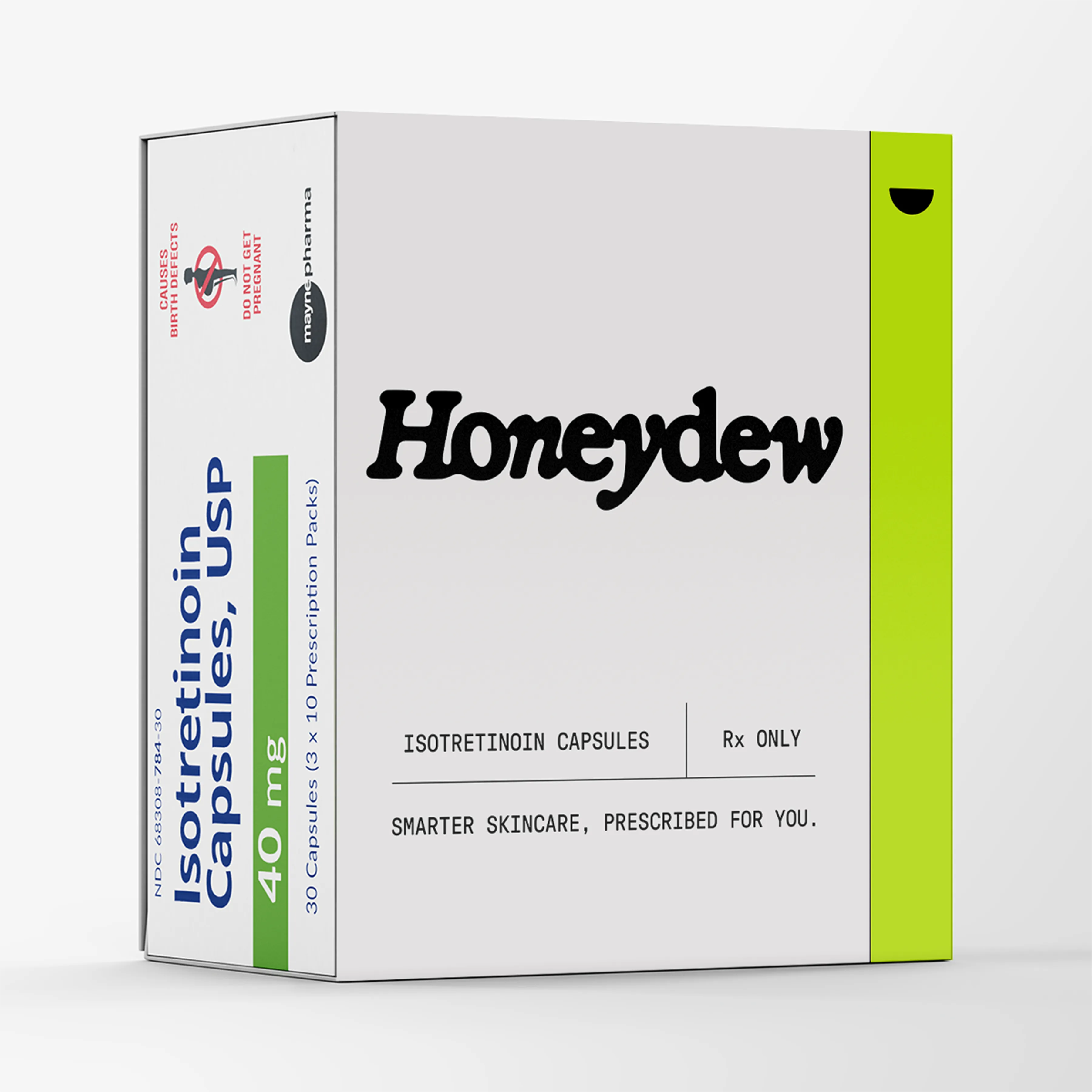
Accutane / isotretinoin

Reduces oil production, clogged pores, acne-causing bacteria and inflammation across several acne pathways.

  • Often discussed forPersistent acne from mild to severe, including cystic, scarring, hormonal or treatment-resistant acne
  • First changesOften within 4–8 weeks; low-dose improvement may be slower and acne can temporarily worsen early
  • Dose pathsStandard-dose care is usually 6–12 months; low-dose care is usually 18–24+ months
  • After stoppingRemission can last, but some people relapse or need another course or maintenance treatment
Hormonal therapy

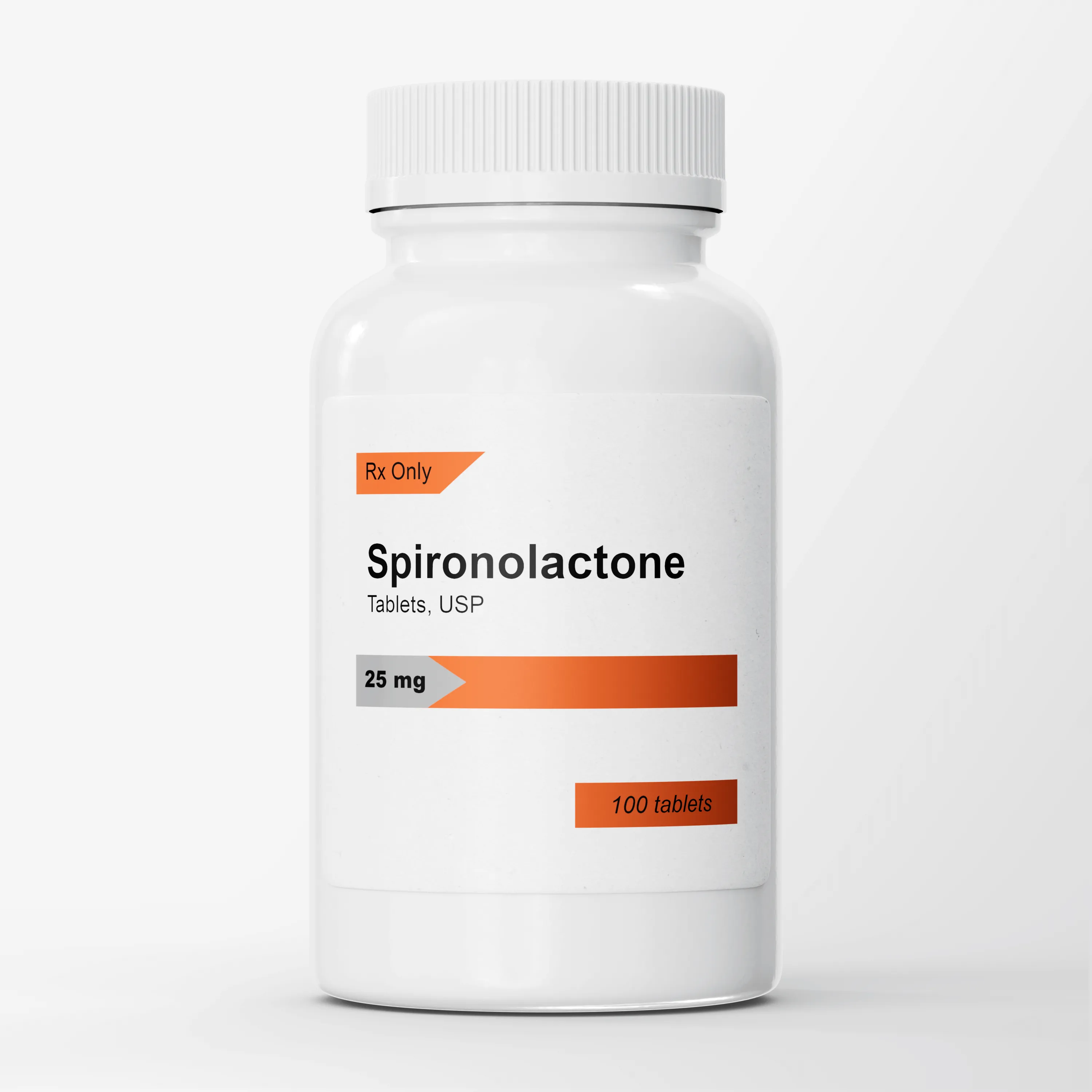
Spironolactone

Blocks androgen effects that can drive oil production and recurring hormonal breakouts. Acne use is off-label.

  • Often discussed forAdult female patients with cyclical, lower-face or jawline acne and other signs of a hormonal pattern
  • First changesOften 8–12 weeks, with fuller improvement over several months
  • Usual courseOngoing while it remains effective, tolerated and medically appropriate
  • After stoppingHormonal acne may gradually return because the medication controls the driver rather than permanently removing it

Best suited for

What each treatment is built to do

These are common reasons a provider may consider each option. Eligibility still depends on your full medical history, current medications and pregnancy potential.

Accutane may fit when…

It may treat

  • Persistent mild-to-moderate acne where a clinician believes a low-dose path may fit
  • Deep nodules, cysts or widespread inflammatory acne
  • Acne that is causing scars or has a high risk of scarring
  • Persistent acne despite appropriate topical treatment or oral antibiotics
  • Multiple acne pathways at once, including excess oil and clogged pores

It may not fit when

  • Pregnancy is planned or possible without strict iPLEDGE requirements being followed
  • The required iPLEDGE steps, follow-up, lab work and side-effect management are not workable
  • A medical condition, medication interaction or abnormal lab result makes treatment unsafe

Spironolactone may fit when…

It may treat

  • Cyclical flares around the jawline, chin or lower face
  • Persistent adult female acne linked to androgen sensitivity
  • Hormonal acne that returns after antibiotics or topical treatment alone
  • Acne needing longer-term control without antibiotic exposure

It may not fit when

  • Acne is severe, rapidly scarring or predominantly deep and nodular
  • The patient is pregnant, trying to become pregnant or cannot avoid pregnancy
  • Kidney disease, high potassium or interacting medications raise safety concerns
  • The patient is male; spironolactone is generally not used for acne in men because of hormonal side effects

Your Accutane dose

Two dose paths, one medication

“Low dose” and “microdose” are informal ways of describing a lower daily dose of isotretinoin—not a different drug. Your provider may adjust the dose over time based on your acne, goals, response and side effects.

Low dose / microdose

A longer, gentler path

  • Often considered forPersistent mild-to-moderate acne, including acne that has not responded well enough to topical treatment
  • Typical timelineUsually 18–24+ months, with improvement that may build more gradually
  • Side-effect tradeoffLower daily exposure may make dose-related dryness and other effects milder, but it is not risk-free
  • Cash medicationOur current price is $30 per box, or as low as $0 with eligible insurance
Standard dose

A shorter, faster path

  • Often considered forModerate-to-severe, cystic, scarring or treatment-resistant acne
  • Typical timelineUsually 6–12 months, with improvement often beginning within 4–8 weeks
  • Side-effect tradeoffFaster clearance, with dose-related dryness and other side effects more common
  • Cash medicationOur current price is $50 per box, or as low as $0 with eligible insurance
Low-dose isotretinoin is an off-label dosing regimen. The safety rules do not disappear at a lower dose: every isotretinoin patient must enroll in iPLEDGE. Pregnancy-prevention requirements when applicable, provider follow-up and clinically appropriate monitoring still apply.

Side effects and safety

Dose can change the experience—not the safety rules

Low-dose isotretinoin may reduce dose-related side effects for some people, but standard and low-dose paths both require iPLEDGE and provider oversight. Spironolactone has a different set of ongoing risks.

Accutane / isotretinoin

Common effects

  • Very dry lips, skin, eyes or nose
  • Sun sensitivity
  • Muscle or joint aches
  • Temporary acne flare early in treatment

Important safety considerations

Dryness and other dose-related effects may be milder on a low-dose path, but isotretinoin can cause severe birth defects at any dose. FDA-required iPLEDGE enrollment and pregnancy-prevention steps apply. Providers also monitor for liver enzyme and lipid changes and review mood, headaches, vision changes and other serious symptoms.

Pregnancy: Do not use during pregnancy. Patients who can become pregnant must follow iPLEDGE testing and contraception or abstinence requirements before, during and after treatment.
Spironolactone

Common effects

  • More frequent urination
  • Dizziness or lower blood pressure
  • Breast tenderness
  • Menstrual changes

Important safety considerations

Spironolactone can raise potassium and lower blood pressure. Potassium or kidney monitoring depends on age, health conditions, dose and interacting medications; healthy younger patients may need less routine testing.

Pregnancy: It is not considered appropriate during pregnancy because of potential effects on fetal sex development. Discuss contraception and pregnancy plans with your provider.
Get urgent medical help for a serious reaction or severe symptoms. This overview cannot cover every contraindication, interaction or warning in the prescribing information.

Treatment timeline

Choose a course length—or ongoing hormonal control

Accutane

Start

Baseline health review, iPLEDGE steps when applicable and labs ordered by the provider.

Choose a dose path

Standard-dose care commonly runs 6–12 months. Low-dose or microdose care commonly runs 18–24+ months and may improve more gradually.

Finish

Treatment stops after an individualized course. Some people remain clear; some need maintenance or retreatment.

Spironolactone

Start

Medication and health review, with potassium or kidney testing when clinically indicated.

Adjust

Early improvement often appears after 8–12 weeks. Dose and topical support may change over time.

Maintain

Many patients continue long term. Breakouts can return after stopping, so tapering or maintenance is provider-guided.

Interactive cost comparison

See the care fee before medication and labs

Choose your billing schedule. Medication, insurance and lab costs remain separate so the comparison does not hide variable charges inside a made-up total.

Our Accutane membership

Care and monitoring

$50/month equivalent

Billed $299 once per year + $25 each month

Medication: Eligible insured patients may pay as little as $0. Our cash price is $30 per box for low dose and $50 per box for standard dose.

Labs: Separate and not included.

Our basic membership

Spironolactone care

$25/month equivalent

Billed $299 once per year

Medication: Current price examples are about $10–$30 retail or $5–$15 with common discounts.

Labs: Separate when ordered.

Traditional self-pay example

One clinic’s visit fees

$225–$325

$225 acne visit · $325 isotretinoin visit

Medication: Separate; cash prices vary by dose, quantity and pharmacy.

Labs: Separate when ordered.

Price snapshot reviewed July 20, 2026. Our membership prices exclude prescription medication, lab work and over-the-counter products. Insurance coverage and pharmacy pricing vary. The $225/$325 figures are from one published U.S. dermatology clinic’s self-pay fee schedule—not a national average or guaranteed price. GoodRx examples reviewed the same day included about $58 for 30 isotretinoin 20 mg capsules, about $91 for 60 isotretinoin 30 mg capsules, $5.40 for 30 generic spironolactone 25 mg tablets and $7.20 for 30 generic 50 mg tablets. Coupon prices change by pharmacy, location, dose and quantity.

How your care works

A provider stays in the loop as treatment changes

We bring your evaluation, follow-up and treatment coordination into one ongoing care relationship. Prescriptions are never automatic.

1

Share your history

Complete a medical intake and provide the details a licensed provider needs to assess acne and treatment safety.

2

Meet your provider

Discuss what you have tried, your goals, contraindications and which treatment paths may be reasonable.

3

Complete safety steps

When treatment is prescribed, we coordinate treatment-specific follow-up, iPLEDGE requirements and lab orders.

4

Adjust over time

Ask questions, report side effects and work with the care team as response, dose or maintenance needs change.

Frequently asked questions

Accutane and spironolactone, answered

Can I get low-dose or microdose Accutane?

Yes. We offer a customizable low-dose path that usually runs 18–24+ months and may suit persistent mild-to-moderate acne, alongside standard-dose care that usually runs 6–12 months. Both use isotretinoin, require a provider’s prescription and follow the same iPLEDGE safety program.

Is Accutane stronger than spironolactone?

They work differently. Isotretinoin targets several acne drivers and can be adjusted from low-dose to standard-dose treatment. Spironolactone more specifically targets androgen-driven acne in appropriate female patients. The best fit is about acne pattern, goals and safety—not simply which drug sounds stronger.

Can spironolactone permanently clear acne?

Spironolactone controls androgen-driven acne while you take it; it is not usually described as a finite cure. Some people stay clear after stopping, but hormonal breakouts commonly return and ongoing maintenance may be needed.

Can you take Accutane and spironolactone together?

A provider may use both in selected patients, but they are not a do-it-yourself combination. Each medication has separate pregnancy and safety considerations, and a prescriber needs to review health history, monitoring and the reason for combining them.

Which one works faster?

Standard-dose isotretinoin often begins showing change within 4–8 weeks. Low-dose or microdose treatment may improve more gradually, while spironolactone often needs 8–12 weeks and can keep improving for several months. Early speed is only one part of the decision.

Do both treatments require blood tests?

Isotretinoin commonly involves baseline and follow-up lab monitoring plus iPLEDGE pregnancy testing when applicable. Spironolactone monitoring is individualized; potassium and kidney tests are more likely with older age, kidney disease, interacting medications or other risk factors.

A clearer next step

Talk through the tradeoffs with a dermatology provider

Start online, share what your acne has been doing and find out which treatment options may be appropriate for you.

Get Treatment

Medical disclaimer: This page provides general U.S.-focused education and cost examples, not a diagnosis or personalized treatment recommendation. Do not start, stop or combine prescription medications without a licensed clinician. Seek urgent care for severe symptoms or a medical emergency.