Oral antibiotic
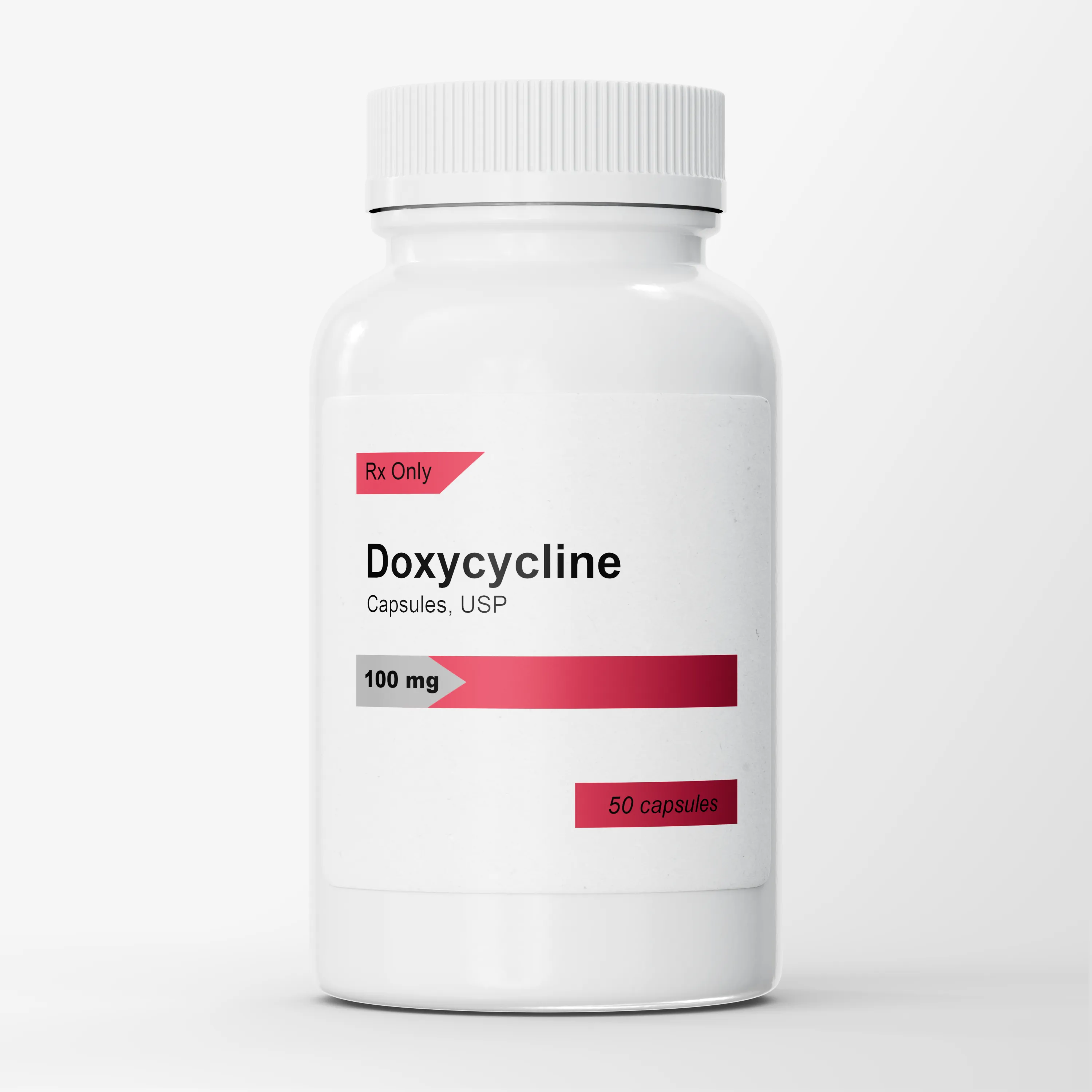
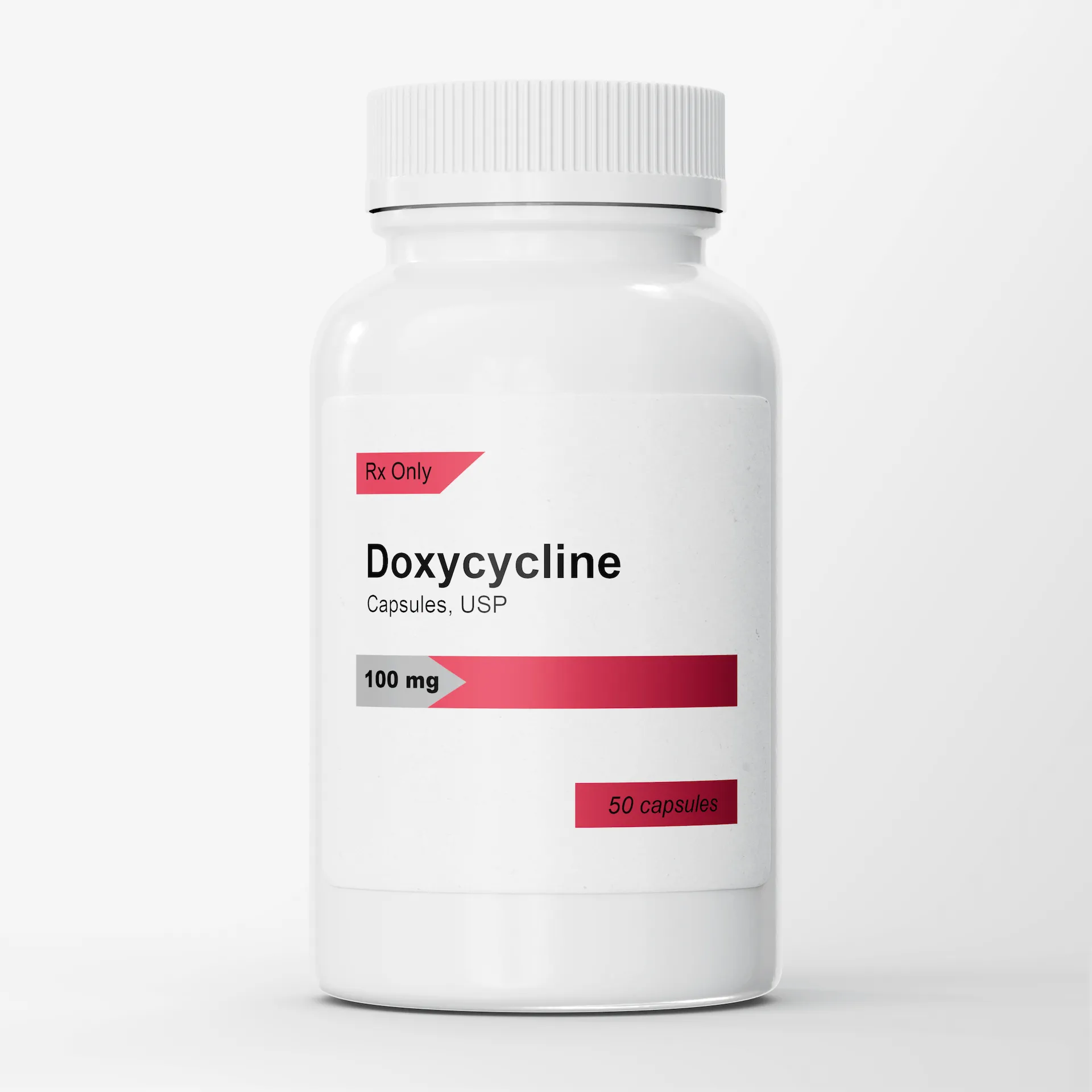
Treat persistent acne with Doxycycline, prescribed online. Get dermatologist-guided care with close monitoring, safety oversight, and medication delivered to your door.


Doxycycline is an oral antibiotic used to treat moderate to severe inflammatory acne. It helps reduce acne-causing bacteria and inflammation, making it especially effective for red, painful breakouts.
Common side effects include stomach upset, nausea, and increased sun sensitivity. Taking doxycycline with food and using sunscreen can help reduce these effects. Your dermatologist will monitor treatment duration and side effects.
Honeydew manages your prescription, dosing guidance, and follow-ups, 100% online. Your dermatologist and dedicated care team track progress and coordinate refills, with medication delivered directly to your door.

Fill out a quick medical questionnaire and upload photos of your skin. In many cases, treatment can begin right away without a video consult.

If a visit is needed, you can book a quick video consult within 48 hours. Your provider takes the time to understand your skin and your goals.

Your provider creates a personalized plan, then your treatment is delivered to your door or sent to your local pharmacy.

Track your progress with photos and message your Care Team anytime for questions, refills, and guidance. We'll respond, 7 days a week.
Doxycycline is an oral antibiotic that helps calm inflammatory acne by reducing acne-causing bacteria and soothing redness and swelling. It’s commonly used to bring moderate to severe breakouts under control, especially during active flares.

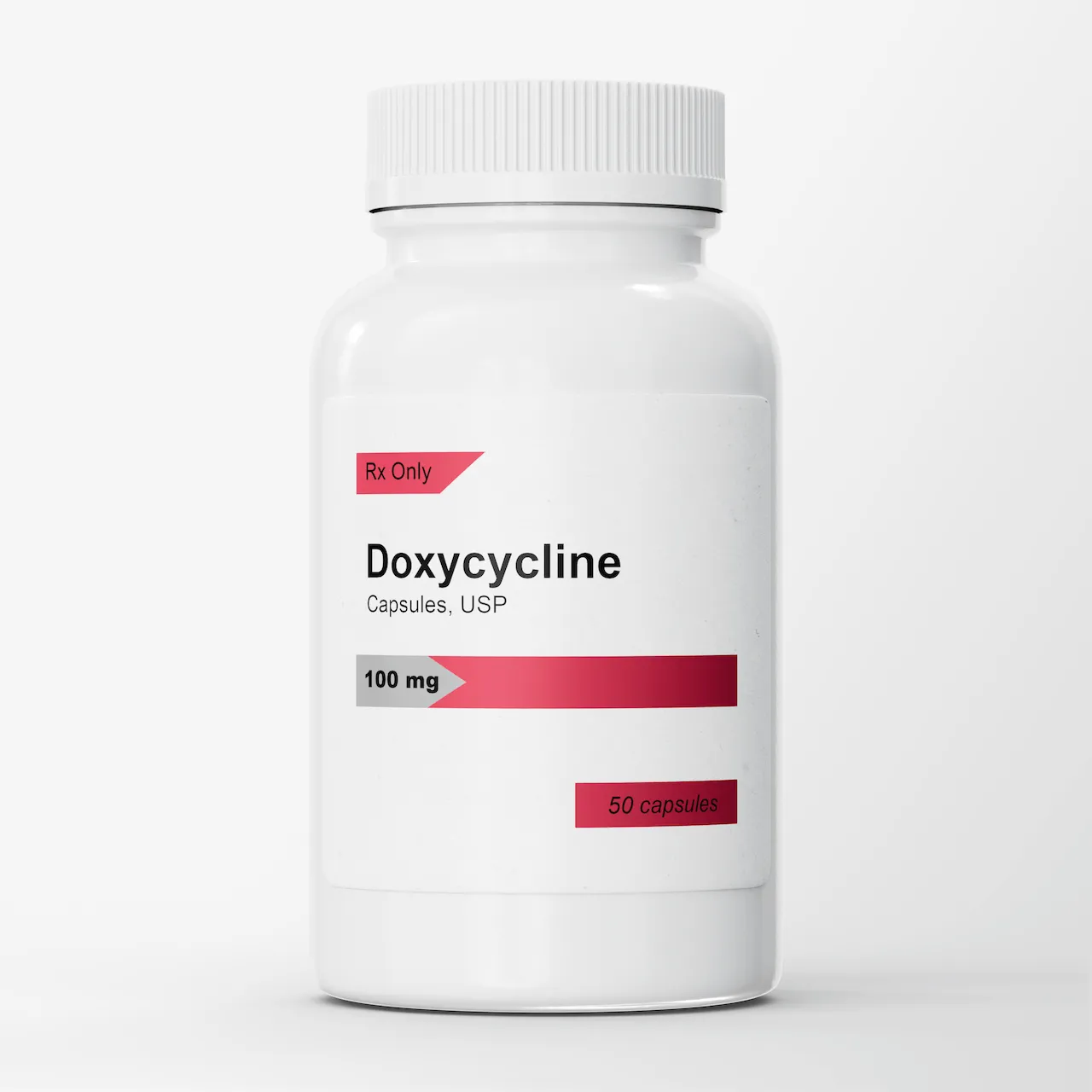

Your dermatology provider will review your skin and confirm whether Doxycycline is the right fit before prescribing.

see a noticeable reduction in inflammatory acne*
maintain reduced inflammation while on treatment*
report clearer skin in studies comparing oral antibiotic vs placebo*
Based on clinical studies of doxycycline and other oral antibiotics in inflammatory acne. Outcomes depend on individualized treatment and provider guidance.
†Thiboutot D, et al.; Zaenglein AL, JAAD Guidelines (2016); Doxycycline acne therapy literature.
Honeydew manages your full doxycycline treatment plan online: your initial provider evaluation, prescription coordination, dosing guidance, refill management, and unlimited follow-up access throughout your course. If your acne responds well and you're ready to transition off the antibiotic, your provider will build a topical maintenance plan to preserve your results. If your acne doesn't respond as expected, your provider will evaluate the next step, whether that's adjusting the current regimen, stepping up to a stronger treatment, or transitioning to a longer-term solution like spironolactone or isotretinoin (Accutane). All of this happens through your Honeydew dashboard without in-person visits.
Yes. Honeydew membership does not require insurance. Our flat-rate pricing covers all provider access and prescription coordination regardless of coverage status. Because generic doxycycline is among the most affordable prescriptions available, uninsured patients can typically access a full treatment course at very low out-of-pocket cost. If you have insurance, your prescription will be submitted to further reduce medication costs.
Generic doxycycline is one of the most affordable prescription acne medications available. Without insurance, a 30-day supply typically costs between $10 and $30 at most major pharmacies and with GoodRx or similar discount cards, it can be as low as $5 to $15. With insurance, most patients pay a minimal co-pay. Honeydew membership, starting at $25/month on an annual plan, covers provider access, unlimited follow-ups, and prescription coordination. The total monthly cost of doxycycline treatment through Honeydew is typically very manageable for both insured and uninsured patients. Membership is HSA/FSA eligible.
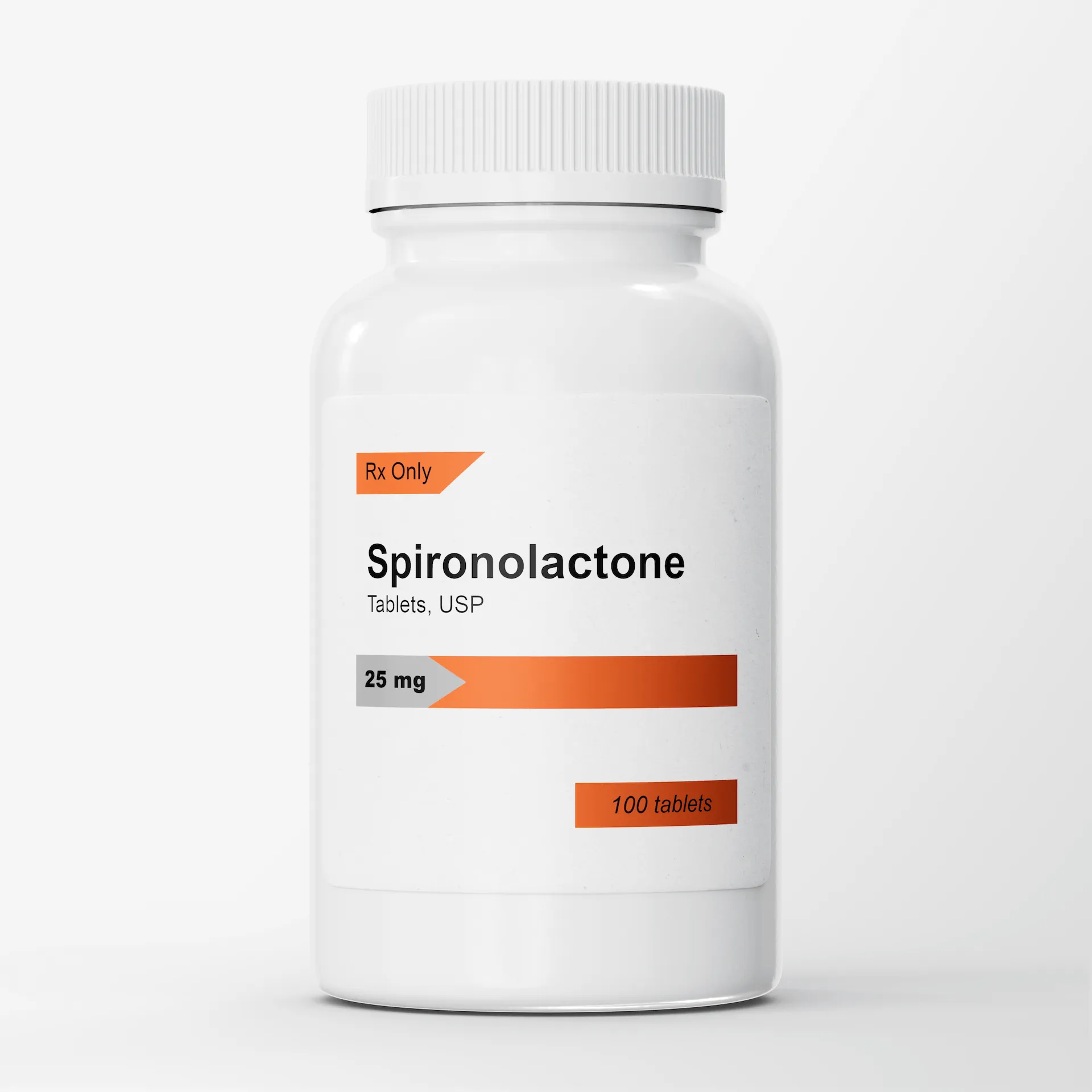
For women with clearly hormonal acne — the cycle-related, jawline-concentrated, androgen-driven type — spironolactone is generally the more targeted and effective long-term choice. Doxycycline reduces bacteria and inflammation but doesn't address the hormonal driver, which means acne often returns when the antibiotic course ends. Spironolactone blocks the androgen activity causing excess oil production at the source, which is why it tends to produce more sustained improvement for hormonal acne. That said, doxycycline is sometimes used as a short-term bridge while waiting for spironolactone to take full effect. This is a combination your Honeydew provider can coordinate if appropriate for your situation.
Doxycycline and Accutane (isotretinoin) serve different roles in acne treatment and are suited to different severities and goals. Doxycycline is a short-term (8–12 week) antibiotic used to control moderate inflammatory acne. It's effective while you're taking it but doesn't typically produce lasting remission after stopping. Accutane is a 6 to 12 month oral retinoid that addresses all four drivers of acne simultaneously (oil production, bacteria, inflammation, and clogged pores) and produces lasting or permanent clearance in 80–85% of patients after one course. Doxycycline is generally the first step when topicals aren't sufficient; Accutane is typically recommended when antibiotics haven't provided adequate or lasting control, or when acne is severe or causing scarring. Our blog post "Accutane vs Doxycycline" explores this comparison in more depth.
Doxycycline and minocycline are both tetracycline antibiotics commonly prescribed for acne, and clinical studies show they are broadly comparable in effectiveness. The main practical differences are side effect profile and cost. Minocycline is associated with a higher risk of rare but serious side effects — including drug-induced lupus, autoimmune hepatitis, and blue-grey skin discoloration with long-term use — that doxycycline does not carry to the same degree. Doxycycline is more likely to cause sun sensitivity and GI upset. Both are available as affordable generics. Most AAD guidelines treat them as equivalent first-line options, and provider preference often comes down to individual patient factors. Your Honeydew provider will recommend the most appropriate tetracycline for your specific situation.
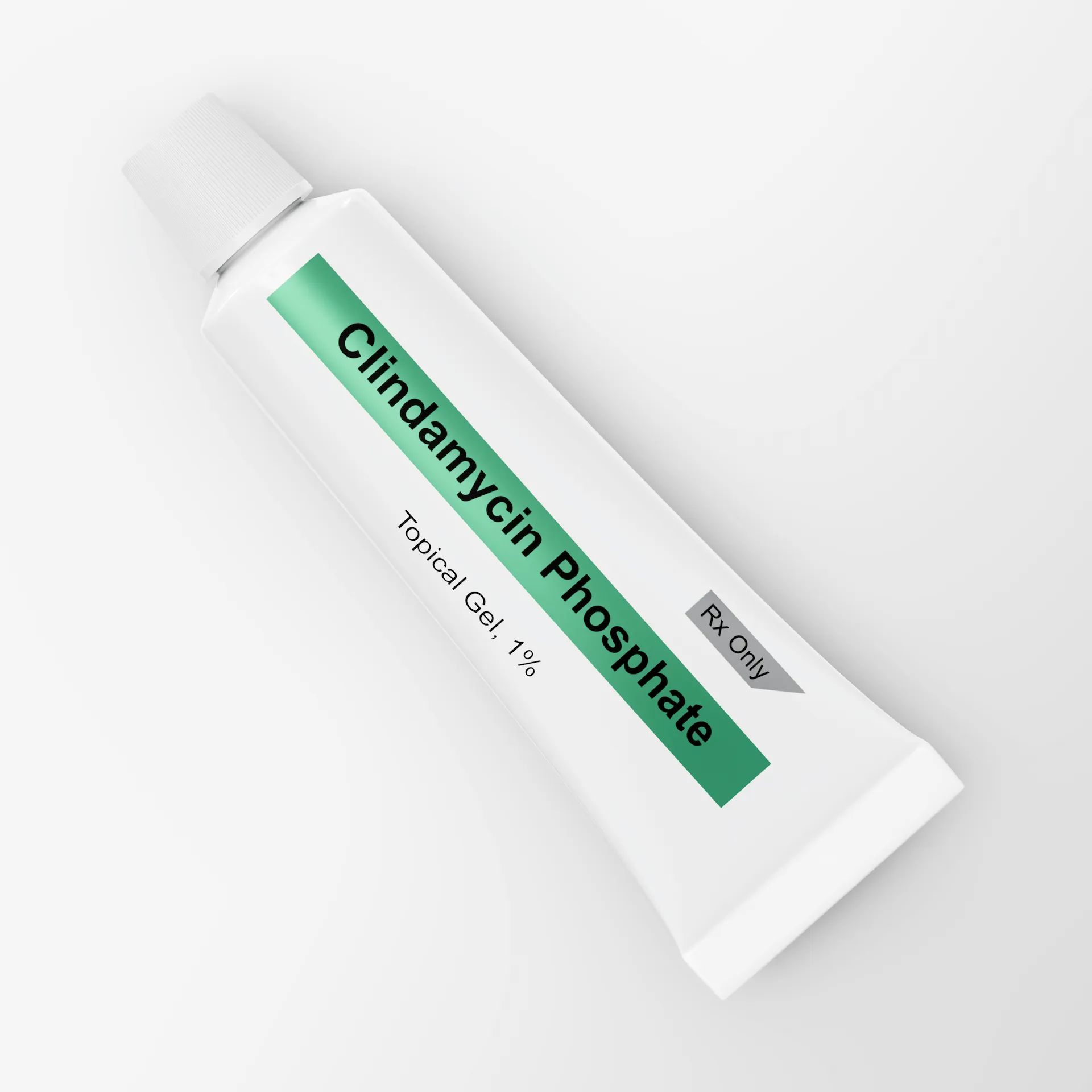
This combination is generally not recommended. Using two antibiotic-class treatments simultaneously, one oral (doxycycline) and one topical (clindamycin), increases the risk of developing antibiotic-resistant bacteria without providing meaningful additional benefit. The AAD guidelines advise against combining oral and topical antibiotics for acne. If you've been prescribed doxycycline, your provider will typically replace any topical antibiotic with benzoyl peroxide or a retinoid instead. If you're currently using topical clindamycin, mention it to your Honeydew provider so your full treatment plan is coordinated appropriately.
Yes. Doxycycline and tretinoin are frequently prescribed together. It's one of the most common combination regimens in dermatology for moderate inflammatory acne. Doxycycline addresses the bacterial and inflammatory component of active breakouts, while tretinoin accelerates cell turnover to prevent clogged pores and improves skin texture over time. The combination provides complementary mechanisms of action and is particularly useful for patients with both active inflammatory acne and comedonal (blackhead/whitehead) involvement. Your Honeydew provider may also continue tretinoin after your doxycycline course ends as a maintenance therapy to prevent relapse.
Yes and this is considered best practice by the American Academy of Dermatology. Doxycycline is most effective when used alongside topical treatments, for two reasons: combination therapy produces better acne clearance than antibiotic alone, and pairing doxycycline with topical benzoyl peroxide significantly reduces the development of antibiotic-resistant bacteria. A typical combination regimen prescribed at Honeydew may include doxycycline alongside a topical retinoid like tretinoin (for cell turnover and pore-clearing), topical benzoyl peroxide (for resistance mitigation and additional bacterial reduction), or both. Your provider will build a combination plan tailored to your acne type and severity from day one.
Standard doxycycline hyclate (the most common formulation for acne) is not significantly impacted by dairy, unlike tetracycline, which cannot be taken with dairy at all. However, calcium-containing antacids, supplements, and calcium-fortified foods can reduce doxycycline absorption when taken at the same time. To be safe, avoid taking doxycycline within 2 hours of calcium supplements, antacids, or iron supplements. Doxycycline monohydrate, another common formulation, is generally even better tolerated around food and dairy than hyclate. Your Honeydew provider will specify your formulation and any dietary timing considerations at your first visit.
Yes, antibiotic-associated yeast overgrowth (typically a vaginal yeast infection in women) is a known side effect of doxycycline and other broad-spectrum antibiotics. By disrupting the normal bacterial flora that keeps Candida yeast populations in check, antibiotics can allow yeast to overgrow. Taking a probiotic containing Lactobacillus strains during and after your antibiotic course may help reduce this risk. Your Honeydew provider can advise on appropriate probiotic strains and timing. If you develop symptoms of a yeast infection during doxycycline treatment, OTC antifungal treatment is typically effective; mention it at your next check-in so your provider is aware.
This is one of the most commonly searched questions about doxycycline and the current evidence largely suggests it does not significantly reduce the effectiveness of hormonal birth control, including the pill, patch, or ring. Earlier studies suggested a possible interaction, but subsequent research has found no clinically meaningful effect on contraceptive hormone levels. That said, no contraceptive is 100% effective under any circumstances, and if you have concerns your Honeydew provider can address your specific situation. If you're using birth control partly to manage hormonal acne and are considering adding doxycycline, your provider may also discuss whether spironolactone could be a more targeted option.
Yes esophageal irritation and, in rare cases, esophageal ulceration are known risks of doxycycline. This occurs when the medication sits against the esophageal lining rather than moving quickly into the stomach. To prevent this: always take doxycycline with a full glass of water (at least 8 oz), remain upright for at least 30 minutes after taking it, and avoid lying down immediately after. Do not take doxycycline right before bed. If you experience persistent chest pain, difficulty swallowing, or a burning sensation in your chest after taking doxycycline, contact your provider promptly.
Yes and this is one of the most important practical considerations during doxycycline treatment. Doxycycline significantly increases photosensitivity, meaning your skin burns more easily and more severely than usual. Daily broad-spectrum sunscreen with SPF 30 or higher is essential, even on cloudy days. Minimize prolonged direct sun exposure, wear protective clothing when outdoors, and avoid tanning beds entirely during treatment. Patients who work outdoors or live in high-UV climates should discuss sun protection specifically with their Honeydew provider, as dose timing and protective measures may need to be adjusted.
Moderate alcohol consumption is generally not considered dangerous while taking doxycycline but it is not recommended. Alcohol can worsen some of doxycycline's common side effects, particularly nausea and stomach irritation. It can also reduce the effectiveness of the medication by slightly accelerating its breakdown in the liver. Heavy alcohol use while on doxycycline is more likely to cause significant side effects and may compromise treatment outcomes. The general guidance is to limit alcohol during your course and avoid drinking on an empty stomach when taking doxycycline.
The most commonly reported side effects of doxycycline are gastrointestinal: nausea, stomach upset, and occasional loose stools. These can usually be managed by taking doxycycline with food (note: certain formulations are designed to be taken without food. Your provider will specify). Sun sensitivity is another very common effect; doxycycline makes the skin more susceptible to burning, so daily broad-spectrum SPF 30+ sunscreen is essential during treatment. Less common side effects include headache, esophageal irritation, and antibiotic-associated yeast overgrowth in women. Serious side effects are rare at the doses used for acne and rosacea.
Like all oral antibiotics, doxycycline can temporarily alter the balance of gut bacteria reducing both harmful and beneficial bacterial populations in the digestive tract. This disruption is often temporary and resolves after completing the course. Common gut-related side effects — nausea, loose stools, and digestive discomfort — are the most frequent expressions of this. Taking doxycycline with food (where clinically appropriate based on your formulation) and supplementing with a probiotic during and after treatment can help support gut microbiome recovery. Your Honeydew provider can advise on probiotic timing and which strains are most relevant.
The American Academy of Dermatology recommends limiting oral antibiotic courses for acne to 3 to 6 months to reduce resistance risk and to transition patients to topical maintenance therapies where possible. Extended courses beyond 6 months are sometimes used in clinical practice but are generally accompanied by a topical benzoyl peroxide or retinoid to mitigate resistance concerns. If your acne requires longer-term control than antibiotics can safely provide, your Honeydew provider will discuss transitioning to hormonal therapy (spironolactone, for eligible women) or isotretinoin for more lasting results.
Prolonged or repeated antibiotic use, including doxycycline, can contribute to antibiotic-resistant strains of Cutibacterium acnes on the skin, which is one of the reasons doxycycline is recommended for short-term courses (typically 8 to 12 weeks) rather than long-term use. To reduce resistance risk, dermatologists commonly prescribe doxycycline alongside topical benzoyl peroxide which reduces bacterial load through a non-antibiotic mechanism and has been shown to significantly limit the development of resistance. At Honeydew, combination therapy is a core part of how antibiotic acne treatment is managed, both for effectiveness and for long-term skin health.
Yes. Doxycycline is effective for inflammatory acne anywhere on the body — face, chest, back, and shoulders — because it works systemically through the bloodstream. Back acne (bacne) and chest acne that hasn't responded to topicals are common reasons doxycycline is prescribed. Your Honeydew intake includes the option to upload photos of body acne so your provider can assess the distribution and severity of your breakouts and prescribe accordingly.
For some patients, yes — doxycycline controls acne while you're taking it but doesn't address the underlying causes, so breakouts can return after stopping. This is different from isotretinoin (Accutane), which can produce lasting or permanent remission. For this reason, doxycycline is most effective when used as part of a broader treatment plan: the antibiotic brings active inflammation under control, and a topical maintenance regimen — typically tretinoin with or without benzoyl peroxide — helps prevent recurrence after the antibiotic course ends. Your Honeydew provider will build a transition plan before you stop doxycycline to reduce the risk of relapse.
Most patients begin to see a reduction in new inflammatory breakouts within 4 to 6 weeks of starting doxycycline. More significant improvement in overall skin clarity typically develops over 8 to 12 weeks. Doxycycline works by reducing bacteria and inflammation, so its effects are most noticeable on active, red breakouts rather than on blackheads or closed comedones. If you don't see meaningful improvement by 8 weeks, mention it at your Honeydew check-in — your provider may adjust your dose, add a topical, or evaluate whether a different treatment approach is more appropriate. Read more on our blog post, How Long Does Doxycycline Take to Work for Acne?
Standard doxycycline courses for acne run 8 to 12 weeks, after which most providers recommend transitioning to a topical maintenance regimen — typically a topical retinoid like tretinoin, with or without topical benzoyl peroxide — to maintain the improvement gained during the antibiotic course. Doxycycline is not recommended as a long-term standalone treatment due to antibiotic resistance concerns. If your acne has not responded adequately after 12 weeks, your Honeydew provider will evaluate the next appropriate step — which may include a different antibiotic, hormonal therapy like spironolactone, or escalation to isotretinoin. Read more on our blog post, How Long Does Doxycycline Take to Work for Acne?
Both doses are clinically effective for inflammatory acne, and the choice between them is typically based on acne severity, individual tolerability, and provider preference. 100mg once daily provides stronger antibiotic coverage and is preferred for more severe or widespread inflammatory acne. 50mg once daily is often used for milder inflammatory acne, for patients who experience GI side effects at 100mg, or as a step-down approach toward the end of a treatment course. Some research suggests that lower doses may be associated with reduced antibiotic resistance, which is one reason providers may favor lower dosing when clinically appropriate. Your Honeydew provider will recommend the right dose based on your presentation.
Doxycycline for acne is most commonly prescribed at 100mg once daily or 50mg twice daily, depending on the severity of your acne and your provider's clinical judgment. Some patients are started at 50mg once daily for milder inflammatory acne or when tolerability is a concern, with the dose adjusted upward if response is insufficient. Your Honeydew provider will determine the dose most appropriate for your skin at your first visit and will monitor your response throughout your treatment course.
The key difference is dose. Doxycycline for acne is typically prescribed at 50mg to 100mg daily and works as an antibiotic, reducing Cutibacterium acnes bacteria and calming inflammation. Doxycycline for rosacea is typically prescribed at 40mg daily in a modified-release formulation (Oracea) and works primarily as an anti-inflammatory at this sub-antibiotic dose, with no meaningful antibiotic activity. Because the rosacea dose doesn't function as an antibiotic, it can be used for longer treatment periods without the same antibiotic resistance concerns associated with higher-dose acne protocols. Your Honeydew provider will determine the appropriate dose and formulation based on your diagnosis.
Yes. Oracea is a 40mg modified-release doxycycline capsule FDA-approved for the treatment of inflammatory lesions of rosacea in adults. It is taken once daily and is specifically formulated as a sub-antibiotic dose, meaning it treats rosacea through anti-inflammatory mechanisms without functioning as a full antibiotic. Honeydew providers can prescribe Oracea and other doxycycline formulations for rosacea entirely online. After completing your intake and uploading photos of your skin, your provider will evaluate your rosacea subtype and severity to determine whether doxycycline is the most appropriate treatment for your presentation.
Yes. Doxycycline is one of the most commonly prescribed treatments for rosacea, specifically for the inflammatory bumps and blemishes (papulopustular rosacea) that characterize the condition. The FDA has approved a low-dose, modified-release formulation of doxycycline (40mg, brand name Oracea) specifically for rosacea in adults. At this sub-antibiotic dose, doxycycline works as an anti-inflammatory rather than an antibiotic, reducing the immune response and vascular inflammation that drives rosacea flares without contributing to antibiotic resistance. Honeydew treats rosacea and providers can prescribe doxycycline for appropriate patients entirely online. See our rosacea conditions page for more detail on the full range of rosacea treatments available.
.webp)
Monthly check-ins help your provider monitor side effects, tolerance, and overall progress throughout treatment.
.webp)
If needed, your provider may request baseline or follow-up labs to ensure treatment stays safe and effective.
.webp)
Patients who can become pregnant complete required monthly pregnancy testing and iPLEDGE steps, with support at every stage.
.webp)
Mood changes are rare but taken seriously. Your provider checks in regularly and adjusts care if needed.

Zero waiting rooms, zero co-pays. Get expert care, personalized treatments, and ongoing support, all online for one transparent price.
Licensed dermatology providers who understand acne beyond the surface and guide your treatment from day one.
We handle prior authorizations, pharmacy communication, and refills so you don't have to.
Upload photos directly to your patient dashboard so you and your provider can monitor how your skin is responding to treatment over time.
Message your provider anytime your skin changes, your prescription needs adjusting, or for anything else.
Honeydew membership is eligible for HSA/FSA spending.
Get expert dermatology care from anywhere in the U.S., with no in-person visits required.
Find more answers in our FAQ or Contact us.
From topicals to oral medications, your provider prescribes what’s right for your skin.