Key Takeaways

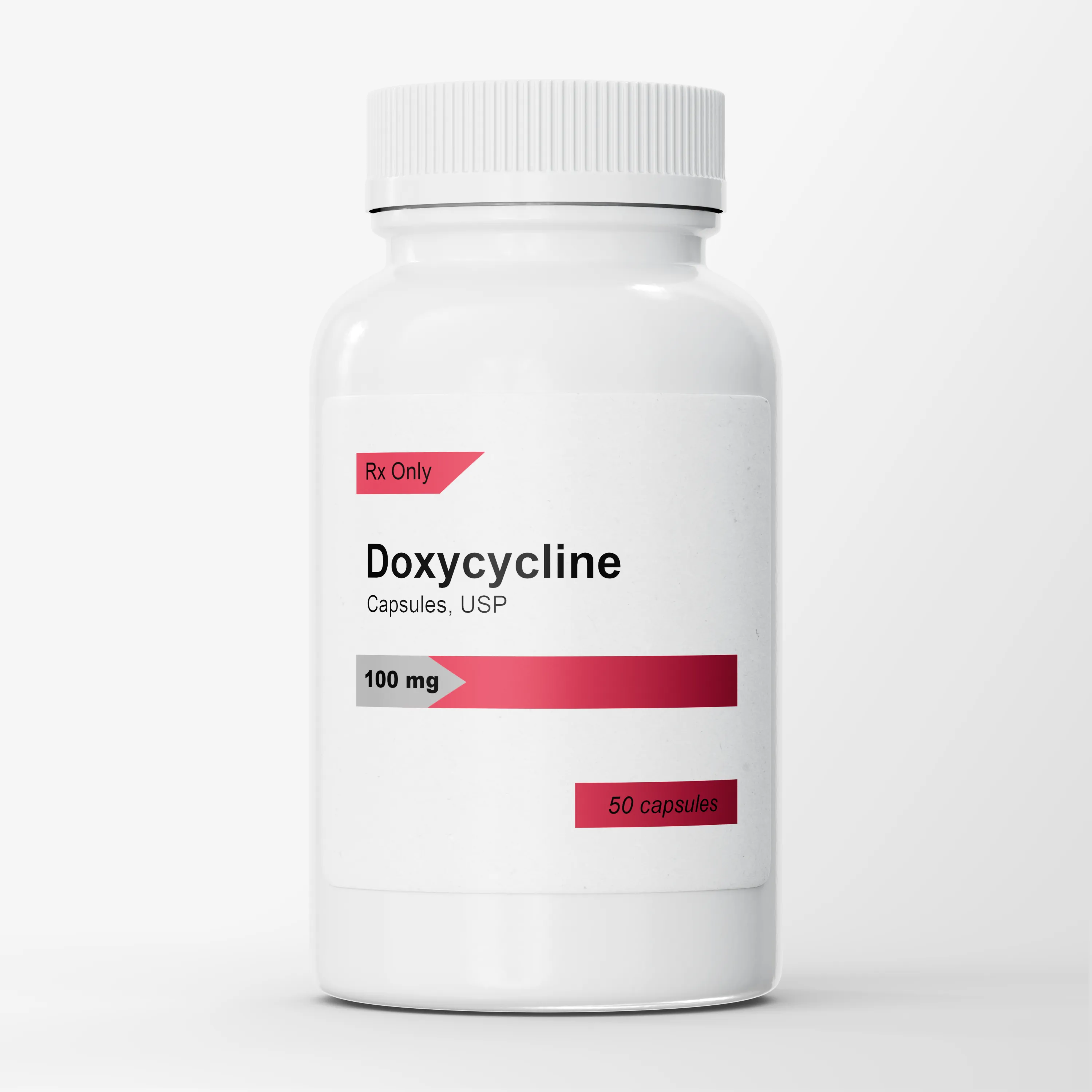
If your dermatologist just prescribed doxycycline for your acne, the first question on your mind is probably: how long does doxycycline take to work? You are dealing with breakouts that have not responded to over-the-counter products, and you want to know when you will finally start seeing results.
The good news is that doxycycline tends to work faster than many other acne medications. Unlike treatments that take months to show any difference, doxycycline can start reducing inflammation within the first few weeks. A 2016 Cochrane review of oral antibiotics for acne confirmed that tetracycline-class antibiotics like doxycycline produce significant reductions in both inflammatory and total acne lesion counts, with most improvement occurring within the first 6 to 12 weeks of treatment.
But there is an important nuance that many people miss: doxycycline is almost always a short-term treatment. It is designed to get your acne under control while other therapies — like topical retinoids — take effect for long-term maintenance. Understanding this timeline and treatment strategy is key to getting the most out of your prescription.
Quick Answer: How Long Does Doxycycline Take to Work for Acne?
Typical timeline: Most people see noticeable improvement within 6 to 12 weeks, with early signs as soon as 2 to 4 weeks.
- Weeks 1-2: Reduced redness and inflammation; breakouts may still occur
- Weeks 3-4: Fewer new pimples; existing lesions start to heal faster
- Weeks 6-8: Noticeable clearing; breakouts become less frequent and less severe
- Weeks 8-12: Significant improvement for most people; near-full clearing with combination therapy
Need a personalized acne treatment plan? Start your consultation with Honeydew.
How Does Doxycycline Work for Acne?
Understanding how doxycycline works for acne explains why it starts working relatively quickly — and why it is not meant to be a permanent solution.
Doxycycline belongs to the tetracycline class of antibiotics. But when it comes to acne, its benefits go beyond simply killing bacteria. Doxycycline fights acne through two complementary mechanisms:
- Anti-bacterial action: Doxycycline reduces the population of Cutibacterium acnes (formerly known as Propionibacterium acnes), the bacterium that colonizes clogged pores and triggers the inflammatory cascade that turns a blocked pore into a red, swollen pimple. A 2012 review in Dermatologic Therapy confirmed that doxycycline effectively suppresses this bacterium at standard acne doses.
- Anti-inflammatory action: Beyond killing bacteria, doxycycline directly inhibits several inflammatory pathways in the skin. It suppresses matrix metalloproteinases (MMPs), pro-inflammatory cytokines, and neutrophil migration — all key players in the redness, swelling, and pain associated with inflammatory acne. According to a 2014 study in the Journal of Clinical and Aesthetic Dermatology, this anti-inflammatory effect is a major reason doxycycline works so well for acne, and it occurs even at sub-antimicrobial doses.
This dual mechanism is important. The anti-inflammatory effects kick in relatively quickly — often within the first week or two — which is why you may notice less redness and smaller, less painful breakouts before you see a dramatic reduction in the number of new pimples. The antibacterial effects take a bit longer to translate into visible results, as existing clogged pores still need to work their way through your skin's turnover cycle.
What to expect: Doxycycline starts working at the cellular level almost immediately, but visible changes take time. The first sign that it is working is usually less inflammation — your breakouts may look less angry and feel less painful even before they start clearing up entirely.
How Long for Doxycycline to Work for Acne: Week-by-Week Timeline
Everyone's skin responds at its own pace, but clinical research and our experience treating thousands of acne patients give us a reliable general timeline for how long doxycycline takes to work for acne.
Weeks 1 to 2: Early Anti-Inflammatory Effects
During the first two weeks, doxycycline is ramping up in your system and beginning to suppress the inflammatory response in your skin. You are unlikely to see dramatic changes in your acne count yet, but subtle shifts are happening.
What you might notice:
- Less redness: Existing inflamed lesions may start to look less red and angry as doxycycline's anti-inflammatory effects take hold.
- Reduced pain: Deep, painful cysts may become less tender even before they visibly shrink.
- Continued breakouts: New pimples will still appear. Pores that were already clogged before you started treatment need time to cycle through.
- Possible GI side effects: Nausea, upset stomach, or heartburn are common in the first week as your body adjusts. Taking doxycycline with food and a full glass of water helps significantly.
Weeks 3 to 4: Visible Improvement Begins
This is when most people start noticing a real difference. The combination of reduced bacteria and lower inflammation begins to show on the surface. A 2019 study published in Dermatology and Therapy found that patients on doxycycline showed statistically significant reductions in inflammatory lesion counts by week 4 compared to baseline.
What you might notice:
- Fewer new breakouts: The rate of new pimples forming should slow noticeably.
- Faster healing: Existing lesions resolve more quickly than they did before treatment.
- Less oiliness: While doxycycline does not directly reduce oil production the way Accutane does, the reduction in bacterial activity and inflammation can make your skin feel less congested overall.
- Improved morale: This is often the point where patients first feel cautiously optimistic. Hang on to that momentum.
Weeks 6 to 8: Significant Clearing
By weeks 6 to 8, you should be seeing substantial improvement. This is the timeframe that most clinical studies use as a benchmark for evaluating doxycycline's effectiveness. The Cochrane review noted that tetracycline-class antibiotics typically achieve a 50% or greater reduction in inflammatory lesions within this window.
What you might notice:
- Considerably fewer breakouts: Many patients report that they are getting only occasional pimples rather than constant clusters.
- Improved skin texture: With less active inflammation and fewer clogged pores, your overall skin texture feels smoother.
- Post-inflammatory marks: As active acne resolves, you may become more aware of the red or brown marks left behind. These are not scars — they are post-inflammatory hyperpigmentation that fades over time. For more on dealing with these, see our guide on how to get rid of dark spots from acne.
Weeks 8 to 12: Near-Full Results
By 12 weeks, most patients on doxycycline have achieved the majority of the improvement they are going to see from the medication. If your dermatologist has paired doxycycline with a topical retinoid like tretinoin — which is standard practice — that topical treatment should now be fully active and ready to maintain your results as you transition off the antibiotic.
What you might notice:
- Substantial or complete clearing: Active acne should be minimal to absent for most patients.
- Residual marks fading: Dark spots and redness from old breakouts continue to lighten, especially with consistent retinoid use and sun protection.
- Transition planning: Your dermatologist will likely begin discussing when and how to stop doxycycline — this is an important conversation, not a sign that something is wrong.
| Timeframe | What to Expect | Key Changes |
|---|---|---|
| Weeks 1-2 | Early anti-inflammatory effects | Less redness and pain; breakouts continue |
| Weeks 3-4 | Visible improvement begins | Fewer new pimples; faster healing |
| Weeks 6-8 | Significant clearing | 50%+ reduction in inflammatory lesions |
| Weeks 8-12 | Near-full results | Substantial clearing; transition off antibiotic |
How Long Can You Take Doxycycline for Acne?
This is one of the most important questions about doxycycline — and the answer may surprise you if you expected to stay on it long-term.
The American Academy of Dermatology (AAD) guidelines on acne management recommend limiting oral antibiotic use for acne to 3 to 4 months whenever possible. This is not because doxycycline becomes less effective over time (though it can), but because prolonged antibiotic use raises a serious public health concern: antibiotic resistance.
Here is why the duration limit matters:
- Antibiotic resistance: The longer you take doxycycline, the greater the chance that bacteria — both C. acnes and other bacteria in your body — develop resistance to the antibiotic. A study in the Journal of the American Academy of Dermatology found that long-term antibiotic use for acne was associated with increased rates of antibiotic-resistant bacterial infections, including upper respiratory infections.
- Diminishing returns: Research suggests that most of doxycycline's acne benefits are achieved within the first 3 to 4 months. Continuing beyond this window rarely produces additional improvement and exposes you to ongoing side effects without proportional benefit.
- Microbiome disruption: Prolonged antibiotic use can disrupt the balance of bacteria in your gut and on your skin, potentially leading to secondary issues like yeast infections, gastrointestinal problems, or even new skin issues.
The AAD guidelines specifically recommend that dermatologists use oral antibiotics in combination with a topical retinoid (like tretinoin) and/or benzoyl peroxide, and that the antibiotic be discontinued once acne is under control — leaving the topical treatments to maintain results long-term.
Red flag: If a provider prescribes doxycycline indefinitely without discussing a transition plan, that is a concern. Responsible acne treatment means using antibiotics as a bridge — not a permanent solution. Your dermatologist should be planning from day one how to maintain your results without ongoing antibiotic use.
What Happens When You Stop Doxycycline?
One of the biggest fears patients have is that their acne will come rushing back the moment they stop doxycycline. This is a valid concern — and the answer depends almost entirely on what other treatments you have in place.
If You Stop Without a Maintenance Plan
Without topical treatments to maintain results, acne frequently returns after discontinuing doxycycline. The antibiotic was managing the bacterial and inflammatory components, but it was not addressing the underlying factors — excess sebum production, pore clogging, and hormonal influences — that cause acne to develop in the first place.
If You Have a Proper Transition Strategy
When doxycycline is used as part of a well-designed treatment plan, the transition off the antibiotic can be seamless. This is why most dermatologists prescribe doxycycline alongside a topical retinoid from the start. By the time your antibiotic course ends, the retinoid has had 2 to 3 months to reach full effectiveness and can maintain clear skin on its own.
Common maintenance strategies after doxycycline include:
- Topical retinoids (tretinoin, adapalene): Prevent clogged pores and promote cell turnover — the backbone of long-term acne prevention
- Benzoyl peroxide: Kills acne bacteria without contributing to antibiotic resistance; often used alongside retinoids
- Topical antibiotics (clindamycin): May be used short-term in combination with benzoyl peroxide, but should not replace the oral antibiotic long-term
- Isotretinoin (Accutane): If acne returns after completing doxycycline and topical treatments, your dermatologist may recommend Accutane for a more definitive solution. To understand how these two medications compare, see our Accutane vs. doxycycline comparison.
What to expect: Stopping doxycycline does not mean stopping treatment. Think of doxycycline as the fast-acting first phase that gets your acne under control, and topical treatments as the long-term maintenance phase that keeps it clear. When the handoff is managed properly, most patients maintain their improvement.
Common Doxycycline Side Effects
Doxycycline is generally well tolerated, especially at the doses used for acne (typically 50 to 100 mg daily). But like any medication, it comes with potential side effects you should know about.
Common Side Effects
- Nausea and upset stomach: The most frequently reported side effect. Taking doxycycline with food and a full glass of water significantly reduces GI discomfort. Avoid taking it right before lying down.
- Sun sensitivity (photosensitivity): Doxycycline makes your skin more susceptible to sunburn. Daily sunscreen (SPF 30+) is essential, and you should avoid prolonged sun exposure or tanning beds while on the medication.
- Esophageal irritation: If doxycycline gets stuck in your esophagus, it can cause painful irritation or ulceration. Always take it with plenty of water and remain upright for at least 30 minutes afterward.
- Yeast infections: Antibiotics can disrupt the balance of bacteria in your body, sometimes leading to yeast overgrowth. Probiotics may help, though you should discuss this with your provider.
Less Common but Important Side Effects
- Headaches or visual changes: Rarely, doxycycline can contribute to a condition called pseudotumor cerebri (increased intracranial pressure), which causes severe headaches and visual disturbances. This is uncommon but requires immediate medical attention.
- Skin pigmentation: Long-term use (beyond 3 to 4 months) can occasionally cause blue-gray discoloration of the skin, nails, or mucous membranes. This is another reason to keep treatment courses short.
Red flag: Contact your dermatologist right away if you experience severe headaches, blurred vision, or difficulty swallowing while taking doxycycline. These symptoms are uncommon, but they warrant prompt evaluation.
Factors That Affect How Fast Doxycycline Works
While the 6-to-12-week timeline holds for most patients, several factors can push you toward a faster or slower response.
Acne Type and Severity
Doxycycline is most effective for inflammatory acne — the red, swollen pimples, pustules, and cystic lesions driven by bacterial activity and inflammation. If your acne is primarily comedonal (blackheads and whiteheads without much inflammation), doxycycline may be less effective on its own because comedonal acne is driven more by pore clogging than by bacteria. A topical retinoid is the better tool for that component.
Dosage
The standard acne dose of doxycycline ranges from 50 to 100 mg daily, with some dermatologists prescribing a sub-antimicrobial dose of 40 mg (modified release) specifically to harness the anti-inflammatory benefits while minimizing antibiotic resistance risk. The 2014 study in the Journal of Clinical and Aesthetic Dermatology found that even sub-antimicrobial doses produced meaningful acne improvement, though standard doses (100 mg) tend to work faster for moderate-to-severe inflammatory acne.
Combination Therapy
Doxycycline works faster and more effectively when combined with topical treatments. The AAD guidelines recommend pairing it with a topical retinoid and/or benzoyl peroxide. This multi-pronged approach attacks acne from different angles simultaneously, producing faster visible results than doxycycline alone.
Consistency and Timing
Taking doxycycline at the same time each day maintains consistent blood levels of the medication. Missed doses or inconsistent use can delay results. Also, certain foods and supplements can interfere with doxycycline absorption:
- Avoid taking with dairy products: Calcium binds to doxycycline and reduces absorption. Wait at least 2 hours before or after consuming milk, cheese, or yogurt.
- Avoid antacids and iron supplements: These also interfere with absorption. Separate them by at least 2 hours.
- Do take with food (non-dairy): A light meal reduces nausea without significantly impacting absorption.
What If Doxycycline Is Not Working?
If you have been taking doxycycline consistently for 6 to 8 weeks and are not seeing the improvement you expected, do not give up — but do talk to your dermatologist. There are several possible explanations and next steps.
Give It the Full Course
Some patients are slower responders. If you are seeing some improvement — even if it is gradual — your dermatologist may recommend completing the full 3-month course before reassessing. Partial improvement at week 6 often becomes significant improvement by week 12.
Evaluate Your Combination Therapy
If you are taking doxycycline without a topical retinoid, that may be the missing piece. Adding tretinoin or adapalene can amplify your results and set you up for better long-term outcomes. For an overview of the most effective options, see our guide to the most effective acne treatments.
Consider Antibiotic Resistance
If you have taken multiple courses of antibiotics for acne in the past, there is a chance that your C. acnes bacteria have developed some resistance. Your dermatologist may recommend a different antibiotic class or pivot to a non-antibiotic approach altogether.
Explore Stronger Options
For acne that does not respond adequately to doxycycline and topical treatments, Accutane (isotretinoin) is often the next step. Accutane addresses acne at its root by shrinking oil glands, reducing bacterial colonization, and normalizing skin cell shedding — all at once. It is not reserved only for severe cases; it is an effective option for anyone with persistent acne that has not responded to other treatments. Learn more in our Accutane vs. doxycycline comparison.
When to Talk to Your Dermatologist About Next Steps
- No improvement after 6 to 8 weeks of consistent use
- Acne is worsening despite treatment
- Side effects that are difficult to manage (persistent nausea, severe sun sensitivity)
- Acne returns after completing your course
- You have completed 3 to 4 months and want to plan your transition strategy
Tips to Get the Most Out of Doxycycline
While doxycycline does its work from the inside, these practical steps can support your skin and help you see results as quickly as possible.
- Take it consistently: Same time each day, with food and a full glass of water. Set a phone reminder if it helps.
- Wear sunscreen daily: SPF 30+ is non-negotiable while on doxycycline. Your skin is significantly more sensitive to UV damage, and sun exposure can also worsen post-acne dark spots.
- Use your topical treatments: If your dermatologist prescribed a retinoid, benzoyl peroxide, or topical antibiotic alongside doxycycline, use them as directed. They are not optional add-ons — they are integral to the treatment plan.
- Avoid dairy around your dose: Space calcium-containing foods or supplements at least 2 hours from your doxycycline to ensure full absorption.
- Stay upright after taking it: Do not lie down for at least 30 minutes after your dose to prevent esophageal irritation.
- Track your progress: Take photos every 2 weeks in the same lighting and angle. Gradual daily changes are hard to notice, but comparing week 1 to week 8 can be remarkably encouraging.
What to expect: The first few weeks can feel slow, especially when you are eager for clear skin. Remember that doxycycline is one of the faster-acting acne medications available. If you are using it as part of a comprehensive treatment plan with topical treatments, you are setting yourself up for both short-term improvement and long-term success.
.webp)

Medically Reviewed by
Joel Spitz, MD
Co-Founder & Chief Medical Officer, Board Certified Dermatologist