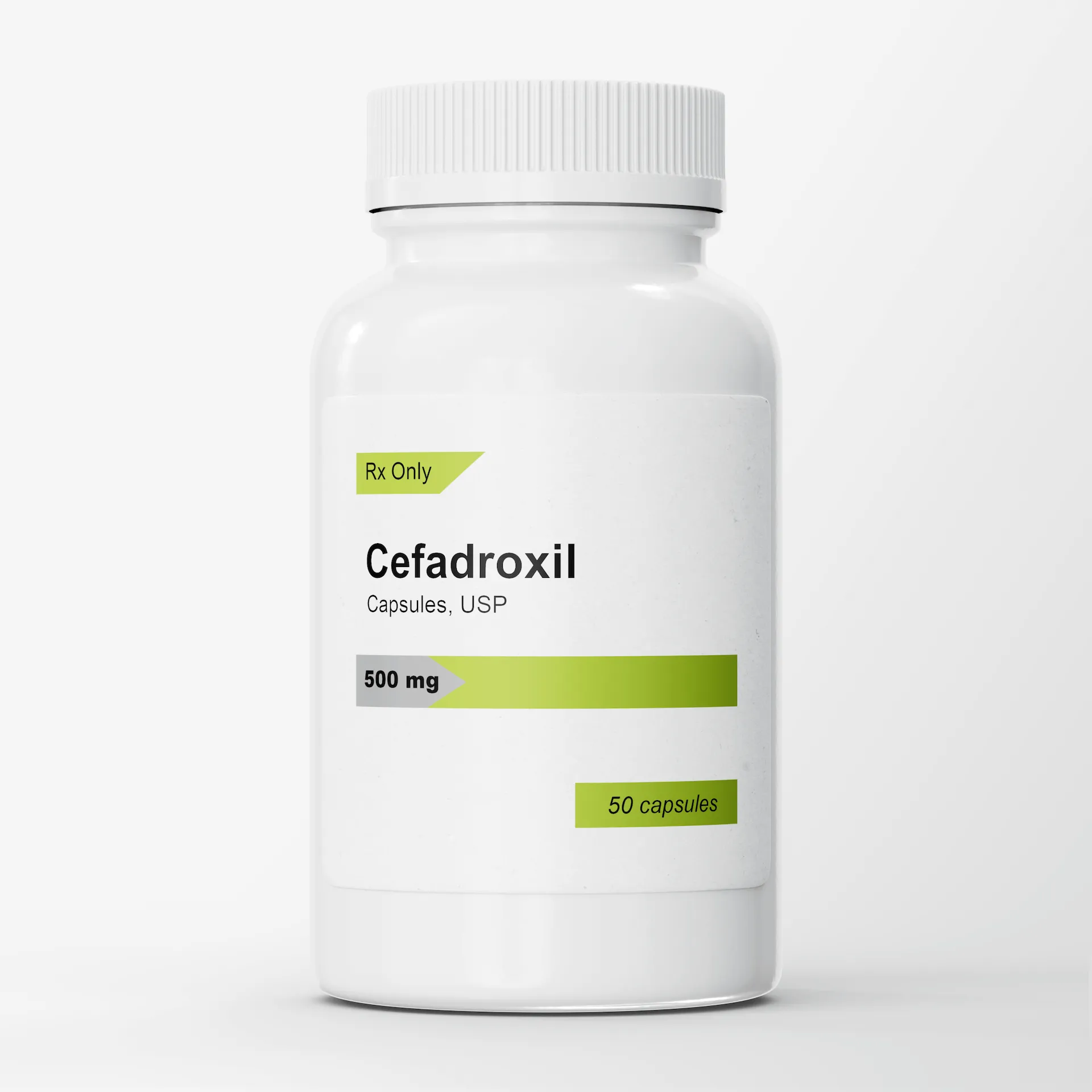
Cefadroxil
Treat persistent acne with Duricef, prescribed online. Get dermatologist-guided care with close monitoring, safety oversight, and medication delivered to your door.


Duricef treats inflammatory acne by reducing acne-causing bacteria and calming redness and swelling. It’s typically used as a short-term acne treatment.
Common side effects may include stomach upset or nausea. Most side effects are mild and improve with time. Your provider monitors treatment closely.
Duricef is usually prescribed for short-term use. It’s often combined with topical treatments to maintain results and limit antibiotic resistance.
Honeydew manages your prescription, dosing guidance, and follow-ups, 100% online. Your dermatologist and dedicated care team track progress and coordinate refills, with medication delivered directly to your door.

Fill out a quick medical questionnaire and upload photos of your skin. In many cases, treatment can begin right away without a video consult.

If a visit is needed, you can book a quick video consult within 48 hours. Your provider takes the time to understand your skin and your goals.

Your provider creates a personalized plan, then your treatment is delivered to your door or sent to your local pharmacy.

Track your progress with photos and message your Care Team anytime for questions, refills, and guidance. We'll respond, 7 days a week.
Duricef (cefadroxil) is an oral antibiotic that helps reduce acne-causing bacteria and inflammation, making it effective for moderate to severe inflammatory acne. It’s often used when other antibiotics aren’t well tolerated or haven’t worked.
With dermatology guidance, Duricef can help calm active breakouts and support clearer skin while longer-term treatments take effect.

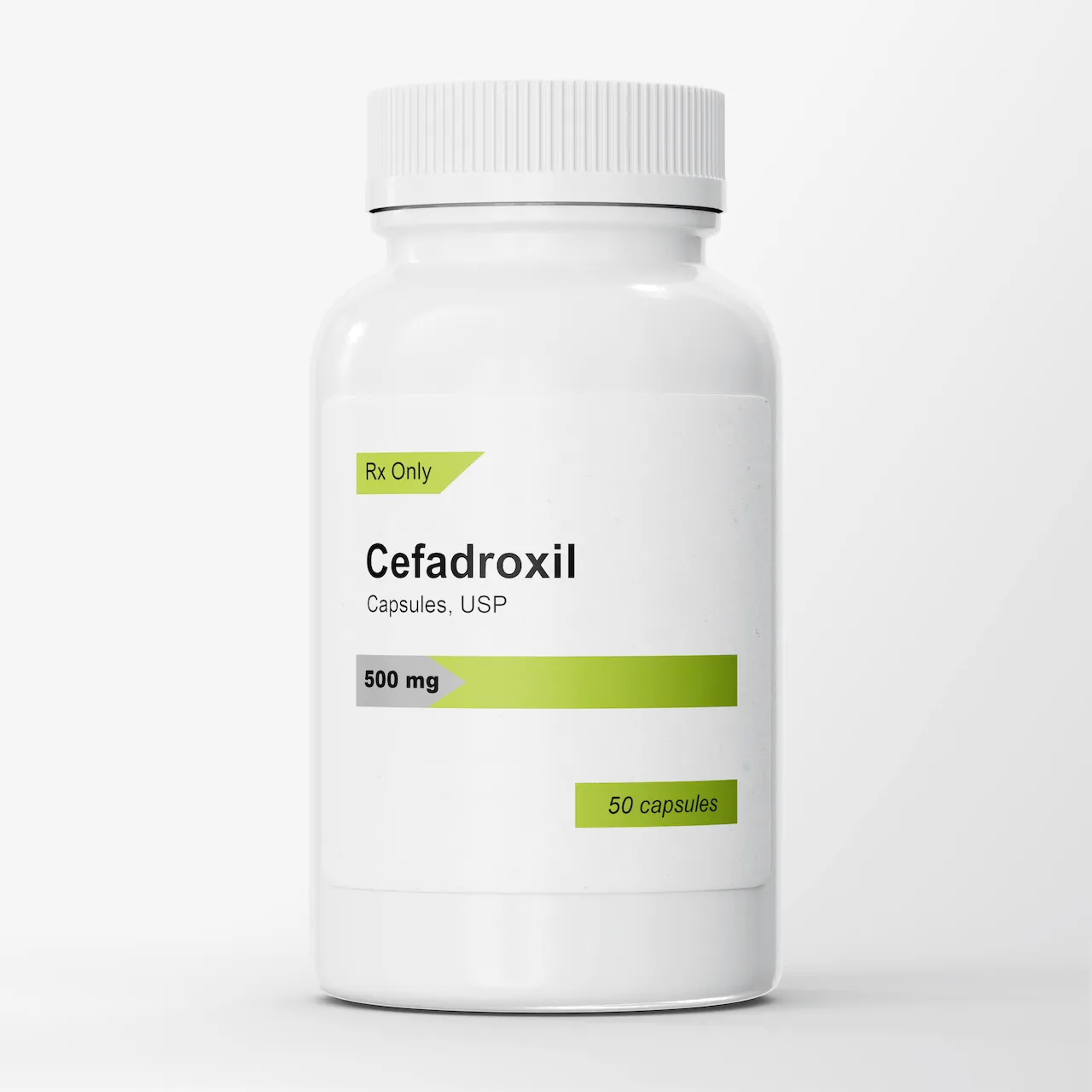

Your dermatology provider will review your skin and confirm whether Duricef is the right fit before prescribing.

see reduced inflammatory acne while on treatment*
helps control active breakouts*
with topical treatments for maintenance*
*Based on clinical studies of oral antibiotics for acne and dermatology practice outcomes. Results vary by severity, duration, and individual response.
Yes, Honeydew's board-certified dermatologists prescribe cefadroxil entirely online. No in-person office visit is required. You complete a short medical questionnaire that includes your acne history, previous antibiotic experience, any drug allergies, and relevant medical background, and a licensed dermatology provider reviews your case and determines whether Duricef is the right fit.
If prescribed, your cefadroxil is sent to a pharmacy near you or delivered to your door. Your provider will specify the dosing schedule, explain how to pair it with topical treatments, and set up a follow-up to assess your response. Your Honeydew care team is available seven days a week for any questions that come up during treatment.
They're similar but not identical. Both cefadroxil (Duricef) and cephalexin (Keflex) are first-generation cephalosporin antibiotics with comparable antibacterial activity against the bacteria that cause acne. The main practical difference is pharmacokinetic: cefadroxil has a longer half-life than cephalexin, which means it can be dosed once or twice daily rather than the three to four times daily typically required for cephalexin. For a daily acne treatment regimen, this makes cefadroxil the more convenient option.
In terms of efficacy for acne, both are considered clinically equivalent first-generation cephalosporins. If you've taken cephalexin before for another indication and tolerated it well, that's a useful data point your Honeydew provider will factor in when considering cefadroxil.
Cefadroxil is one of the oral antibiotic options available for younger acne patients, particularly those under 12 for whom tetracyclines are generally not recommended. Tetracyclines like doxycycline can interfere with bone and tooth development in children under 8, and most dermatologists are cautious about prescribing them to patients under 12 as well. Cefadroxil, as a cephalosporin, doesn't carry this risk.
For teenagers 12 and older, either tetracyclines or cefadroxil may be appropriate depending on the individual patient's history and tolerability. Your Honeydew provider will assess which is the better fit.
For patients under 18, a parent or guardian must be present for the initial Honeydew consultation. If your child's situation requires special accommodations, contact info@honeydewcare.com and the care team will assist.
Cefadroxil is in a different safety category from tetracycline antibiotics like doxycycline and minocycline when it comes to pregnancy. Tetracyclines are generally not recommended during pregnancy due to risks of fetal bone and tooth development effects. Cephalosporins, including cefadroxil, are generally considered a lower-risk antibiotic class and are more commonly used when oral antibiotic treatment is needed during pregnancy.
That said, no medication should be taken during pregnancy without discussing it with both your dermatologist and your OB-GYN. If you are pregnant, planning to become pregnant, or breastfeeding, inform your Honeydew provider at the start of your consultation so they can factor this into their prescribing decision and recommend the safest appropriate treatment for your situation.
Yes, and this is standard dermatology practice for any oral antibiotic, including cefadroxil. Oral antibiotics are most effective when used as part of a complete acne treatment plan that addresses multiple causes of breakouts simultaneously, rather than as a standalone treatment.
Your Honeydew provider will typically pair cefadroxil with a topical treatment, most commonly benzoyl peroxide, which kills bacteria through a different mechanism and helps prevent antibiotic resistance from developing. A topical retinoid like tretinoin is often added as well to improve cell turnover, keep pores clear, and fade post-acne marks.
Using cefadroxil alone over an extended period without a benzoyl peroxide pairing risks antibiotic resistance developing, meaning the medication gradually becomes less effective. Your provider designs your regimen to maximize results while protecting against this.
Cefadroxil can be taken with or without food, but taking it with a meal or a snack significantly reduces the likelihood of stomach upset and nausea, which are the most common side effects. If you find the medication causes GI discomfort on an empty stomach, always take it with food going forward.
Cefadroxil for acne is typically prescribed as a once or twice-daily oral capsule, depending on your dermatologist's prescribed dosing. Take it at roughly the same time each day to maintain consistent levels in your system. If you miss a dose, take it as soon as you remember. If it's close to the time of your next dose, skip the missed dose and continue your normal schedule. Don't double up.
Unlike doxycycline, cefadroxil doesn't require any special positioning after taking it. No need to remain upright or drink extra water to protect your esophagus, though staying hydrated is always a good idea with any antibiotic.
Most patients begin to notice a reduction in active inflammatory breakouts (red, swollen, painful lesions) within four to six weeks of consistent use. The most meaningful improvement in overall acne severity is typically visible at eight to twelve weeks.
Oral antibiotics like cefadroxil work by reducing the population of C. acnes bacteria on the skin and calming the inflammatory response they trigger. Results are generally comparable to other oral antibiotics for acne, though individual responses vary based on acne severity, skin type, and whether cefadroxil is being used alongside topical treatments.
Because cefadroxil is typically prescribed as a short-term course rather than a maintenance treatment, your Honeydew provider will check in during treatment to assess your response and determine when to transition to a longer-term acne management plan, which may include topical medications like tretinoin, benzoyl peroxide, or if appropriate, a more definitive treatment like Accutane.
Both are oral antibiotics that reduce acne-causing bacteria, but they differ in class, side effect profile, and practical daily considerations.
Doxycycline is a tetracycline-class antibiotic and the most commonly prescribed oral antibiotic for acne. It's highly effective but comes with two notable drawbacks: it significantly increases your skin's sensitivity to sunlight, meaning sun exposure while on doxycycline can cause painful burns or rashes even on overcast days; and it requires careful administration, taken with a full glass of water, upright, to avoid esophageal irritation.
Cefadroxil (Duricef) is a first-generation cephalosporin and does not increase sun sensitivity. Patients who spend significant time outdoors, work outside, or have simply found doxycycline's photosensitivity too disruptive often tolerate cefadroxil better as a daily treatment. GI side effects are possible with cefadroxil but are generally mild and can be reduced by taking it with food.
The tradeoff is that doxycycline has a longer evidence base specifically for acne and broader activity against some of the inflammatory pathways involved in breakouts beyond just bacterial killing. Your Honeydew dermatologist will choose between them based on your acne severity, lifestyle, previous antibiotic history, and any relevant medical factors.
This is an important safety question worth discussing with your provider before starting treatment. Cefadroxil is a cephalosporin antibiotic, and cephalosporins are structurally related to penicillins (both are beta-lactam antibiotics). There is a theoretical risk of cross-reactivity, meaning a small number of patients with penicillin allergy may also react to cephalosporins.
However, the actual risk of cross-reactivity between penicillins and first-generation cephalosporins like cefadroxil is generally low for most patients with non-severe penicillin allergy histories. The risk is higher for patients who have experienced serious, immediate allergic reactions to penicillin (such as anaphylaxis, throat swelling, or hives appearing within an hour of taking penicillin).
Before prescribing cefadroxil, your Honeydew dermatologist will ask about your history of drug allergies, including the type of reaction you had, how quickly it appeared, and how serious it was. This information determines whether cefadroxil is safe for you or whether a different antibiotic is a better choice. If you have a documented severe penicillin allergy, mention this clearly during your consultation.
Doxycycline and minocycline are tetracycline-class antibiotics — the standard first-line oral antibiotics for acne — and they work well for most patients. Duricef (cefadroxil) is typically prescribed when tetracyclines aren't the right fit for a particular patient.
The most common reasons a dermatologist reaches for cefadroxil instead include significant GI side effects from doxycycline or minocycline (nausea, stomach pain, esophageal irritation), problematic sun sensitivity that doxycycline causes, a history of tetracycline intolerance, or a clinical situation where tetracyclines are contraindicated, such as in younger patients or during pregnancy. Cefadroxil is a first-generation cephalosporin antibiotic that fights acne-causing bacteria through a different pathway and doesn't carry doxycycline's photosensitivity risk or minocycline's vestibular side effects.
If you've been prescribed Duricef and are wondering why, your Honeydew provider can walk you through the reasoning during your consultation or via a message to your care team.
Yes, cefadroxil is the generic name for Duricef. When you pick up your prescription at a pharmacy, the label will typically read "cefadroxil" rather than Duricef, since the brand name is less commonly stocked. Both contain the same active ingredient and are equally effective.
Cefadroxil belongs to a class of antibiotics called first-generation cephalosporins which is a different antibiotic class from the tetracyclines (doxycycline, minocycline) that are more commonly prescribed for acne. This distinction matters for patients who have had problems with tetracyclines, because cefadroxil works through a different mechanism and doesn't share the same side effect profile.
If you or your child is under the age of 18, a parent or guardian should be part of the initial consultation. In circumstances where this is not possible, please contact info@honeydewcare.com and we will assist you with alternate ways to establish parental consent.
We will run the prescriptions through your insurance and help you find the lowest costs out there. The membership fee and any products are also eligible for HSA or FSA reimbursement.
We offer comprehensive support for our patients, including access to experienced providers, assistance with lab orders and the iPledge program (when needed), unlimited support, and progress tracking.
.webp)
Monthly check-ins help your provider monitor side effects, tolerance, and overall progress throughout treatment.
.webp)
If needed, your provider may request baseline or follow-up labs to ensure treatment stays safe and effective.
.webp)
Patients who can become pregnant complete required monthly pregnancy testing and iPLEDGE steps, with support at every stage.
.webp)
Mood changes are rare but taken seriously. Your provider checks in regularly and adjusts care if needed.

Zero waiting rooms, zero co-pays. Get expert care, personalized treatments, and ongoing support, all online for one transparent price.
Licensed dermatology providers who understand acne beyond the surface and guide your treatment from day one.
We handle prior authorizations, pharmacy communication, and refills so you don't have to.
Upload photos directly to your patient dashboard so you and your provider can monitor how your skin is responding to treatment over time.
Message your provider anytime your skin changes, your prescription needs adjusting, or for anything else.
Honeydew membership is eligible for HSA/FSA spending.
Get expert dermatology care from anywhere in the U.S., with no in-person visits required.
Find more answers in our FAQ or Contact us.
From topicals to oral medications, your provider prescribes what’s right for your skin.