Topical calcineurin inhibitor
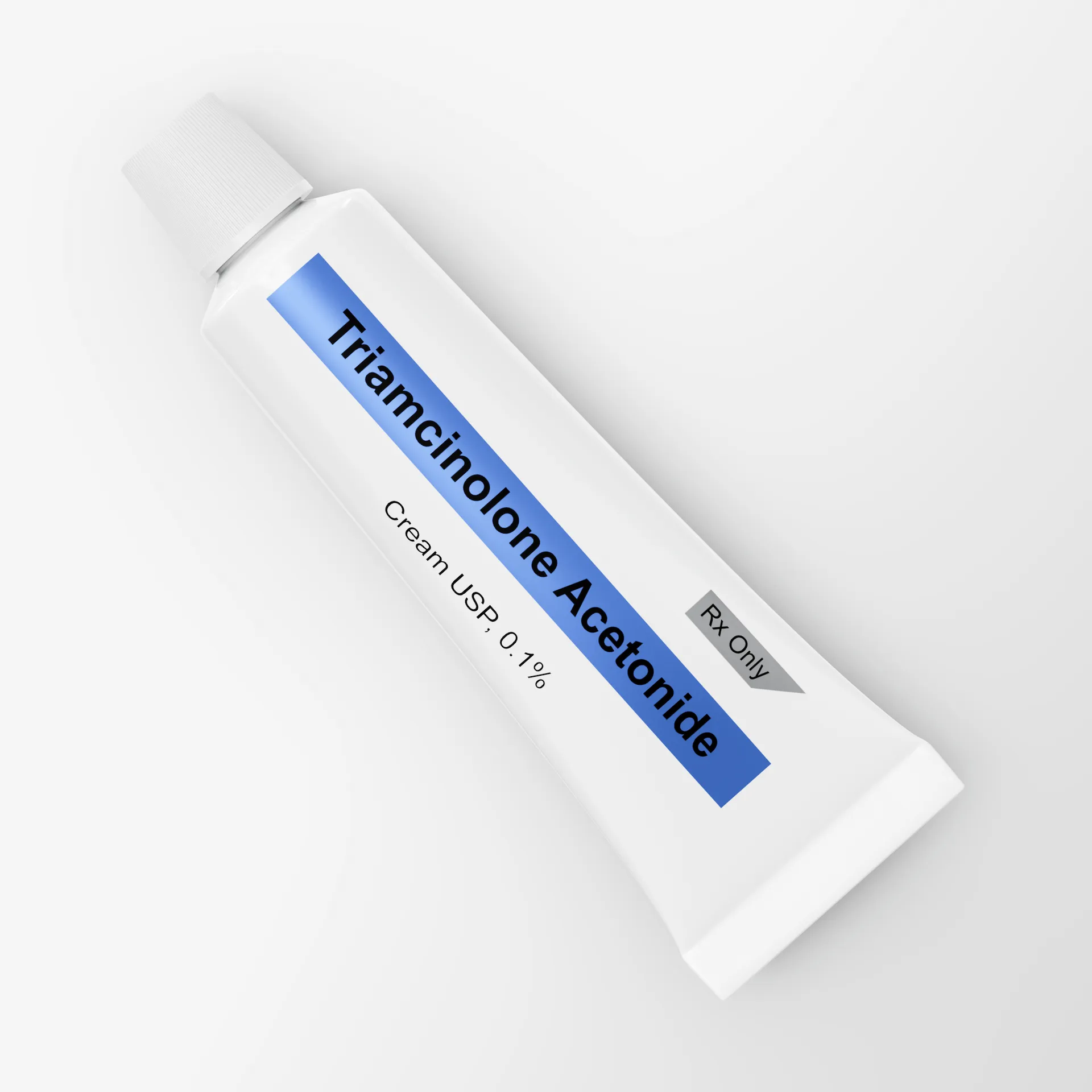
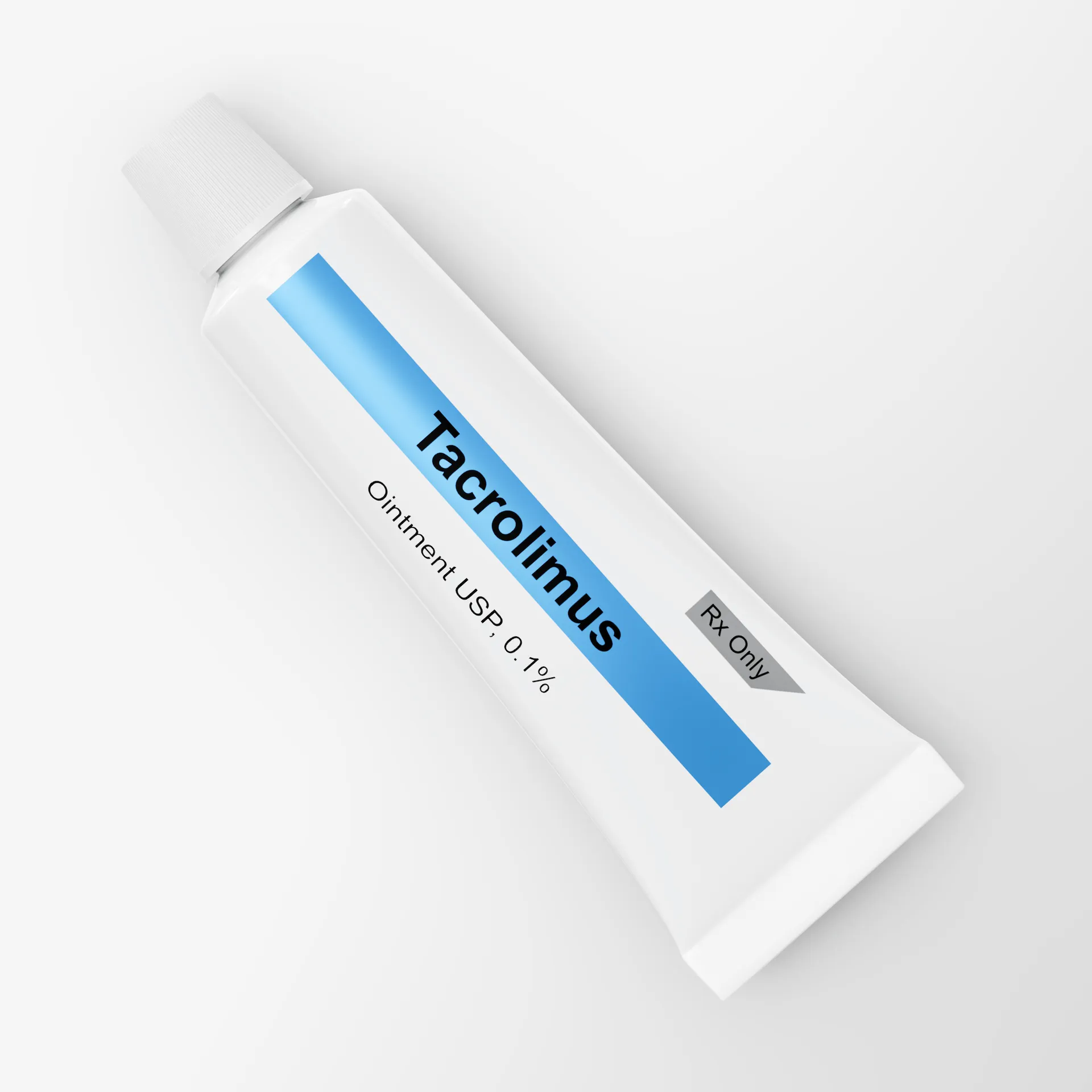
Treat skin inflammation due to eczema with Tacrolimus, prescribed online. Get dermatologist-guided care with close monitoring, safety oversight, and medication delivered to your door.



Tacrolimus treats eczema and inflammatory skin conditions by calming immune activity in the skin. It’s especially helpful for sensitive areas where steroids may not be recommended.
A temporary burning or tingling sensation at the application site is common, especially during the first few days. This usually improves with continued use.
Tacrolimus is a steroid-free treatment and does not cause skin thinning. Your provider will guide where and how often to apply it based on your condition.
Honeydew manages your prescription, dosing guidance, and follow-ups, 100% online. Your dermatologist and dedicated care team track progress and coordinate refills, with medication delivered directly to your door.

Fill out a quick medical questionnaire and upload photos of your skin. In many cases, treatment can begin right away without a video consult.

If a visit is needed, you can book a quick video consult within 48 hours. Your provider takes the time to understand your skin and your goals.

Your provider creates a personalized plan, then your treatment is delivered to your door or sent to your local pharmacy.

Track your progress with photos and message your Care Team anytime for questions, refills, and guidance. We'll respond, 7 days a week.
Tacrolimus is a non-steroidal topical medication that helps calm immune-driven inflammation in the skin. It’s commonly used to treat eczema in sensitive areas or for longer-term control when topical steroids aren’t ideal.
With dermatology guidance, tacrolimus helps manage flare-ups while protecting long-term skin health.
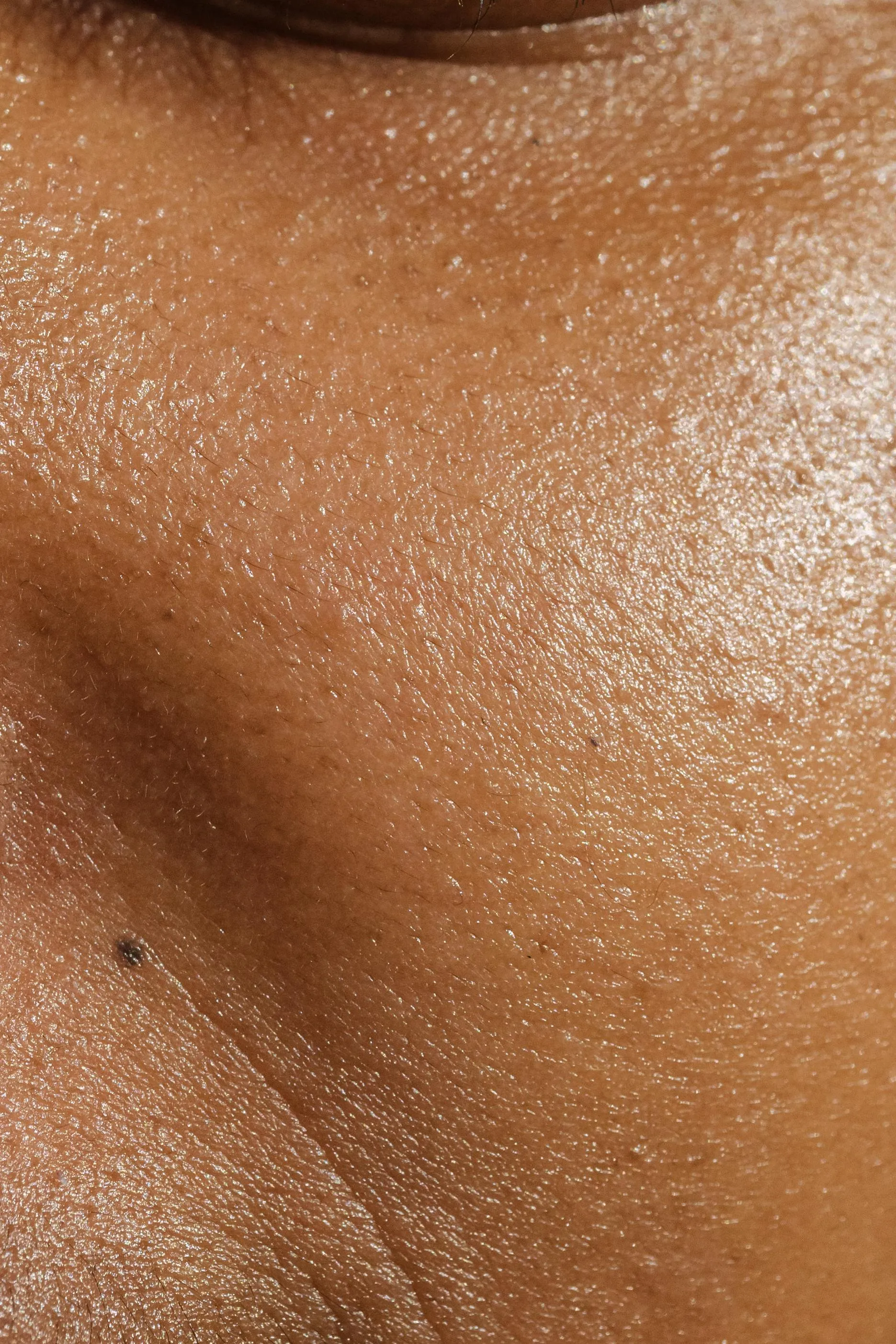
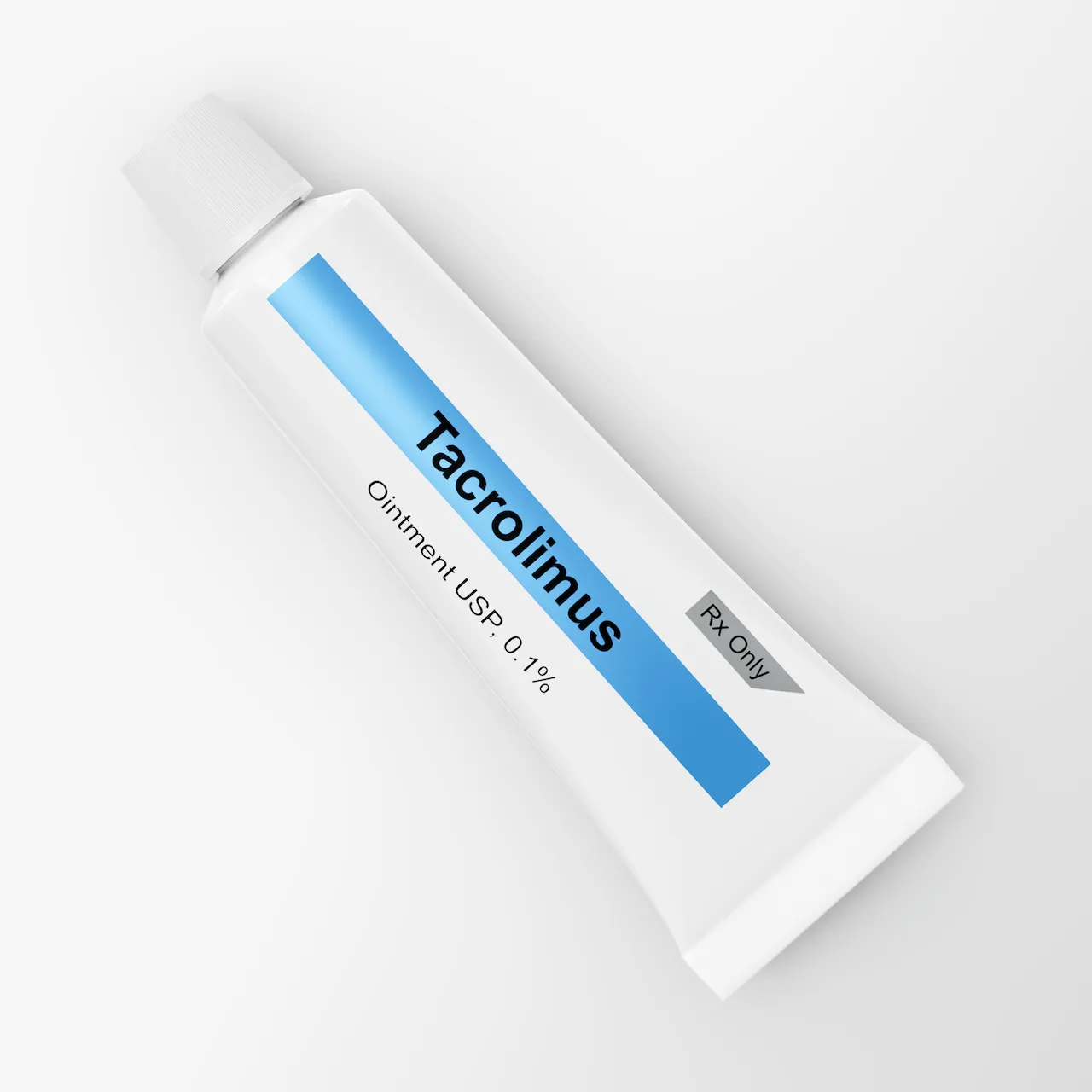

Your dermatology provider will review your skin and confirm whether Tacrolimus is the right fit before prescribing.

symptom control to mid-potency topical steroids*
option for sensitive skin areas*
for longer-term use under provider guidance*
*Based on clinical studies of topical calcineurin inhibitors and dermatology practice outcomes. Individual results vary.
Yes, Honeydew's board-certified dermatologists prescribe tacrolimus entirely online. No in-person office visit is required. You complete a short medical questionnaire and upload photos of your skin, and a licensed dermatology provider reviews your case and determines whether tacrolimus is the right fit, including which strength is appropriate and which areas to treat.
If prescribed, your tacrolimus is sent to a pharmacy near you or delivered directly to your door. Your provider will also give you guidance on how to apply it, what to expect, how long to use it, and whether a proactive maintenance schedule makes sense for your skin's pattern. Your Honeydew care team is available seven days a week for any questions that come up during treatment.
Yes, combination approaches are common and clinically supported. Many dermatologists prescribe tacrolimus alongside topical steroids, using each for its specific strength. A typical approach is to use a topical steroid for a short course to bring an acute flare under control quickly, then transition to tacrolimus for ongoing maintenance in areas where long-term steroid use isn't appropriate.
Tacrolimus can also be used alongside topical steroids on different body locations simultaneously, for example, a steroid on the body or limbs while tacrolimus is used on the face or eyelids. This combination lets you treat widespread eczema effectively while protecting sensitive areas from steroid side effects.
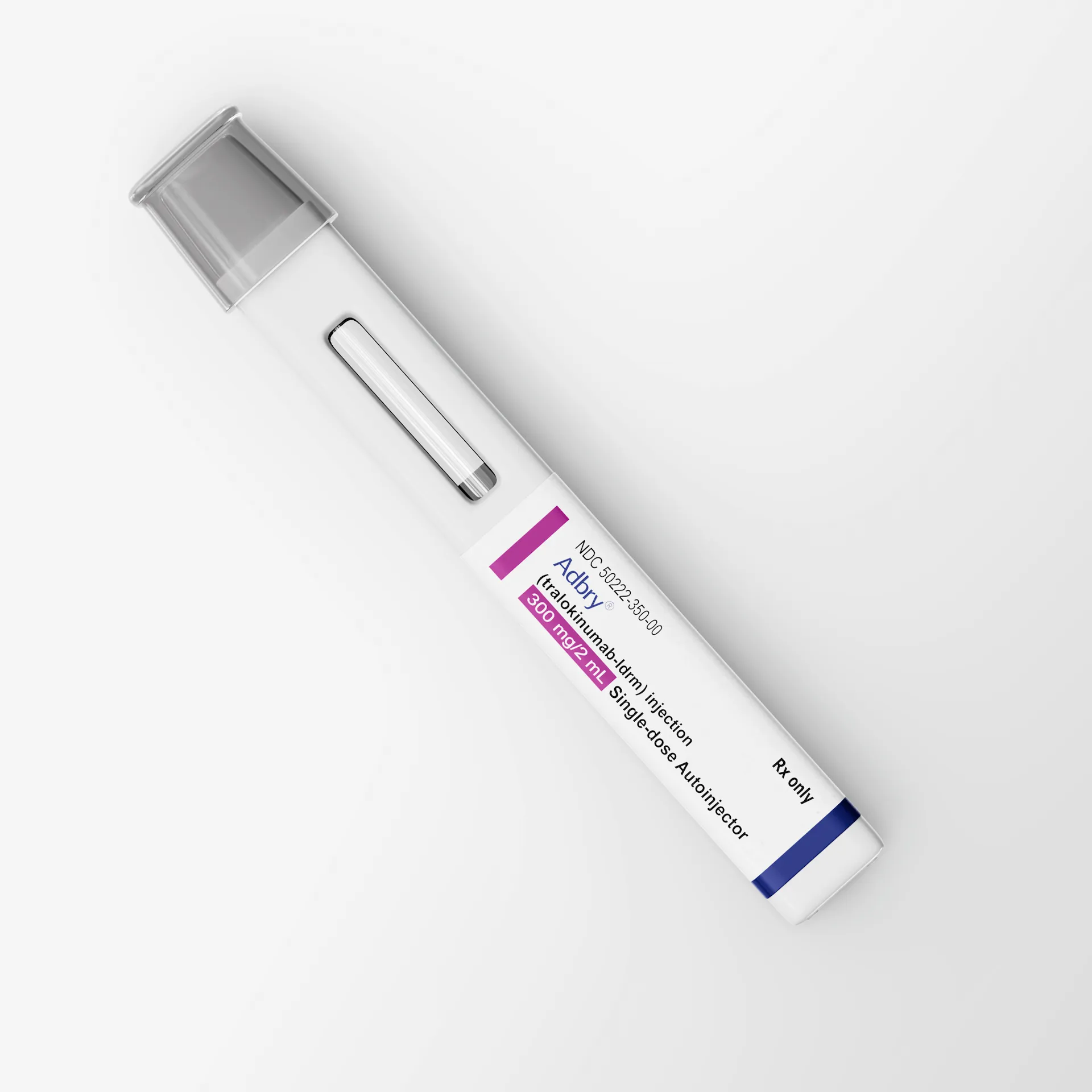
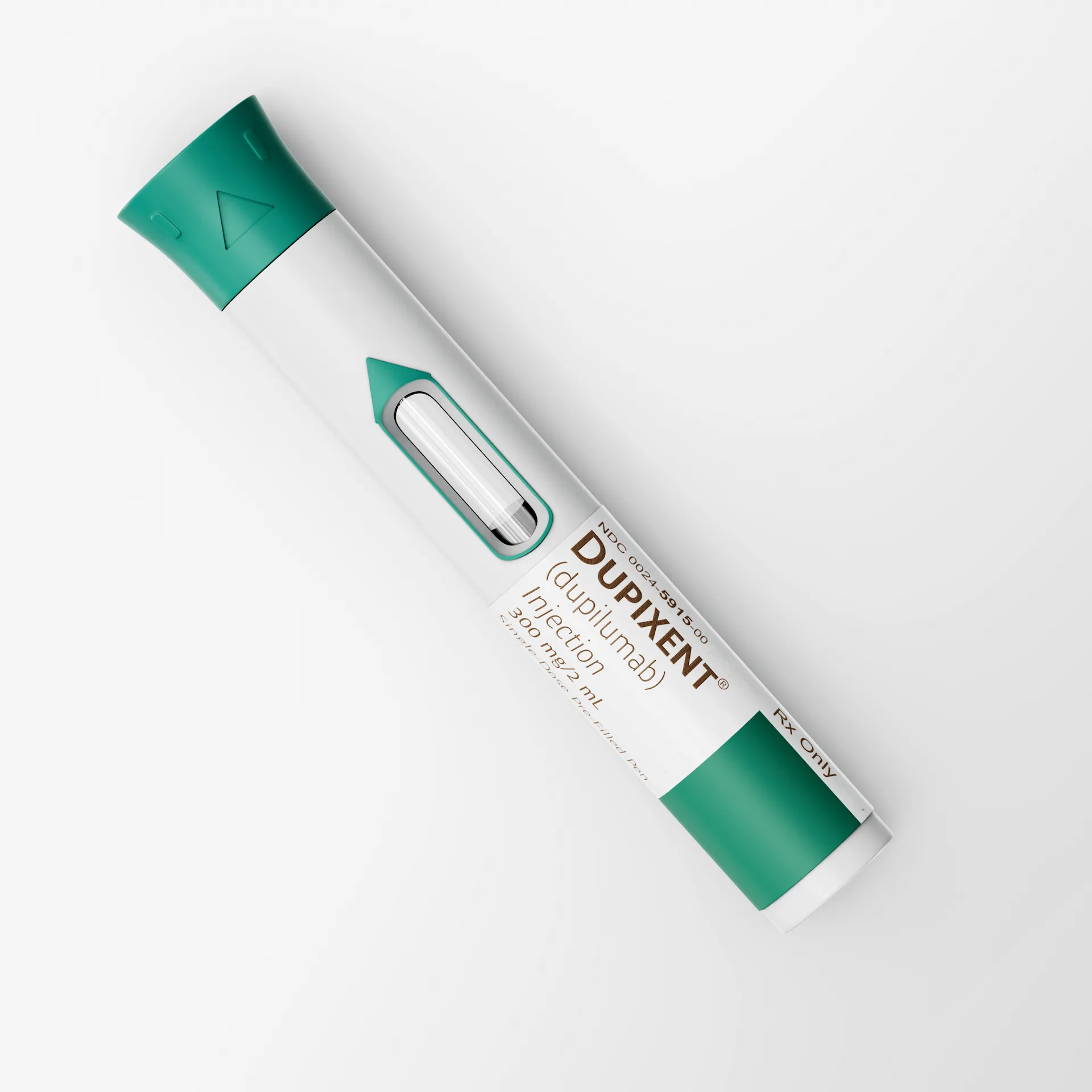
If you're currently using other eczema treatments, including biologics like Dupixent or Adbry, tacrolimus can often be used as part of a broader care plan. Your Honeydew dermatologist will coordinate all elements of your regimen and advise on how and when to apply each treatment.
Both are worth knowing before you start treatment.
Sun exposure: Tacrolimus can increase your skin's sensitivity to sunlight. The FDA label recommends minimizing exposure to natural sunlight and artificial UV light while using tacrolimus, and using appropriate sun protection (SPF 30 or higher) on treated areas. This doesn't mean you need to avoid the sun entirely, but consistent sunscreen use on affected areas is more important than usual while on tacrolimus.
Alcohol: Some patients experience a warm flushing sensation or increased skin warmth on treated areas after consuming alcohol while using tacrolimus, particularly on the face. This is a known reaction and while harmless, it can be uncomfortable. It doesn't mean you can't drink alcohol while using tacrolimus, but it's useful to know the reaction can occur so it isn't alarming if it happens.
Most patients notice a reduction in itching and inflammation within one to two weeks of starting tacrolimus. The burning sensation that often accompanies the first few applications typically improves within this same window. More significant eczema clearance, such as reduction of redness, dryness, and active plaques, generally occurs over two to four weeks of consistent use.
Tacrolimus is appropriate for both short-term flare treatment and longer-term maintenance. For patients with frequent or persistent eczema, particularly on the face or other sensitive areas, dermatologists commonly use what's called a proactive maintenance approach: once eczema is under control, applying tacrolimus twice weekly to previously affected areas to prevent flares from returning. This approach has strong clinical support and is one of the advantages of tacrolimus over steroids, which generally shouldn't be used long-term on sensitive areas even in a maintenance pattern.
If you haven't seen meaningful improvement after four weeks of consistent use, contact your Honeydew care team. Your provider may reassess your treatment plan or discuss whether a different approach or additional treatment is needed.
The core difference is mechanism and where each can safely be used. Topical steroids work broadly by suppressing inflammation throughout the skin, including affecting the structural integrity of the skin itself. Tacrolimus works by targeting a specific protein in the immune system called calcineurin, which blocks the inflammatory signal without affecting the skin's structural components.
In practical terms, this means tacrolimus does not cause the skin thinning, stretch marks, or systemic absorption risks associated with potent topical steroids, which is why it's the preferred option for areas where skin is naturally thin and vulnerable to steroid side effects: the face, eyelids, neck, armpits, and skin folds.
In terms of efficacy, tacrolimus 0.1% has been shown to have similar effectiveness to moderate- to high-potency topical corticosteroids for atopic dermatitis. It's not appropriate for all presentations. Very severe, thick, or widespread flares often still respond better to a short course of a potent steroid, but for ongoing management of moderate eczema, particularly in sensitive locations, tacrolimus is a clinically well-supported alternative.
Many dermatologists use both: a targeted short course of a topical steroid to rapidly bring a severe flare under control, followed by tacrolimus for ongoing maintenance and prevention. Your Honeydew provider will design a plan that makes sense for your skin's specific pattern and severity.
Yes, tacrolimus 0.03% ointment is FDA-approved for children aged 2 and older with moderate to severe atopic dermatitis. It's one of the few non-steroidal prescription eczema treatments available for young children, which makes it particularly useful for kids who need long-term management of facial or eyelid eczema where repeated steroid use isn't ideal.
For children under 16, only the 0.03% strength is approved. The 0.1% strength is reserved for patients aged 16 and older. Dosing and frequency for children follows the same general approach as adults: applied twice daily to affected areas during flares, and potentially used proactively on a less frequent schedule to prevent flares in children who experience frequent recurrence.
Honeydew accommodates consultations for patients under 18, with a parent or guardian present for the initial visit. If your child's eczema affects the face, eyelids, or other sensitive areas and you've been advised to avoid long-term steroid use, tacrolimus is worth discussing with a Honeydew provider.
The burning, stinging, or warmth on application is the most commonly reported side effect of tacrolimus and the most frequent reason patients stop treatment prematurely, which is worth knowing upfront so you're prepared.
The sensation happens because tacrolimus activates certain nerve fibers in inflamed skin during the first applications. It's not a sign of an allergic reaction or that the medication is damaging your skin, it's a pharmacological response that's particularly pronounced in actively inflamed areas. The more irritated or inflamed your skin is when you start, the more intense the sensation tends to be.
The good news is that it consistently improves with continued use. For most patients, the burning is most noticeable in the first few days of treatment and significantly diminishes or disappears within one to two weeks as the skin calms down and adjusts. Applying tacrolimus to skin that's been gently moisturized first, using a small amount, and avoiding application immediately after a hot shower can all reduce the intensity of the initial burning.
If the sensation is severe or persists beyond two weeks without improvement, contact your Honeydew care team. Your provider can advise on whether adjusting your application technique or temporarily reducing frequency would help.
Tacrolimus ointment is available in two concentrations, 0.03% and 0.1%. The right one depends on your age and the severity of your eczema.
Tacrolimus 0.03%: The lower-strength option, approved for children aged 2 and older and also used in adults. Typically the starting point for younger patients or those with more sensitive skin, as it carries a lower risk of the initial burning sensation that many patients experience.
Tacrolimus 0.1%: The full-strength adult formulation, approved for patients aged 16 and older. Provides effectiveness comparable to moderate- to high-potency topical steroids and is the standard prescription for adults with moderate to severe eczema. This is the strength most commonly prescribed for persistent facial or eyelid eczema in adults.
Your Honeydew dermatologist will prescribe the appropriate strength based on your age, the location and severity of your eczema, and any previous treatments you've tried. If you've been prescribed a specific strength before and want to continue with it, mention this during your consultation.
Tacrolimus (Protopic) and pimecrolimus (Elidel) are both topical calcineurin inhibitors, non-steroidal prescription treatments for eczema that work through the same mechanism. The key differences between them are potency, formulation, and approved age range.
Tacrolimus is the stronger of the two and is indicated for moderate to severe atopic dermatitis. It comes as an ointment in two concentrations: 0.03%, approved for children aged 2 and older, and 0.1%, approved for adults and adolescents 16 and older. Pimecrolimus (Elidel) is a cream indicated for mild to moderate eczema and is approved from 3 months of age.
In practice, tacrolimus 0.1% has similar effectiveness to moderate- to high-potency topical steroids, making it a meaningful therapeutic option for more significant eczema flares, particularly in areas where steroid use is restricted. Pimecrolimus is typically chosen for milder presentations or for younger patients.
Both medications carry the same FDA black box warning about theoretical long-term cancer risk, though as discussed above, current evidence does not support an actual increased risk. Your Honeydew provider will determine which is more appropriate based on your eczema severity, the affected areas, and your age.
Tacrolimus does carry an FDA black box warning and given how alarming that sounds, it's worth explaining what the warning actually says and what the current evidence shows.
In 2006 the FDA added a black box warning to tacrolimus (Protopic) and pimecrolimus (Elidel) stating that the long-term safety of these medications had not been established, citing post-marketing case reports and animal studies suggesting a theoretical risk of lymphoma and skin cancer. This warning caused significant concern among patients and providers and led many people to discontinue treatment.
Since then, the evidence has substantially evolved. A 2022 systematic review and meta-analysis published in The Lancet Child & Adolescent Health (one of the most comprehensive analyses of this question to date) found that among individuals with atopic dermatitis, topical calcineurin inhibitors do not increase the risk of cancer. The authors concluded that these findings support the safe use of topical calcineurin inhibitors in the optimal treatment of atopic dermatitis. The black box warning remains on the label as a regulatory matter, but the body of evidence has not confirmed the theoretical risk that prompted it.
Your Honeydew dermatologist will discuss this history with you, answer any questions, and help you weigh the risks and benefits in the context of your specific skin situation. Using tacrolimus as directed is the approach dermatologists use to keep risk as low as possible.
Yes, and this is one of the most important reasons tacrolimus is prescribed. It's specifically recommended for sensitive areas where topical steroids are not appropriate for long-term use, including the face, eyelids, neck, and skin folds. Steroids applied repeatedly to facial skin can cause thinning, broken capillaries, and near the eyes specifically, increased risk of glaucoma and cataracts. Tacrolimus doesn't cause skin thinning and doesn't carry those risks, making it the preferred non-steroidal option for eczema affecting these areas.
Many patients come to tacrolimus specifically because their dermatologist has told them they shouldn't continue using steroid creams on their face. If facial or eyelid eczema is your primary concern, mention this clearly during your Honeydew consultation. Your provider will factor the location into their prescribing decision, including which strength is most appropriate.
Yes, Protopic is the brand name for tacrolimus ointment. When your doctor prescribes tacrolimus for eczema, they may call it either tacrolimus or Protopic — they're the same medication. Generic tacrolimus ointment is considered equally effective to Protopic and is typically available at a lower cost, making it the more commonly dispensed version when insurance is involved.
When your Honeydew dermatologist prescribes tacrolimus, they specify the strength and formulation, and your prescription is sent to a pharmacy near you or delivered to your door. Whether you receive branded Protopic or generic tacrolimus, the active ingredient and mechanism are identical.
If you or your child is under the age of 18, a parent or guardian should be part of the initial consultation. In circumstances where this is not possible, please contact info@honeydewcare.com and we will assist you with alternate ways to establish parental consent.
We will run the prescriptions through your insurance and help you find the lowest costs out there. The membership fee and any products are also eligible for HSA or FSA reimbursement.
We offer comprehensive support for our patients, including access to experienced providers, assistance with lab orders and the iPledge program (when needed), unlimited support, and progress tracking.
.webp)
Monthly check-ins help your provider monitor side effects, tolerance, and overall progress throughout treatment.
.webp)
If needed, your provider may request baseline or follow-up labs to ensure treatment stays safe and effective.
.webp)
Patients who can become pregnant complete required monthly pregnancy testing and iPLEDGE steps, with support at every stage.
.webp)
Mood changes are rare but taken seriously. Your provider checks in regularly and adjusts care if needed.

Zero waiting rooms, zero co-pays. Get expert care, personalized treatments, and ongoing support, all online for one transparent price.
Licensed dermatology providers who understand acne beyond the surface and guide your treatment from day one.
We handle prior authorizations, pharmacy communication, and refills so you don't have to.
Upload photos directly to your patient dashboard so you and your provider can monitor how your skin is responding to treatment over time.
Message your provider anytime your skin changes, your prescription needs adjusting, or for anything else.
Honeydew membership is eligible for HSA/FSA spending.
Get expert dermatology care from anywhere in the U.S., with no in-person visits required.
Find more answers in our FAQ or Contact us.