Key Takeaways

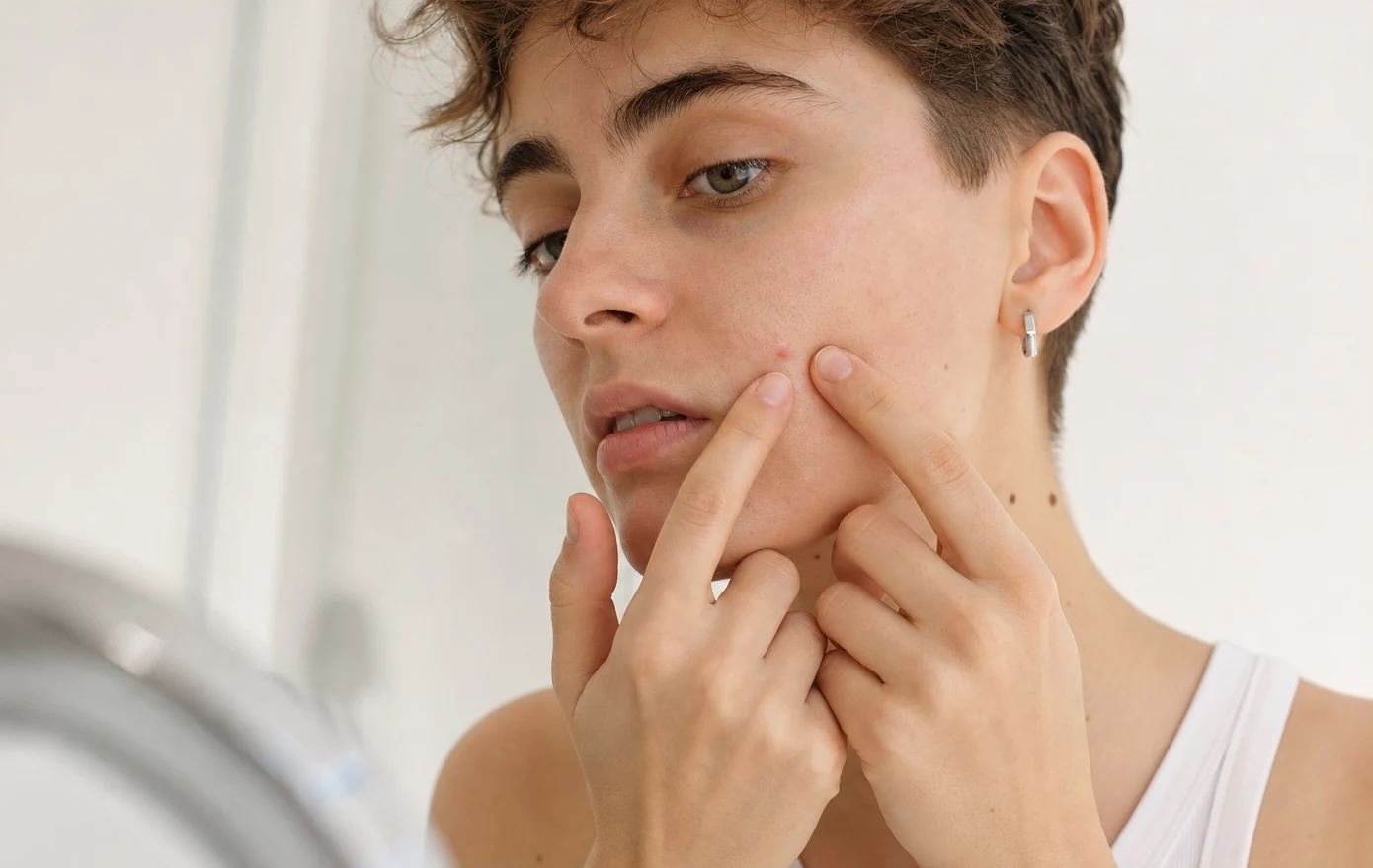
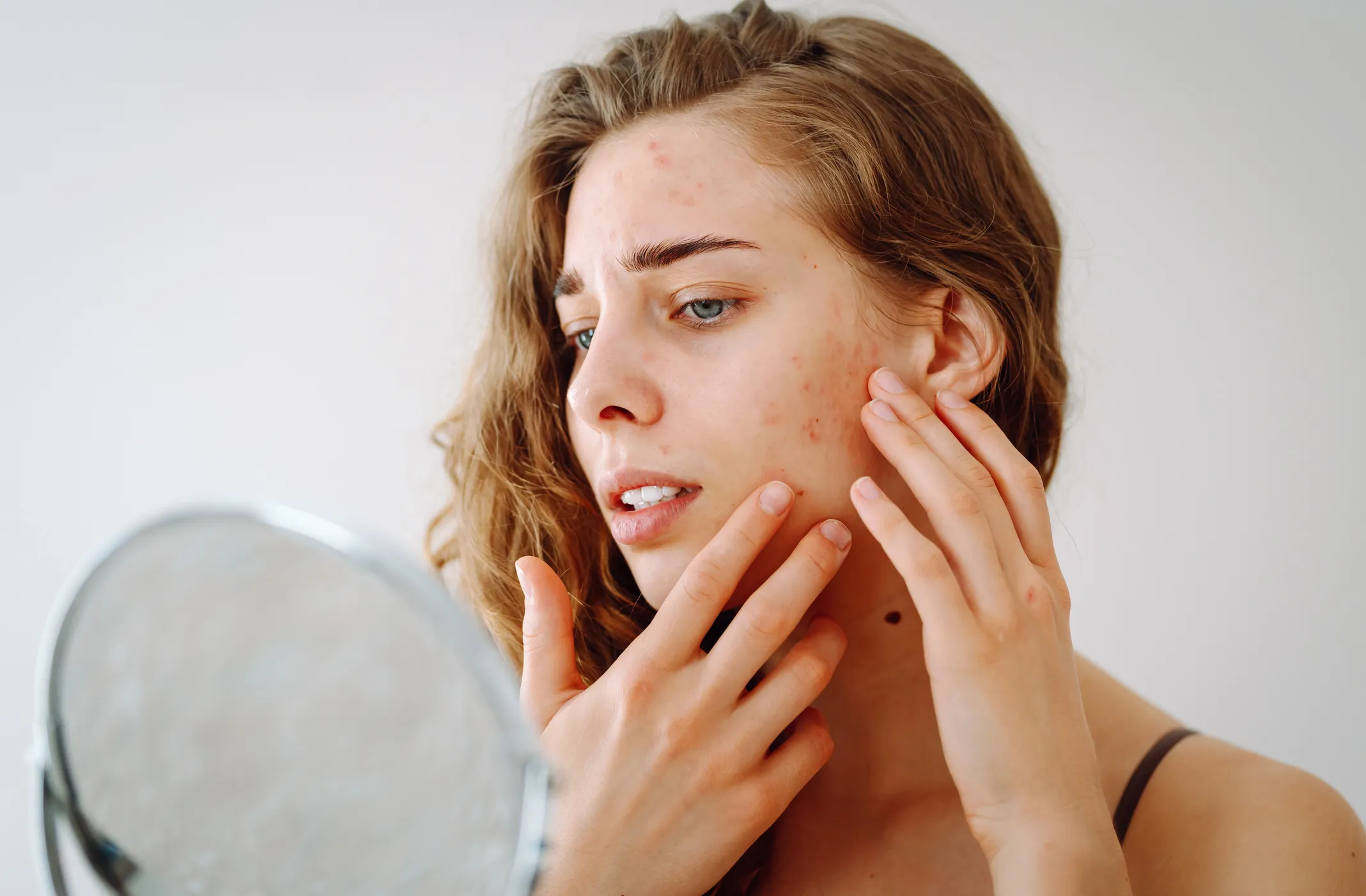
Few things are as frustrating as looking in the mirror and seeing bright red, inflamed skin staring back at you. Even a small breakout can look dramatically worse when it is surrounded by a halo of redness. And if you have ever tried to cover it up with makeup or concealer, you know that redness has a way of showing through almost everything.
If you are searching for how to reduce acne redness, you are not alone. Redness is one of the most visible and emotionally taxing aspects of acne. It draws attention to breakouts, makes skin look uneven and irritated, and can persist long after the pimple itself has healed. Research published in the Journal of Clinical and Aesthetic Dermatology has shown that acne-related redness and residual marks are a major contributor to the psychological burden people with acne experience — sometimes rivaling the impact of the breakouts themselves.
The good news is that you do not have to just wait it out. There are proven strategies to calm acne redness quickly, treat the underlying inflammation causing it, and prevent the red marks that linger after breakouts clear. This guide walks through all of them — from things you can do right now to longer-term approaches that address the root cause.
Quick Answer: How to Reduce Acne Redness Fast
For immediate relief: Apply a cold compress or wrapped ice cube for 1-2 minutes to constrict blood vessels and reduce swelling. A spot treatment with 2.5% benzoyl peroxide or a green-tinted color corrector can further minimize visible redness.
- Within minutes: Ice, cold compress, green-tinted primer or concealer
- Within hours: Benzoyl peroxide spot treatment, anti-inflammatory ingredients (aloe, centella)
- Within days to weeks: Niacinamide, azelaic acid, topical retinoids
- For persistent redness: Prescription treatments from a board-certified dermatologist
Why Does Acne Cause Redness?
To effectively reduce acne redness, it helps to understand why it happens in the first place. Redness is not just a cosmetic nuisance — it is a visible sign of your immune system at work.
When a pore becomes clogged with oil, dead skin cells, and bacteria (particularly Cutibacterium acnes), your body launches an inflammatory response. White blood cells rush to the area, blood vessels dilate to increase blood flow, and inflammatory chemicals called cytokines are released into the surrounding tissue. All of this produces the redness, swelling, warmth, and tenderness you associate with an inflamed pimple.
A review published in the Journal of Clinical Investigation explains that this inflammatory cascade actually begins before a visible pimple forms — meaning subclinical inflammation can cause redness even in skin that looks otherwise clear. The degree of redness you experience depends on several factors, including:
- The type of acne: Inflammatory lesions (papules, pustules, cysts, and nodules) cause far more redness than non-inflammatory comedones (blackheads and whiteheads)
- Your skin tone: Redness is more visually prominent on lighter skin, while darker skin tones may see more brown or purple discoloration
- How much you have touched or picked at the area: Manipulation spreads inflammation and worsens redness significantly
- Your skin's baseline sensitivity: Some people are naturally more prone to vascular reactivity and flushing
Active Redness vs. Post-Inflammatory Erythema (PIE)
It is important to distinguish between two different kinds of acne redness, because they require different approaches:
Active redness is the inflammation happening around a current breakout. The pimple is still present, and the redness is caused by ongoing immune activity. Treating the acne itself is the primary way to resolve this redness.
Post-inflammatory erythema (PIE) is the flat, pink or red mark that remains after a pimple has healed. PIE is caused by damaged or dilated capillaries beneath the skin surface, not by active infection or inflammation. A study in the Journal of the American Academy of Dermatology found that PIE is extremely common — affecting the vast majority of acne patients with lighter skin tones — and can persist for months or even years without treatment.
| Feature | Active Acne Redness | Post-Inflammatory Erythema (PIE) |
|---|---|---|
| Cause | Active inflammation and immune response | Damaged/dilated blood vessels after healing |
| Texture | Raised, swollen, sometimes painful | Flat, smooth — no bump present |
| Duration | Days to weeks (lifespan of the pimple) | Weeks to months, sometimes longer |
| Glass test | Redness remains when pressed | Redness fades (blanches) when pressed |
| Treatment approach | Reduce inflammation, treat the breakout | Support vascular healing, protect with SPF |
What to expect: You can distinguish PIE from active redness with a simple test. Press a clear glass or slide against the red mark. If the redness disappears (blanches) under pressure, it is PIE. If it stays red, you are likely dealing with active inflammation or a different type of discoloration.
How to Reduce Acne Redness Immediately
When you need to calm redness fast — whether you have an event in a few hours or just want relief from an angry breakout — these strategies work within minutes.
Ice or Cold Compress
Applying cold to an inflamed pimple is one of the fastest ways to reduce visible redness. Cold causes blood vessels to constrict (vasoconstriction), which decreases blood flow to the area and reduces both swelling and redness almost immediately.
How to do it: Wrap an ice cube in a clean, thin cloth or paper towel. Hold it against the inflamed area for 1-2 minutes, then remove for 1-2 minutes. Repeat 2-3 times. Never apply ice directly to skin, as it can cause frostbite or further irritation.
Green-Tinted Color Correctors
This is not a treatment, but it is remarkably effective at neutralizing redness visually. Green sits opposite red on the color wheel, so a green-tinted primer or concealer can cancel out the appearance of redness when applied before foundation or tinted moisturizer. Look for products labeled "color-correcting" or "redness-reducing" primers.
Anti-Inflammatory Spot Treatments
Several over-the-counter products can reduce redness within hours when applied directly to an inflamed pimple:
- Benzoyl peroxide (2.5%): Kills acne-causing bacteria and reduces inflammation. Research has shown that 2.5% is just as effective as higher concentrations with significantly less irritation — making it a better choice when your goal is reducing redness, not adding to it.
- Hydrocortisone cream (1%): An over-the-counter anti-inflammatory that can temporarily reduce redness and swelling. Use sparingly and only as a short-term solution — prolonged use can thin the skin and worsen acne.
- Centella asiatica (cica) products: Centella has well-documented anti-inflammatory properties and is a staple in many soothing skincare products. It calms irritation without disrupting the skin barrier.
- Aloe vera gel: Pure aloe vera has mild anti-inflammatory effects and can provide a cooling, soothing sensation on inflamed skin.
Red flag: Do not attempt to pop or squeeze an inflamed pimple to make it "go away faster." This almost always makes redness worse, spreads bacteria deeper into the skin, and dramatically increases your risk of scarring and prolonged post-inflammatory marks. If you have a painful cyst, a dermatologist can safely treat it — sometimes with a cortisone injection that flattens the lesion within hours.
Over-the-Counter Treatments for Acne Redness
If you are dealing with recurring redness from active breakouts or lingering red marks (PIE), incorporating the right over-the-counter ingredients into your daily routine can make a significant difference over time. These are the most evidence-backed options.
Niacinamide
Niacinamide (vitamin B3) is one of the most versatile ingredients for reducing acne redness. It works on multiple levels: decreasing inflammatory mediators, strengthening the skin barrier, and regulating sebum production. A study in the British Journal of Dermatology demonstrated that 4% topical niacinamide significantly reduced acne lesions and associated redness over 8 weeks.
Look for serums or moisturizers with 5-10% niacinamide. It is well-tolerated by most skin types, compatible with nearly every other skincare ingredient, and gentle enough for sensitive, redness-prone skin.
Azelaic Acid
Azelaic acid is a powerhouse for redness-prone skin. Available over the counter at 10% (with prescription-strength formulas at 15-20%), it has anti-inflammatory, antibacterial, and anti-redness properties. Azelaic acid is one of the few ingredients that has been studied specifically for its ability to reduce facial redness, including in conditions like rosacea where redness is the primary concern.
For acne-related redness, azelaic acid treats the underlying breakouts while simultaneously calming inflammation and fading the red marks they leave behind. It is also safe for all skin tones and does not cause photosensitivity, making it an excellent year-round option.
Salicylic Acid
Salicylic acid (a beta hydroxy acid or BHA) penetrates into pores to dissolve the clogs that cause breakouts, but it also has notable anti-inflammatory properties. At concentrations of 0.5-2%, it can reduce the redness and swelling of existing pimples while preventing new ones from forming.
Because salicylic acid is oil-soluble, it is particularly effective for oily, acne-prone skin. Use it as a cleanser, toner, or leave-on treatment depending on your skin's tolerance.
Centella Asiatica (Cica) and Other Soothing Ingredients
If your skin is inflamed and sensitive, barrier-supporting and soothing ingredients can reduce redness without risking further irritation. Centella asiatica, green tea extract, licorice root extract, and panthenol (vitamin B5) are all well-studied for their anti-inflammatory and skin-calming effects. These ingredients are especially helpful if your redness is partly caused by a compromised skin barrier from over-treating or over-exfoliating.
| Ingredient | Best For | How It Reduces Redness | Timeline |
|---|---|---|---|
| Niacinamide (5-10%) | General redness, acne marks | Anti-inflammatory, barrier repair | 4-8 weeks |
| Azelaic acid (10-20%) | Active acne + redness, PIE | Anti-inflammatory, anti-bacterial | 4-12 weeks |
| Salicylic acid (0.5-2%) | Oily skin, clogged pores | Anti-inflammatory, unclogs pores | 2-6 weeks |
| Centella asiatica | Sensitive, irritated skin | Soothes inflammation, supports healing | 1-4 weeks |
Prescription Treatments for Acne Redness
When over-the-counter options are not cutting it, prescription treatments can address acne redness more aggressively — both by treating the underlying breakouts and by directly targeting inflammation.
Topical Retinoids (Tretinoin)
Tretinoin is one of the most well-studied and effective prescription ingredients for acne. It works by accelerating cell turnover, preventing clogged pores, and reducing inflammation. Over time, tretinoin also improves overall skin tone and can help fade post-inflammatory erythema by promoting healthy skin remodeling. For a deep dive into how tretinoin works and what to expect, read our comprehensive guide to tretinoin.
One important note: tretinoin can initially increase redness and peeling during the first 2-6 weeks of use (the so-called "retinization" period). This is temporary and does not mean the product is making your skin worse. Starting with a lower concentration and applying it every other night can minimize this adjustment phase.
Topical Antibiotics
Topical antibiotics like clindamycin reduce acne redness by killing C. acnes bacteria and decreasing the inflammatory response. Clindamycin is typically prescribed in combination with benzoyl peroxide to prevent antibiotic resistance. The combination is particularly effective — a reduction in inflammatory lesions (and their associated redness) is usually visible within 2-4 weeks.
Oral Antibiotics
For moderate to severe inflammatory acne with widespread redness, oral antibiotics like doxycycline can deliver faster, more dramatic anti-inflammatory results. Doxycycline works not only as an antibiotic but also has independent anti-inflammatory properties that help calm red, swollen acne lesions. Oral antibiotics are typically used for 3-6 months as a bridge to other treatments. For a broader overview of prescription options, see our guide to the most effective acne treatments.
Isotretinoin (Accutane)
For persistent acne that continues to cause significant redness and has not responded to other treatments, isotretinoin may be the most effective option. Isotretinoin works by shrinking oil glands, dramatically reducing sebum production, and normalizing skin cell shedding — effectively eliminating the conditions that cause acne and its associated redness. The vast majority of patients see substantial clearing and a significant reduction in redness during a 4-6 month treatment course.
Prescription-Strength Azelaic Acid
While 10% azelaic acid is available over the counter, prescription formulations at 15-20% deliver more potent anti-inflammatory and anti-redness effects. These higher concentrations can be especially valuable for patients who have both acne and rosacea-like redness.
What to expect: Our dermatologists can prescribe the right combination of treatments tailored to your specific type of acne redness. Whether you need a retinoid, an antibiotic, or a more comprehensive approach, a personalized treatment plan is always more effective than trial-and-error with over-the-counter products. See our pricing for more details.
How to Get Rid of Red Acne Marks (Post-Inflammatory Erythema)
If your pimples have healed but left flat, red or pink marks behind, you are dealing with post-inflammatory erythema (PIE). These marks are not scars — they are caused by lingering blood vessel damage beneath the skin surface. The good news is that PIE does resolve on its own over time. The bad news is that "over time" can mean anywhere from a few months to over a year without intervention.
Here is how to speed the process:
Sunscreen Is Non-Negotiable
UV exposure worsens PIE and can extend its duration significantly. Broad-spectrum SPF 30 or higher, applied daily, is the single most impactful thing you can do to help red marks fade. The American Academy of Dermatology recommends daily sunscreen use even on cloudy days and even if you are spending most of your time indoors, as UVA rays penetrate windows.
Niacinamide and Azelaic Acid
Both of these ingredients, discussed in detail above, are particularly effective for fading PIE. Niacinamide strengthens the skin barrier and reduces inflammation that can perpetuate redness, while azelaic acid has a direct anti-redness effect. Using one or both consistently can shorten the lifespan of red marks by weeks to months.
Retinoids
Tretinoin and other retinoids accelerate cell turnover, which helps the skin replace damaged, redness-prone tissue with healthy new cells. Over 8-12 weeks, retinoids can meaningfully fade PIE while also preventing new breakouts that would create new marks.
Time and Patience
It is worth saying plainly: even with the best treatment, red acne marks take time to fade. If you are doing everything right — wearing sunscreen, using appropriate active ingredients, keeping your skin barrier healthy — and you still see redness after a few weeks, that does not mean your routine is failing. Skin turnover takes roughly 28 days per cycle, and PIE often requires multiple turnover cycles to fully resolve.
Red flag: If your red marks are not flat — if they are raised, bumpy, or indented — you may be dealing with actual acne scars rather than PIE. Scars require different treatment strategies and will not fade on their own. Read our complete guide to acne scars for more information, or consult with a dermatologist for a proper assessment.
How to Prevent Acne Redness
The most effective way to deal with acne redness is to prevent it from occurring in the first place. While you cannot always avoid every breakout, these strategies significantly reduce the amount of redness your skin produces.
Treat Acne Early
The longer a pimple is allowed to inflame, the more redness it produces and the longer that redness persists after the breakout heals. Treating acne early and consistently — rather than waiting until breakouts are severe — limits the inflammatory damage that causes prolonged redness. If over-the-counter treatments are not controlling your breakouts, talk to a dermatologist sooner rather than later.
Hands Off
Touching, picking, and squeezing are among the most common causes of exaggerated acne redness. Every time you manipulate a pimple, you introduce more bacteria, deepen the inflammation, and damage surrounding tissue. This leads to more redness, longer healing time, and a higher risk of permanent marks or scars.
Use Gentle Skincare Products
Harsh cleansers, abrasive scrubs, and alcohol-heavy toners can strip the skin barrier and worsen inflammation. If your skin is already red and inflamed, switch to a gentle, non-foaming cleanser and avoid physical exfoliants. Your skin barrier is your first line of defense against redness — protect it.
Wear Sunscreen Daily
UV exposure triggers inflammation in the skin and worsens both active redness and post-inflammatory marks. Consistent broad-spectrum SPF 30+ use protects healing skin and prevents redness from darkening or lingering longer than it should.
Avoid Known Triggers
Certain factors can amplify acne redness in susceptible individuals. Hot showers, spicy foods, alcohol, and extreme temperatures can all increase facial flushing and make acne redness more prominent. If you notice that certain environmental or dietary factors worsen your redness, minimizing exposure can help.
Redness Prevention Checklist
- Treat active breakouts early with appropriate medication
- Keep hands away from your face
- Use a gentle, non-irritating cleanser
- Apply broad-spectrum SPF 30+ every morning
- Avoid harsh scrubs and alcohol-based toners
- Introduce new active ingredients one at a time
- Keep your skin barrier healthy with moisturizer
When to See a Dermatologist About Acne Redness
While mild, occasional redness can often be managed at home, there are clear situations where professional help will save you time, frustration, and potentially prevent lasting marks:
- Your redness is widespread or persistent — if most of your face looks red and inflamed despite consistent skincare, a dermatologist can identify the cause and prescribe targeted treatment
- Over-the-counter treatments are not working after 8-12 weeks of consistent use
- You are developing deep, painful cysts — cystic acne produces the most severe redness and has the highest risk of permanent scarring
- You are unsure if you have acne, rosacea, or another condition — several skin conditions cause facial redness, and accurate diagnosis is essential for effective treatment
- Red marks are not fading after 3-6 months of proper skincare
- Redness is significantly affecting your confidence or daily life
A board-certified dermatologist can evaluate your skin, determine whether you are dealing with active acne redness, PIE, rosacea, or a combination, and build a personalized treatment plan that addresses all of it. At Honeydew, our providers can see you for a same-day or next-day virtual appointment — no waiting weeks for an in-person visit.
What to expect: During a virtual consultation with one of our board-certified dermatologists, you will discuss your skin history, current concerns, and what you have already tried. Your provider will evaluate your redness, determine the cause, and prescribe a treatment plan tailored to your skin. Many patients see noticeable improvement within the first few weeks of starting a dermatologist-guided regimen.
Calming Your Skin Starts with the Right Plan
Acne redness — whether from an active breakout or the marks left behind — is one of the most visible and frustrating parts of dealing with acne. But it is also very treatable. The key is matching the right approach to the type of redness you are experiencing.
Here is what to remember:
- For immediate relief: Ice, cold compresses, and anti-inflammatory spot treatments can reduce redness within minutes
- For ongoing active redness: Niacinamide, azelaic acid, and prescription treatments like tretinoin and topical antibiotics address the underlying inflammation
- For lingering red marks (PIE): Sunscreen, retinoids, and time are your best allies — and treatment can cut the fading time significantly
- For prevention: Treat acne early, protect your skin barrier, and keep your hands away from your face
If you have been battling redness on your own without seeing the results you want, it may be time to get a dermatologist involved. Our board-certified providers have treated over 100,000 acne cases and understand how to build a treatment plan that targets both breakouts and the redness they cause. We are here to help — and you can see us as soon as today.
.webp)

Medically Reviewed by
Joel Spitz, MD
Co-Founder & Chief Medical Officer, Board Certified Dermatologist