Key Takeaways

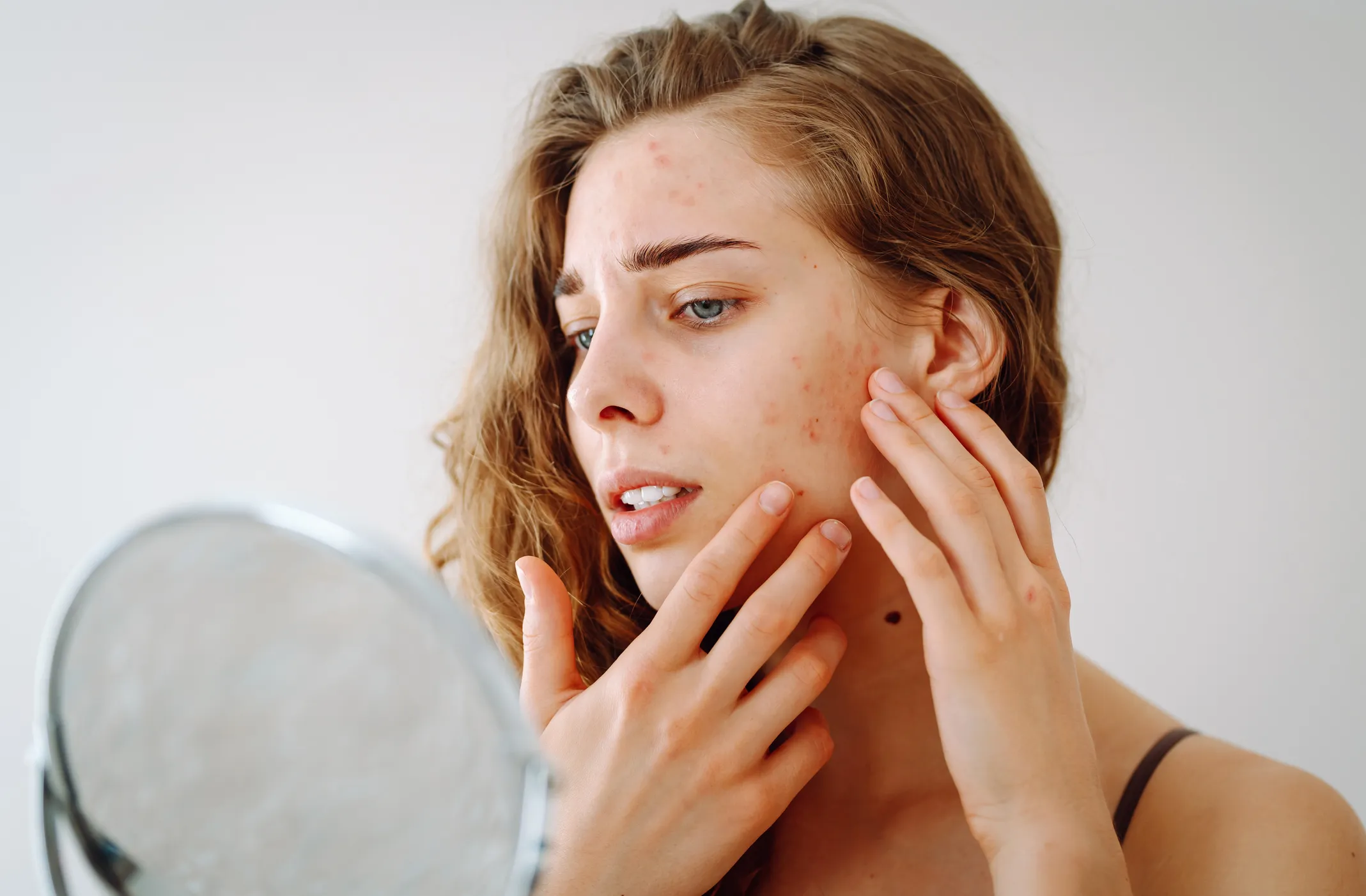
You did everything right. You treated your acne, waited patiently, and your breakouts finally cleared. But what they left behind — uneven texture, dark marks, and indented scars — can feel just as frustrating as the acne itself. If you are wondering how to get rid of acne scars, you are far from alone.
Acne scarring affects up to 95% of people with acne to some degree, according to research published in the journal Clinical, Cosmetic and Investigational Dermatology. The emotional toll is real, too. Studies consistently show that acne scars can impact self-esteem, social interactions, and overall quality of life — sometimes even more than active acne does. We understand how disheartening it can be to finally clear your skin only to feel like the scars keep the struggle visible.
The good news is that dermatology has made tremendous progress in acne scar treatment. Whether you are dealing with shallow discoloration or deep, textured scars, there are proven strategies to significantly improve your skin's appearance. This guide covers everything from at-home remedies to advanced professional procedures, so you can make an informed decision about your next steps.
Quick Answer: How to Get Rid of Acne Scars
The best treatment depends on your scar type. Dark marks (post-inflammatory hyperpigmentation) often fade with topical treatments like retinoids, vitamin C, and sunscreen. True textural scars (ice pick, boxcar, rolling) typically require professional procedures such as microneedling, laser resurfacing, or chemical peels for meaningful improvement.
- For dark marks/discoloration: Retinoids, vitamin C, niacinamide, SPF 30+ sunscreen
- For mild textural scars: Chemical peels, microneedling, topical retinoids
- For moderate to deep scars: Fractional laser resurfacing, RF microneedling, subcision, fillers
- Most important first step: Control active acne before treating scars
Acne Scars vs. Post-Inflammatory Marks: Know the Difference
Before diving into treatments, it is important to understand what you are actually dealing with. Many people use "acne scars" as a blanket term, but there is a critical distinction between true scars and post-inflammatory marks — and it changes which treatments will work for you.
Post-inflammatory hyperpigmentation (PIH) refers to the flat, discolored marks left after a pimple heals. These are not technically scars. They appear as dark brown, reddish, or purple spots depending on your skin tone. PIH affects the skin's color but not its texture, and these marks will generally fade on their own over 3 to 12 months — though targeted treatment can speed that process considerably.
Post-inflammatory erythema (PIE) is similar but appears as flat pink or red marks, most noticeable on lighter skin tones. These are caused by damaged or dilated blood vessels beneath the skin's surface.
True acne scars involve actual structural changes to the skin. They occur when acne damages the deeper layers (the dermis), and the body's healing response produces either too much or too little collagen. These scars alter the skin's texture and do not fade on their own without intervention.
| Feature | Post-Inflammatory Marks (PIH/PIE) | True Acne Scars |
|---|---|---|
| Texture change | No — skin is flat and smooth | Yes — indented or raised |
| Color change | Yes — dark, red, or purple spots | May or may not have color changes |
| Fades on its own | Yes, over 3-12 months | No — permanent without treatment |
| Responds to topicals | Very well | Limited improvement for deeper scars |
| Needs professional treatment | Usually not, but it can help speed fading | Usually yes for significant improvement |
What to expect: If you press a glass slide against a red or pink mark and the color disappears, you likely have post-inflammatory erythema (PIE) rather than a true scar. This simple test can help you and your dermatologist determine the best treatment approach.
Types of Acne Scars
True acne scars fall into two broad categories — atrophic (indented) and hypertrophic/keloidal (raised). Understanding your scar type is essential because different types respond to different treatments.
Atrophic Scars (Indented)
Atrophic scars are the most common type of acne scar. They form when the skin does not produce enough collagen during the healing process, leaving a depression or indentation. According to the American Academy of Dermatology (AAD), atrophic scars include three subtypes:
Ice pick scars are narrow, deep, and sharply defined. They look like the skin has been punctured with a small, pointed instrument. These extend deep into the dermis and are often the most challenging type to treat because of their depth. Ice pick scars are most common on the cheeks.
Boxcar scars are wider than ice pick scars with sharp, well-defined vertical edges. They create a box-like or rectangular depression in the skin. Boxcar scars can be shallow or deep — shallow ones respond well to resurfacing treatments, while deeper ones may require more aggressive approaches.
Rolling scars have sloping, undulating edges that give the skin a wave-like appearance. They are caused by fibrous bands of tissue that tether the skin's surface to deeper structures. Rolling scars tend to become more pronounced with age as the skin loses elasticity.
Hypertrophic and Keloid Scars (Raised)
Hypertrophic scars are raised, firm scars that stay within the boundaries of the original wound. They result from the body producing too much collagen during healing. These scars are more common on the chest, back, shoulders, and jawline.
Keloid scars are similar to hypertrophic scars but extend beyond the boundaries of the original wound. They can continue to grow over time and are more common in people with deeper skin tones. Keloids can be itchy or painful and often require specialized treatment.
| Scar Type | Appearance | Best Treatments |
|---|---|---|
| Ice pick | Narrow, deep pits | TCA CROSS, punch excision, fractional laser |
| Boxcar | Wide, sharp-edged depressions | Fractional laser, microneedling, chemical peels, subcision |
| Rolling | Wave-like undulations | Subcision, microneedling, fractional laser, fillers |
| Hypertrophic | Raised, firm, within wound boundary | Corticosteroid injections, silicone sheets, laser |
| Keloid | Raised, extends beyond wound boundary | Corticosteroid injections, cryotherapy, surgical removal |
At-Home Treatments for Acne Scars
While at-home treatments work best for post-inflammatory marks and mild textural scars, they can also complement professional procedures for more significant scarring. Here are the most evidence-backed options you can start using on your own.
Retinoids (Tretinoin and Adapalene)
Retinoids are among the most well-studied ingredients for improving acne scars. They work by accelerating cell turnover, stimulating collagen production, and promoting skin remodeling. A 2016 study in the Journal of Cosmetic Dermatology found that topical retinoids significantly improved the appearance of atrophic acne scars over 24 weeks of use.
Tretinoin (prescription-strength retinoid) is the most potent option and can be prescribed by a dermatologist. It is particularly effective at fading post-inflammatory hyperpigmentation and improving skin texture over time. Adapalene (available over the counter as Differin) is a gentler alternative that still offers meaningful benefits for mild scarring and dark marks.
Our dermatologists frequently prescribe tretinoin as part of a comprehensive acne treatment plan that addresses both active breakouts and residual scarring. If you are interested in starting a retinoid, we can help you find the right formulation and strength for your skin.
Vitamin C (L-Ascorbic Acid)
Vitamin C is a powerful antioxidant that inhibits melanin production, making it especially effective for fading dark spots and PIH. Research published in the Indian Dermatology Online Journal confirms that topical vitamin C at concentrations of 10-20% can significantly brighten hyperpigmented areas and support collagen synthesis.
Look for serums containing L-ascorbic acid at 10-20% concentration, ideally combined with vitamin E and ferulic acid, which stabilize the formula and enhance its effectiveness. Apply in the morning before sunscreen for the best results.
Niacinamide
Niacinamide (vitamin B3) is a versatile ingredient that reduces hyperpigmentation, strengthens the skin barrier, and has anti-inflammatory properties. A study in the British Journal of Dermatology demonstrated that 5% niacinamide significantly reduced hyperpigmentation after 8 weeks of use. It is well-tolerated by most skin types and pairs well with retinoids and vitamin C.
Alpha Hydroxy Acids (AHAs)
AHAs like glycolic acid and lactic acid exfoliate the skin's surface layer, promoting cell turnover and gradually improving the appearance of shallow scars and discoloration. Over-the-counter products typically contain 5-10% AHA concentrations. Higher concentrations (20-70%) are used in professional chemical peels and should only be applied by trained providers.
Azelaic Acid
Azelaic acid (available OTC at 10% or by prescription at 15-20%) is particularly valuable for people with darker skin tones because it fades hyperpigmentation without the risk of further discoloration that some other treatments carry. It also has anti-inflammatory and antibacterial properties, so it can treat active acne and improve marks simultaneously.
Sunscreen
This cannot be overstated: daily sunscreen use is the single most important step for preventing acne scars from getting darker. UV exposure stimulates melanin production in areas of post-inflammatory hyperpigmentation, making marks more prominent and longer-lasting. The AAD recommends broad-spectrum SPF 30 or higher, applied every day — even on cloudy days and even if you are spending most of your time indoors.
What to expect: At-home treatments require patience. Most topical ingredients take 8 to 12 weeks of consistent use before you will notice meaningful improvement in dark marks. True textural scars may show modest softening with retinoids, but significant improvement typically requires professional treatment.
Professional Treatments for Acne Scars
When at-home products are not enough — particularly for moderate to deep textural scars — professional dermatologic procedures can deliver transformative results. Many of these treatments work by creating controlled micro-injuries in the skin, triggering the body's natural healing response and new collagen production.
Chemical Peels
Chemical peels use acids (glycolic, salicylic, trichloroacetic acid, or combinations) to remove damaged surface layers of skin, revealing smoother, more even skin beneath. They are graded by depth:
- Superficial peels (glycolic acid 20-35%, salicylic acid): Best for PIH and very mild textural irregularities. Minimal downtime.
- Medium-depth peels (TCA 15-35%, Jessner's solution + TCA): Effective for shallow boxcar scars and persistent discoloration. Several days of peeling and redness.
- Deep peels (TCA 50%+ or phenol): Reserved for significant scarring. Longer recovery but more dramatic results.
A specialized technique called TCA CROSS (Chemical Reconstruction of Skin Scars) involves applying high-concentration trichloroacetic acid directly into individual ice pick scars. Research published in Dermatologic Surgery found that TCA CROSS produced significant improvement in ice pick and narrow boxcar scars, with 70% or greater improvement in over half of treated scars after multiple sessions.
Cost: $150-$800 per session depending on depth and area treated. Most patients need 3-6 sessions.
Microneedling
Microneedling (also called collagen induction therapy) uses a device with fine needles to create thousands of tiny, controlled punctures in the skin. This triggers the body's wound-healing cascade, producing new collagen and elastin that fills in and smooths out scarred areas.
A 2018 systematic review in the Journal of the American Academy of Dermatology confirmed that microneedling is an effective and safe treatment for atrophic acne scars, with studies showing 50-70% improvement after a series of treatments. It works well for rolling and boxcar scars and is safe for all skin tones — an important advantage over some laser treatments.
Radiofrequency (RF) microneedling combines traditional microneedling with radiofrequency energy for deeper collagen remodeling. Devices like Morpheus8 and Vivace deliver RF energy through the needles, heating the deeper layers of skin for enhanced tightening and scar improvement.
Cost: $250-$700 per session for standard microneedling; $800-$1,500 for RF microneedling. Most patients need 3-6 sessions spaced 4-6 weeks apart.
Laser Resurfacing
Laser treatments are among the most effective professional options for acne scars. They work by using focused light energy to remove or remodel damaged skin, stimulating new collagen growth in the process.
Ablative fractional lasers (CO2 and erbium:YAG) vaporize tiny columns of skin tissue while leaving surrounding skin intact, allowing for faster healing. These are the most powerful laser option for acne scars. A study in JAMA Dermatology found that fractional CO2 laser treatment produced 26-50% clinical improvement in acne scars after a single session, with greater improvement after multiple treatments.
Non-ablative fractional lasers (like Fraxel Restore) heat the deeper skin layers without damaging the surface, stimulating collagen remodeling with less downtime. Results are more gradual and typically require more sessions compared to ablative lasers.
Important: Some laser treatments carry a higher risk of post-inflammatory hyperpigmentation in people with darker skin tones (Fitzpatrick skin types IV-VI). If you have a deeper complexion, discuss this risk with your dermatologist before proceeding. Microneedling and certain non-ablative lasers (like Nd:YAG) may be safer alternatives.
Cost: $1,000-$3,000+ per session for ablative fractional lasers; $500-$1,500 for non-ablative options. Most patients need 1-3 ablative sessions or 3-6 non-ablative sessions.
Subcision
Subcision is a minor surgical procedure where a needle is inserted beneath the scar to break the fibrous bands tethering the skin down. This is particularly effective for rolling scars, which are caused by these exact tethering bands. Once the bands are released, the skin can spring back up, and new collagen fills the space beneath.
Subcision is often combined with other treatments — like microneedling, fillers, or laser — for optimal results. Research has shown that combining subcision with other modalities produces significantly better outcomes than any single treatment alone.
Cost: $200-$500 per session. Usually 1-3 sessions needed.
Dermal Fillers
Injectable fillers (typically hyaluronic acid like Juvederm or Restylane) can be placed directly beneath individual scars to raise them to the level of the surrounding skin. This provides immediate visible improvement. The FDA has approved specific fillers like Bellafill for acne scar correction.
Hyaluronic acid fillers are temporary (lasting 6-18 months), while Bellafill is a semi-permanent option. Fillers work best for rolling and boxcar scars that have a defined, broader depression.
Cost: $500-$1,500 per syringe. Results are immediate but temporary with HA fillers.
Professional Treatment Comparison
| Treatment | Best For | Sessions Needed | Downtime | Cost per Session |
|---|---|---|---|---|
| Chemical peels | PIH, shallow scars | 3-6 | 1-7 days | $150-$800 |
| Microneedling | Rolling, boxcar scars | 3-6 | 1-3 days | $250-$700 |
| RF microneedling | Moderate scars, skin tightening | 3-4 | 2-5 days | $800-$1,500 |
| Ablative laser | Moderate to deep scars | 1-3 | 5-14 days | $1,000-$3,000+ |
| Non-ablative laser | Mild to moderate scars | 3-6 | 1-3 days | $500-$1,500 |
| Subcision | Rolling scars with tethered bands | 1-3 | 1-2 days | $200-$500 |
| Dermal fillers | Individual deep scars | 1 (repeat as needed) | Minimal | $500-$1,500 |
How to Prevent Acne Scars
The best scar treatment is prevention. While you cannot always avoid scarring entirely, these strategies significantly reduce your risk.
1. Treat Active Acne Early and Aggressively
The single most effective way to prevent acne scars is to treat acne as early as possible. The longer and more severe acne persists, the greater the risk of permanent scarring. If over-the-counter products are not controlling your breakouts within 8-12 weeks, it is time to see a dermatologist for prescription options.
For persistent acne that has not responded to other treatments, Accutane (isotretinoin) is highly effective at clearing acne and preventing the formation of new scars. Our dermatologists can evaluate whether isotretinoin is the right choice for your situation.
2. Do Not Pick, Pop, or Squeeze
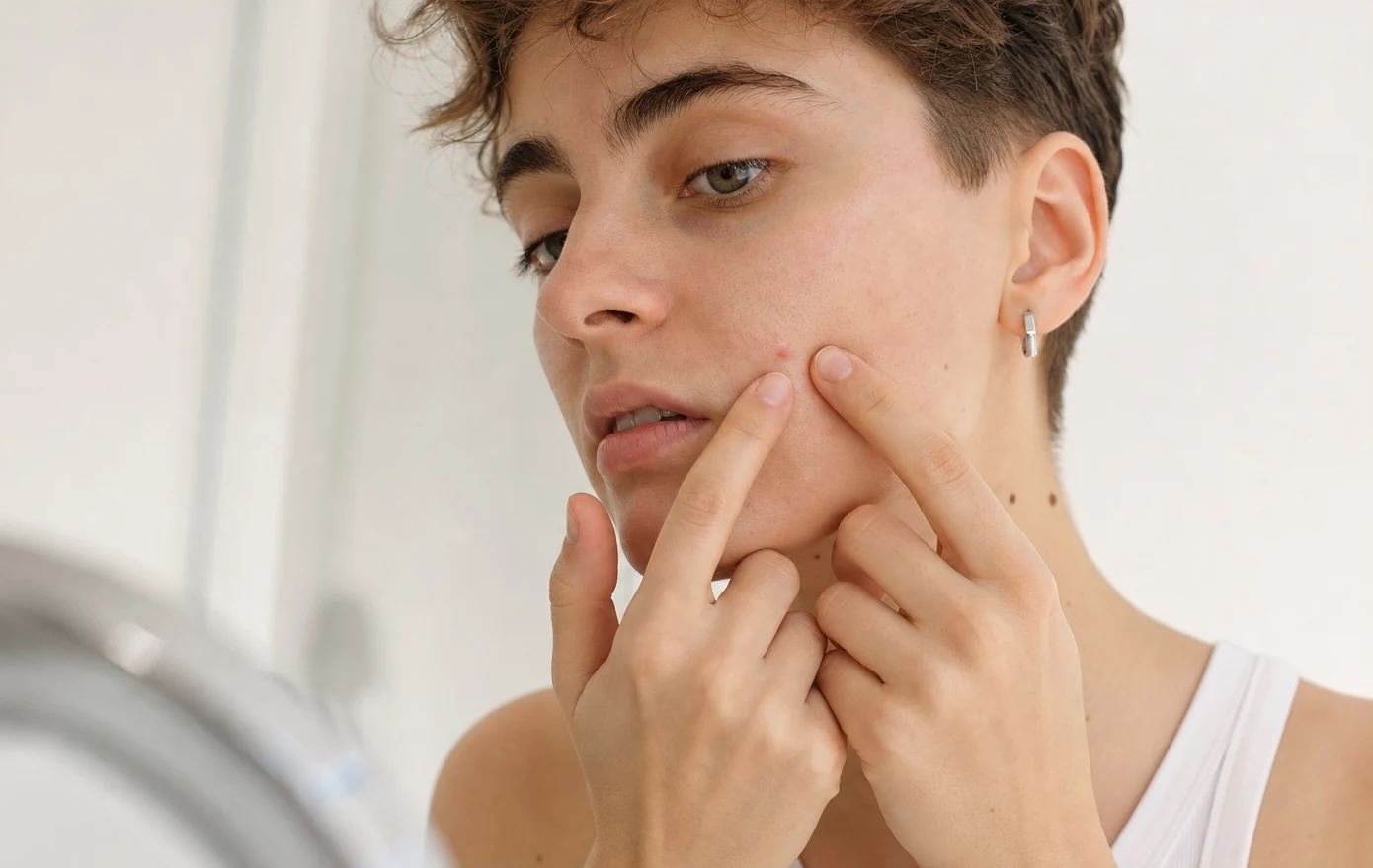
This is advice you have heard before, but it bears repeating because it is so important. Manipulating acne lesions — especially deep, inflammatory cysts and nodules — dramatically increases the risk of scarring. Picking pushes bacteria and inflammation deeper into the skin, causing more tissue damage and a worse healing outcome.
3. Use Sunscreen Daily
UV exposure worsens post-inflammatory hyperpigmentation and can interfere with the skin's healing process. Consistent sunscreen use (SPF 30+, broad-spectrum) protects healing skin and prevents dark marks from becoming more pronounced.
4. Manage Inflammation
Inflammatory acne (red, swollen pimples, cysts, and nodules) is far more likely to scar than non-inflammatory acne (blackheads and whiteheads). Anti-inflammatory treatments — including topical antibiotics, benzoyl peroxide, and prescription medications — can help control inflammation and reduce scarring risk.
Red flag: If you are developing deep, painful cysts or nodules, do not wait to seek treatment. Cystic acne carries the highest risk of permanent scarring. Our dermatologists can see you same-day or next-day to start an aggressive treatment plan before scarring occurs.
When to See a Dermatologist for Acne Scars
While mild dark marks may respond well to at-home care, there are clear situations where professional guidance makes a meaningful difference:
- You have textural scars (ice pick, boxcar, or rolling) — these almost always need professional treatment for significant improvement
- Dark marks have not faded after 3-6 months of consistent at-home treatment
- You have active acne and scarring — treating both simultaneously requires a coordinated plan
- You have keloid or hypertrophic scars — these tend to worsen without proper treatment
- Scars are significantly affecting your confidence or emotional well-being
- You are unsure what type of scars you have — proper diagnosis guides treatment selection
A board-certified dermatologist can evaluate your specific scar types, assess your skin tone, and create a personalized treatment plan that combines the most effective approaches for your situation. Many patients see the best results from combination therapy — using multiple treatment modalities together rather than relying on a single approach.
What to expect: At Honeydew, our dermatologists can evaluate your acne scars through a virtual consultation and create a personalized treatment plan. While procedures like microneedling and lasers are performed in person, we can prescribe topical treatments (like tretinoin and azelaic acid), help you control active acne to prevent new scars, and guide you on which professional procedures to pursue. Visit our pricing page to learn more.
Building an Effective At-Home Routine for Acne Scars
If you are ready to start addressing acne scars at home, here is a dermatologist-recommended routine framework. Keep in mind that you do not need to use every product mentioned — a simpler routine used consistently will outperform a complicated one you cannot stick with.
Morning Routine
- Gentle cleanser — avoid harsh scrubs that can irritate healing skin
- Vitamin C serum (10-20% L-ascorbic acid) — brightening and collagen support
- Moisturizer — maintains skin barrier health
- Broad-spectrum SPF 30+ — non-negotiable for scar fading
Evening Routine
- Gentle cleanser
- Retinoid (tretinoin or adapalene) — start 2-3 times per week, gradually increase
- Moisturizer — apply after retinoid to buffer irritation if needed
You can add niacinamide (morning or evening, pairs well with most ingredients) or azelaic acid (use in place of or alongside retinoid on alternate nights) as your skin tolerates.
Red flag: Be cautious about using too many active ingredients at once. Combining multiple exfoliating acids with retinoids can damage your skin barrier, leading to irritation, redness, and even worsened hyperpigmentation. Introduce new products one at a time, waiting 2-4 weeks between additions.
Taking the Next Step
Dealing with acne scars can be a frustrating journey, but it does not have to be one you navigate alone. Whether you are dealing with lingering dark marks or deeper textural scars, the right treatment plan can make a dramatic difference in how your skin looks and how you feel about it.
The most important steps you can take right now are:
- Start with sunscreen and a retinoid — these two products alone can meaningfully improve most post-acne marks
- Control any active acne — new breakouts lead to new scars, so addressing active acne is always priority one
- Get a professional assessment — a dermatologist can identify your scar types and recommend the most efficient path to improvement
- Be patient and consistent — skin remodeling takes time, and most treatments show their full results over weeks to months
Our board-certified dermatologists have treated over 100,000 acne cases and understand the full spectrum of acne scarring. We are here to help you build a plan that addresses your specific concerns — starting with a convenient, same-day or next-day virtual appointment. You can read what our patients have to say on our reviews page.
.webp)

Medically Reviewed by
Joel Spitz, MD
Co-Founder & Chief Medical Officer, Board Certified Dermatologist