Key Takeaways

If your dermatologist has prescribed clindamycin for your acne — or you have seen it listed as an ingredient in acne treatments and wondered whether it actually works — you are in the right place. Topical clindamycin has been a mainstay in acne treatment for decades, and it remains one of the most effective tools for reducing inflammatory breakouts when used correctly.
The key phrase there is "when used correctly." Clindamycin is a powerful topical antibiotic, but using it the wrong way — particularly without a companion ingredient like benzoyl peroxide — can lead to antibiotic resistance, which means the medication stops working over time. The American Academy of Dermatology (AAD) guidelines specifically recommend against using topical antibiotics as monotherapy for acne, and understanding why is just as important as understanding how clindamycin works in the first place.
Whether you are just starting clindamycin, considering it as a treatment option, or wondering why your current routine includes it, this guide will walk you through everything you need to know.
Quick Answer: Does Clindamycin Help Acne?
Yes. Topical clindamycin is an effective treatment for mild to moderate inflammatory acne. It works by killing Cutibacterium acnes bacteria and reducing inflammation in the skin.
- How it works: Antibacterial + anti-inflammatory action
- Timeline: Initial improvement in 2 to 4 weeks; full results by 8 to 12 weeks
- Critical rule: Always use with benzoyl peroxide to prevent antibiotic resistance
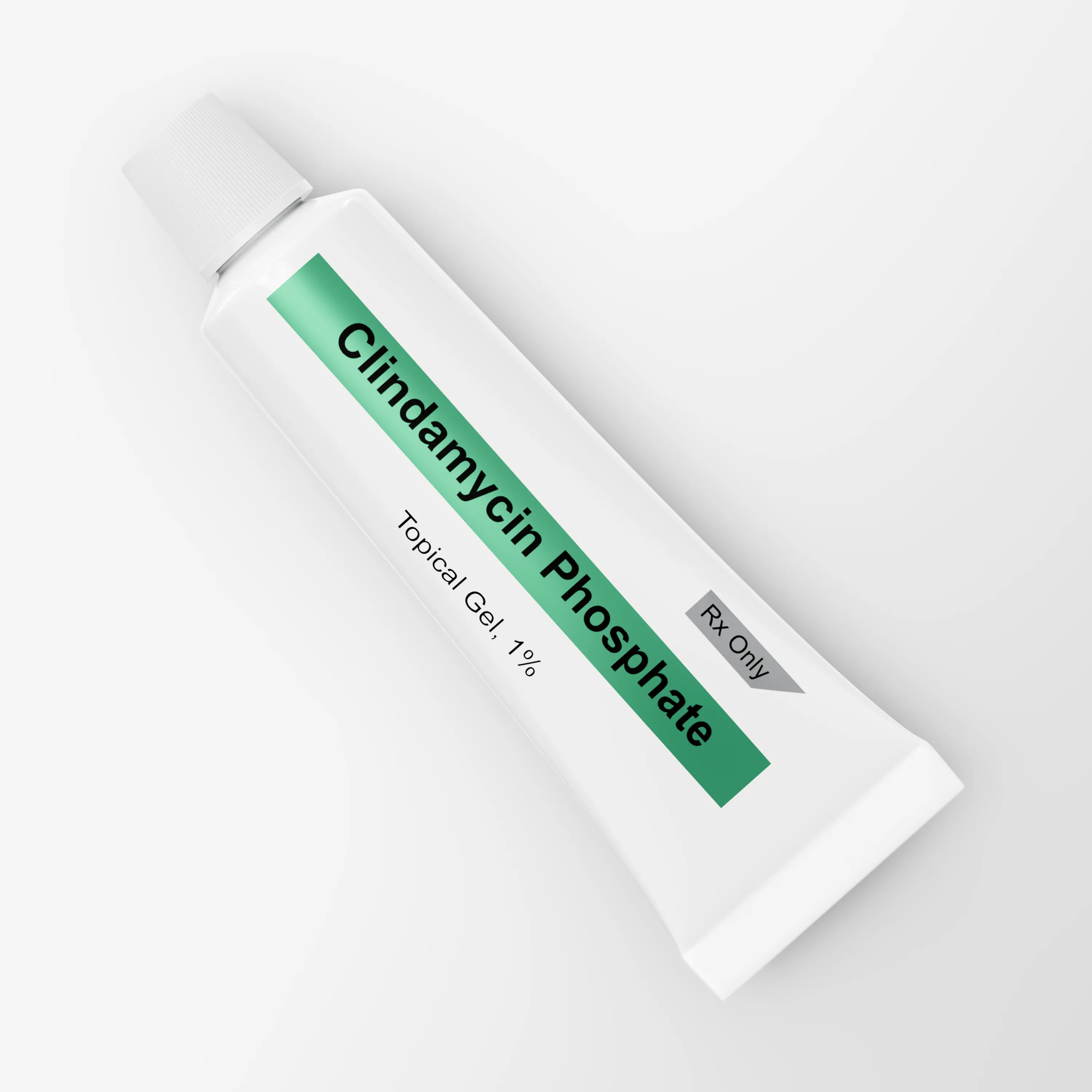
- Available forms: Gel, lotion, solution, foam, and combination products
- Common formulation: Clindamycin 1% + benzoyl peroxide (various strengths)
Need a personalized acne treatment plan? Start your consultation with Honeydew.
How Does Clindamycin Work for Acne?
To understand what clindamycin does for acne, it helps to understand what drives inflammatory acne in the first place. When a pore becomes clogged with dead skin cells and excess oil, the bacterium Cutibacterium acnes (formerly Propionibacterium acnes) thrives in that oxygen-poor environment. As the bacteria multiply, they trigger your immune system to respond — and that immune response is what creates the redness, swelling, and pain of an inflammatory pimple.
Clindamycin attacks this process through two complementary mechanisms:
- Antibacterial action: Clindamycin is a lincosamide antibiotic that works by binding to the 50S ribosomal subunit of bacteria, blocking their ability to produce proteins essential for growth and survival. This effectively stops C. acnes from multiplying inside clogged pores. A 2009 review in the Journal of Clinical and Aesthetic Dermatology confirmed that topical clindamycin significantly reduces C. acnes colony counts on the skin within weeks of starting treatment.
- Anti-inflammatory action: Beyond its direct antibacterial effect, clindamycin also suppresses several inflammatory mediators. It inhibits the production of pro-inflammatory cytokines — signaling molecules that recruit immune cells to the site of infection — and reduces neutrophil chemotaxis, meaning fewer inflammatory cells migrate to clogged pores. A 2018 study in Dermatology and Therapy demonstrated that clindamycin's anti-inflammatory properties contribute meaningfully to its clinical effectiveness in acne, independent of its antibacterial activity.
This dual mechanism is why clindamycin works particularly well for inflammatory acne — the red, swollen pimples, pustules, and papules that are driven by bacterial activity and immune response. It is less effective for purely comedonal acne (blackheads and whiteheads without inflammation), which is driven more by pore clogging than by bacteria. For that component, a topical retinoid like tretinoin is the better tool.
What to expect: Clindamycin targets the bacteria and inflammation that make pimples red, swollen, and painful. You may notice that existing breakouts look calmer and heal faster before you see a significant reduction in new ones forming.
How to Use Clindamycin for Acne
Using clindamycin correctly is straightforward, but a few details matter for getting the best results and minimizing the risk of resistance.
Step-by-Step Application
- Cleanse your skin: Wash your face with a gentle, non-comedogenic cleanser and pat dry. Avoid harsh scrubs or exfoliants that can irritate skin already being treated with active ingredients.
- Apply a thin layer of clindamycin: Using clean fingertips, apply a pea-sized amount to the affected areas — or your entire face if directed by your dermatologist. Most formulations are designed for once- or twice-daily application.
- Apply benzoyl peroxide: If you are using separate clindamycin and benzoyl peroxide products (rather than a combination product), apply benzoyl peroxide to the same areas. Some dermatologists recommend applying one in the morning and the other at night. Follow your provider's specific instructions.
- Moisturize: After your treatments have absorbed (typically 5 to 10 minutes), apply a lightweight, oil-free moisturizer. This helps counteract any dryness from benzoyl peroxide.
- Sunscreen (morning routine): Apply SPF 30+ sunscreen as your final step if using clindamycin in the morning. While clindamycin itself does not cause significant photosensitivity, benzoyl peroxide and any concurrent retinoid use can make your skin more sun-sensitive.
Available Formulations
Clindamycin comes in several topical formulations, and your dermatologist will choose one based on your skin type and preferences:
| Formulation | Best For | Notes |
|---|---|---|
| Gel | Oily or combination skin | Lightweight, dries quickly; most commonly prescribed form |
| Lotion | Normal to dry skin | More hydrating; good for patients prone to dryness |
| Solution | Oily skin; large surface areas | Often contains alcohol; may be drying |
| Foam | Any skin type | Easy to spread; cosmetically elegant |
| Combination product (clindamycin + benzoyl peroxide) | Most acne patients | Single-step application; reduces resistance risk by design |
Combination products that contain both clindamycin and benzoyl peroxide in one tube — such as clindamycin 1.2%/benzoyl peroxide 2.5% or 5% — are often the most convenient option and help ensure you never accidentally use clindamycin alone.
Why You Should Never Use Clindamycin Alone: The Antibiotic Resistance Problem
This is the single most important thing to understand about using clindamycin for acne. If there is one takeaway from this entire article, it is this: do not use topical clindamycin without benzoyl peroxide.
When clindamycin is applied to the skin on its own, C. acnes bacteria are under selective pressure to develop resistance. The bacteria that happen to have genetic mutations that allow them to survive clindamycin's protein synthesis blockade will survive and multiply, while susceptible bacteria are killed off. Over weeks and months, resistant strains become dominant — and clindamycin stops working.
This is not a theoretical concern. A 2012 study in the British Journal of Dermatology found that resistance rates of C. acnes to clindamycin had risen significantly across multiple countries, with some regions reporting resistance rates exceeding 50%. The AAD guidelines now explicitly state that topical antibiotics should not be used as monotherapy for acne — they should always be combined with benzoyl peroxide.
How Benzoyl Peroxide Prevents Resistance
Benzoyl peroxide kills bacteria through oxidative damage — a mechanism that bacteria cannot easily develop resistance to. Unlike antibiotics that target a specific biological pathway (which bacteria can evolve around), benzoyl peroxide releases free oxygen radicals that damage multiple cellular structures simultaneously. This non-specific killing mechanism means that even antibiotic-resistant strains of C. acnes remain susceptible to benzoyl peroxide.
When you use clindamycin and benzoyl peroxide together, the benzoyl peroxide effectively "cleans up" any bacteria that might be developing resistance to clindamycin, preventing resistant strains from taking hold. A 2010 systematic review in the British Journal of Dermatology confirmed that the combination of clindamycin plus benzoyl peroxide was significantly more effective than either agent alone and substantially reduced the emergence of resistant bacterial strains.
Red flag: If a provider prescribes topical clindamycin without also prescribing benzoyl peroxide (either separately or in a combination product), ask about it. Using clindamycin alone promotes antibiotic resistance and goes against current dermatology guidelines. A responsible treatment plan always pairs these two ingredients together.
How Long to Use Clindamycin for Acne
Understanding the timeline for clindamycin is important both for managing your expectations and for knowing when the medication should be reassessed.
When You Will See Results
| Timeframe | What to Expect |
|---|---|
| Weeks 1-2 | Reduced redness and inflammation; existing breakouts start calming down; new pimples may still appear |
| Weeks 3-4 | Fewer new breakouts; lesions heal faster; noticeable improvement in skin texture |
| Weeks 6-8 | Significant clearing for most patients; inflammatory lesion counts reduced substantially |
| Weeks 8-12 | Full results achieved; time to reassess treatment plan with your dermatologist |
A 2009 review in the Journal of Clinical and Aesthetic Dermatology found that clindamycin-benzoyl peroxide combination products typically produce statistically significant reductions in both inflammatory and non-inflammatory lesion counts by week 4, with continued improvement through week 12.
How Long Can You Stay on Clindamycin?
Unlike oral antibiotics such as doxycycline, which are typically limited to 3 to 4 months, topical clindamycin combined with benzoyl peroxide can be used for longer periods when necessary — precisely because benzoyl peroxide helps prevent resistance. However, most dermatologists still treat topical antibiotics as a tool for getting acne under control rather than a permanent maintenance strategy.
A common approach is to use clindamycin-benzoyl peroxide for the first 2 to 3 months while a topical retinoid (like tretinoin or adapalene) is introduced and given time to take full effect. Once the retinoid is established, the clindamycin component may be discontinued while benzoyl peroxide and the retinoid continue as the maintenance regimen.
What to expect: Your dermatologist may adjust your treatment plan over time — starting with clindamycin-benzoyl peroxide for active breakouts, then shifting to a retinoid-based maintenance regimen once your skin has cleared. This phased approach is standard practice and a sign of thoughtful treatment planning, not a sign that something is wrong.
Clindamycin in Combination Therapy: Where It Fits in Your Acne Treatment Plan
Clindamycin rarely works in isolation. Understanding where it fits within a broader acne treatment strategy helps you get the most out of it.
Clindamycin + Benzoyl Peroxide
This is the foundational combination. As discussed above, benzoyl peroxide prevents antibiotic resistance while adding its own antibacterial and comedolytic effects. The 2010 British Journal of Dermatology review found this combination to be one of the most effective topical regimens for mild to moderate inflammatory acne.
Clindamycin + Benzoyl Peroxide + Retinoid
Adding a topical retinoid (tretinoin or adapalene) to the clindamycin-benzoyl peroxide combination creates a triple-threat regimen that addresses acne from every angle: bacterial reduction, anti-inflammatory action, pore unclogging, and normalized skin cell turnover. This is often considered the gold standard for topical acne therapy. Your dermatologist will typically recommend applying the retinoid at night and the clindamycin-benzoyl peroxide in the morning to minimize irritation.
Clindamycin + Oral Treatments
For moderate to severe acne, topical clindamycin may be combined with oral medications. Common pairings include:
- Oral antibiotics (doxycycline): The oral antibiotic provides systemic bacterial reduction while topical clindamycin targets the skin surface. However, dermatologists generally avoid prescribing two antibiotics simultaneously for extended periods. For more on how doxycycline fits into acne treatment, see our guide on how long doxycycline takes to work for acne.
- Spironolactone: For patients with hormonal acne, spironolactone addresses the hormonal drivers while clindamycin manages the bacterial and inflammatory components. Learn more in our spironolactone guide.
- Isotretinoin (Accutane): Topical clindamycin is generally not used alongside Accutane, since isotretinoin dramatically reduces oil production and bacterial colonization on its own. If your acne has not responded to topical antibiotics and other treatments, Accutane may be the more appropriate next step.
Clindamycin Side Effects
Topical clindamycin is generally very well tolerated. Because it is applied directly to the skin rather than taken orally, systemic side effects are rare. That said, a few things are worth knowing.
Common Side Effects
- Mild dryness or peeling: More often caused by the benzoyl peroxide in combination products than by clindamycin itself. A lightweight, oil-free moisturizer usually manages this easily.
- Mild stinging or burning: Some patients experience brief irritation upon application, especially in the first few days of use. This typically resolves as your skin adjusts.
- Oiliness or skin film: Certain formulations (particularly solutions) may leave a slight residue. Switching to a gel or foam formulation can help if this bothers you.
Uncommon Side Effects
- Contact dermatitis: Allergic reactions to topical clindamycin are uncommon but can occur. Signs include persistent redness, itching, or rash that worsens with use rather than improving. Discontinue use and contact your dermatologist if you suspect an allergic reaction.
- Gastrointestinal effects: Oral clindamycin carries a well-known risk of Clostridioides difficile colitis, a serious intestinal infection. With topical clindamycin, systemic absorption is minimal, and this risk is extremely low. However, if you experience significant diarrhea while using topical clindamycin, notify your dermatologist.
Red flag: If you develop persistent diarrhea, abdominal cramping, or bloody stools while using topical clindamycin, stop the medication and contact your dermatologist right away. While extremely rare with topical use, these symptoms could indicate C. difficile infection and require prompt evaluation.
Can Clindamycin Make Acne Worse?
This is a question we hear frequently, and the answer has some nuance.
Clindamycin itself does not typically cause an initial breakout or purging phase the way retinoids can. Because it does not accelerate skin cell turnover, it does not bring hidden clogged pores to the surface. If you are experiencing what looks like worsening acne in the first week or two, there are a few possible explanations:
- Natural acne fluctuation: Acne waxes and wanes. Pores that were already in the process of becoming inflamed before you started treatment will still progress to visible breakouts. This is not the medication making things worse — it is your skin working through a cycle that was already underway.
- Concurrent retinoid purging: If you started clindamycin at the same time as a retinoid (tretinoin or adapalene), the retinoid — not the clindamycin — may be causing a temporary purge as it accelerates cell turnover and pushes clogged pores to the surface. This is a normal and expected phase that resolves within 4 to 8 weeks.
- Antibiotic resistance: If you have used topical antibiotics in the past — especially without benzoyl peroxide — your C. acnes bacteria may already be partially resistant to clindamycin, reducing its effectiveness. In this case, the medication is not making acne worse; it is simply not helping as much as expected.
- Product irritation: Rarely, the vehicle (gel, lotion, etc.) or other ingredients in the formulation may irritate your skin, leading to increased redness or breakouts. Switching formulations can resolve this.
If you feel your acne is genuinely getting worse after several weeks on clindamycin, talk to your dermatologist. They can assess whether the treatment needs adjustment, whether resistance is a factor, or whether a different approach — such as a more comprehensive acne treatment plan — would be more effective.
When Clindamycin May Not Be Enough
Topical clindamycin is a solid tool for mild to moderate inflammatory acne, but it has limitations. There are situations where your dermatologist may recommend stepping up to a stronger treatment:
- Severe inflammatory or cystic acne: Deep, painful cysts and nodules often require systemic treatment — either oral antibiotics as a short-term bridge or isotretinoin (Accutane) for a more definitive approach. Learn more about treating cystic acne.
- Acne that has not responded to topical therapy: If you have been consistently using clindamycin-benzoyl peroxide plus a retinoid for 3 months without meaningful improvement, it may be time to consider oral medications or Accutane.
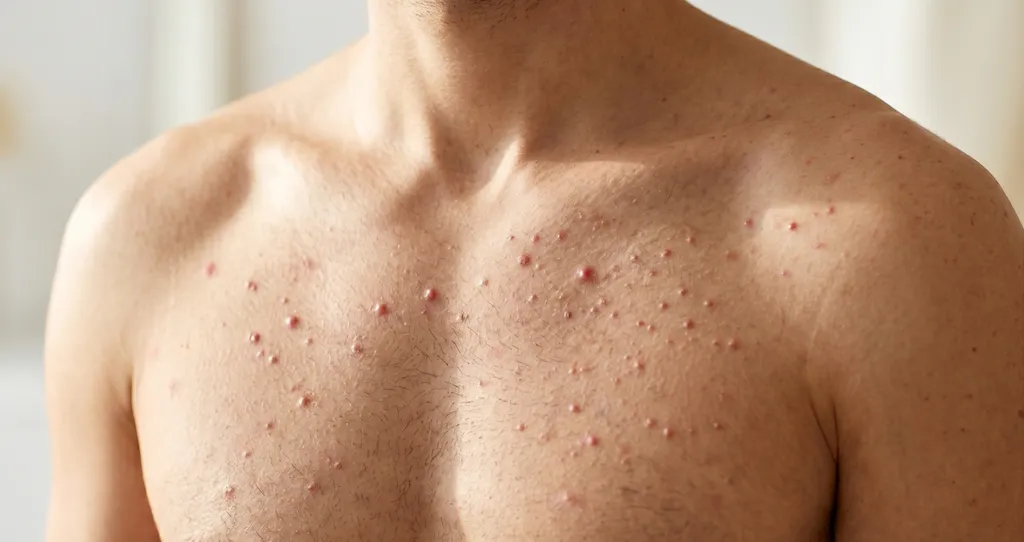
- Widespread body acne: Topical clindamycin is practical for the face but can be cumbersome to apply to large areas of the back or chest. Oral treatments or specialized body acne approaches may be more practical. See our guides on back acne and chest acne.
- Hormonally driven acne: If your breakouts are closely tied to hormonal fluctuations, topical antibiotics address the symptoms but not the underlying cause. Spironolactone or other hormonal treatments may be needed alongside topical therapy. See our guide on hormonal acne treatment.
What to expect: Clindamycin is often one part of a larger treatment plan. If it is not providing enough improvement on its own (even with benzoyl peroxide and a retinoid), your dermatologist has a range of next-step options. Persistent acne is not a failure — it is a signal to adjust the strategy, and effective treatments exist for every level of severity.
Tips for Getting the Most Out of Clindamycin
- Apply consistently: Use clindamycin at the same time each day as part of your routine. Consistency is more important than doubling up on missed applications.
- Always pair with benzoyl peroxide: Whether in a combination product or applied separately, do not use clindamycin without benzoyl peroxide. This is non-negotiable for preventing resistance.
- Give it time: Do not expect overnight results. Most people see meaningful improvement by 4 to 6 weeks, but full results take 8 to 12 weeks.
- Apply to the entire affected area: Unless your dermatologist directs otherwise, apply clindamycin to the full area prone to breakouts — not just individual pimples. The goal is to prevent new lesions, not just treat existing ones.
- Do not double up if you miss a dose: If you forget an application, simply resume your regular schedule. Applying extra product does not make it work faster and may increase irritation.
- Wash your hands after application: While topical clindamycin is safe for the skin, it is good practice to wash your hands after applying any topical medication.
- Moisturize: Benzoyl peroxide can be drying. A lightweight, non-comedogenic moisturizer helps keep your skin barrier healthy while treatment works.
When to Talk to Your Dermatologist
- No improvement after 6 to 8 weeks of consistent use with benzoyl peroxide
- Acne is getting noticeably worse despite treatment
- You are experiencing significant irritation, burning, or allergic reaction
- You develop persistent diarrhea or GI symptoms
- You want to discuss transitioning to a long-term maintenance regimen
.webp)

Medically Reviewed by
Joel Spitz, MD
Co-Founder & Chief Medical Officer, Board Certified Dermatologist


.webp)