Key Takeaways

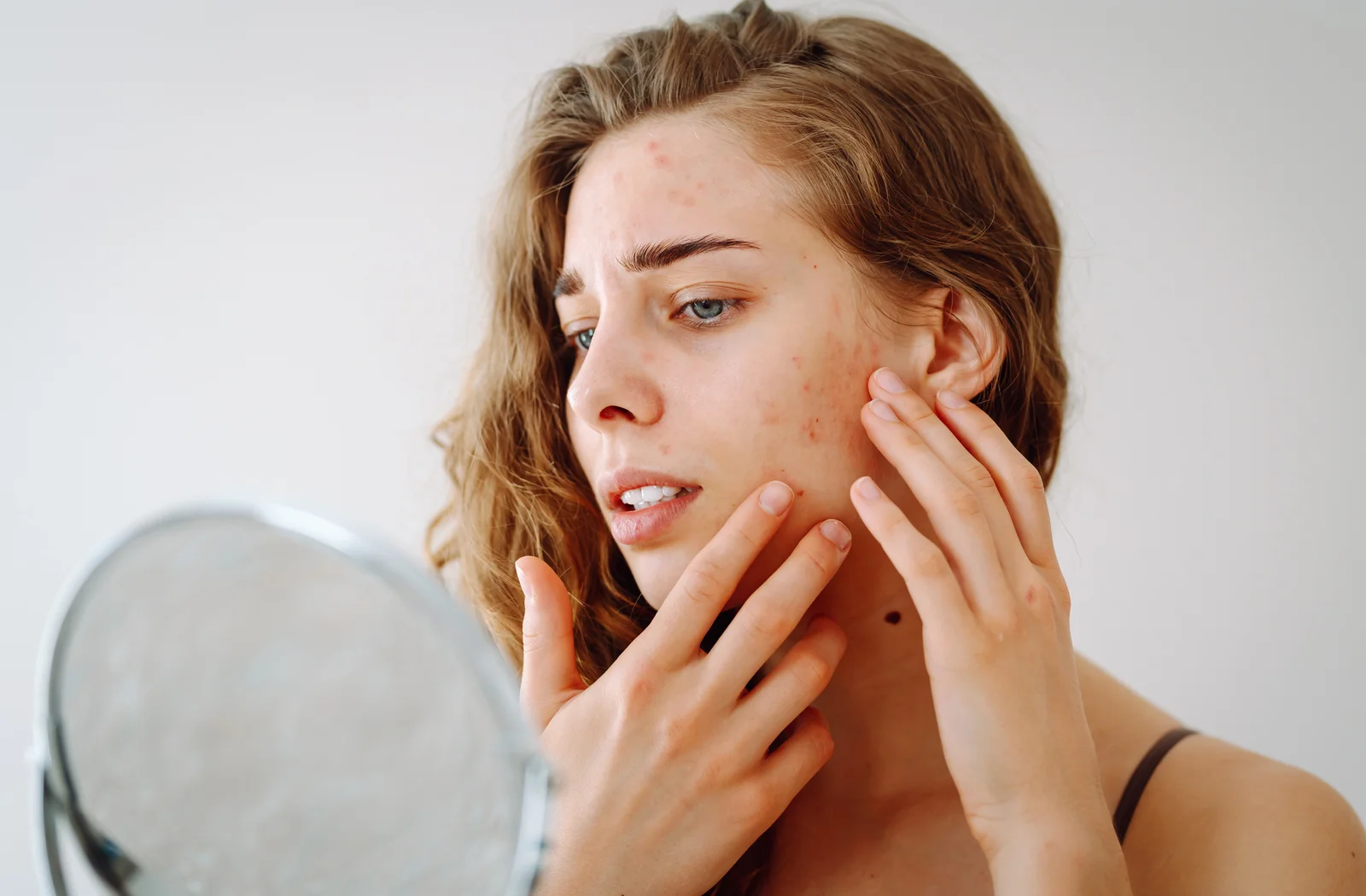
You started a new birth control method expecting to prevent pregnancy, not to wage war on your skin. But a few weeks in, your chin is covered in pimples that were not there before. Or maybe you have been on a particular contraceptive for months and your skin has never been worse. Either way, you are wondering the same thing: can my birth control be causing this acne breakout?
Quick Answer: Can Birth Control Cause Acne?
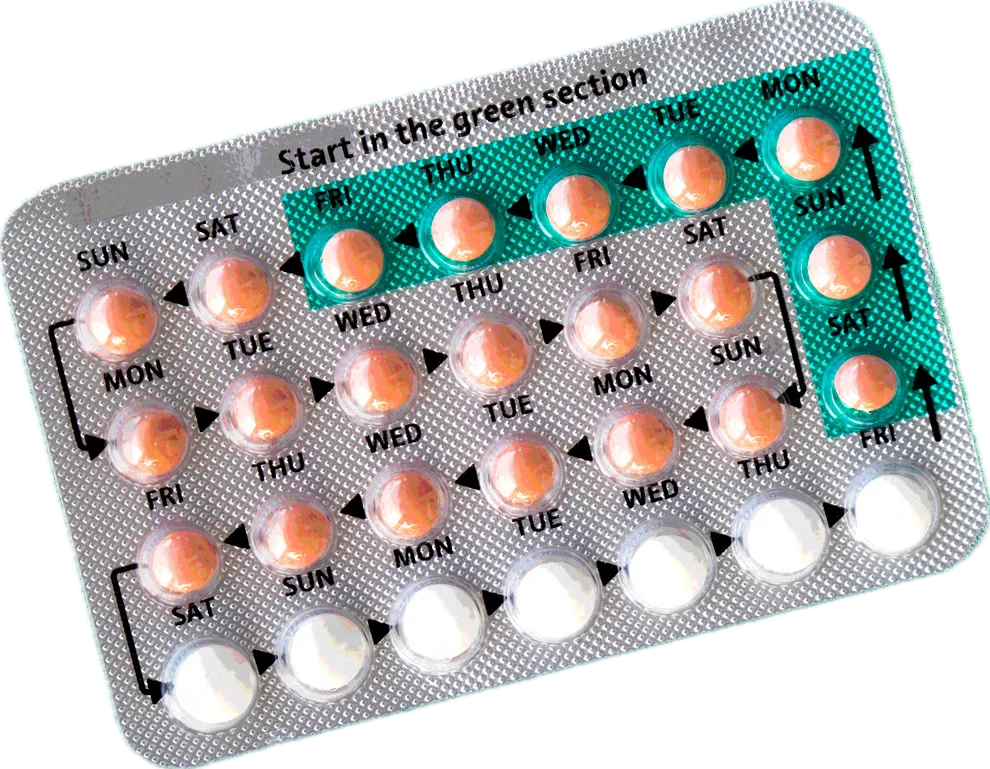
Yes. Certain types of birth control can trigger or worsen acne breakouts. Here is the key breakdown:
- Progestin-only methods (mini-pill, hormonal IUD, implant, shot) can worsen acne in some people and lack the acne-improving estrogen component of combination pills
- Some combination pills with androgenic progestins (like levonorgestrel or norgestrel) can also trigger breakouts
- Stopping any hormonal contraceptive can cause a temporary acne flare as your hormones rebalance
- The Depo-Provera shot lists acne as a possible adverse reaction, but evidence does not establish it as the highest-risk method
If you are dealing with birth control-related acne, a dermatologist can help you find effective treatments. Learn more about acne treatment options.
The short answer is yes. While some contraceptives are known to improve skin, others can do the exact opposite. The difference comes down to the type of hormones in your contraceptive and how those hormones interact with your body's androgen receptors. Certain progestins — the synthetic forms of progesterone used in many birth control methods — have androgenic properties, meaning they behave similarly to male hormones like testosterone. And androgens are one of the primary drivers of hormonal acne.
How Birth Control Affects Your Skin
To understand why certain contraceptives cause acne, you need to understand how hormones affect your skin in the first place.
Acne is fundamentally driven by androgens — hormones like testosterone and its more potent derivative, dihydrotestosterone (DHT). Everyone produces androgens, regardless of sex. When androgens bind to receptors in your sebaceous (oil) glands, they ramp up sebum production. Excess sebum clogs pores, creates an environment where acne-causing bacteria thrive, and leads to the inflammation that turns a clogged pore into a red, painful breakout.
Estrogen, on the other hand, tends to oppose androgens at the skin level. It reduces sebum production, decreases the skin's sensitivity to androgens, and increases the production of sex hormone-binding globulin (SHBG) in the liver. SHBG binds to free testosterone in your bloodstream, effectively neutralizing it before it can reach your skin's oil glands.
This is where birth control comes in. Contraceptives that contain both estrogen and a non-androgenic progestin tend to improve acne because the estrogen raises SHBG and lowers free androgens. But contraceptives that contain only progestin — or that contain a progestin with androgenic activity — remove that estrogen counterbalance. The result can be more free testosterone circulating in your body, more oil production, and more acne.
What to expect: Not everyone who takes a progestin-only contraceptive will break out. Your individual response depends on your baseline hormone levels, genetic sensitivity to androgens, and how your skin's oil glands respond to hormonal shifts. But if you are someone who is already prone to hormonal acne, progestin-only methods carry a higher risk of making things worse.
Which Birth Control Methods Can Cause Acne?
The type of contraceptive you are using matters far more than the brand name on the package. Here is a breakdown of which methods are most likely to trigger breakouts — and why.
Progestin-Only Pills (the "Mini-Pill")
Progestin-only pills contain no estrogen, which means there is no SHBG boost to counterbalance androgens. Some progestin-only pills use progestins with androgenic properties (like norethindrone), which can directly stimulate androgen receptors in the skin. A review in the American Journal of Clinical Dermatology noted that progestin-only contraceptives may worsen acne in susceptible individuals because they lack the anti-androgenic benefit of estrogen.
If you were switched from a combination pill to a progestin-only pill — whether for medical reasons, breastfeeding, or because of estrogen-related side effects — and noticed new breakouts, the loss of estrogen's protective effect on your skin is the most likely explanation.
The Birth Control Shot (Depo-Provera)
Depo-Provera is an injectable contraceptive containing depot medroxyprogesterone acetate (DMPA), a synthetic progestin. It is administered every three months, and acne is a possible adverse reaction.
The Depo-Provera prescribing information reports acne in 1.2% of clinical-trial participants and notes that reported reactions may or may not be related to treatment. These figures should not be used to rank the shot against other contraceptives because the trials were conducted differently.
What makes the shot particularly frustrating is that if it does cause acne, you cannot simply stop taking it and expect quick improvement. Each injection lasts approximately 12 weeks, and the hormonal effects can linger for months after your last dose as DMPA clears your system.
Hormonal IUDs (Mirena, Liletta, Kyleena, Skyla)
Hormonal IUDs release levonorgestrel into the uterus, and some hormone reaches the bloodstream. A large observational study found slightly more acne-related visits among levonorgestrel IUD users than among combination-pill users; absolute differences between methods were small.
Acne can occur with levonorgestrel-releasing IUDs. Available evidence does not establish a reliable acne-risk ranking among Mirena, Kyleena, and Skyla; discuss your own skin history and contraceptive priorities with your prescriber.
The Implant (Nexplanon)
Nexplanon is a small rod inserted under the skin of the upper arm that releases etonogestrel, a progestin. Like other progestin-only methods, it lacks estrogen. While etonogestrel is considered a less androgenic progestin than levonorgestrel, acne is still listed as a common side effect. The FDA prescribing information for Nexplanon reports acne in 13.5% of participants in three-year trials of the non-radiopaque etonogestrel implant.
Combination Pills with Androgenic Progestins
Not all combination pills are equal when it comes to acne. Older-generation progestins like levonorgestrel and norgestrel have higher androgenic activity. While the estrogen component in these pills does provide some counterbalancing effect, the net result can still be acne-promoting for some people — especially those with a strong hormonal predisposition to breakouts.
| Birth Control Method | Hormone Type | Potential Acne Effect | Why |
|---|---|---|---|
| Depo-Provera (shot) | Progestin-only | Acne is a listed possible reaction | Long-acting injection; trial reaction rates cannot be compared directly across methods |
| Progestin-only pill | Progestin-only | May worsen acne in some users | No estrogen to boost SHBG; some contain androgenic progestins |
| Nexplanon (implant) | Progestin-only | May worsen acne in some users | Acne was reported in 13.5% of participants in the older implant trials |
| Hormonal IUD (Mirena) | Progestin-only (local) | May worsen acne in some users | Levonorgestrel is androgenic; lower systemic absorption but still affects some users |
| Combo pill with levonorgestrel | Estrogen + androgenic progestin | Often improves acne; individual responses vary | The estrogen component can improve acne even with an androgenic progestin |
| Copper IUD (Paragard) | Non-hormonal | None (hormonal) | Contains no hormones; does not directly affect acne |
Red flag: If you are experiencing severe or sudden-onset acne after starting a new birth control method, talk to both your prescribing provider and a dermatologist. Do not stop or switch your contraceptive without consulting your healthcare provider first, as there are important reproductive health considerations beyond skin effects. But you do not have to accept persistent acne as a trade-off either — a dermatologist can treat the breakouts while you stay on your chosen contraceptive.
The Role of Androgenic Progestins
The single biggest factor determining whether a birth control method will cause acne is the androgenic activity of its progestin. Not all synthetic progestins are created equal. Some behave like weak androgens in the body, binding to androgen receptors and stimulating the same oil-production pathways as testosterone. Others are anti-androgenic, actively blocking androgen receptors.
Here is how common progestins stack up:
| Progestin | Androgenic Activity | Found In |
|---|---|---|
| Levonorgestrel | High androgenic | Mirena IUD, some combo pills, Plan B |
| Norgestrel | High androgenic | Older combo pills |
| Norethindrone | Moderate androgenic | Many progestin-only pills, some combo pills |
| Medroxyprogesterone acetate | Moderate androgenic | Depo-Provera |
| Etonogestrel | Low androgenic | Nexplanon, NuvaRing |
| Desogestrel | Low androgenic | Some combo pills |
| Norgestimate | Low androgenic | Ortho Tri-Cyclen, Sprintec |
| Drospirenone | Anti-androgenic | Yaz, Yasmin, Slynd |
The key pattern: the higher the androgenic activity of the progestin, the more likely it is to contribute to acne — especially when estrogen is not present to compensate. This is why progestin-only methods that use androgenic progestins (like the mini-pill with norethindrone or an IUD with levonorgestrel) tend to be the worst offenders for acne-prone skin.
Can Stopping Birth Control Cause Acne?
Yes — and this catches many people off guard. If you have been on a combination pill (one with both estrogen and progestin) and you stop taking it, there is a good chance your skin will break out, sometimes severely. This phenomenon is common enough that dermatologists have a term for it: post-pill acne.
Why Stopping Birth Control Triggers Breakouts
Why can't anything be easy? While you were on a combination pill, the estrogen component was suppressing your androgens in multiple ways — increasing SHBG, reducing free testosterone, and keeping your oil glands in check. When you stop the pill, that hormonal safety net disappears abruptly.
After stopping a combination pill, its acne-suppressing hormonal effects wear off and underlying acne may return. The timing and severity vary, especially if acne was present before the pill. That does not mean everyone experiences a measurable androgen surge.
For some people, this post-pill acne resolves on its own within a few months as hormones normalize. For others, particularly those who had acne before starting the pill, the breakouts can persist or even be worse than they were originally. The pill may have been masking an underlying tendency toward hormonal acne the entire time.
What to expect: Post-pill acne typically appears within one to three months after discontinuing a combination pill. The breakouts tend to concentrate along the jawline, chin, and lower cheeks — the hallmark distribution pattern of hormonal acne. For many people, the flare peaks around three to six months after stopping and then gradually improves, though this timeline varies widely.
Who Is Most at Risk for Post-Pill Acne?
- People who had acne before starting the pill — the pill was likely suppressing it, and stopping unmasks the underlying issue
- People who started the pill in their teens — they may have never experienced their natural adult hormonal pattern, and acne can surface for the first time
- People with a family history of hormonal acne — genetic predisposition does not go away while on the pill
- People with polycystic ovary syndrome (PCOS) — PCOS involves elevated androgens, which the pill was keeping in check
How to Treat Birth Control-Related Acne
Whether your acne was triggered by starting a progestin-only method or by stopping a combination pill, the good news is that effective treatments exist. You do not have to choose between your contraceptive and clear skin. Here are the most effective approaches.
Spironolactone
Spironolactone is one of the most effective treatments for hormonal acne — and birth control-related acne is, at its core, hormonal. Spironolactone works by blocking androgen receptors in the skin, reducing the effect of testosterone and DHT on your oil glands. It also decreases the production of androgens by the adrenal glands.
Spironolactone may help control hormonally influenced acne without changing a contraceptive method that otherwise works well. In the SAFA randomized trial, benefits in adult women were clearer at 24 weeks than at 12 weeks. A clinician can assess whether it is appropriate for you.
Spironolactone is appropriate for people who are not planning to become pregnant and can be safely combined with most contraceptive methods. Our dermatologists at Honeydew frequently prescribe spironolactone for exactly this type of hormonal breakout.
Topical Retinoids (Tretinoin)
Tretinoin (prescription-strength retinoid) is a cornerstone of acne treatment that works regardless of the hormonal trigger. It normalizes skin cell turnover, prevents pores from clogging, and reduces inflammation. For birth control-related acne, tretinoin is often used in combination with spironolactone to address both the hormonal root cause and the physical process of pore clogging.
Tretinoin takes time — typically 8 to 12 weeks for noticeable improvement — and it can cause an initial "purging" phase where breakouts temporarily worsen before getting better. But the long-term results are well-documented and it remains one of the most effective topical treatments for acne.
Oral Antibiotics (Doxycycline)
If your birth control-related acne is inflammatory — red, swollen, painful — a short course of an oral antibiotic like doxycycline can help bring things under control while longer-term treatments like spironolactone or tretinoin take effect. Doxycycline reduces acne-causing bacteria and has direct anti-inflammatory properties.
Antibiotics are typically used as a bridge treatment (two to three months) rather than a long-term solution, since prolonged antibiotic use can lead to resistance. Your dermatologist will plan a transition to maintenance therapy once the acute flare is under control.
Isotretinoin (Accutane)
For persistent birth control-related acne that has not responded to other treatments, isotretinoin (Accutane) is a highly effective option. Accutane works by dramatically shrinking the sebaceous glands, reducing oil production by up to 90%, normalizing skin cell shedding, and reducing inflammation. It can provide lasting improvement, although relapse and the need for further treatment vary.
Accutane is particularly worth considering if your acne is severe, scarring, or has failed to improve with spironolactone and topical treatments. It is not only for severe cases — it is an effective option for anyone with persistent acne that has not responded to other approaches.
If you are taking a contraceptive and considering Accutane, it is important to know that people who may become pregnant are required to use effective contraception while on isotretinoin due to the risk of serious birth defects. Your dermatologist will discuss this with you as part of the iPLEDGE program requirements.
What to expect: The best treatment approach depends on the severity of your acne, your specific contraceptive, and your individual health history. Many people see significant improvement with spironolactone alone, while others benefit from a combination of treatments. Our providers at Honeydew develop personalized treatment plans that take your contraceptive into account.
When to See a Dermatologist About Birth Control Acne
Mild breakouts in the first month or two of a new contraceptive can sometimes resolve on their own as your body adjusts. But there are clear signals that it is time to get professional help:
See a Dermatologist If:
- Your acne has persisted for more than 2-3 months after starting a new contraceptive
- You are developing deep, cystic, or painful breakouts
- Your acne is leaving scars or dark marks
- Over-the-counter products are not making a difference
- You stopped your pill and breakouts are getting progressively worse
- Your acne is affecting your confidence or quality of life
At Honeydew, we see birth control-related acne all the time. Our board-certified dermatologists and other qualified providers understand the hormonal mechanisms at play and can recommend treatments that work alongside your contraceptive rather than against it. We offer same-day or next-day appointments, so you do not have to wait weeks to start addressing your skin. Visit our pricing page for details on membership options.
The Bottom Line
Birth control and acne have a complicated relationship. Some contraceptives can help your skin, while others — particularly progestin-only methods and those with androgenic progestins — can trigger breakouts or make existing acne worse. And stopping a combination pill can lead to a frustrating rebound flare as your hormones readjust.
The important thing to know is that birth control-related acne is treatable. You do not have to sacrifice your skin for your contraceptive choice, and you do not have to stop your birth control to get clear skin. Treatments like spironolactone, tretinoin, doxycycline, and isotretinoin can effectively address the hormonal and inflammatory processes driving your breakouts — regardless of which contraceptive you are using.
If your birth control is causing acne, talk to a dermatologist who understands the hormonal picture. The right treatment plan can address the acne directly while respecting your reproductive health choices.
.webp)

Medically Reviewed by
Joel Spitz, MD
Co-Founder & Chief Medical Officer, Board Certified Dermatologist