Key Takeaways

If you have ever avoided a pool party, changed in a bathroom stall, or felt self-conscious pulling on a tank top, you know that back acne is more than a cosmetic inconvenience. It can genuinely affect how you move through the world.
Back acne, often called "bacne," is remarkably common. According to the American Academy of Dermatology, acne is the most common skin condition in the United States, affecting up to 50 million people annually, and the back is one of the most frequent locations after the face. Research published in the Journal of Clinical and Aesthetic Dermatology found that roughly 60% of acne sufferers experience breakouts on the trunk, including the back and chest.
The good news: back acne is very treatable. Whether you are dealing with a few scattered pimples or deep, painful cysts, there are proven strategies to clear your skin. Below, we will walk through what causes back acne, the different types, and a full range of treatments from drugstore products to prescription options.
Quick Answer: How to Get Rid of Back Acne
For mild back acne: Use a body wash with benzoyl peroxide (5-10%) or salicylic acid (2%), shower right after sweating, and wear loose, breathable fabrics.
For moderate to severe back acne: See a dermatologist for prescription options like topical retinoids, oral antibiotics, spironolactone, or Accutane (isotretinoin).
Key point: Back acne responds well to treatment, but the skin on your back is thicker than your face, so products and medications often need to be stronger or used for a longer period.
What Causes Back Acne?
Understanding why back acne happens is the first step to getting rid of it. The underlying mechanism is the same as facial acne: hair follicles (pores) become clogged with a combination of oil, dead skin cells, and bacteria, leading to inflammation and breakouts. But several factors make your back especially prone to these breakouts.
Excess Sebum Production
Your back has a high concentration of sebaceous (oil) glands, particularly along the upper back and shoulders. These glands produce sebum, an oily substance that normally protects and moisturizes your skin. When your body produces too much sebum, the excess oil can mix with dead skin cells and plug your pores, creating the perfect environment for breakouts.
Hormonal Fluctuations
Androgens, the hormones that ramp up during puberty, stimulate sebum production. That is why back acne often first appears during the teenage years. But hormonal shifts do not stop there. Stress, menstrual cycles, polycystic ovary syndrome (PCOS), and even certain medications can cause hormonal fluctuations that trigger back acne well into adulthood. A study in the Archives of Dermatological Research confirmed a direct link between androgen levels and the severity of body acne.
Bacteria (Cutibacterium acnes)
Cutibacterium acnes (formerly known as Propionibacterium acnes) is a bacterium that naturally lives on your skin. It thrives in clogged, oily pores and triggers the inflammatory response that turns a simple clogged pore into a red, swollen pimple. Because the back is often covered by clothing, bacteria have a warm, moist environment where they can multiply.
Friction and Pressure (Acne Mechanica)
Tight clothing, backpack straps, athletic pads, and even leaning against chairs can create friction and sustained pressure on your back. This form of acne, known as acne mechanica, occurs when heat, pressure, and friction trap sweat and oil against the skin. It is especially common in athletes and students who carry heavy backpacks.
Sweat
Sweat itself does not directly cause acne, but when it sits on the skin and mixes with oil and bacteria, it can aggravate breakouts. If you work out in tight synthetic clothing and then stay in your sweaty gear, you are creating ideal conditions for back acne to develop or worsen.
Genetics
If your parents dealt with body acne, you are more likely to as well. Research suggests a strong genetic component to acne, influencing factors like how much sebum your body produces, how your immune system responds to bacteria, and how quickly your skin cells turn over.
What to expect: Most people with back acne have more than one contributing factor. For example, you might have naturally oily skin (genetics) combined with a workout routine that involves tight clothing (friction) and delayed showers (sweat). Addressing multiple causes at once typically produces the best results.
Types of Back Acne
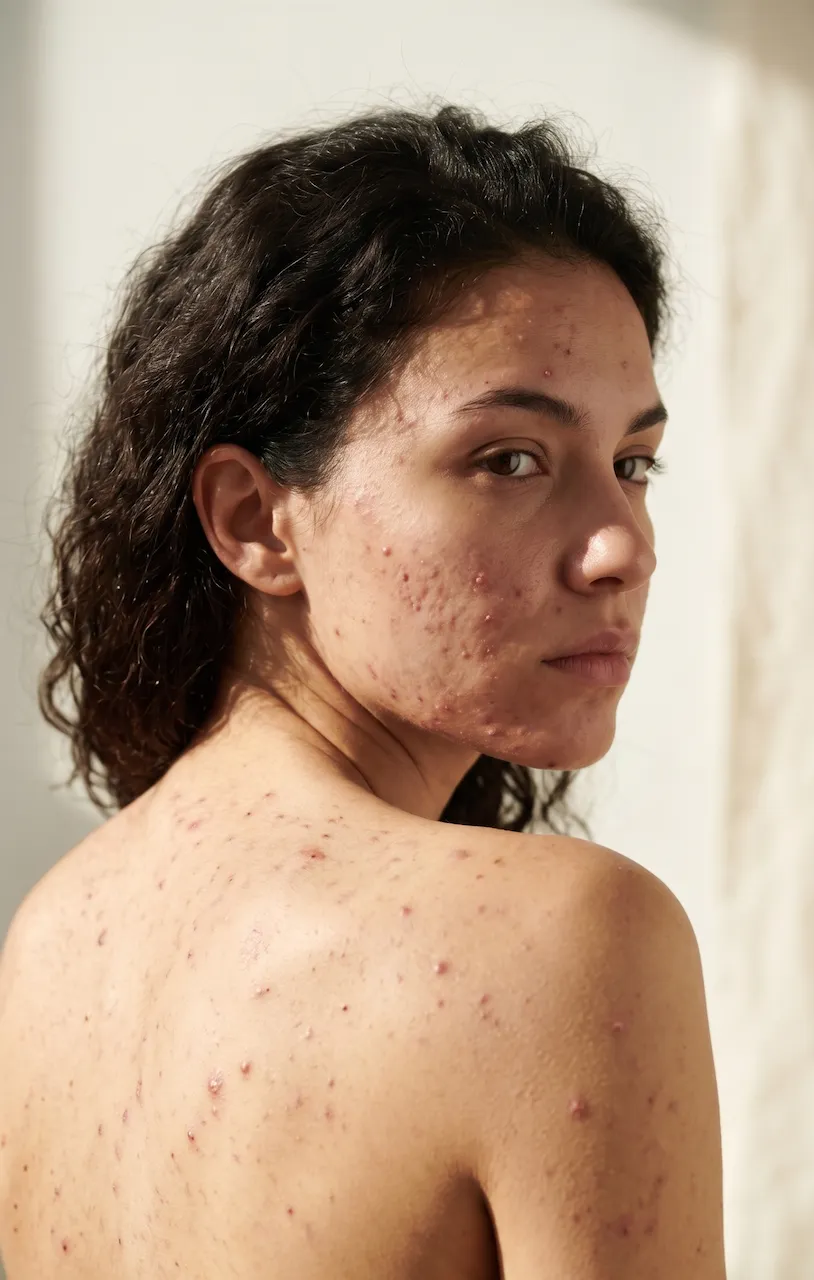
Not all back acne looks or feels the same. Identifying the type you are dealing with can help you choose the right treatment approach.
| Type | Appearance | Severity | Typical Treatment |
|---|---|---|---|
| Blackheads | Small, dark spots (open comedones) | Mild | Salicylic acid, retinoids |
| Whiteheads | Small, flesh-colored bumps (closed comedones) | Mild | Benzoyl peroxide, salicylic acid |
| Papules | Small red, inflamed bumps | Moderate | Benzoyl peroxide, topical antibiotics |
| Pustules | Red bumps with white or yellow pus | Moderate | Benzoyl peroxide, prescription topicals |
| Nodules | Large, painful, hard lumps under the skin | Severe | Oral medications, Accutane |
| Cysts | Deep, pus-filled, painful lesions | Severe | Accutane, cortisone injections |
Mild back acne consisting of blackheads, whiteheads, and the occasional papule can often be managed with over-the-counter products and lifestyle adjustments. Moderate to severe cases involving widespread papules, pustules, nodules, or cysts typically require prescription treatment from a dermatologist.
How to Get Rid of Back Acne: Over-the-Counter Treatments
For mild to moderate back acne, there are several effective products you can pick up at your local drugstore. The key is choosing ingredients that are proven to work and using them consistently.
Benzoyl Peroxide
Benzoyl peroxide is one of the most effective over-the-counter acne treatments available. It works by killing acne-causing bacteria and helping to unclog pores. For back acne, look for a body wash or leave-on treatment containing 5-10% benzoyl peroxide. A study published in the Journal of Drugs in Dermatology found that a 5.3% benzoyl peroxide wash significantly reduced both inflammatory and non-inflammatory body acne lesions.
How to use it: Apply the body wash to your back in the shower, let it sit for 1-2 minutes before rinsing, and use it daily. Be aware that benzoyl peroxide can bleach towels, sheets, and clothing, so use white linens or rinse thoroughly.
Salicylic Acid
Salicylic acid is a beta-hydroxy acid (BHA) that penetrates into pores and dissolves the oil and dead skin cells causing blockages. It is especially useful for comedonal acne (blackheads and whiteheads). Look for body washes or sprays containing 2% salicylic acid.
How to use it: Use a salicylic acid body wash daily in the shower, focusing on acne-prone areas. Spray-on formulas can be helpful since they are easier to apply to your own back.
Alpha-Hydroxy Acids (AHAs)
Glycolic acid and lactic acid are AHAs that exfoliate the surface of the skin, helping to prevent dead cell buildup. They can be found in body lotions, pads, and washes. AHAs are a good choice if your skin is sensitive to benzoyl peroxide.
Medicated Body Sprays
One of the unique challenges of treating back acne is simply reaching your back. Medicated sprays containing salicylic acid or benzoyl peroxide offer a practical solution. You can spray them over your shoulder or use an upside-down nozzle to cover hard-to-reach areas.
What to expect: Over-the-counter treatments usually take 4-8 weeks of consistent daily use before you see meaningful improvement. Resist the urge to switch products too quickly. If you are not seeing progress after 2-3 months, it may be time to consider prescription-strength options.
Prescription Treatments for Back Acne
When over-the-counter products are not cutting it, prescription treatments can make a significant difference. A dermatologist can evaluate your back acne and recommend a targeted plan. Here are the most common prescription options.
Topical Retinoids
Prescription retinoids like tretinoin and adapalene (available OTC at lower strengths) accelerate skin cell turnover and prevent pores from clogging. They are especially effective for comedonal acne and can also improve post-acne marks over time. For the back, your dermatologist may prescribe a higher-strength formulation since back skin is thicker and less sensitive than facial skin.
Topical Antibiotics
Topical antibiotics like clindamycin reduce the bacteria that contribute to inflammatory acne. They are typically prescribed in combination with benzoyl peroxide to prevent antibiotic resistance. Combination products make application simpler and more effective.
Oral Antibiotics
For moderate inflammatory back acne, oral antibiotics like doxycycline or minocycline can reduce bacteria and inflammation from the inside out. According to the American Academy of Dermatology's guidelines, oral antibiotics are recommended for moderate to severe acne and should be used for the shortest duration possible (typically 3-6 months) to reduce the risk of antibiotic resistance.
Spironolactone
For people whose back acne is driven by hormonal factors, spironolactone can be an effective option. It works by blocking androgen receptors, reducing the hormonal signals that trigger excess oil production. A systematic review in the Journal of the American Academy of Dermatology found spironolactone effective for adult acne, including body acne, with most patients seeing improvement at doses of 50-100 mg daily.
Accutane (Isotretinoin)
For persistent back acne that has not responded to other treatments, Accutane (isotretinoin) is often the most effective solution. Isotretinoin dramatically reduces sebum production, shrinks oil glands, decreases acne-causing bacteria, and normalizes skin cell turnover. It addresses every major factor behind acne.
A course of Accutane typically lasts 4-6 months and produces long-term clearance in a majority of patients. According to a 2013 JAMA Dermatology study, 97.4% of patients showed improvement at 12 months. It is an especially strong option for nodular or cystic back acne, or for anyone who has been cycling through other treatments without lasting results.
Important: Accutane requires careful medical supervision, including regular blood tests and, for people who may become pregnant, enrollment in the iPLEDGE program. It is a powerful medication with potential side effects, which is why working with an experienced dermatologist is essential. Our team at Honeydew includes board-certified dermatologists who specialize in Accutane management.
Treatment Comparison at a Glance
| Treatment | Best For | How It Works | Prescription? |
|---|---|---|---|
| Benzoyl peroxide wash | Mild-moderate inflammatory acne | Kills bacteria, unclogs pores | No |
| Salicylic acid | Blackheads, whiteheads | Dissolves pore blockages | No |
| Topical retinoids | Comedonal and mild inflammatory acne | Speeds cell turnover, prevents clogging | Yes (Rx-strength) |
| Oral antibiotics | Moderate inflammatory acne | Reduces bacteria and inflammation | Yes |
| Spironolactone | Hormonal acne | Blocks androgen hormones | Yes |
| Accutane (isotretinoin) | Persistent, nodular, or cystic acne | Shrinks oil glands, addresses all acne causes | Yes |
Lifestyle Changes to Treat and Prevent Back Acne
Treatments work best when combined with smart daily habits. These lifestyle adjustments can reduce breakouts and help your treatments work more effectively.
Shower Immediately After Sweating
This is one of the simplest and most impactful changes you can make. Sweat that sits on the skin mixes with bacteria and oil, worsening breakouts. Shower as soon as possible after exercise, and use a benzoyl peroxide or salicylic acid body wash on acne-prone areas.
Choose the Right Clothing
Tight, non-breathable fabrics trap sweat and create friction. Opt for loose-fitting, moisture-wicking clothing during workouts. Cotton is generally better than synthetic materials for everyday wear. If you carry a backpack regularly, consider switching to a messenger bag or adjusting the straps to reduce pressure on breakout-prone areas.
Change Your Sheets Regularly
You spend hours each night pressed against your sheets. Oil, sweat, dead skin cells, and bacteria accumulate on your bedding. Wash your sheets at least once a week in hot water. If you are actively treating a breakout, every 3-4 days is even better.
Be Gentle With Your Skin
It is tempting to scrub your back aggressively with rough loofahs or exfoliating brushes, but this can actually make acne worse by irritating the skin and spreading bacteria. Use your hands or a soft washcloth, and let your medicated body wash do the work.
Watch Your Hair Products
Conditioners, hair oils, and styling products can run down your back in the shower and leave a pore-clogging residue. This is sometimes called "pomade acne." Try clipping your hair up when conditioning, rinsing it off to one side, and washing your back as the last step in your shower.
Mind Your Diet
While diet alone does not cause acne, emerging research suggests that high-glycemic foods and dairy may worsen breakouts in some people. A 2021 review in the Journal of the American Academy of Dermatology found associations between high-glycemic diets and acne severity. You do not need to overhaul your diet, but paying attention to whether certain foods seem to correlate with your flare-ups can be worthwhile.
Daily Back Acne Prevention Checklist
- Shower within 30 minutes of sweating
- Use a medicated body wash (benzoyl peroxide or salicylic acid)
- Wear loose, breathable fabrics during exercise
- Wash sheets at least once per week
- Rinse hair products off before washing your back
- Avoid scrubbing or picking at breakouts
- Apply treatment products consistently every day
How to Prevent Back Acne From Coming Back
Once you have gotten your back acne under control, prevention is about maintaining the habits that got you there. Here are some key strategies for staying clear.
- Continue using a medicated body wash: Even after your skin clears, using a benzoyl peroxide or salicylic acid wash 2-3 times per week can help prevent new breakouts.
- Keep up with your prescription: If a dermatologist has prescribed a topical retinoid or other maintenance treatment, do not stop using it just because your skin looks better. Acne is a chronic condition, and maintenance therapy prevents relapse.
- Manage stress: Stress triggers cortisol release, which can increase oil production and inflammation. Regular exercise, adequate sleep, and stress-management techniques all support clearer skin.
- Avoid comedogenic body products: Check that your sunscreen, body lotion, and other products are labeled "non-comedogenic" or "oil-free." Heavy, occlusive products can clog the pores on your back.
- Stay consistent: The biggest mistake people make after clearing their acne is letting their routine slip. Consistency is everything.
When to See a Dermatologist for Back Acne
While mild back acne can often be managed on your own, there are clear signs that it is time to get professional help.
See a dermatologist if:
- Over-the-counter treatments have not improved your back acne after 2-3 months of consistent use
- You have deep, painful nodules or cysts
- Your back acne is leaving dark marks or scars
- Breakouts are spreading or getting worse despite treatment
- Your back acne is significantly affecting your confidence or daily life
A dermatologist can properly diagnose the type and severity of your back acne, rule out conditions that mimic acne (like folliculitis or keratosis pilaris), and prescribe treatments that are far more effective than what is available over the counter.
At Honeydew, our board-certified dermatologists, nurse practitioners, and physician assistants have treated over 100,000 acne cases, including many patients struggling with stubborn back acne. We offer same-day or next-day video appointments, so you do not have to wait weeks for an in-person visit. Whether you need a prescription-strength topical, an oral medication like doxycycline or spironolactone, or a more comprehensive approach with Accutane, our providers will create a personalized treatment plan based on your specific situation.
What to expect with Honeydew: During your video consultation, your provider will review photos of your back acne, discuss your medical history and what you have already tried, and recommend a treatment plan. Many patients start seeing improvement within 4-8 weeks of beginning prescription treatment. Our membership starts at $25/month with an annual plan, and you can message your care team anytime with questions.
Back Acne vs. Other Conditions
Not every bump on your back is acne. Several other skin conditions can look similar but require different treatment. If you are not sure what you are dealing with, a dermatologist can help you get an accurate diagnosis.
| Condition | What It Looks Like | Key Difference From Acne |
|---|---|---|
| Folliculitis | Small, itchy bumps often with a hair in the center | Caused by bacterial or fungal infection of hair follicles; tends to be itchy rather than painful |
| Fungal acne (Pityrosporum folliculitis) | Uniform, small, itchy bumps | Caused by yeast overgrowth; does not respond to typical acne treatments; often worsened by antibiotics |
| Keratosis pilaris | Rough, sandpaper-like bumps | Caused by keratin plugs; not inflammatory; usually not red or painful |
| Contact dermatitis | Red, irritated, sometimes blistered patches | Triggered by an allergen or irritant (laundry detergent, fabric softener); localized to contact area |
.webp)

Medically Reviewed by
Joel Spitz, MD
Co-Founder & Chief Medical Officer, Board Certified Dermatologist