Key Takeaways

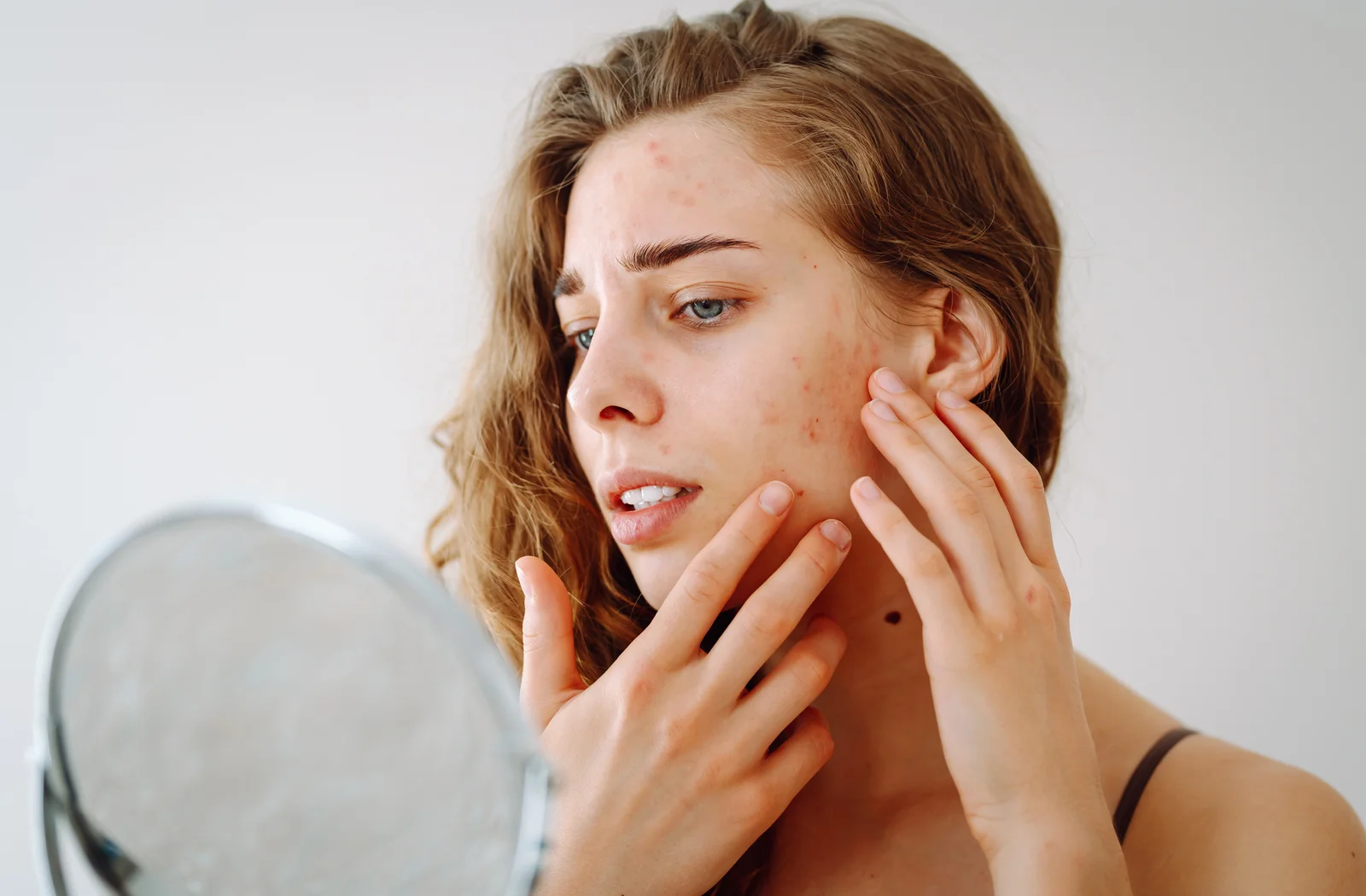
It is a question we hear often from patients: does vaping cause acne? Maybe you started vaping and noticed your skin getting worse. Or maybe you have been vaping for a while and cannot figure out why your acne will not clear up despite trying different products and treatments. Either way, you are not alone in wondering whether your vaping habit and your breakouts are connected.
Acne is already one of the most common skin conditions, affecting up to 50 million Americans each year. When you add the widespread use of e-cigarettes, especially among younger adults, the overlap between vapers and acne sufferers is significant. And while there is no single study that proves vaping directly causes acne, the evidence linking nicotine and e-cigarette chemicals to skin damage is growing stronger every year.
Let us walk through what dermatologists actually know about vaping and acne, how the ingredients in e-cigarettes affect your skin, and what steps you can take if you are dealing with breakouts.
Quick Answer: Does Vaping Cause Acne?
There is no definitive study proving vaping directly causes acne, but there is strong evidence that it can make breakouts worse. Nicotine and the chemicals in e-cigarette vapor affect your skin in several ways that promote acne:
- Nicotine increases sebum (oil) production, which clogs pores
- Vaping dehydrates your skin, triggering compensatory oil production
- E-cigarette chemicals cause oxidative stress, damaging skin cells and increasing inflammation
- Nicotine impairs wound healing, making existing breakouts last longer
- Vaping may disrupt hormonal balance, which can trigger or worsen hormonal acne
If you vape and are struggling with acne, talking to a dermatologist about a personalized treatment plan is one of the most effective steps you can take. Learn more about acne treatment options.
How Vaping Affects Your Skin
To understand whether vaping can cause acne, it helps to understand what is actually in e-cigarette vapor and how those ingredients interact with your skin. The answer is more complex than most people realize.
Nicotine and Sebum Production
Nicotine is the primary active ingredient in most vape liquids, and it has well-documented effects on the skin. One of the most relevant for acne is its impact on sebum production.
Sebum is the oily substance your skin naturally produces to stay moisturized and protected. When your body makes too much of it, that excess oil can mix with dead skin cells and clog your pores, creating the perfect environment for acne-causing bacteria to thrive. Research published in Dermato-Endocrinology has shown that nicotine stimulates the sebaceous glands to produce more oil, which is one of the primary drivers of acne development.
This effect is not limited to traditional cigarettes. Whether nicotine enters your body through a cigarette, a vape pen, or a patch, it triggers similar physiological responses, including increased sebum output.
Skin Dehydration
This might sound counterintuitive: if nicotine makes your skin oilier, how can it also dehydrate your skin? But both things happen simultaneously, and they make each other worse.
Nicotine is a vasoconstrictor, meaning it narrows blood vessels and reduces blood flow to the skin. Less blood flow means less oxygen and fewer nutrients reaching your skin cells. The base liquids in vape juice, propylene glycol and vegetable glycerin, are both humectants that draw moisture from surrounding tissues, which can further dehydrate the skin surface when inhaled regularly.
When your skin is dehydrated, it often responds by producing even more oil to compensate, creating a vicious cycle: vaping dries out your skin, your skin overproduces oil, and that excess oil clogs your pores and fuels breakouts.
Oxidative Stress and Inflammation
E-cigarette vapor is not just water and nicotine. It contains a cocktail of chemicals including formaldehyde, acrolein, heavy metals, and volatile organic compounds. A 2017 study in Tobacco Control found that e-cigarette aerosol contains toxic substances that generate free radicals and cause oxidative stress in the body.
Oxidative stress is a significant factor in acne development. When free radicals overwhelm your body's natural antioxidant defenses, they damage skin cells, break down collagen, and trigger an inflammatory response. Inflammation is at the heart of most acne, turning what might have been a minor clogged pore into a red, swollen, painful breakout.
Research from the Journal of Clinical Medicine has also documented how oxidative stress from smoking (and by extension, vaping) accelerates skin aging and impairs the skin barrier, making it more susceptible to acne and other skin problems.
Impaired Wound Healing
Nicotine's effect on blood circulation does not just cause dehydration. It also significantly slows down your skin's ability to heal. A study published in JAMA Facial Plastic Surgery demonstrated that e-cigarette vapor impairs wound healing in a manner similar to traditional cigarettes.
For acne, this means that existing breakouts take longer to resolve. Pimples linger, post-inflammatory redness persists, and the risk of scarring increases. If your skin cannot heal efficiently between breakouts, it creates a cycle of ongoing inflammation and new lesions forming on top of old ones that have not fully healed.
What to expect: If you vape regularly and have acne, the combination of increased oil production, dehydration, oxidative stress, and impaired healing creates multiple pathways for breakouts to develop and persist. Addressing just one of these factors, like using a good moisturizer, may help but likely will not solve the problem entirely on its own.
Can Vaping Cause Hormonal Acne?
Hormonal acne is one of the most stubborn forms of acne, typically showing up along the jawline, chin, and lower cheeks. It is driven by fluctuations in hormones, particularly androgens like testosterone, that stimulate oil production. So can vaping cause hormonal acne? The answer is nuanced.
Nicotine has documented effects on the endocrine system. Research indicates that nicotine can influence levels of androgens and cortisol, both of which play a role in acne development. A study in Hormones and Behavior found that nicotine affects cortisol and testosterone levels, which could contribute to hormonal imbalances that trigger acne.
Cortisol, the stress hormone, is particularly relevant here. Nicotine stimulates cortisol release, and elevated cortisol levels are known to increase sebum production and promote inflammation in the skin. If your body is chronically producing elevated cortisol due to regular nicotine exposure, it can mimic or worsen the hormonal patterns that drive hormonal acne.
Additionally, nicotine has anti-estrogenic properties. Research published in Fertility and Sterility has shown that nicotine and its metabolites can inhibit estrogen production. Since estrogen plays a protective role against acne by counterbalancing androgen activity, reduced estrogen levels can create a hormonal environment more favorable to breakouts.
Important to know: If you are experiencing acne concentrated along your jawline and chin and you vape regularly, the nicotine may be contributing to a hormonal component. A dermatologist can help determine whether your breakouts have a hormonal pattern and recommend treatments like spironolactone or other targeted therapies.
Does Vaping Cause Cystic Acne?
Cystic acne is the most severe form of acne, characterized by deep, painful, inflamed nodules beneath the skin's surface. These lesions form when inflammation goes deep into the skin, creating large, tender bumps that can last for weeks and often leave scars.
While vaping alone is unlikely to be the sole cause of cystic acne, it can absolutely contribute to and worsen it. Here is how:
- Amplified inflammation: The oxidative stress and chemical exposure from vaping increase systemic inflammation, which can push moderate acne into more severe, cystic territory
- Increased oil production: Excess sebum from nicotine exposure creates deeper blockages in pores, which are more likely to develop into cysts rather than surface-level pimples
- Compromised immune response: Nicotine suppresses certain immune functions, making it harder for your body to fight the bacteria that contribute to cystic breakouts
- Slower healing: Impaired wound healing means cystic lesions persist longer and are more likely to scar
If you are developing cystic acne and you vape, it is worth seeing a dermatologist to discuss how your vaping habit may be contributing. Cystic acne often requires prescription treatments, and understanding all the contributing factors helps your provider create the most effective plan.
Vaping vs. Smoking: Is One Worse for Your Skin?
If you switched from cigarettes to vaping partly to protect your health, you might be wondering whether vaping is at least better for your skin than smoking. The honest answer is that both are harmful, though in somewhat different ways.
| Factor | Smoking | Vaping |
|---|---|---|
| Nicotine exposure | Yes | Yes (often comparable or higher concentrations) |
| Increased sebum production | Yes | Yes |
| Oxidative stress | High (combustion products) | Moderate (chemical byproducts) |
| Skin dehydration | Yes | Yes (propylene glycol adds additional drying) |
| Impaired wound healing | Yes | Yes |
| Hormonal disruption | Yes | Yes |
| Premature skin aging | Significant | Likely (less studied long-term) |
A study comparing the effects of e-cigarette vapor and cigarette smoke on skin cells found that both caused significant cellular damage, though through somewhat different mechanisms. The bottom line: switching from smoking to vaping may reduce some risks, but it does not eliminate the skin-related consequences of nicotine exposure.
Tips for Managing Acne If You Vape
The most effective step for your skin would be to quit vaping entirely. But we understand that is easier said than done, and we are not here to lecture you. Whether you are working toward quitting or not yet ready, here are practical steps that can help manage your acne.
1. Prioritize Hydration
Since vaping dehydrates your skin, combating that dryness is critical. Drink plenty of water throughout the day and use a non-comedogenic moisturizer that will not clog pores. Look for ingredients like hyaluronic acid, ceramides, and niacinamide, which support skin hydration without adding oil.
2. Build a Consistent Skincare Routine
A solid basic routine can help counteract some of vaping's effects on your skin:
- Gentle cleanser: Use a mild, non-stripping cleanser morning and night to remove excess oil and impurities without further drying your skin
- Non-comedogenic moisturizer: Even if your skin feels oily, skipping moisturizer will only make things worse by triggering more oil production
- Sunscreen: Daily SPF 30 or higher protects against UV damage, which compounds the oxidative stress from vaping
- Antioxidant serum: A vitamin C or niacinamide serum can help neutralize some of the free radical damage caused by vaping
3. Support Your Body's Antioxidant Defenses
Since vaping increases oxidative stress, supporting your body's ability to fight free radicals can help. Eat a diet rich in antioxidants from fruits, vegetables, and whole grains. Foods high in vitamins A, C, and E, as well as zinc and omega-3 fatty acids, are particularly beneficial for skin health.
4. Avoid Touching Your Face
This applies to everyone with acne, but it is worth emphasizing for vapers. Holding a vape device near your mouth and face can transfer bacteria, oil, and residue to your skin. Make a habit of cleaning your device regularly and keeping your hands away from your face.
5. Consider Reducing Nicotine Levels
If quitting is not on the table right now, gradually reducing the nicotine concentration in your vape juice can help lessen its impact on your skin. Many vapers successfully taper down from higher to lower nicotine levels over time, which reduces the hormonal and vascular effects that contribute to acne.
What to expect: Skincare alone may not fully resolve acne that is being driven by vaping. Over-the-counter products have their limits. If you have been trying to manage your acne with drugstore products without success, prescription treatments from a dermatologist are likely the next step. Our providers can work with you to create a plan that accounts for your vaping habit and targets your specific acne type.
When to See a Dermatologist
If you vape and your acne is not responding to over-the-counter treatments, it is time to see a dermatologist. This is especially true if:
- Your acne is painful, deep, or cystic
- Breakouts are leaving scars or dark marks
- You have tried multiple over-the-counter products without improvement
- Your acne is concentrated along your jawline and chin, suggesting a hormonal component
- Breakouts are affecting your confidence or quality of life
- Your acne started or worsened after you began vaping
A dermatologist can evaluate your skin, consider factors like vaping that may be contributing to your breakouts, and prescribe treatments that are significantly more effective than anything available over the counter. This might include topical retinoids like tretinoin, oral antibiotics like doxycycline, hormonal treatments like spironolactone, or isotretinoin (Accutane) for persistent acne that has not responded to other approaches.
At Honeydew, our providers treat all types of acne and understand how lifestyle factors like vaping can impact your skin. We offer same-day or next-day virtual appointments with board-certified dermatologists and other qualified providers, so you can get a personalized treatment plan without the weeks-long wait for an in-person visit. Learn more about our approach on our pricing page.
Red flag: Do not ignore cystic acne or acne that is leaving scars. The longer severe acne goes untreated, the greater the risk of permanent scarring. Early intervention with the right prescription treatment can prevent lasting damage to your skin.
The Bottom Line
The relationship between vaping and acne is supported by a growing body of evidence, even if the definitive long-term studies are still catching up with how new e-cigarettes are. What we do know is clear: nicotine increases oil production, dehydrates the skin, disrupts hormones, impairs healing, and creates oxidative stress. Every single one of these effects can either trigger acne or make existing acne worse.
If you vape and are struggling with acne, you do not have to figure it out alone. A dermatologist can look at the full picture, including your vaping habit, your skin type, and your acne pattern, and create a treatment plan tailored to your specific situation. Whether that means a topical retinoid, an oral medication, or a more comprehensive approach, the right treatment can make a real difference.
Your skin is worth taking seriously. And the sooner you address persistent acne, the better your chances of avoiding long-term scarring and getting to a place where you feel confident in your skin again.
.webp)

Medically Reviewed by
Joel Spitz, MD
Co-Founder & Chief Medical Officer, Board Certified Dermatologist