Key Takeaways

Quick Answer: Low Dose vs High Dose Accutane
Key point: The choice comes down to a tradeoff: higher doses (0.5-1 mg/kg/day) clear acne faster in 4-6 months but cause more intense side effects, while lower doses (below 0.5 mg/kg/day) are gentler but require 12-24+ months of treatment.
- Both approaches achieve similar long-term results when the same cumulative dose is reached
- Your ideal dose depends on acne severity, side effect tolerance, and timeline preferences
- Dose can be adjusted during treatment based on how you respond
Low Dose vs High Dose Accutane: What's the Difference?
If you're considering Accutane (isotretinoin) for acne treatment, one of the first decisions you'll face is dosage. The choice between low dose vs high dose Accutane affects everything from how quickly you see results to the side effects you'll experience along the way.
At its core, the difference comes down to a tradeoff: higher doses clear acne faster but cause more intense side effects, while lower doses are gentler on your body but require longer treatment periods. Neither approach is universally better. The right choice depends on your acne severity, tolerance for side effects, lifestyle, and treatment timeline.
According to clinical guidelines, the standard dosing range for isotretinoin is 0.5 to 1 mg/kg/day, with treatment typically lasting 15 to 20 weeks. However, research published in peer-reviewed journals shows that low-dose regimens can achieve comparable long-term results when the same cumulative dose is reached over a longer period.
This guide breaks down exactly what each dosage means, who it's best suited for, and how to work with your dermatologist to find the right balance for your skin.
What Is Considered a High Dose of Accutane?
Understanding what counts as "high dose" versus "low dose" requires looking at how Accutane is prescribed. Dermatologists calculate your dose based on your body weight, typically expressed as milligrams per kilogram per day (mg/kg/day).
High dose Accutane generally refers to doses at or above 0.5 mg/kg/day, with the upper standard range reaching 1 mg/kg/day. For severe cases with significant scarring or truncal acne, some patients may receive up to 2 mg/kg/day.
Low dose Accutane typically means anything below 0.5 mg/kg/day, often ranging from 0.1 to 0.3 mg/kg/day. Some dermatologists also use "microdosing" protocols at even lower levels.
What to expect: Whether 30mg is "high dose" depends entirely on your body weight. For a 60kg person, 30mg equals 0.5 mg/kg/day (lower end of standard range). For a 100kg person, 30mg equals only 0.3 mg/kg/day (low dose).
So is 30 mg Accutane a high dose? It depends entirely on your body weight:
- For someone weighing 60 kg (132 lbs): 30 mg equals 0.5 mg/kg/day, placing it at the lower end of the standard range
- For someone weighing 100 kg (220 lbs): 30 mg equals only 0.3 mg/kg/day, which would be considered low dose
- For someone weighing 45 kg (100 lbs): 30 mg equals 0.67 mg/kg/day, solidly in the standard-to-high range
This is why your dermatologist considers your weight when prescribing Accutane. A dose that's appropriate for one person might be too high or too low for another.
Common Accutane Dosages Explained
Accutane comes in several capsule strengths, and understanding what each one typically means for treatment can help you have more informed conversations with your dermatologist.
| Daily Dose | Typical Patient Weight Range | Classification | Common Use Cases |
|---|---|---|---|
| 20mg Accutane | 60-200+ kg (any weight for low-dose) | Low dose for most adults | Mild-moderate acne, side effect-sensitive patients, maintenance therapy |
| 30mg Accutane | 60-100 kg | Low to standard dose | Moderate acne, patients who want balance between speed and tolerability |
| 40mg Accutane | 40-80 kg | Standard dose | Moderate to severe acne, most common starting dose for average-weight adults |
| 60mg Accutane | 60-120 kg | Standard to high dose | Severe acne, patients who tolerate lower doses well and want faster results |
| 80mg Accutane | 80-160 kg | High dose | Severe nodular acne, larger patients, truncal acne with scarring |
Most patients take their daily dose split into two portions with food, as absorption significantly improves when taken with a meal containing fat. Your dermatologist may start you on a lower dose and increase it based on how well you tolerate the medication.
Benefits of Low Dose Accutane
Low dose Accutane has gained significant popularity in recent years, particularly outside the United States where regulatory requirements are less stringent. Research from clinical studies demonstrates several compelling advantages to this approach.
Significantly reduced side effects: The most immediate benefit is tolerability. Standard-dose patients often describe lips so dry they crack and bleed, skin so parched it constantly flakes, and joint achiness that makes exercise uncomfortable. Low-dose patients typically report manageable lip dryness that responds well to balm, with minimal other complaints.
Specific side effect reductions include:
- Less severe dryness of skin, lips, and eyes
- Reduced incidence of nosebleeds
- Lower risk of muscle and joint pain
- Decreased likelihood of headaches
- Reduced initial acne flare ("purging")
- Lower risk of mood-related side effects
Comparable long-term effectiveness: According to published research, cumulative doses over 120 mg/kg are associated with the same long-term efficacy regardless of whether that total is achieved through higher daily doses over a shorter period or lower daily doses over a longer period. What matters most is reaching an adequate cumulative dose.
Higher patient satisfaction: Studies comparing low-dose and standard-dose regimens consistently find greater patient satisfaction in the low-dose group, largely due to the improved quality of life during treatment.
Better for certain populations: Low-dose Accutane may be particularly suitable for adults with persistent mild-to-moderate acne, patients who previously discontinued treatment due to side effects, those with inflammatory conditions that may worsen with standard dosing, and patients who need to maintain their normal routines without significant disruption.
When Is High Dose Accutane Prescribed?
Despite the advantages of low-dose protocols, high-dose Accutane remains the appropriate choice in several clinical scenarios. Understanding when dermatologists recommend higher doses can help you evaluate whether it might be right for your situation.
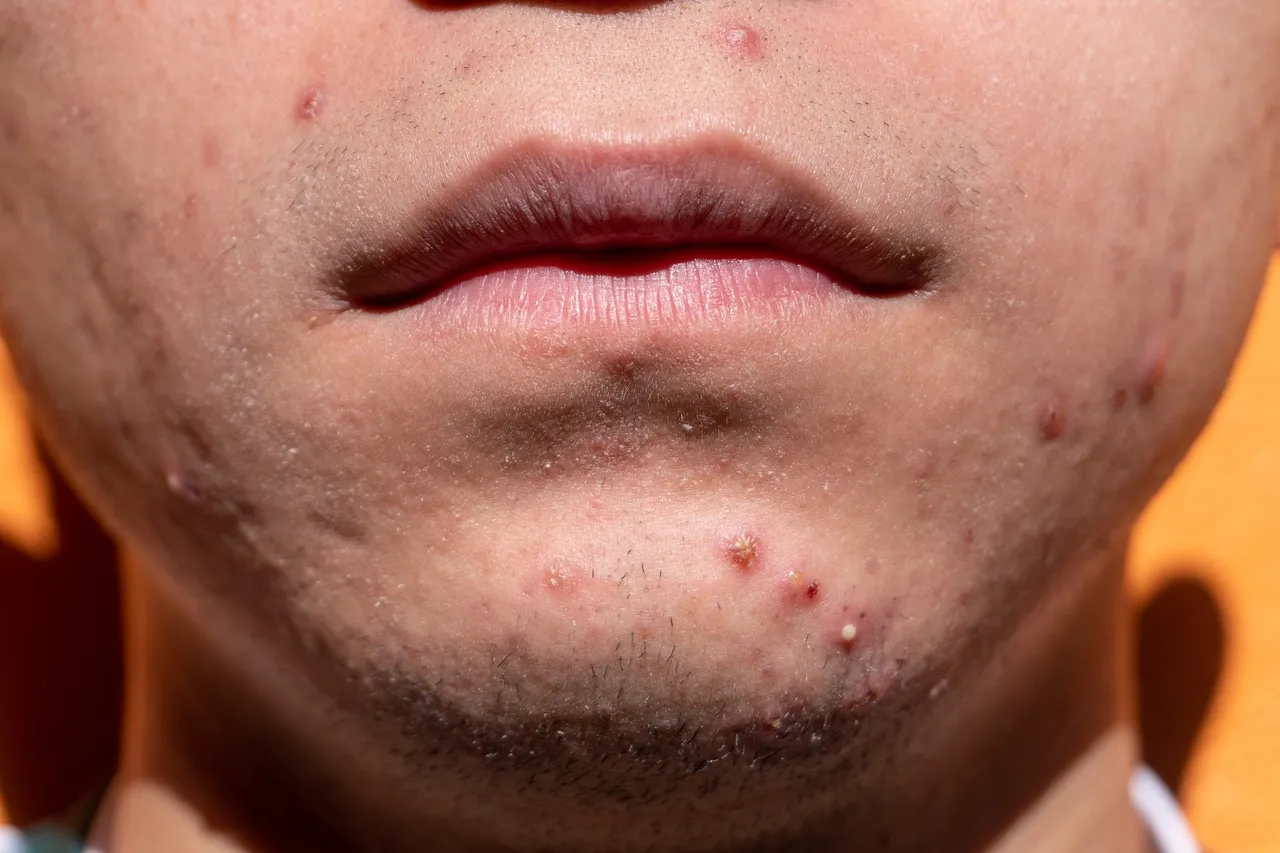
Severe nodular or cystic acne: When acne presents with deep, painful nodules or cysts that are actively causing scarring, aggressive treatment becomes more important than minimizing side effects. High-dose protocols can halt scarring progression more quickly.
Truncal acne: Acne concentrated on the back and chest often responds better to higher doses. According to clinical recommendations, patients with primarily truncal acne may require doses up to 2 mg/kg/day for optimal results.
Treatment timeline constraints: Some patients have specific reasons for wanting faster results, such as upcoming life events. High-dose treatment typically lasts 4-6 months, compared to 12-24+ months for low-dose protocols.
History of relapse: Patients who have relapsed after previous Accutane treatment may benefit from higher cumulative doses achieved more quickly, as some research suggests this reduces relapse risk.
Younger patients with severe disease: Adolescents and young adults with severe acne sometimes benefit from higher doses to reduce the total time spent managing acne during formative years.
Red flag: High-dose Accutane means more intense side effects during treatment. Common experiences include severe lip cracking that may bleed, significant skin dryness, joint and muscle pain that limits physical activity, increased sun sensitivity, and potential mood changes.
The tradeoff is clear: high-dose Accutane means more intense side effects during treatment. Your dermatologist will weigh these factors against the benefits when recommending a dosage.
How Dermatologists Determine Your Ideal Dose
Choosing between low dose and high dose Accutane isn't something you need to figure out alone. Dermatologists consider multiple factors when determining your starting dose and any subsequent adjustments.
Factors that influence dosing decisions:
- Acne severity and type: Inflammatory acne, nodular acne, and cystic acne often warrant different approaches
- Body weight: Your weight determines how many milligrams per kilogram you'll receive
- Previous treatments: What you've tried before and how well it worked
- Side effect tolerance: Your ability and willingness to manage side effects
- Lifestyle considerations: Athletes, for example, may prefer lower doses to avoid joint pain
- Timeline preferences: How quickly you want to complete treatment
- Overall health: Pre-existing conditions that might affect medication tolerance
Dose adjustments during treatment: Your dose isn't necessarily fixed for the entire treatment period. Many dermatologists start conservatively and increase the dose if you tolerate it well. Conversely, if side effects become too burdensome, your dose can be reduced. The goal is finding the dose that clears your acne while remaining manageable for your daily life.
Regular check-ins with your dermatologist allow for these adjustments. This is one reason why ongoing monitoring is so important during Accutane treatment.
Managing Your Accutane Treatment with Honeydew
Navigating the choice between low dose and high dose Accutane, managing the iPLEDGE program requirements, and staying on top of monthly monitoring can feel overwhelming. Honeydew simplifies the entire process with telemedicine-based dermatology care designed specifically for Accutane patients.
What Honeydew's Accutane management includes:
- Licensed dermatologist consultations to determine your ideal dosage
- Monthly virtual check-ins for side effect monitoring and dose adjustments
- Complete iPLEDGE program support and guidance
- Medication coordination including prior authorizations
- Unlimited follow-up messages with your care team, 7 days a week
- Progress tracking through photo uploads
- Lab monitoring coordination
Honeydew offers both low-dose and standard-dose Accutane options, and your dermatologist will work collaboratively with you to find the right approach. Accutane care starts at $50/month with an annual plan, and medication costs are separate. Low-dose Accutane is available for as low as $30/box (cash price) or $0 with insurance coverage.
For the first time, obtaining low-dose Accutane in the US is straightforward. Honeydew's telemedicine platform handles the monthly monitoring requirements that previously made low-dose protocols impractical for many patients.
Finding the Right Accutane Dose for You
The debate between low dose vs high dose Accutane doesn't have a universal winner. High-dose treatment offers faster results and potentially lower relapse rates, but at the cost of more significant side effects during treatment. Low-dose protocols provide a gentler experience with comparable long-term outcomes, but require patience with longer treatment timelines.
What matters most is reaching an adequate cumulative dose, whether you get there quickly with higher daily doses or gradually with lower ones. Your dermatologist can help you weigh factors like your acne severity, lifestyle, side effect tolerance, and timeline preferences to find the approach that fits your life.
With proper monitoring and support, both approaches can lead to the clear, healthy skin you're working toward. The key is consistent follow-up, open communication with your healthcare provider, and adjusting course when needed.
Is 30 mg of Accutane considered a high dose?
Whether 30 mg Accutane is considered high dose depends on your body weight. For someone weighing 60 kg (132 lbs), 30 mg equals 0.5 mg/kg/day, which is at the lower end of the standard range. For someone weighing 100 kg (220 lbs), 30 mg equals only 0.3 mg/kg/day, which is considered low dose. Your dermatologist calculates dosage based on your weight to ensure appropriate treatment.
What is the difference between low dose and high dose Accutane?
The main difference is a tradeoff between treatment speed and side effects. High dose Accutane (0.5-1 mg/kg/day) clears acne faster, typically in 4-6 months, but causes more intense side effects like severe dryness, joint pain, and potential mood changes. Low dose Accutane (below 0.5 mg/kg/day) takes longer (12-24+ months) but has significantly milder side effects and higher patient satisfaction. Both approaches achieve similar long-term results when the same cumulative dose is reached.
How long does low dose Accutane treatment take compared to high dose?
High dose Accutane treatment typically lasts 4-6 months, while low dose treatment may take 12-24 months or longer to achieve the same cumulative dose. The total amount of medication you receive is similar in both approaches. What differs is how quickly you reach that cumulative dose. Low-dose patients trade faster results for a more tolerable treatment experience with fewer side effects.
What are the side effects of 60mg and 80mg Accutane?
At higher doses like 60mg and 80mg Accutane, side effects tend to be more pronounced. Common experiences include severe lip cracking that may bleed, significant skin dryness requiring constant moisturization, joint and muscle pain that can limit physical activity, increased sun sensitivity, nosebleeds, headaches, and potential mood changes. These doses are typically reserved for severe nodular acne or larger patients where the benefits outweigh the more intense side effect profile.
Can I switch from high dose to low dose Accutane during treatment?
Yes, dose adjustments during Accutane treatment are common. Many dermatologists start conservatively and increase the dose if you tolerate it well. If side effects become too burdensome at a higher dose, your dermatologist can reduce it. The goal is finding the dose that clears your acne while remaining manageable for your daily life. This is why regular monthly check-ins are important during treatment.
Find Your Ideal Accutane Dose
Honeydew offers both low-dose and standard-dose Accutane options with licensed dermatologist guidance. Start your free consultation to discuss which dosage is right for your skin.
Start Your Free Consultation.webp)

Medically Reviewed by
Joel Spitz, MD
Co-Founder & Chief Medical Officer, Board Certified Dermatologist