Key Takeaways

If you have ever stared at a fresh breakout and wondered why, you are not alone. Acne affects up to 50 million Americans every year, making it the most prevalent skin condition in the country. It is not limited to teenagers, either. Adult acne is increasingly common, with studies showing it affects up to 26% of people ages 31 to 40 and up to 12% of people in their 40s.
Yet despite how widespread acne is, there is still a surprising amount of confusion about what causes it. You have probably heard conflicting advice — that it is about hygiene, or diet, or stress, or hormones, or bad luck. Some of that is partially true. Most of it is oversimplified. The reality is that acne is a complex, multifactorial skin disease driven by specific biological processes that happen inside your pores. Understanding those processes is the first step toward treating acne effectively rather than guessing at solutions.
In this article, we will walk through the four core causes of acne, the contributing factors that influence how and when breakouts happen, and how this science connects to the treatments that actually work. Whether you are dealing with occasional whiteheads or persistent cystic acne, understanding the "why" will help you make smarter decisions about your skin.
Quick Answer: What Causes Acne?
Acne is caused by four interconnected biological factors working together inside your pores:
- Excess sebum production — your skin's oil glands produce too much sebum, flooding the pore
- Abnormal skin cell shedding (hyperkeratinization) — dead skin cells stick together and clog the pore opening instead of shedding normally
- Bacterial colonization — Cutibacterium acnes bacteria thrive in the clogged, oil-rich environment
- Inflammation — your immune system reacts to the bacterial overgrowth, causing redness, swelling, and pain
These four factors are influenced by hormones, genetics, diet, stress, and other external triggers. Effective acne treatment targets one or more of these root causes. Learn about your treatment options.
The Four Causes of Acne
Every acne lesion — whether it is a tiny blackhead or a deep, painful cyst — begins with the same basic chain of events happening inside a pilosebaceous unit. That is the dermatological term for a hair follicle and its attached oil gland. You have millions of these units across your face, chest, back, and shoulders. When things go wrong inside them, acne is the result.
The four factors below do not operate independently. They form a cascade where each one feeds into the next, creating a self-reinforcing cycle that can be difficult to break without targeted treatment.
1. Excess Sebum Production
Sebum is the waxy, oily substance produced by your sebaceous glands. In normal amounts, sebum is beneficial — it moisturizes your skin, protects it from environmental damage, and helps maintain a healthy skin barrier. The problem starts when your sebaceous glands produce too much of it.
Excess sebum production — known clinically as seborrhea — is considered the foundational factor in acne development. Without excess oil, the rest of the acne cascade has a much harder time getting started. Research published in Dermato-Endocrinology has shown that sebum production rates are significantly higher in people with acne compared to those without, and that the severity of acne generally correlates with the amount of sebum produced.
What drives excess sebum production? Several things:
- Androgens — hormones like testosterone and DHEA-S directly stimulate sebaceous glands to produce more oil. This is why acne often begins during puberty when androgen levels surge, and why hormonal fluctuations can trigger breakouts later in life.
- Genetics — sebaceous gland size and activity are partly determined by your genes. If your parents had oily skin and acne, you are more likely to as well.
- Stress hormones — cortisol and corticotropin-releasing hormone (CRH) can stimulate sebum production, which is why stress often worsens acne.
This is also why isotretinoin (Accutane) is such an effective acne treatment — it dramatically reduces sebaceous gland size and output, addressing acne at this foundational level. Similarly, medications like spironolactone work by blocking androgen receptors, reducing the hormonal signal that drives sebum overproduction.
2. Clogged Pores (Hyperkeratinization)
Even with excess oil, acne would not form if the sebum could flow freely out of the pore. The second critical factor is hyperkeratinization — a process where the cells lining the inside of the hair follicle (keratinocytes) do not shed normally. Instead of sloughing off and being carried out of the pore by sebum, these cells stick together, forming a plug that blocks the pore opening.
This plug — called a microcomedone — is the precursor to every visible acne lesion. According to research in the Journal of the European Academy of Dermatology and Venereology, microcomedones are present in acne-prone skin weeks or even months before a visible breakout appears. They are the invisible starting point of the acne process.
Once the pore is plugged, sebum accumulates behind the blockage. If the pore remains closed at the surface, you get a whitehead (closed comedone). If the pore stays partially open and the trapped material is exposed to air, it oxidizes and darkens, producing a blackhead (open comedone). Despite what many people believe, blackheads are not caused by dirt — they are caused by the chemical oxidation of sebum and melanin at the pore surface.
What drives abnormal cell shedding?
- Androgen hormones — the same hormones that increase sebum also promote keratinocyte proliferation inside the follicle
- Inflammation — even low-level, subclinical inflammation can alter how follicular cells behave
- Certain comedogenic ingredients — some skincare products and cosmetics can contribute to follicular plugging
This is why retinoids like tretinoin are a cornerstone of acne treatment. They normalize the shedding of follicular keratinocytes, preventing the formation of microcomedones and keeping pores clear. They treat acne at this second critical step in the cascade.
What to expect: Microcomedones — the invisible precursors to breakouts — take weeks to develop into visible acne. This is why acne treatments like retinoids and isotretinoin require patience. They are working at the level of the microcomedone, preventing new lesions from forming. It often takes 6 to 12 weeks to see meaningful improvement because you are waiting for existing microcomedones to cycle through while new ones are being prevented.
3. Bacterial Overgrowth (Cutibacterium acnes)
Once a pore is clogged with excess sebum and dead skin cells, it becomes an ideal environment for Cutibacterium acnes (formerly known as Propionibacterium acnes, or P. acnes). This bacterium is a normal part of your skin's microbiome — it lives on everyone's skin. The problem is not the presence of C. acnes itself, but what happens when it proliferates inside a clogged pore.
C. acnes is an anaerobic bacterium, meaning it thrives in low-oxygen environments. A plugged pore filled with oil is essentially a sealed, oxygen-depleted chamber — the perfect habitat. Inside this environment, C. acnes feeds on sebum (specifically the triglycerides within it), breaking it down into free fatty acids that irritate the follicle wall and trigger an immune response.
Research published in the Journal of Investigative Dermatology has shown that not all strains of C. acnes are equally problematic. Certain strains are more associated with acne, while others are part of a healthy skin microbiome. This may help explain why some people with oily, clogged pores develop inflammatory acne while others primarily get non-inflammatory comedones.
The bacterial factor in acne is why antibiotics — both topical (like clindamycin) and oral (like doxycycline) — are used in acne treatment. They reduce the C. acnes population. However, because bacteria are only one part of the four-factor equation, antibiotics alone rarely provide a lasting solution. This is also why antibiotic resistance is a growing concern in acne treatment — using antibiotics without addressing the other three factors often leads to temporary improvement followed by relapse.
4. Inflammation
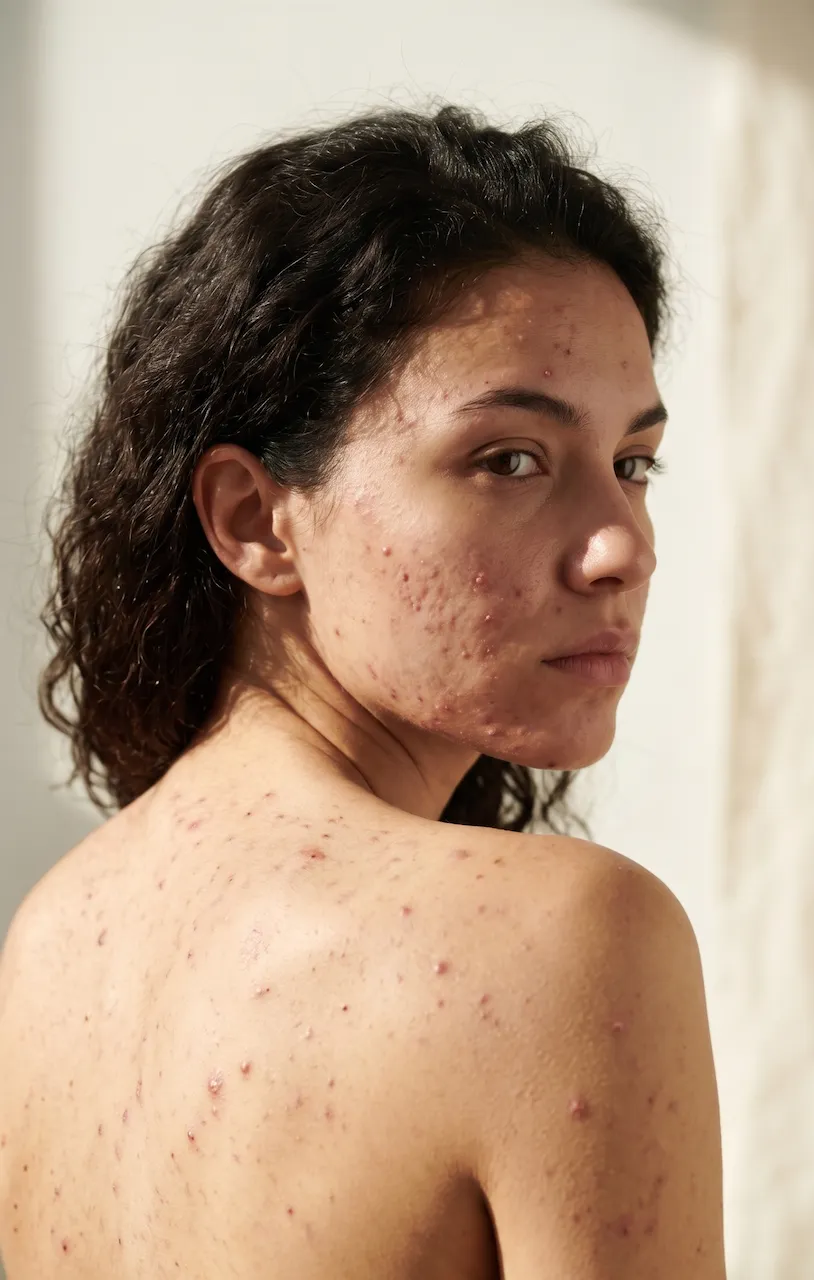
Inflammation is the factor that separates mild comedonal acne from the red, swollen, painful breakouts that can cause scarring. When C. acnes proliferates inside a clogged pore and produces irritating byproducts, your immune system responds. White blood cells are recruited to the area, releasing pro-inflammatory cytokines — signaling molecules like interleukin-1 (IL-1), interleukin-8 (IL-8), and tumor necrosis factor-alpha (TNF-alpha).
This inflammatory response is what produces the hallmark features of inflammatory acne:
- Papules — small, red, tender bumps where the follicle wall has become inflamed
- Pustules — similar to papules but with a visible white or yellow center of pus (accumulated white blood cells)
- Nodules — larger, deeper, solid lumps beneath the skin surface that form when the follicle wall ruptures, spilling bacteria and sebum into surrounding tissue
- Cysts — deep, pus-filled lesions that form when the body walls off the rupture site with a membrane, creating a painful, fluid-filled sac
What makes inflammation especially important to understand is that recent research has reshaped our thinking about its role. Historically, dermatologists viewed inflammation as the last step in the acne cascade — a consequence of the other three factors. But a landmark study published in the Journal of Investigative Dermatology demonstrated that subclinical inflammation is present in acne-prone skin even before visible lesions form. In other words, inflammation is not just a result of acne — it may also be a driver of it, contributing to hyperkeratinization and creating a more acne-prone environment from the start.
This finding has significant treatment implications. It explains why anti-inflammatory approaches — including retinoids, which have anti-inflammatory properties beyond their effect on cell turnover, and isotretinoin, which powerfully reduces inflammation — are so effective.
Red flag: If your acne is deeply inflamed — with nodules or cysts that leave marks or scars — do not wait to seek treatment. Inflammatory acne that causes scarring will not resolve on its own with over-the-counter products. The longer it persists, the greater the risk of permanent scarring. A dermatologist can prescribe targeted treatments that address the inflammation at its source. Schedule a consultation to get started.
How the Four Causes Work Together
It helps to see how these four factors connect as a chain reaction. Here is the typical sequence:
| Stage | What Happens | What You See |
|---|---|---|
| 1. Sebum overproduction | Sebaceous glands produce excess oil, flooding the follicle | Oily skin, shiny appearance |
| 2. Pore blockage | Dead skin cells stick together and form a plug (microcomedone) | Nothing visible yet, or blackheads/whiteheads |
| 3. Bacterial growth | C. acnes thrives in the clogged, anaerobic pore | Comedones may start to become inflamed |
| 4. Inflammatory response | Immune system attacks bacteria; follicle wall may rupture | Red, swollen papules, pustules, nodules, or cysts |
The key insight is that effective acne treatment does not need to address all four factors simultaneously — but it does need to target at least one of them at the root level. The most effective treatments tend to address multiple factors. For example, isotretinoin targets sebum production, hyperkeratinization, bacterial colonization, and inflammation all at once, which is why it is the most effective acne treatment available.
What Causes Acne: Contributing Factors
The four factors above are the direct biological causes of acne. But several upstream forces influence how active those factors are in your skin. These contributing factors determine who gets acne, when they get it, and how severe it becomes.
Hormones
Hormones are the single most powerful upstream driver of acne. Androgens — particularly testosterone, dihydrotestosterone (DHT), and dehydroepiandrosterone sulfate (DHEA-S) — directly stimulate sebaceous glands to enlarge and produce more sebum. They also promote the abnormal keratinocyte shedding that leads to clogged pores.
Hormonal influence explains several patterns in acne:
- Puberty — the surge in androgen production during puberty is why acne so commonly begins in the teenage years
- Menstrual cycle — many people experience premenstrual acne flares due to hormonal fluctuations in the days before their period
- Polycystic ovary syndrome (PCOS) — this condition involves elevated androgen levels and is frequently associated with persistent acne
- Adult acne — hormonal shifts in your 20s, 30s, and beyond can trigger acne that was never present during adolescence
If your acne tends to flare along the jawline, chin, and lower face, or if it worsens cyclically, hormones are likely a significant contributing factor. Learn more about the differences between hormonal and bacterial acne and how treatment approaches differ.
Genetics
Your genetic makeup plays a major role in determining whether you develop acne and how severe it is. Research published in the Journal of Investigative Dermatology has identified multiple genetic factors that influence acne susceptibility, including genes that control sebaceous gland activity, inflammatory response pathways, and the behavior of follicular keratinocytes.
Twin studies have been particularly revealing. A large study of twins published in the British Journal of Dermatology found that genetics accounted for approximately 81% of the variance in acne severity. If both of your parents had acne, your risk of developing it is significantly higher than someone whose parents had clear skin.
Genetics cannot be changed, but understanding your genetic predisposition helps set realistic expectations. If you are genetically predisposed to acne, over-the-counter products alone may not be enough — and that is not a failure on your part. It means your skin's biology requires more targeted intervention.
Diet
The relationship between diet and acne has been debated for decades, but modern research has identified specific dietary patterns that can influence breakouts. The connection works primarily through two mechanisms: insulin and insulin-like growth factor-1 (IGF-1).
Two dietary factors have the strongest evidence:
- High-glycemic foods — foods that cause rapid blood sugar spikes (white bread, sugary drinks, processed snacks) increase insulin and IGF-1 levels. A randomized controlled trial published in the American Journal of Clinical Nutrition found that a low-glycemic diet reduced acne lesion counts significantly compared to a conventional diet over 12 weeks.
- Dairy products — particularly skim milk. Multiple large observational studies, including one published in the Journal of the American Academy of Dermatology, have found an association between dairy consumption and acne. The mechanism may involve naturally occurring hormones and bioactive molecules in milk that stimulate sebum production. You can read more in our article on whether dairy causes acne.
That said, diet is a contributing factor, not a primary cause. Changing your diet alone is unlikely to clear persistent acne. But combined with proper treatment, dietary modifications can support better outcomes.
Stress
Psychological stress has a well-documented impact on acne. When you are stressed, your body produces elevated levels of cortisol and other stress hormones, which stimulate sebaceous glands and promote inflammation. A 2017 study in Clinical, Cosmetic and Investigational Dermatology found that higher self-reported stress correlated with increased sebum production and more severe acne in medical students during exam periods.
Stress also impairs wound healing and skin barrier function, meaning existing breakouts take longer to resolve and your skin becomes more vulnerable to new ones. For a detailed look at this relationship, see our article on how stress affects acne.
Other Contributing Factors
Several additional factors can influence acne, though their effects vary from person to person:
- Medications — corticosteroids, lithium, some anticonvulsants, and anabolic steroids can trigger or worsen acne
- Comedogenic skincare products — heavy, pore-clogging products can contribute to follicular plugging
- Friction and pressure — tight clothing, helmets, backpack straps, and phone screens can cause "acne mechanica" through repeated friction against the skin
- Environmental factors — humidity, pollution, and occupational exposure to oils or greases can exacerbate acne
What to expect: Identifying your personal contributing factors takes time and, often, guidance from a dermatologist. Keeping a skin journal — noting diet, stress levels, product changes, and breakout patterns — can help reveal your individual triggers. But remember, contributing factors amplify acne-prone biology. Addressing them helps, but treating the underlying four causes directly is usually necessary for lasting improvement.
Types of Acne: What Your Breakouts Tell You
The type of acne you have reflects which of the four causes is most dominant in your skin. Understanding this can help guide treatment decisions.
| Acne Type | What It Looks Like | Primary Causes Involved |
|---|---|---|
| Comedonal | Blackheads and whiteheads; minimal redness | Excess sebum + hyperkeratinization |
| Inflammatory | Red papules and pustules; tender to touch | All four factors, with prominent inflammation and bacterial involvement |
| Nodulocystic | Deep, painful nodules and cysts; high scarring risk | All four factors at high intensity; often strong hormonal and genetic components |
| Hormonal | Deep lesions along jawline, chin; cyclical flares | Hormonally driven sebum overproduction; inflammation |
| Fungal | Uniform, itchy bumps on chest, back, or forehead | Not true acne — caused by Malassezia yeast, not C. acnes |
Not sure which type you have? Our articles on cystic acne, hormonal acne, and fungal acne go deeper into each type. A board-certified dermatologist can diagnose your specific acne type and recommend the most targeted approach.
How Understanding the Causes Informs Treatment
Once you understand what causes acne, treatment choices start to make a lot more sense. Every effective acne medication works by targeting one or more of the four root causes.
| Treatment | Reduces Sebum | Unclogs Pores | Fights Bacteria | Reduces Inflammation |
|---|---|---|---|---|
| Isotretinoin (Accutane) | Yes (dramatically) | Yes | Yes (indirectly) | Yes |
| Tretinoin (retinoid) | Mildly | Yes (primary effect) | Indirectly | Yes |
| Benzoyl peroxide | No | Mildly | Yes (primary effect) | Yes |
| Spironolactone | Yes (anti-androgen) | Indirectly | No | Mildly |
| Doxycycline | No | No | Yes | Yes (anti-inflammatory) |
| Salicylic acid | No | Yes (exfoliant) | Mildly | Mildly |
Notice that isotretinoin is the only treatment that strongly addresses all four causes. This is why it remains the most effective option for persistent acne that has not responded to other treatments — and why dermatologists consider it for all forms of persistent acne, not just the most severe cases. For a complete breakdown, see our guide to the most effective acne treatments.
The best treatment approach for you depends on your specific acne type, severity, contributing factors, and medical history. This is where working with a board-certified dermatologist makes a real difference — they can identify which factors are most active in your skin and build a treatment plan that targets them directly.
Common Myths About What Causes Acne
There is a lot of misinformation about acne causes. Let us set the record straight on some of the most persistent myths.
Myth: Acne is caused by poor hygiene.
Fact: Acne is not a hygiene problem. Over-washing your face can actually make acne worse by stripping the skin barrier and triggering compensatory oil production. The processes that cause acne happen deep inside the pore, not on the skin surface.
Myth: Only teenagers get acne.
Fact: Acne can affect people at any age. Adult acne is common and can appear for the first time in your 20s, 30s, or even later, often driven by hormonal changes.
Myth: Eating greasy food causes acne.
Fact: There is no direct link between eating greasy food and developing acne. The oil in food you eat is not the same as the sebum your skin produces. However, high-glycemic diets and dairy may influence acne through hormonal pathways.
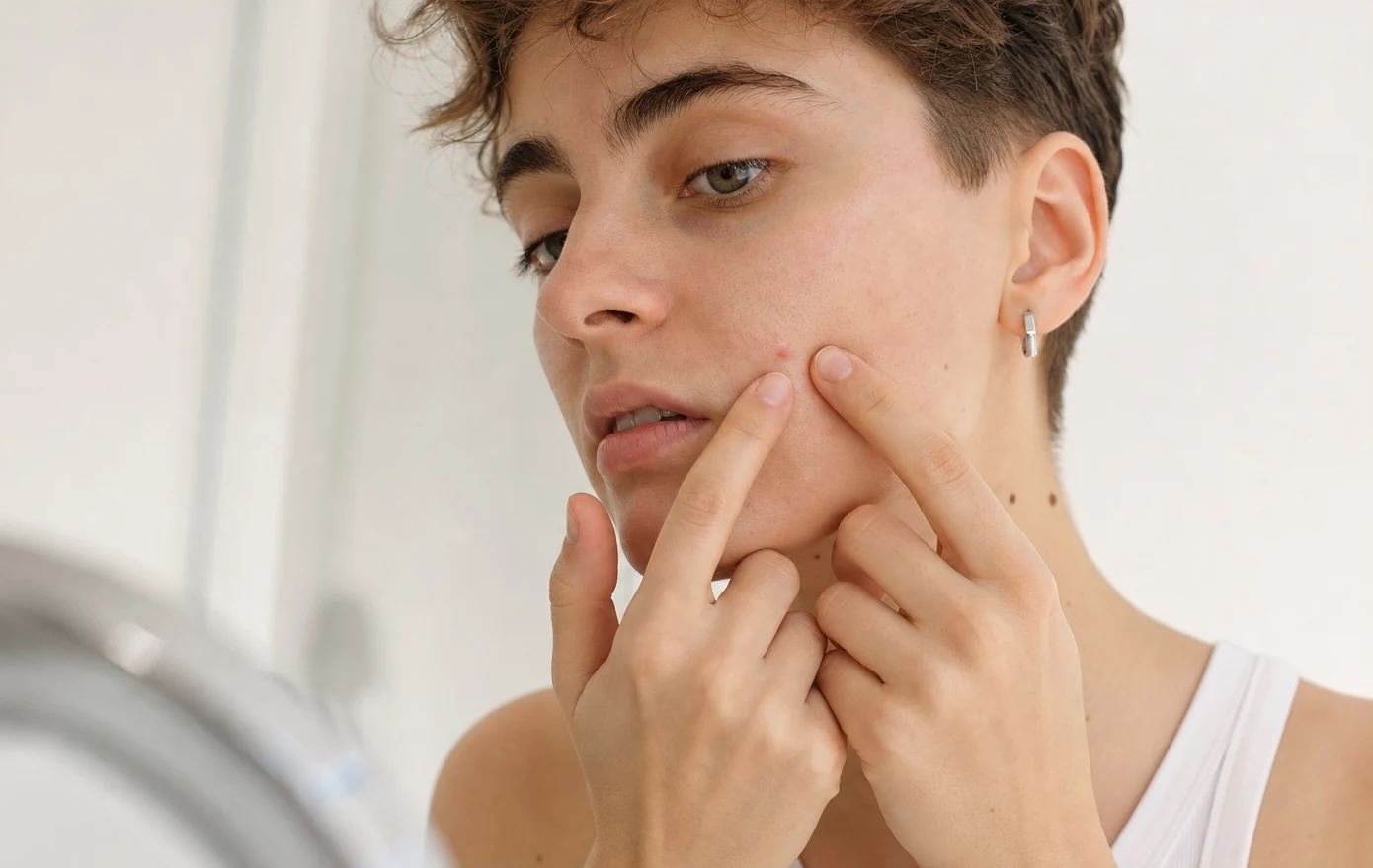
Myth: Popping pimples helps them heal faster.
Fact: Squeezing or popping acne pushes bacteria and inflammatory material deeper into the skin, increasing inflammation and the risk of scarring. It can also introduce new bacteria from your hands.
Myth: Sun exposure clears acne.
Fact: While a tan may temporarily mask redness, UV exposure damages the skin barrier, increases inflammation, and can worsen post-inflammatory hyperpigmentation. Sun exposure is not an acne treatment. Learn more in our article on whether tanning helps acne.
Getting Help for Your Acne
Understanding what causes acne is empowering — but knowledge alone does not clear your skin. If you have been dealing with persistent breakouts, the most impactful step you can take is working with a dermatologist who can identify which of the four causes is most active in your skin and build a personalized treatment plan.
At Honeydew, our board-certified dermatologists, nurse practitioners, and physician assistants have treated over 100,000 acne cases. We offer same-day and next-day appointments, and we can prescribe the full range of acne treatments — from topical retinoids and antibiotics to spironolactone and isotretinoin (Accutane). Over 90% of our patients see results, and you can get started from the comfort of your home.
.webp)

Medically Reviewed by
Joel Spitz, MD
Co-Founder & Chief Medical Officer, Board Certified Dermatologist