Key Takeaways

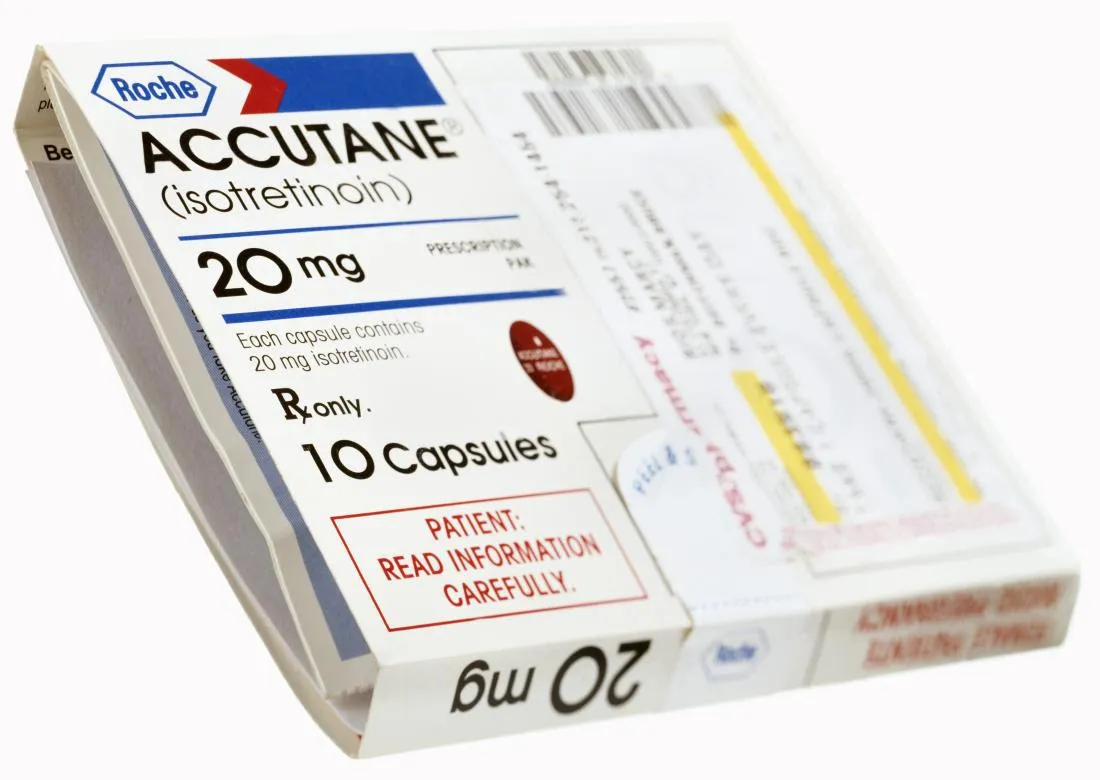
Reality Check: Most acne treatments only fix part of the problem. Accutane targets every piece of the puzzle. The oral medication is widely recognized as "the most potent agent available for treatment of acne" that’s because isotretinoin (the generic name for Accutane) targets every underlying factor driving your breakouts.
So how does Accutane work-work? Let’s ask dermatologist Dr. Kim Rossi: “Accutane is a derivative of Vitamin A and is classified as a retinoid. It alters the retinoid receptors in the pilosebaceous unit to prevent acne lesions.” As we mentioned, it addresses all four factors that drive acne: sebum reduction, cell turnover, antibacterial action, and soothes Inflammation, which is why it often works when other treatments don't - 70 to 80% of patients achieve long-term remission after just one course according to a peer-reviewed review.
Quick Answer: What Does Accutane Do?
In a nutshell, Accutane targets all four root causes of acne. It shrinks your oil glands so they produce way less oil, keeps pores unclogged, starves acne bacteria, and calms inflammation that causes redness and swelling. Dermatologists most-often prescribe Accutane when acne is severe, causes scarring, or ignores other treatments. Once you finish a full course, most users get clear skin that stays clear.
Our guide to how Accutane works will give you a clear, evidence-based picture of what isotretinoin actually does, who it's for, and how to decide if it's the right choice for your acne.
What Does Accutane Do for Your Skin?
Acne starts in the pore. According to the National Institutes of Health, oil and dead skin cells stick together and plug the pore, which lets bacteria that normally live on your skin grow and cause redness, swelling, and pain. Most treatments target only one or two of those steps: benzoyl peroxide goes after bacteria, for example, and retinoid creams help keep pores clear. Isotretinoin works on all of them:
- Shrinks oil glands and cuts oil. At a standard dose, oil output drops by about 90% within six weeks.
- Keeps pores from clogging by helping skin cells inside the pore shed normally.
- Reduces acne bacteria, since bacteria have far less oil to feed on.
- Calms inflammation, so deep, painful bumps settle down.
The oil gland change is the big one. As Cleveland Clinic puts it, "Isotretinoin shrinks the size of oil glands." Oil is the fuel for the whole acne process, so turning it down makes it much harder for new breakouts to form. That is also why less shine and dry lips are often the first signs it is working. “After therapy is complete, the oil glands regain their size but not their complete function.” says Dr. Rossi. “This is an added bonus for my extremely oily acne patients.”
For you, this means Accutane doesn't just treat the pimples you have now. It changes the conditions that create new ones, while creams and antibiotics tend to work only as long as you keep using them. For the deeper science, see How Exactly Does Accutane Work? Knowing how it works raises the next question: how well does it actually do the job?
How Well Does Accutane Work?
Very well. Accutane is one of the most effective acne treatments available. It clears acne in the majority of patients who finish a course, and one review found 70 to 80% stay clear long term after a single course.
In fact, in the clinical trial behind one brand, Absorica, 70% of patients cut their deep acne nodules by at least 90% within 20 weeks.
Results take time, though. A standard course usually runs about 6 to 8 months, and some people flare a little in the first few weeks before things improve. Sticking with the full course matters, because stopping early can raise the chance of acne coming back.
“I often recommend oral antihistamines and topical treatments during the first few months of Accutane therapy to help minimize the purge.” says Rossi of the skin purging that occurs with Accutane. “Sometimes oral medications are indicated to cool off inflamed cystic acne before starting Accutane.”
The American Academy of Dermatology says treatment "often results in prolonged clearance of acne, which can be permanent for some patients." Others need a second course later on, often at a lower dose. That is normal and does not mean the first course failed.
Results like these are why dermatologists don't save Accutane for only the most extreme acne. So how do you know if yours fits?
When Should You Consider Accutane?
Accutane isn't only for the most extreme cases. The 2024 AAD acne guideline strongly recommends it for acne that is severe, causes scarring, weighs on you emotionally, or hasn't improved with other treatments. Here's how that looks in real life:
| Your situation | Worth discussing Accutane? |
|---|---|
| Severe acne | Yes |
| Acne causing scars | Yes, even if it doesn't look severe |
| Acne affecting your confidence or daily life | Yes |
| Acne that hasn't improved with other treatments | Yes |
| Acne that clears on antibiotics or creams but returns when you stop | Yes, worth asking |
| Mild acne that responds to topicals | Usually not yet |
In other words, you don't need the most extreme cystic acne to qualify. If your breakouts keep coming back, leave marks, or wear on you, it is worth asking about Accutane. Scarring is a good example. Acne scars are hard to undo, so waiting months to see if another cream works can leave marks that last.
Your history matters too. Many people spend years moving from cream to cream, or taking antibiotics for months, only to break out again when they stop. That pattern suggests your acne needs a treatment that changes the underlying cause. Keep a simple list of what you've tried and for how long, since insurers often ask for it before covering isotretinoin. At Honeydew, our care team handles prior authorizations for you, including the paperwork and follow-up with your insurer.
What to Know Before Starting Accutane
Accutane works well, but it is a commitment for several months. Here's what to plan for:
- Dry skin and dry lips are common
- You'll have monthly check-ins with your provider
- Everyone enrolls in iPLEDGE, and pregnancy must be prevented
Dryness is a direct result of the oil glands shrinking, and a gentle cleanser, rich moisturizer, and lip balm go a long way. Dryness usually eases once treatment ends, and serious side effects are rare. Patients may experience some degree of permanent dryness since the oil glands are being affected. Read more in The Truth About Accutane Side Effects.
The monthly check-ins are how your provider keeps treatment safe and on track. Each month, you confirm how you're feeling, any side effects, and, if you can get pregnant, your pregnancy test result. At Honeydew, this happens through your online dashboard with no in-person visits, and we guide you through every iPLEDGE step, from timing windows to confirmations. Learn more in our article What Is iPLEDGE?
Pregnancy warning: The FDA label warns that isotretinoin can cause life-threatening birth defects if pregnancy happens while taking it, even for a short time. If you can get pregnant, you must not be pregnant during treatment.
Honeydew Recommends
Deciding whether Accutane is right for you starts with a conversation, and at Honeydew we recommend working with a dermatology provider to assess your skin and weigh the pros and cons of different treatment options. When considering treatment timing, “I prefer to start appropriate patients on Accutane therapy, rather than expose them to long term antibiotic use.” says Rossi.
Dermatologists also look beyond just severe cases when prescribing isotretinoin. “In addition to using Accutane for my patients with cystic acne, I like to offer Accutane when my patients have mild to moderate acne and are no longer responding to standard therapies.” recommends Rossi. “I also prefer Accutane, when my patients have acne that keeps recurring when standard therapy is discontinued.”
That’s why your first consultation is free if you sign up for Honeydew. A licensed dermatology provider reviews your acne history, checks whether it fits the guideline, and explains your options, including standard or lower dosing.
If you start treatment, your provider sets your dose and checks in every month, and our Care Team answers questions 7 days a week. We run your prescription through insurance, where eligible patients can pay as low as $0 per box, and your medication is sent to your pharmacy or delivered to your door.
Ready to See If Accutane Is Right for You?
Our dermatology providers can review your history and build a plan that fits your skin. Your first consultation is free. Start Your Free Consultation