Key Takeaways

Quick Answer: Accutane Purging
Key point: The Accutane purge typically lasts 2-6 weeks, with most patients seeing improvement by month 2. Not everyone experiences purging, and starting with a lower dose can significantly reduce its severity.
- Purging usually begins within the first 2-4 weeks of treatment
- Peak purging often occurs between weeks 3-8
- Low-dose protocols (10-20mg daily) can minimize or prevent purging
Understanding Accutane and Skin Purging
Accutane, also known as isotretinoin, is a powerful retinoid medication used to treat stubborn acne. It's often prescribed when other acne treatments have failed or cannot be tolerated. While Accutane is highly effective, many patients worry about one particular side effect: skin purging.
The good news? Not everyone experiences purging, and there are proven strategies to minimize it. In this guide, we'll cover exactly what the Accutane purge is, how long it lasts, who's most likely to experience it, and what you can do to reduce its severity.
What Is the Accutane Purge?
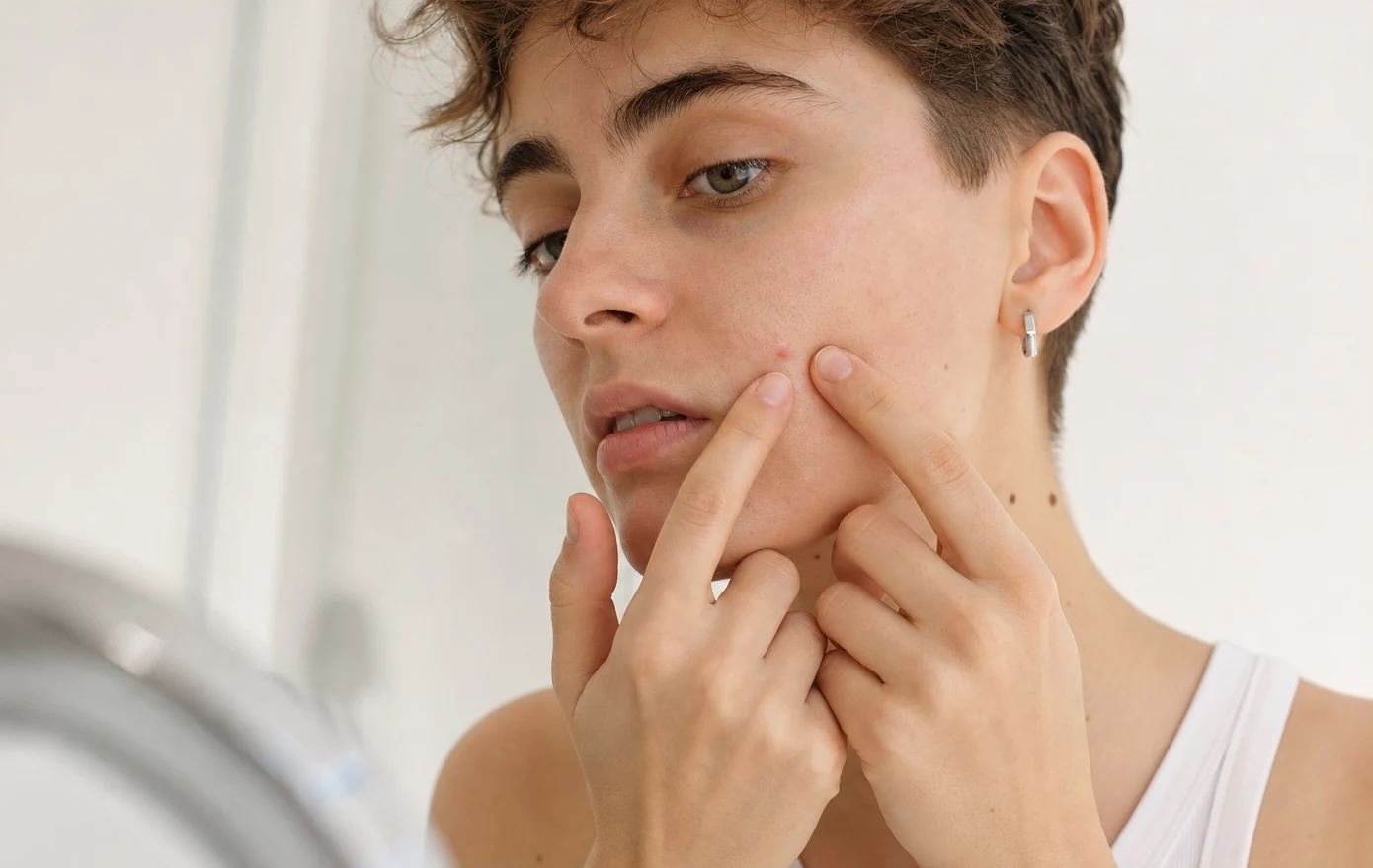
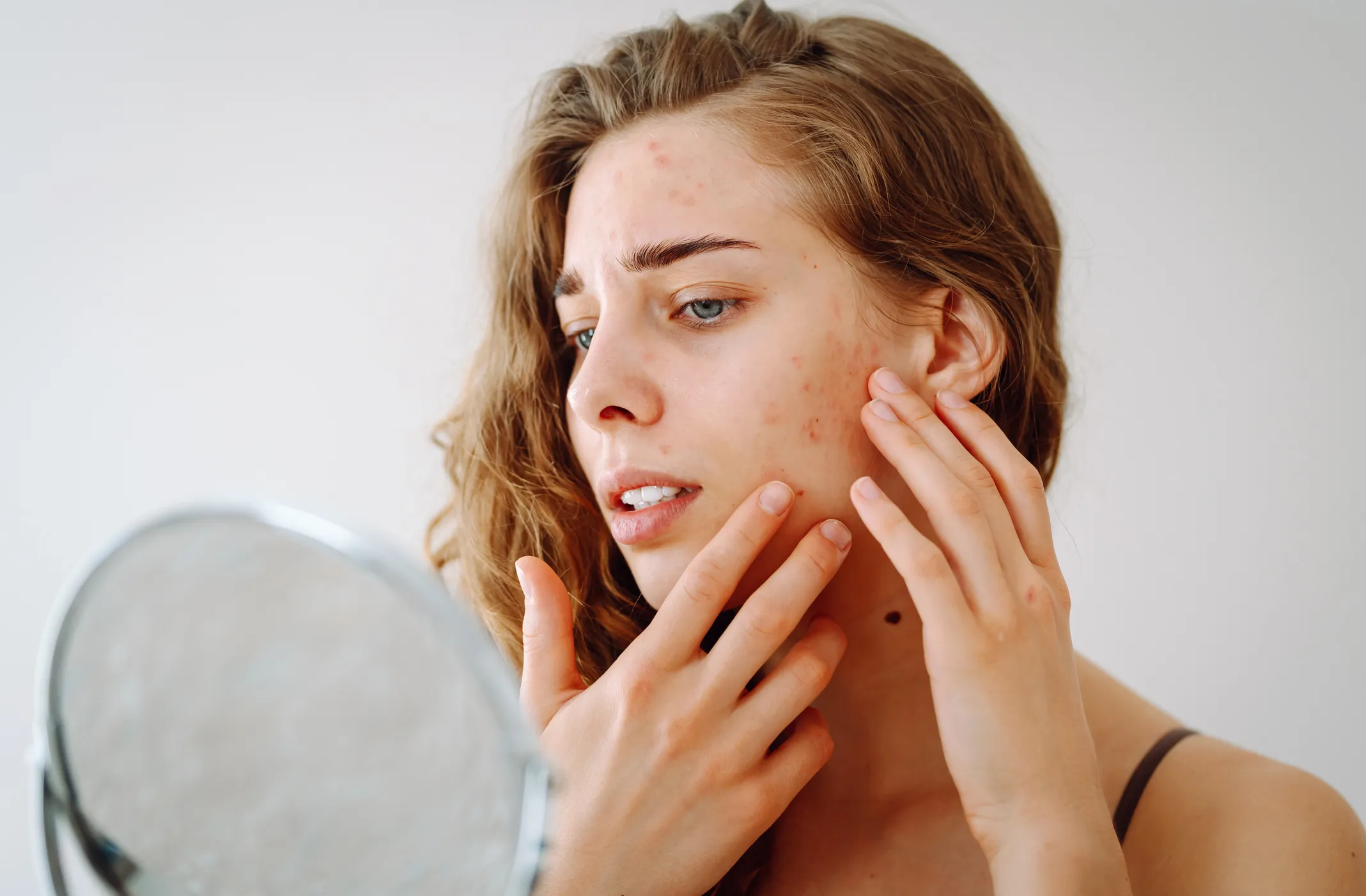
The Accutane purge is a temporary flare-up of acne that occurs shortly after starting isotretinoin treatment. This worsening of acne is a normal and expected part of the treatment process for some patients.
Skin purging occurs when the medication accelerates skin cell turnover, causing existing acne and clogged pores to surface more quickly. This can lead to a temporary increase in breakouts. However, not everyone will experience skin purging when starting Accutane.
Honeydew nurse practitioner Elizabeth Cooper breaks down the Accutane purge and how to manage it.
What to expect: The purge allows the medication to function effectively by eliminating acne from its source, paving the way for clearer skin in the long run. Think of it as your skin clearing out years of buildup all at once.
The Science Behind Accutane Purging
On a cellular level, isotretinoin works by binding to retinoic acid receptors in the skin, which then regulate gene expression related to cell growth, differentiation, and sebum production. This binding action dramatically reduces sebum production, which is often overactive in acne-prone skin.
Research has shown that isotretinoin decreases sebum production by up to 88.4% over a treatment course. This dramatic reduction in oil production is what makes Accutane so effective, but it also contributes to the initial purging phenomenon as the skin adjusts to these new cellular signals.
Does Everyone Purge on Accutane?
No, not everyone purges on Accutane. While purging is a well-documented phenomenon, many patients start isotretinoin treatment without experiencing a significant increase in breakouts.
Several factors influence whether you're likely to purge:
- Baseline acne severity: Patients with more severe acne, particularly those with lots of comedones (blackheads and whiteheads) or cystic acne, are more likely to experience purging. There's simply more buildup beneath the skin that needs to surface.
- Starting dose: Higher starting doses are associated with more intense purging. This is why many dermatologists recommend starting with a lower dose and gradually increasing it.
- Skin type: Those with oilier skin and higher sebum production may experience more noticeable purging as their skin adjusts to the dramatic reduction in oil.
- Previous retinoid use: Patients who have used topical retinoids before may have less severe purging, as their skin has already adapted to increased cell turnover.
Even among those who do purge, the experience varies widely. Some patients notice only a mild increase in breakouts for a week or two, while others experience more significant flare-ups lasting several weeks.
How Long Does the Accutane Purge Last?
The Accutane purge typically lasts 2 to 6 weeks, though individual experiences vary. Most patients who experience purging see improvement by the end of their second month of treatment.
TimelineWhat to ExpectFirst 2-4 weeksPurging usually beginsWeeks 3-8Peak purging phaseMonths 2-3Significant improvementMonths 3-6Continued clearing toward results
Several factors influence how long your purge may last:
- The severity of your acne prior to treatment
- Individual skin type and how quickly your skin responds to the medication
- Your dosage and whether you started low or at a standard dose
- Proper adherence to skincare routines that support skin barrier health
Accutane Purge Timeline: Week by Week
.png)
Understanding what to expect each week can help you stay committed to treatment, even when your skin temporarily looks worse. Here's a typical Accutane purge timeline:
- Weeks 1-2: Initial skin response begins. You may notice increased dryness and skin sensitivity before any purging starts. Some patients see early breakouts during this period, while others experience a "calm before the storm."
- Weeks 2-4: This is when the purge typically begins in earnest. Existing comedones and clogged pores start surfacing as pimples, pustules, or cystic breakouts. This is often the most challenging phase emotionally.
- Weeks 4-8: Peak purging phase for many patients. You may see the most intense breakouts during this period. However, by week 6-8, many patients notice the purge beginning to slow down.
- Months 2-3: Significant reduction in purging symptoms. New breakouts become less frequent and less severe. Existing inflammation begins to heal.
- Months 3-6: Continued improvement with steady progress toward clear skin. Most patients are well past the purging phase and seeing the results they hoped for.
Remember: even though some people experience purging, the majority see meaningful improvement by the end of month two. The temporary setback is often followed by the clearest skin of your life.
Strategies to Minimize Purging on Accutane
.png)
If you're concerned about skin purging while taking Accutane, there are several evidence-based strategies you can employ to minimize its occurrence or severity:
- Start with a lower dose: Beginning your Accutane treatment with a lower dose can help your skin adjust more gradually, potentially reducing the likelihood or severity of purging. Many dermatologists now prefer low-dose protocols (10-20mg daily) that extend treatment duration but significantly reduce side effects including purging.
- Consider antibiotics: Using antibiotics in conjunction with Accutane may help prevent or minimize skin purging. However, some antibiotics are contraindicated with Accutane, so it's important to work with your healthcare provider to ensure your combination is safe.
- Discuss steroid options: Your dermatologist may recommend a short course of oral steroids to help manage inflammation and reduce purging symptoms, particularly if you have severe cystic acne.
- Try antihistamines: Some scientific evidence suggests that certain antihistamines may help reduce purging caused by Accutane by decreasing inflammation.
- Consult your dermatologist regularly: If you do experience skin purging while on Accutane, it's crucial to maintain communication with your dermatologist. They can provide personalized advice and potentially adjust your treatment plan.
Advanced Skincare Routine During Accutane Purge
Developing a gentle but effective skincare routine is crucial during the Accutane purge period:
- Ultra-gentle cleansing: Use pH-balanced, fragrance-free cleansers that won't strip the skin's natural barrier. Avoid foaming cleansers and anything with active ingredients like salicylic acid or benzoyl peroxide.
- Intense hydration: Incorporate hyaluronic acid serums and ceramide-rich moisturizers to combat the dryness that accompanies isotretinoin treatment.
- Sun protection: Apply broad-spectrum SPF 30+ daily, as isotretinoin significantly increases photosensitivity. Reapply every 2 hours when outdoors.
- Barrier repair: Look for products containing niacinamide, which can help strengthen the skin barrier and reduce inflammation.
- Cool compresses: Use cold compresses on inflamed areas to reduce redness and discomfort during active breakouts.
Important Considerations When Taking Accutane
Red flag: Contact your doctor immediately if you experience severe skin rash or hives spreading to new areas, facial or lip swelling, difficulty breathing, high fever, severe headaches or vision changes, or yellowing of the skin or eyes. These may indicate a serious adverse reaction.
While focusing on managing the purge, it's essential to remember other important aspects of Accutane treatment:
- Use two reliable forms of birth control or abstinence for one month before, during, and for one month after stopping Accutane.
- Reduce alcohol consumption while taking Accutane.
- Be aware of potential interactions with other medications, including benzoyl peroxide, salicylic acid, seizure medications, and certain antibiotics.
- Monitor your mood and behavior, and contact your care team if you notice any significant changes.
- Do not use Accutane if you are pregnant or breastfeeding.
- Never share your Accutane medication with others.
For a complete list of precautions and potential interactions, consult the Cleveland Clinic's comprehensive guide on isotretinoin.
Distinguishing Between Purging and Allergic Reactions
It's important to differentiate between normal purging and potentially serious adverse reactions to Accutane:
Normal purging signs:
- Breakouts in areas where you typically get acne
- Temporary worsening followed by gradual improvement
- Resolution within a few weeks to a couple months
- Breakouts that look like your usual acne (just more of it)
Signs that warrant immediate medical attention:
- Severe skin rash or hives spreading to new areas
- Facial or lip swelling
- Difficulty breathing
- High fever
- Severe headaches or vision changes
- Yellowing of the skin or eyes
While severe adverse reactions to Accutane are rare, please consult your doctor immediately if you experience any of the warning signs listed above.
Managing Expectations: Before and After the Accutane Purge
Understanding what to expect before, during, and after the Accutane purge can help you maintain realistic expectations and stay committed to your treatment plan:
Before treatment:
- Document your baseline skin condition with photos from multiple angles
- Prepare your skincare routine with gentle, hydrating products
- Stock up on lip balm and moisturizer for anticipated dryness
- Discuss low-dose options with your provider if you're concerned about purging
During the purge phase:
- Maintain consistent medication usage despite temporary worsening
- Avoid picking or squeezing breakouts to prevent scarring
- Keep in regular contact with your healthcare provider
- Practice stress-reduction techniques, as stress can exacerbate acne
- Remember that the purge is temporary and a sign the medication is working
After the purge:
- Expect gradual improvement rather than overnight clearing
- Continue using sunscreen diligently (even after treatment ends)
- Follow your provider's guidance on treatment duration
- Discuss maintenance strategies for after treatment concludes
Start Your Accutane Treatment with Expert Support
For those seeking a convenient and accessible way to receive Accutane treatment, Honeydew offers online isotretinoin treatment with a focus on patient comfort and care. Their approach to Accutane treatment aligns well with strategies to minimize purging:
- Low-dose options available: Honeydew offers both standard-dose and low-dose Accutane protocols, allowing for a more gradual start to treatment that may reduce purging.
- Licensed dermatology providers: All Honeydew providers are licensed dermatologists, dermatology physician assistants, or dermatology nurse practitioners who can expertly manage your Accutane treatment.
- Monthly check-ins: Virtual monthly appointments allow your provider to track your skin progress and adjust your treatment plan as needed, which is crucial when managing potential side effects like purging.
- 7-day-a-week support: With messaging access to your care team available 7 days a week, you can quickly get answers to concerns about purging or other side effects.
- Comprehensive management: Honeydew handles iPLEDGE coordination, lab orders, and pharmacy communication so you can focus on your treatment.
Conclusion: Navigating Your Accutane Journey
The Accutane purge, while concerning, is a temporary phase that many patients navigate successfully on their way to clear skin. Remember the key takeaways:
- Not everyone purges on Accutane, and severity varies widely
- The purge typically lasts 2-6 weeks, with most improvement by month 2
- Starting with a lower dose can significantly reduce purging
- Gentle skincare and consistent treatment are essential during the purge
- Working closely with a dermatology provider helps you manage side effects effectively
Whether you're just starting to research Accutane or you're currently navigating the purge phase, know that clearer skin is achievable. The key is working with an experienced provider who can customize your treatment to minimize side effects while maximizing results.
How long does the Accutane purge last?
The Accutane purge typically lasts 2 to 6 weeks, though individual experiences vary. Purging usually begins within the first 2-4 weeks of treatment, with the peak occurring between weeks 3-8. Most patients see significant improvement by the end of their second month. Factors like your baseline acne severity, starting dose, and skin type can influence how long purging lasts.
Does everyone purge on Accutane?
No, not everyone purges on Accutane. While purging is a well-documented phenomenon, many patients start isotretinoin without experiencing a significant increase in breakouts. Those with more severe baseline acne, higher sebum production, or who start on higher doses are more likely to experience purging. Starting with a low-dose protocol can reduce the likelihood of purging.
When does Accutane purging start?
Accutane purging typically starts within the first 2-4 weeks of beginning treatment. Some patients notice early breakouts in weeks 1-2, while others see their skin stay relatively calm before purging begins around week 3-4. The peak purging phase often occurs between weeks 3-8 of treatment.
Can you prevent the Accutane purge completely?
While you can't guarantee you'll avoid purging entirely, you can significantly reduce its likelihood and severity. Starting with a lower dose of Accutane is the most effective strategy. Your dermatologist may also recommend concurrent use of antibiotics or a short steroid course. Maintaining a gentle, hydrating skincare routine also helps minimize purging symptoms.
How do I know if my skin is purging or having an allergic reaction to Accutane?
Normal purging involves breakouts in areas where you typically get acne, with gradual improvement over weeks. Allergic reactions involve symptoms like severe rash or hives spreading to new areas, facial swelling, difficulty breathing, or high fever. If you experience any of these warning signs, contact your healthcare provider immediately.
Start Your Accutane Treatment with Expert Support
Honeydew offers low-dose Accutane protocols designed to minimize purging, with 7-day-a-week messaging support and monthly check-ins to manage any side effects.
Learn More About Honeydew Accutane
.webp)

Medically Reviewed by
Joel Spitz, MD
Co-Founder & Chief Medical Officer, Board Certified Dermatologist