Dermatologist-guided care,
personalized to your skin.

GET STARTED

Acne treatment comparison

Spironolactone vs doxycycline

Spironolactone is an ongoing, off-label treatment aimed at hormonal acne in appropriate female patients. Doxycycline is a shorter-term antibiotic used to calm moderate inflammatory acne while a topical routine takes over. Sometimes they are sequential—or briefly part of the same provider-directed plan—not simple substitutes.

Get Treatment

A licensed provider decides what is safe and appropriate after reviewing your health history.

The short answer

For recurring jawline or cyclical acne, spironolactone may target the hormonal driver over time. For a red, inflamed flare, doxycycline may work as a time-limited bridge. Neither is a universal replacement for the other.

At a glance

Long-term hormonal control or short-term inflammation control

Use the selector to highlight the tradeoff you care about. It cannot identify the cause of your acne or determine treatment eligibility.

Compare by priority

Select what you want to understand first.

Choose a priority to highlight the most relevant treatment profile.

Hormonal therapy

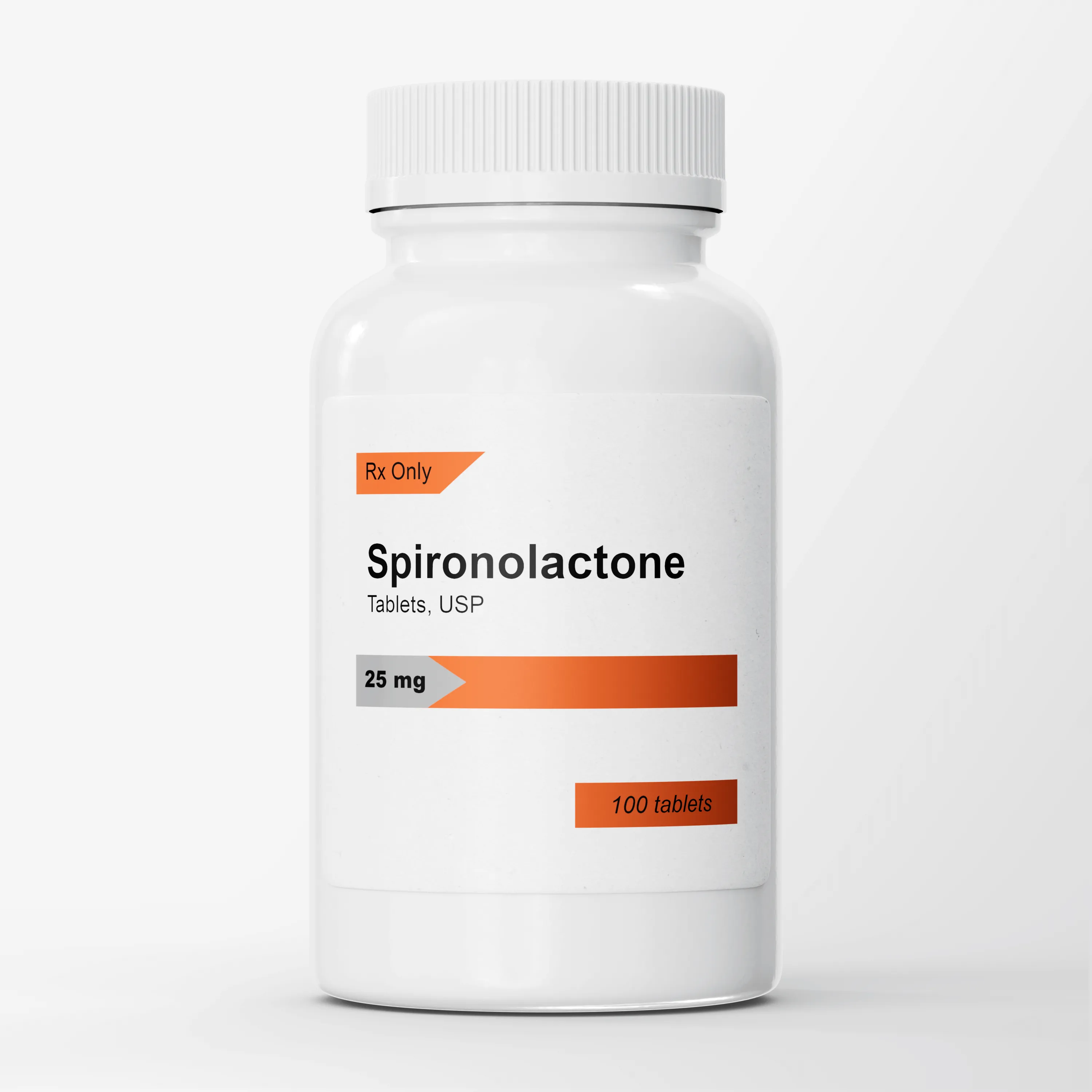
Spironolactone

Blocks androgen effects that can drive oil production and recurring hormonal breakouts. Acne use is off-label.

  • Often discussed forCyclical, lower-face or jawline acne in appropriate female patients
  • First changesOften 8–12 weeks, with improvement continuing over several months
  • Usual courseLong term while effective, tolerated and medically appropriate
  • After stoppingHormonal breakouts may gradually return
Tetracycline antibiotic

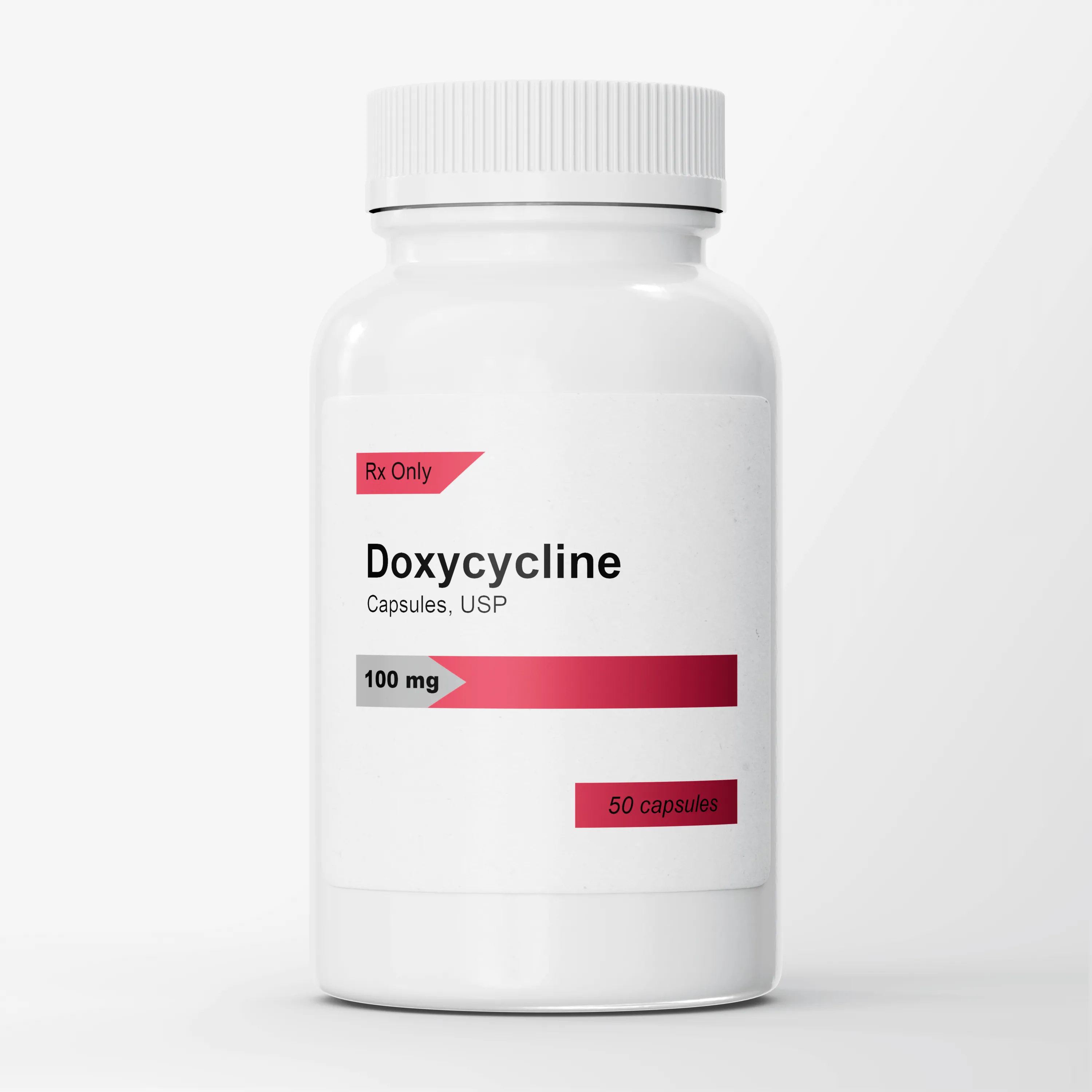
Doxycycline

Reduces acne-associated bacteria and inflammation while topical therapy addresses clogged pores and maintenance.

  • Often discussed forModerate inflammatory acne with red papules, pustules or tender breakouts
  • First changesOften 2–6 weeks, with a fuller assessment around 8–12 weeks
  • Usual courseAs brief as possible—commonly about 3–4 months
  • After stoppingTopical maintenance continues; inflammation may return if the underlying pattern remains active

Best suited for

What each one treats—and what it leaves to the rest of the plan

Both are usually part of a broader regimen. Topical retinoids, benzoyl peroxide or other non-antibiotic treatments often handle clogged pores and maintenance.

Spironolactone may fit when…

It may treat

  • Breakouts that flare with the menstrual cycle
  • Persistent chin, jawline or lower-face acne
  • Adult female acne that returns after antibiotic treatment
  • A hormonal pattern needing ongoing control without long-term antibiotics

It may not fit when

  • A rapid reduction in a widespread inflammatory flare is the immediate goal
  • Pregnancy is planned, current or possible without reliable prevention
  • Kidney disease, high potassium or interacting drugs raise risk
  • The patient is male; hormonal side effects generally make it unsuitable for acne in men

Doxycycline may fit when…

It may treat

  • A moderate flare dominated by red, inflamed papules or pustules
  • Facial, chest or back acne that needs systemic inflammation control
  • A short bridge while topical maintenance or spironolactone begins working
  • Inflammatory acne in patients who are not candidates for hormonal therapy

It may not fit when

  • Acne is mainly comedonal or driven by a recurring hormonal pattern
  • Indefinite treatment would be required; antibiotic resistance limits long-term use
  • Pregnancy, young age or an interaction makes tetracyclines inappropriate
  • Severe nodules or scarring suggest the need to discuss isotretinoin or another strategy
Not always either/or: A provider may use doxycycline briefly while spironolactone and topical treatment have time to work, then stop the antibiotic. Any combination or sequence should be prescribed and monitored—not assembled from leftover medication.

Side effects and safety

Different risks, different daily habits

Spironolactone’s major concerns involve blood pressure, potassium and pregnancy. Doxycycline’s include digestive irritation, sun sensitivity, interactions and antibiotic resistance.

Spironolactone

Common effects

  • More frequent urination
  • Dizziness or lower blood pressure
  • Breast tenderness
  • Menstrual changes

Important safety considerations

Spironolactone can raise potassium, especially with kidney disease or certain medications. A provider decides whether potassium and kidney tests are needed based on age, dose, health and drug interactions.

Pregnancy: Spironolactone is not considered appropriate during pregnancy because of potential effects on fetal sex development. Discuss pregnancy plans and contraception with your provider.
Doxycycline

Common effects

  • Nausea, stomach upset or diarrhea
  • Sun sensitivity
  • Throat or esophageal irritation
  • Yeast infection in some patients

Important safety considerations

Take with water and remain upright afterward as directed. Antacids, iron and some supplements can reduce absorption. Pregnancy and tooth/bone development precautions apply, so disclose pregnancy plans and every medication.

Resistance: Oral antibiotics should be limited and paired with benzoyl peroxide and other topical therapy. They are not intended as a solo, open-ended acne plan.

Treatment timeline

How the first months can unfold

Spironolactone

Review

Check health history, pregnancy plans, medications, blood pressure and any need for labs.

Build

Early change often takes 8–12 weeks. Dose and topical treatment may be adjusted as response develops.

Maintain

Continue while it works and remains safe. Hormonal acne may return if treatment stops.

Doxycycline

Start together

Use with a provider-directed topical routine, including benzoyl peroxide to help limit resistance.

Reassess

Inflammation may start easing within weeks. Review progress around 8–12 weeks.

Step down

Stop on plan—often by 3–4 months—and continue non-antibiotic maintenance.

Interactive cost comparison

The care fee is the same. The medication timeline is not.

Both treatments are covered under our basic membership when prescribed. Switch the billing schedule below; medication and any lab costs stay separate.

Our basic membership

Spironolactone care

$25/month equivalent

Billed $299 once per year

Medication: Current price examples are about $10–$30 retail or $5–$15 with common discounts.

Labs: Separate when clinically indicated.

Our basic membership

Doxycycline care

$25/month equivalent

Billed $299 once per year

Medication: Current price examples are about $10–$30 retail or $5–$15 with common discounts.

Labs: Not usually routine for acne use; separate if ordered.

Traditional self-pay example

One clinic’s acne visit

$225

Published self-pay fee for an acne visit excluding isotretinoin

Medication: Separate and variable.

Follow-up: Frequency and fee depend on the practice.

Price snapshot reviewed July 20, 2026. Our membership prices exclude prescription medication, lab work and over-the-counter products. Insurance coverage and pharmacy pricing vary. The $225 figure is one published U.S. dermatology clinic’s self-pay fee—not a national average or guaranteed price. GoodRx examples reviewed the same day included $5.40 for 30 generic spironolactone 25 mg tablets, $7.20 for 30 generic 50 mg tablets, about $12 for 30 doxycycline 50 mg capsules and about $5 for 14 doxycycline 100 mg capsules. Coupon prices change by pharmacy, location, dose and quantity.

How your care works

A plan for the flare and what comes after it

We account for both the immediate breakouts and the maintenance strategy, with prescriptions only when clinically appropriate.

1

Map the pattern

Share photos, timing, location, prior treatments, menstrual pattern when relevant and current health information.

2

Choose a role

Discuss whether oral treatment should target a hormonal driver, calm an inflammatory flare or follow a sequence.

3

Support it topically

Build the non-antibiotic routine that treats clogged pores and can keep working after an oral antibiotic stops.

4

Review and adjust

Track side effects and progress so treatment can continue, step down or change at the right time.

Frequently asked questions

Spironolactone and doxycycline, answered

Is spironolactone better than doxycycline for hormonal acne?

Spironolactone targets androgen signaling, so it may be the more directly matched long-term option for a hormonal pattern in appropriate female patients. Doxycycline can still calm an inflamed flare, but it does not change the hormonal driver and should be time-limited.

Can spironolactone and doxycycline be taken together?

A provider may prescribe both for selected patients—for example, doxycycline as a short bridge while spironolactone starts working. Combining them is not right for everyone, and the plan should include an antibiotic stop date, topical therapy and a review of pregnancy risks and interactions.

Which medication works faster?

Doxycycline may reduce inflammation within 2–6 weeks. Spironolactone often needs 8–12 weeks and can continue improving over several months. A faster start does not make doxycycline suitable for indefinite use.

Which treatment is used longer?

Spironolactone can be continued long term while it remains effective and safe. Doxycycline is generally limited to the shortest effective course—often around 3–4 months—because of antibiotic resistance and adverse effects.

Do I still need topical acne treatment?

Usually, yes. Topical treatment can address clogged pores, support either oral option and continue as maintenance. Benzoyl peroxide is especially important with doxycycline because it helps reduce antibiotic resistance.

A clearer next step

Talk through the pattern behind your breakouts

Start online and ask a dermatology provider whether your plan should target a hormonal driver, a current inflammatory flare or both over time.

Get Treatment

Medical disclaimer: This page provides general U.S.-focused education and cost examples, not a diagnosis or personalized treatment recommendation. Do not start, stop or combine prescription medications without a licensed clinician. Seek urgent care for severe symptoms or a medical emergency.