Dermatologist-guided care,
personalized to your skin.

GET STARTED

Acne treatment comparison

Tretinoin vs benzoyl peroxide

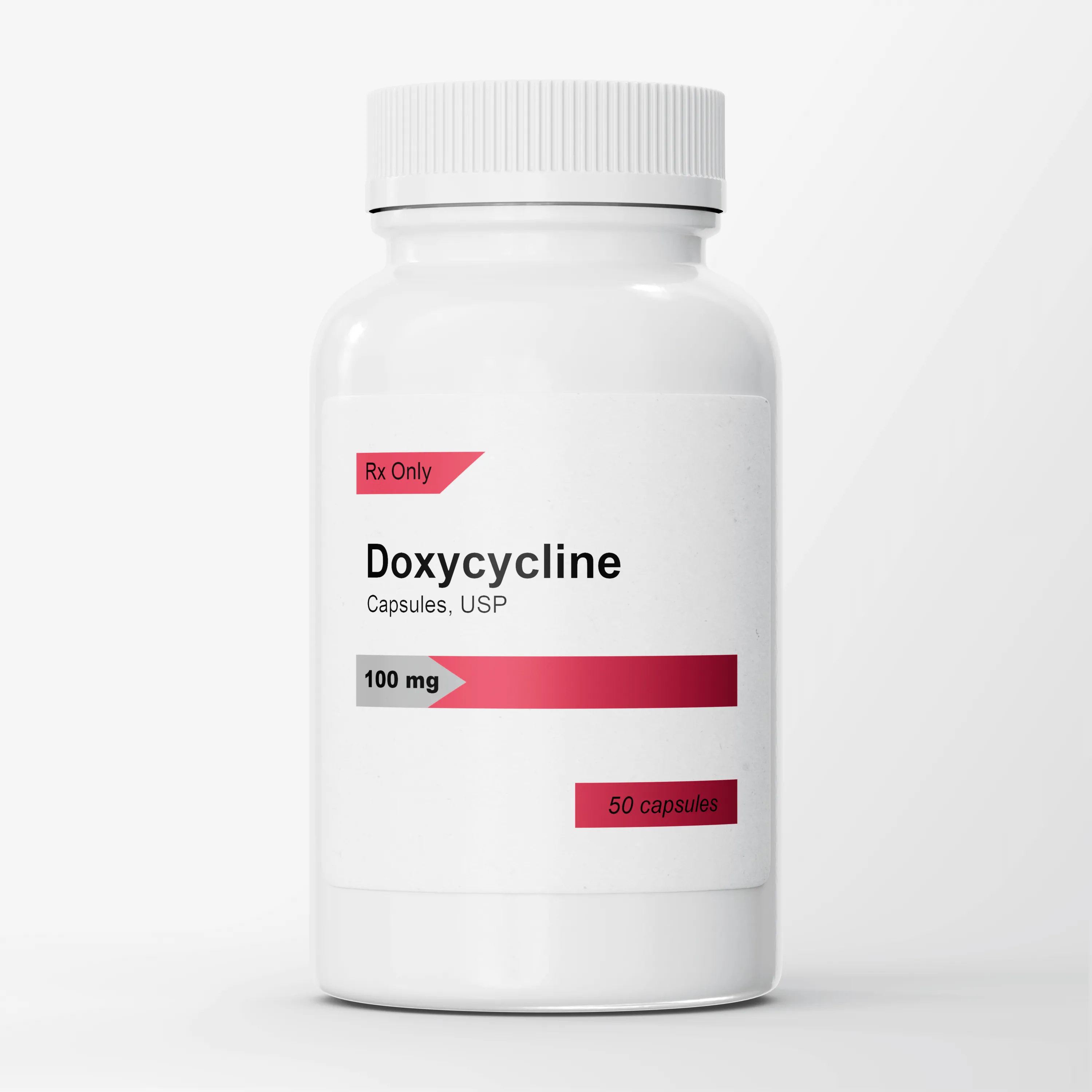
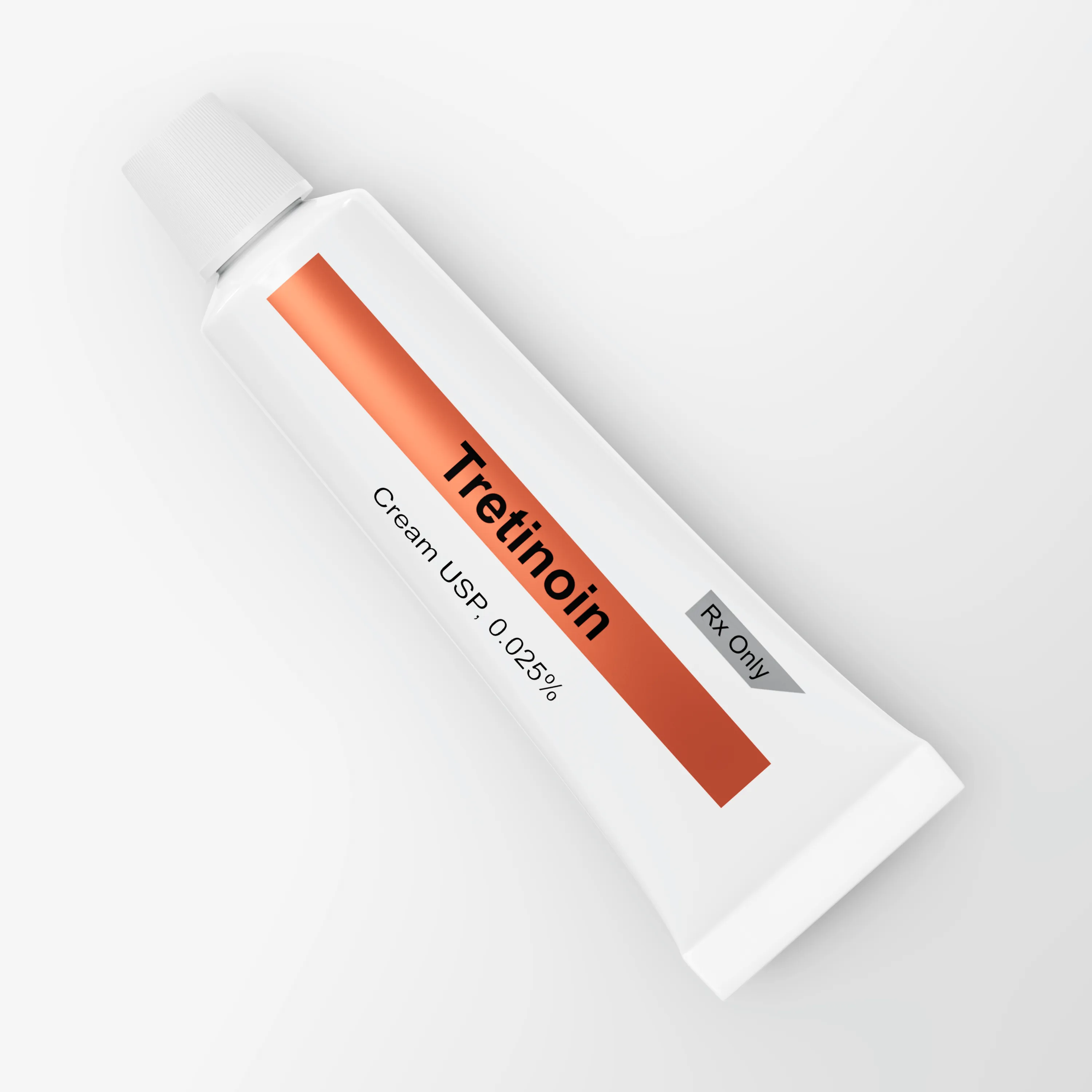
Tretinoin is a prescription retinoid that prevents microcomedones and supports long-term pore maintenance. Benzoyl peroxide is an over-the-counter antimicrobial that can calm inflamed breakouts on treated skin. They answer different acne problems and are often used in one coordinated routine rather than treated as one-for-one substitutes.

Get Started

A licensed provider can match the products, vehicles and schedule to your acne pattern and skin tolerance.

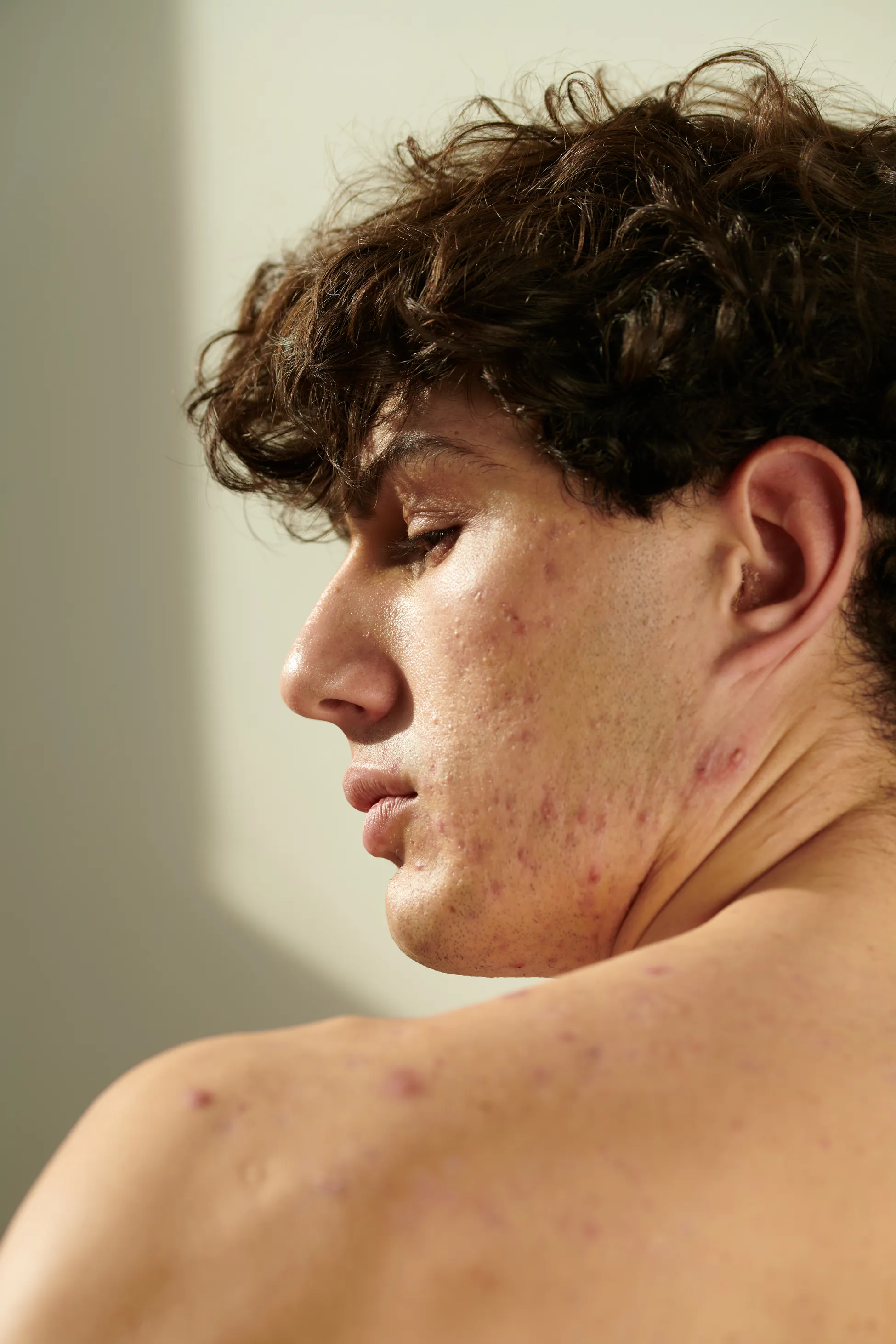
Person considering acne treatmentOne goal. Different paths.
The short answer

Tretinoin usually carries more of the blackhead, whitehead and prevention work. Benzoyl peroxide has a more direct antimicrobial role for red papules and pustules. If both lesion types coexist, the practical question is how to combine them without overwhelming the skin or ignoring formulation-specific instructions.

At a glance

Choose the job before choosing the product

Select a priority to see which profile moves forward. The highlight explains treatment roles; it cannot diagnose acne or choose a safe routine for you.

Compare by priority

Start with what you most want the routine to accomplish.

Choose a priority to highlight the most relevant treatment profile.

Tretinoin treatmentPrescription topical retinoid

Tretinoin

Changes follicular-cell behavior to reduce the earliest pore plugs and help existing comedones move out.

  • Often discussed forBlackheads, whiteheads, mixed acne and acne-prone pores
  • Where it worksAcross the consistently treated area, not only on visible spots
  • Response windowEarly change can occur in weeks; definite benefit may take more than six weeks
  • Longer rolePrevention and maintenance after acne responds
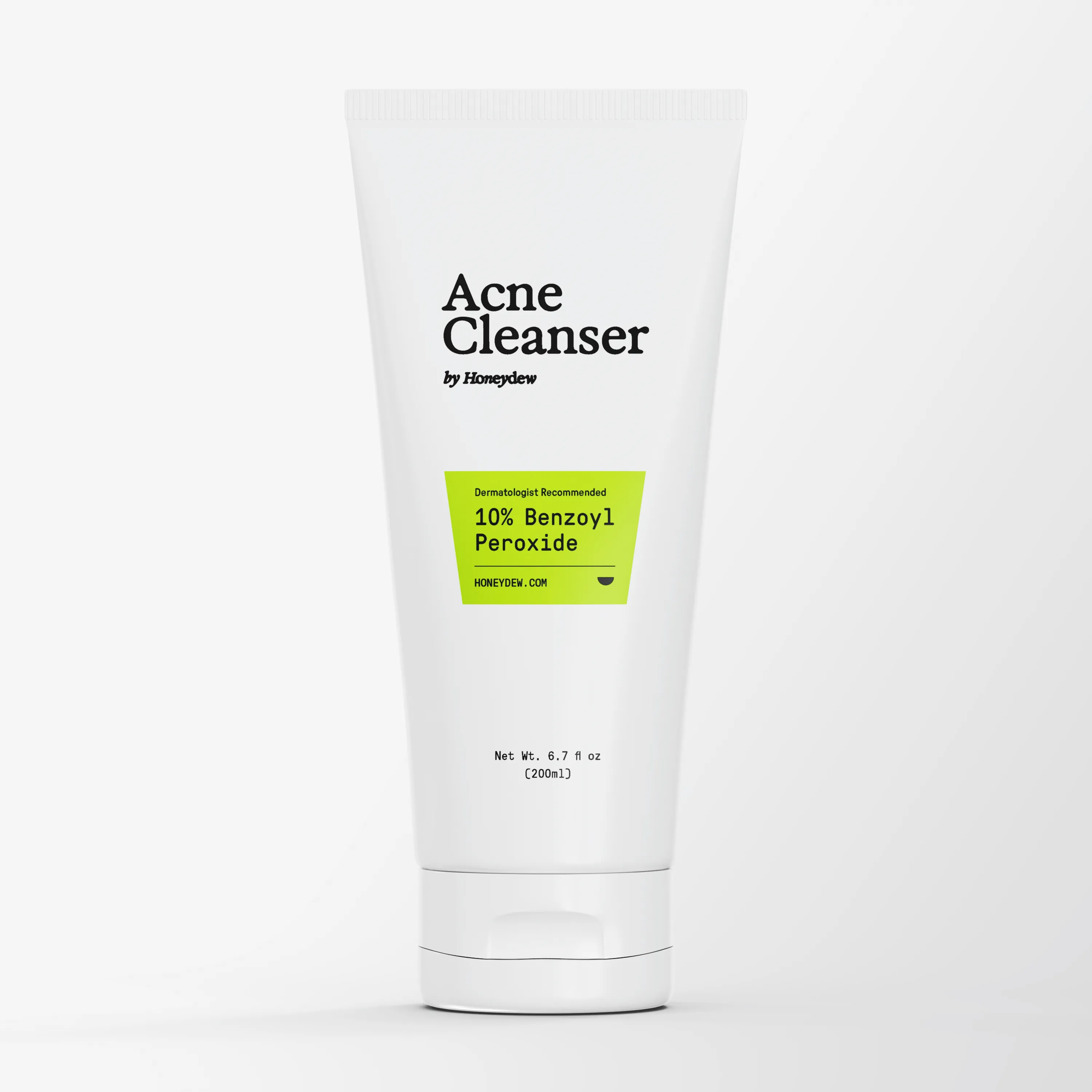
Benzoyl peroxide cleanser treatmentOTC non-antibiotic antimicrobial

Benzoyl peroxide

Reduces acne-associated bacteria and supports inflammatory control without being a topical antibiotic.

  • Often discussed forMild-to-moderate red papules, pustules and body breakouts
  • Where it worksFace or body skin reached by the wash or leave-on product
  • Response windowEffects may become noticeable over roughly four to six weeks
  • Longer roleAntimicrobial support when useful, tolerable and compatible with the rest of the routine

Best suited for

Follow the lesion pattern, not a “stronger is better” ladder

A provider also considers affected area, severity, scarring risk, pregnancy plans, eczema, current products and what your skin can use consistently.

Tretinoin may fit when…

It may help address

  • Blackheads, closed comedones or persistent pore congestion
  • A need to prevent new plugs across an acne-prone area
  • Mixed acne that needs a retinoid backbone beside another active
  • A maintenance plan after a flare becomes controlled

It may not fit when

  • Pregnancy or trying to conceive calls for a different routine
  • Sunburn, eczema or a disrupted barrier makes irritation more likely
  • A few inflamed lesions are the only concern and OTC care has not been tried
  • Rapid scarring or deep nodules need a more intensive evaluation

Benzoyl peroxide may fit when…

It may help address

  • Mild-to-moderate inflammatory papules or pustules
  • Face, chest, back or shoulder acne suited to a rinse-off wash
  • A need for topical antimicrobial care without an antibiotic
  • A regimen where tretinoin covers a different pore-prevention job

It may not fit when

  • Dryness, swelling, blistering or a significant rash develops
  • Very sensitive skin cannot tolerate the chosen strength or vehicle
  • Acne is mostly noninflamed plugs that need stronger comedonal prevention
  • Persistent nodules, scarring or broad disease needs prescription review
Product detail matters: Honeydew’s Acne Cleanser is a separate 10% benzoyl-peroxide OTC shop product. A 10% wash is not automatically more effective or more tolerable than a lower-strength product, and its public page does not list a dollar price.

The formulation question

“Can I use both?” has a product-specific answer

The familiar morning-versus-night rule is useful for many routines, but it is a guardrail—not a universal chemical law.

Why separation became common

Some conventional tretinoin can lose stability around benzoyl peroxide and light

Benzoyl peroxide is an oxidizing agent, and older laboratory work found substantial degradation when a conventional tretinoin gel was mixed with a 10% benzoyl-peroxide lotion under light. Both products can also dry or irritate skin. Those concerns explain the practical pattern of benzoyl peroxide in the morning and tretinoin at night—or alternating days while tolerance builds.

Why the rule has exceptions

Optimized and protected formulations behave differently

Laboratory studies found greater stability with certain optimized or microsphere tretinoin gels. An FDA-approved prescription cream even separately microencapsulates tretinoin and benzoyl peroxide in one product. That does not mean arbitrary products should be layered. It means the exact tretinoin vehicle, benzoyl-peroxide form, contact time and prescriber instructions decide the schedule.

For Honeydew’s wash: Rinse-off contact is not identical to mixing two leave-on gels in a laboratory or using a purpose-built fixed combination. Follow the cleanser label and ask the prescriber when it belongs relative to your exact tretinoin.

Side effects and safety

Protect the barrier before chasing frequency

More product does not make tretinoin work faster, and a higher benzoyl-peroxide percentage does not guarantee a better result.

Tretinoin

Commonly discussed effects

  • Dryness or tightness
  • Redness and peeling
  • Warmth, burning or stinging
  • Temporary early worsening in some patients

Important safety considerations

Use the prescribed thin amount and frequency. Avoid eyes, mouth, nasal creases, sunburned skin and unapproved drying products. Minimize unprotected sun exposure and use the protection recommended by your clinician.

Pregnancy: Honeydew advises not using tretinoin during pregnancy or while trying to conceive. Tell the prescriber about pregnancy plans before treatment.
Benzoyl peroxide

Commonly discussed effects

  • Dryness or peeling
  • Warmth, tingling or stinging
  • Redness when the routine is too aggressive
  • Bleaching of hair, towels or colored fabric

Important safety considerations

Keep it away from eyes, nose and mouth, start at a tolerable frequency, and moisturize. For Honeydew’s 10% cleanser, massage for 1–2 minutes and rinse thoroughly as directed.

Stop and seek help: Burning, blistering, swelling, hives, throat tightness, breathing trouble, faintness or facial swelling can signal a serious reaction.

Treatment timeline and role

Build tolerance first, then judge the trend

Early irritation is not a scorecard. Review both lesion change and whether the routine is sustainable.

Tretinoin

Introduce

Apply a thin layer on the prescribed schedule, often less frequently at first when sensitivity is a concern.

Adjust

Dryness or apparent worsening can happen early. Report severe or persistent irritation rather than adding more.

Maintain

Definite benefit may need more than six weeks. Continue or reduce frequency only with clinician guidance.

Benzoyl peroxide

Patch and start

Follow Drug Facts and product directions. Begin slowly enough to see how the skin responds.

Watch inflammation

Change may emerge over four to six weeks, while stinging or dryness may need attention sooner.

Keep its lane

Continue only if its antimicrobial role remains useful and compatible with retinoid maintenance.

Interactive cost comparison

Separate care fees from the products in the routine

Switch the billing schedule to see Honeydew’s basic membership fee for prescription management. Tretinoin, the OTC cleanser and any other products remain separate.

Our basic membership

Tretinoin care

$25/month equivalent

Billed $299 once per year

Medication: Eligible insured patients may pay as little as $0 per box; cash and covered prices vary.

Labs: Not routinely required for topical tretinoin.

Separate OTC shop product

Honeydew Acne Cleanser

10%

Benzoyl peroxide USP

Public price: Not listed on the treatment page.

Access: A free Honeydew account is required to enter the OTC shop.

What changes the total

Two different purchases

Rx + OTC

Neither is bundled into membership

Tretinoin: Insurance, pharmacy, strength, vehicle and tube size matter.

Cleanser: Product availability and shop pricing may change.

Price snapshot reviewed August 3, 2026. Honeydew’s public annual basic membership is $25/month equivalent billed $299 annually. Prescription medication, lab work and OTC products are excluded. Four-month and monthly plans have different billing schedules. Confirm current prices and promotions at enrollment.

How your care works

Turn two irritating actives into one readable plan

Honeydew’s care process can assign each product a job, simplify timing and adjust the routine as your skin responds.

1

Map the lesions

Upload photos and share where clogged pores, inflamed bumps and body acne appear.

2

Inventory products

Name every wash, leave-on active, moisturizer and sunscreen plus the exact tretinoin vehicle.

3

Set the clock

Follow a coordinated schedule that accounts for formulation, contact time and skin sensitivity.

4

Review the signal

Track irritation and lesion change so frequency or product roles can be adjusted deliberately.

Frequently asked questions

Tretinoin and benzoyl peroxide, answered

Is tretinoin better than benzoyl peroxide for acne?

Neither is universally better. Tretinoin is usually the more targeted choice for blackheads, whiteheads and prevention because it reduces microcomedone formation. Benzoyl peroxide has a more direct non-antibiotic antimicrobial role for mild-to-moderate inflamed lesions. Mixed acne may call for both roles.

Can I use tretinoin and benzoyl peroxide together?

They can belong to the same provider-directed regimen, but the schedule depends on the exact products. Some conventional tretinoin formulations can degrade around benzoyl peroxide and light, while certain optimized, microsphere or separately microencapsulated formulations are more stable. Irritation can also add up. Check your tretinoin label and prescriber’s instructions.

Should benzoyl peroxide go in the morning and tretinoin at night?

That is a common way to separate potentially conflicting or irritating products, and Honeydew gives it as a general example. It is not mandatory for every formulation. A rinse-off wash, conventional cream, microsphere gel and fixed combination are not chemically identical, so follow the schedule built for what you actually have.

Which one works faster?

MedlinePlus says benzoyl-peroxide effects may take four to six weeks. A current tretinoin cream label says some result may appear in two to three weeks, but definite benefit can require more than six weeks and early worsening can occur. Those ranges overlap and do not predict an individual result.

Is Honeydew’s 10% Acne Cleanser included with membership?

No. It is a separate OTC shop product, and Honeydew’s public page does not show a dollar price. The basic membership covers care and prescription coordination; prescription medication, labs and OTC products are excluded. An account is required to access the cleanser in the shop.

What should I do if using both makes my skin peel?

Do not answer irritation by adding more product. Contact the care team, especially for severe or persistent symptoms. A clinician may change frequency, contact time, strength, vehicle or timing and simplify other drying products. Blistering, marked swelling, hives, breathing trouble, faintness or facial swelling needs prompt medical help.

A clearer next step

Give pore prevention and flare control separate jobs

Start online and ask a dermatology provider how tretinoin and benzoyl peroxide should fit your lesion pattern, exact formulations and tolerance.

Get Started

Medical disclaimer: This page provides general U.S.-focused education and cost examples, not a diagnosis, pregnancy plan or personalized treatment recommendation. Do not start, stop, combine or change prescription medications without a licensed clinician. Follow the Drug Facts label for OTC products. Seek urgent care for severe symptoms or a medical emergency.