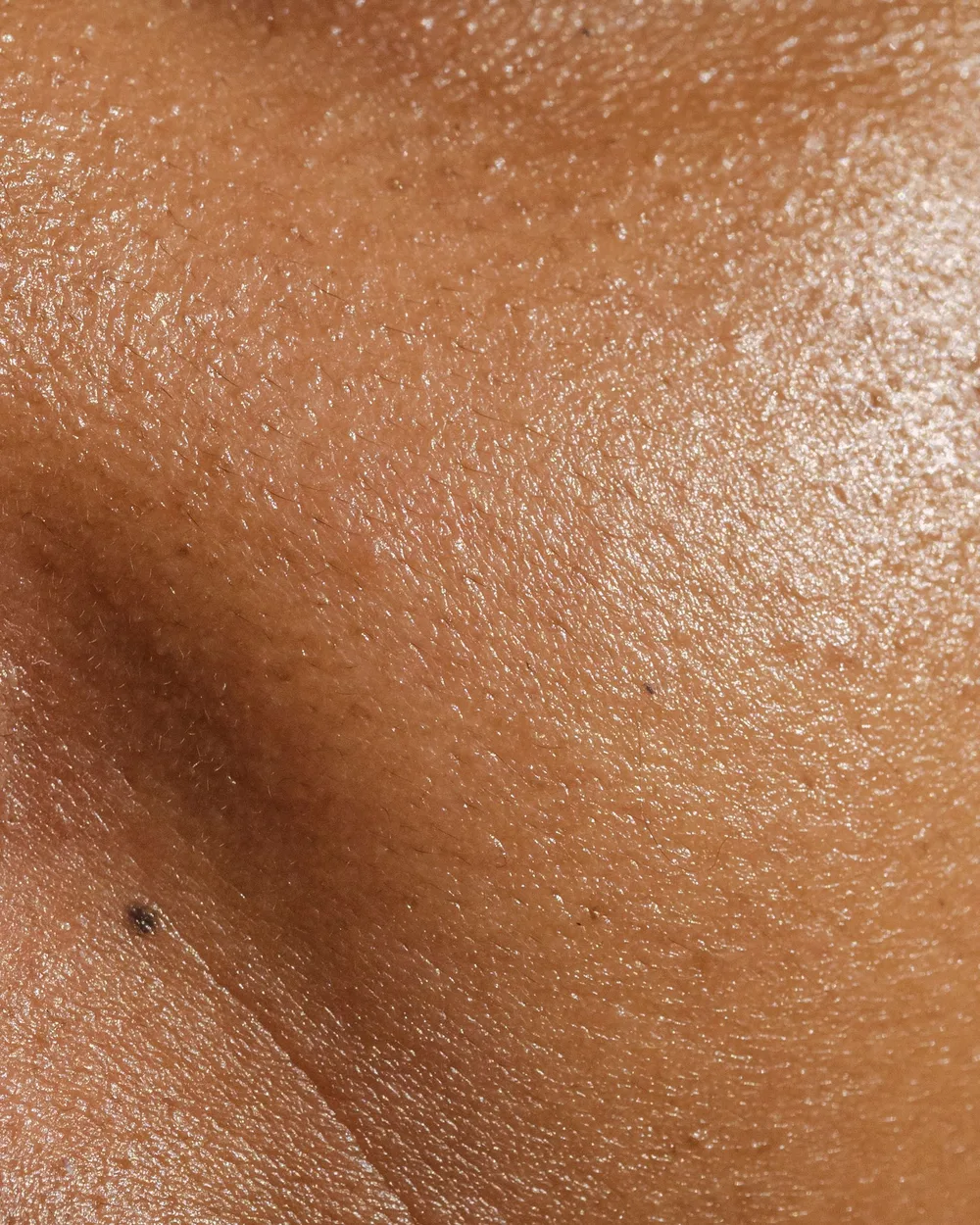
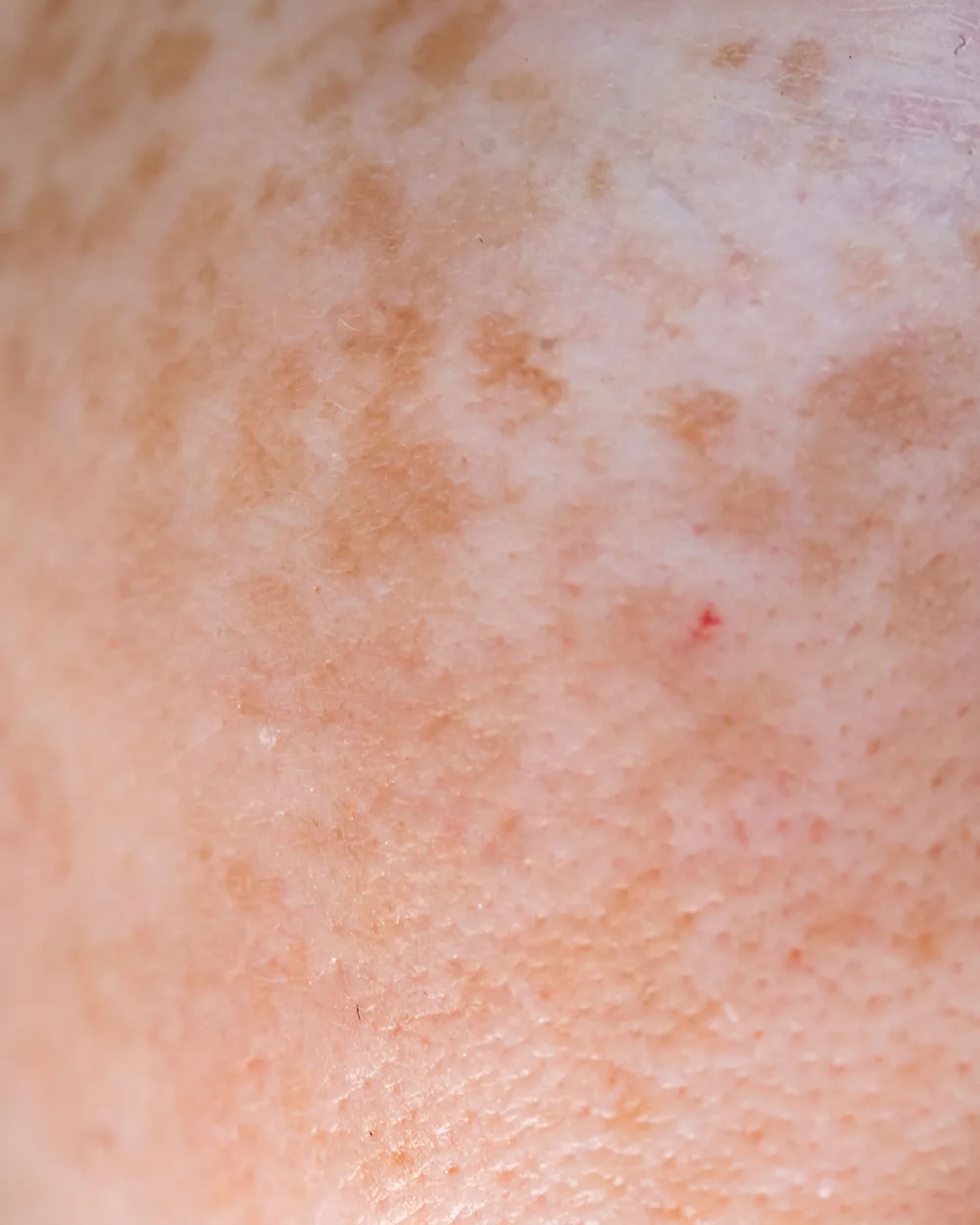
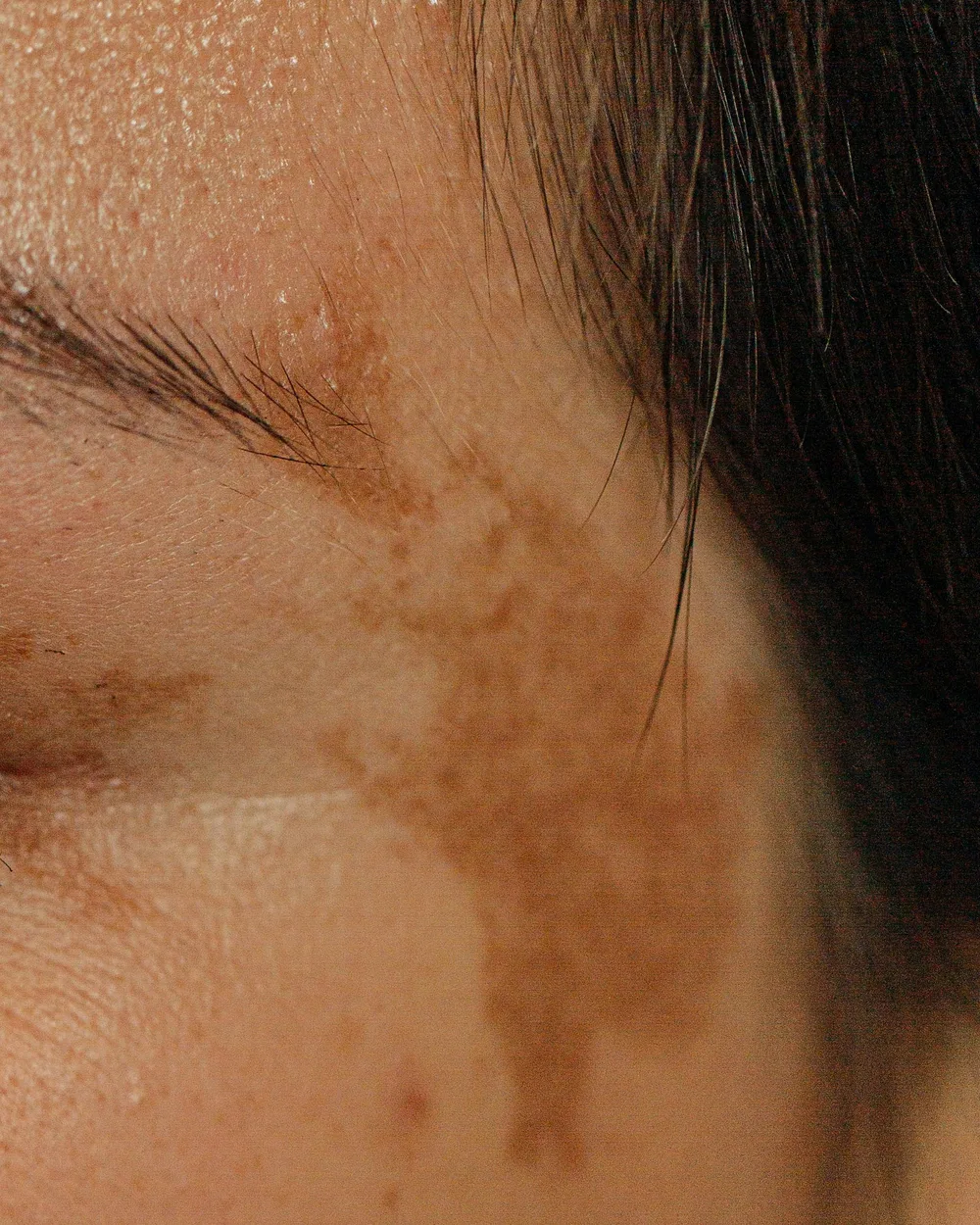
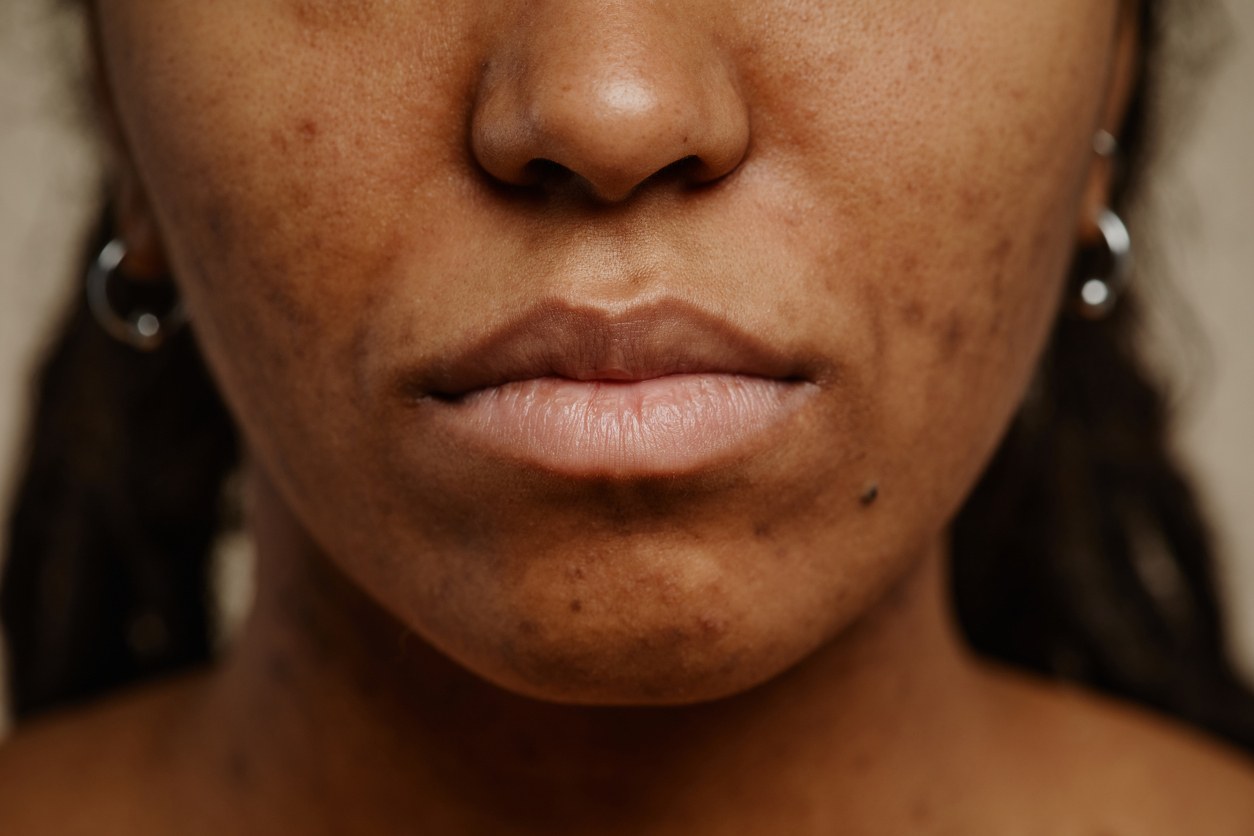
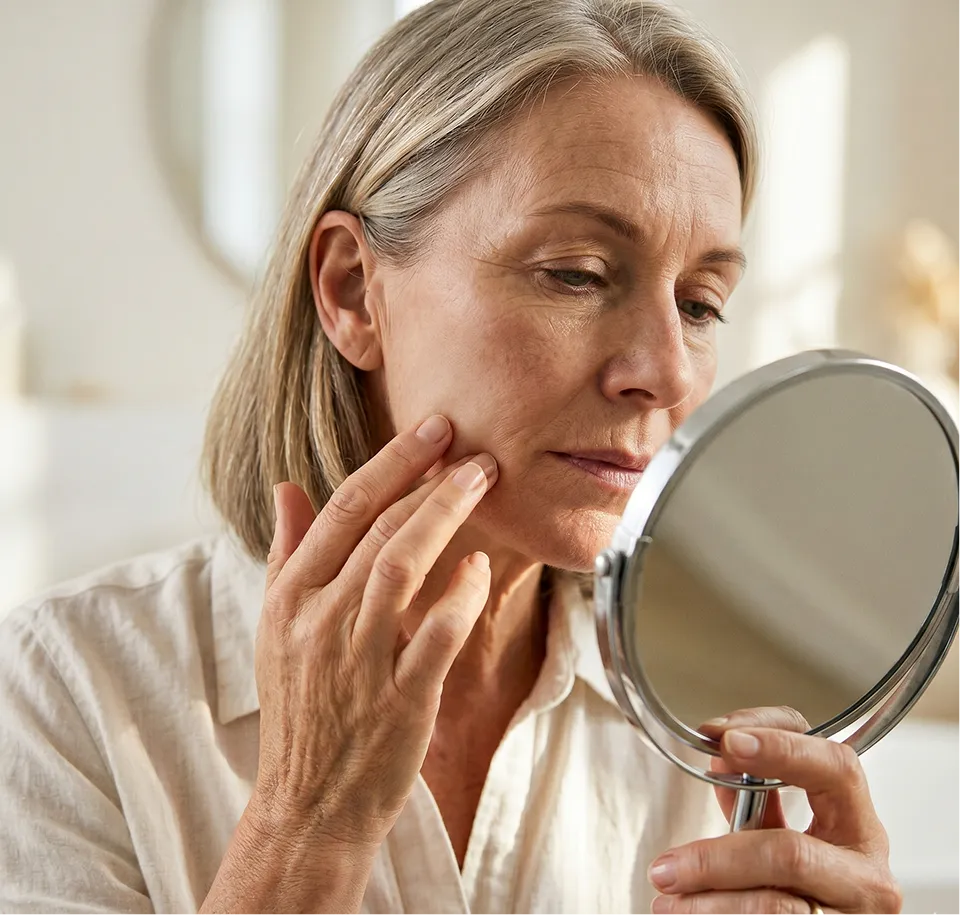
Treat blotchy, uneven skin with DewRx’s personalized hyperpigmentation creams, tailored precisely to your individual skin care needs. Our custom hyperpigmentation topical regimens are formulated by dermatologists and skin care experts to fade persistent discoloration at the root while bringing out your natural brightness.
Get started


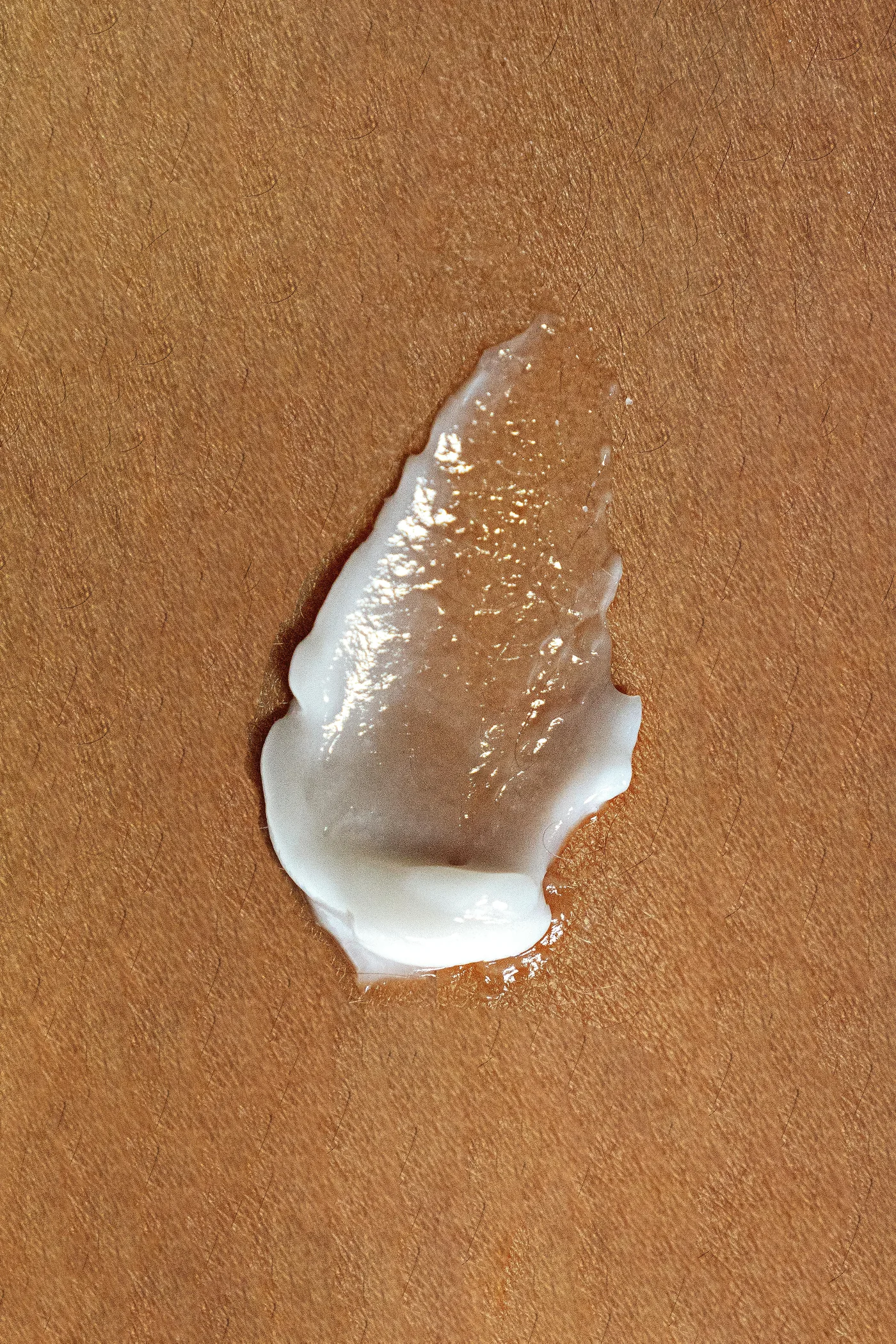
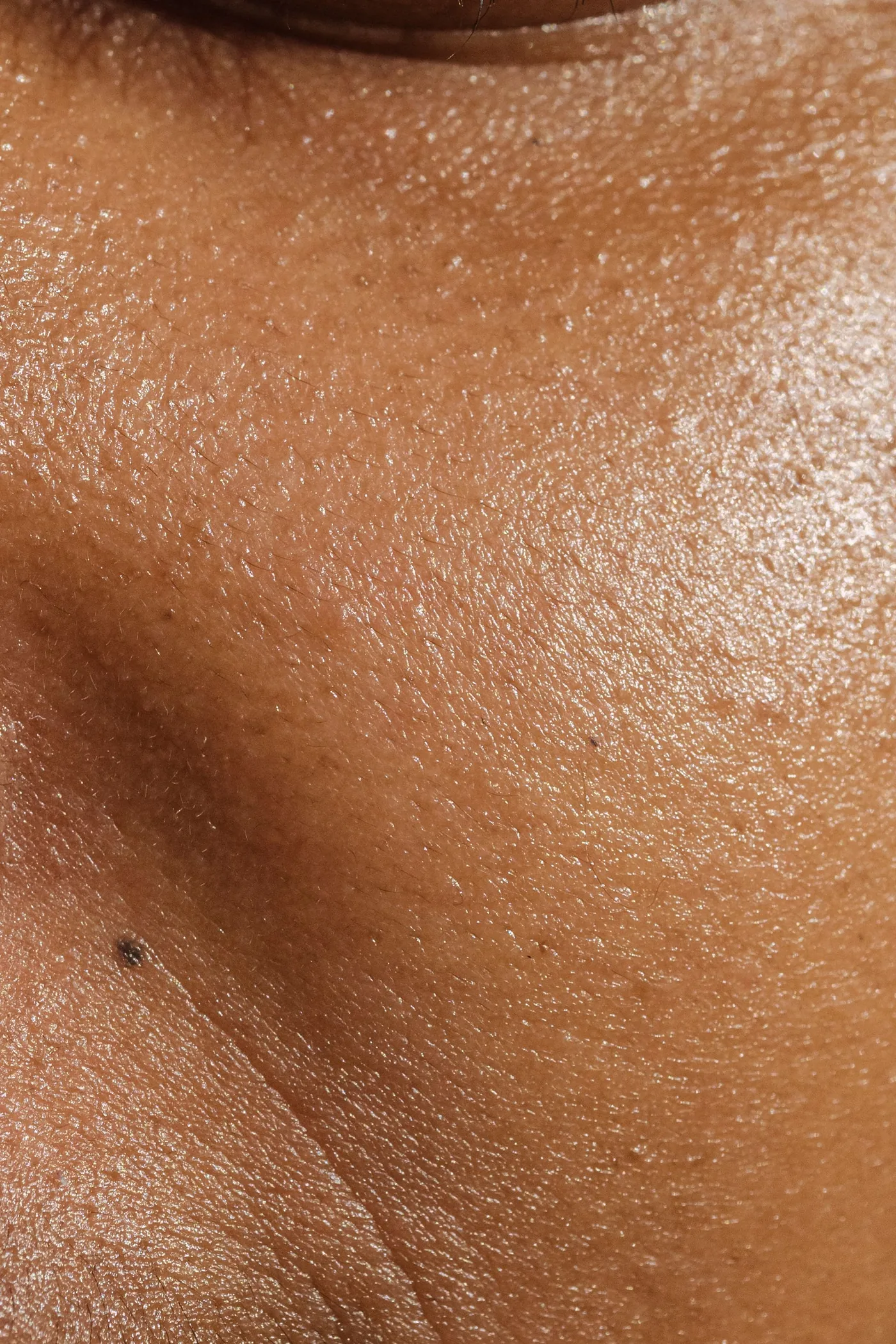
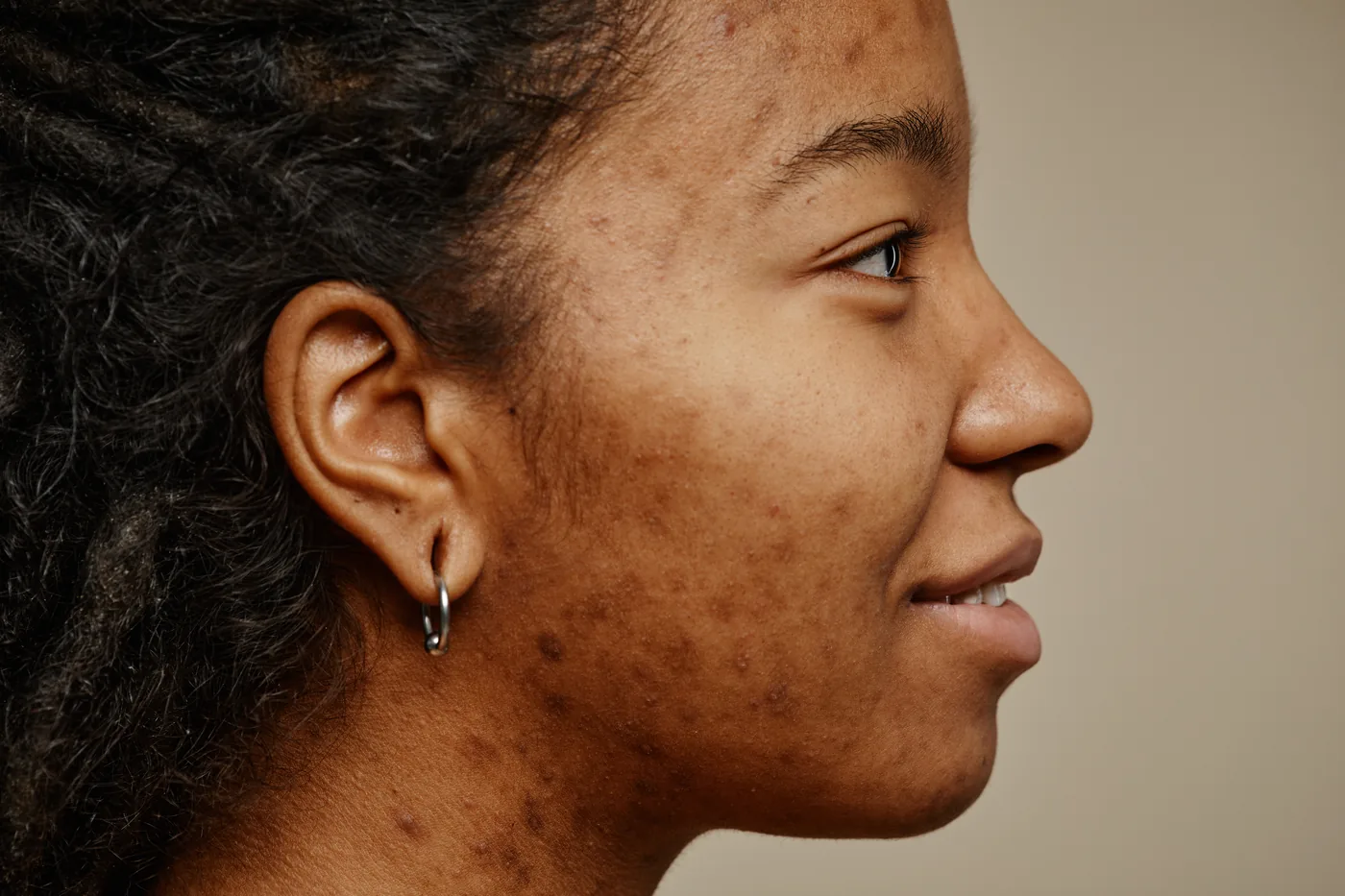
DewRx hyperpigmentation cream is a custom prescription topical designed for uneven skin tone, post-acne marks, and sun damage. Instead of a single brightening ingredient, Honeydew combines prescription hydroquinone, tretinoin, and azelaic acid in one cream with strengths matched to what's causing your specific discoloration. Azelaic acid calms breakouts while it fades marks, so you can treat acne and the hyperpigmentation it leaves at the same time.
For medium to deeper skin tones, where irritation alone can leave new marks, your provider starts with gentler strengths and adjusts as your skin responds.
That’s what makes DewRx hyperpigmentation treatments different. Our formulas bypass one-size-fits-all brightening agents to target your exact skin tone and stubborn pigment with a blend made exclusively for you.
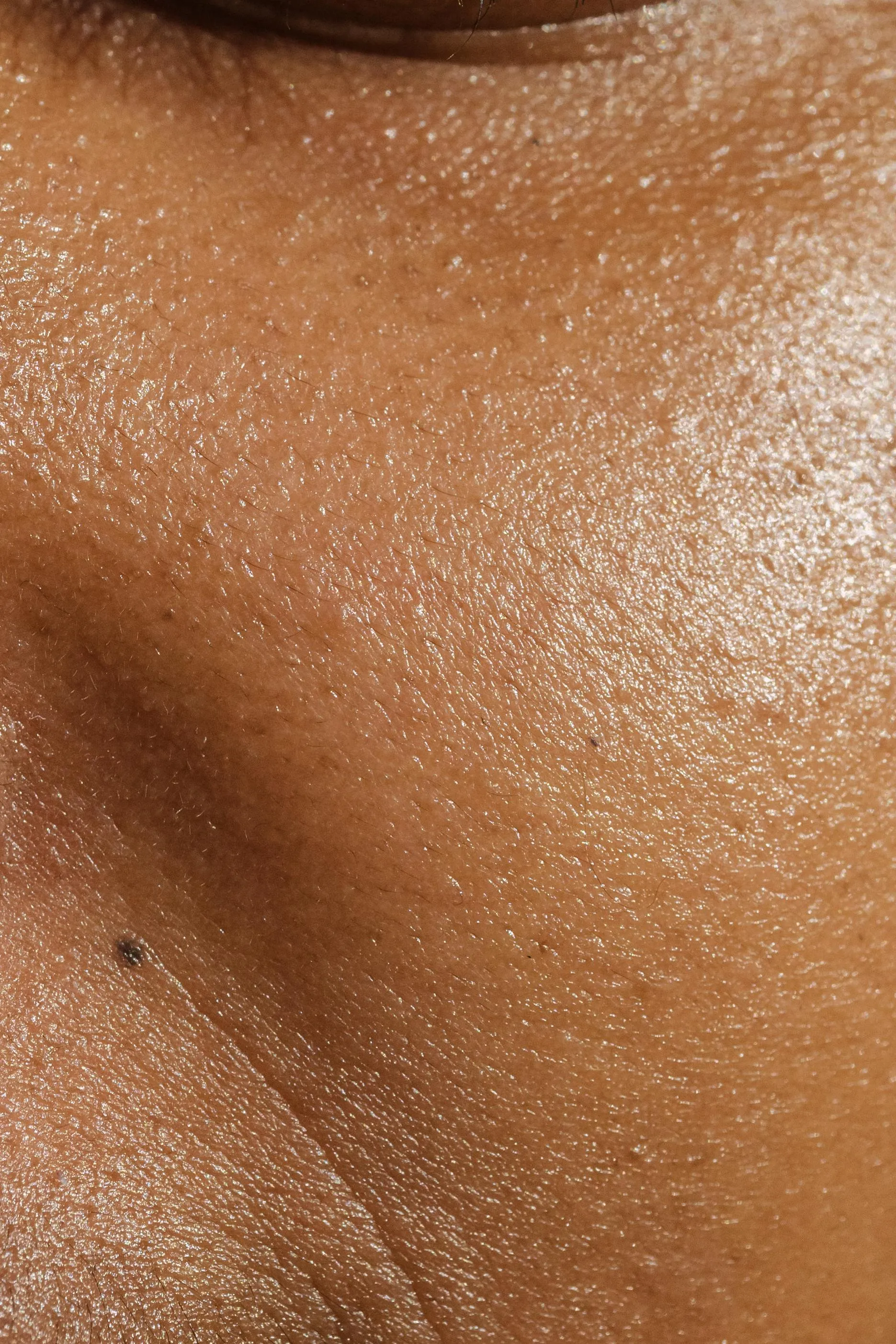
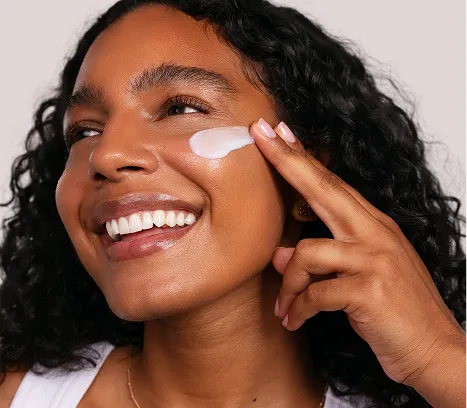
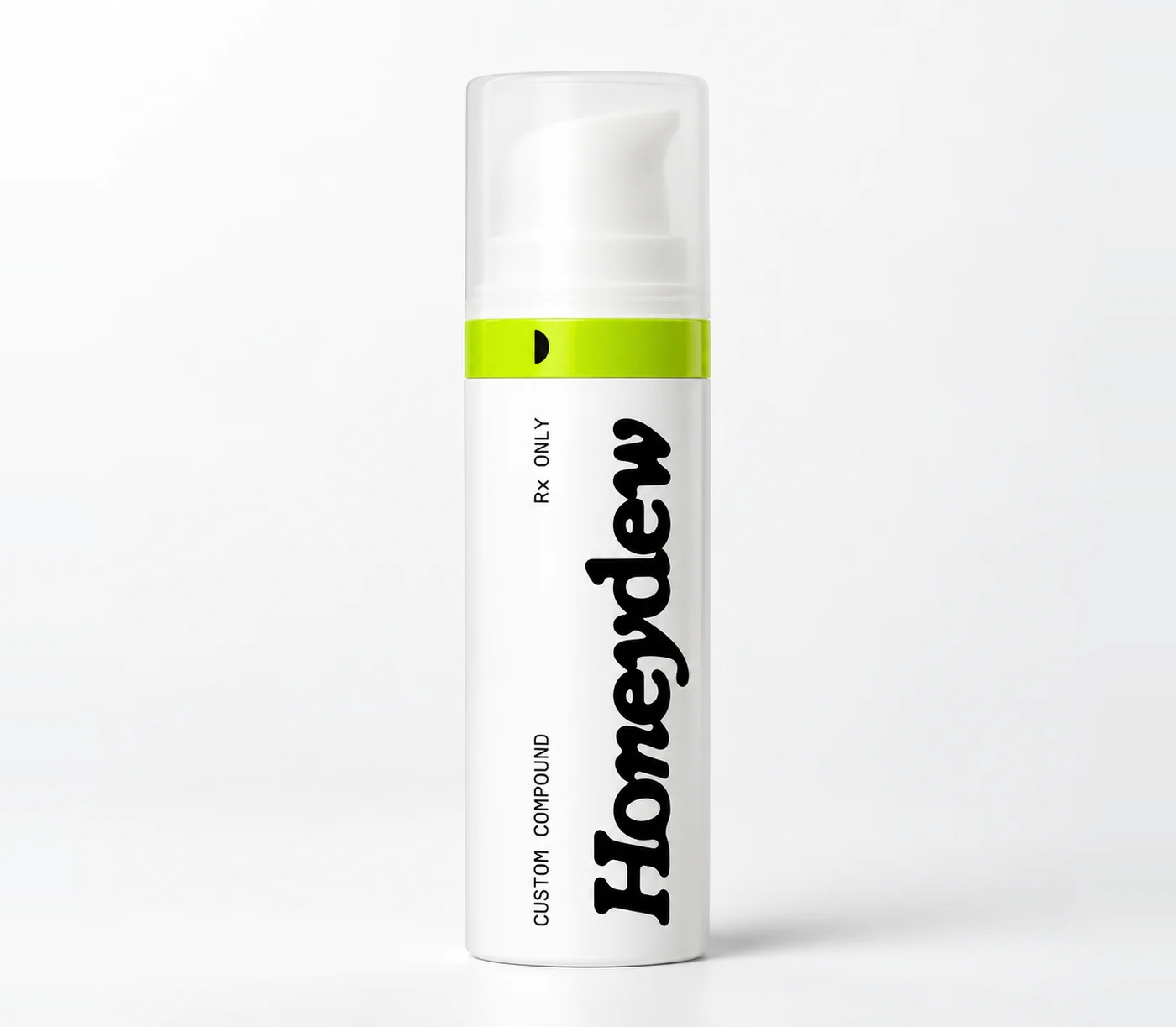

A dark spot that changes shape, color, or size, bleeds, or itches should be checked in person. It may not be a dark spot. Your dermatology provider will review your skin and select ingredients based on your skin type, concerns, and goals. Every formula is made by a licensed compounding pharmacy and shipped to your door in all 50 states.

Most patients work with Honeydew for months, not weeks. That continuity allows providers to monitor progress, adjust care, and support outcomes that last beyond short-term fixes. Skin takes time. We plan for that.

formulas address several skin concerns at once*
improve consistency and adherence*
help balance results and tolerability*

Answer a short questionnaire and upload a few photos. Most patients don't need a video visit.

A dermatology provider selects the actives and strengths for your skin, and sends your Rx to a licensed compounding pharmacy.

Message your care team 7 days a week. Your provider adjusts the formula as your skin responds.
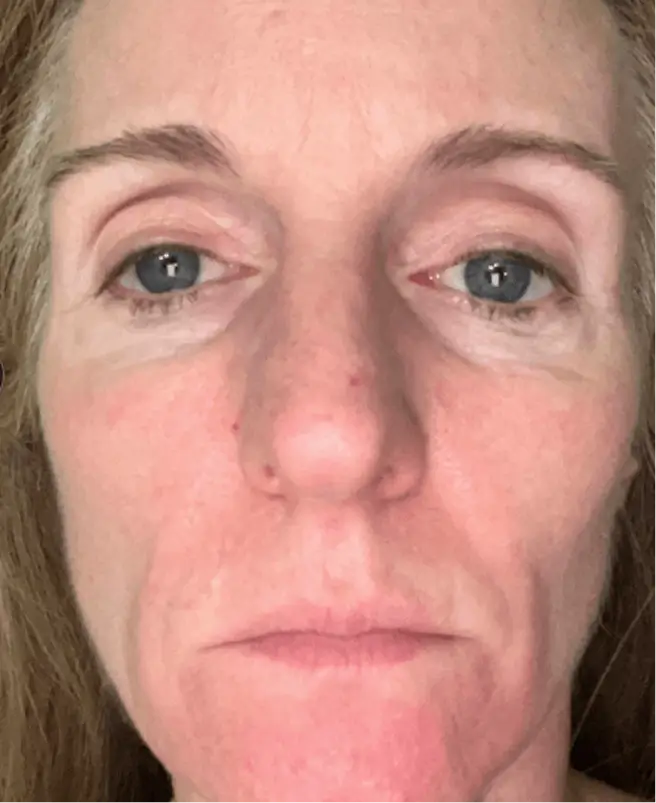
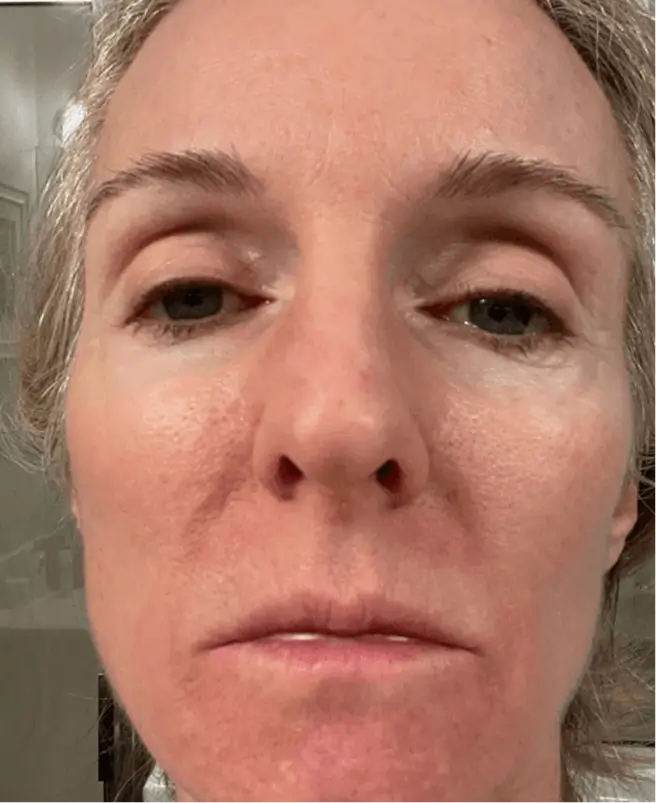
I’m incredibly happy with the improvements
I’m incredibly happy with the improvements. I’ve noted in my skin since starting my honeydew compounded topical product.


I'm so happy with the results
After about 5 weeks of consistent use, I started to see a real difference. My dark spots have visibly faded, and my overall skin tone looks much more even. I also noticed that my skin feels smoother and more hydrated. I'm so happy with the results


Very impressed with the results
The provider and system is very user friendly, and the chat feature is extremely helpful when trying to ask simple questions. I have noticed a huge difference in the quality of my skin and have been very impressed with the results.
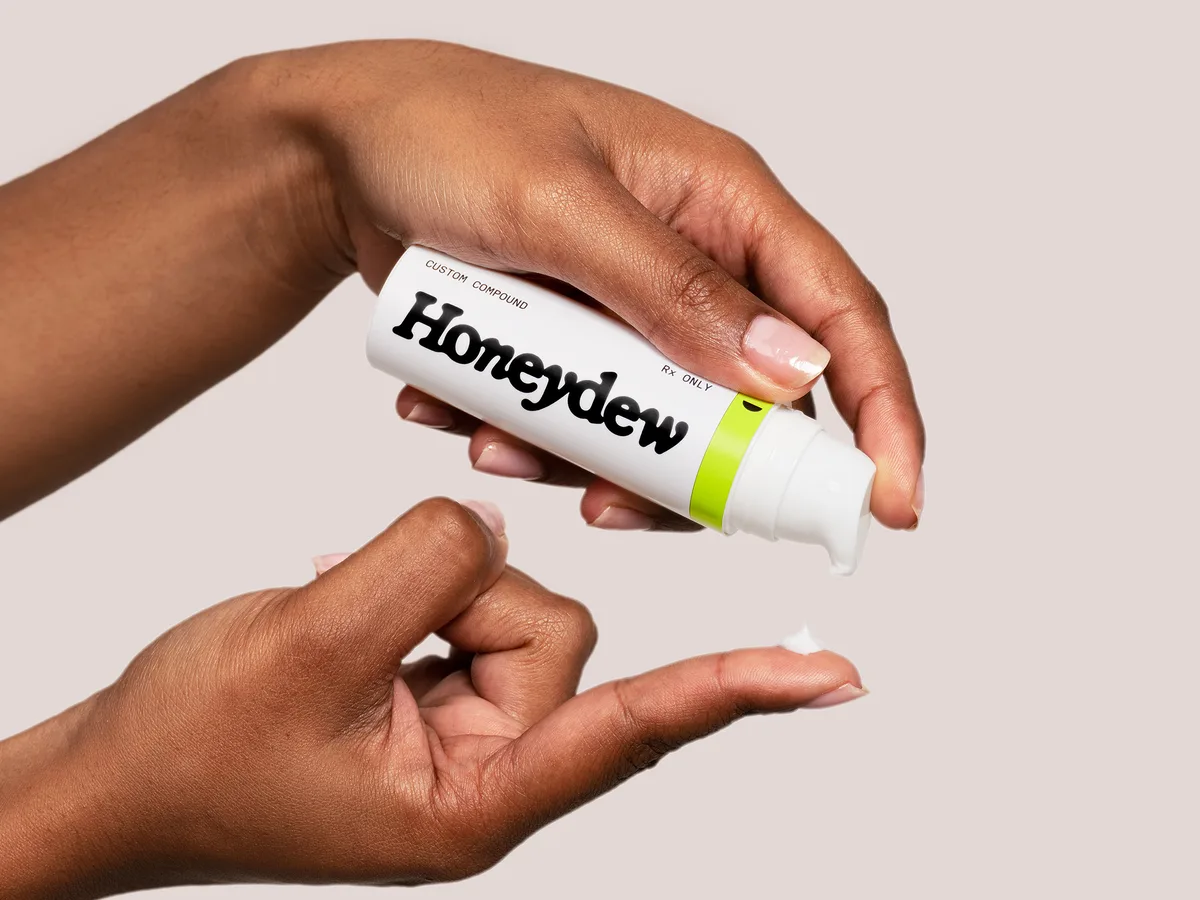
Your medication, your care team and every formula adjustment, all in one transparent plan.


Your provider checks your history, skin type, and past reactions before choosing ingredients.

Mild dryness or irritation is common in the first weeks. Tell your care team, and your provider can lower a strength, add a soothing ingredient, or recommend external solutions.

Pregnant or trying to conceive? Our dermatologists can build a pregnancy-safe formula so you can reach your skin goals safely.
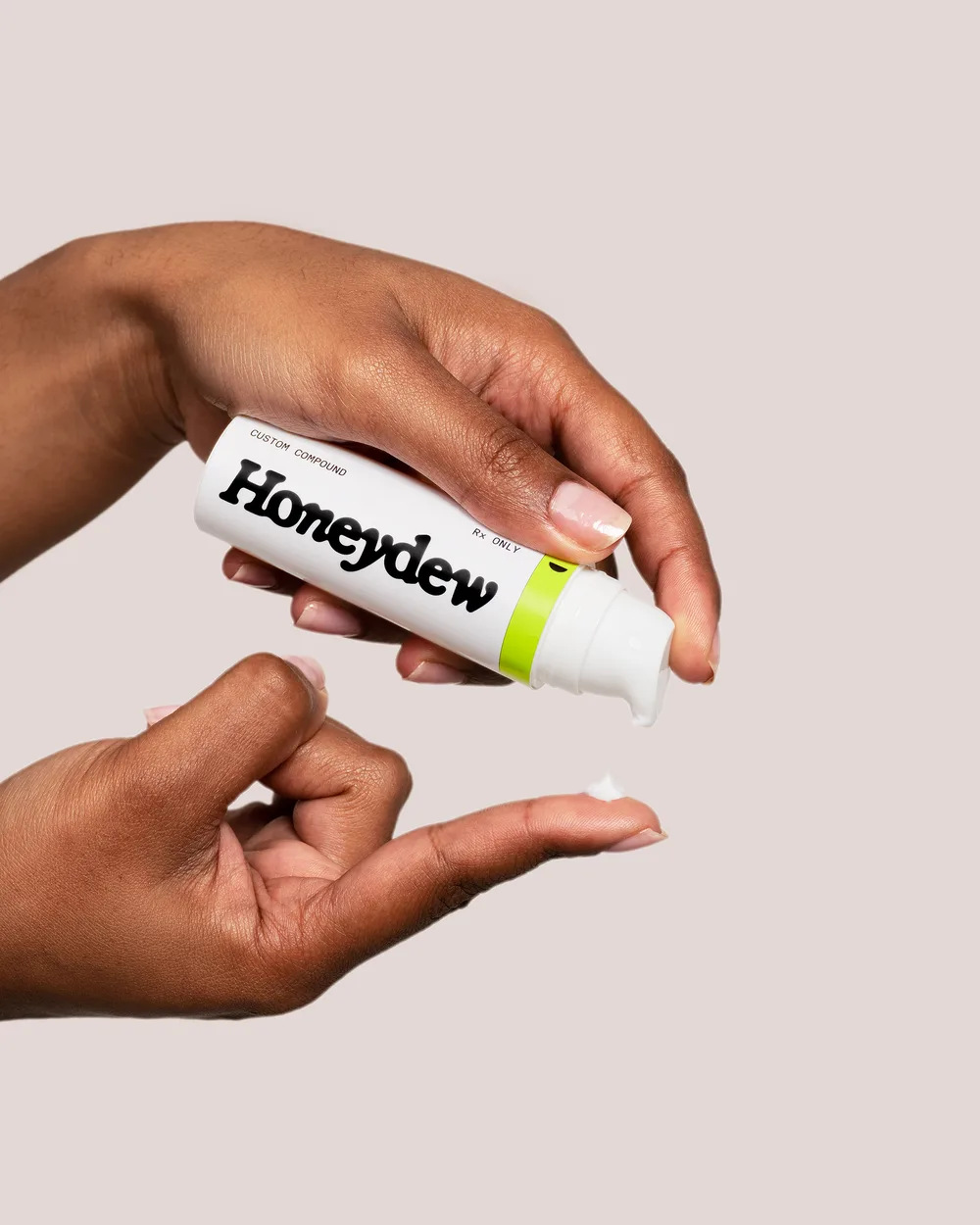
Compounded formulas are made by licensed compounding pharmacies from FDA-approved ingredients.
It depends on the cause, so treatment starts there. The AAD says that if you can eliminate the cause, many spots will clear on their own and you can prevent new ones. For fading what's left, the strongest options are prescription creams:
Daily sunscreen is part of every plan.
Hyperpigmentation is the umbrella term for any skin that's darker than your natural tone. Melasma is one type. Most hyperpigmentation starts after something inflames or injures the skin, such as when a pimple or patch of psoriasis clears, or when a bug bite, cut, or burn heals. Melasma is different: it's driven by sunlight and hormones like estrogen and progesterone, shows up as blotchy patches across the cheeks, forehead, or upper lip, and tends to come back. Your provider can tell them apart from your photos.
Yes, and it's especially useful when breakouts are causing your dark marks. In a randomized, placebo-controlled trial, 15% azelaic acid gel improved post-acne dark and red marks with minimal side effects, and also helped clear acne. For darker skin, a 24-week trial found significantly greater improvement in facial hyperpigmentation with 20% azelaic acid than with a placebo cream. It also holds up against hydroquinone: a meta-analysis of melasma trials found azelaic acid may reduce severity more than hydroquinone. Some patients feel mild burning or stinging in the first weeks.
In layers. First, they treat the cause, such as acne, eczema, or psoriasis, so new spots stop forming. Next comes sun protection: dermatologists recommend tinted sunscreen with iron oxide, SPF 30 or higher, because iron oxide also blocks visible light. Then a fading treatment, often prescription-strength, since some dark spots need a prescription to clear. For stubborn cases, dermatologists may combine a prescription cream with in-office procedures like lasers or peels.
Usually months, sometimes longer. In darker skin, post-inflammatory hyperpigmentation (PIH) can persist for months after the acne lesion itself has disappeared. Once the cause stops, a mark a few shades darker than your skin usually fades within 6 to 12 months. Deeper pigment, which often looks slate blue or gray, can take years. Treatment speeds up both, and so does stopping whatever keeps re-inflaming the skin, like picking or harsh products.
Usually, yes. Hyperpigmentation is rarely permanent. Most hyperpigmentation fades, especially once the cause is under control. Deep pigment is slower: if the color lies deep in your skin, fading can take years. Melasma can last for years, or even a lifetime, though treatment keeps it controlled. Even with successful treatment, the AAD notes that new spots can form, which is why ongoing sun protection matters. One kind of darkening that can be permanent is ochronosis from long-term hydroquinone overuse, which is irreversible. Supervised treatment with breaks prevents it.
Darker skin makes more melanin in response to inflammation, so everyday triggers leave marks more easily. PIH can occur in all skin types but more frequently affects darker-skinned patients. The AAD lists common triggers:
Irritation is easy to overlook. A product that stings can cause dark spots on its own, so gentle products matter as much as active ones.
Yes, and you should. The AAD says that to clear hyperpigmentation caused by a skin condition, you must effectively treat the skin condition first. Otherwise new breakouts keep leaving new marks. Some ingredients do both jobs. Azelaic acid improved both acne and post-acne dark marks in a randomized trial, and in patients with darker skin, a 16-week study found 15% azelaic acid reduced pigmentation following acne. Your provider can combine azelaic acid, tretinoin, and acne-fighting ingredients, including options for hormonal acne, in one custom formula.
Some of it. Azelaic acid is the usual choice. It's considered safe during pregnancy and breastfeeding, and it slows melanin production while staying gentle on sensitive skin. Two common ingredients should wait:
Pregnancy-related darkening often improves after you give birth. Tell us during your consult if you're pregnant, trying to conceive, or breastfeeding, and your provider will build a pregnancy-safe formula.
Your provider matches the actives in your DewRx formula to target your skin concerns.