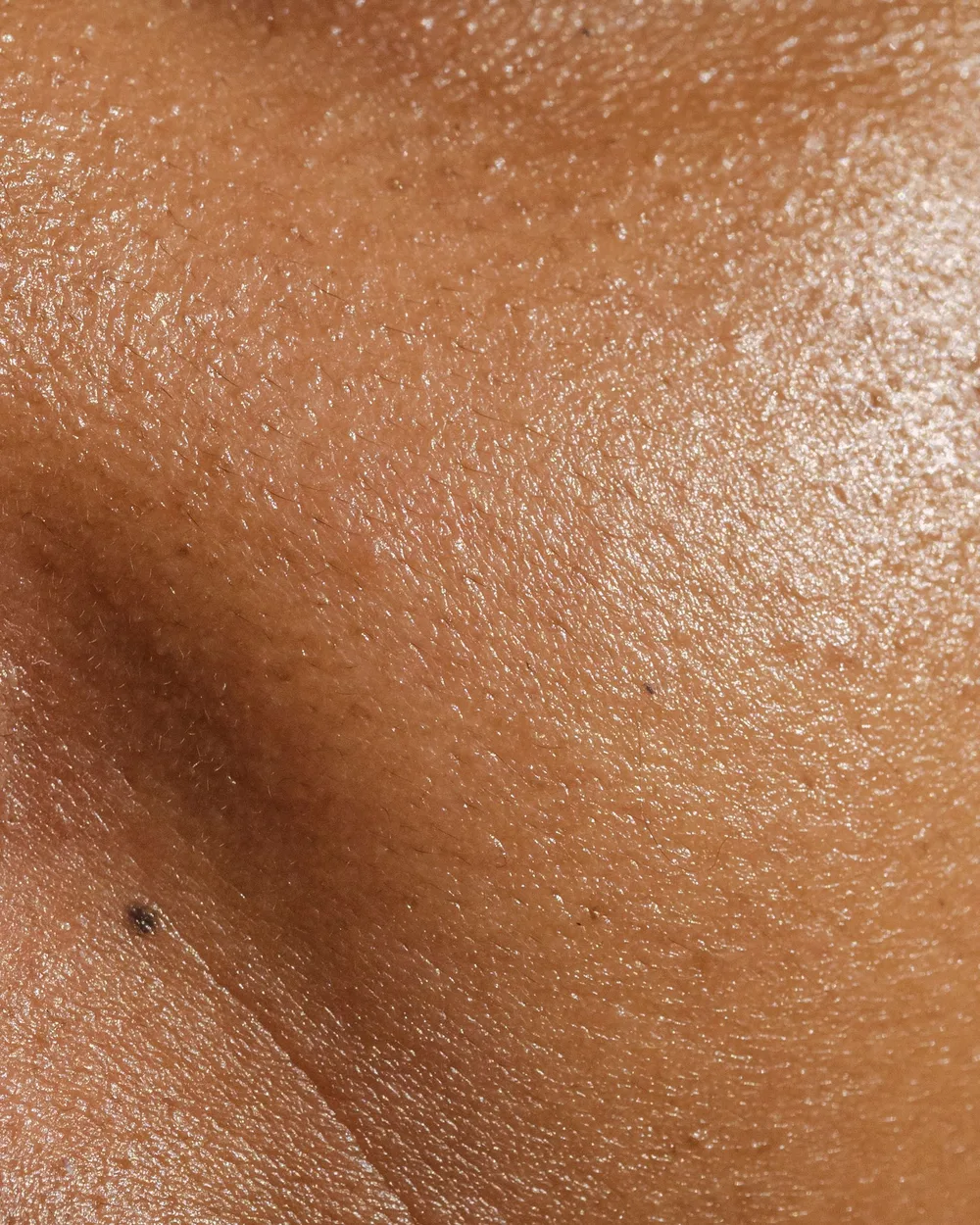
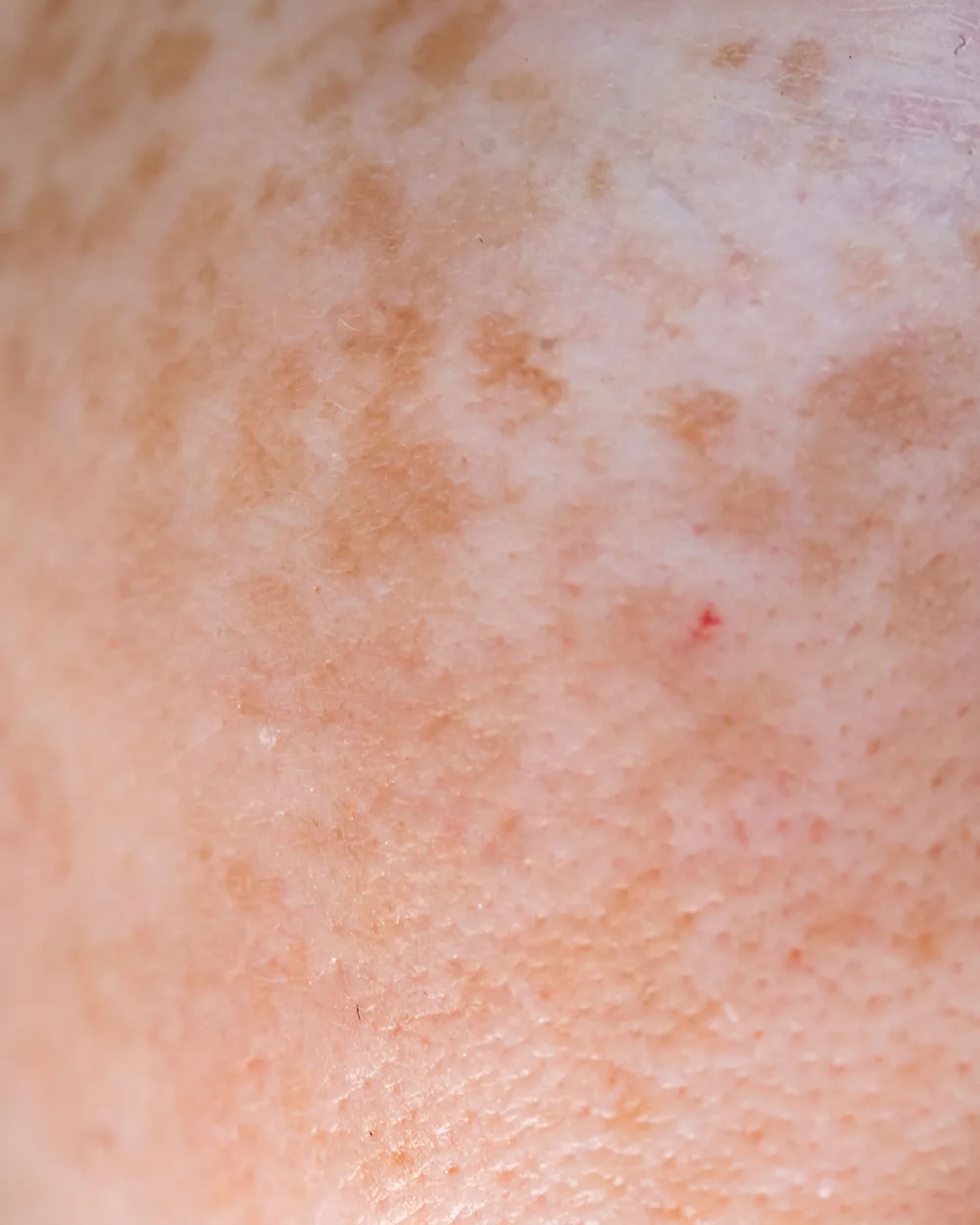
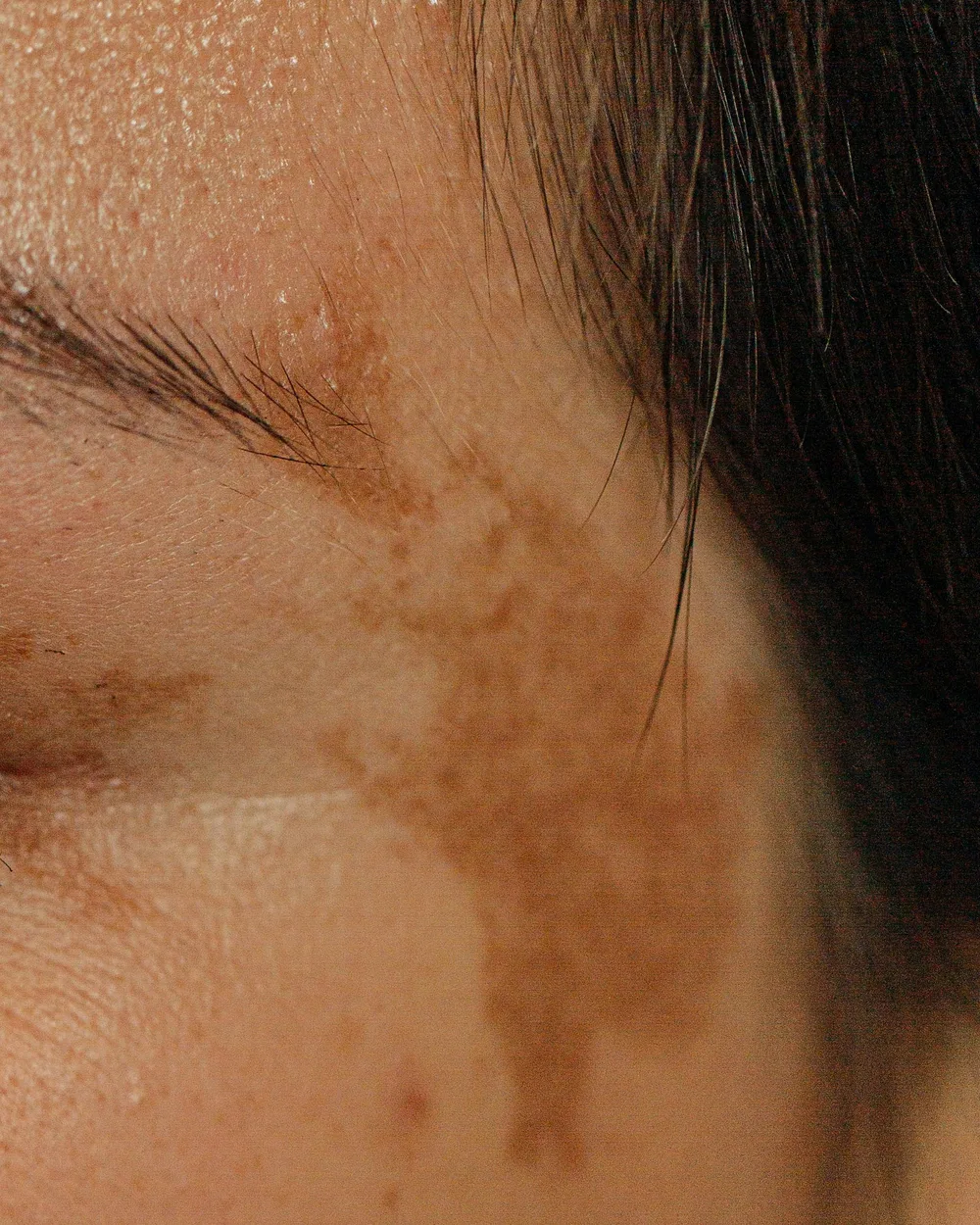
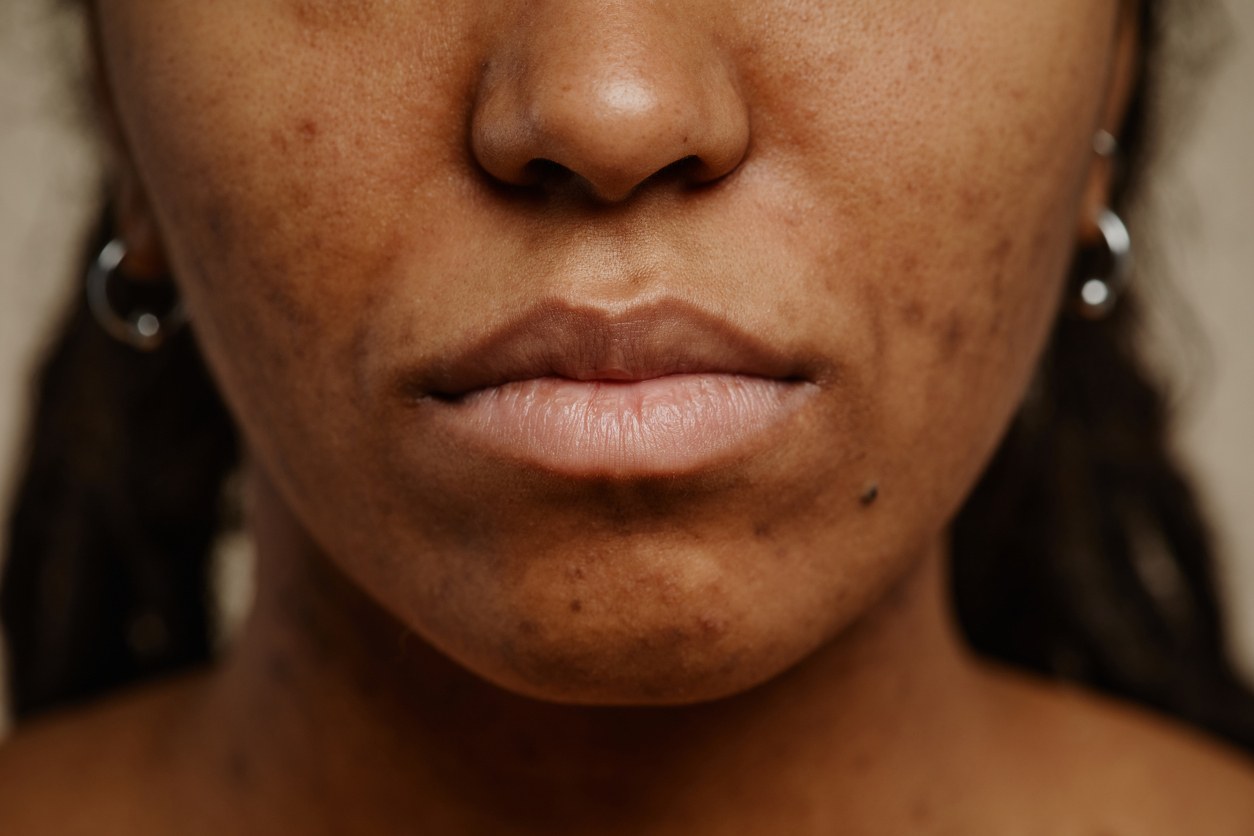
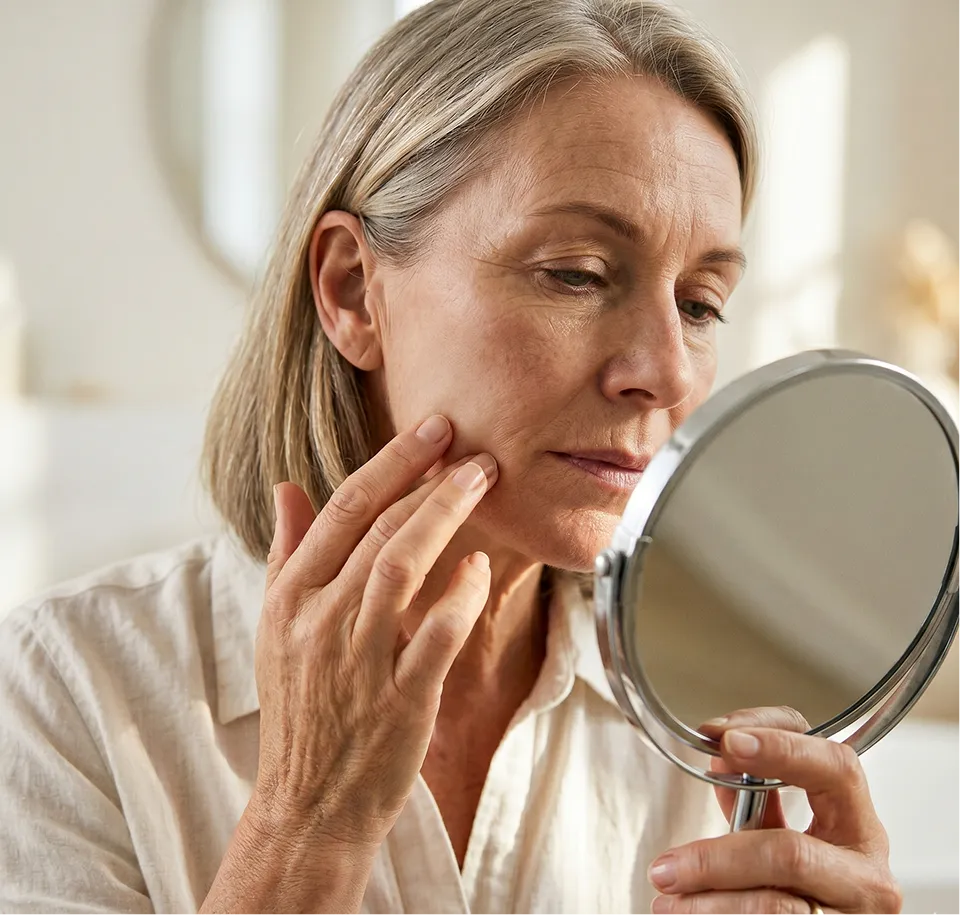
DewRx’s personalized dark spot serums are crafted around your unique skin care needs to treat discoloration and dark spots at the source. Our custom dark spot creams are formulated by a team of dermatologists and skin care experts with the goal of visibly brightening your skin tone and restoring a radiant glow.
Get started


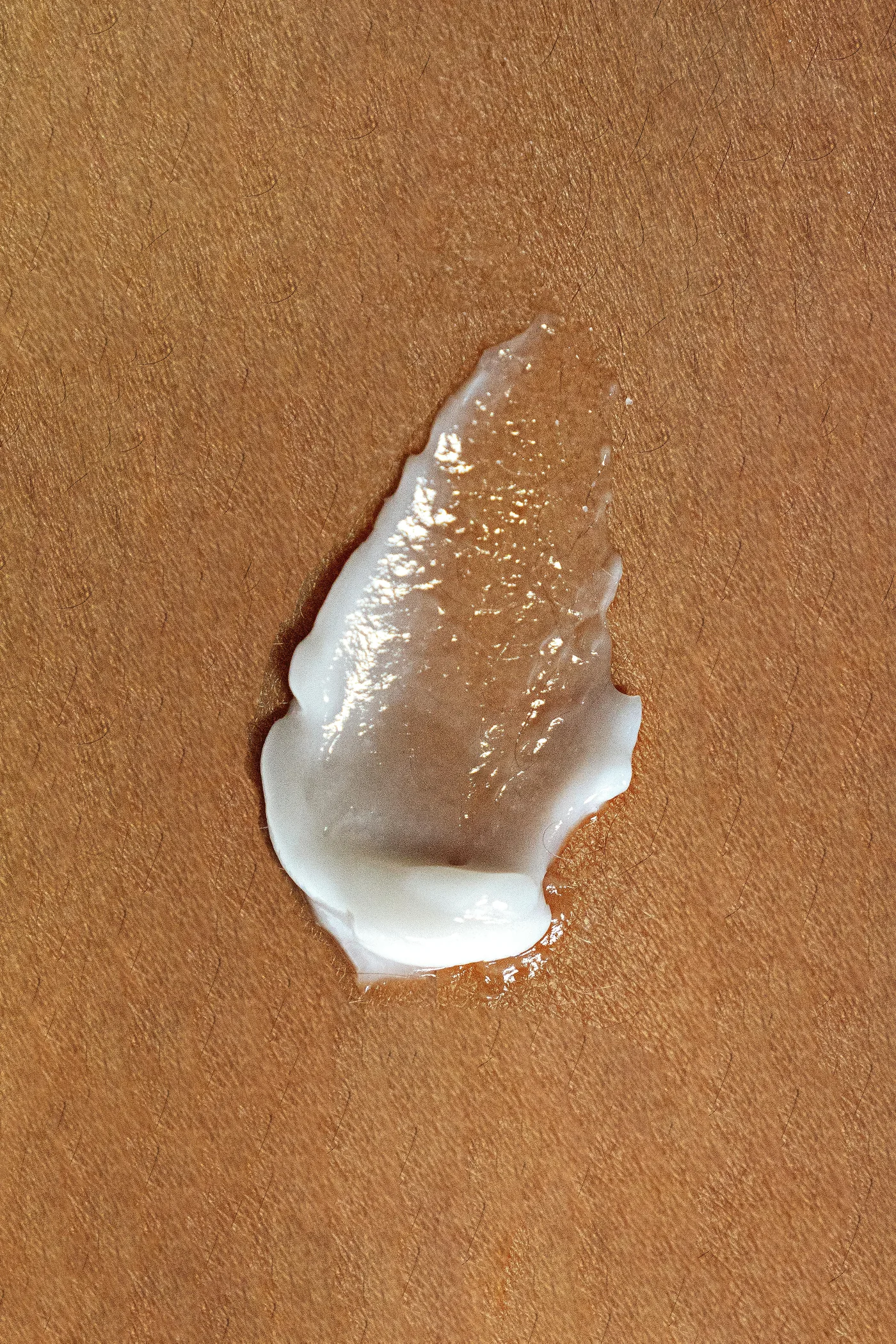
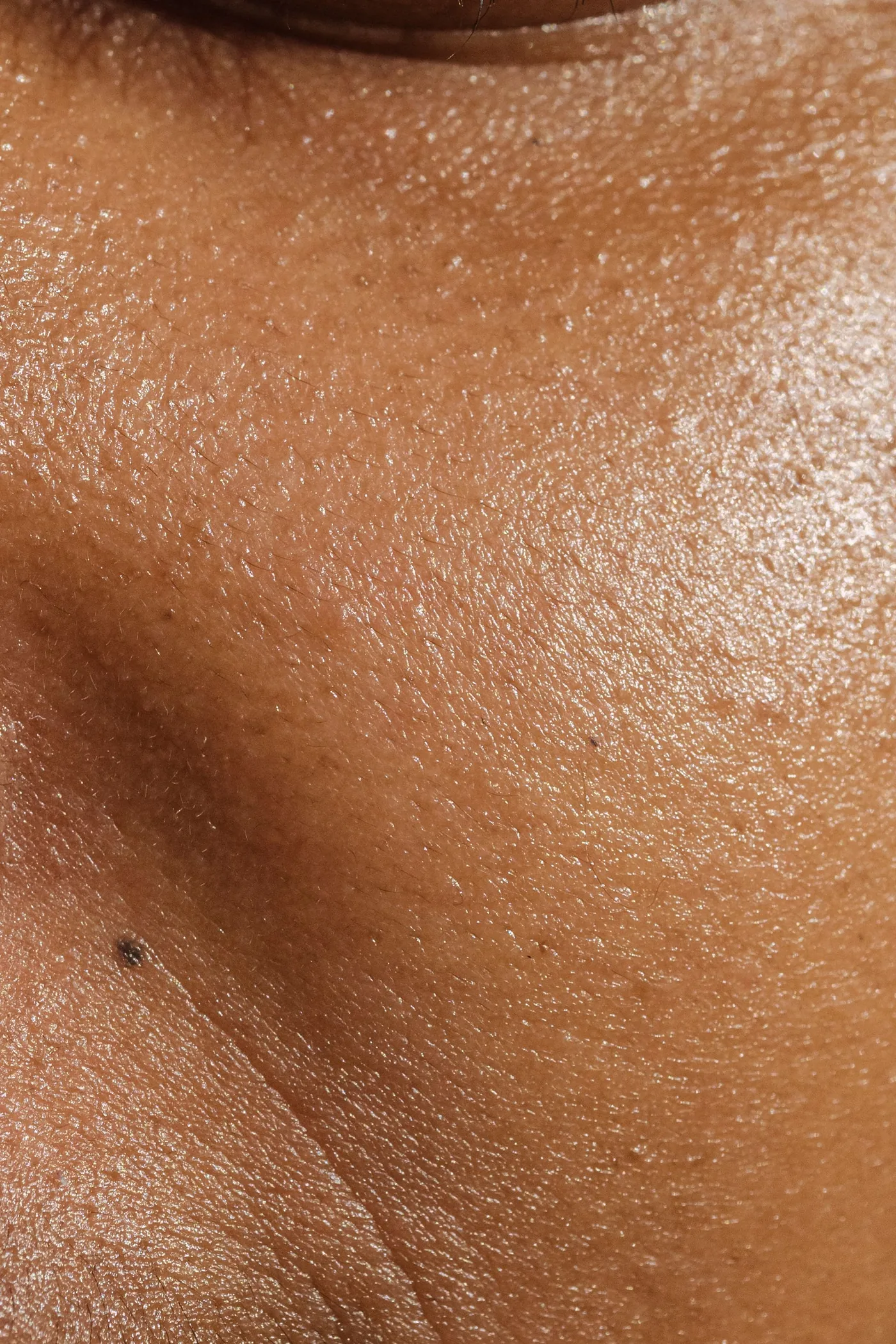
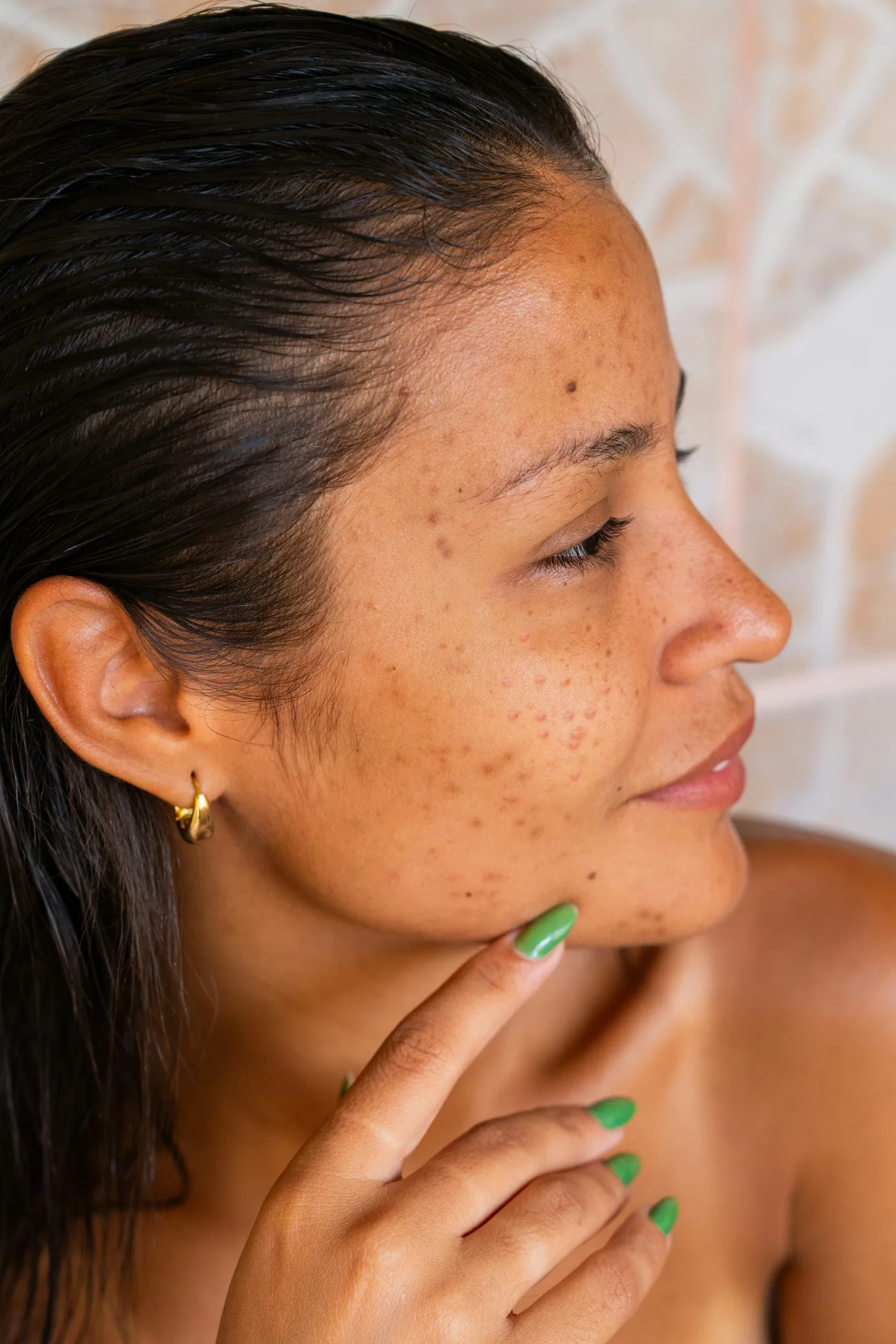
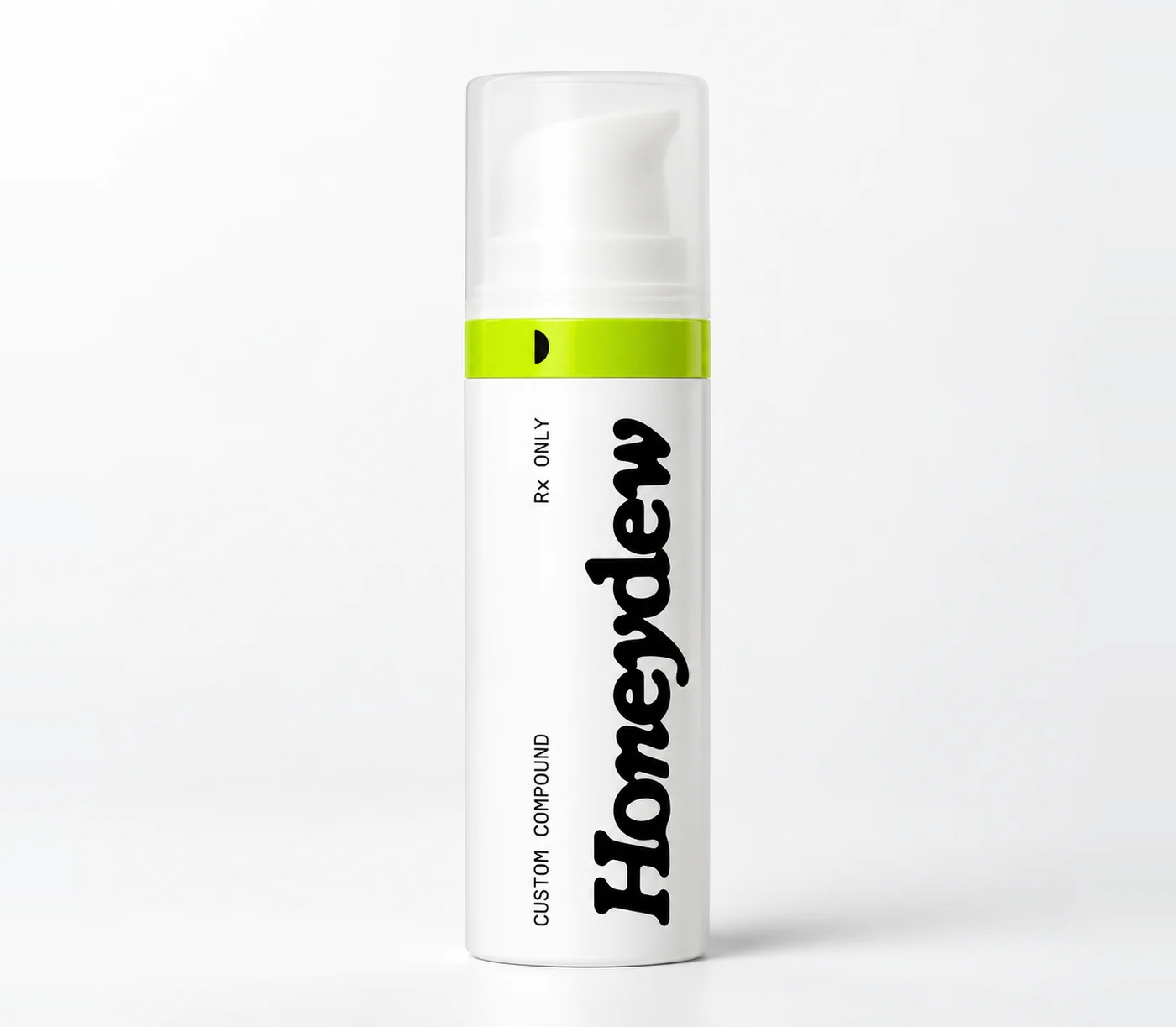
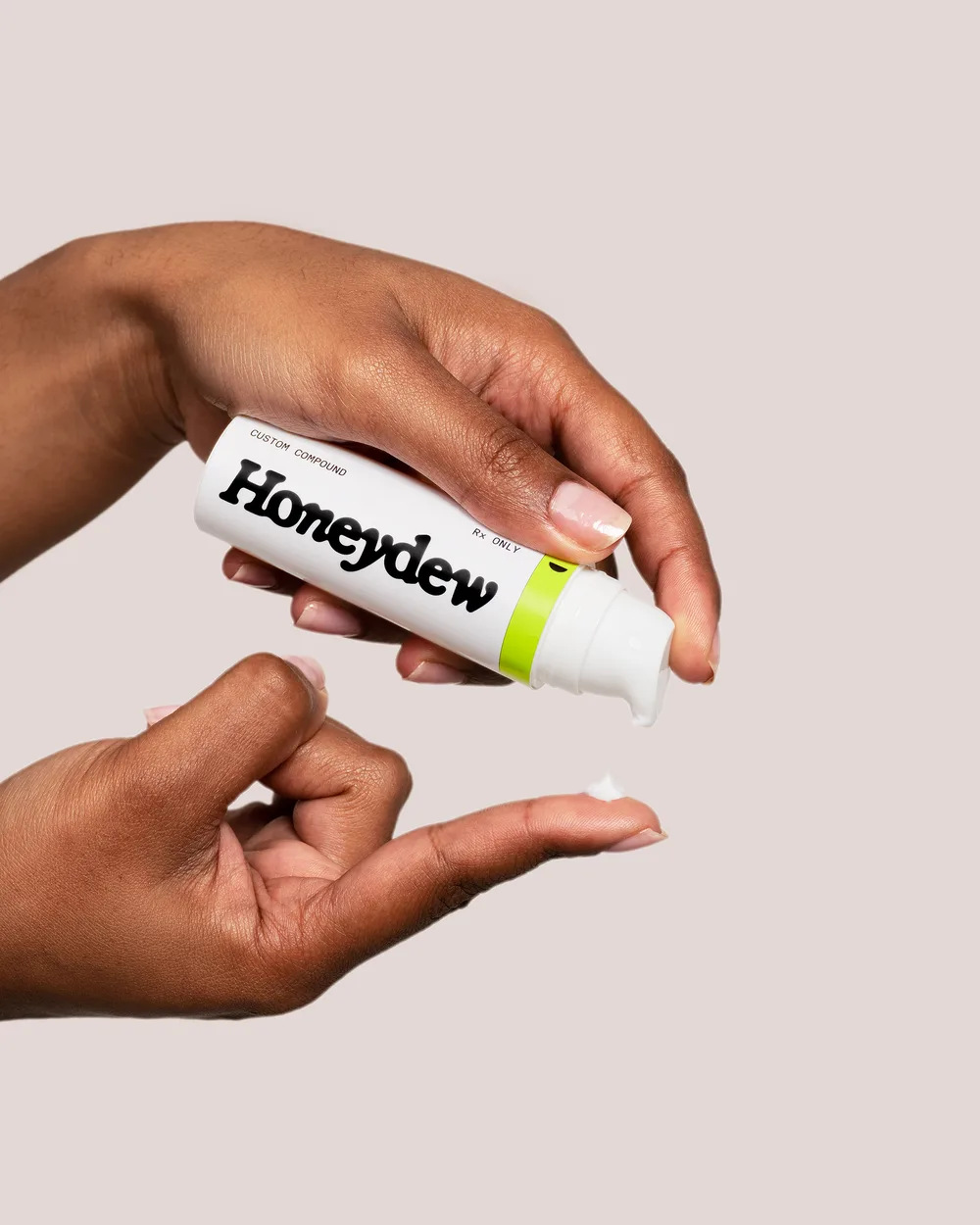
DewRx dark spot serum is a custom prescription topical that works effectively to fade sun spots, age spots, and acne marks. Your provider looks at your photos to see what's behind your spots, then formulates a cream with prescription hydroquinone, tretinoin, kojic acid, and more, at the strengths your skin needs. That’s what sets DewRx custom topicals apart; we don't rely on off-the-shelf spot correctors. Our custom dark spot treatments are tailored to your skin’s unique sensitivity and tone to reveal a clean, even complexion.
Pregnant, or prefer to skip hydroquinone? Your provider can build a hydroquinone-free cream with kojic acid, azelaic acid, and niacinamide instead.

A dark spot that changes shape, color, or size, bleeds, or itches should be checked in person. It may not be a dark spot.
Your dermatology provider will review your skin and select ingredients based on your skin type, concerns, and goals. Every formula is made by a licensed compounding pharmacy and shipped to your door in all 50 states.

Most patients work with Honeydew for months, not weeks. That continuity allows providers to monitor progress, adjust care, and support outcomes that last beyond short-term fixes. Skin takes time. We plan for that.

formulas address several skin concerns at once*
improve consistency and adherence*
help balance results and tolerability*

Answer a short questionnaire and upload a few photos. Most patients don't need a video visit.

A dermatology provider selects the actives and strengths for your skin, and sends your Rx to a licensed compounding pharmacy.

Message your care team 7 days a week. Your provider adjusts the formula as your skin responds.
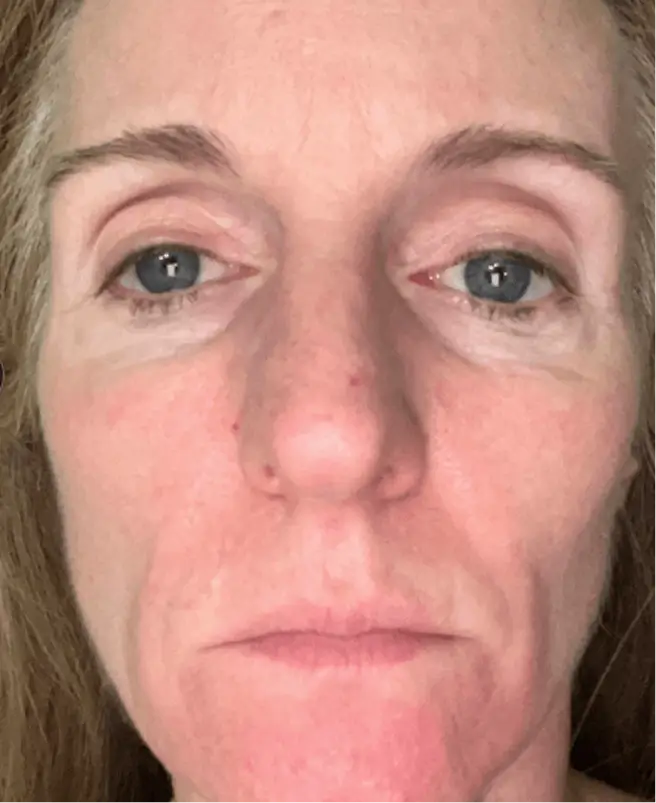
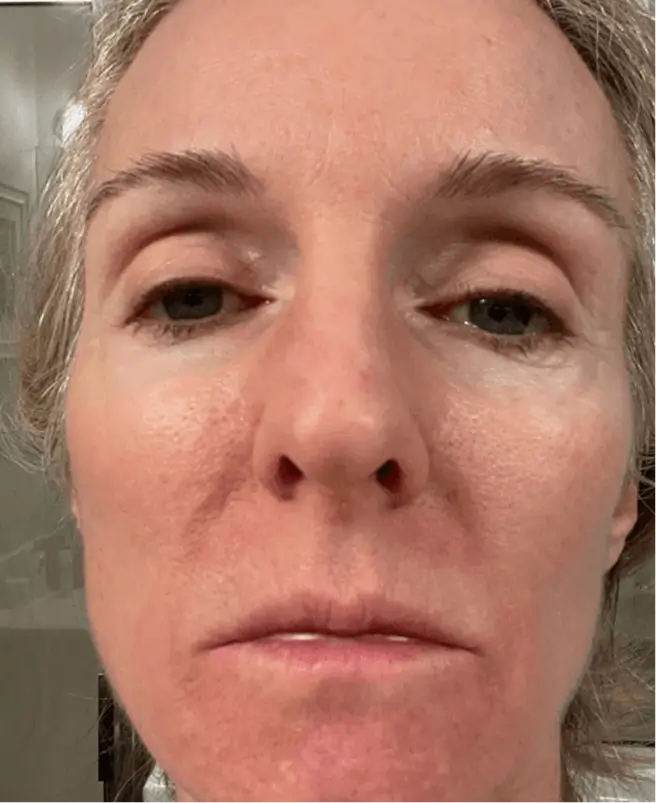
I’m incredibly happy with the improvements
I’m incredibly happy with the improvements. I’ve noted in my skin since starting my honeydew compounded topical product.


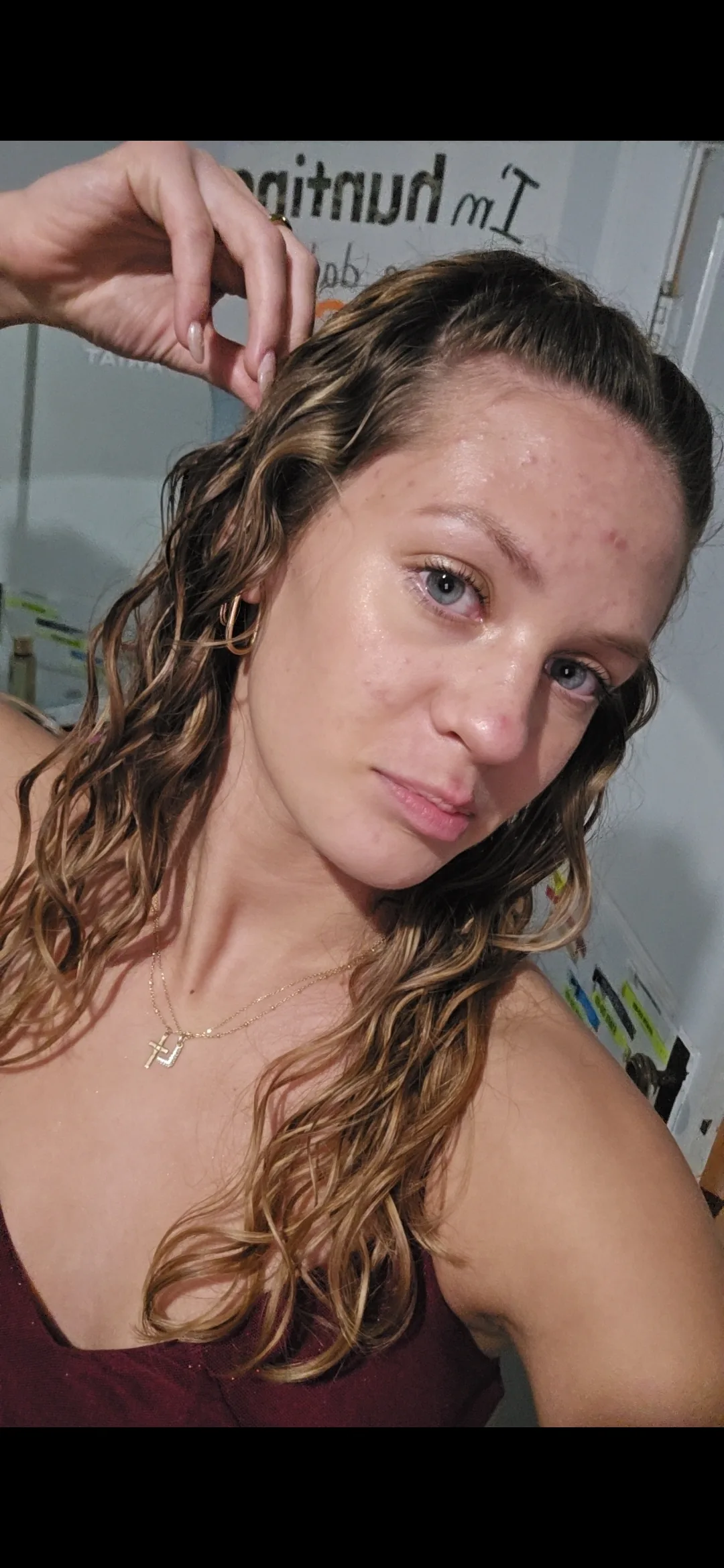
I'm so happy with the results
After about 5 weeks of consistent use, I started to see a real difference. My dark spots have visibly faded, and my overall skin tone looks much more even. I also noticed that my skin feels smoother and more hydrated. I'm so happy with the results
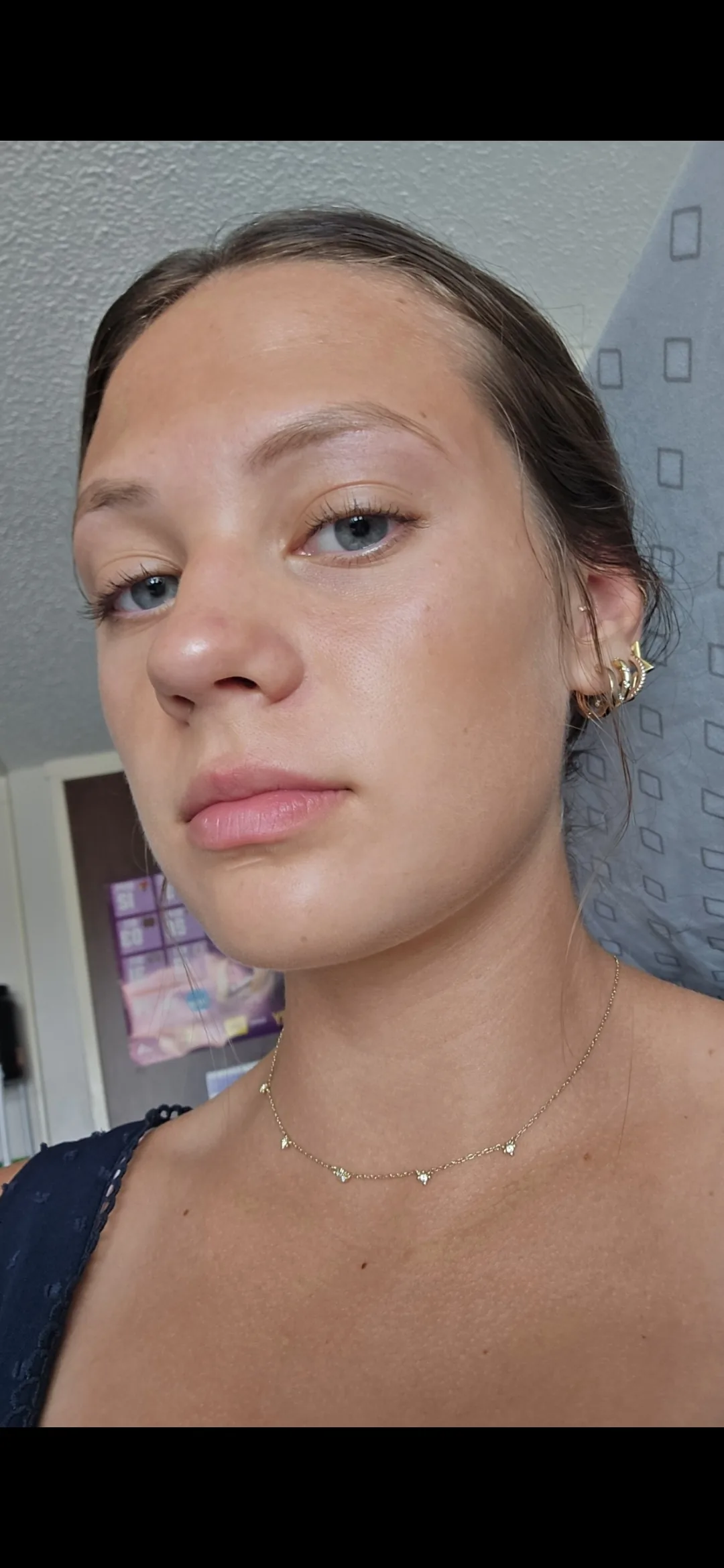
Very impressed with the results
The provider and system is very user friendly, and the chat feature is extremely helpful when trying to ask simple questions. I have noticed a huge difference in the quality of my skin and have been very impressed with the results.
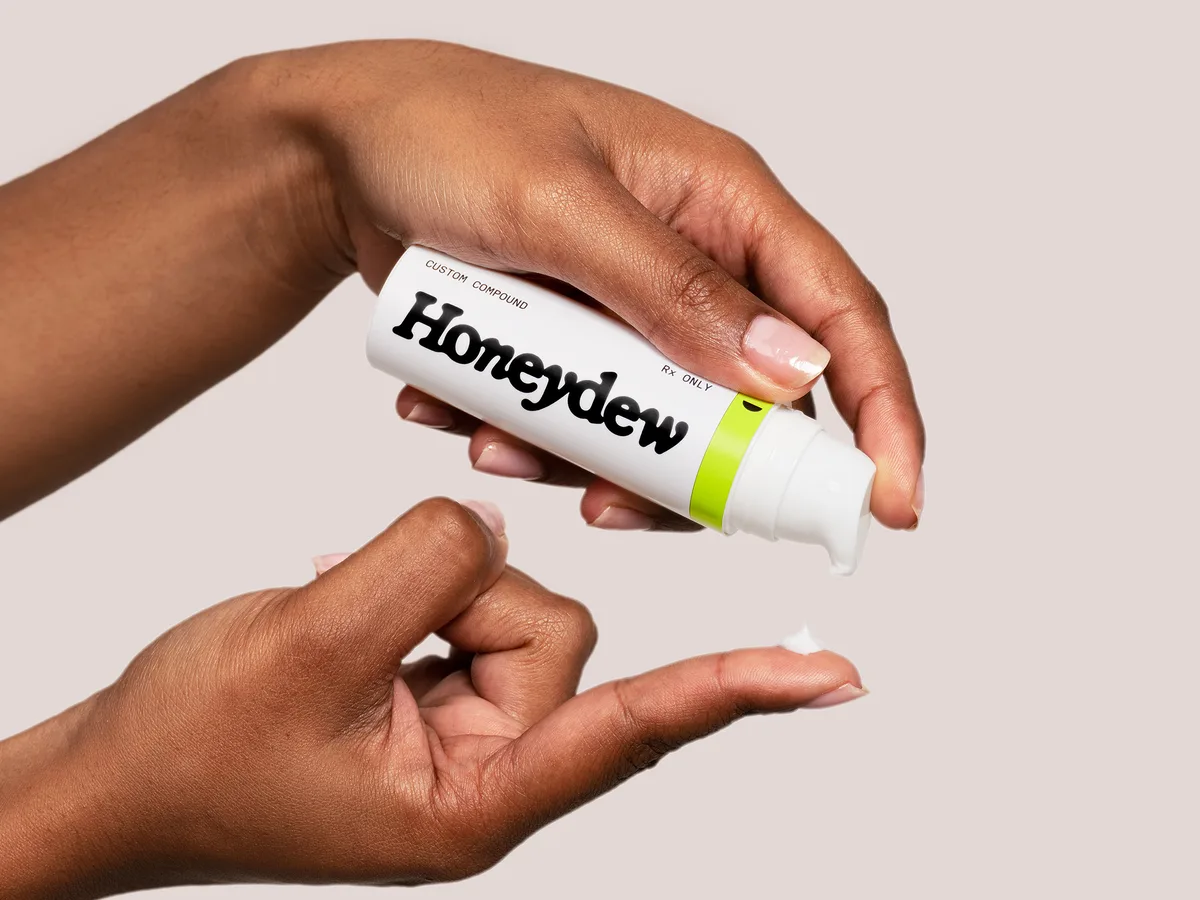
Your medication, your care team and every formula adjustment, all in one transparent plan.


Your provider checks your history, skin type, and past reactions before choosing ingredients.

Mild dryness or irritation is common in the first weeks. Tell your care team, and your provider can lower a strength, add a soothing ingredient, or recommend external solutions.

Pregnant or trying to conceive? Our dermatologists can build a pregnancy-safe formula so you can reach your skin goals safely.
Compounded formulas are made by licensed compounding pharmacies from FDA-approved ingredients.
The best one treats what caused your spots. The AAD says treatment begins with finding out why you get dark spots, because once you eliminate the cause, many spots clear on their own. For fading what's left, the AAD lists azelaic acid, glycolic acid, kojic acid, retinoids, and vitamin C as ingredients that work. For stubborn spots, hydroquinone remains the strongest option, and in head-to-head testing 4% hydroquinone outperformed kojic acid by the end of 12 weeks. A prescription formula can combine hydroquinone, tretinoin, and kojic acid in one cream, which is why it often beats single-ingredient serums.
A prescription cream with hydroquinone, though nothing works overnight. Without treatment, a spot a few shades darker than your skin usually fades in 6 to 12 months, and deeper discoloration can take years. The fastest approach combines three things:
Avoid harsh scrubs. Irritation can create new dark spots.
Yes, if they contain proven ingredients and you use them consistently. The AAD confirms that ingredients like azelaic acid, kojic acid, retinoids, and vitamin C can fade existing dark spots, and some also slow down melanin production. Results depend on strength. Over-the-counter correctors work for mild, recent spots. For stubborn ones, the AAD notes that you may need a prescription-strength treatment. No corrector works without sunscreen, since sun exposure keeps restarting pigment production.
Not on its own. In a comparative study, 4% hydroquinone worked faster and outperformed kojic acid by the end of 12 weeks, and the researchers also found kojic acid to be the more irritating of the two. Kojic acid is still useful: it boosts hydroquinone when the two are combined, and it's a good choice for a hydroquinone-free formula. That's why your provider may use both.
Yes. If you'd rather avoid hydroquinone, or your provider decides it isn't right for you, your formula can use kojic acid, azelaic acid, tretinoin, and niacinamide instead. Azelaic acid is especially strong: a meta-analysis of randomized trials found it may reduce melasma severity more than hydroquinone. Hydroquinone-free formulas are also the go-to during pregnancy and breastfeeding. Expect results to come a little slower than with hydroquinone.
It depends on how deep the pigment goes. Spots a few shades darker than your skin usually fade within 6 to 12 months on their own. Pigment that sits deeper, which often looks slate blue, gray, or a much darker brown, can take years. Treatment shortens both. In one AAD example, a patient's skin tone evened out in 8 weeks with laser therapy and prescription hydroquinone, though topical treatment alone usually takes a few months.
The spots you fade can stay gone, but new ones can form. The AAD notes that while you can get rid of dark spots, new ones can form, usually from the same triggers: sun, breakouts, or irritation. To prevent them, the AAD recommends reapplying sunscreen every two hours, wearing a wide-brimmed hat, avoiding midday sun, and using gentle products. If your spots come back in larger patches across your cheeks, it may be melasma.
Yes, with the right strengths and supervision. Dark spots are one of the most common reasons people with darker skin tones see a dermatologist, so treatment is well studied. The biggest risk is irritation: a product that irritates your skin can itself cause new dark spots, which is why your provider starts with gentler strengths. Long-term hydroquinone use carries a small risk of ochronosis, a bluish-black darkening that is more often reported in Black patients after long-term use. Your provider prevents this by limiting how long you use hydroquinone continuously.
Avoid imported lightening creams. The AAD warns that researchers have found steroids or mercury not listed on the labels of skin care products imported from other countries.
Not always. For mild spots, the AAD says you may have success with a product you can buy without a prescription, such as one with azelaic acid, kojic acid, or vitamin C. You do need a prescription for hydroquinone, which hasn't been sold over the counter in the U.S. since 2020, and for tretinoin at prescription strength. If you've tried drugstore correctors for a few months without results, a prescription formula is the next step. With Honeydew, you can start with a free online consult.
Your provider matches the actives in your DewRx formula to target your skin concerns.