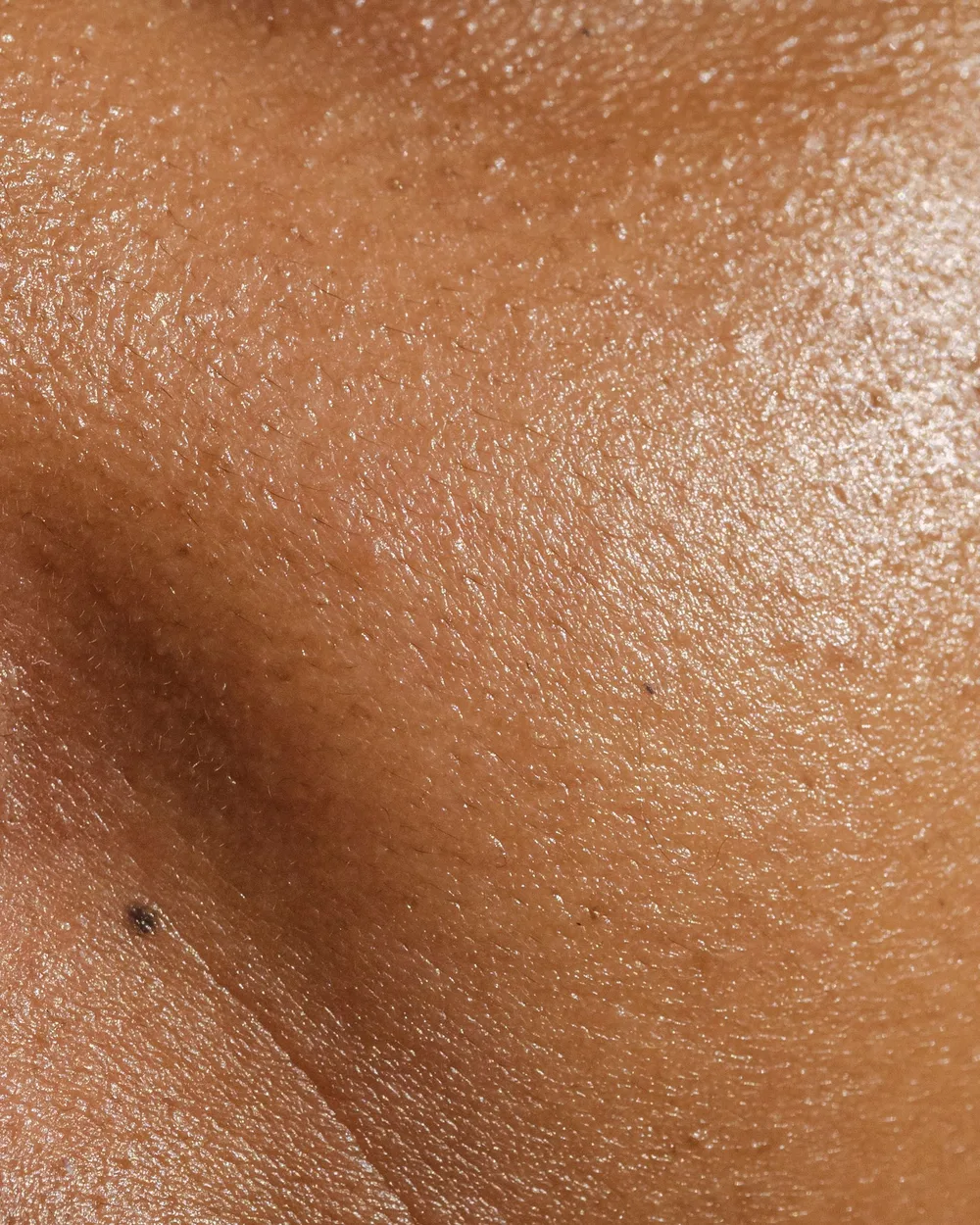
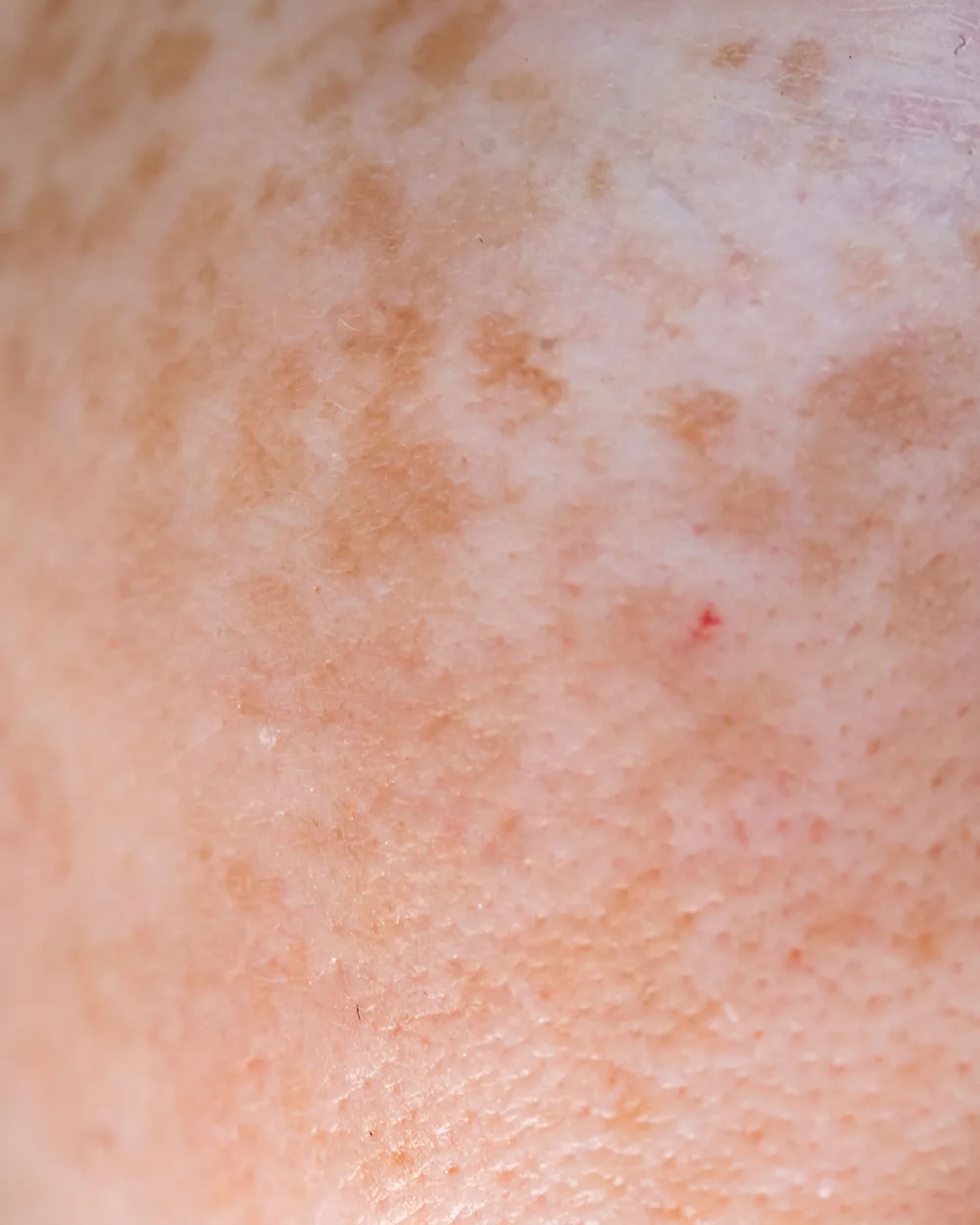
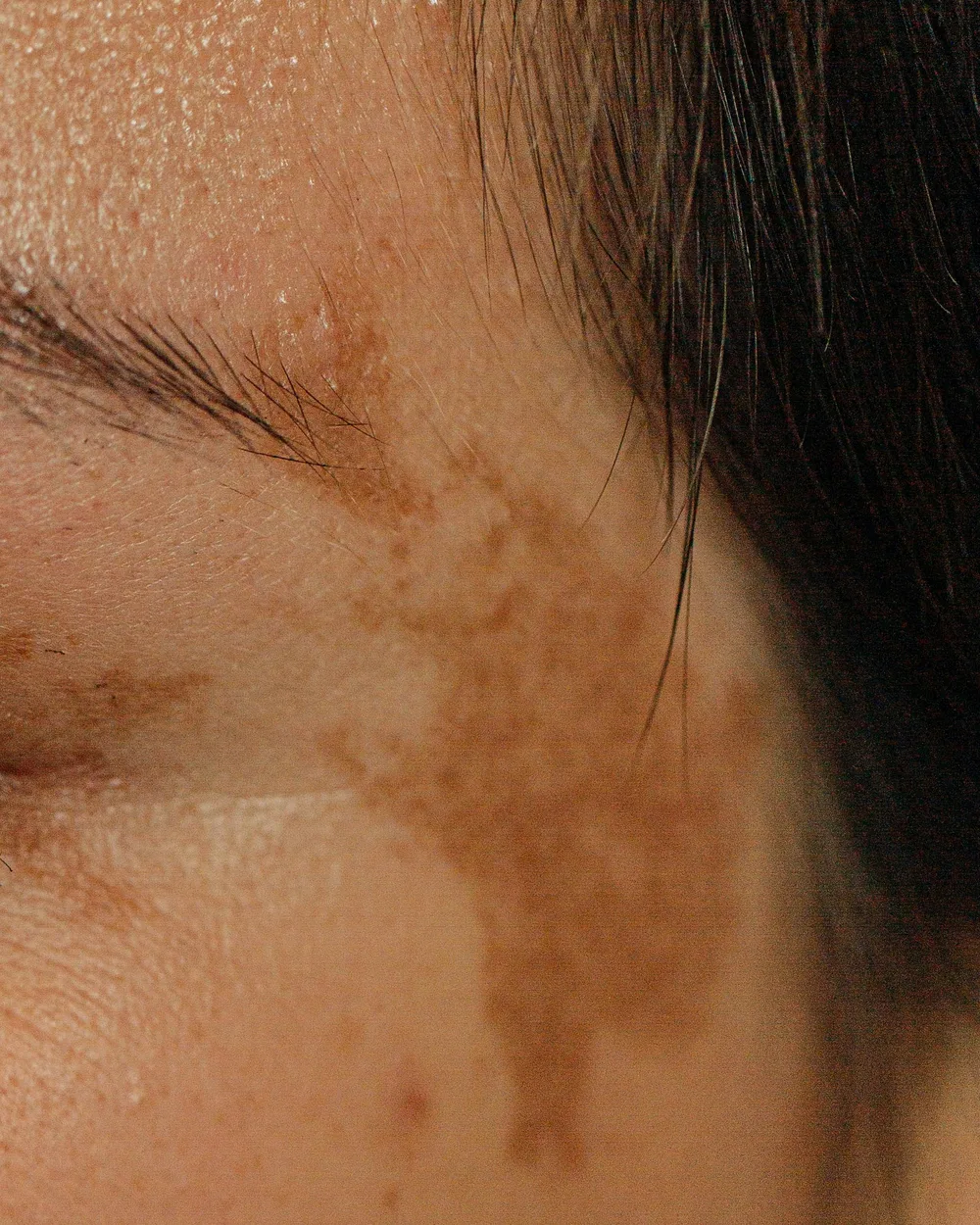
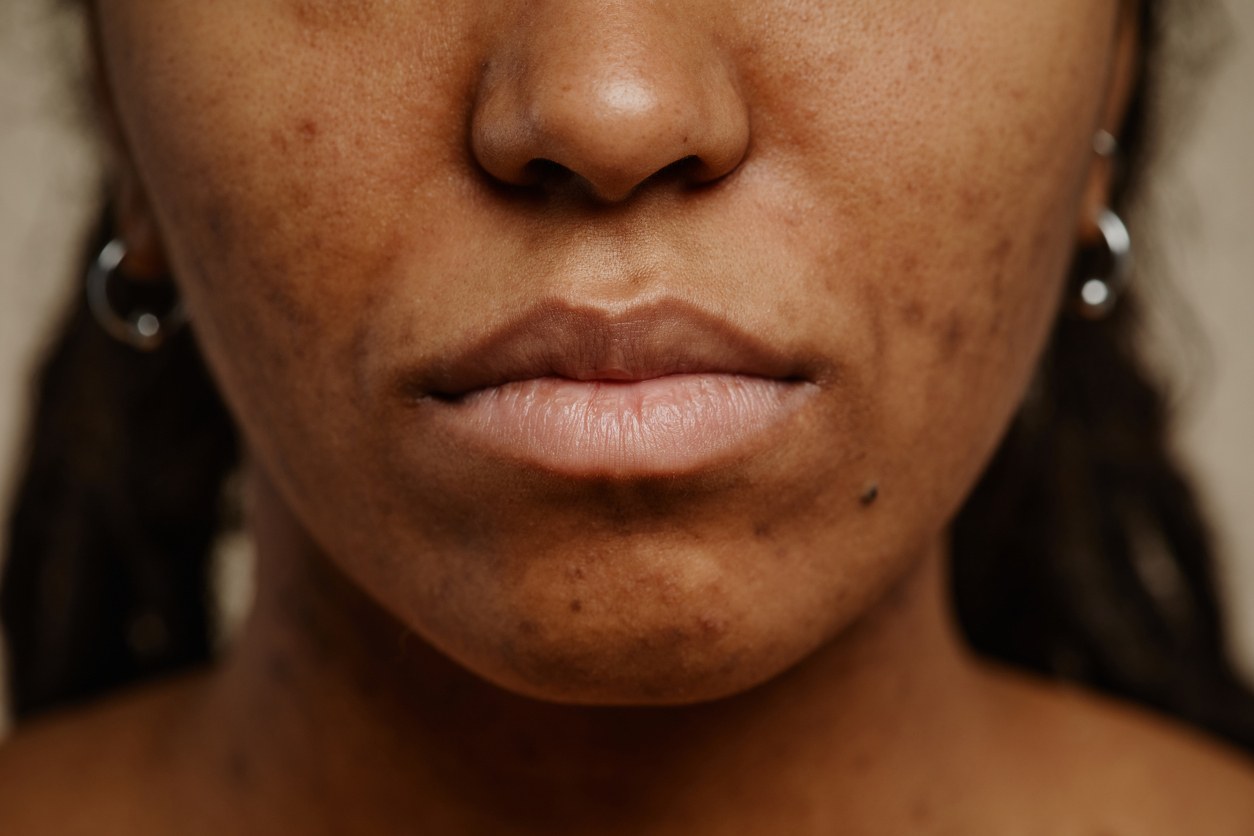
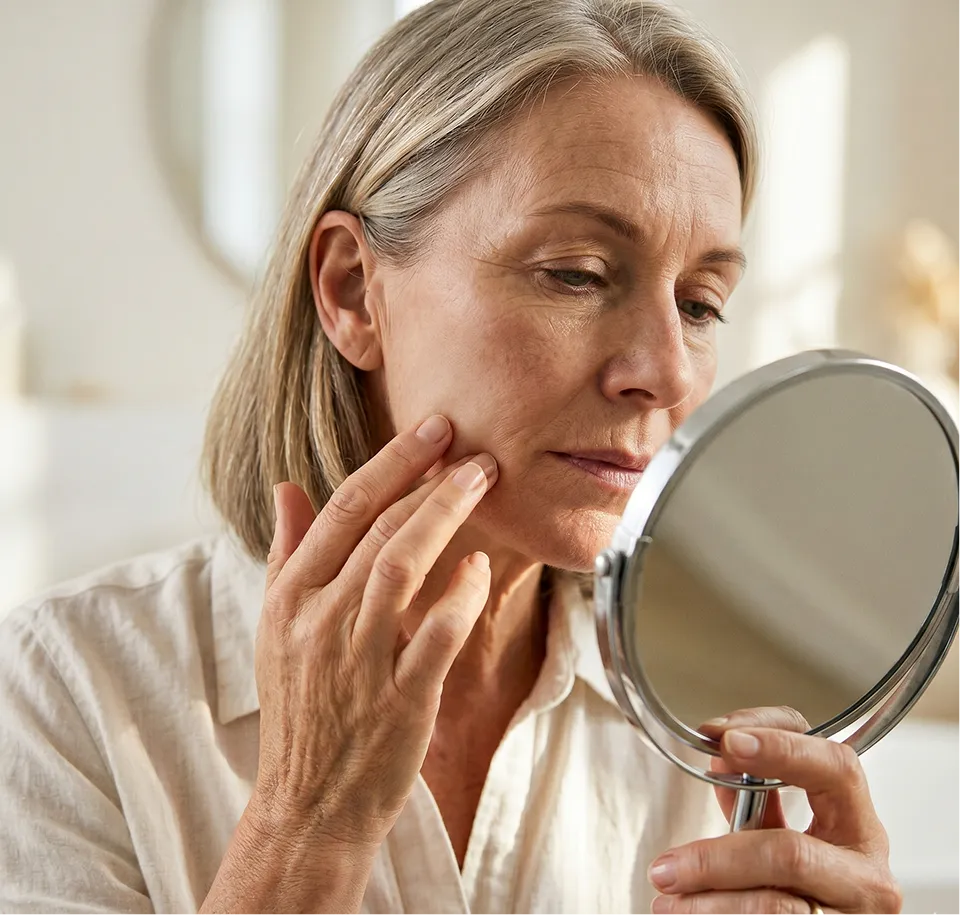
Target stubborn melasma and facial discoloration with DewRx; Honeydew’s custom melasma cream and treatment options designed for your skin, goals and unique pigmentation concerns.
Get started


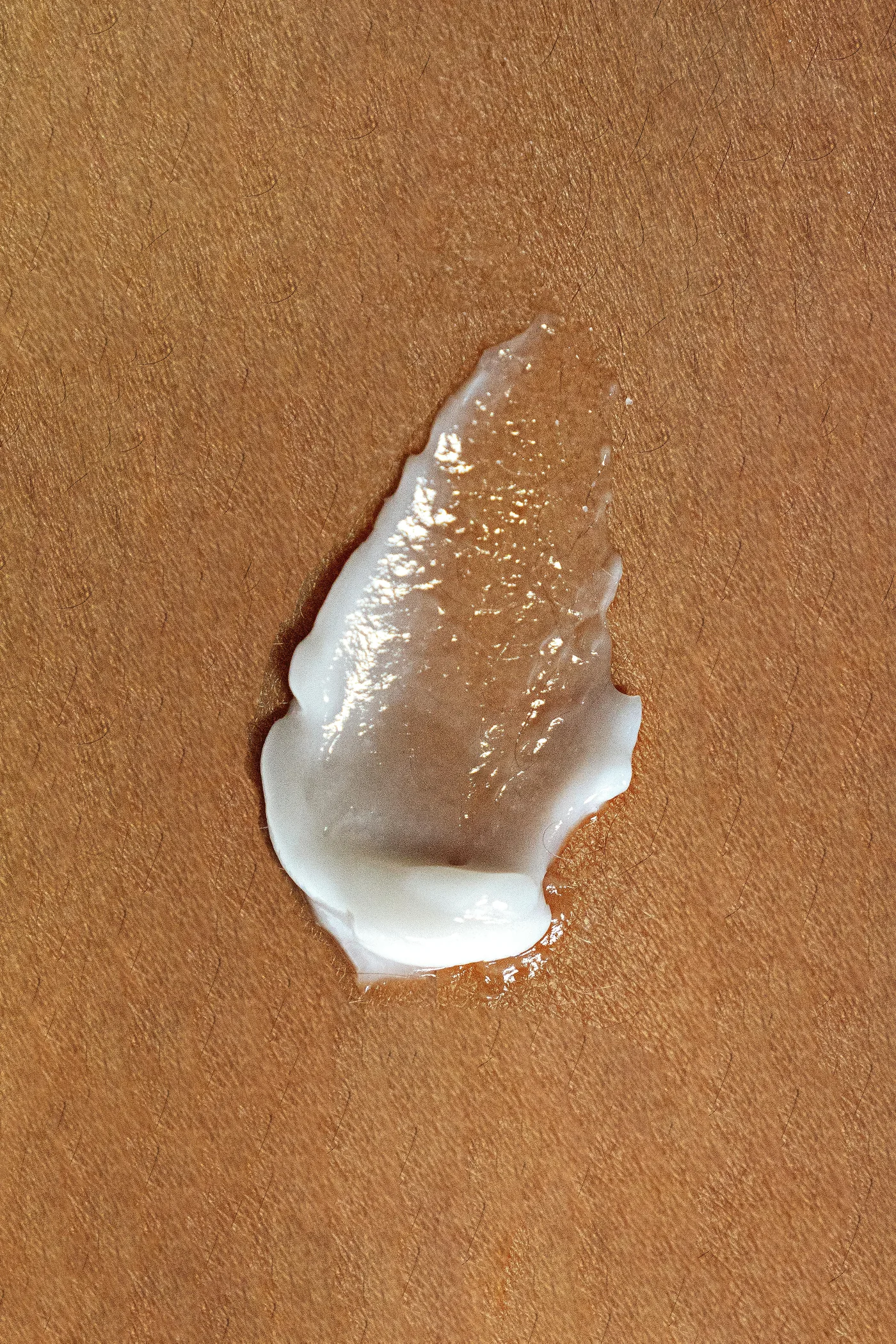
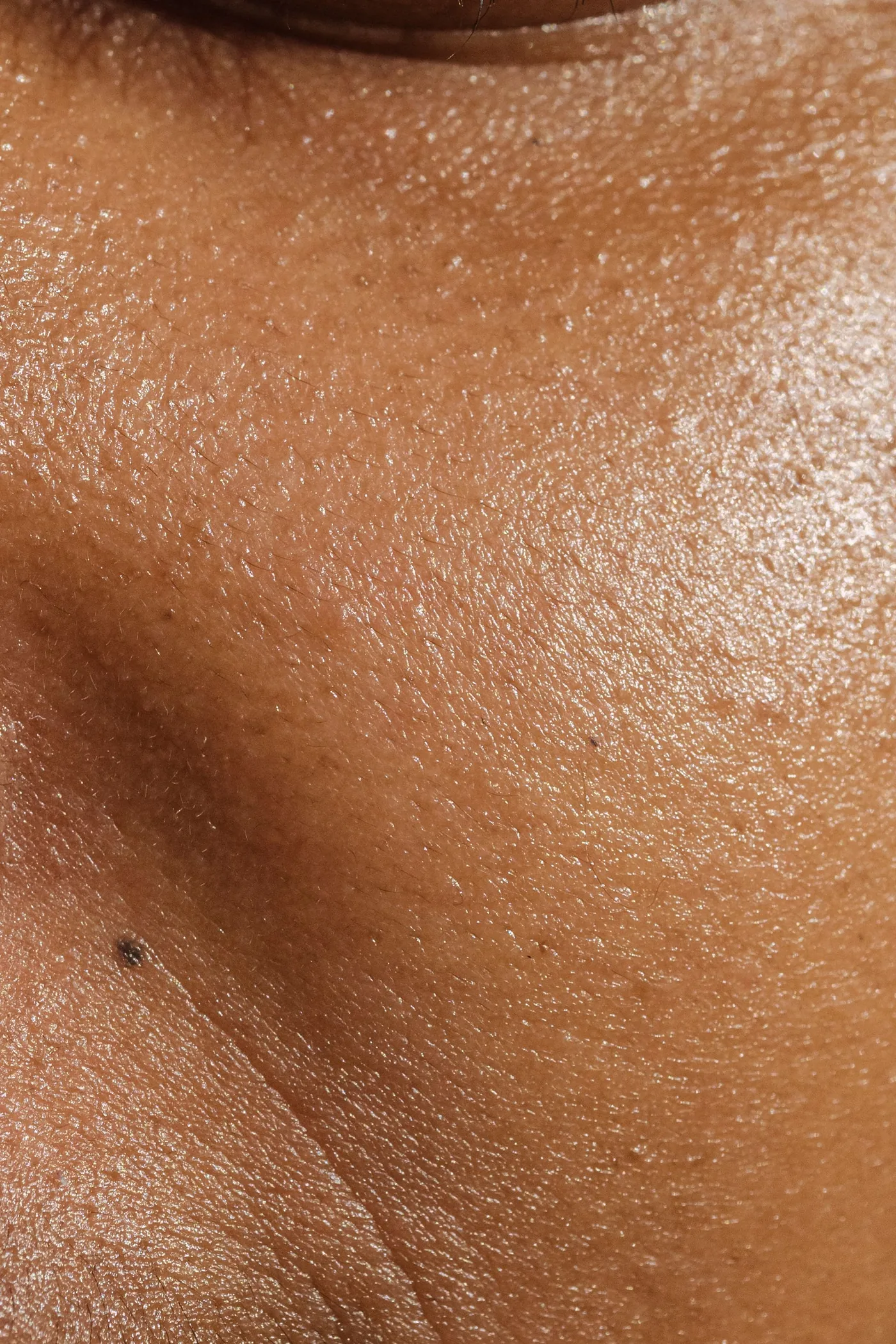
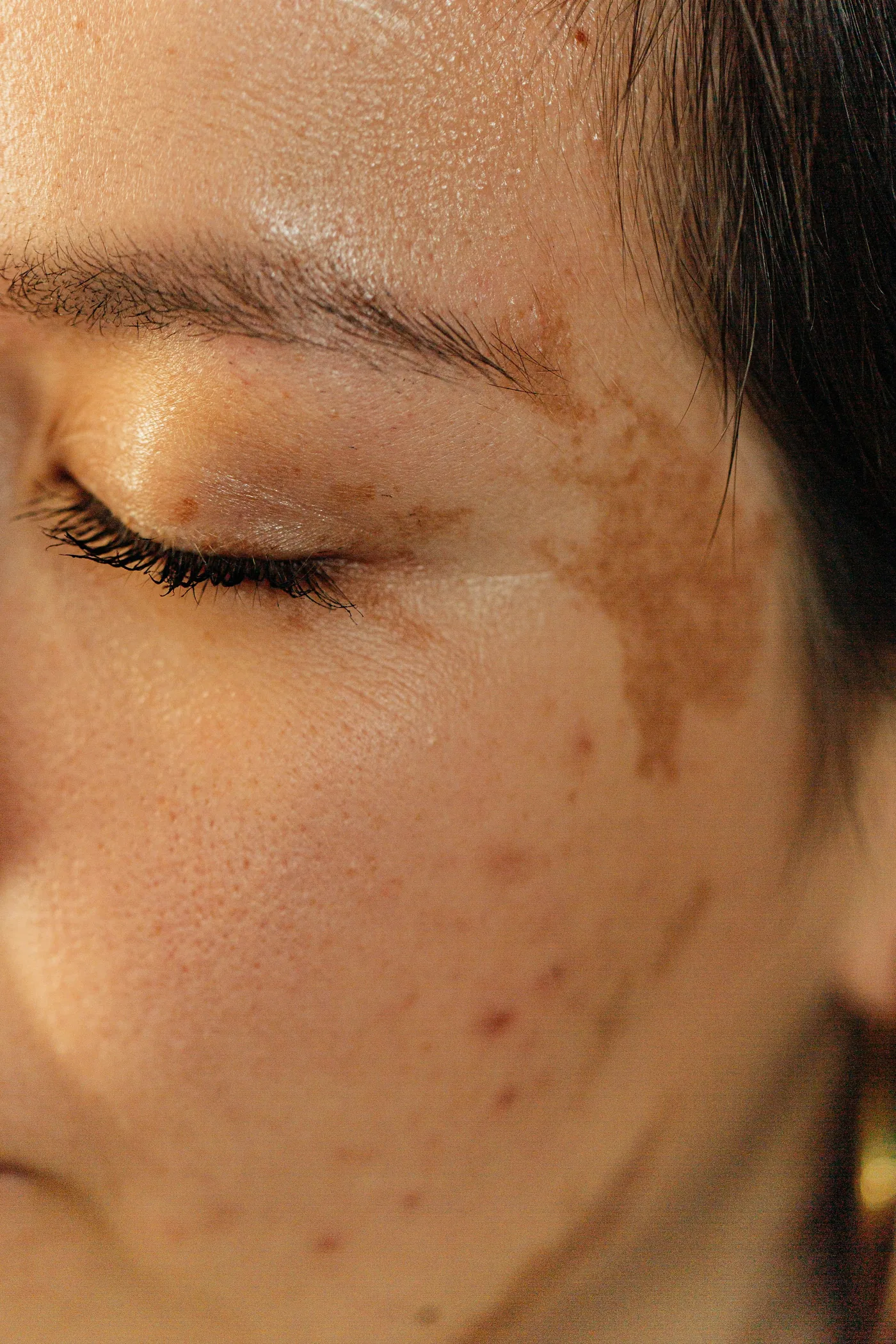
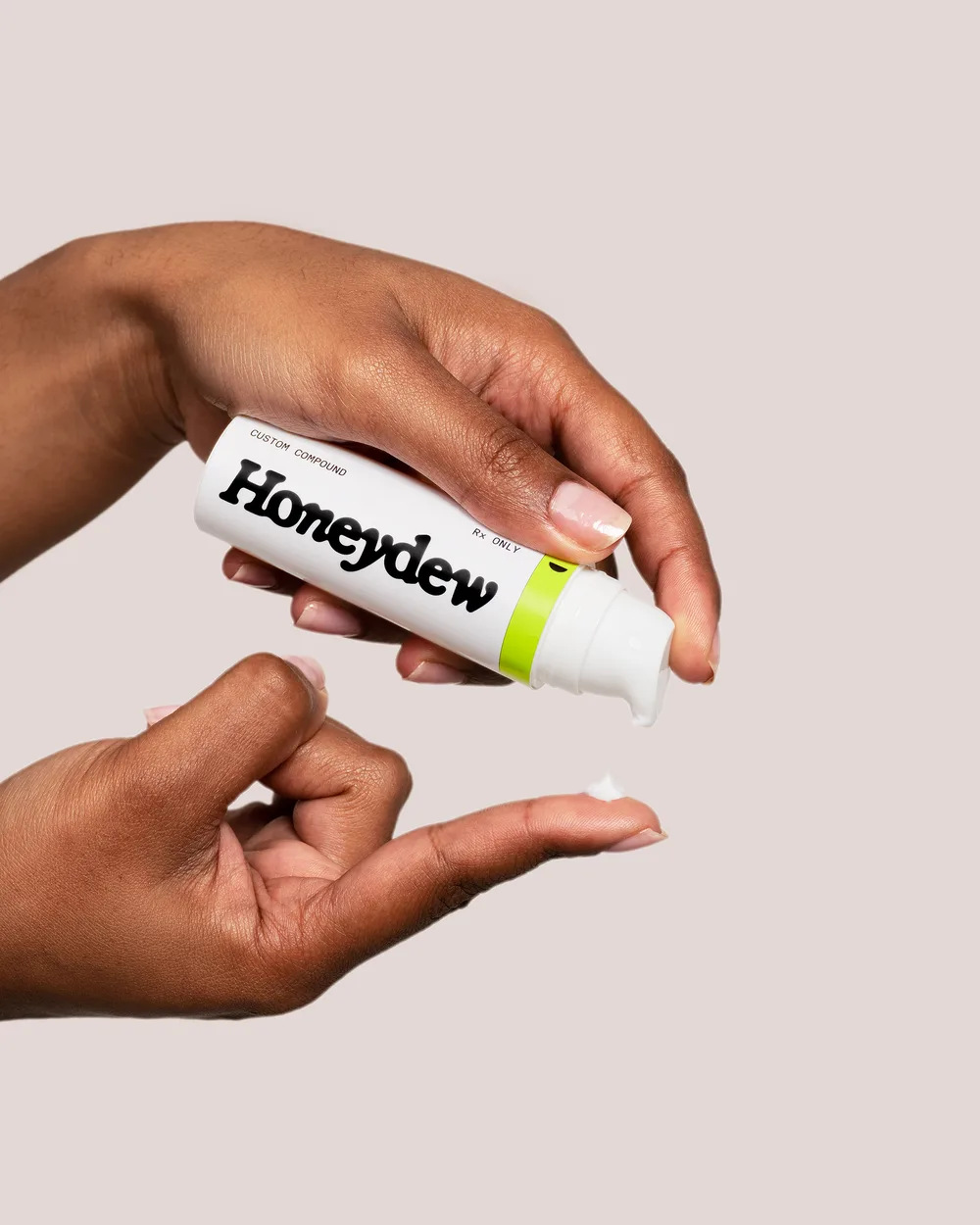
Our DewRx melasma cream is a prescription topical compound created for you alone. Your Honeydew provider reviews your photos and skin history, then combines the ingredients dermatologists rely on most for treating melasma – including hydroquinone, tranexamic acid, and tretinoin – into one cream, at strengths set personalized for your skin. DewRx melasma cream can also contain hydroquinone, which has been prescription-only in the U.S. since 2020, and is key to treating discoloration caused by melasma.
That’s what makes DewRx melasma formulas great. We bypass generic brighteners to deliver a personalized skin care regimen that can lift stubborn patches and help prevent future flare-ups, all made exclusively for your skin.
And Honeydew is with you at every stage. Because melasma tends to return, your provider tracks your progress and moves you to a lighter maintenance cream once patches fade, so you keep your results.
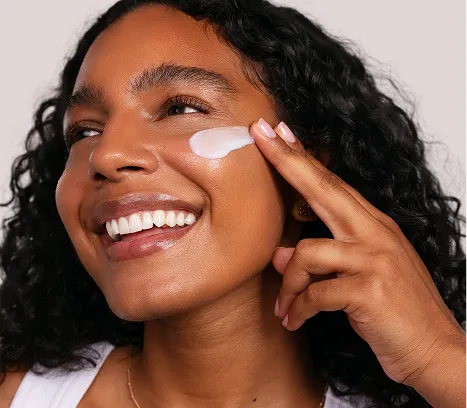
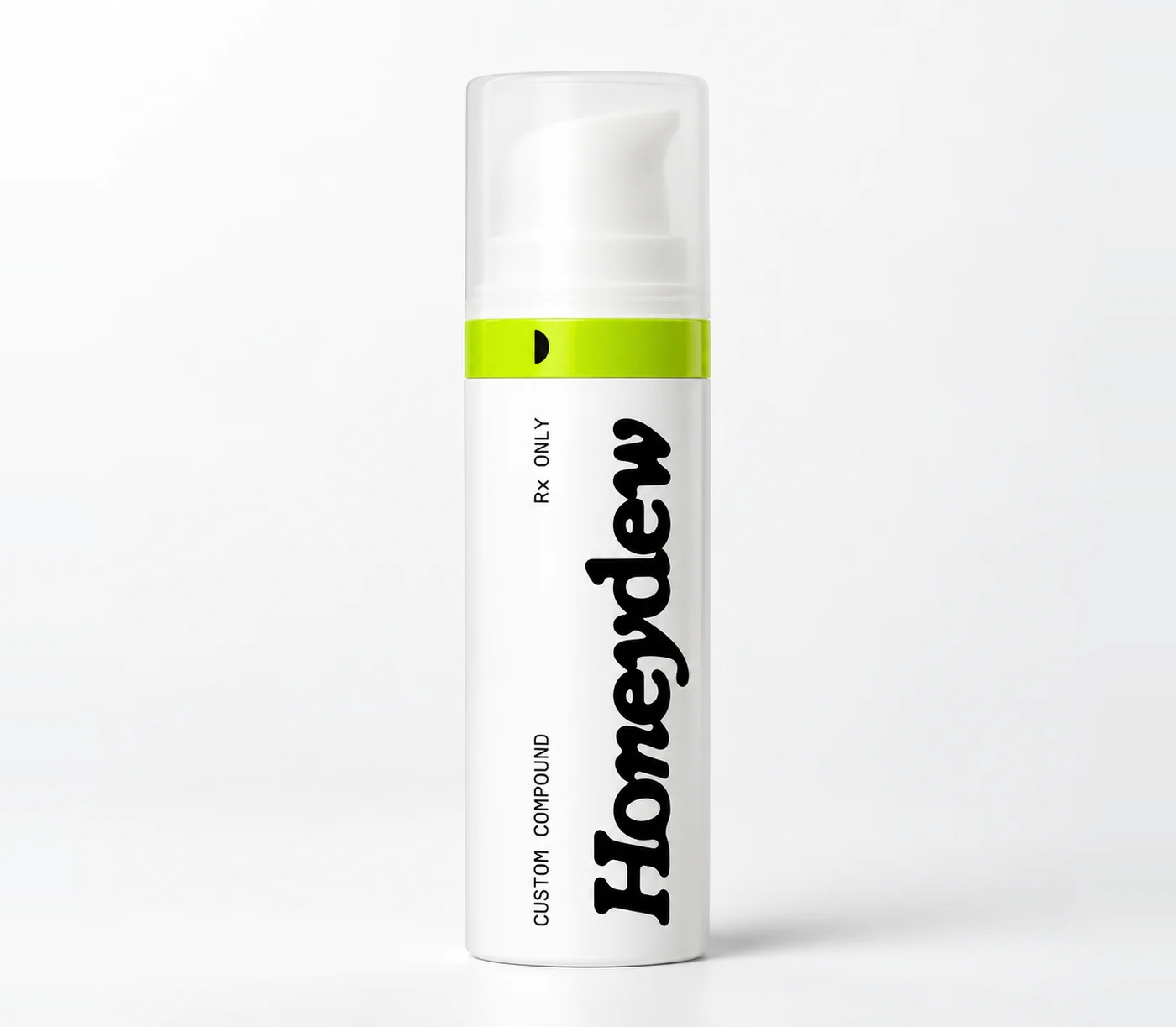

Your dermatology provider will review your skin and select ingredients based on your skin type, concerns, and goals. Every formula is made by a licensed compounding pharmacy and shipped to your door in all 50 states.

Most patients work with Honeydew for months, not weeks. That continuity allows providers to monitor progress, adjust care, and support outcomes that last beyond short-term fixes. Skin takes time. We plan for that.

formulas address several skin concerns at once*
improve consistency and adherence*
help balance results and tolerability*

Answer a short questionnaire and upload a few photos. Most patients don't need a video visit.

A dermatology provider selects the actives and strengths for your skin, and sends your Rx to a licensed compounding pharmacy.

Message your care team 7 days a week. Your provider adjusts the formula as your skin responds.
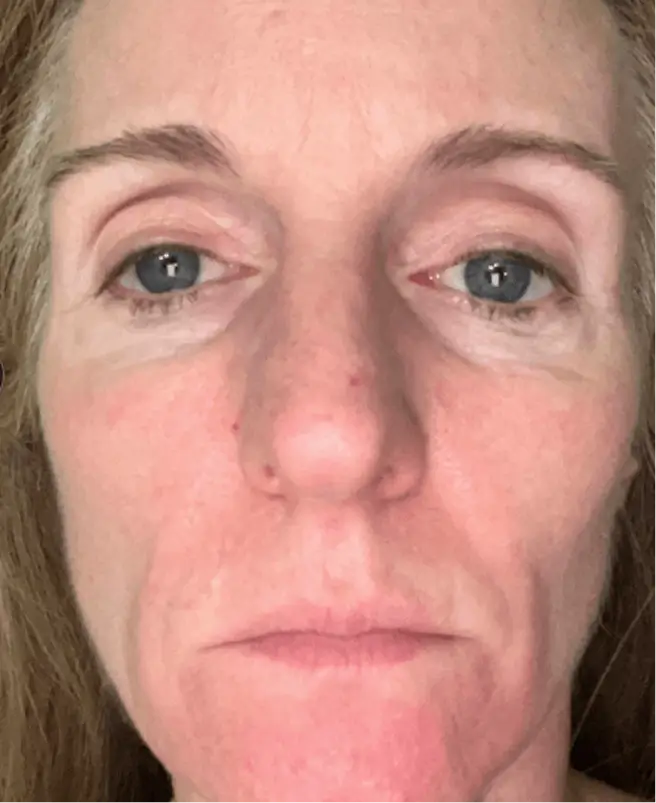
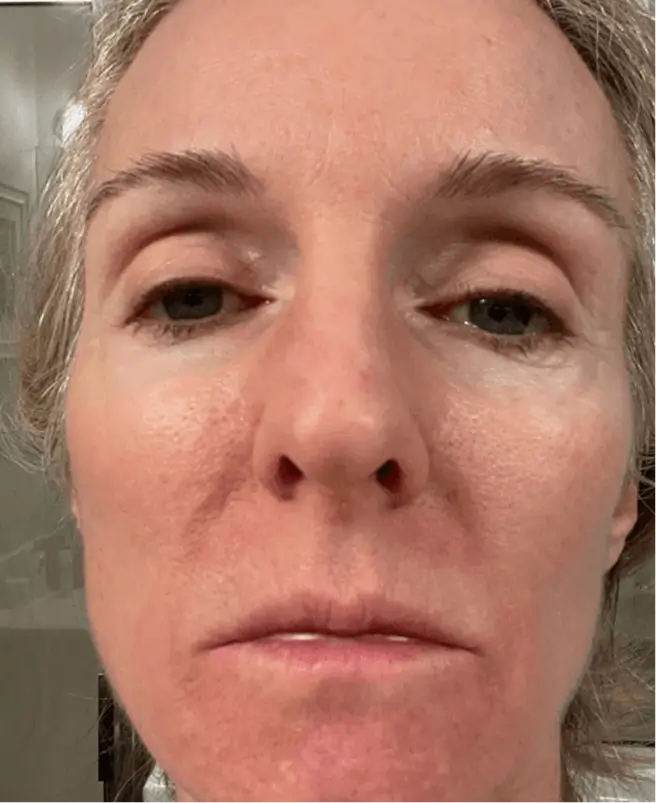
I’m incredibly happy with the improvements
I’m incredibly happy with the improvements. I’ve noted in my skin since starting my honeydew compounded topical product.


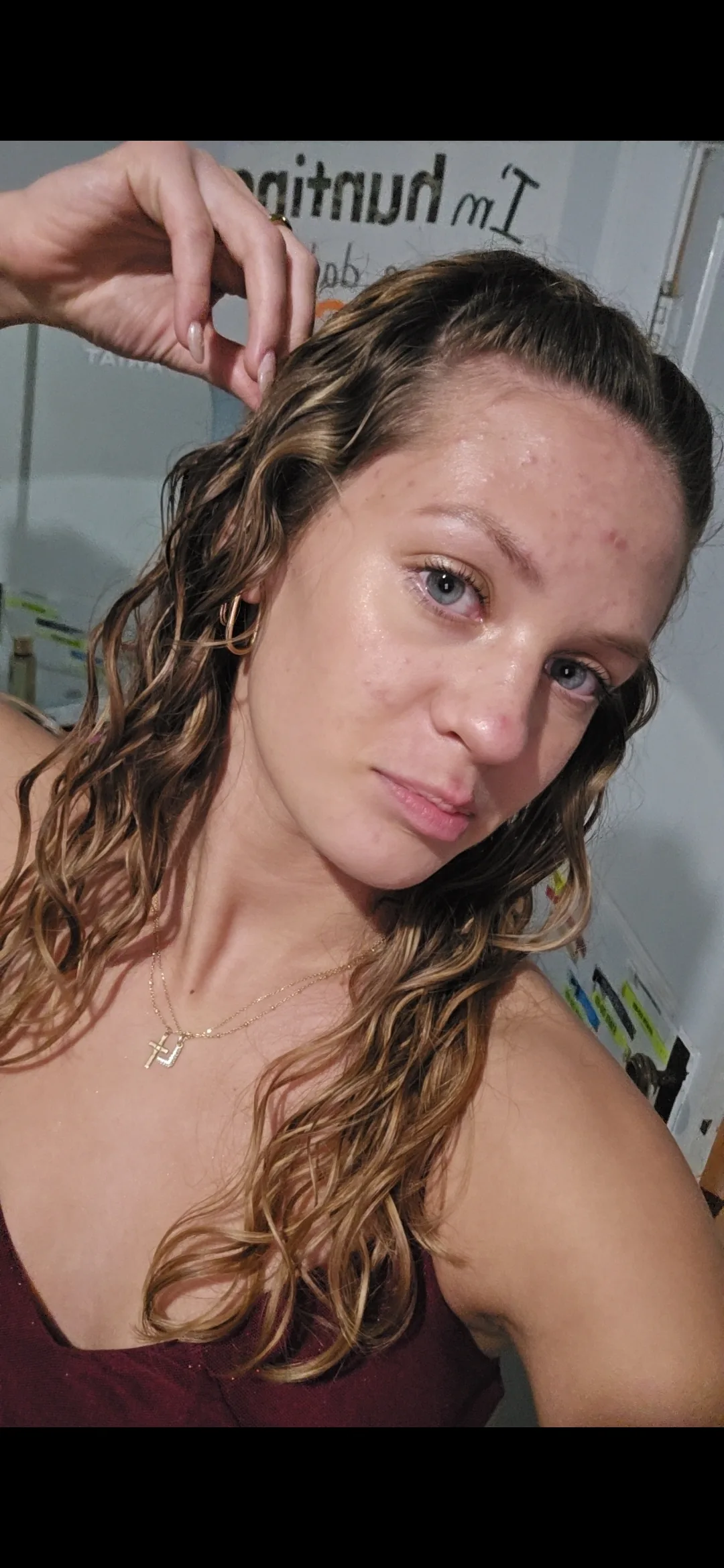
I'm so happy with the results
After about 5 weeks of consistent use, I started to see a real difference. My dark spots have visibly faded, and my overall skin tone looks much more even. I also noticed that my skin feels smoother and more hydrated. I'm so happy with the results
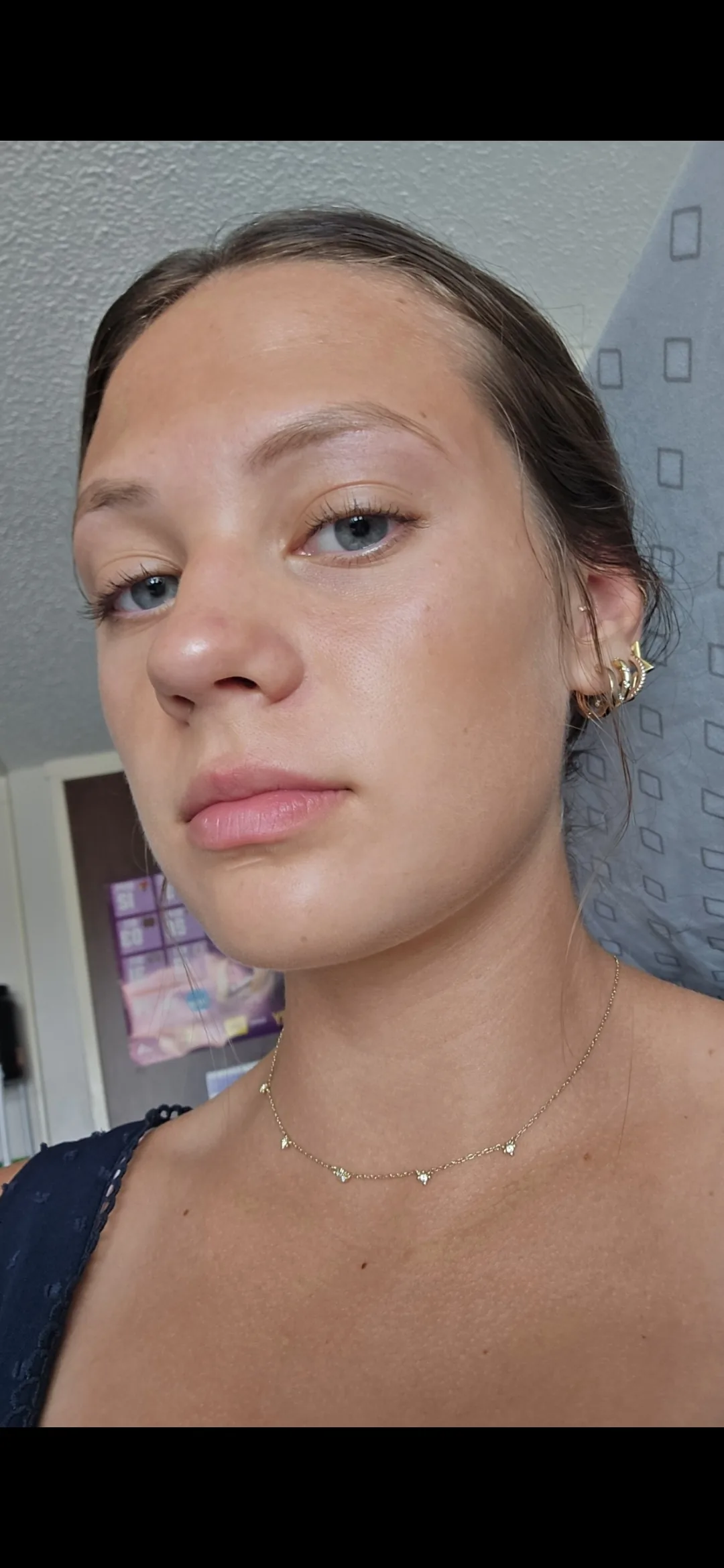
Very impressed with the results
The provider and system is very user friendly, and the chat feature is extremely helpful when trying to ask simple questions. I have noticed a huge difference in the quality of my skin and have been very impressed with the results.
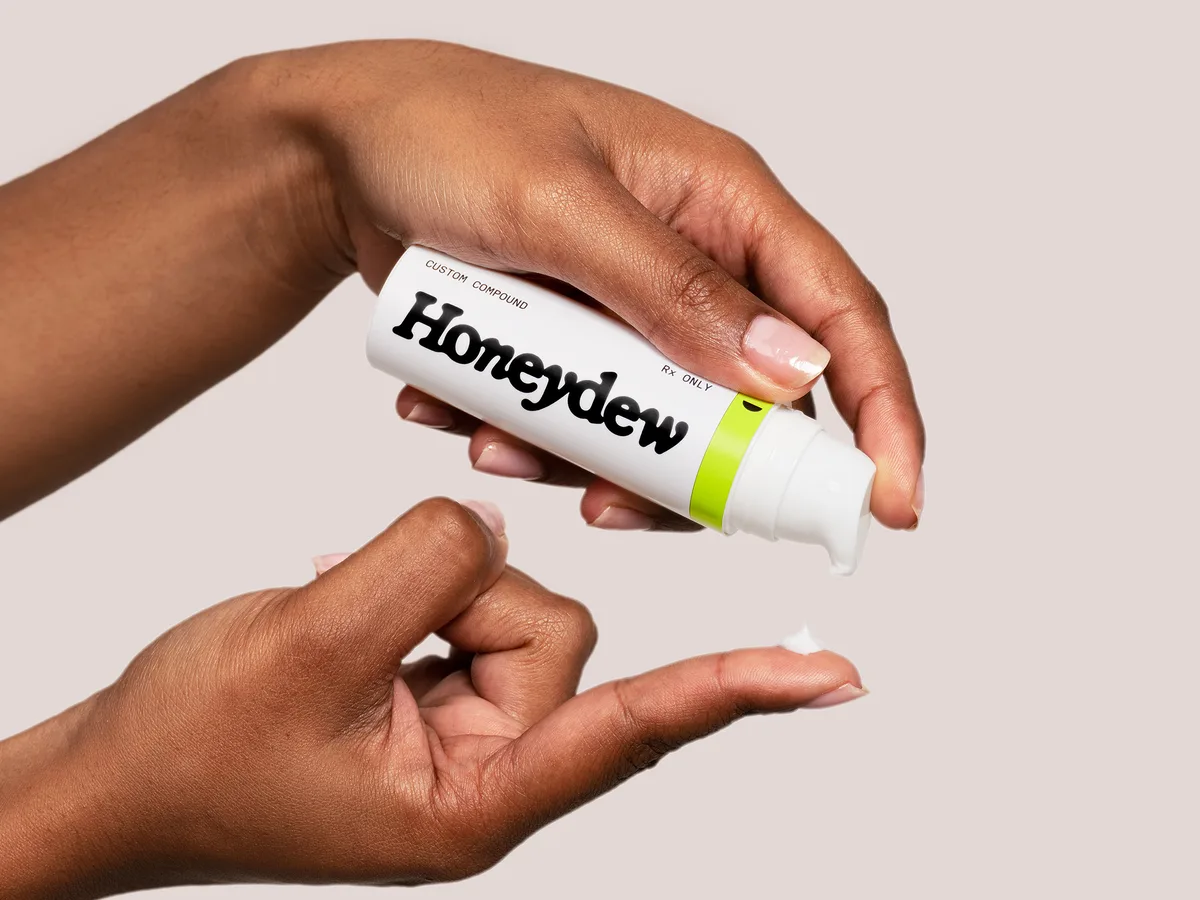
Your medication, your care team and every formula adjustment, all in one transparent plan.


Your provider checks your history, skin type, and past reactions before choosing ingredients.

Mild dryness or irritation is common in the first weeks. Tell your care team, and your provider can lower a strength, add a soothing ingredient, or recommend external solutions.

Pregnant or trying to conceive? Our dermatologists can build a pregnancy-safe formula so you can reach your skin goals safely.
Compounded formulas are made by licensed compounding pharmacies from FDA-approved ingredients.
There's no single best treatment. The AAD notes that a dermatologist tailors the plan to your skin tone, how deep the melasma goes, and your triggers. That said, hydroquinone, alone or combined with a retinoid and a corticosteroid, is the preferred first-line treatment. A Cochrane review of 2,125 participants found that this triple combination lightened melasma more than hydroquinone alone. Daily sun protection is part of every plan, because it helps fade melasma and keeps it from returning.
Yes, when it's prescribed and monitored. The main risk is exogenous ochronosis, a rare, bluish-black darkening of the skin. A systematic review found it appeared after a median of 5 years of use, with only four reported cases from 3 months of use or less, and more often at concentrations above 4%. That's why your provider sets the strength, limits how long you use it continuously, and switches you to a maintenance formula once your skin clears. Mild irritation or dryness is more common. Your provider can adjust your formula if it happens.
With consistent use, the AAD says results usually take 3 to 12 months, and longer if you've had melasma for a long time. Many patients notice lighter edges first, before the center of a patch fades. Results depend on how deep the pigment sits: melasma near the surface responds faster than deeper melasma. Your provider tracks your progress through photos and adjusts your formula along the way.
Yes. A meta-analysis of 22 studies with more than 1,280 patients found significant reductions in melasma severity scores. Topical tranexamic acid works about as well as hydroquinone on its own, and a systematic review calls it an efficacious alternative to hydroquinone products, with comparable results. It also works well alongside hydroquinone: in a meta-analysis of randomized trials, adding tranexamic acid to standard treatment reduced melasma severity further. That's why your provider may combine the two in one formula.
Retinoids like tretinoin shouldn't be used during pregnancy, and hydroquinone should wait until after pregnancy and breastfeeding because it absorbs into the skin at a higher rate. Azelaic acid is the usual choice instead. It slows melanin production and is gentle on sensitive skin, and in a meta-analysis of randomized trials it reduced melasma severity more than hydroquinone. Pregnancy melasma also often improves after you give birth. Tell us if you're pregnant, trying to conceive, or breastfeeding, and your provider will build a pregnancy-safe formula.
It depends which one you have, and the two look different. Melasma shows up as blotchy patches and freckle-like spots, usually spread across both cheeks, the forehead, or the upper lip. It's driven by sunlight, hormones like estrogen and progesterone, and some medications. Dark spots, like sun spots or marks left after acne, are usually smaller, have clearer edges, and trace back to one cause, like sun damage or a breakout. The difference matters because melasma tends to come back and needs maintenance, while most dark spots stay gone once they fade. Not sure which you have? Your provider can tell from your photos.
Because treatment controls melasma but doesn't cure it. The AAD notes that creams can fade the discoloration but can't make melasma go away forever. The usual culprit is light. UV gets most of the attention, but research shows visible light plays a significant role in melasma relapses, and standard sunscreens don't block it. Heat, hormonal changes, and stopping treatment too early also bring it back. Most patients stay clear with a lighter maintenance formula and daily tinted sunscreen.
Yes. Hydroquinone, the most-prescribed melasma ingredient, hasn't been sold over the counter in the U.S. since 2020, so you need a prescription either way. With Honeydew, you answer a short questionnaire and upload photos. A dermatology provider then builds a custom cream with hydroquinone, tranexamic acid, and tretinoin at strengths set for your skin, and it ships to your door. One thing to know: most insurers don't cover melasma treatment because it isn't considered medically necessary. Your membership and formula are both HSA/FSA eligible.
Your provider matches the actives in your DewRx formula to target your skin concerns.