Key Takeaways

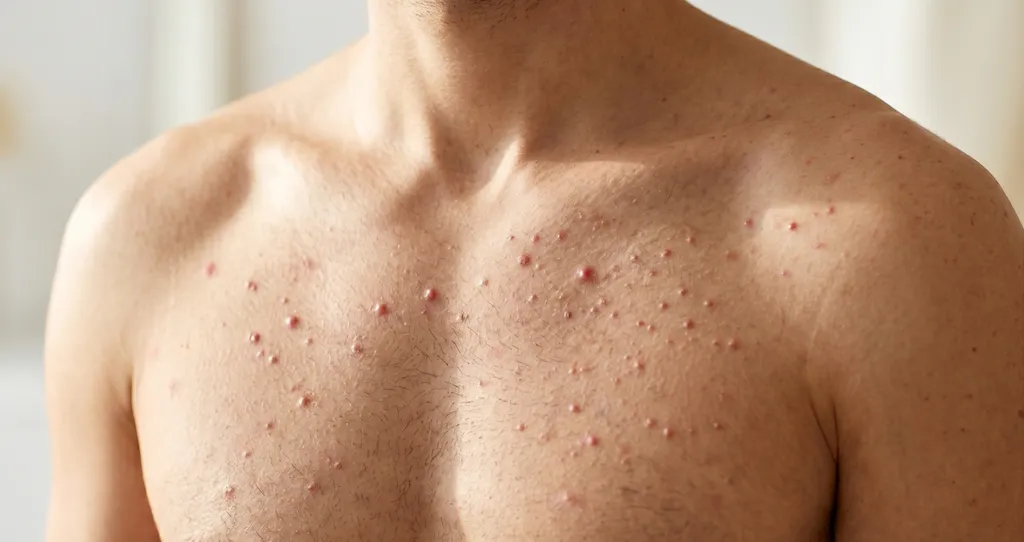
If you use nicotine in any form and have been dealing with persistent acne, you have probably wondered whether the two are connected. Maybe your skin got worse after you started using nicotine pouches. Maybe you switched from cigarettes to vaping and the breakouts followed. Or maybe you are trying to quit and your skin seems to be rebelling even harder than before.
You are asking the right question. Nicotine — whether delivered through cigarettes, e-cigarettes, pouches, gum, or patches — has real, documented effects on the skin that can contribute to acne. The delivery method matters too, because each nicotine source comes with its own set of additional chemicals and skin-related consequences. And the relationship between quitting nicotine and temporary breakouts is a real phenomenon that catches a lot of people off guard.
Let us break down what the research actually says about nicotine and acne, how different nicotine sources compare, and what you can do if your skin is paying the price for your nicotine habit.
Quick Answer: Does Nicotine Cause Acne?
Nicotine does not directly cause acne, but it creates multiple conditions in your skin that make breakouts significantly more likely and harder to clear. Here is what nicotine does:
- Increases sebum (oil) production by stimulating the sebaceous glands, which clogs pores
- Constricts blood vessels, reducing oxygen and nutrient delivery to the skin
- Disrupts hormones — raises cortisol, affects androgens, and has anti-estrogenic effects
- Impairs wound healing, making existing breakouts last longer and scar more easily
- Promotes inflammation and oxidative stress throughout the body
These effects apply regardless of whether you get your nicotine from cigarettes, vapes, pouches, or patches. If nicotine-related acne is affecting you, a dermatologist can help build a treatment plan that works alongside your situation. Learn more about acne treatment options.
How Does Nicotine Cause Acne? The Mechanisms
To understand whether nicotine can cause acne, it helps to understand the specific biological pathways through which nicotine affects your skin. The connection is not a simple cause-and-effect — instead, nicotine creates a cascade of changes that collectively push your skin toward breakouts.
Increased Sebum Production
Sebum is the natural oil your skin produces to stay hydrated and protected. In the right amounts, it is essential. But when your body overproduces it, that excess oil combines with dead skin cells and clogs your pores — the fundamental starting point for most acne.
Nicotine directly stimulates your sebaceous glands to produce more oil. Research published in Dermato-Endocrinology has demonstrated that nicotine activates acetylcholine receptors on sebocytes (the cells that produce sebum), leading to increased lipid production. This effect is dose-dependent — meaning the more nicotine you consume, the oilier your skin tends to become.
This matters because excess sebum is one of the four key factors in acne development, alongside abnormal skin cell shedding, bacterial colonization, and inflammation. When nicotine ramps up your oil production, it feeds directly into the acne cycle.
Vasoconstriction and Reduced Blood Flow
Nicotine is a potent vasoconstrictor — it narrows your blood vessels and reduces blood flow to the skin. Less blood flow means less oxygen, fewer nutrients, and slower removal of waste products from your skin cells. Over time, this creates an environment where your skin cannot function optimally.
Reduced blood flow affects the skin in several acne-relevant ways. Your skin cells receive fewer of the building blocks they need to maintain a healthy barrier. Your immune cells cannot reach infection sites as efficiently. And your skin's ability to repair itself after a breakout is significantly compromised. The result is skin that is more vulnerable to acne and slower to recover from it.
Hormonal Disruption
Nicotine has well-documented effects on the endocrine system that are directly relevant to acne. A study published in Hormones and Behavior found that nicotine affects cortisol and testosterone levels — two hormones that play central roles in acne development.
Cortisol, the primary stress hormone, is elevated by nicotine use. Chronically elevated cortisol stimulates sebum production and increases skin inflammation, both of which worsen acne. Additionally, research in Fertility and Sterility has shown that nicotine has anti-estrogenic properties — it can inhibit estrogen production and activity. Since estrogen plays a protective role against acne by counterbalancing androgen-driven oil production, reduced estrogen shifts the hormonal balance in a direction that favors breakouts.
Oxidative Stress and Inflammation
Nicotine exposure generates free radicals in the body, creating a state of oxidative stress. A review published in the Journal of Clinical Medicine documented how nicotine-related oxidative stress damages skin cells, breaks down collagen, and impairs the skin barrier. When your antioxidant defenses are overwhelmed by free radicals, the resulting cellular damage triggers an inflammatory response.
Inflammation is the engine that turns a clogged pore into a red, swollen, painful breakout. Without inflammation, you might have some blackheads or whiteheads. With it, those same clogged pores can become papules, pustules, or even deep cystic lesions. By promoting systemic inflammation, nicotine amplifies the severity of acne across the board.
Impaired Wound Healing
One of the most frustrating aspects of nicotine's effect on skin is how much it slows healing. Research published in JAMA Facial Plastic Surgery demonstrated that nicotine significantly impairs the skin's wound healing capacity. For acne, this means breakouts linger longer, post-inflammatory redness and hyperpigmentation are more pronounced, and the risk of permanent scarring is higher.
When your skin cannot heal efficiently between breakouts, old lesions overlap with new ones, creating a cycle of persistent acne that is difficult to break without treatment.
What to expect: Nicotine affects your skin through multiple pathways simultaneously — increased oil, hormonal disruption, inflammation, and impaired healing. This is why simply switching to a new face wash or adding a product to your routine often is not enough to counteract nicotine-related acne. Addressing the underlying issue typically requires either reducing nicotine intake, prescription treatment, or both.
Does Nicotine Cause Acne Differently Depending on the Source?
A critical point that often gets overlooked: the way you consume nicotine matters. While nicotine itself has the same core effects on your body regardless of delivery method, each source brings additional chemicals and exposure patterns that affect your skin differently.
| Nicotine Source | Nicotine Effects on Skin | Additional Skin Risks |
|---|---|---|
| Cigarettes | All core nicotine effects (sebum, vasoconstriction, hormonal disruption) | Highest oxidative stress from combustion; tar and carbon monoxide further damage skin; accelerates premature aging |
| Vaping / E-cigarettes | All core nicotine effects (often at high concentrations) | Propylene glycol dehydrates skin; flavoring chemicals add oxidative stress; heavy metals from coils |
| Nicotine Pouches (Zyn, etc.) | All core nicotine effects via buccal absorption | No smoke or vapor exposure; fewer additional chemicals; but sustained nicotine delivery may prolong hormonal and sebum effects |
| Nicotine Patches | All core nicotine effects via transdermal absorption | Slow, steady nicotine release; adhesive may cause localized irritation; fewer additional chemicals |
| Nicotine Gum | All core nicotine effects via oral absorption | No smoke or vapor exposure; fewer additional skin-related risks beyond nicotine itself |
Cigarettes: The Worst for Your Skin
Traditional cigarettes deliver nicotine alongside thousands of additional chemicals produced by combustion. The relationship between smoking and skin health is one of the most well-studied areas in dermatology. A large-scale study published in the Journal of Investigative Dermatology found a significant association between cigarette smoking and acne severity, particularly a type called "smoker's acne" characterized by non-inflammatory comedones (blackheads and whiteheads) rather than the deep, inflamed lesions seen in other acne types.
The combustion products in cigarette smoke — carbon monoxide, tar, formaldehyde, and thousands of other chemicals — cause significantly more oxidative damage than nicotine alone. This accelerates skin aging, deepens wrinkles, and creates a dull, sallow complexion on top of worsening acne.
Vaping: A Different Kind of Damage
E-cigarettes eliminate combustion, but they are far from harmless for your skin. The nicotine concentrations in many vape juices match or exceed those of cigarettes, and the base liquids — propylene glycol and vegetable glycerin — have their own skin-drying effects. A 2017 study in Tobacco Control found that e-cigarette aerosol contains toxic substances that generate free radicals and oxidative stress.
We cover this topic in much more detail in our article on whether vaping causes acne, including how propylene glycol dehydrates the skin and how the chemicals in flavored vape juices may add to the problem.
Can Nicotine Pouches Cause Acne?
Nicotine pouches — brands like Zyn, On!, and Rogue — have surged in popularity, and patients are increasingly asking us whether they can cause acne. It is a fair question, because pouches are marketed as a "cleaner" alternative since there is no smoke, no vapor, and no combustion.
The reality is that nicotine pouches still deliver significant amounts of nicotine, typically between 3mg and 6mg per pouch, and that nicotine has the same effects on your skin regardless of how it gets into your bloodstream. The sebum increase, the vasoconstriction, the hormonal disruption, the impaired healing — all of these happen whether nicotine comes from a cigarette, a vape, or a pouch tucked under your lip.
Where pouches may have an advantage is in what they do not contain. Without smoke or vapor, there is no exposure to combustion byproducts, propylene glycol, or heated flavoring chemicals. This likely means less oxidative stress compared to smoking or vaping. But less oxidative stress does not mean zero skin impact — the nicotine itself is still doing its work on your oil production, hormones, and blood flow.
Important to know: There is limited research specifically examining nicotine pouches and acne. Most of what we know is extrapolated from nicotine's documented effects on the skin and from studies on other nicotine delivery methods. If you use nicotine pouches and are experiencing breakouts that you cannot explain, the nicotine is a reasonable suspect — but a dermatologist can help you determine whether it is the primary driver or one factor among several.
Nicotine Patches and Gum
Nicotine replacement therapies (NRT) like patches and gum are primarily used for smoking cessation, and their nicotine delivery tends to be more controlled and lower-dose than cigarettes or modern vape devices. The core nicotine effects on skin still apply, but the absence of smoke, vapor, and the typically lower nicotine levels may mean a smaller impact on acne.
That said, if you are using NRT to quit smoking and notice your skin acting up, it could be the nicotine in the patches or gum — or it could be the withdrawal process itself, which we will cover next.
Can Quitting Nicotine Cause Acne?
Here is the part that frustrates a lot of people: you finally quit nicotine, expecting your skin to improve, and instead you break out worse than ever. This is a real phenomenon, and understanding why it happens can help you push through it.
Why Breakouts Happen When You Quit
Nicotine withdrawal triggers a cascade of temporary physiological changes that can lead to acne flares in the short term.
- Hormonal rebalancing: Your body has adapted to nicotine's effects on cortisol, androgens, and estrogen. When you remove nicotine, these hormones fluctuate as your endocrine system recalibrates. These fluctuations can temporarily increase sebum production and trigger breakouts — similar to the hormonal shifts that cause acne during puberty or other transitional periods.
- Stress response: Nicotine withdrawal is physiologically stressful. Cortisol levels can spike during the withdrawal period, and as we know, elevated cortisol directly increases oil production and skin inflammation. Research has shown that the stress-sebum connection is robust — your body does not distinguish between psychological stress and the physiological stress of withdrawal.
- Detoxification and skin turnover: As your circulation improves (a well-documented benefit of quitting nicotine), your skin begins receiving more oxygen and nutrients. This can initially accelerate skin cell turnover, which may temporarily cause more clogged pores as your skin adjusts to its new, healthier state.
- Changes in habits: Many people who quit nicotine turn to food for comfort — particularly sugary or high-glycemic foods. A study published in the American Journal of Clinical Nutrition demonstrated that high-glycemic diets are associated with increased acne, so dietary changes during the quitting period can contribute to breakouts independently of the nicotine withdrawal itself.
What to expect: Post-quitting breakouts are typically temporary — most people see them peak within the first two to six weeks and gradually improve over the following months as hormones stabilize and skin adjusts. This is not a reason to start using nicotine again. The long-term skin benefits of quitting are substantial and well worth the short-term adjustment period. If the breakouts are severe, a dermatologist can help you manage them while your body adjusts.
How Nicotine Interacts with Acne Treatments
If you use nicotine and are also treating your acne, there are some important interactions and considerations to be aware of.
- Topical retinoids (tretinoin, adapalene): Nicotine's skin-drying and barrier-weakening effects can make retinoid irritation worse. If your skin is already compromised by nicotine, starting a retinoid may cause more dryness, peeling, and redness than usual. Your dermatologist may recommend a lower starting concentration or more gradual introduction.
- Oral antibiotics (doxycycline): While there are no direct drug interactions, nicotine's suppression of immune function and promotion of inflammation can undermine the anti-inflammatory effects of antibiotics, potentially making them less effective.
- Isotretinoin (Accutane): Isotretinoin and nicotine both affect the skin's healing capacity. Using both simultaneously may increase the risk of delayed healing and potentially scarring. It is especially important to discuss your nicotine use with your dermatologist if you are considering or currently on isotretinoin.
- Spironolactone: Spironolactone works by blocking androgen receptors, which helps counteract some of nicotine's hormonal effects on the skin. However, nicotine's cortisol-elevating properties may partially offset spironolactone's benefits.
Red flag: Always tell your dermatologist about your nicotine use — including pouches, vaping, and nicotine replacement therapy, not just cigarettes. This information helps them choose the most effective treatment approach and set appropriate expectations for how quickly you will see results. Nicotine use is not a reason to delay treatment, but it is something your provider needs to know.
Tips for Managing Acne If You Use Nicotine
Quitting nicotine is the single most impactful thing you can do for your skin. But we understand that is not always where you are right now, and we are not here to lecture. Whether you are actively trying to quit, gradually reducing your intake, or not yet ready, here are practical steps that can help your skin.
1. Stay Hydrated — Inside and Out
Nicotine dehydrates your skin through vasoconstriction and, if you vape, through the drying effects of propylene glycol. Combat this by drinking adequate water throughout the day and using a non-comedogenic moisturizer with ingredients like hyaluronic acid, ceramides, or niacinamide. Keeping your skin properly hydrated can reduce the compensatory oil overproduction that leads to clogged pores.
2. Prioritize Antioxidant Protection
Since nicotine generates oxidative stress, bolstering your antioxidant defenses can help counteract some of the damage. Use a topical vitamin C serum in the morning, and eat a diet rich in colorful fruits and vegetables, which provide vitamins A, C, and E along with other protective antioxidants. This will not negate nicotine's effects, but it can reduce the oxidative burden on your skin.
3. Keep Your Skincare Routine Simple and Consistent
A basic routine — gentle cleanser, moisturizer, sunscreen — is your foundation. Overcomplicating things or constantly switching products in response to breakouts typically makes things worse, especially when your skin barrier is already compromised by nicotine. Consistency matters more than complexity.
4. Wear Sunscreen Daily
Nicotine accelerates photoaging and impairs your skin's defenses against UV damage. Wearing a non-comedogenic broad-spectrum SPF 30+ sunscreen every day protects against this compounding damage and helps reduce post-inflammatory hyperpigmentation from acne marks.
5. Consider Reducing Your Nicotine Intake
If quitting cold turkey is not in the cards, even reducing how much nicotine you consume can make a difference. Nicotine's effects on sebum production are dose-dependent — lower nicotine levels generally mean less impact on your skin. If you vape, gradually lowering your nicotine concentration is one approach. If you use pouches, switching to a lower-strength option may help.
When to See a Dermatologist
Over-the-counter products and lifestyle adjustments can help with mild nicotine-related acne, but there are clear signals that it is time for professional help.
See a Dermatologist If:
- Your acne started or got significantly worse after beginning nicotine use
- Over-the-counter treatments are not making a noticeable difference
- You are developing deep, painful, or cystic breakouts
- Acne is leaving scars or persistent dark marks
- You recently quit nicotine and breakouts are severe
- Your acne is affecting your confidence or quality of life
At Honeydew, our providers treat all types of acne and understand how nicotine use — in any form — can complicate your skin. We offer same-day or next-day virtual appointments with board-certified dermatologists and other qualified providers who can create a personalized treatment plan that accounts for your nicotine use and targets your specific acne. Visit our pricing page to learn about our membership options.
The Bottom Line
Nicotine and acne are connected through multiple well-documented biological pathways. Whether you smoke, vape, use nicotine pouches, or are in the process of quitting, nicotine affects your skin's oil production, hormonal balance, healing capacity, and inflammatory response — all in ways that promote breakouts.
The delivery method matters to a degree. Cigarettes carry the heaviest total burden of skin damage. Vaping adds dehydrating chemicals and oxidative stress beyond the nicotine itself. Pouches and gum avoid smoke and vapor but still deliver enough nicotine to influence your skin. And quitting, while absolutely the best long-term move for your skin, can cause a temporary flare that is important to understand and prepare for.
If nicotine is contributing to your acne, you do not have to figure it out alone. A dermatologist can look at the full picture — your skin type, your nicotine use, your acne pattern, and what treatments you have already tried — and create a plan tailored to your situation. Whether that means a topical retinoid, an oral medication, or a more comprehensive approach, the right treatment can make a meaningful difference even while you are still using nicotine.
Your skin is worth taking seriously, wherever you are in your relationship with nicotine.
.webp)

Medically Reviewed by
Joel Spitz, MD
Co-Founder & Chief Medical Officer, Board Certified Dermatologist


.webp)