Key Takeaways

You finally got your acne under control — but now you're left staring at a constellation of dark spots where every breakout used to be. If this sounds familiar, you're dealing with post-inflammatory hyperpigmentation (PIH), and you're far from alone. Studies show that PIH affects up to 65% of people with acne, and it's even more prevalent in people with darker skin tones.
The good news? Dark spots from acne are not permanent scars. They're discoloration — excess melanin deposited in the skin as a response to inflammation. And with the right approach, they can be faded significantly or even eliminated entirely. The frustrating part is that it takes patience, consistency, and often a combination of treatments to get there.
Whether you're searching for how to get rid of dark spots from acne or trying to understand why those black spots keep lingering, this guide will walk you through the science, the treatments that actually work, and the timeline you can realistically expect.
Quick Answer: How to Get Rid of Dark Spots From Acne
Best approach: A combination of topical treatments and sun protection, guided by a dermatologist.
- Fastest results: Prescription retinoids (like tretinoin) + vitamin C serum + daily sunscreen
- Key ingredients: Retinoids, vitamin C, niacinamide, azelaic acid, alpha hydroxy acids (AHAs)
- Non-negotiable: Broad-spectrum SPF 30+ sunscreen every single day
- Timeline: 3-6 months for significant fading; up to 12 months for stubborn spots
- Most important step: Stop new acne from forming — treat active breakouts first
What Are Dark Spots From Acne?
Before you can effectively treat dark spots, it helps to understand exactly what they are — and what they're not. Not all marks left behind by acne are the same, and the distinction matters because each type requires a different treatment strategy.
Post-Inflammatory Hyperpigmentation (PIH)
PIH is the medical term for the dark brown, tan, or deep purple flat spots that remain after an acne lesion heals. When your skin is inflamed — whether from a pimple, a cyst, or even aggressive picking — your melanocytes (the cells that produce pigment) go into overdrive and deposit excess melanin in the surrounding tissue. The result is a flat, discolored patch that can last for weeks, months, or even years without treatment.
PIH is especially common in people with medium to dark skin tones (Fitzpatrick skin types III-VI) because they have more active melanocytes. However, it can affect anyone regardless of skin color.
Post-Inflammatory Erythema (PIE)
PIE looks like flat pink, red, or purple marks — and it's often confused with PIH. The key difference is that PIE is caused by damaged or dilated blood vessels beneath the skin, not by excess melanin. PIE is more common in lighter skin tones. A quick way to tell the difference: press a clear glass against the spot. If it fades or disappears temporarily, it's likely PIE. If the color stays, it's PIH.
True Acne Scars
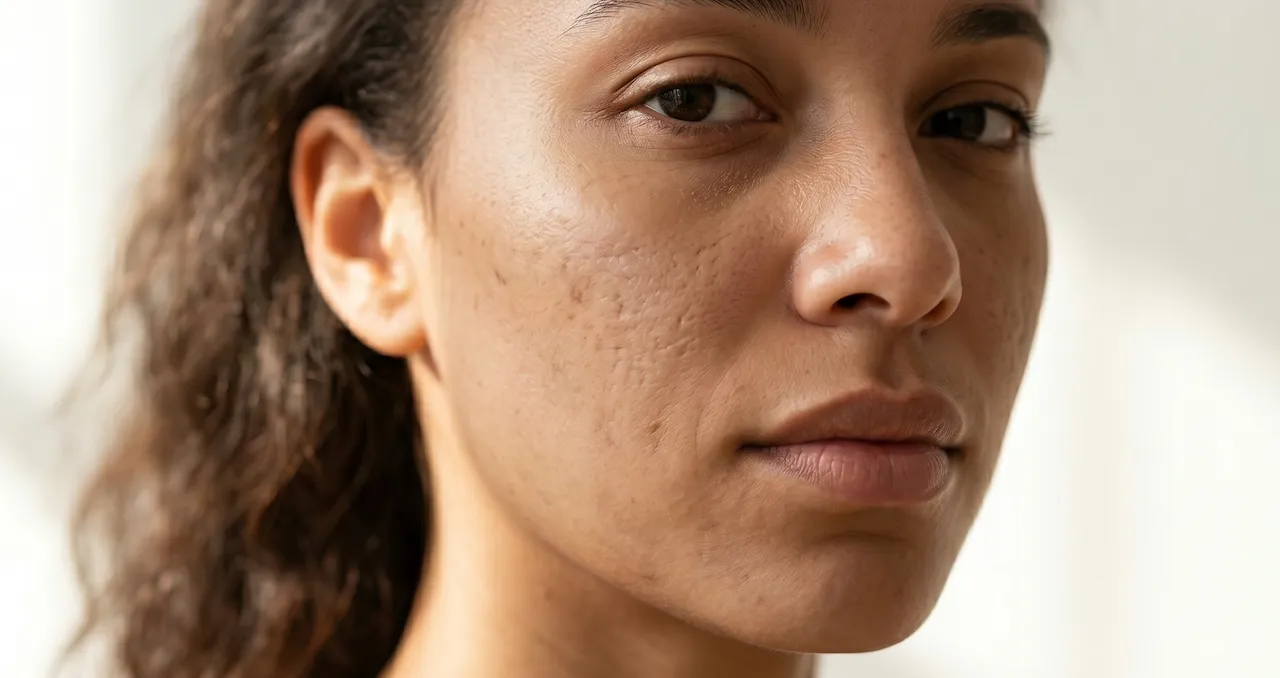
Acne scars involve actual changes to the texture of your skin — think ice pick scars, boxcar scars, or rolling scars. These are caused by the loss or excess of collagen during the healing process, and they create depressions or raised areas on the skin's surface. Scars require different treatments than flat dark spots. If you're dealing with textured scarring, check out our complete guide to acne scar treatment.
| Type | Appearance | Cause | Texture |
|---|---|---|---|
| PIH | Brown, tan, or dark purple spots | Excess melanin from inflammation | Flat (smooth) |
| PIE | Pink, red, or light purple marks | Damaged blood vessels | Flat (smooth) |
| Acne scars | Indented or raised areas | Collagen loss or overproduction | Textured (depressed or raised) |
Why Does Acne Cause Dark Spots?
Understanding the biology behind dark spots helps explain why certain treatments work — and why patience is essential.
When acne causes inflammation in your skin, your body triggers a wound-healing response. Part of that response involves stimulating melanocytes — the pigment-producing cells in the deepest layer of your epidermis. These cells produce melanin through an enzyme called tyrosinase, and during inflammation, tyrosinase activity ramps up significantly. The excess melanin gets deposited in the surrounding skin cells, creating that characteristic dark spot.
The depth of the pigment matters. Melanin deposited in the epidermis (the outer layer of skin) tends to appear brown and responds more quickly to topical treatments. Melanin that drops into the dermis (the deeper layer) appears blue-gray and can be much more stubborn to treat. In many cases, PIH involves pigment in both layers.
Several factors influence how severe your PIH becomes:
- Skin tone: Darker skin tones have more active melanocytes, making PIH more pronounced and longer-lasting
- Severity of inflammation: Deeper, more inflamed acne (like cysts and nodules) leads to darker, more persistent spots
- Picking or squeezing: Manipulating breakouts increases inflammation and worsens PIH
- Sun exposure: UV radiation stimulates melanin production, darkening existing spots and slowing fading
- Delayed acne treatment: The longer acne goes untreated, the more opportunities for PIH to develop
What to expect: The single most impactful thing you can do for dark spots is to prevent new acne from forming. Every new breakout has the potential to leave another dark mark. Getting your acne under control with an effective treatment plan stops the cycle at its source.
Best Treatments to Get Rid of Dark Spots From Acne
The most effective approach to fading dark spots combines multiple ingredients that target melanin production at different stages. Here are the treatments with the strongest evidence behind them.
1. Retinoids (Tretinoin, Adapalene)
Retinoids are the gold standard for treating PIH — and they pull double duty by also preventing new acne. Tretinoin (prescription-strength) and adapalene (available over the counter) work by accelerating skin cell turnover, which pushes pigmented cells to the surface faster and replaces them with fresh, evenly toned skin.
Research published in the Journal of the American Academy of Dermatology has shown that tretinoin significantly improves PIH, with visible results often appearing within 8-12 weeks of consistent use. Retinoids also inhibit the transfer of melanin to surrounding skin cells, addressing the problem at a cellular level.
How to use: Apply a pea-sized amount at night. Start with every other night to build tolerance, then increase to nightly use. Always pair with sunscreen during the day, as retinoids increase sun sensitivity.
2. Vitamin C (L-Ascorbic Acid)
Vitamin C is one of the most well-researched antioxidants for hyperpigmentation. It works by inhibiting tyrosinase, the enzyme responsible for melanin production. It also provides antioxidant protection against UV-induced pigmentation and helps brighten overall skin tone.
Look for serums containing 10-20% L-ascorbic acid at a pH below 3.5 for optimal skin penetration. Vitamin C works especially well as a morning treatment, layered under sunscreen — it enhances the photoprotective effects of your SPF.
How to use: Apply 4-5 drops of a vitamin C serum in the morning after cleansing and before moisturizer and sunscreen.
3. Niacinamide (Vitamin B3)
Niacinamide is a gentle yet effective ingredient that works through a different mechanism than most brightening agents. Rather than blocking melanin production, it inhibits the transfer of melanosomes (melanin-containing packets) from melanocytes to the surrounding skin cells. This means the pigment is produced but never reaches the surface to darken your skin.
A concentration of 4-5% has been shown to significantly reduce hyperpigmentation, and niacinamide is exceptionally well-tolerated — even on sensitive, acne-prone skin. It also helps strengthen the skin barrier and reduce inflammation, making it an excellent all-around ingredient for acne-prone skin.
How to use: Apply a niacinamide serum (4-5%) morning and/or evening. It layers well with most other actives, including retinoids and vitamin C.
4. Azelaic Acid
Azelaic acid is a multitasking ingredient that treats acne, reduces inflammation, and fades dark spots simultaneously. It works by inhibiting tyrosinase and selectively targeting abnormally hyperactive melanocytes — which means it lightens dark spots without affecting the surrounding normal skin. This selective action makes it particularly safe for darker skin tones.
Available in both prescription (15-20%) and over-the-counter (10%) formulations, azelaic acid is one of the few ingredients that addresses both acne and PIH with minimal irritation.
How to use: Apply a thin layer to affected areas once or twice daily. Can be used morning or evening and pairs well with other treatments.
5. Alpha Hydroxy Acids (AHAs)
AHAs like glycolic acid and lactic acid are chemical exfoliants that accelerate the shedding of pigmented surface skin cells. By dissolving the bonds between dead skin cells, they promote faster cell turnover and gradually reveal the lighter, more evenly toned skin beneath.
Glycolic acid (the smallest AHA molecule) penetrates most effectively and has the most research supporting its use for PIH. A study in the Journal of Cosmetic Dermatology found that glycolic acid peels at 20-70% concentrations significantly improved PIH in patients with darker skin tones. For daily home use, concentrations of 5-10% in a toner or serum are effective and well-tolerated.
How to use: Use an AHA toner or serum 2-3 times per week in the evening. Do not combine with retinoids on the same night to avoid over-exfoliation.
6. Hydroquinone
Hydroquinone is the most potent topical skin-lightening agent available and has been the gold standard for treating hyperpigmentation for decades. It works by directly inhibiting tyrosinase and reducing the number of melanosomes produced. Over-the-counter formulations contain 2% hydroquinone, while prescription versions range from 4-8%.
Despite its effectiveness, hydroquinone should be used carefully. It's typically recommended in cycles of 3-4 months on, followed by a break, to avoid a paradoxical darkening condition called ochronosis that can occur with prolonged use. This is why working with a dermatologist is important when using hydroquinone — they can monitor your skin and adjust your treatment plan accordingly.
How to use: Apply to dark spots only (not all over the face) once or twice daily. Use for 3-4 months max, then take a break. Requires diligent sun protection.
Red flag: Avoid "skin-lightening" products sold online without clear ingredient lists. Unregulated products may contain dangerously high concentrations of hydroquinone, mercury, or corticosteroids that can cause serious skin damage. Always use products from reputable sources, and talk to a dermatologist before starting any bleaching regimen.
Treatment Comparison at a Glance
| Ingredient | How It Works | Strength | Best For |
|---|---|---|---|
| Tretinoin | Accelerates cell turnover | Prescription | PIH + active acne |
| Vitamin C | Inhibits tyrosinase | OTC (10-20%) | Prevention + mild PIH |
| Niacinamide | Blocks melanin transfer | OTC (4-5%) | Sensitive skin, gentle option |
| Azelaic acid | Targets hyperactive melanocytes | OTC (10%) / Rx (15-20%) | Darker skin tones, acne + PIH |
| AHAs | Exfoliates pigmented cells | OTC (5-10%) | Surface-level PIH |
| Hydroquinone | Inhibits tyrosinase directly | OTC (2%) / Rx (4-8%) | Stubborn, deep PIH |
Many of these ingredients work even better when combined into a single customized formula. Our dermatologists can create compounded treatments that blend multiple actives — like tretinoin, niacinamide, and azelaic acid — into one product tailored to your skin.
Why Sunscreen Is the Most Important Step
No dark spot treatment will work if you're not wearing sunscreen daily. Full stop.
UV radiation is one of the strongest triggers of melanin production. Even brief, incidental sun exposure — walking to your car, sitting near a window — can stimulate melanocytes and darken existing spots. A study in the Journal of the American Academy of Dermatology found that consistent daily sunscreen use alone improved existing hyperpigmentation, even without any additional lightening treatments.
Here's what to look for in a sunscreen for PIH-prone skin:
- Broad-spectrum protection: Covers both UVA (which triggers pigmentation) and UVB rays
- SPF 30 or higher: SPF 50 is ideal for anyone actively treating dark spots
- Non-comedogenic formula: Won't clog pores and cause new breakouts
- Tinted sunscreens: Mineral tinted sunscreens with iron oxide also block visible light, which research suggests can contribute to hyperpigmentation — especially in darker skin tones
What to expect: Think of sunscreen as the foundation of your dark spot routine — without it, other treatments are fighting a losing battle. Apply it every morning as the final step in your skincare routine, and reapply every two hours if you're spending time outdoors.
Professional Treatments for Stubborn Dark Spots
When topical treatments aren't delivering the results you want — or if your PIH is deep and long-standing — professional in-office treatments can accelerate fading. These are typically used alongside a topical regimen, not as replacements.
Chemical Peels
Professional-grade chemical peels use higher concentrations of AHAs (glycolic, lactic, or mandelic acid), salicylic acid, or trichloroacetic acid (TCA) to remove pigmented surface cells more aggressively than at-home products. A series of 4-6 peels spaced 2-4 weeks apart often yields noticeable improvement. Superficial peels (like glycolic peels) are generally safe for darker skin tones when performed by an experienced provider.
Microneedling
Microneedling creates tiny, controlled punctures in the skin that trigger the body's natural healing response. This process stimulates collagen production and can help break up pigment deposits in the deeper layers of skin. When combined with topical lightening agents (applied immediately after treatment), microneedling can enhance ingredient penetration and improve results.
Laser and Light Treatments
Certain lasers — particularly fractional lasers and Q-switched lasers — can target melanin deposits directly. However, laser treatments for PIH must be approached with caution, especially in darker skin tones where lasers themselves can trigger more pigmentation if not calibrated correctly. Always seek out a board-certified dermatologist with experience treating PIH in your skin type.
Red flag: Aggressive in-office treatments like deep chemical peels or improperly calibrated lasers can actually worsen PIH — especially in medium to dark skin tones. Always consult with a board-certified dermatologist before pursuing professional treatments for dark spots. The treatment that works for one person's skin type may be harmful for another's.
How Long Does It Take for Dark Spots to Fade?
This is the question everyone wants answered — and honestly, the answer depends on several factors. Here's a realistic timeline based on the depth and severity of your PIH:
| Severity | Appearance | Expected Timeline |
|---|---|---|
| Mild (epidermal) | Light brown, surface-level spots | 3-6 months with treatment |
| Moderate (mixed) | Darker brown spots, some deeper pigment | 6-9 months with treatment |
| Severe (dermal) | Blue-gray or very dark spots, deep pigment | 9-12+ months with treatment |
Without treatment, PIH can eventually fade on its own — but this process can take anywhere from 6 months to several years. Active treatment accelerates this timeline significantly. The key is consistency: most topical treatments need at least 8-12 weeks of daily use before visible improvement begins.
Progress is often gradual rather than dramatic. You may not notice day-to-day changes, but comparing photos taken a month apart can reveal meaningful improvement. Many of our patients find it helpful to take weekly progress photos in consistent lighting.
How to Prevent Dark Spots From Acne
Prevention is always easier than treatment. Here are the most effective strategies to minimize new dark spots from forming.
Dark Spot Prevention Checklist
- Treat acne early and consistently — The less inflammation, the less PIH. Don't wait for acne to become severe before seeking treatment.
- Wear SPF 30+ sunscreen daily — Rain or shine, winter or summer. UV exposure is the number one factor that worsens and prolongs PIH.
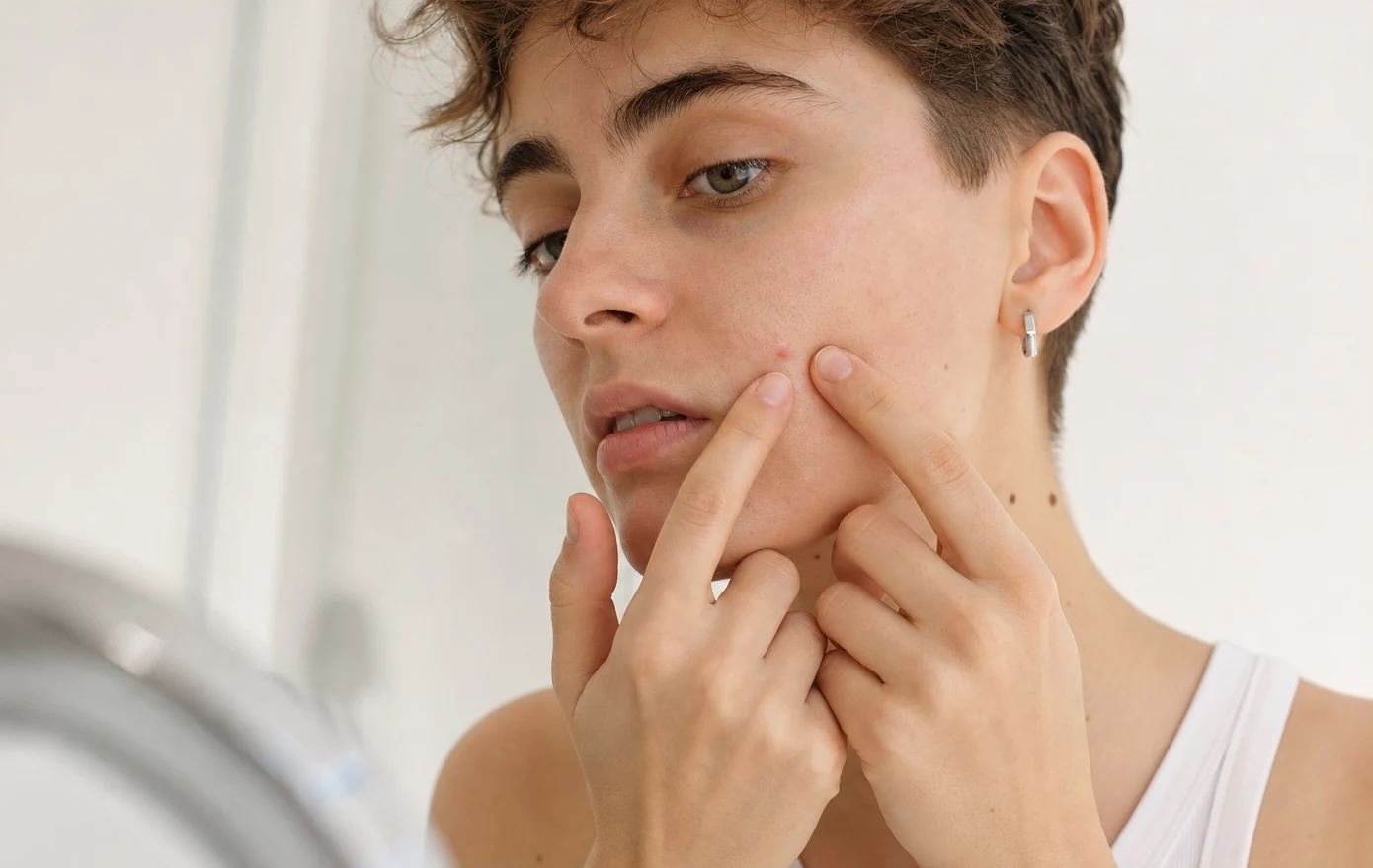
- Do not pick, pop, or squeeze — Every time you manipulate a breakout, you increase inflammation and significantly raise the risk of a dark spot.
- Use anti-inflammatory ingredients — Niacinamide and azelaic acid both reduce inflammation from active breakouts, limiting the melanin response.
- Avoid harsh, irritating products — Over-exfoliating or using products that sting and burn can cause inflammation — and inflammation causes PIH.
- Start a retinoid — Even low-strength retinoids accelerate cell turnover and can prevent melanin from accumulating after breakouts.
Building a Dark Spot Treatment Routine
If you're wondering how to put all of these ingredients together into a practical daily routine, here's a framework to start with. Keep in mind that a dermatologist can customize this based on your skin type, tolerance, and the severity of your PIH.
Morning Routine
- Gentle cleanser — Avoid harsh, stripping cleansers that can irritate acne-prone skin
- Vitamin C serum (10-20%) — Apply to clean, dry skin
- Niacinamide serum (4-5%) — Can be layered over or mixed with vitamin C
- Moisturizer — Lightweight, non-comedogenic formula
- Broad-spectrum SPF 30-50 — The non-negotiable final step
Evening Routine
- Gentle cleanser — Double cleanse if you wore sunscreen or makeup
- Tretinoin or adapalene — Apply a pea-sized amount to dry skin (start every other night)
- Azelaic acid — Can be applied on alternate nights from retinoid, or layered over once tolerance is built
- Moisturizer — Helps buffer active ingredients and prevent dryness
What to expect: Don't try to introduce all of these products at once. Start with sunscreen and one active treatment (like a retinoid or vitamin C), then add additional products every 2-3 weeks as your skin adjusts. Introducing too many actives at once can cause irritation — which can trigger more PIH, defeating the purpose.
.webp)

Medically Reviewed by
Joel Spitz, MD
Co-Founder & Chief Medical Officer, Board Certified Dermatologist