Key Takeaways

If you are dealing with cystic acne, you already know this is not the kind of breakout that responds to a new face wash. These are deep, painful bumps that seem to come from nowhere, throb under the skin, and stick around for weeks. They can leave marks long after they fade. And they have a way of affecting not just your skin, but your confidence and how you feel walking out the door each morning.
You are not alone. Cystic acne is one of the most common reasons people seek dermatological care. According to the American Academy of Dermatology, acne affects up to 50 million Americans each year, and cystic or nodulocystic acne represents one of the more severe forms. Research in the British Journal of Dermatology has shown that severe acne significantly impacts quality of life, with effects comparable to conditions like asthma and epilepsy.
The frustrating reality is that most over-the-counter products are not designed to reach the deep layers of skin where cystic acne forms. But there are treatments that work — and working with a dermatologist is the fastest, most reliable path to clearing it. Below, we will cover everything you need to know about how to get rid of cystic acne, from understanding what is happening beneath your skin to the prescription options that can finally bring relief.
Quick Answer: How to Get Rid of Cystic Acne
The short version: Cystic acne almost always requires prescription treatment. Over-the-counter products cannot reach the deep inflammation that defines this type of breakout.
Most effective treatments:
- Accutane (isotretinoin) — the most effective treatment for persistent cystic acne, with clearance rates above 85%
- Oral antibiotics (doxycycline, minocycline) — reduce bacteria and inflammation for moderate cases
- Spironolactone — blocks hormonal triggers driving cystic breakouts
- Cortisone injections — can flatten individual cysts within 24-48 hours
Key point: The sooner you start treatment, the lower your risk of permanent scarring. Do not wait months hoping it will resolve on its own.
What Is Cystic Acne?
Cystic acne is a form of inflammatory acne that develops deep within the skin. Unlike surface-level pimples — whiteheads, blackheads, or even regular red bumps — cystic acne forms when a combination of oil, dead skin cells, and bacteria becomes trapped far beneath the surface, triggering a severe inflammatory response.
The result is large, swollen, often painful bumps that do not come to a head the way a typical pimple does. These lesions are filled with pus deep within the dermis, and because they sit so far below the skin's surface, they are nearly impossible to treat with topical products alone.
Dermatologists classify cystic acne as part of the nodulocystic category, which includes both nodules (hard, deep, painful lumps without visible pus) and cysts (deep, pus-filled lesions). According to a classification framework published in the Journal of the American Academy of Dermatology, nodulocystic acne is graded as severe and typically warrants systemic (oral) treatment rather than topical therapy alone.
Cystic Acne vs. Regular Acne
Understanding the difference between cystic acne and other types of breakouts is important because the treatment approach is fundamentally different.
| Feature | Regular Acne (Mild-Moderate) | Cystic Acne |
|---|---|---|
| Depth | Surface level or shallow | Deep within the dermis |
| Pain | Mild or none | Significant, often throbbing |
| Size | Small (1-5mm) | Large (5mm or more) |
| Visible head | Usually yes (whitehead/blackhead) | Rarely — stays under the skin |
| Duration | Days to a week | Weeks to months |
| Scarring risk | Low to moderate | High |
| OTC treatment effective? | Often yes | Rarely sufficient |
What Does Cystic Acne Look Like?
If you are wondering whether what you are experiencing is truly cystic acne, here are the telltale signs.
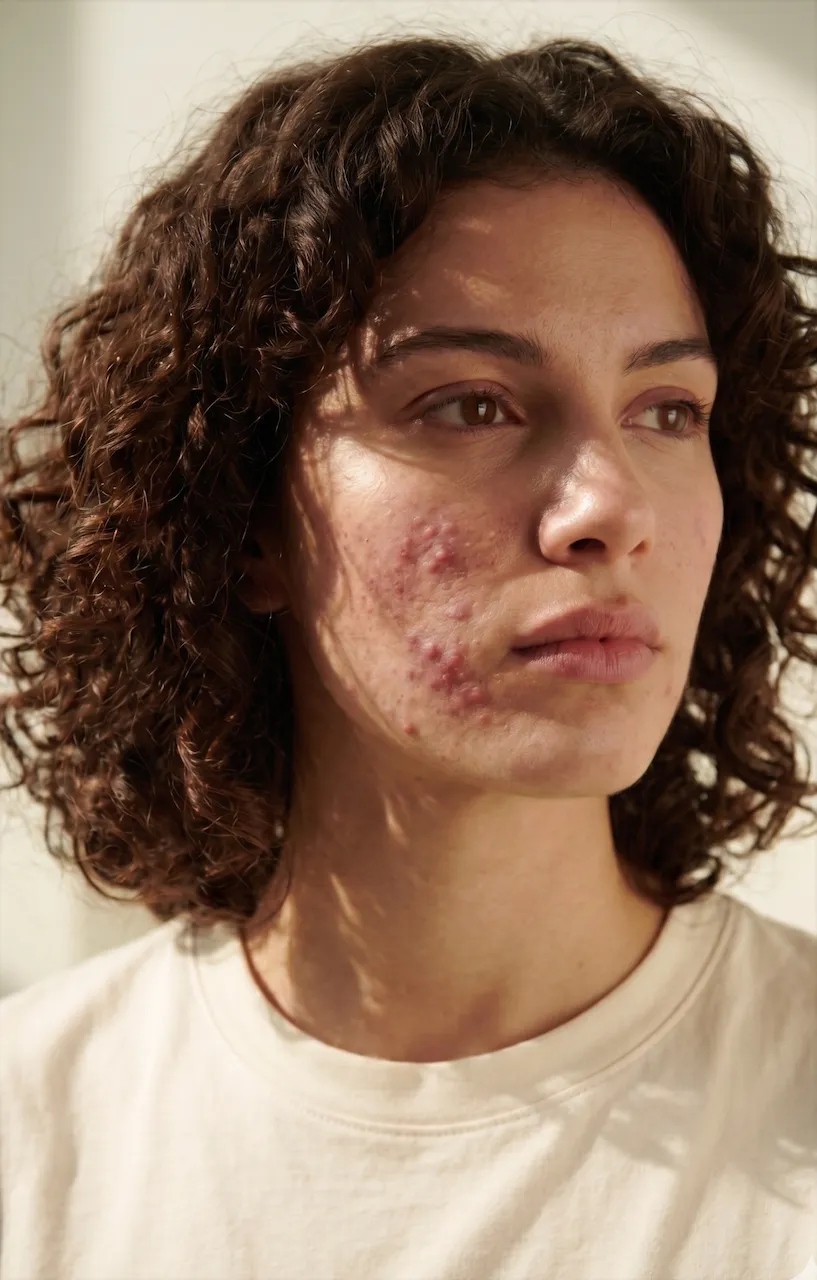
Cystic acne typically appears as large, red or flesh-colored bumps that sit deep beneath the surface of the skin. They feel firm or slightly soft to the touch and are often tender or painful, even when you are not touching them. Unlike a regular pimple, a cyst does not come to a white or black head — the contents are trapped too far below the skin for that.
Common characteristics include:
- Size: Typically 5mm or larger, sometimes exceeding 1-2 centimeters
- Color: Deep red, purplish, or sometimes skin-colored with redness around the edges
- Texture: Swollen and raised, often feeling like a marble or a knot beneath the skin
- Pain: Often painful to the touch and can throb even without pressure
- Location: Most commonly appears along the jawline, chin, cheeks, neck, back, and chest
- No visible head: Unlike whiteheads or pustules, cysts do not have an extractable center
Cystic breakouts can appear as isolated lesions or in clusters. When multiple cysts form close together and connect beneath the skin, this is sometimes referred to as acne conglobata, a particularly severe form that carries a high risk of scarring.
What to expect: Not every deep breakout is a cyst. Nodules are similarly deep and painful but are hard and solid rather than filled with pus. Both nodules and cysts fall under the umbrella of severe acne and benefit from the same prescription treatment approaches. A dermatologist can help you determine exactly what type of lesions you are dealing with.
What Causes Cystic Acne?
Cystic acne develops through the same basic mechanism as all acne — clogged pores, excess oil, bacteria, and inflammation — but the inflammatory response is dramatically amplified. Several key factors drive this escalation.
Hormonal Fluctuations
Hormones are the single biggest driver of cystic acne. Androgens like testosterone and DHEA-S stimulate the sebaceous glands to produce more oil, and they also influence how skin cells behave within the follicle. When androgen levels spike or fluctuate, the stage is set for deep, inflammatory breakouts.
This is why cystic acne commonly appears during puberty, around the menstrual cycle, during pregnancy, and during periods of significant stress (which raises cortisol, which in turn can influence androgen levels). A study published in the Archives of Dermatological Research confirmed a direct correlation between androgen levels and acne severity, particularly for deep inflammatory lesions. For more on how hormonal factors shape acne, see our guide to decoding the origins of your acne.
Genetics
Your likelihood of developing cystic acne is strongly influenced by genetics. If one or both of your parents had cystic acne, your risk is significantly higher. Research has identified genetic factors that influence sebum production, inflammatory response, and how quickly your pores become clogged — all of which contribute to whether a breakout stays on the surface or drives deep into the skin.
Inflammatory Overreaction
What sets cystic acne apart from milder forms is the body's disproportionate inflammatory response. When Cutibacterium acnes bacteria multiply inside a clogged pore, the immune system sends inflammatory signals to fight the infection. In people prone to cystic acne, this response is exaggerated — the body essentially overreacts, creating a large pocket of inflammation, pus, and swelling deep beneath the skin's surface. A review in the Journal of Clinical and Aesthetic Dermatology describes this runaway inflammatory cascade as a key differentiator between mild acne and severe nodulocystic disease.
Excess Sebum Production
Overactive oil glands flood the follicle with sebum, which mixes with dead skin cells and creates the ideal environment for bacteria to thrive. The more oil your skin produces, the more raw material there is for deep blockages to form. This is why treatments that reduce sebum production — like isotretinoin — are so effective against cystic acne.
Why Am I Getting Cystic Acne All of a Sudden?
If you have never had cystic acne before and are suddenly dealing with deep, painful breakouts, it can feel alarming. There are several common triggers that can cause cystic acne to appear seemingly out of nowhere.
- Hormonal shifts: Changes in hormone levels — from starting or stopping a medication, stress, polycystic ovary syndrome (PCOS), perimenopause, or other hormonal conditions — are the most common trigger for sudden cystic acne in adults
- Chronic stress: Prolonged stress elevates cortisol, which can stimulate oil production and inflammation. A 2017 study found a significant association between perceived stress and acne severity in adults
- New medications: Certain drugs — including corticosteroids, lithium, some anticonvulsants, and testosterone — can trigger cystic breakouts
- Dietary changes: While diet alone does not cause acne, research in the Journal of the American Academy of Dermatology has found associations between high-glycemic diets and increased acne severity. A sudden shift to a diet high in processed carbohydrates or dairy could potentially worsen breakouts
- Underlying health conditions: Conditions like PCOS, congenital adrenal hyperplasia, or other endocrine disorders can cause sudden-onset cystic acne. If your breakouts are accompanied by other symptoms like irregular periods, unexplained weight changes, or excess hair growth, mention this to your dermatologist
- Skincare product reactions: Switching to comedogenic (pore-clogging) products or over-exfoliating can damage the skin barrier and provoke deep breakouts in some people
Red flag: If you are experiencing sudden cystic acne for the first time as an adult — especially if it is accompanied by irregular menstrual cycles, hair thinning, or other hormonal symptoms — it is worth seeing a dermatologist promptly. These could be signs of an underlying hormonal condition that needs to be addressed alongside your acne treatment.
Can You Get Rid of Cystic Acne Overnight?
We understand why people search for ways to get rid of cystic acne overnight. When you have a painful, swollen bump on your face and an event the next day, you want it gone. But it is important to be honest: there is no product, home remedy, or hack that will eliminate a cystic breakout overnight.
Here is why. Cystic acne sits deep in the dermis, far below the reach of any topical product you can buy at a drugstore. The inflammation is driven by an immune response happening inside your body, not just on the surface. No face wash, spot treatment, or DIY mask can resolve that in a matter of hours.
That said, there are a few things that can help reduce the severity of an active cyst more quickly:
- Cortisone injection (intralesional steroid): This is the closest thing to an overnight fix. A dermatologist injects a small amount of diluted corticosteroid directly into the cyst, which can dramatically reduce swelling and pain within 24-48 hours. It is the gold standard for individual cysts that need to be addressed quickly
- Ice: Applying a clean ice pack wrapped in a cloth for 5-10 minutes at a time can temporarily reduce swelling and numb pain. It will not resolve the cyst, but it can take the edge off
- Benzoyl peroxide (5-10%): While it cannot penetrate deep enough to clear a cyst, applying benzoyl peroxide can help prevent the surrounding area from developing secondary breakouts
The real path to getting rid of cystic acne is a sustained treatment plan with a dermatologist — not a one-night miracle product. The good news is that the treatments that do work are highly effective, and most patients start seeing meaningful improvement within weeks of starting prescription therapy.
How to Treat Cystic Acne: Effective Treatment Options
Because cystic acne forms deep beneath the skin and is driven by internal factors like hormones and inflammation, prescription medications are the cornerstone of treatment. Here is a breakdown of the most effective options, from the most proven to the more targeted.
Accutane (Isotretinoin) — The Most Effective Treatment
Accutane (isotretinoin) is widely considered the most effective treatment for cystic acne. It is the only medication that addresses every major factor driving acne: it dramatically shrinks the sebaceous glands, reduces sebum production by up to 90%, normalizes skin cell turnover, decreases C. acnes bacteria, and reduces inflammation.
A 2013 JAMA Dermatology study found that 97.4% of patients showed improvement at 12 months after isotretinoin treatment. Long-term remission rates are around 70%, meaning the majority of patients see lasting results after a single course. For a deeper dive into how the medication works, see our article on how exactly Accutane works.
A typical course lasts 4-6 months. Your dermatologist will personalize the dosage based on your weight and how your skin responds. There are also low-dose Accutane protocols that use a lower daily dose over a longer period, which can be a good option for patients who want to minimize side effects while still achieving clearance.
Isotretinoin does require medical monitoring, including regular blood tests and, for people who may become pregnant, enrollment in the iPLEDGE program. But for cystic acne that has not responded to other treatments, it is often the treatment that finally works. For a comprehensive overview, see our Accutane comprehensive guide.
Oral Antibiotics
Oral antibiotics like doxycycline and minocycline reduce the bacteria contributing to cystic acne and have direct anti-inflammatory effects. They are often prescribed as a first-line systemic treatment for moderate-to-severe inflammatory acne.
According to the AAD treatment guidelines, oral antibiotics should be used for the shortest effective duration — typically 3-6 months — to limit the risk of antibiotic resistance. They work best when combined with a topical retinoid and/or benzoyl peroxide. For a detailed comparison of these approaches, see our article on Accutane vs. doxycycline.
Oral antibiotics can be very effective at calming active flares, but they are generally not considered a long-term solution for cystic acne because breakouts often return once the antibiotic is stopped.
Spironolactone
For people whose cystic acne is driven by hormonal factors, spironolactone can be a powerful option. It works by blocking androgen receptors, which reduces the hormonal signaling that triggers excess oil production and deep inflammation.
A systematic review in the Journal of the American Academy of Dermatology found spironolactone effective for adult acne, with most patients seeing improvement at doses of 50-100 mg daily. It is particularly useful for people who experience cystic flares around the jawline, chin, and lower face — areas most closely linked to hormonal fluctuations. For a complete overview, read our guide to spironolactone for acne.
Topical Retinoids
Prescription retinoids like tretinoin and adapalene are a staple in most acne treatment plans. They accelerate skin cell turnover to prevent the pore clogging that initiates acne. While they are not strong enough to resolve deep cysts on their own, they play an important supporting role — especially in preventing new cysts from forming and maintaining results after a course of oral treatment.
Topical Antibiotics
Topical antibiotics like clindamycin can reduce surface bacteria and mild inflammation. They are typically combined with benzoyl peroxide (to prevent resistance) and used alongside systemic treatments. On their own, topical antibiotics are generally insufficient for cystic acne.
Cortisone Injections
For individual cysts that are especially large, painful, or in a prominent location, an intralesional cortisone injection can provide rapid relief. A dermatologist injects a small amount of diluted corticosteroid directly into the cyst, reducing inflammation and flattening the lesion within 24-48 hours. This is a targeted treatment for acute flares, not a long-term management strategy.
Treatment Comparison
| Treatment | Best For | Timeline to Results | Long-Term Solution? |
|---|---|---|---|
| Accutane (isotretinoin) | Persistent cystic acne, all acne types | 2-3 months (full course: 4-6 months) | Yes — 70% long-term remission |
| Oral antibiotics | Moderate inflammatory/cystic acne | 6-12 weeks | No — often recurs after stopping |
| Spironolactone | Hormonally driven cystic acne | 2-3 months | Yes, while taking it |
| Topical retinoids | Prevention, maintenance | 8-12 weeks | Supportive, not standalone for cysts |
| Cortisone injection | Individual acute cysts | 24-48 hours | No — treats individual lesions only |
What to expect: Many dermatologists take a combination approach to cystic acne — for example, starting an oral antibiotic or isotretinoin to calm active flares while adding a topical retinoid for long-term prevention. Your treatment plan will be tailored to your specific acne type, triggers, medical history, and goals. If you start treatment with one of our dermatologists at Honeydew, expect to have an initial consultation followed by regular check-ins to monitor your progress and adjust your plan as needed.
What NOT to Do With Cystic Acne
When you are in pain and frustrated, it is natural to want to take matters into your own hands. But some of the most common instincts people have about cystic acne can actually make things significantly worse.
Do Not Pop or Squeeze Cysts
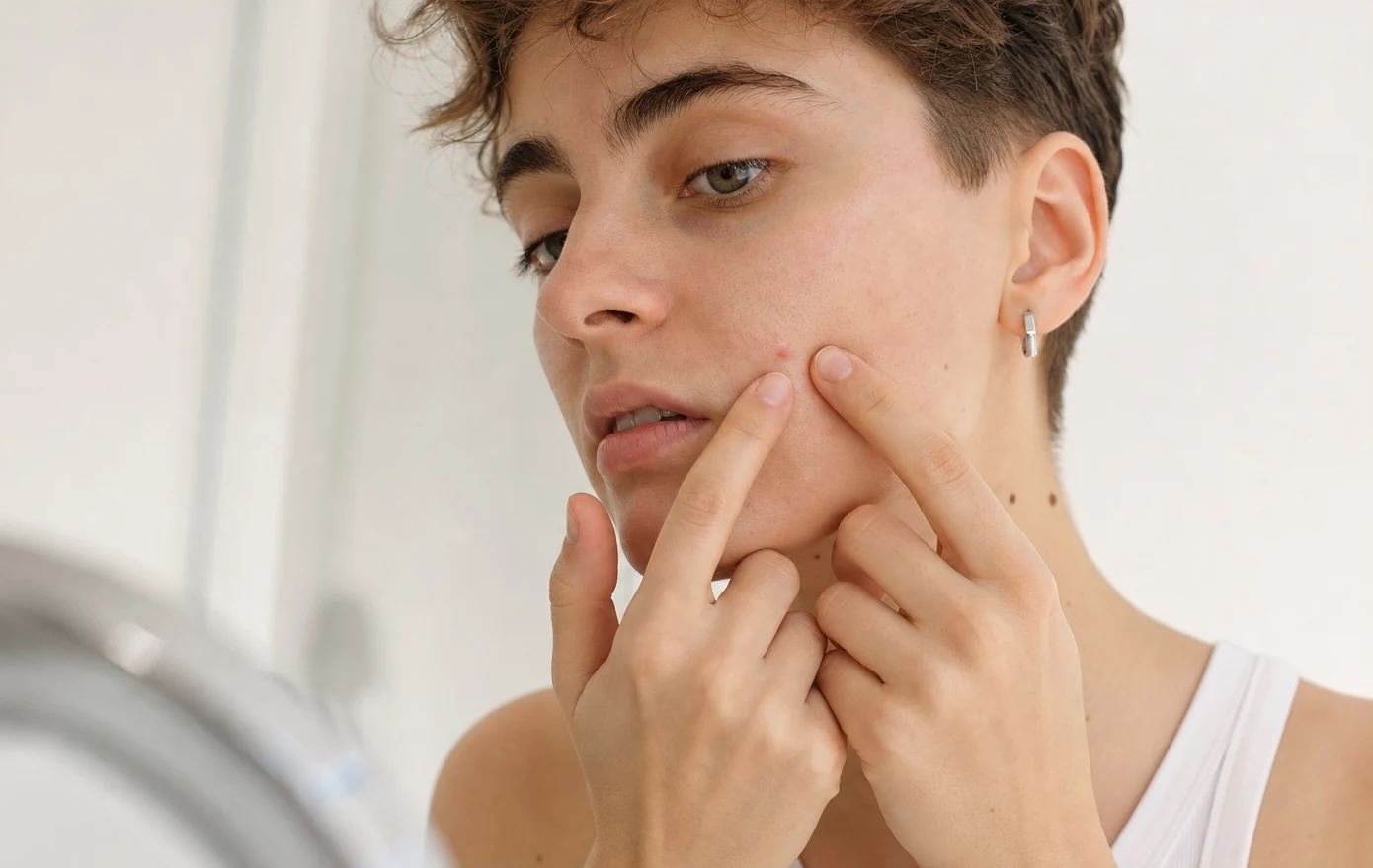
This is the most important rule. Cystic acne does not have a "head" to extract, and the contents sit deep within the dermis. Squeezing or picking at a cyst forces bacteria and inflammatory material deeper into the tissue, dramatically increasing the risk of scarring, worsening the infection, and prolonging healing time. If you have a cyst that needs immediate attention, see a dermatologist for a cortisone injection — that is the safe alternative.
Do Not Use Harsh Scrubs or Exfoliants
Physical scrubs, rough washcloths, and aggressive exfoliating treatments irritate already-inflamed skin and can rupture cysts beneath the surface. This spreads the infection to surrounding tissue and can turn one cyst into several. Gentle cleansing with a mild, non-comedogenic cleanser is far more appropriate.
Do Not Rely Solely on Over-the-Counter Products
Benzoyl peroxide and salicylic acid can help with surface acne and play a supporting role in a cystic acne regimen. But they cannot reach the depth at which cystic acne forms. Spending months cycling through drugstore products delays the treatment that will actually work and increases your scarring risk.
Do Not Apply Toothpaste, Lemon Juice, or Other Home Remedies
Internet advice about applying toothpaste, baking soda, lemon juice, or apple cider vinegar to cystic acne can cause chemical burns, severe irritation, and barrier damage — none of which will help a deep cyst heal. These remedies have no clinical evidence supporting their use for acne of any kind.
Red flag: If you have been picking at cystic acne and are noticing pitting, discolored marks, or raised scars, talk to a dermatologist as soon as possible. Early intervention with the right treatment can prevent further scarring, and there are options for improving the appearance of existing scars. See our guide to managing acne during the early stages of treatment for more on what to expect when starting therapy.
Preventing Cystic Acne Breakouts
While cystic acne is largely driven by internal factors like hormones and genetics — things you cannot fully control with lifestyle alone — certain habits can reduce the frequency and severity of flares, especially when combined with prescription treatment.
Cystic Acne Prevention Habits
- Use a gentle, non-comedogenic cleanser twice daily — do not over-wash
- Apply prescription treatments consistently as directed by your dermatologist
- Avoid touching your face throughout the day
- Change pillowcases at least twice per week
- Clean your phone screen daily (or use speakerphone/headphones)
- Limit high-glycemic and heavily processed foods when possible
- Manage stress through sleep, exercise, or other consistent practices
- Use oil-free, non-comedogenic sunscreen and moisturizers
- Never skip medications — consistency is the most important factor in long-term clearance
It is worth emphasizing that prevention habits alone will not resolve existing cystic acne. They are most effective as a complement to medical treatment. Think of them as the foundation that helps your prescription work at its best.
When to See a Dermatologist for Cystic Acne
The honest answer is: as soon as possible. Cystic acne is not the kind of acne that responds to "wait and see." Every week that goes by without effective treatment is another week of active inflammation damaging your skin, increasing the likelihood of permanent scars.
You should see a dermatologist if:
- You have deep, painful bumps that do not come to a head and last for weeks
- Over-the-counter products have not improved your acne after 2-3 months
- You are developing dark spots or scars from your breakouts
- Your acne is concentrated along the jawline, chin, or lower face (suggesting hormonal involvement)
- You are experiencing sudden-onset deep breakouts for the first time
- Your acne is affecting your confidence, mood, or daily activities
At Honeydew, our board-certified dermatologists, nurse practitioners, and physician assistants have treated over 100,000 acne cases, including many patients with cystic acne who had struggled for months or years before finding the right treatment. We offer same-day and next-day video appointments, so you do not have to wait weeks for an in-person visit while your skin continues to scar.
Our providers can prescribe the full range of cystic acne treatments — from oral antibiotics and spironolactone to Accutane (isotretinoin) — and will build a personalized plan based on your skin, your triggers, and your goals. With an annual plan, membership starts at $25/month, and Accutane care starts at $50/month.
What to expect with Honeydew: Your first visit is a video consultation where your provider will review your skin, discuss your history with acne and treatments you have tried, and recommend a plan. You will have regular follow-ups to track your progress, and you can message your care team anytime with questions. Over 90% of our patients see results, and we are committed to working with you until you get there.
.webp)

Medically Reviewed by
Joel Spitz, MD
Co-Founder & Chief Medical Officer, Board Certified Dermatologist