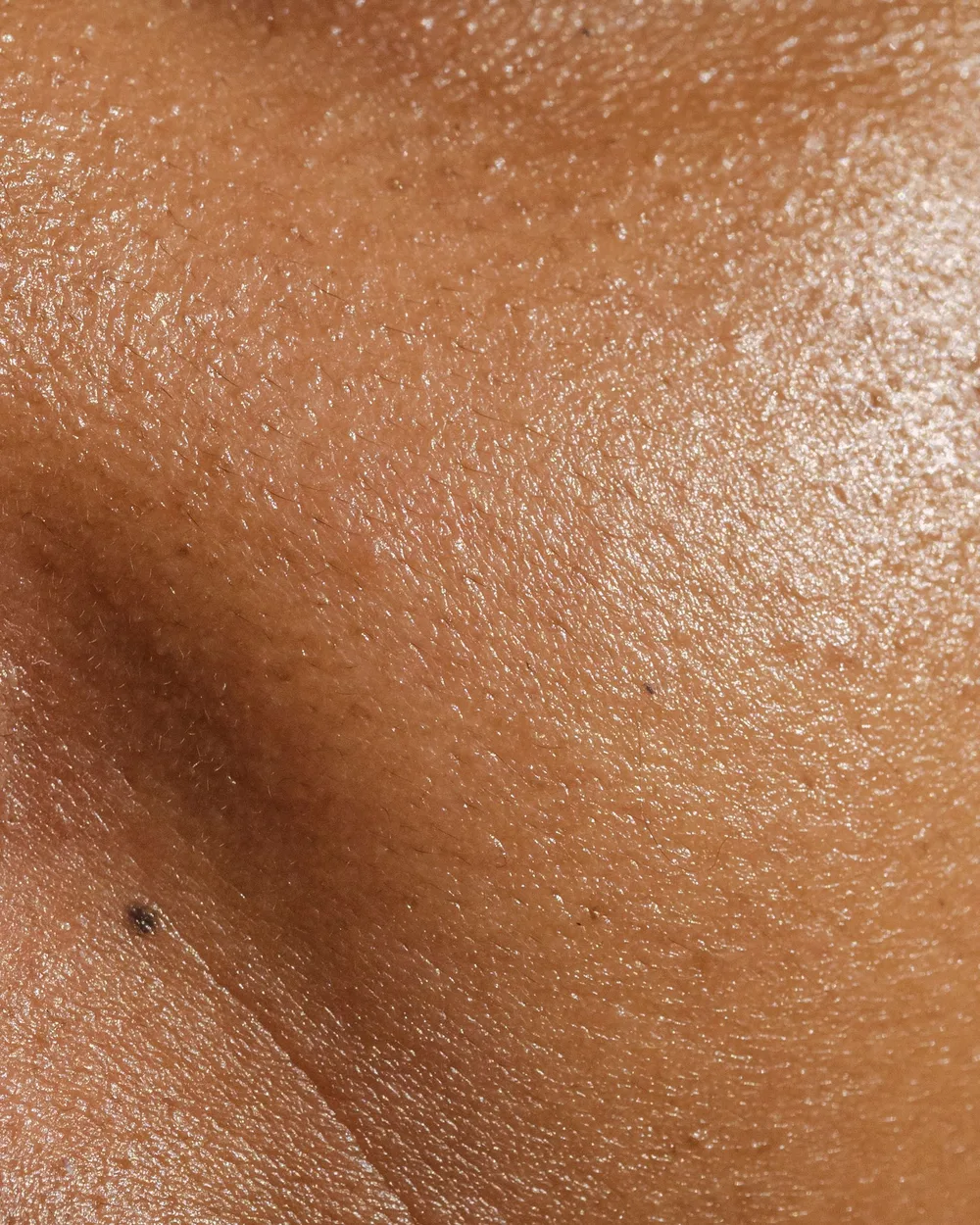
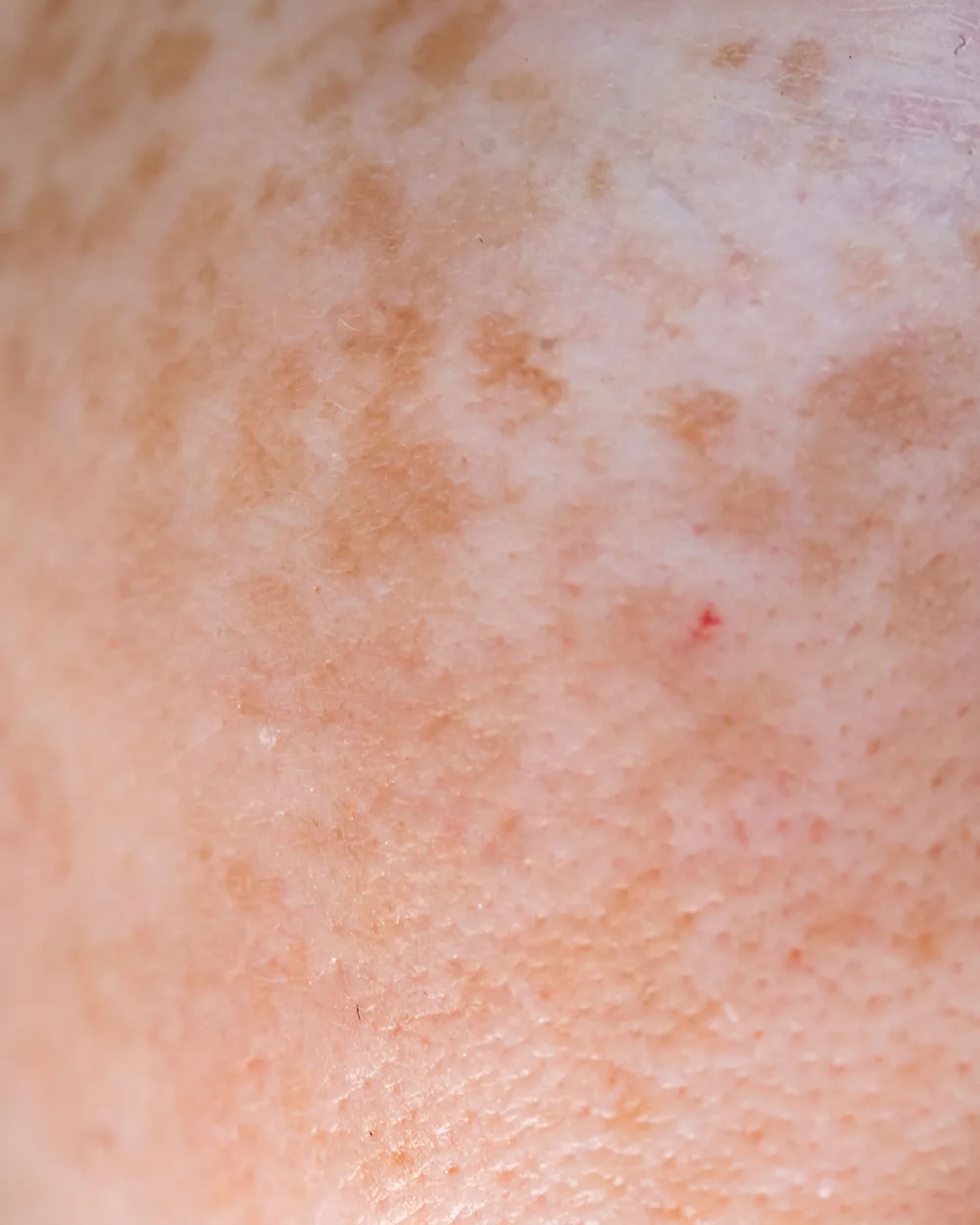
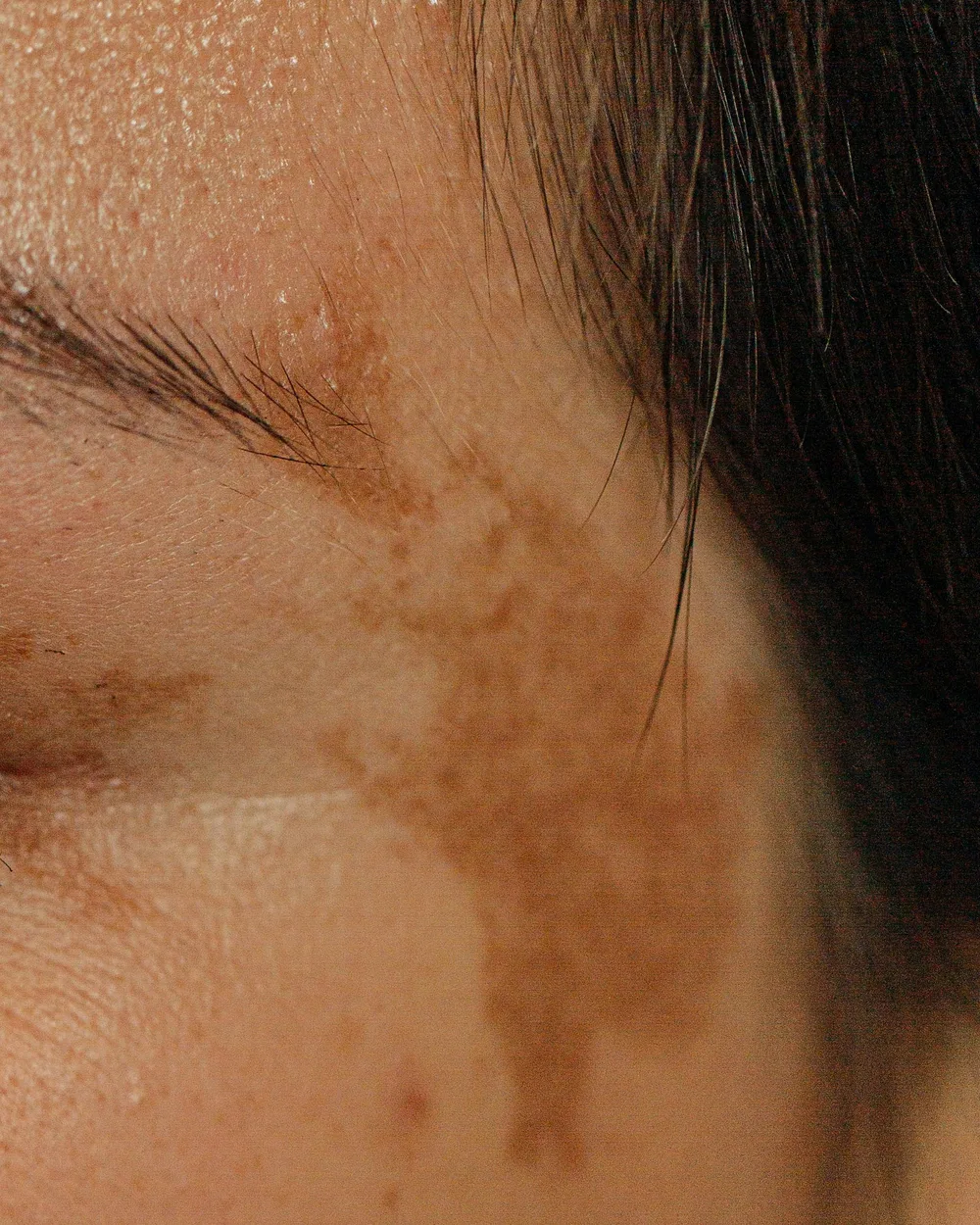
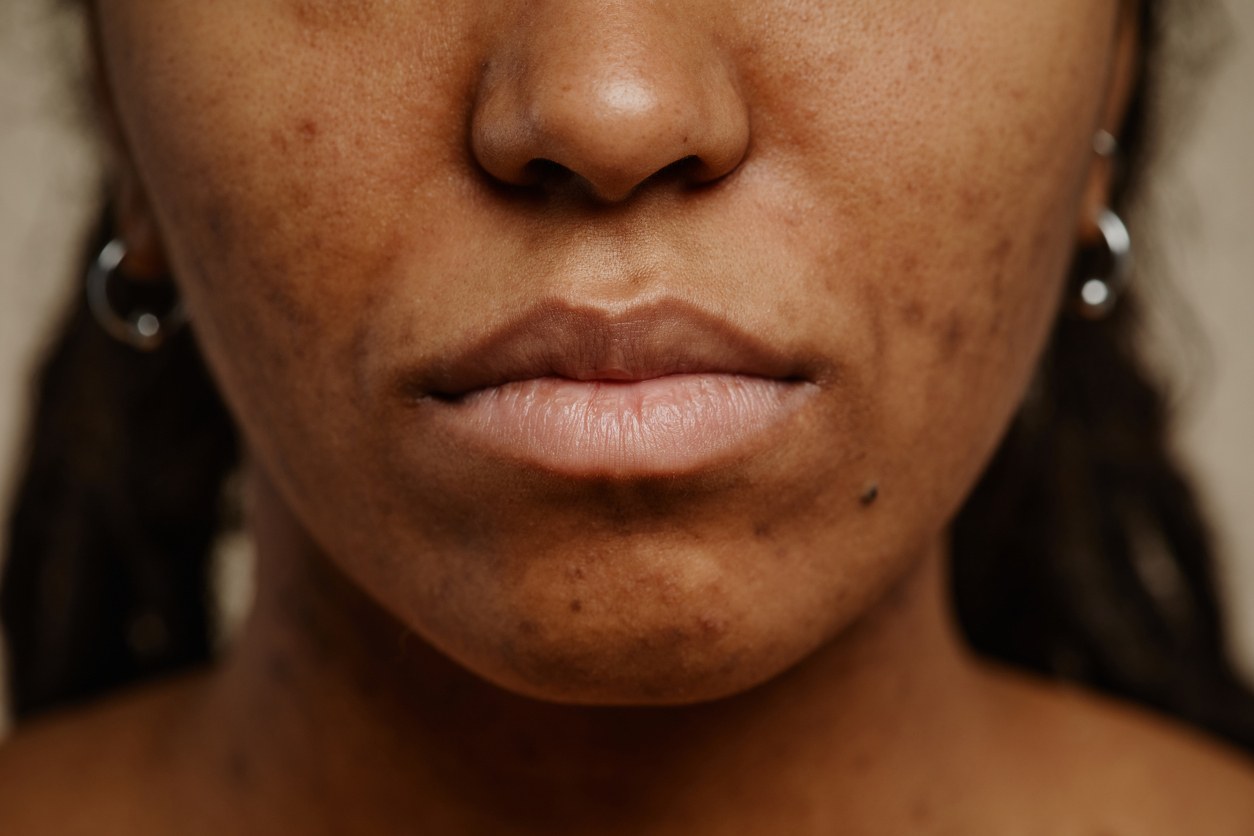
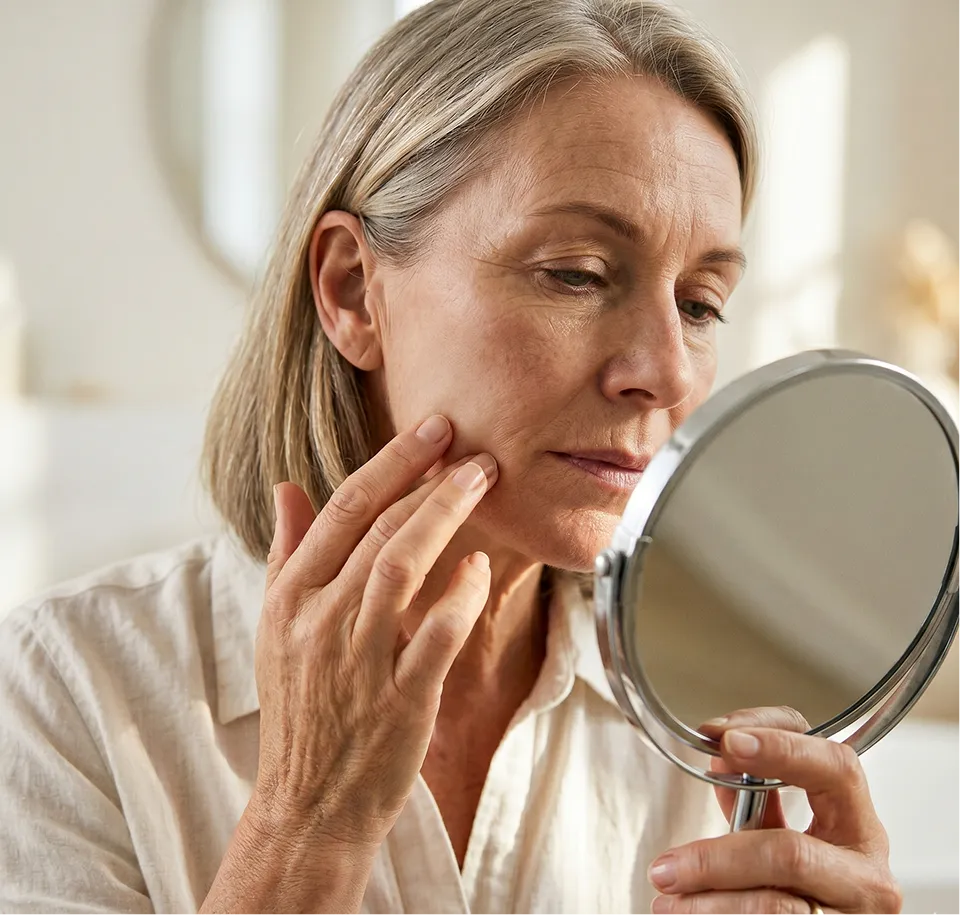
Reverse visible signs of aging with DewRx’s custom anti-aging creams, engineered to match your exact skin care needs. Developed by our licensed dermatologists and skin care experts, our personalized anti-aging topical skincare product line works beneath the surface to smooth texture, boost elasticity, and restore healthy skin luminosity.
Get started


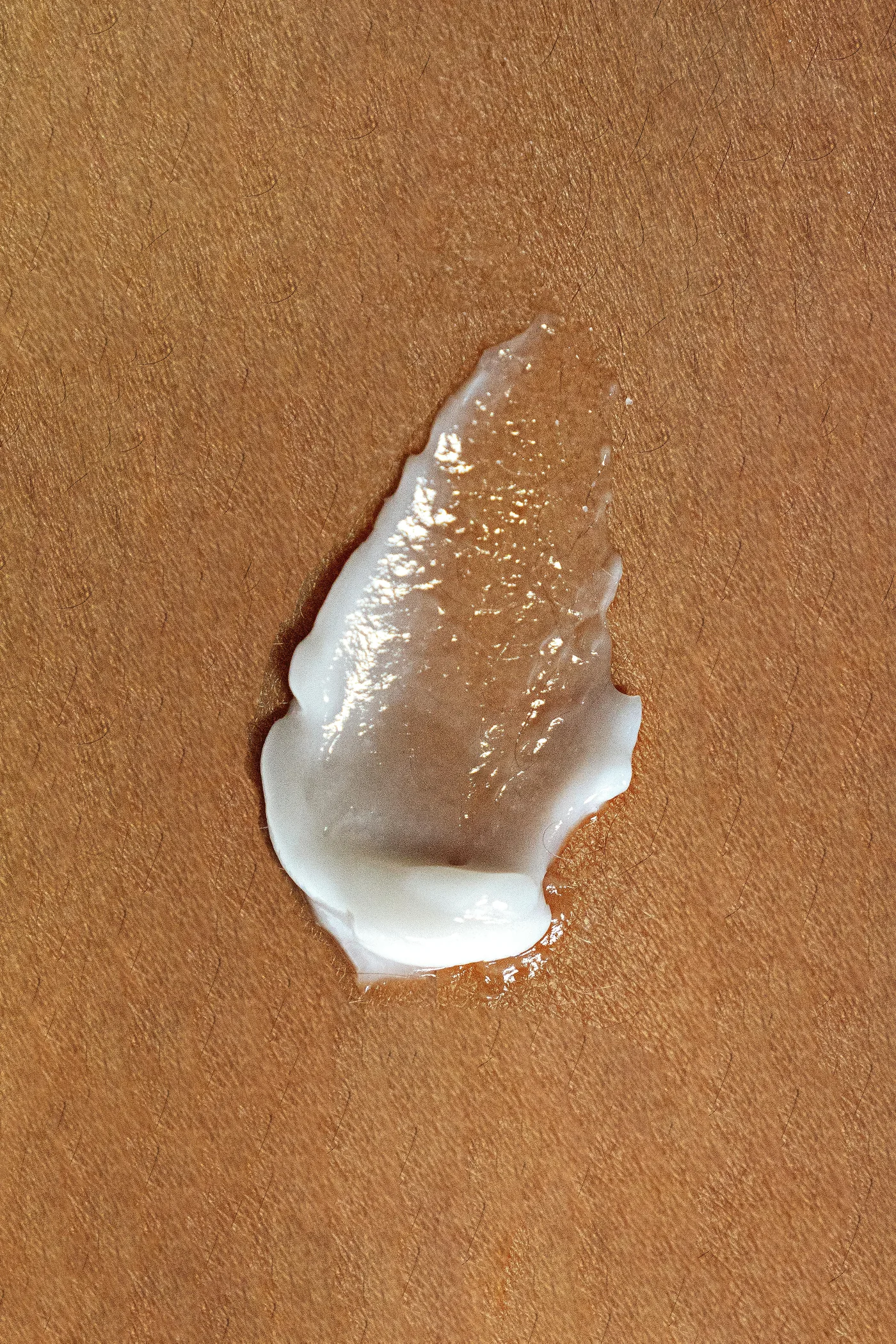
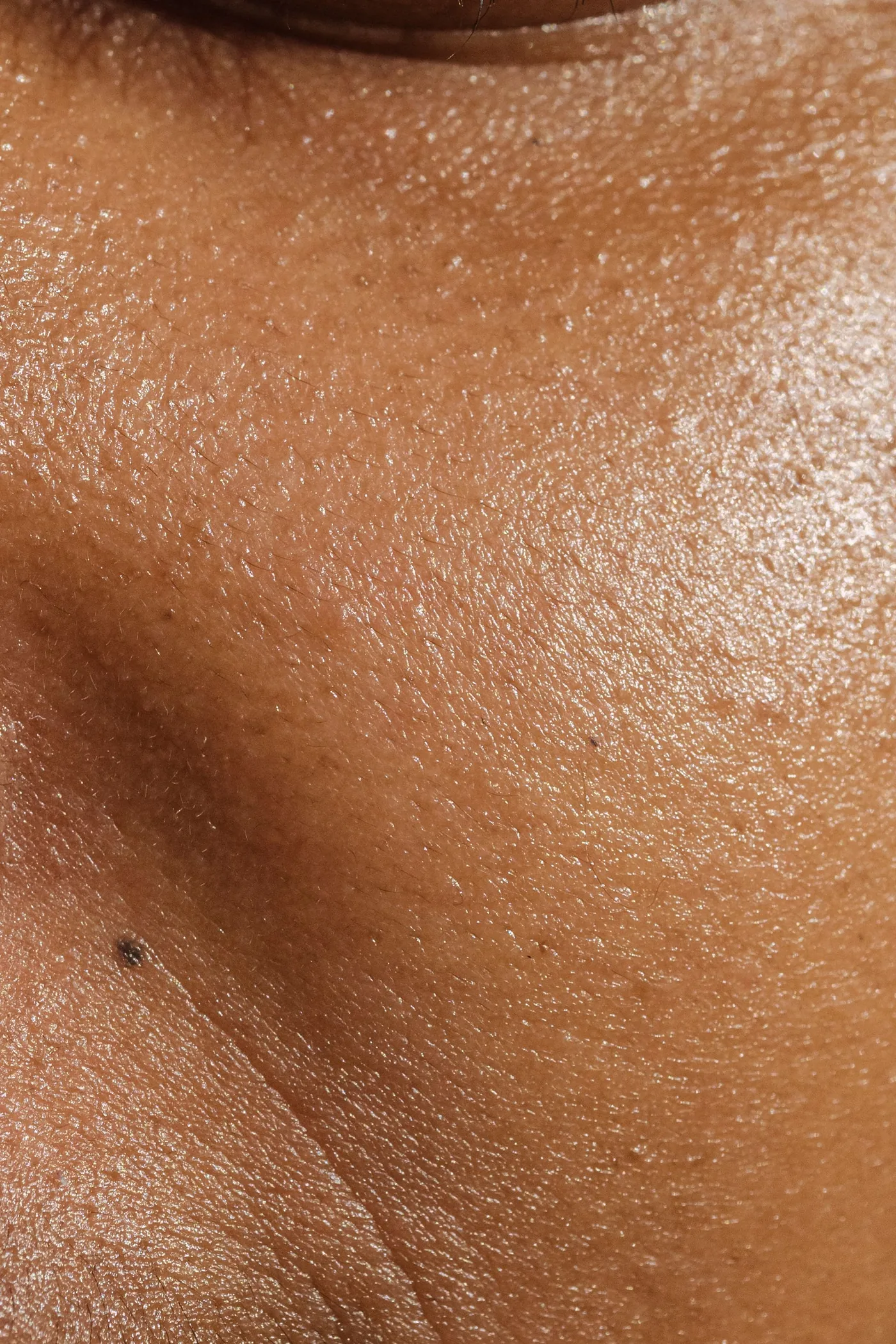
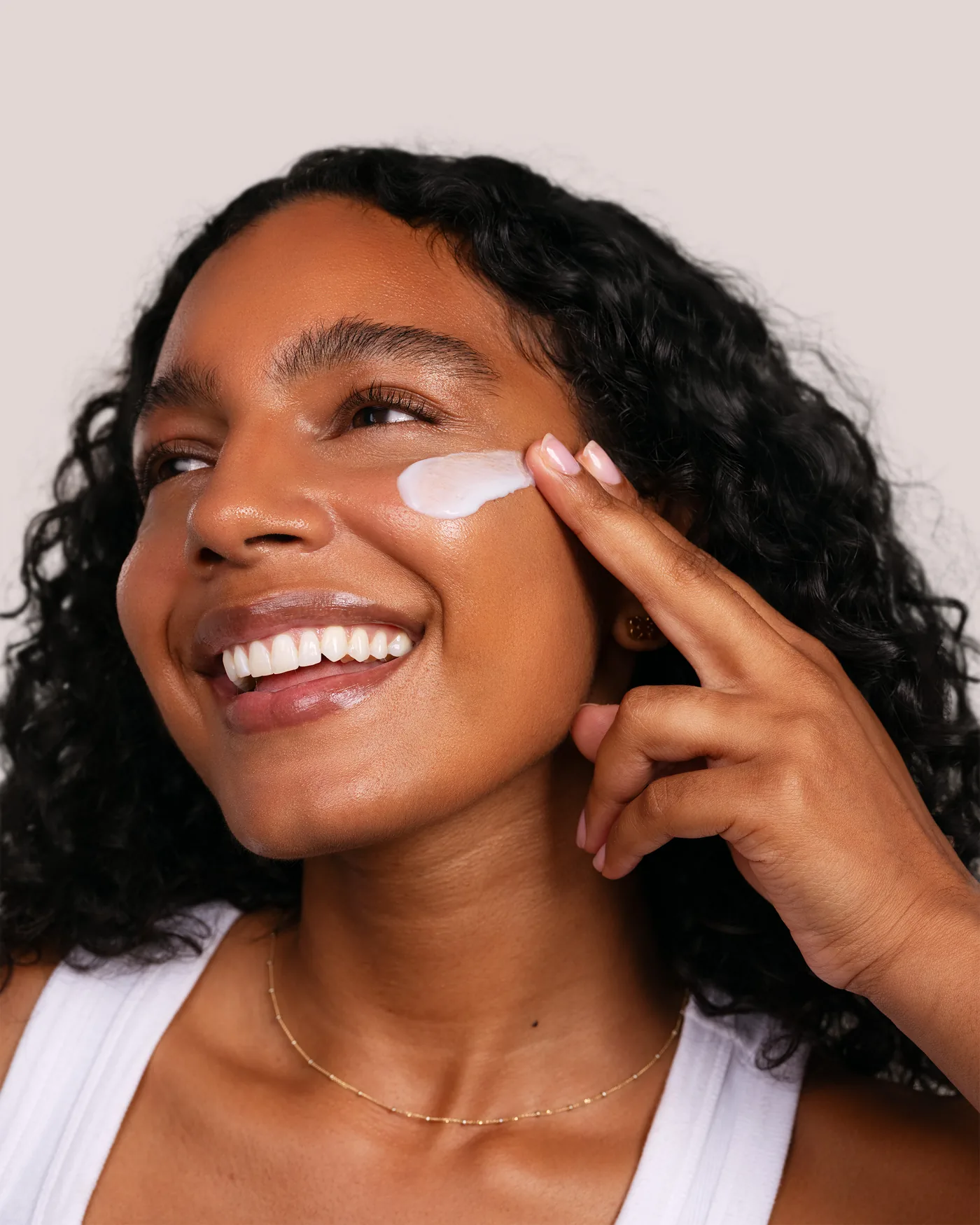
DewRx anti-aging skincare cream is a custom prescription topical built around tretinoin, the most-studied ingredient for sun-damaged skin. Your provider may pair it with niacinamide to calm irritation, and add tazarotene when you need a step up, at strengths dialed in for your skin and complexion. Most store-bought anti-aging creams rely on retinol, a weaker form your skin has to convert before it starts working. That’s why DewRx’s custom topicals work so well; they’re formulated for you and you alone.
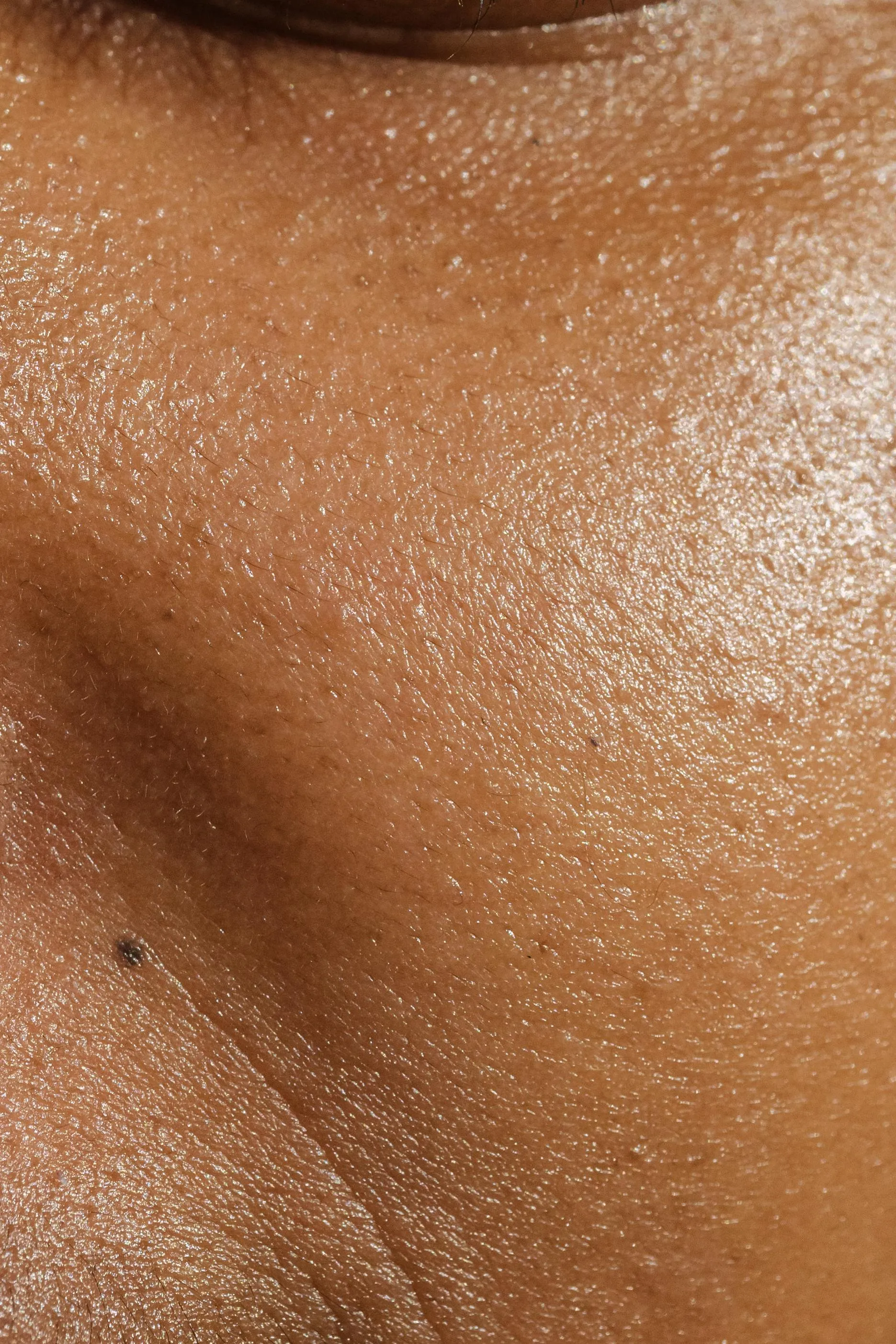
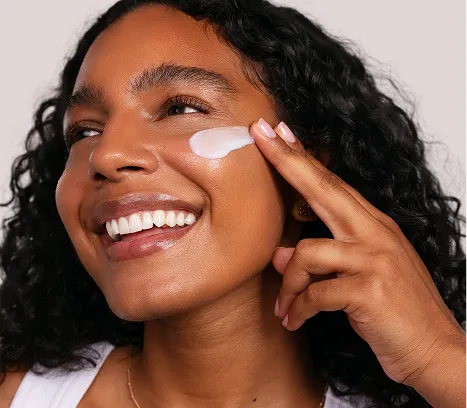
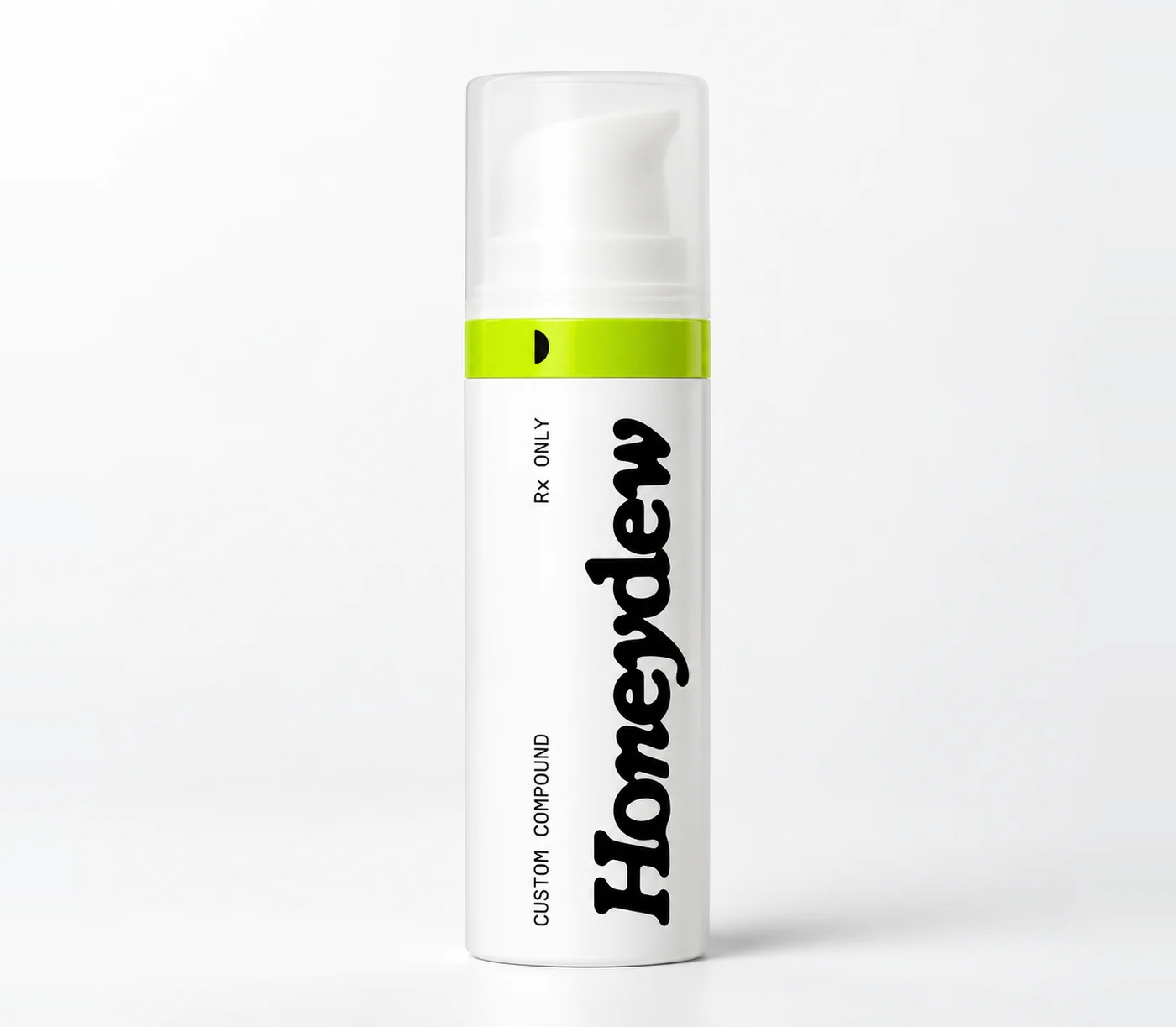

The skin on your neck, chest, and around your eyes is thinner and irritates more easily, so your provider can build a gentler formula for those areas.
Your dermatology provider will review your skin and select ingredients based on your skin type, concerns, and goals. Every formula is made by a licensed compounding pharmacy and shipped to your door in all 50 states.

Most patients work with Honeydew for months, not weeks. That continuity allows providers to monitor progress, adjust care, and support outcomes that last beyond short-term fixes. Skin takes time. We plan for that.

speeds up cell turnover & collagen production and helps pigmented cells shed faster.
treats acne and diminishes fine lines & dark spots.
strengthens skin barrier, reduces inflammation, and controls oil production.
Your dermatology provider will review your skin and select additional ingredients and concentrations based on your skin type, concerns, and goals.

Answer a short questionnaire and upload a few photos. Most patients don't need a video visit.

A dermatology provider selects the actives and strengths for your skin, and sends your Rx to a licensed compounding pharmacy.

Message your care team 7 days a week. Your provider adjusts the formula as your skin responds.
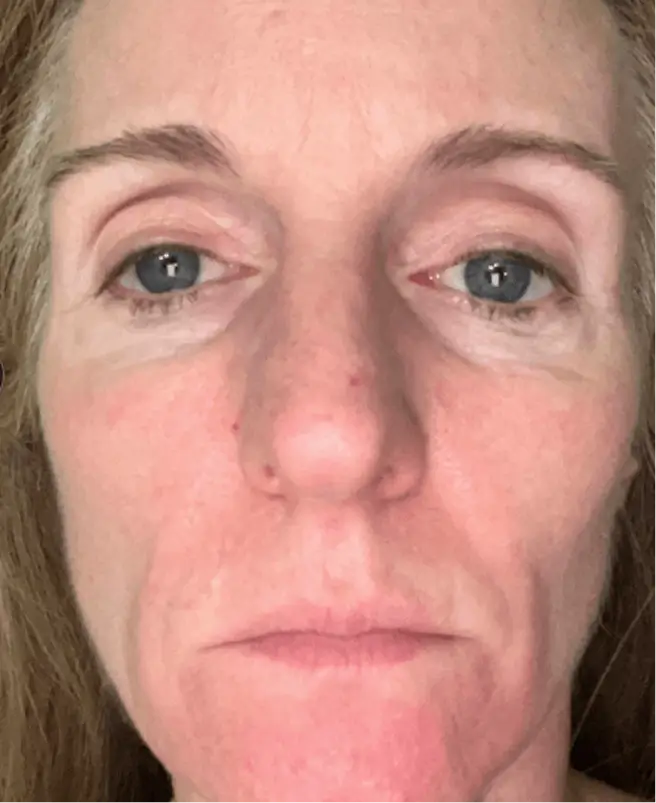
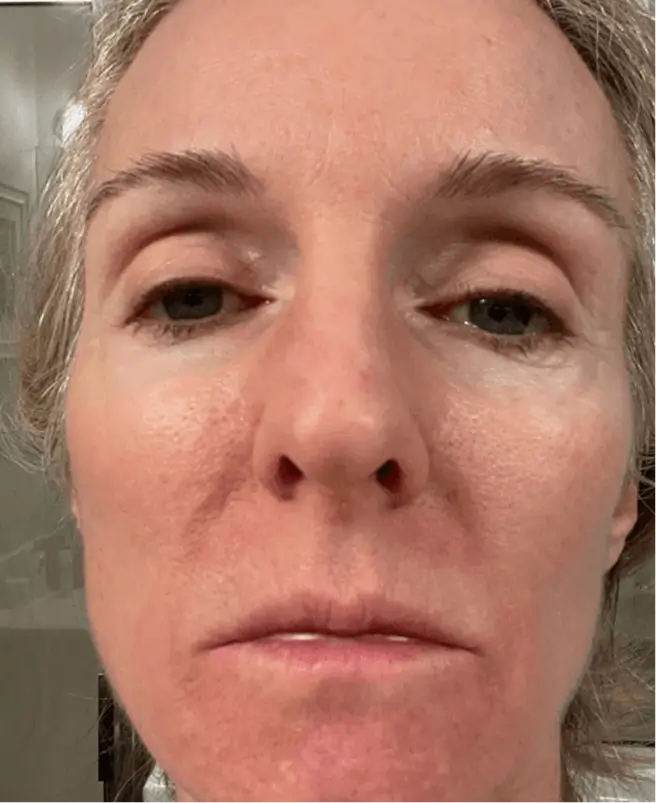
I’m incredibly happy with the improvements
I’m incredibly happy with the improvements. I’ve noted in my skin since starting my honeydew compounded topical product.


I'm so happy with the results
After about 5 weeks of consistent use, I started to see a real difference. My dark spots have visibly faded, and my overall skin tone looks much more even. I also noticed that my skin feels smoother and more hydrated. I'm so happy with the results


Very impressed with the results
The provider and system is very user friendly, and the chat feature is extremely helpful when trying to ask simple questions. I have noticed a huge difference in the quality of my skin and have been very impressed with the results.
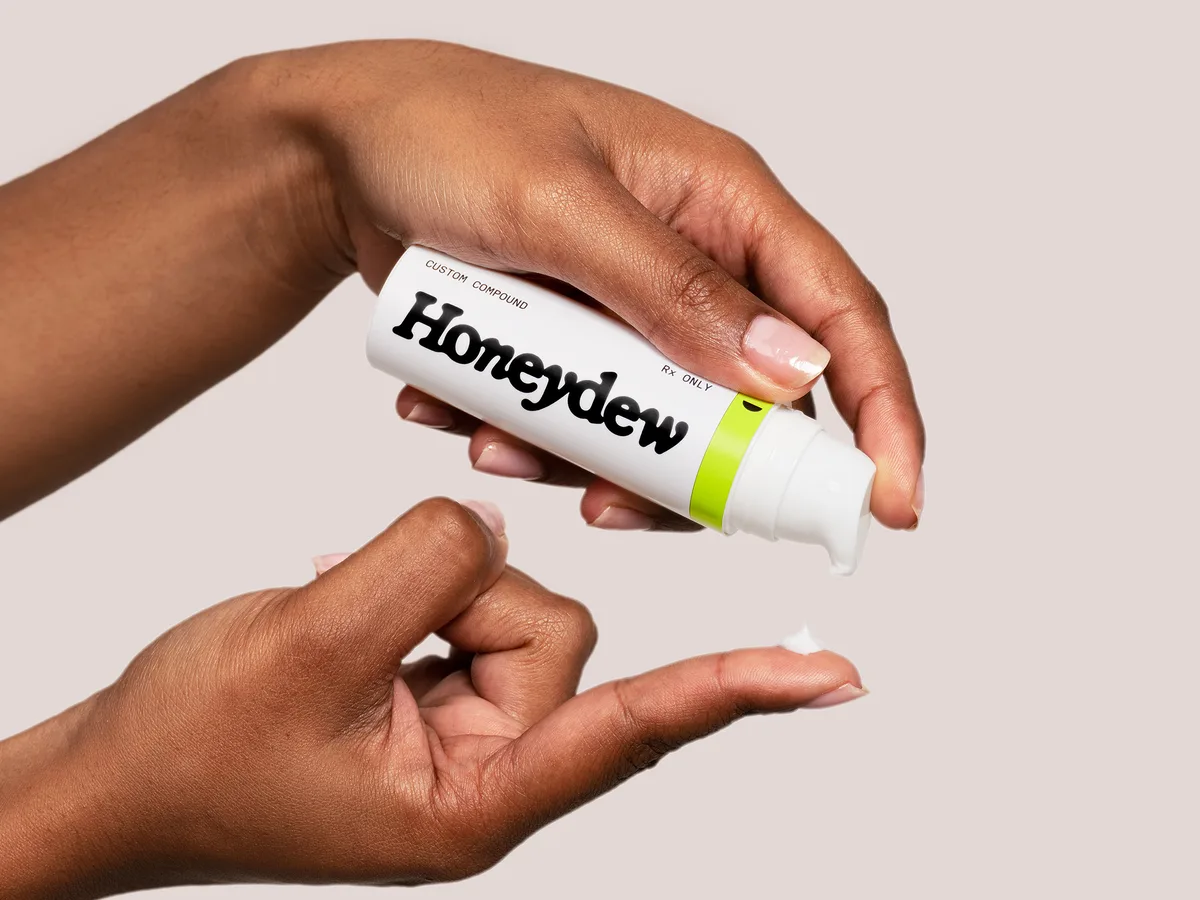
Your medication, your care team and every formula adjustment, all in one transparent plan.


Your provider checks your history, skin type, and past reactions before choosing ingredients.

Mild dryness or irritation is common in the first weeks. Tell your care team, and your provider can lower a strength, add a soothing ingredient, or recommend external solutions.

Pregnant or trying to conceive? Our dermatologists can build a pregnancy-safe formula so you can reach your skin goals safely.
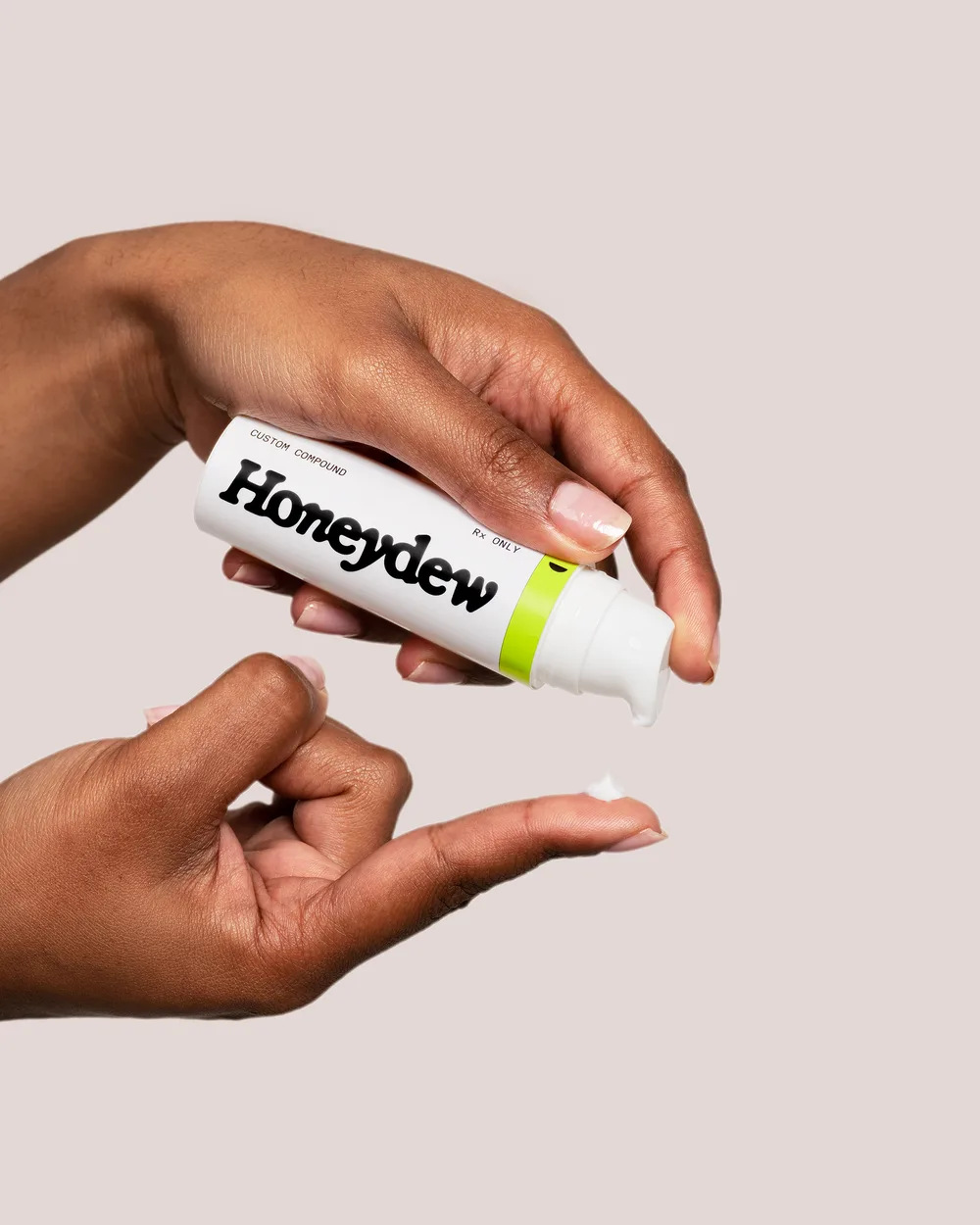
Compounded formulas are made by licensed compounding pharmacies from FDA-approved ingredients.
A prescription retinoid, paired with daily sunscreen. The AAD notes that retinoids speed up the turnover of surface skin cells and boost collagen, which improves skin tone and reduces fine lines and wrinkles. Tretinoin has the strongest evidence behind it: a systematic review of randomized trials concluded it is a safe and effective treatment for long-term treatment of photoaging. No cream works without sun protection, though. As one board-certified dermatologist put it, the best anti-aging habit is daily sunscreen, starting as early as possible.
Sunscreen, as early as possible. Active ingredients like retinoids, usually in your mid-20s to early 30s. Dermatologists say many people begin retinoids or vitamin C in their mid-20s to early 30s as collagen production naturally starts to decline. The AAD notes that skin cell turnover also starts to slow in your 20s. It's never too late to start, either. Tretinoin trials have treated adults with moderate to severe sun damage and still shown measurable improvement.
For repairing visible sun damage, it has the most evidence of any topical. A meta-analysis of randomized trials covering 1,361 patients found tretinoin safe for long-term use of up to two years, and a 2025 network meta-analysis comparing topical treatments found that tretinoin had the most favorable safety profile. It works by building new collagen: in a 2-year trial, tretinoin users showed a significant increase in a marker of collagen production at month 12. For prevention, sunscreen matters more. The best routine uses both.
Tazarotene is stronger and works a little faster. Tretinoin is gentler and just as effective over time. In a head-to-head trial, more tazarotene patients showed at least 50% improvement at weeks 12 and 20, but by week 24 there was no difference in overall improvement. The trade-off is irritation: the 2025 network meta-analysis found that tazarotene had higher adverse event risks, while tretinoin had the most favorable safety profile. Most patients start on tretinoin and step up to tazarotene if they plateau.
Usually, yes. Retinol has to be converted by your skin into retinoic acid, which is what tretinoin already is. Researchers estimate retinol is 20 times less potent than tretinoin, though it's also gentler. Retinol can still work: a split-face study found that a ten-to-one ratio of retinol to tretinoin may provide comparable clinical effects, but that takes a high concentration of retinol to match a low dose of tretinoin. A custom prescription also lets your provider set the strength and add soothing ingredients, which a store-bought retinol can't do.
Yes, carefully. Tretinoin can soften crow's feet and fine lines around the eyes, but the skin there is thin and irritates easily. Apply a small amount along the orbital bone, the ridge around your eye socket, and keep it off your eyelids and lash line. Start a few nights a week and build up as your skin adjusts. If you get redness or flaking, message your care team. Your provider may lower your strength or suggest a separate, gentler formula for the eye area.
Partly. Retinoids build collagen, which improves firmness over time. In a 2-year trial, tretinoin users showed a significant increase in a marker of new collagen production compared with placebo. That helps with fine lines, texture, and some loss of firmness. Deeper sagging, like jowls or drooping eyelids, comes from changes in fat, muscle, and bone that no cream can reach. For those, in-office treatments like fillers, radiofrequency, or surgery are the right tools. Your provider will be honest about what a topical can do for your skin.
Yes. In a 2-year randomized trial of 204 people, long-term treatment with tretinoin cream 0.05% was safe and effective, and skin biopsies showed no untoward effects on skin cells after two years. Two years is the longest placebo-controlled data available, but dermatologists have prescribed tretinoin for decades. The common side effects are dryness, peeling, and sun sensitivity, which is why it's applied at night with daily sunscreen. Tretinoin shouldn't be used during pregnancy, so tell your provider if you're pregnant or trying to conceive.
Your provider matches the actives in your DewRx formula to target your skin concerns.