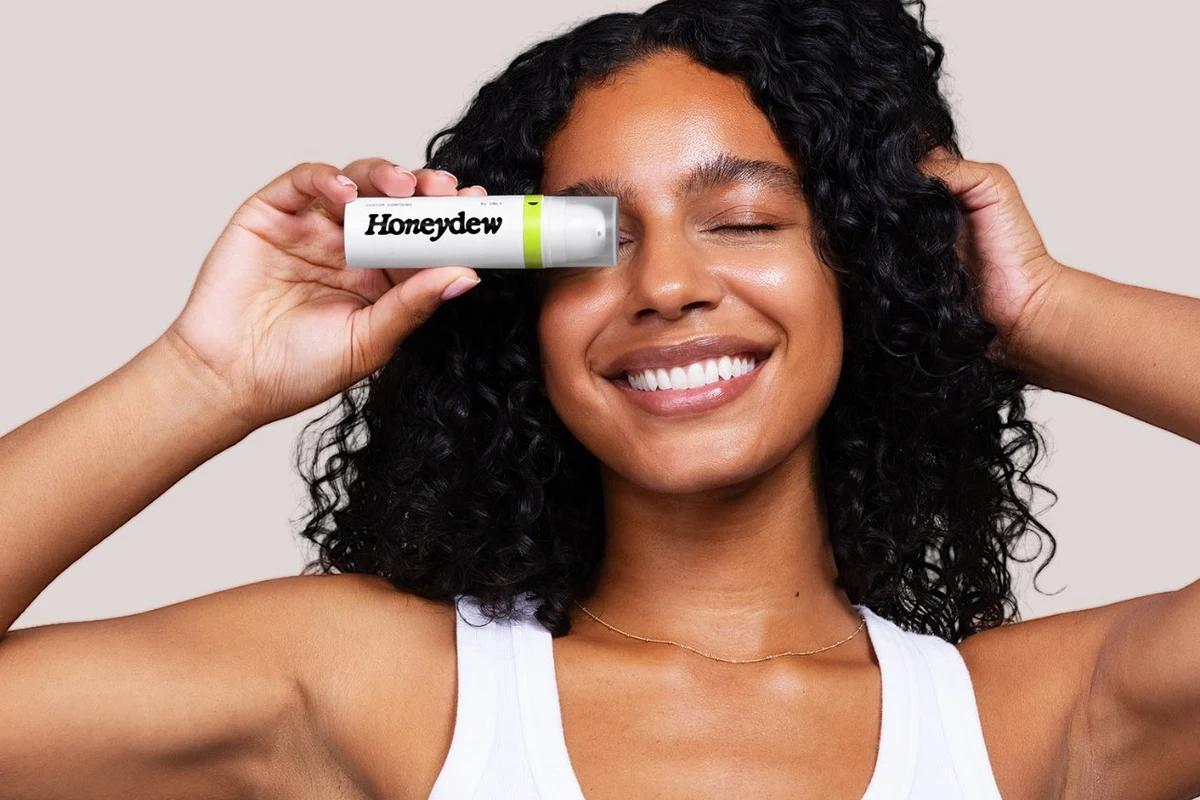
Brown patches on your cheeks, forehead, or upper lip? A licensed Honeydew provider reviews your photos, prescribes a cream that fades the patches, and helps you keep them from coming back.

First consult free. Membership from $25/month, billed $299/year. Medications are not included and may be covered by insurance.
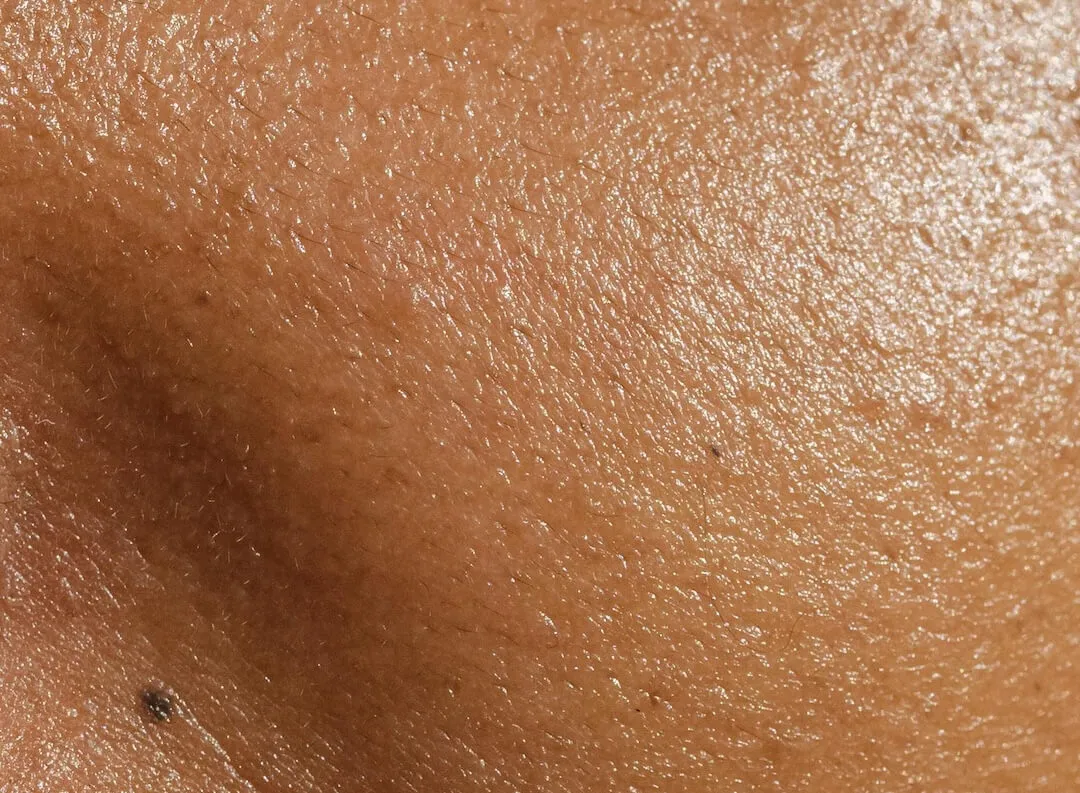
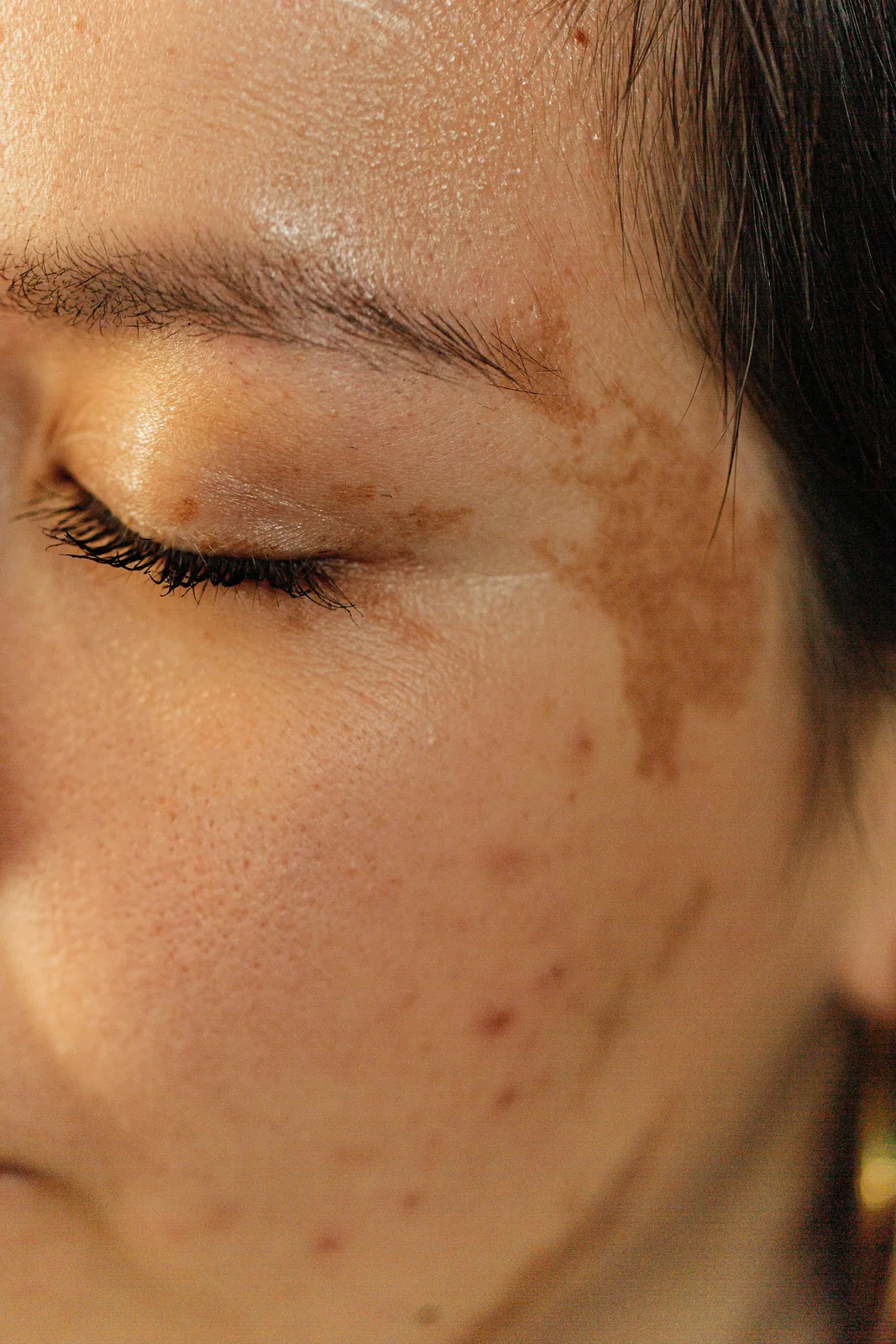
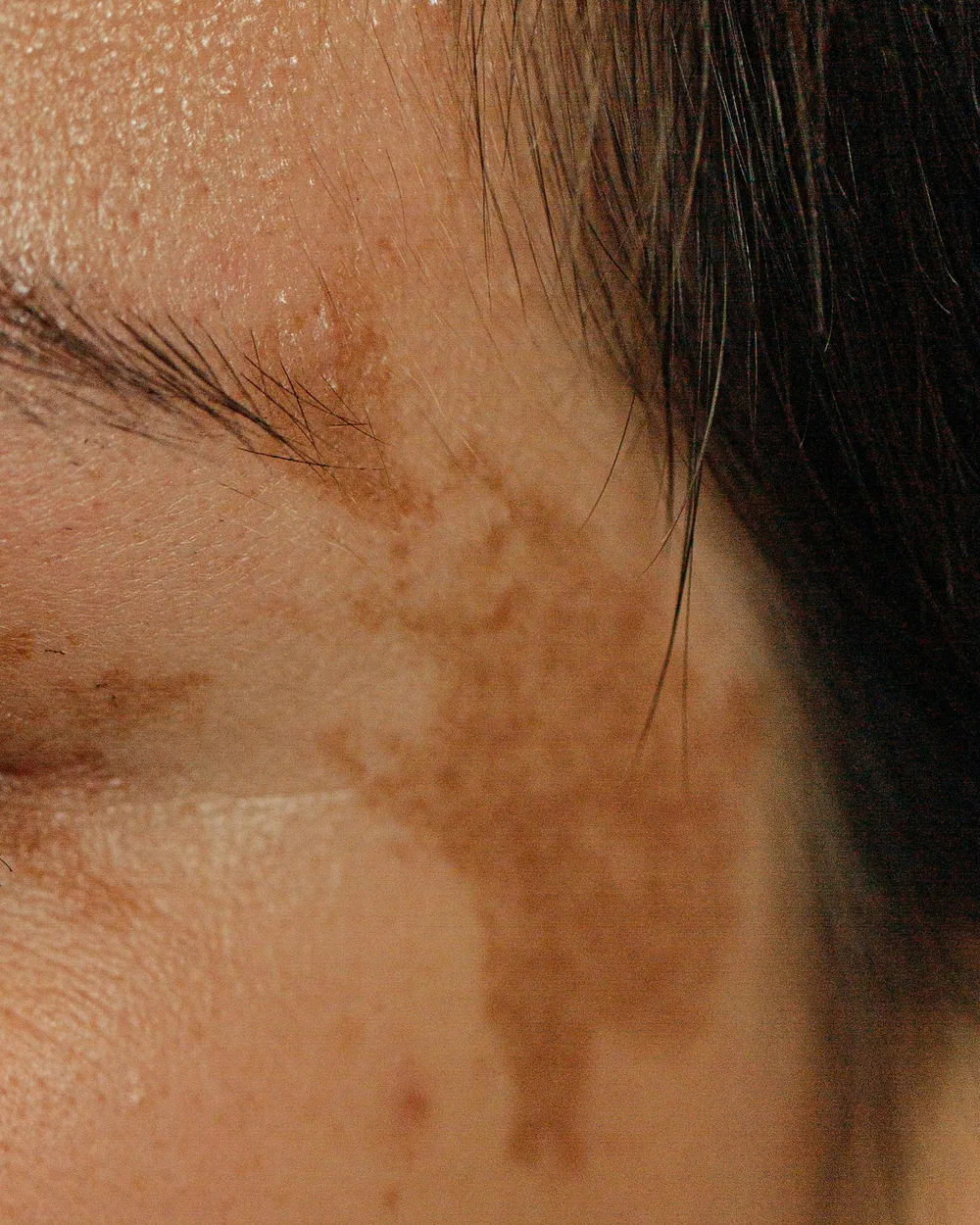
Melasma causes brown or gray-brown patches, usually on both cheeks, the forehead, the nose, or the upper lip. Sunlight, visible light, and hormones such as estrogen and progesterone drive it, and it is more common in women and in people with darker skin tones.

Melasma often starts or darkens during pregnancy or while taking hormonal birth control. Pregnancy melasma often fades after birth.
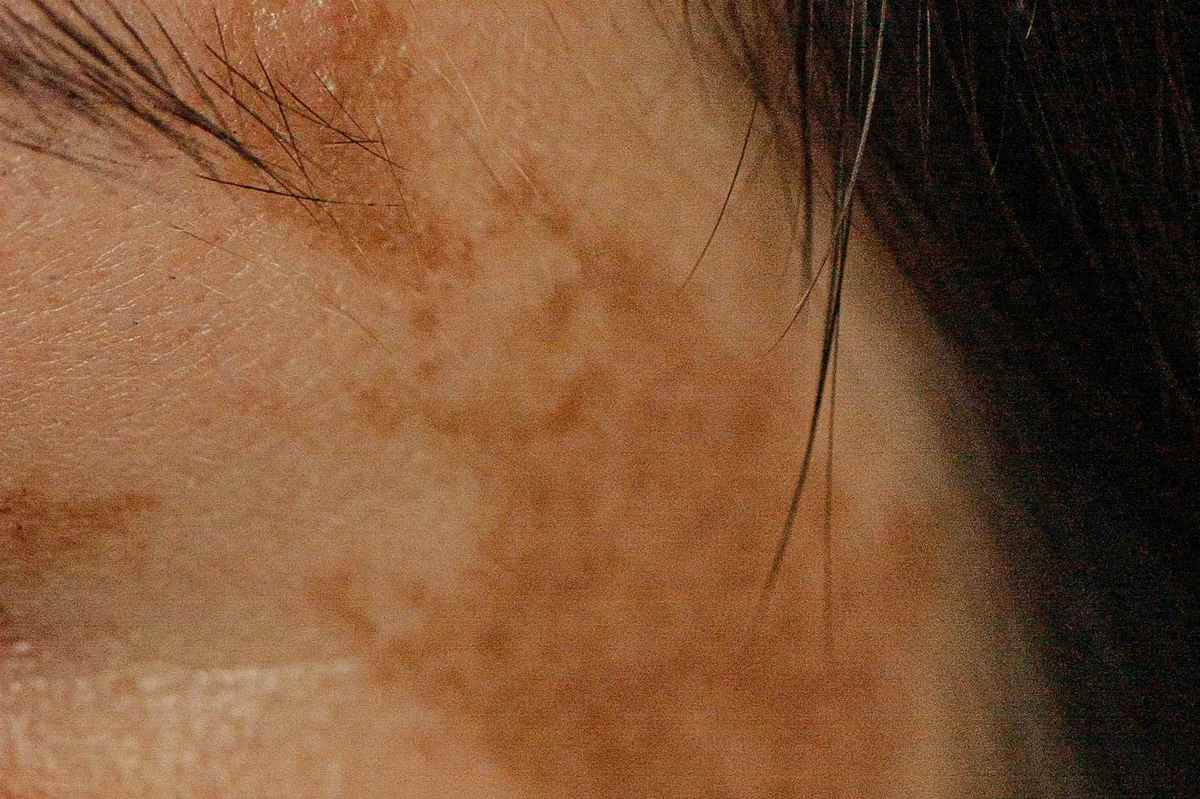
Melasma can be controlled but not cured, so patches often return after summer or when treatment stops.
Hydroquinone, alone or with a retinoid and a mild steroid, is the usual first treatment for melasma. Tranexamic acid and azelaic acid help when hydroquinone is not an option or not enough. Because melasma comes back, every plan includes daily tinted sunscreen and, once patches fade, a lighter maintenance cream.
“Melasma is a common skin condition causing brown patches of hyperpigmentation on the face. It is more likely in women and individuals with darker skin tones. We diagnose it in the office using a dermatoscope or Wood’s lamp to assess the pigmentation and to rule out other conditions.”
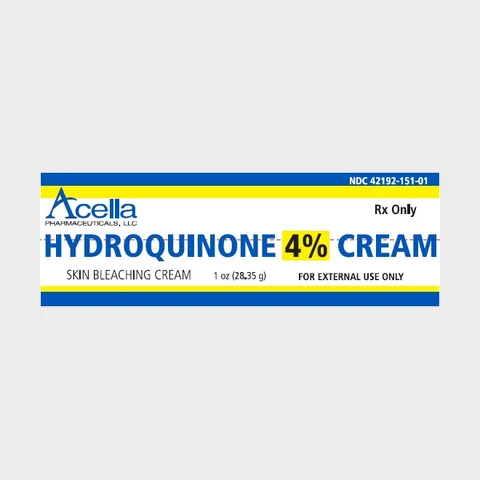
Hydroquinone slows the skin's melanin production and is the ingredient dermatologists use most for melasma. It has been prescription-only in the U.S. since 2020. The 4% creams pharmacies fill are sold without FDA approval; their labels cover gradual lightening of melasma, freckles, and sun spots.
A thin layer rubbed into the patches twice a day, in the morning and at bedtime, or as your provider directs. If nothing lightens after 2 months, stop and check in with your provider.
Use a broad-spectrum sunscreen and cover treated skin, because even a little sun brings the color back. Dryness, redness, and stinging can happen. Rarely, use causes ochronosis, a gradual blue-black darkening of the skin: stop and tell your provider if it appears. Its safety in pregnancy has not been established.
Hydroquinone 4% cream label on DailyMed“Hydroquinone can work really well, but I like patients to use it with a dermatologist’s guidance and in cycles, because long-term use can actually cause darkening in some people. The most important thing, though, is sunscreen. Without it, nothing else will hold.”
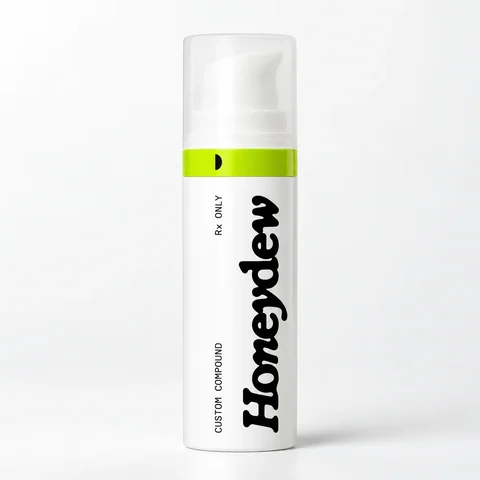
DewRx is Honeydew's prescription melasma cream, mixed for your skin. Your provider can combine hydroquinone, tranexamic acid, and tretinoin in one formula, or build a hydroquinone-free cream with azelaic acid, kojic acid, and niacinamide.
Applied as your provider directs. A licensed compounding pharmacy makes your formula and ships it every 2 months, and your provider moves you to a lighter maintenance cream once patches fade.
DewRx is compounded for you, so it is not an FDA-approved product; licensed compounding pharmacies make it from FDA-approved ingredients. Mild dryness or irritation is common in the first weeks, and your provider can lower a strength. If you are pregnant or trying to conceive, your provider can build a pregnancy-safe formula.
How long can you use hydroquinone?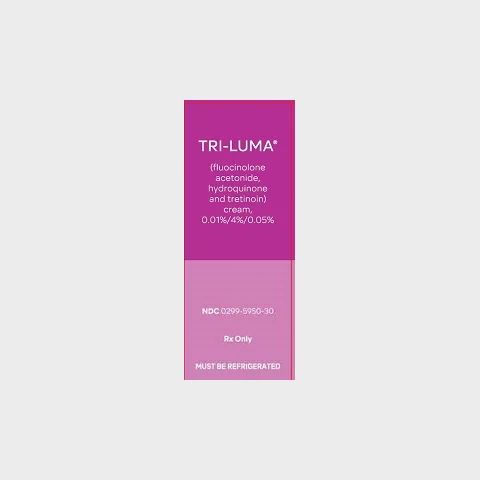
Tri-Luma® combines three prescription ingredients in one cream: hydroquinone 4%, tretinoin 0.05%, and the mild steroid fluocinolone acetonide 0.01%. It is FDA-approved for short-term treatment of moderate to severe melasma of the face, together with sun avoidance and sunscreen.
A thin film once a day, at least 30 minutes before bedtime, on the patches and about half an inch of skin around them. It was studied for 8 weeks and is stopped once melasma is under control; it is not meant for maintenance.
Redness, peeling, burning, dryness, and itching are common. It contains a sulfite that can cause serious allergic reactions in sensitive people, and hydroquinone, which can rarely cause blue-black darkening of the skin. Its tretinoin can harm an unborn baby. Use SPF 30 sunscreen and protective clothing every day.
Tri-Luma label on DailyMed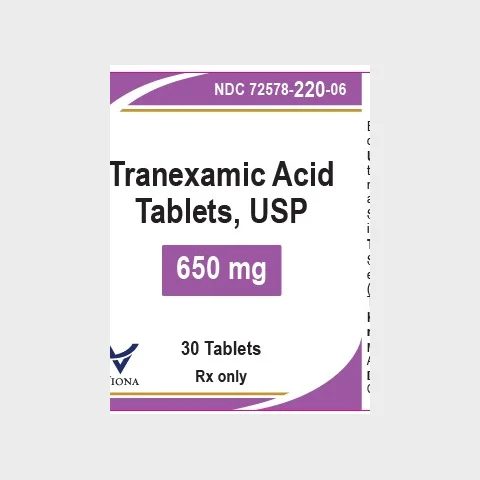
Tranexamic acid tablets are FDA-approved for heavy menstrual periods. Dermatologists also prescribe them at lower doses for stubborn melasma, because tranexamic acid blocks one of the steps that makes skin overproduce pigment. That use is off-label.
By mouth, at the dose and schedule your provider sets. The label dose for heavy periods is much higher and limited to 5 days a month.
Do not take it with combined hormonal birth control, or if you have had blood clots or are at higher risk for them: it can raise the risk of clots, including in the eye. Stop and get help for any vision change or a severe allergic reaction. Headache, back and belly pain, and muscle pain are common side effects.
Tranexamic acid tablets label on DailyMed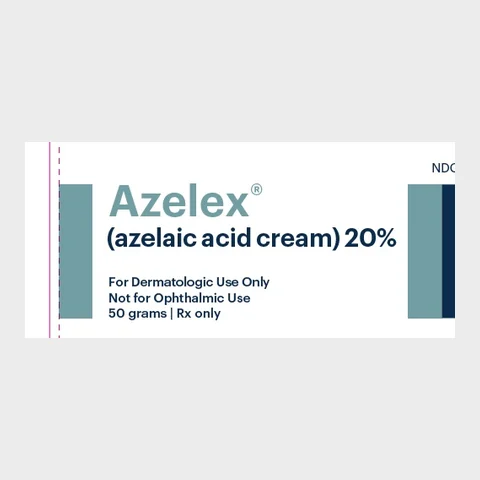
Azelaic acid slows melanin production and is gentle on sensitive skin, which makes it the usual choice during pregnancy. Prescription Azelex® 20% cream is FDA-approved for acne, so using it for melasma is off-label.
A thin film massaged gently into clean, dry skin twice a day, in the morning and evening. Wash your hands afterward.
Itching, burning, stinging, and tingling are the most common side effects. Rarely, it causes small spots of lighter skin, so tell your provider about any light patches. Keep it out of your eyes.
Azelex cream label on DailyMed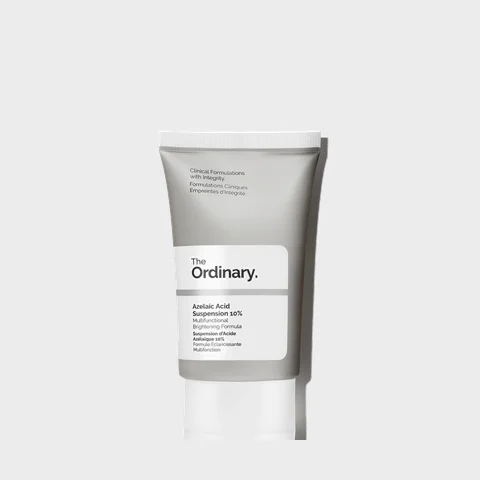
The Ordinary Azelaic Acid Suspension 10% is a cosmetic cream-gel that the brand says visibly evens skin tone. It is half the strength of prescription azelaic acid and is not an FDA-approved melasma treatment.
A small amount on the face in the morning and evening. Avoid the eye area and the mouth.
The brand advises not to use it with strong acids, retinoids, or peptides, and to patch test first. Stop if your skin gets red or irritated.
The Ordinary Azelaic Acid Suspension product page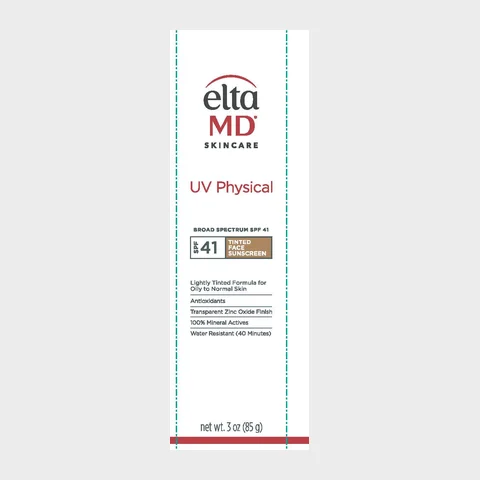
Ordinary sunscreen blocks UV rays but not the visible light that also darkens melasma; the iron oxides that give a tinted sunscreen its color help block it. EltaMD UV Physical SPF 41 (zinc oxide 9%, titanium dioxide 7%, tinted with iron oxides) is one example.
Apply liberally 15 minutes before sun exposure and reapply at least every 2 hours, and after 40 minutes of swimming or sweating.
For external use only. Do not use it on damaged or broken skin, keep it out of your eyes, and stop if a rash appears. Daily sunscreen is part of every melasma plan, because light brings patches back.
EltaMD UV Physical label on DailyMed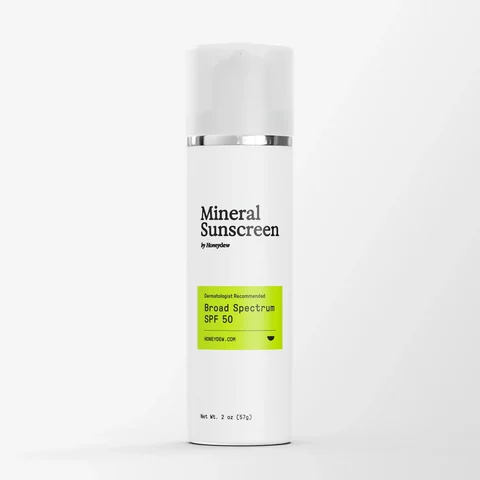
Honeydew Mineral Sunscreen is a broad-spectrum SPF 50 sunscreen with 20.5% zinc oxide, plus hyaluronic acid and antioxidants. It protects skin that is being treated with hydroquinone or tretinoin from the UV rays that darken patches again.
Apply generously 15 minutes before sun exposure, as the last step of your morning routine, and reapply every 2 hours.
It is not tinted, so it does not add visible-light protection; a tinted product on top covers that. Honeydew members buy it from the Honeydew Dashboard.
Honeydew Mineral Sunscreen page
Answer a short questionnaire and upload photos of your skin. Your first consult is free, and in many cases treatment can start without a video visit.
Your provider looks at your photos and history and builds a plan with you. If a visit is needed, you can book a video consult within 48 hours.
If a treatment is prescribed, we handle prior authorization and send it to your pharmacy or a specialty pharmacy, or deliver it to your door.
Track your progress with photos and message your Care Team anytime for questions, refills, and guidance, 7 days a week.
Not sure where to start? Ask your provider during your free consult.
Start your free consultHydroquinone, alone or combined with a retinoid and a mild steroid, is the usual first-line treatment. Tri-Luma® is that combination in one FDA-approved cream for moderate to severe melasma of the face. A custom DewRx cream can combine hydroquinone with tranexamic acid and tretinoin at strengths set for your skin. Daily tinted sunscreen is part of every plan.
Hydroquinone has not been sold over the counter in the U.S. since 2020, so the strongest creams need a prescription. Over-the-counter serums with azelaic acid may help mild discoloration, and a tinted mineral sunscreen belongs in every melasma routine. Stubborn patches usually need prescription strength.
Some ingredients should wait. Tretinoin, including the tretinoin in Tri-Luma, is avoided during pregnancy, and hydroquinone is usually postponed until after pregnancy and breastfeeding. Azelaic acid and tinted sunscreen are the usual choices instead, and pregnancy melasma often improves after birth. Tell your provider if you are pregnant, trying to conceive, or breastfeeding.
Expect months. The American Academy of Dermatology says results usually take 3 to 12 months, and longer if you have had melasma for a long time. Tri-Luma was studied over 8 weeks, and a hydroquinone 4% label says to stop if nothing lightens after 2 months. The edges of a patch often lighten first.
Melasma can be controlled but not cured. Sun, visible light, heat, and hormonal changes bring it back, and so does stopping treatment too early. Most people stay clear with a lighter maintenance cream and a daily tinted sunscreen with iron oxides.
Your first consult is free, and Honeydew membership starts at $25/month, billed $299/year (HSA/FSA eligible). DewRx is $45/month, billed $90 every 2 months, with the medication included. Most insurers do not cover melasma treatment, and compounded creams are usually not covered.