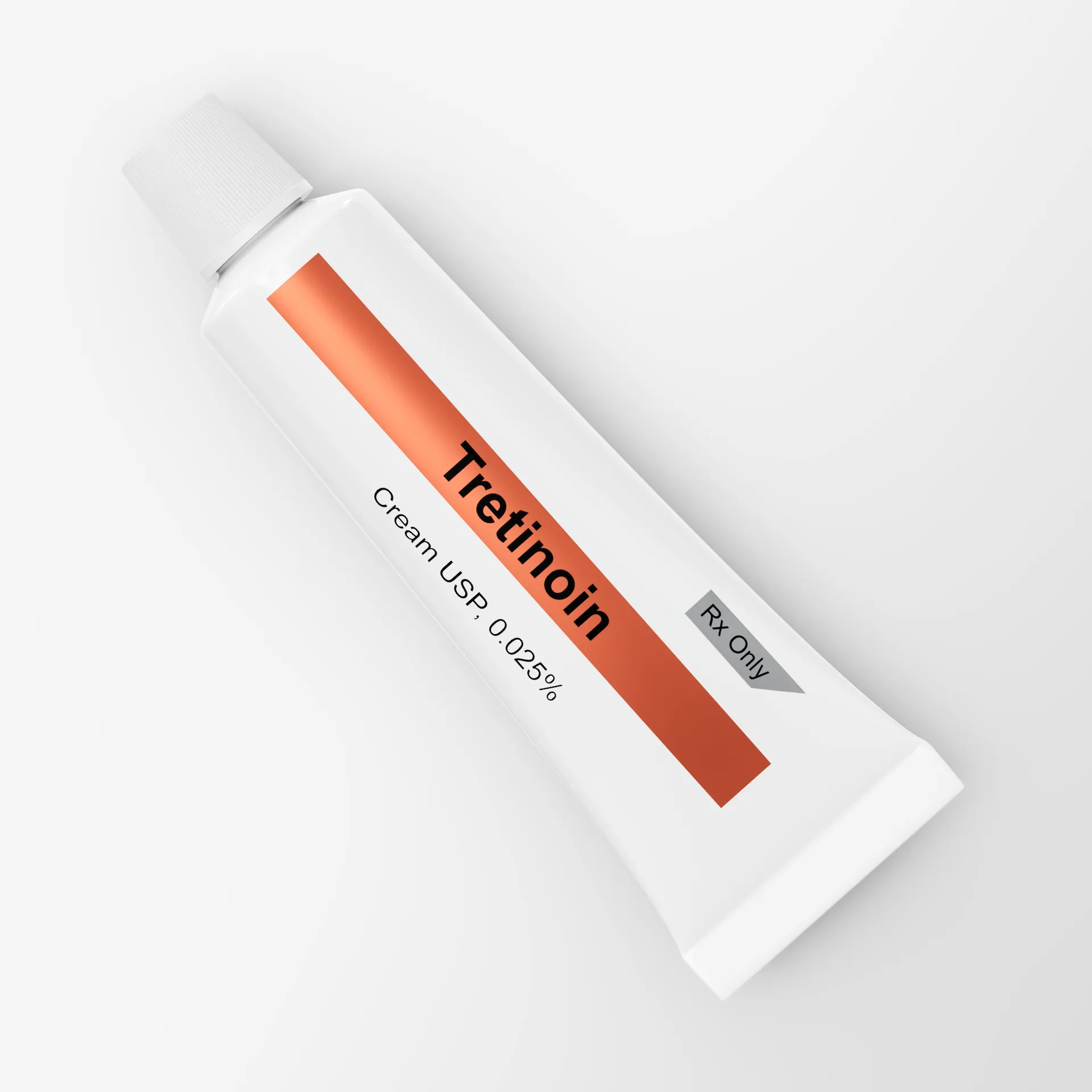
Isotretinoin
Treat persistent acne with Low-Dose Accutane (isotretinoin), prescribed online. Get dermatologist-guided care with close monitoring, safety oversight, and medication delivered to your door.
$50 per month


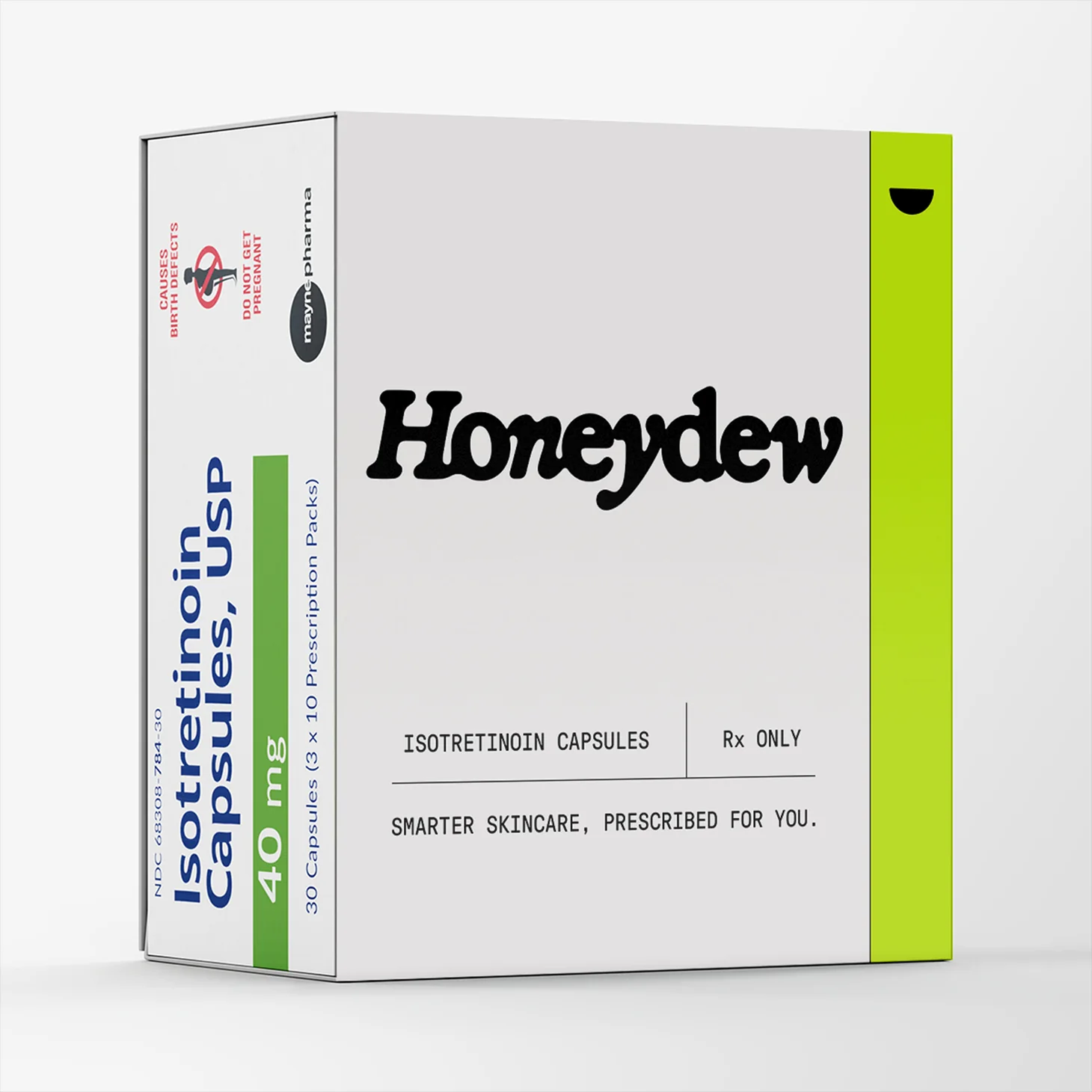
Eligible patients may be prescribed Accutane-branded isotretinoin or other equivalent generic versions depending on pharmacy selection, insurance coverage, and pharmacy stock.
IMPORTANT SAFETY INFORMATION FOR ACCUTANE® (ISOTRETINOIN): Accutane® must not be used by patients who are or may become pregnant. There is an extremely high risk that severe birth defects will result if pregnancy occurs while taking Accutane in any amount, even for short periods of time. Potentially any fetus exposed during pregnancy can be affected. There are no accurate means of determining whether an exposed fetus has been affected. Read more about serious warnings and safety info.
Off-Label Notice: Low-dose isotretinoin is considered an off-label use of the medication. While isotretinoin is FDA-approved, the agency has not specifically approved lower-dose regimens for acne treatment. Licensed healthcare providers, however, may prescribe medications for off-label uses when they determine it is safe and appropriate for a patient’s individual needs.Off-label prescribing is a common and accepted medical practice, often supported by research and clinical experience. Honeydew providers may recommend low-dose isotretinoin when, in their medical judgment, it is the best approach for a patient’s unique history, symptoms, and treatment goals.

Accutane (isotretinoin) treats severe, cystic, or scarring acne that hasn’t improved with other treatments. It reduces oil production, inflammation, and clogged pores to help achieve long-term acne clearing.
Dry lips, skin, and eyes are common. Some people notice mild muscle aches or an early acne flare. These effects are expected and monitored closely by your dermatologist, however, lower doses of Accutane have resulted in more mild side effects.
Accutane is regulated through the iPLEDGE program. Patients who can become pregnant must use approved birth control and complete monthly pregnancy testing. All patients complete required safety check-ins before refills.
Honeydew makes Accutane treatment simple and fully online. Your dermatologist manages dosing, labs, and safety monitoring, while we coordinate iPLEDGE requirements, prescriptions, and delivery - so you can focus on your skin, not paperwork.

Fill out a quick medical questionnaire and upload photos of your skin. In many cases, treatment can begin right away without a video consult.

If a visit is needed, you can book a quick video consult within 48 hours. Your provider takes the time to understand your skin and your goals.

Your provider creates a personalized plan, then your treatment is delivered to your door or sent to your local pharmacy.

Track your progress with photos and message your Care Team anytime for questions, refills, and guidance. We'll respond, 7 days a week.
Accutane (isotretinoin) works by dramatically reducing oil production, preventing clogged pores, decreasing inflammation, and reducing acne-causing bacteria. By addressing all major acne drivers at once, it can lead to long-term or permanent acne improvement for many patients.
With the right dermatology guidance and safety monitoring, Accutane can significantly reduce breakouts, prevent scarring, and support lasting skin clarity.


Your dermatology provider will review your skin and confirm whether Accutane is the right fit before prescribing.
Prevents clogged pores
Reduces pore-blocking buildup

Targets acne-related bacteria

Reduces oil production

saw a significant reduction in inflammatory acne*
maintain long-term remission after one course*
may require a second course (often at lower dose)*
* Based on clinical studies of isotretinoin, with outcomes dependent on individualized treatment and provider guidance.
Dosing should be a collaborative process between you and your healthcare provider. Your healthcare provider will assess these factors and recommend the most appropriate dosage based on your individual needs and circumstances.
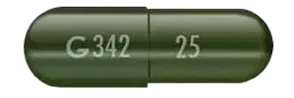
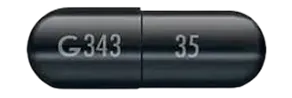
* Eligible patients may be prescribed Accutane-branded isotretinoin or other equivalent generic versions depending on pharmacy selection, insurance coverage, and pharmacy stock.
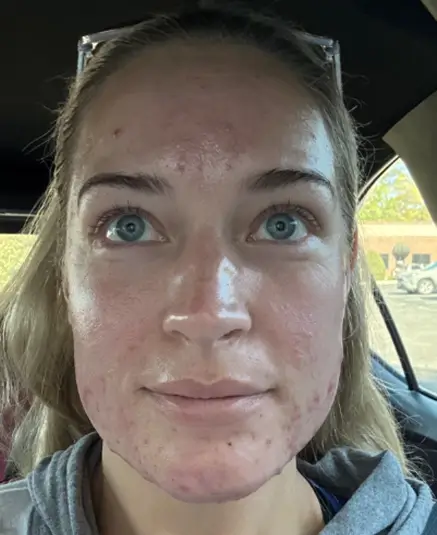

Honeydew changed my life. My provider is thorough and my patient concierge experience is top tier. I feel heavily supported and I am confident they are rooting for me. I would recommend this service every time. Thank you so much for giving me my confidence and my life back!!!
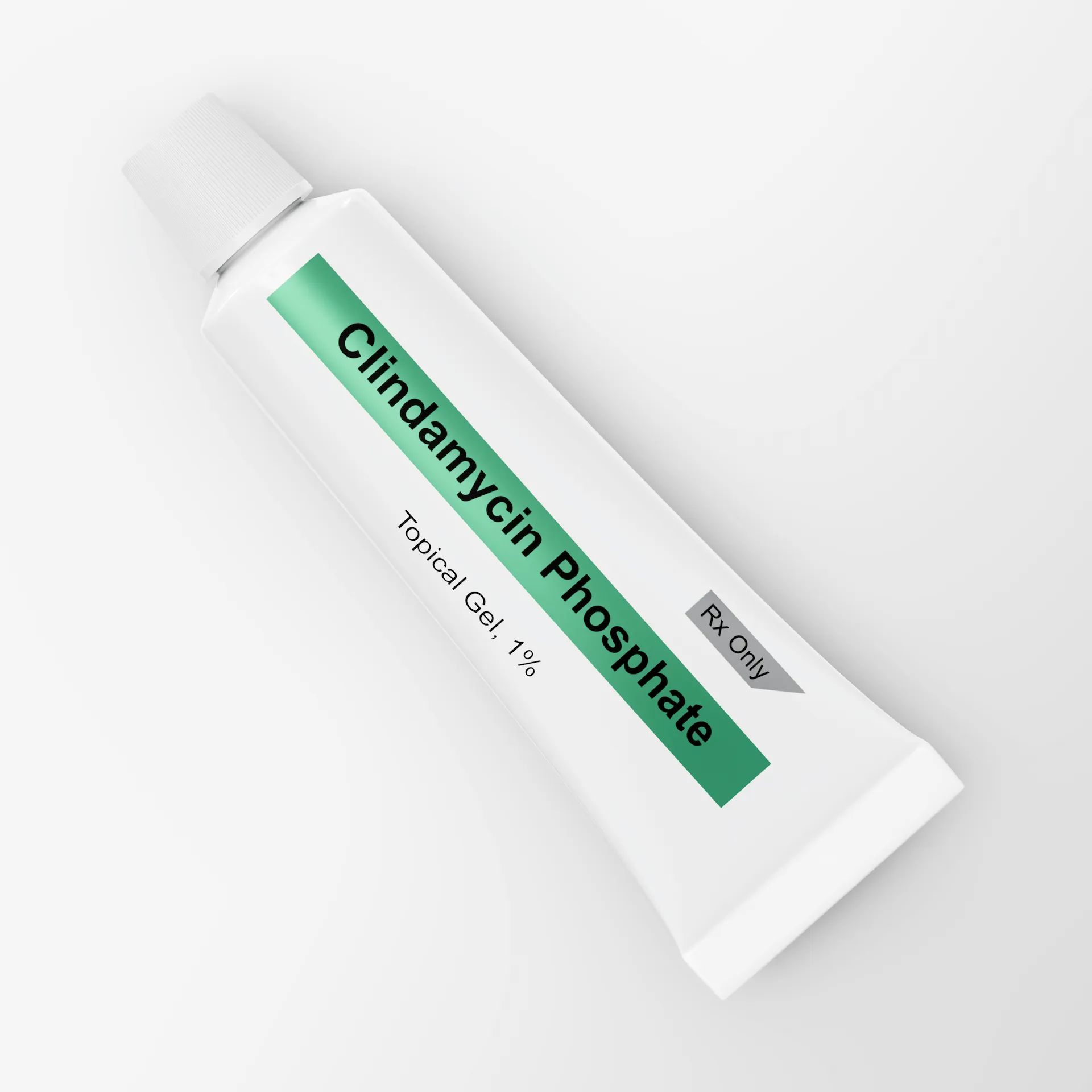
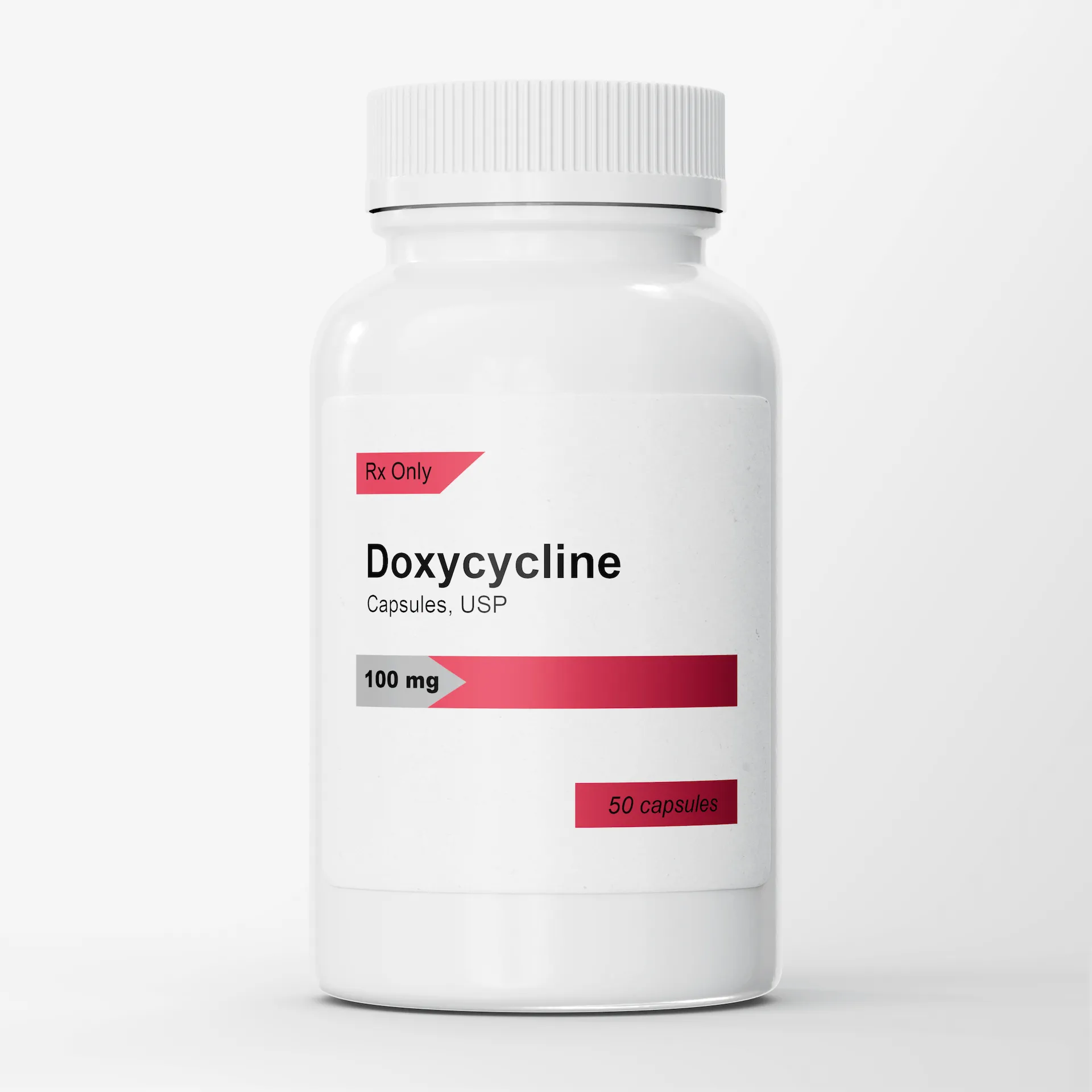
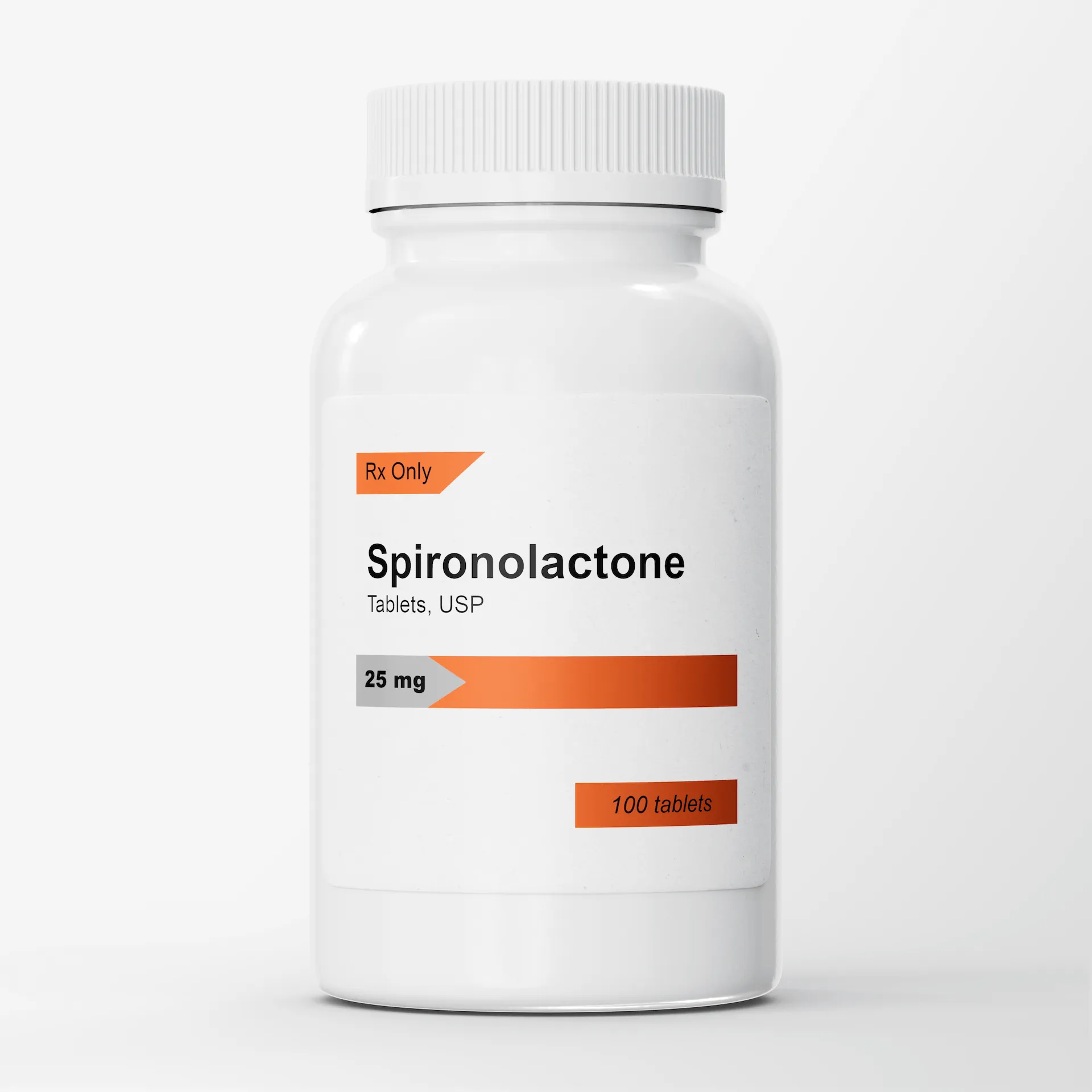
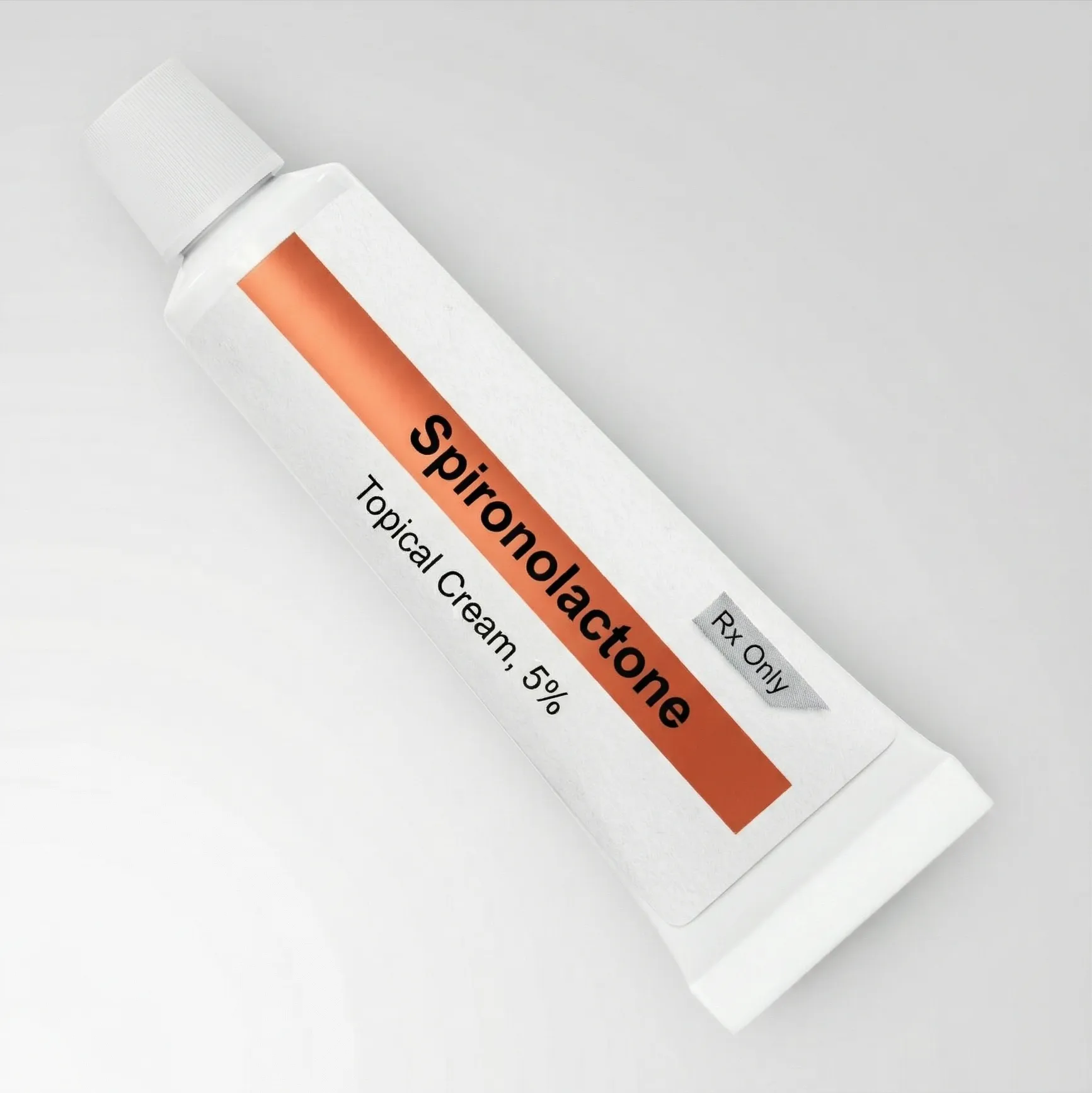
If isotretinoin isn't appropriate for you, or if you'd prefer to try other options first, Honeydew providers can prescribe a range of prescription acne treatments. These include topical retinoids like tretinoin, oral and topical antibiotics like doxycycline and clindamycin, spironolactone for women with hormonal acne, and custom-compounded treatments for patients who need specific ingredient combinations or strengths. Your provider will build a plan based on your acne type, severity, and what you've already tried.
Accutane and spironolactone treat acne through entirely different mechanisms and are suited to different patients. Spironolactone is prescribed exclusively for women with hormonal acne — it works by blocking androgen receptors to reduce sebum production driven by hormonal fluctuations. It does not cure acne permanently; most patients take it continuously for as long as they want the benefit. Accutane works for both men and women, targets all drivers of acne simultaneously (oil production, inflammation, bacteria, pore clogging), and in many cases produces lasting or permanent clearance after one course. For women with clearly hormonal acne, spironolactone is often the first recommendation. For severe, cystic, or treatment-resistant acne — including hormonally-driven acne that spironolactone hasn't controlled — Accutane is typically the stronger option. Your Honeydew provider will help you evaluate which path makes the most sense for your specific presentation.
Accutane (isotretinoin) and tretinoin are both retinoids — derivatives of vitamin A — but they work very differently and are used for different levels of acne. Tretinoin is a topical retinoid applied directly to the skin. It works by increasing cell turnover to prevent clogged pores and is effective for mild to moderate acne and for improving skin texture and tone. Isotretinoin is an oral retinoid that works systemically — it dramatically reduces the size and oil output of the sebaceous glands throughout the entire body. It is significantly more powerful than topical tretinoin and is reserved for moderate-to-severe, treatment-resistant, or scarring acne. Many patients use tretinoin during or after an Accutane course to maintain results. Honeydew offers both treatments.
Yes. Honeydew offers a free Accutane Dosing Calculator and a Cumulative Dose Calculator. The dosing calculator estimates a starting dose range based on your body weight. The cumulative dose calculator helps estimate total treatment duration based on dose and weight. These tools are designed to help you understand your treatment before your first provider visit, not to replace clinical judgment. Your Honeydew provider will determine your actual prescribed dose based on your full medical history, acne severity, prior treatments, and tolerance.
Accutane significantly increases skin dryness and sensitivity, so your skincare routine needs to simplify while you're on treatment. The core principles: use a gentle, fragrance-free cleanser twice daily; apply a rich, non-comedogenic moisturizer morning and night; use a lip balm consistently throughout the day (dry, cracked lips are the most universally reported side effect); and wear a broad-spectrum SPF 30 or higher every morning without exception. Avoid retinoids, exfoliating acids (AHAs, BHAs), and any potentially irritating active ingredients while on Accutane — your skin's barrier is compromised during treatment. Your Honeydew provider will give you specific product recommendations based on your skin type at your first visit.
iPledge is a mandatory FDA-required risk management program for all patients taking isotretinoin in the U.S. It was created to prevent fetal exposure to isotretinoin, which causes severe birth defects. All patients, regardless of gender or reproductive status, must be registered in iPledge before starting treatment. Patients who can become pregnant must complete monthly pregnancy tests and confirm use of two forms of contraception. Patients who cannot become pregnant have fewer requirements but must still complete monthly confirmations.
At Honeydew, your care team handles iPledge enrollment, guides you through the monthly confirmation window, coordinates pregnancy testing logistics, and ensures your refills are never delayed due to program requirements.
Yes. Prior authorization (PA) for isotretinoin can be one of the most frustrating parts of starting treatment. Insurers typically require documentation of failed prior treatments before approving coverage. Honeydew's care team manages the prior authorization process from start to finish: gathering the necessary clinical documentation, submitting to your insurer, and following up on approval. We're experienced in navigating PA requirements across major insurance plans and work to minimize delays in getting your treatment started.
Accutane cannot be dispensed without a monthly prescription renewal — this is a requirement of the iPledge safety program. Each month, you'll complete a brief safety check-in through Honeydew confirming your current health status, side effects, and for patients who can become pregnant, pregnancy test results. Your provider reviews your check-in, approves the refill, and updates your iPledge status. Once confirmed, your prescription is sent to your pharmacy. The entire monthly process happens through your Honeydew dashboard — no in-person visits required.
In some cases, yes. While Accutane is most commonly prescribed for moderate-to-severe or treatment-resistant acne, low-dose (microdose) isotretinoin is increasingly used for patients with persistent mild-to-moderate acne that hasn't responded to topicals or causes significant distress. Low-dose/microdose protocols produce fewer side effects while still delivering meaningful clearance, and are an option for patients who want long-term results without committing to a high-dose course. Your Honeydew provider will evaluate whether a low-dose approach is appropriate for your specific presentation.
Yes, in fact, this is one of the most common paths to Accutane. Isotretinoin is typically prescribed after topical treatments and oral antibiotics have been tried and haven't provided adequate control. If you've completed one or more antibiotic courses without sustained improvement, your provider will likely consider Accutane as the next appropriate step.
Yes. Isotretinoin is one of the most effective treatments for back acne (bacne), chest acne, and widespread body acne because it works systemically by reducing sebaceous gland activity and pore-clogging throughout the entire body, not just the face. Back and chest acne that hasn't responded to topicals or antibiotics is a strong indication for Accutane. Your Honeydew intake includes the option to upload photos of body acne so your provider can properly assess severity and recommend the appropriate dose.
Yes. Accutane is approved for patients 12 and older and is frequently prescribed to adults in their 20s, 30s, 40s, and beyond. Adult acne, particularly hormonal acne, is one of the most common reasons adults seek isotretinoin. There is no upper age limit for Accutane candidacy, though your provider will review your full medical history, current medications, and any age-related health considerations before prescribing. Adults generally tolerate Accutane well and achieve the same strong clearance outcomes seen in younger patients.
Accutane is typically recommended for patients with moderate to severe acne — particularly cystic, nodular, or scarring acne — that hasn't responded adequately to topical treatments and oral antibiotics. It's also appropriate for patients with treatment-resistant moderate acne, acne causing significant emotional distress, or acne that is actively producing scarring even at lower severity. You don't necessarily need to have "severe" acne to be a candidate. If your acne is persistent and impacting your quality of life despite prior treatment, isotretinoin may be the most efficient path to lasting clearance. Your Honeydew provider will assess your skin, history, and goals to determine whether Accutane is right for you.
Approximately 15% of patients require a second course of isotretinoin, either because their initial course didn't achieve full clearance or because acne returned after treatment ended. A second course is typically prescribed at a lower dose and may be shorter than the first. Your Honeydew provider will evaluate whether a second course is appropriate based on your response, cumulative dose history, and current skin status. Second courses are a standard part of Accutane management, not a treatment failure, and most patients who complete a second course achieve lasting clearance.
Most patients see progressive improvement throughout their course, with the most dramatic clearance occurring in months 3 through 6. By the end of a standard course, clinical studies show 90% of patients achieve a significant reduction in inflammatory acne, and up to 85% maintain long-term or permanent remission. Some patients achieve nearly complete clearance before finishing their course; others continue to improve in the weeks and months after the final dose as the skin's oil glands remain suppressed.
Up to 85% of patients achieve long-term or permanent acne clearance after one course of isotretinoin. Of the remaining patients, some experience a partial return of acne, or Accutane relapse — typically less severe than before treatment — and may benefit from a second course at a lower dose. Risk factors for relapse include younger age at treatment, very severe acne at baseline, hormonal acne, and treatment courses that ended before reaching the optimal cumulative dose. Your Honeydew provider calculates your cumulative dose target to maximize the likelihood of durable clearance.
The length of treatment depends on your prescribed dose and cumulative dose target. A standard-dose course typically lasts 6 to 12 months. A low-dose (microdose) course typically runs 18 to 24 months or longer. Dosing is calculated based on your body weight and acne severity, and your provider may adjust over the course of treatment based on your response and tolerance. Honeydew's free Accutane Dosing Calculator and Cumulative Dose Calculator can help you estimate your treatment timeline based on your weight and dose.
Most patients begin to see initial improvement in their acne within 4 to 8 weeks of starting isotretinoin. However, some patients experience a temporary worsening of acne in the first 4 to 6 weeks, known as the Accutane purge, as the medication accelerates the clearing of clogged pores. By months 2 and 3, most patients see meaningful reduction in breakouts. By the end of a standard course (typically 6 to 12 months at standard dose, or 18 to 24 months at low dose), the majority of patients achieve significant or complete clearance. Because response varies by individual, your Honeydew provider will monitor your progress throughout and adjust dosing if needed.
Accutane significantly increases the skin's sensitivity to UV radiation, making sunburn more likely and more severe. Daily broad-spectrum SPF 30 or higher sunscreen is essential during treatment, and extended unprotected sun exposure should be avoided. Tanning beds should be avoided entirely. Your skin will also be drier and more fragile than usual, so a gentle, fragrance-free moisturizer is an important part of your skincare routine during treatment. Your Honeydew provider will walk you through sun protection and skincare recommendations as part of your onboarding. Read more about protecting your skin in the sun while on Accutane in our blog.
Accutane requires regular blood monitoring to ensure treatment stays safe. Most patients need a baseline blood draw before starting and monthly tests during treatment. The panel typically includes a lipid profile (triglycerides and cholesterol, which isotretinoin can elevate), liver function tests (ALT and AST), and a complete blood count. Patients who can become pregnant also require monthly pregnancy tests as part of the iPledge program. At Honeydew, your care team coordinates lab orders directly — we'll send a lab slip to a facility near you and flag any abnormal results to your provider for review before your next refill is issued.
For the majority of patients, Accutane's effects on the body are temporary and resolve after completing treatment. Dry skin, lips, and eyes — the most common side effects — return to normal within weeks of stopping. Elevated triglycerides and liver enzymes, monitored through monthly blood tests, also normalize after treatment. Rare reports of long-term musculoskeletal effects exist but have not been definitively established in studies.
The most serious known long-term risk is teratogenicity — severe birth defects if taken during pregnancy — which is why the iPledge program requires strict pregnancy prevention during treatment. For most patients, the lasting outcomes of Accutane are overwhelmingly positive: 80–85% maintain significant or complete long-term acne clearance after one course.
The relationship between isotretinoin and mental health has been studied extensively. While rare cases of mood changes, depression, and in very rare instances suicidal ideation have been reported, multiple large-scale studies have not established a clear causal link, and some research suggests that clearing severe acne can actually improve mental health and quality of life for many patients. That said, the potential is taken seriously.
At Honeydew, mental health monitoring is built into your care plan: your provider checks in on mood and emotional wellbeing at every visit and will adjust or discontinue treatment if any concerning changes are identified. If you have a history of depression or mood disorders, discuss this with your provider before starting Accutane.
Read more about breaking the stigma around Accutane in our blog.
Hair thinning or increased shedding is a known but uncommon side effect of isotretinoin, affecting a minority of patients. When it does occur, it is typically temporary — hair density usually returns to normal after completing the treatment course or reducing the dose. If you notice significant hair loss during treatment, raise it with your Honeydew provider immediately. Dose adjustments can often reduce this side effect while maintaining therapeutic benefit. The risk of hair loss should be weighed against the significant and often permanent improvement Accutane provides for severe acne.
Alcohol is not recommended during Accutane treatment. Isotretinoin is processed by the liver, and alcohol also places a burden on liver function. The combination increases the risk of elevated liver enzymes and liver stress. Because all Accutane patients have their liver function monitored through regular blood tests, alcohol consumption can complicate results and may require dose adjustments or treatment interruption. Your Honeydew provider will advise you to avoid or significantly limit alcohol during your course, and your monthly check-ins will include liver monitoring to ensure treatment stays safe. Read more on our blog.
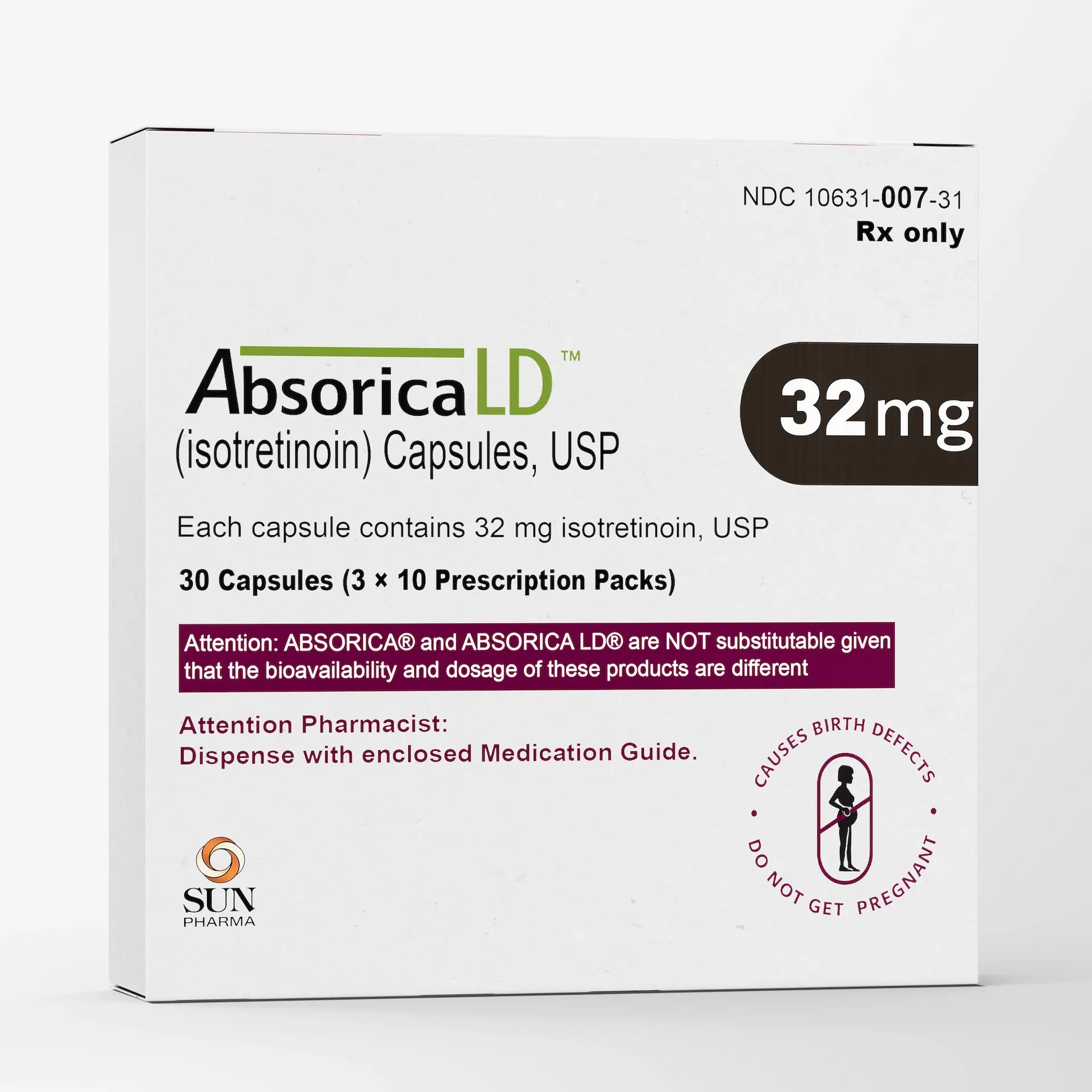
Absorica (isotretinoin) is a branded-generic formulation designed for enhanced bioavailability, meaning it's absorbed more consistently by the body regardless of whether it's taken with food. Standard generic isotretinoin requires a high-fat meal for optimal absorption, which can be inconvenient and cause variability in how much medication is actually absorbed. Absorica eliminates this variable. For patients who struggle to consistently take medication with high-fat meals, or for those whose providers prefer more predictable dosing, Absorica may be a better fit.
Yes. Honeydew providers prescribe generic isotretinoin online — including Absorica, Claravis, Myorisan, and other equivalents — depending on your insurance coverage and pharmacy availability. The specific brand you receive may vary by pharmacy stock and insurer formulary, but all are clinically equivalent. Eligible patients may receive brand-name Absorica or another equivalent generic version. Your care team will coordinate with your pharmacy to ensure you receive the right formulation at the lowest available price.
The original brand-name Accutane was discontinued and is no longer manufactured. What's prescribed today is generic isotretinoin or a branded-generic equivalent — including Absorica, Claravis, Myorisan, Amnesteem, Zenatane, and Sotret. All contain isotretinoin as the active ingredient and are FDA-approved as clinically equivalent to the original Accutane. The key difference among them is formulation: Absorica uses a lipid-based delivery system that improves absorption, meaning it doesn't need to be taken with a high-fat meal the way standard generics do. Your Honeydew provider will determine which formulation is most appropriate based on your needs and coverage. Read more on our blog.
The total cost of a standard Accutane course (typically 6 to 12 months) depends on your dosage, insurance coverage, and where you receive care. Through traditional in-person dermatology, a full course can cost between $2,000 and $6,000 when you include monthly office visits, lab work, and medication. Through Honeydew, an Accutane care membership starts at $50/month (billed annually), medication is capped at $50/box cash or covered by insurance, and lab coordination is included. For most patients, a complete course through Honeydew costs a fraction of what in-person care would, with no sacrifice in clinical quality or monitoring standards.
There are several ways to reduce the cost of Accutane treatment. If you have insurance, prior authorization approval can reduce your medication cost to a co-pay or even $0 for eligible patients — Honeydew handles the PA process for you. Without insurance, GoodRx and similar pharmacy discount cards can bring the cost of generic isotretinoin down to $50–$100/month at major pharmacies. Honeydew's cash price cap of $50/box and flat-rate membership starting at $50/month for Accutane care eliminate the dermatologist visit fees, lab coordination costs, and iPledge management fees that typically add $200–$400/month to traditional Accutane treatment. Membership costs are also HSA/FSA eligible.
Several FDA-approved generic versions of isotretinoin are available in the U.S., including Absorica, Claravis, Myorisan, Amnesteem, Zenatane, and Sotret. All contain the same active ingredient (isotretinoin) and are clinically equivalent. Sotret and other standard generics tend to be the most affordable, often available for $50–$100/month with a discount card. Absorica is a branded generic with an enhanced-absorption formulation that can be taken without food, but typically costs more. Your Honeydew provider will prescribe the most effective formulation for your needs, and our team will help identify the lowest-cost option available at your pharmacy.
Most major insurance plans cover generic isotretinoin, though coverage varies. Many insurers require prior authorization before approving the prescription, meaning your provider must document that other treatments have been tried and failed first.
At Honeydew, our care team handles prior authorizations on your behalf, including gathering clinical documentation and following up with your insurer. We'll also help you identify the lowest-cost covered generic version available under your plan. Eligible commercially insured patients can pay as little as $0 per box.
Without insurance, generic isotretinoin typically costs between $65 and $200 per month depending on the dose and pharmacy. Brand-name equivalents like Absorica can run significantly higher.
At Honeydew, we cap the cash price at $50 per box of isotretinoin — often lower than what uninsured patients pay at retail pharmacies — and our membership fee for Accutane care starts at $50/month. That means most Honeydew patients pay less for Accutane out-of-pocket than they would through a traditional dermatology office, even before insurance is factored in.
.webp)
Monthly check-ins help your provider monitor side effects, tolerance, and overall progress throughout treatment.

We guide you through every iPLEDGE step, including timing windows, confirmations, testing, and monthly requirements.
.webp)
If needed, your provider may request baseline or follow-up labs to ensure treatment stays safe and effective.
.webp)
Patients who can become pregnant complete required monthly pregnancy testing and iPLEDGE steps, with support at every stage.
.webp)
Mood changes are rare but taken seriously. Your provider checks in regularly and adjusts care if needed.


Accutane cumulative dose is the total amount of isotretinoin you take over your entire treatment, measured in mg/kg of body weight. Research shows reaching 150-220 mg/kg provides the best long-term results. Learn how to calculate your cumulative dose and track your progress.
Read More

Accutane costs $200-$500+ per month through traditional dermatology. Honeydew Accutane pricing starts at just $25/month for care plus $30-50/box for medication. Learn how much Accutane costs and how to get affordable treatment online.
Read More

The Accutane purge typically lasts 2-6 weeks, with most patients seeing improvement by month 2. Learn what causes purging, who experiences it, and proven strategies to minimize breakouts during isotretinoin treatment.
Read More
From topicals to oral medications, your provider prescribes what’s right for your skin.