Dermatologist-guided care,
personalized to your skin.

GET STARTED

Acne treatment comparison

Accutane vs doxycycline

Doxycycline is usually a short-term way to calm moderate inflammatory acne while topical treatment takes over. Accutane—commonly used to mean isotretinoin—can follow a standard 6–12 month path or a longer low-dose path. We offer both, including low-dose treatment for persistent mild-to-moderate acne.

Get Treatment

A licensed provider decides what is safe and appropriate after reviewing your health history.

The short answer

Doxycycline is a time-limited inflammation bridge. Isotretinoin addresses more acne drivers and may offer longer-lasting reduction: standard dose is shorter and faster, while low dose or “microdose” uses lower daily exposure over 18–24+ months.

At a glance

Short-term inflammation control or a broader reset

Highlight the tradeoff you care about. This tool organizes information; it does not choose a medication or replace a medical evaluation.

Compare by priority

Select what you want to understand first.

Choose a priority to highlight the most relevant treatment profile.

Oral retinoid

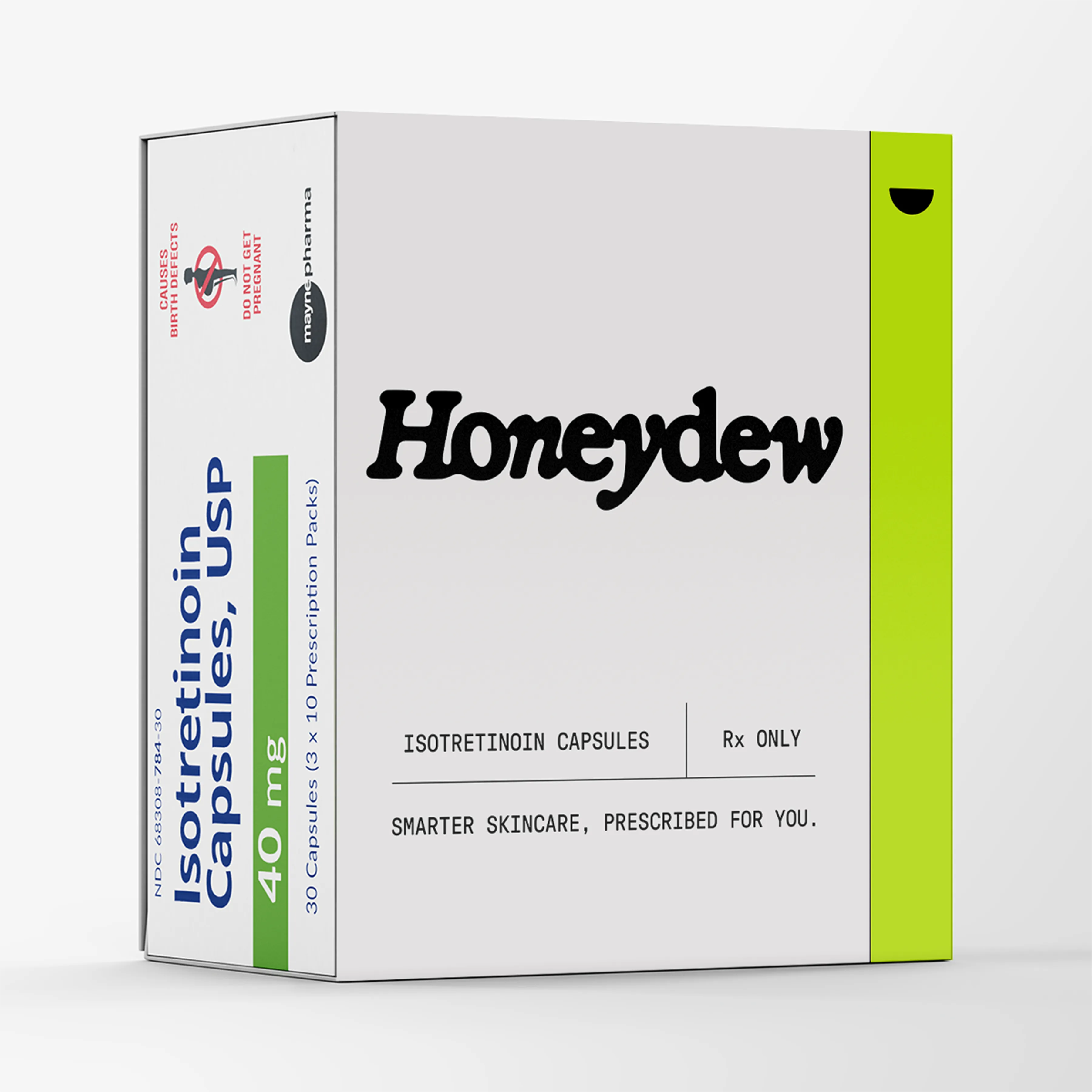
Accutane / isotretinoin

Shrinks oil glands and reduces oil, clogged pores, acne-causing bacteria and inflammation at the same time.

  • Often discussed forPersistent acne from mild to severe, including cystic, scarring or treatment-resistant acne
  • First changesOften 4–8 weeks; low-dose improvement may be slower and an early flare is possible
  • Dose pathsStandard-dose care is usually 6–12 months; low-dose care is usually 18–24+ months
  • Long-term roleA defined course that may produce lasting remission, although relapse and repeat treatment can occur
Tetracycline antibiotic

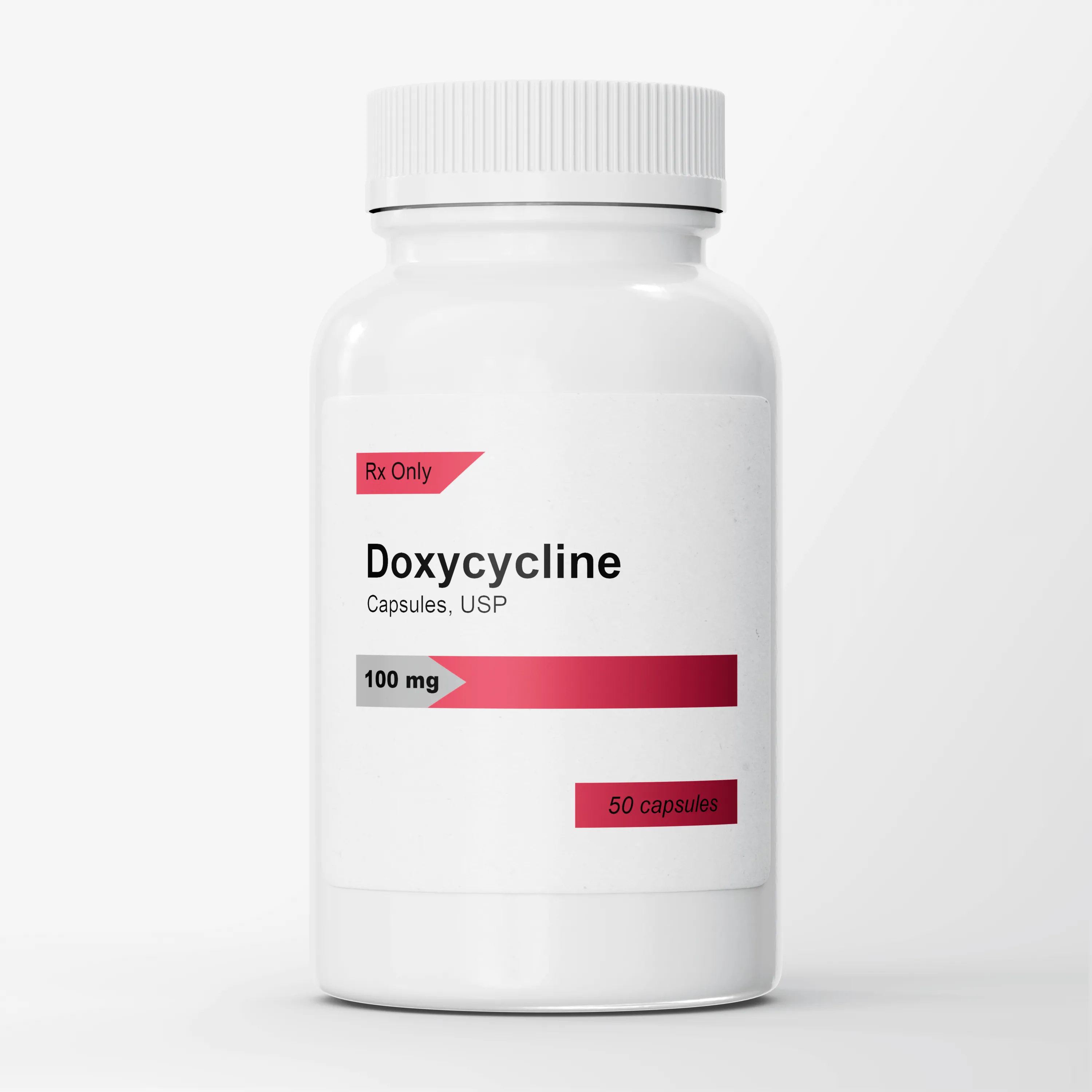
Doxycycline

Reduces acne-associated bacteria and inflammation while a topical routine addresses clogged pores and helps prevent relapse.

  • Often discussed forModerate inflammatory acne with red papules, pustules or tender breakouts
  • First changesOften within 2–6 weeks, with a fuller assessment around 8–12 weeks
  • Usual courseAs brief as possible—commonly about 3–4 months rather than indefinite use
  • Long-term roleA bridge to topical maintenance; acne can return after the antibiotic stops

Best suited for

What each one treats—and where it may not fit

The overlap is real, but the intended role is different. Providers also consider prior treatment, scarring risk, pregnancy potential and medication interactions.

Accutane may fit when…

It may treat

  • Persistent mild-to-moderate acne where a clinician believes a low-dose path may fit
  • Deep cysts, nodules or widespread acne
  • Active scarring or a high risk of permanent scars
  • Acne that returned after antibiotics or did not improve with a complete standard regimen
  • Mixed acne involving excess oil, clogged pores and inflammation

It may not fit when

  • Pregnancy is planned or iPLEDGE requirements cannot be followed
  • iPLEDGE steps, follow-up, lab work and side-effect management are not workable
  • A medical condition, medication or abnormal lab result makes it unsafe
  • A clinician determines another option better matches the acne pattern, goals or health history

Doxycycline may fit when…

It may treat

  • Moderate acne dominated by red, inflamed papules and pustules
  • Breakouts on the face, chest or back that need systemic inflammation control
  • A flare that needs a short oral bridge while topical therapy starts working
  • Acne without the severity or prior-treatment history that usually prompts isotretinoin

It may not fit when

  • Acne is predominantly comedonal; antibiotics do not directly unclog pores
  • Deep nodules, rapid scarring or repeated antibiotic relapse call for a different strategy
  • Long-term use would be needed; resistance risk makes antibiotics poor indefinite maintenance
  • Pregnancy, age or an interacting medication makes a tetracycline inappropriate

Your Accutane dose

Standard dose and microdose are two versions of the same treatment

“Low dose” and “microdose” are informal descriptions for lower daily isotretinoin dosing—not separate medications. Your provider can help you weigh speed, side-effect tolerance and acne severity when choosing a path.

Low dose / microdose

Lower daily exposure, longer timeline

  • Often considered forPersistent mild-to-moderate acne that has not responded well enough to other treatment
  • Typical timelineUsually 18–24+ months, with improvement that may build more gradually
  • Side-effect tradeoffDryness and other dose-related effects may be milder, but low dose is not risk-free
  • Cash medicationOur current price is $30 per box, or as low as $0 with eligible insurance
Standard dose

Faster improvement, shorter timeline

  • Often considered forModerate-to-severe, cystic, scarring or treatment-resistant acne
  • Typical timelineUsually 6–12 months, with improvement often beginning within 4–8 weeks
  • Side-effect tradeoffFaster clearance, with dose-related dryness and other side effects more common
  • Cash medicationOur current price is $50 per box, or as low as $0 with eligible insurance
Low-dose isotretinoin is an off-label dosing regimen. Every dose still requires safety oversight: standard- and low-dose patients enroll in iPLEDGE, follow pregnancy-prevention requirements when applicable and complete provider-directed follow-up and monitoring.

Side effects and safety

Both need sun care. Only one needs iPLEDGE.

Isotretinoin carries a much heavier pregnancy-prevention and monitoring program at every dose. Low-dose treatment may reduce dose-related side effects for some people; doxycycline has fewer routine monitoring steps, but antibiotic stewardship and correct dosing habits matter.

Accutane / isotretinoin

Common effects

  • Very dry lips, skin, eyes or nose
  • Sun sensitivity
  • Muscle or joint aches
  • Possible early acne flare

Important safety considerations

Dryness and other dose-related effects may be milder on a low-dose path, but isotretinoin causes severe birth defects at any dose and requires iPLEDGE. Providers typically monitor pregnancy status when applicable, lipids, liver enzymes, side effects and any concerning mood, vision, headache or gastrointestinal symptoms.

Never combine on your own: Isotretinoin and tetracyclines such as doxycycline are generally not taken together because the combination can increase the risk of intracranial hypertension, a dangerous rise in pressure around the brain.
Doxycycline

Common effects

  • Nausea, stomach upset or diarrhea
  • Sun sensitivity
  • Throat or esophageal irritation
  • Yeast infection in some patients

Important safety considerations

Take with a full glass of water and stay upright afterward as directed. Doxycycline can interact with antacids, iron and other products. Pregnancy and tooth/bone development precautions apply, and the exact formulation instructions matter.

Resistance matters: Acne guidelines recommend limiting oral antibiotic use and pairing it with benzoyl peroxide and other topical treatment—not using doxycycline alone as indefinite maintenance.

Treatment timeline

What happens when the pills stop

Accutane

Qualify

Provider review, iPLEDGE steps when applicable, pregnancy prevention and baseline labs.

Choose a dose path

Standard-dose care commonly runs 6–12 months. Low-dose or microdose care commonly runs 18–24+ months and may improve more gradually.

Observe

Many people stay improved; others use topical maintenance, relapse or discuss another course.

Doxycycline

Pair treatments

Start doxycycline with benzoyl peroxide and a topical retinoid or other provider-directed routine.

Reassess

Look for improvement over 8–12 weeks and keep the antibiotic course as short as possible.

Maintain topically

Stop the antibiotic on plan and continue topical prevention. Recurrence may require a new strategy.

Interactive cost comparison

Separate care, medication and labs

Switch the billing schedule to see your membership fee. Medication and lab charges are shown separately because insurance, dose, pharmacy and clinical needs change the final amount.

Our Accutane membership

Care and monitoring

$50/month equivalent

Billed $299 once per year + $25 each month

Medication: Eligible insured patients may pay as little as $0. Our cash price is $30 per box for low dose and $50 per box for standard dose.

Labs: Separate and not included.

Our basic membership

Doxycycline care

$25/month equivalent

Billed $299 once per year

Medication: Current price examples are about $10–$30 retail or $5–$15 with common discounts.

Labs: Not usually part of routine acne antibiotic care, but any ordered test is separate.

Traditional self-pay example

One clinic’s visit fees

$225–$325

$225 acne visit · $325 isotretinoin visit

Medication: Separate; prices vary by dose, quantity and pharmacy.

Labs: Separate when ordered.

Price snapshot reviewed July 20, 2026. Our membership prices exclude prescription medication, lab work and over-the-counter products. Insurance coverage and pharmacy pricing vary. The $225/$325 figures are one published U.S. clinic’s self-pay fees—not a national average or guarantee. GoodRx examples reviewed the same day included about $58 for 30 isotretinoin 20 mg capsules, about $91 for 60 isotretinoin 30 mg capsules, about $12 for 30 doxycycline 50 mg capsules and about $5 for 14 doxycycline 100 mg capsules. Coupon prices change by pharmacy, location, dose and quantity.

How your care works

One care relationship, whichever path fits

Treatment begins with a provider assessment—not a medication menu. Follow-up changes with the prescription.

1

Evaluate severity

Share photos, health history, prior acne treatments, scarring and the pattern of current breakouts.

2

Build the full plan

Discuss the oral medication and the topical routine that supports it, including what continues afterward.

3

Handle requirements

If isotretinoin is prescribed, coordinate iPLEDGE and labs. If doxycycline is prescribed, plan a limited course.

4

Reassess response

Track improvement, side effects and whether the current strategy should continue, step down or change.

Frequently asked questions

Accutane and doxycycline, answered

Can I get low-dose or microdose Accutane?

Yes. We offer a customizable low-dose path that usually runs 18–24+ months and may suit persistent mild-to-moderate acne, alongside standard-dose care that usually runs 6–12 months. Both use isotretinoin, require a provider’s prescription and follow the same iPLEDGE safety program.

Is Accutane better than doxycycline?

Not for every situation. Isotretinoin targets more acne drivers and can be delivered through either a standard-dose or low-dose path. Doxycycline can be a reasonable short-term option for moderate inflammatory acne while a topical plan takes effect. A provider weighs acne pattern, scarring, prior treatment and safety.

Can doxycycline permanently clear acne?

Doxycycline can calm inflamed breakouts, but it is not designed as permanent maintenance. Acne may return after it stops, which is why guidelines pair it with topical treatment that continues afterward.

Can you take Accutane and doxycycline together?

They are generally avoided together. Isotretinoin plus a tetracycline antibiotic can increase the risk of intracranial hypertension. Tell your prescriber about every medication and supplement and follow their washout and transition instructions.

Which works faster for inflamed acne?

Doxycycline may begin calming inflammation within a few weeks. Standard-dose isotretinoin often begins showing change within 4–8 weeks, while a low-dose or microdose path may be slower. The quickest early response is not automatically the best long-term choice.

Why can’t I stay on doxycycline long term?

Long antibiotic exposure increases the risk of resistant bacteria and other adverse effects. Acne guidelines recommend the shortest effective course, combined with benzoyl peroxide and non-antibiotic topical maintenance.

A clearer next step

Find the treatment strategy that matches your acne

Share what you have tried and talk through severity, timelines, safety steps and maintenance with a dermatology provider.

Get Treatment

Medical disclaimer: This page provides general U.S.-focused education and cost examples, not a diagnosis or personalized treatment recommendation. Do not start, stop, switch or combine prescription medications without a licensed clinician. Seek urgent care for severe symptoms or a medical emergency.