Dermatologist-guided care,
personalized to your skin.

GET STARTED

Acne treatment comparison

Spironolactone vs tretinoin

Spironolactone and tretinoin solve different parts of acne. Oral spironolactone is an off-label systemic treatment for an androgen-sensitive pattern in appropriate female patients. Topical tretinoin is an FDA-approved retinoid that helps prevent clogged pores. A provider may choose either—or pair them when both patterns overlap.

Get Started

A licensed provider reviews your acne pattern, pregnancy plans, health history and skin tolerance before prescribing.

Person considering acne treatmentOne goal. Different paths.
The short answer

Spironolactone may be the more targeted oral option for recurring cyclical, lower-face acne. Tretinoin is a topical foundation for blackheads, whiteheads and long-term pore maintenance. They are often complements, not interchangeable treatments.

At a glance

Quiet the hormonal signal or keep pores turning over

Choose a priority to see which role moves forward. The selector cannot diagnose hormonal acne or determine prescription safety.

Compare by priority

Select what you want to understand first.

Choose a priority to highlight the most relevant treatment profile.

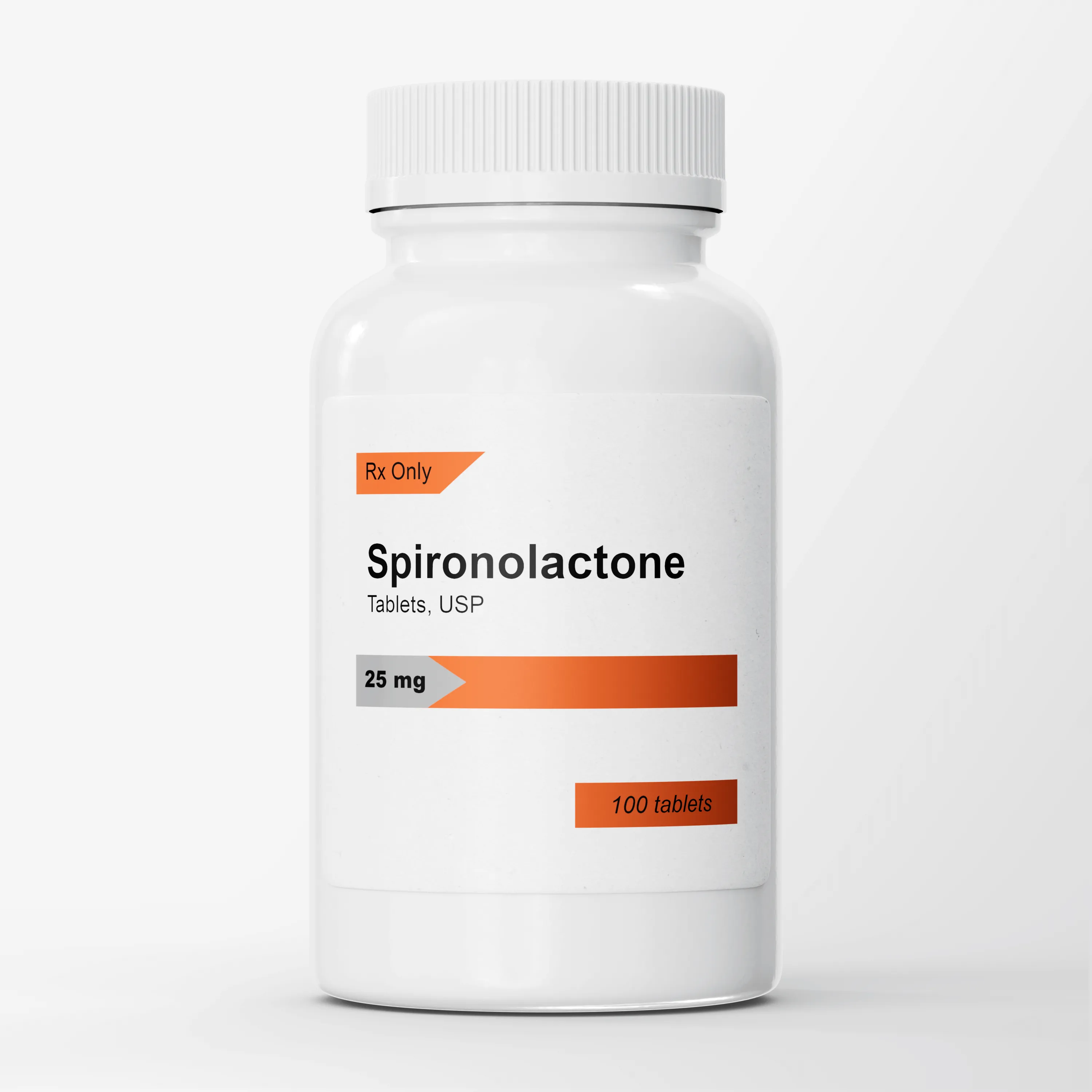
Spironolactone treatmentOral hormonal therapy

Spironolactone

Blocks androgen effects that can increase oil production. Acne use is common but off-label; candidacy depends on sex, pregnancy plans, health history and interacting medicines.

  • Often discussed forCyclical chin, jawline or lower-face acne in appropriate female patients
  • Where it worksSystemically, so it can support facial, chest and back acne with a hormonal pattern
  • TimelineOften assessed over 8–12 weeks, with greater benefit possible by 3–6 months
  • Ongoing roleMay continue while effective, tolerated and medically appropriate
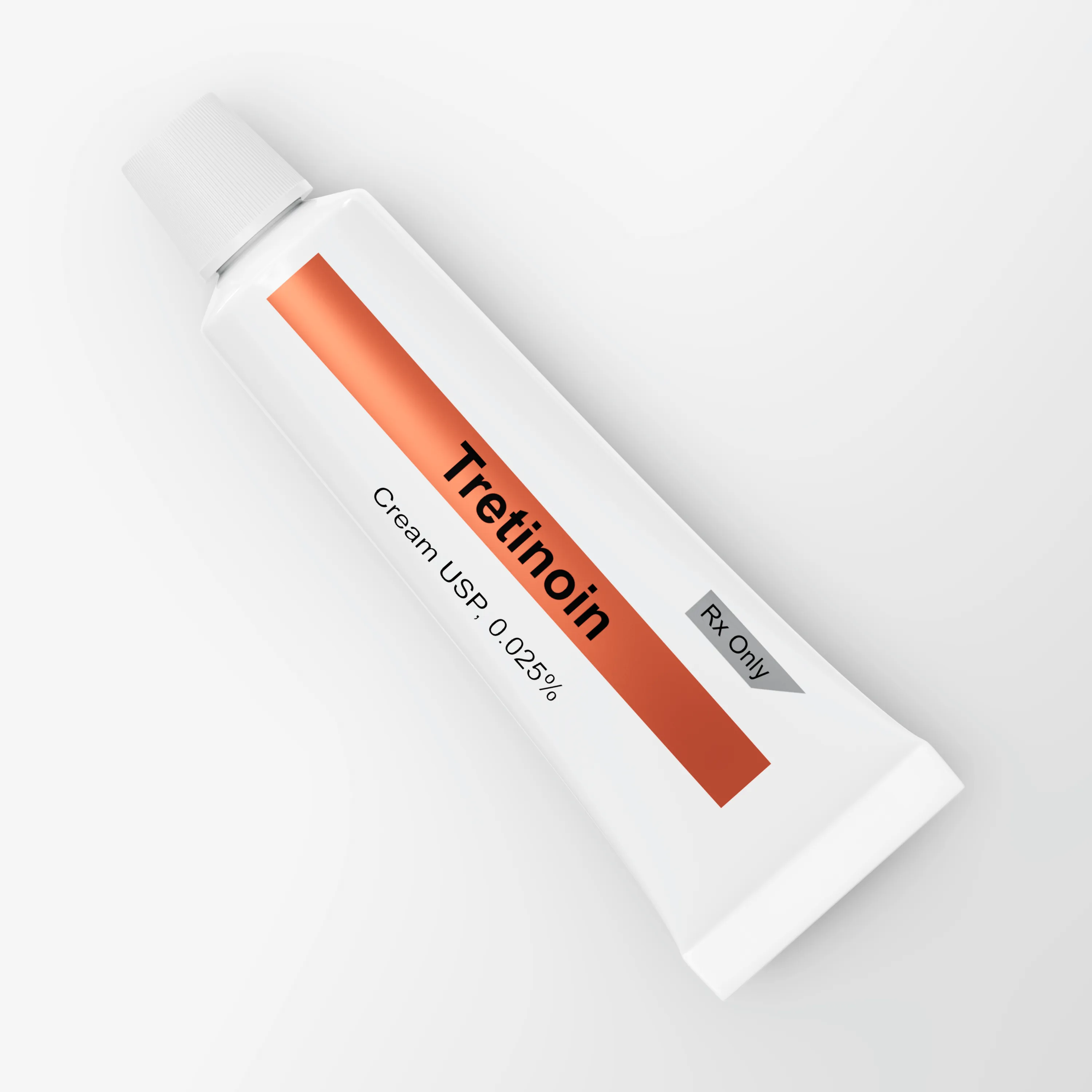
Tretinoin treatmentTopical retinoid

Tretinoin

Changes follicular cell turnover and reduces microcomedone formation. It treats the areas where it is applied and can become the long-term topical backbone of a regimen.

  • Often discussed forBlackheads, whiteheads, acne-prone pores and mixed mild-to-moderate acne
  • Where it worksOn consistently treated skin; it does not directly change systemic androgen signaling
  • TimelineEarly irritation or a temporary flare can occur; definite benefit may take 6–12 weeks
  • Ongoing roleOften continued for prevention and maintenance after active acne improves

Best suited for

Match the medicine to the layer of acne it can reach

Location alone cannot prove acne is hormonal. A provider also considers timing, lesion type, prior response, other symptoms, current products and medical history.

Spironolactone may fit when…

  • Deep or tender breakouts that recur around the menstrual cycle
  • Persistent acne concentrated on the chin, jawline or lower face
  • Hormonal acne affecting more area than a topical alone can conveniently cover
  • Acne that improved only partly with consistent pore-focused topical care

It may not fit when

  • Pregnancy is current, planned or possible without a provider-approved prevention plan
  • Kidney disease, high potassium, low blood pressure or an interacting medicine raises risk
  • The main concern is a small number of blackheads or whiteheads without a hormonal pattern
  • Hormonal adverse effects make systemic antiandrogen treatment unsuitable

Tretinoin may fit when…

  • Blackheads, whiteheads and early clogged pores are prominent
  • A long-term topical is needed to prevent new comedones
  • Mixed acne needs another mechanism alongside hormonal treatment
  • Post-breakout uneven tone is part of the long-term treatment conversation

It may not fit when

  • Pregnancy or trying to conceive calls for a different routine
  • Eczema, sunburn or a damaged barrier makes irritation especially likely
  • A systemic hormonal driver remains active despite consistent topical use
  • Rapidly scarring, nodular acne needs discussion of a more intensive plan
Combination does not mean duplication: Spironolactone can reduce an internal oil signal, while tretinoin helps prevent the earliest clogged pore. A provider may use both because those jobs differ—not because more medicine is automatically better.

The two-lever plan

Control new hormonal flares without leaving pore maintenance behind

A good combination plan gives each medicine a clear job and makes the routine sustainable enough to continue.

Lever one · the signal

Spironolactone works upstream of the oil gland

Androgens can stimulate sebaceous glands and contribute to recurring oily, inflamed breakouts. Spironolactone has antiandrogen activity, so providers use it off-label when that pattern fits. The 2023 SAFA trial found a larger patient-reported benefit at 24 weeks than at 12 weeks, supporting expectations in months, not days.

That gradual response explains why stopping every topical on day one can leave a gap. Existing comedones still need time to clear.

Lever two · the pore

Tretinoin keeps working at the follicle

Topical tretinoin decreases follicular-cell cohesiveness, reduces microcomedone formation and helps existing comedones move out. That makes it useful for plugs that can become blackheads, whiteheads or inflamed lesions.

Its limitation matters: topical tretinoin does not directly turn off an internal androgen signal. If acne remains cyclical or deep despite consistent use, a provider may add a hormonal layer.

Evidence boundary: Evidence supports both therapies, but no large randomized trial proves this exact pair is superior for every patient. The rationale comes from distinct mechanisms and guideline support for multimodal care.

Side effects and safety

One needs whole-health review; the other needs barrier discipline

Using both does not create one shared safety checklist. The oral medicine and the topical medicine each keep their own precautions.

Spironolactone

Common effects

  • More frequent urination
  • Dizziness or lower blood pressure
  • Breast tenderness
  • Menstrual changes

Important safety considerations

Spironolactone can raise potassium and worsen low blood pressure or kidney function in higher-risk patients. Share relevant conditions, prescriptions, supplements and potassium salt substitutes. The provider decides whether potassium and kidney tests are appropriate.

Pregnancy: The current label advises avoiding spironolactone in pregnancy because its antiandrogen activity may affect male fetal sex differentiation. Discuss contraception and future pregnancy plans before treatment.
Tretinoin

Common effects

  • Dryness or tightness
  • Redness and peeling
  • Burning or stinging
  • Temporary early worsening in some patients

Important safety considerations

Too much or too-frequent application does not speed results; it increases irritation. Follow the prescribed amount and schedule, review other active products, and protect treated skin from excessive sun, wind and cold.

Pregnancy: Honeydew advises not using tretinoin while pregnant or trying to conceive. Human risk from topical exposure is not defined the same way as oral isotretinoin, but pregnancy plans still require a provider-directed alternative.

Treatment timeline

Build two habits at different speeds

Early dryness does not prove success, and a quiet first month does not prove failure. Scheduled review keeps the timeline in context.

Spironolactone

Review

Discuss cycle pattern, pregnancy plans, health history, blood pressure, medicines and whether labs are needed.

Watch the trend

Track new deep breakouts over 8–12 weeks rather than judging one day. Dose changes belong to the prescriber.

Maintain or adjust

Benefit may continue building through 3–6 months. Continue only while it remains effective and safe.

Tretinoin

Start gently

Apply the prescribed thin layer on the instructed schedule. Moisturizer and daytime sunscreen support tolerance.

Protect the barrier

Dryness, peeling or an early flare can occur. Contact the care team for severe or persistent irritation.

Keep pores clear

Definite benefit may take more than six weeks. Once controlled, a provider may continue it as maintenance.

Interactive cost comparison

One membership can support a layered acne plan

When prescribed, both treatments fall under Honeydew’s basic membership. Switch the billing schedule to see the care fee; medication, any lab work and skin-support products remain separate.

Our basic membership

Spironolactone care

$25/month equivalent

Billed $299 once per year

Medication: Eligible insured patients may pay as little as $0 per bottle. Cash prices vary.

Labs: Separate when clinically indicated.

Our basic membership

Tretinoin care

$25/month equivalent

Billed $299 once per year

Medication: Eligible insured patients may pay as little as $0 per box. Cash prices vary.

Labs: Not routinely required for topical tretinoin.

Medication cash examples

Generic price context

$5–$29

Selected coupon examples—not guaranteed prices

Spironolactone: $5.40 for 30 generic 25 mg tablets.

Tretinoin: $29 for one 20 g tube of generic 0.025% cream.

Price snapshot reviewed August 3, 2026. Honeydew membership excludes medication, lab work and over-the-counter products. Insurance coverage, dose, strength, vehicle, tube size, pharmacy and location change the final amount. The GoodRx examples above were public listed examples reviewed the same day and may change. $0 medication is an eligibility-dependent possibility, not a guarantee.

How your care works

Give every part of the routine one clear job

Honeydew’s care team can help distinguish a hormonal pattern from clogged-pore maintenance and adjust the plan as response and tolerance become visible.

1

Map the pattern

Upload photos and share lesion type, location, cycle timing, current routine, prior prescriptions and health history.

2

Assign the roles

Discuss whether the plan needs systemic hormonal control, topical pore prevention or both mechanisms together.

3

Make it tolerable

Follow provider instructions for oral dosing, topical frequency, moisturizer, sun protection and any monitoring.

4

Review the trend

Use progress photos and messages to report irritation, dizziness, menstrual changes or breakouts that are not improving.

Frequently asked questions

Spironolactone and tretinoin, answered

Is spironolactone better than tretinoin for hormonal acne?

Spironolactone more directly targets androgen signaling, so it may be the better-matched layer for recurring hormonal acne in an appropriate female patient. Tretinoin still helps prevent clogged pores and can remain useful alongside it. “Better” depends on the pattern, safety and the job the medicine needs to do.

Can I use spironolactone and tretinoin together?

A provider may prescribe them together because there is no duplicate mechanism: one is a systemic antiandrogen and the other is a topical retinoid. The provider still needs to review pregnancy plans, medications, kidney and potassium risks, skin sensitivity and the rest of the topical routine.

Which works faster for acne?

Tretinoin labeling notes that benefit can begin within weeks but may take more than six weeks to become definite, and early irritation or apparent worsening can occur. Spironolactone is commonly assessed after 8–12 weeks and may show more benefit by 3–6 months. Individual timelines vary.

Is tretinoin enough for jawline acne?

It may be enough if clogged pores are the main driver and the skin tolerates consistent use. If deep lower-face lesions recur cyclically despite a well-used topical plan, a provider may evaluate a hormonal layer. Jawline location by itself is not a diagnosis.

Can I stop tretinoin once spironolactone starts working?

Do not stop it automatically. Spironolactone can reduce hormonal oil signaling, while tretinoin may continue preventing microcomedones and maintaining clearer pores. A provider can decide whether the topical should continue, become less frequent or change because of irritation.

What if I am pregnant or planning a pregnancy?

Tell the prescriber before starting either medication. Spironolactone should be avoided during pregnancy because of potential antiandrogen effects on a male fetus. Honeydew also advises not using topical tretinoin while pregnant or trying to conceive. A provider can choose a pregnancy-appropriate alternative.

A clearer next step

Treat the signal and the pore on purpose

Start online and ask a dermatology provider whether your breakouts call for hormonal control, topical turnover or a plan that gives both treatments a distinct role.

Get Started

Medical disclaimer: This page provides general U.S.-focused education and cost examples, not a diagnosis, pregnancy plan or personalized treatment recommendation. Do not start, stop, combine or change prescription medications without a licensed clinician. Seek urgent care for severe symptoms or a medical emergency.