Key Takeaways

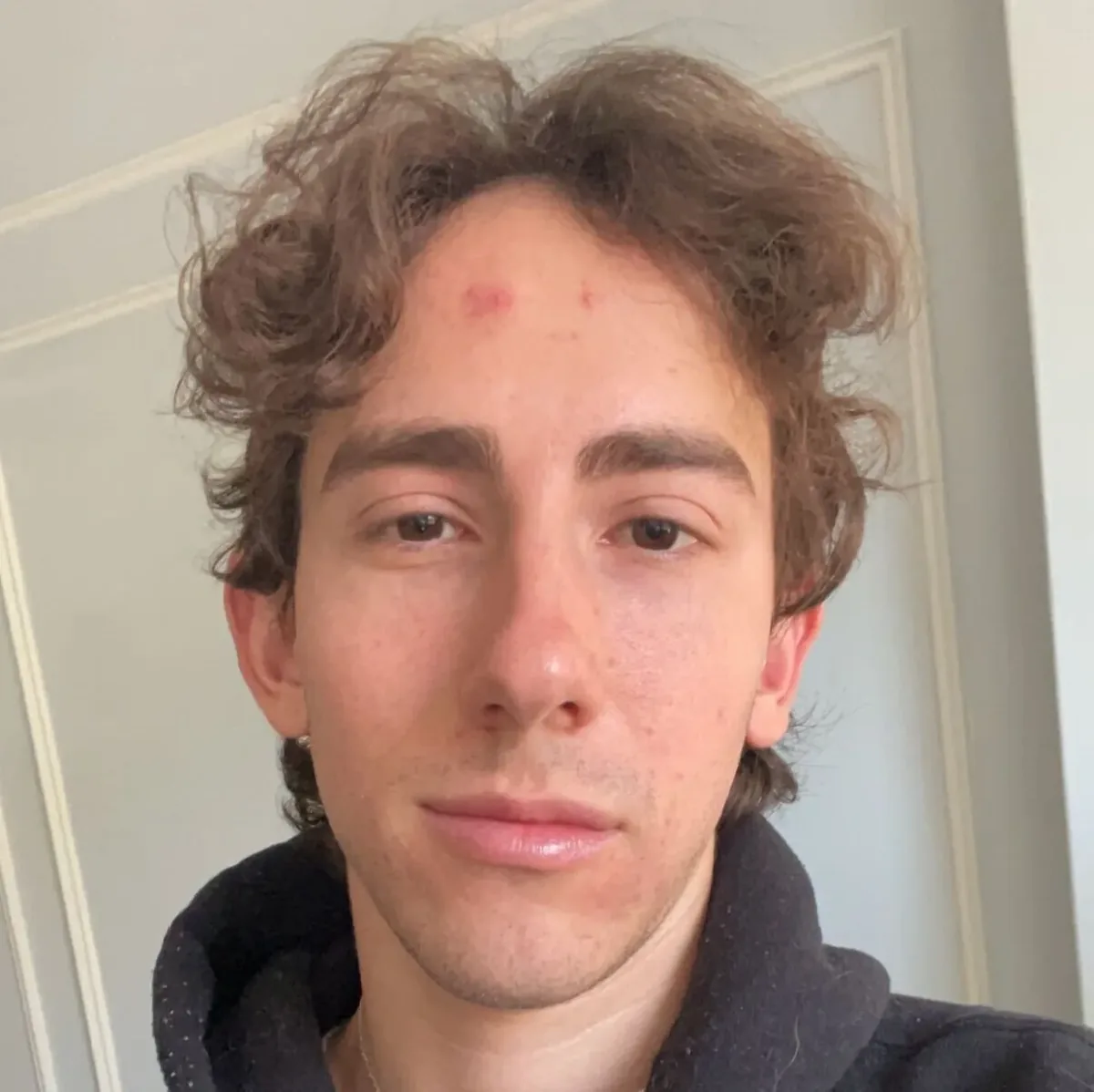
You thought you left acne behind in high school. Maybe you did — and now, years or even decades later, it is back. Or maybe it never really went away. Either way, dealing with breakouts as an adult can feel uniquely frustrating. You are doing everything "right" — washing your face, eating well, buying expensive skincare products — and yet the breakouts keep coming.
You are not alone, and you are not imagining it. Adult acne is extremely common. A large cross-sectional study published in the Journal of the American Academy of Dermatology found that acne affects approximately 54% of adults over the age of 25, with significant prevalence continuing into the 30s and 40s. The mechanisms behind adult breakouts often differ from what caused your teenage acne, which is exactly why the face wash that worked at 16 is not solving the problem at 35.
Understanding what causes adult acne — and why it behaves differently than adolescent acne — is the key to finally getting it under control. This guide covers the science, the triggers, and the treatments that actually work.
Quick Answer: What Causes Adult Acne?
Adult acne is driven by a combination of hormonal fluctuations, stress, genetics, and environmental factors. Here is what you need to know:
- Hormones are the top driver — androgen fluctuations increase oil production and clog pores, especially along the jawline and chin
- Stress plays a major role — cortisol stimulates sebum production and systemic inflammation that fuels breakouts
- It can start at any age — "late-onset" acne appearing for the first time in your 20s or 30s is increasingly common
- It differs from teen acne — adult breakouts tend to be more inflammatory, more hormonal, and concentrated on the lower face
- Over-the-counter products often are not enough — adult acne usually requires prescription treatment for lasting improvement
If you are dealing with persistent breakouts, a dermatologist can identify the underlying cause and create a treatment plan tailored to your skin. Start your consultation with Honeydew.
Do You Have Adult Acne?
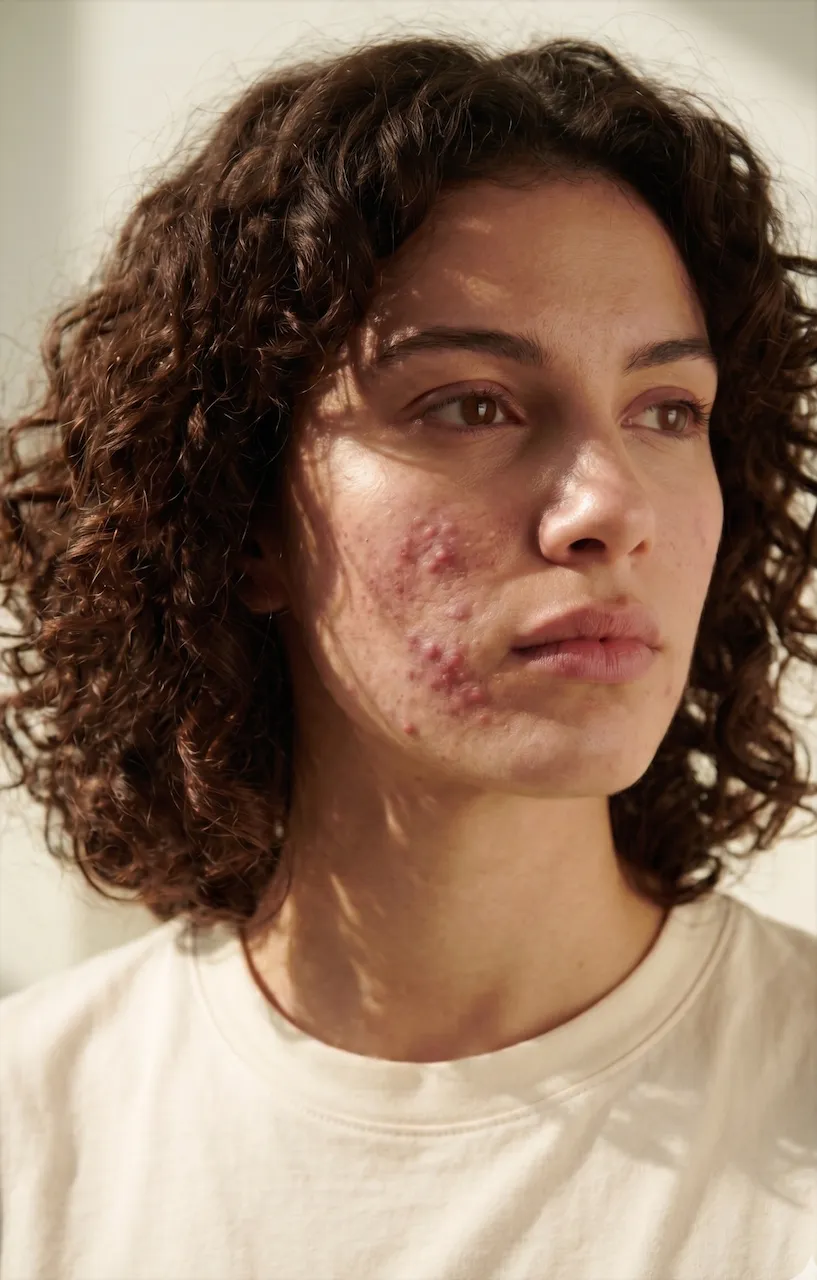
If you are past your teenage years and still dealing with breakouts — or seeing them for the first time — you likely have adult acne. But it helps to understand the specific characteristics, because adult acne does not always look or behave the way teenage acne does.
Dermatologists generally classify adult acne into two categories:
- Persistent acne: Acne that began during adolescence and has continued into adulthood without a significant break. This is the most common form, accounting for about 80% of adult acne cases according to research in The Journal of Clinical and Aesthetic Dermatology.
- Late-onset acne: Acne that appears for the first time after the age of 25, in people who may have had clear skin throughout their teens. This accounts for roughly 20% of adult acne cases and is more common than many people realize.
Both types are real, both are treatable, and both deserve proper clinical attention — not just another trip to the drugstore skincare aisle.
What to expect: If you are questioning whether your breakouts "count" as adult acne, the answer is almost certainly yes. Acne at any age is acne, and it deserves treatment. Whether you have a few persistent pimples along your jawline or full-blown cystic breakouts, a dermatologist can help. You do not need to reach a certain severity threshold before seeking care.
What Causes Adult Acne?
The basic biology of acne is the same at any age: excess oil (sebum), clogged pores, bacterial overgrowth (Cutibacterium acnes), and inflammation. But in adults, the triggers that set this cascade in motion are often different from what drives teenage breakouts. Here are the primary culprits.
Hormonal Fluctuations
Hormones are the single biggest factor behind adult acne. Androgens — particularly testosterone and its more potent derivative, dihydrotestosterone (DHT) — stimulate the sebaceous glands to produce more oil. When androgen levels rise or fluctuate, oil production increases, pores get clogged, and breakouts follow.
In adults, hormonal fluctuations can be triggered by a range of events and life stages:
- Menstrual cycles: Many people who menstruate experience predictable premenstrual flares as estrogen and progesterone drop, leaving androgens with more relative influence on the skin
- Pregnancy and postpartum: Dramatic hormonal shifts during and after pregnancy can trigger or worsen acne
- Perimenopause and menopause: As estrogen declines, androgen levels can become relatively more dominant, driving breakouts in people who may have had clear skin for decades
- Polycystic ovary syndrome (PCOS): This common endocrine condition is associated with elevated androgens and is a frequent underlying cause of persistent adult acne
- Discontinuing hormonal contraception: Stopping hormonal contraceptives can lead to a rebound in androgen activity and subsequent breakouts
A 2014 review in The Journal of Clinical and Aesthetic Dermatology confirmed that androgen excess is the most common endocrine abnormality linked to acne in adult patients. Even when blood hormone levels test within normal ranges, some people's skin has heightened sensitivity to androgens at the receptor level — meaning their oil glands respond more aggressively to the same amount of hormone.
For a deeper dive into hormonal breakouts, our guide to identifying hormonal vs. bacterial acne can help you figure out what is driving your skin.
Chronic Stress
Stress is one of the most significant — and most underestimated — drivers of adult acne. When you are under chronic stress, your body produces elevated levels of cortisol, a hormone that directly stimulates androgen production and increases sebum output. Research published in Clinical, Cosmetic and Investigational Dermatology found that higher self-reported stress correlated significantly with increased sebum production and acne severity.
Adults tend to face chronic, sustained stressors — demanding careers, financial pressures, caregiving responsibilities, sleep deprivation — that keep cortisol elevated over extended periods. This is fundamentally different from the acute stress of a high school exam. Chronic stress creates a persistent hormonal environment that favors breakouts, and it helps explain why so many adults see their skin worsen during particularly demanding stretches of life.
For a comprehensive look at this connection, read our article on how stress causes acne.
Genetics
Your genes play a substantial role in determining whether you develop adult acne and how severe it is. A twin study published in the Journal of Investigative Dermatology found that 81% of the variation in acne severity could be attributed to genetic factors. If your parents or siblings dealt with persistent acne, you are significantly more likely to as well.
Genetics influence multiple factors relevant to acne: the size and activity of your sebaceous glands, how sensitive your skin is to androgens, the strength of your inflammatory response, and how quickly (or slowly) your skin cells turn over. These are not things you can control through skincare alone — which is why prescription treatments are often necessary for adults with a strong genetic predisposition.
Skincare and Product-Related Breakouts
Paradoxically, trying too hard to fix your skin can sometimes make things worse. Adults tend to use more skincare products, anti-aging serums, and makeup than teenagers — and many of these products contain ingredients that can clog pores or irritate acne-prone skin.
Common culprits include:
- Heavy moisturizers and facial oils not formulated for acne-prone skin
- Comedogenic (pore-clogging) sunscreens and primers
- Over-exfoliation that strips the skin barrier and triggers rebound oil production
- Layering too many active ingredients (retinol, vitamin C, AHAs, BHAs) without guidance
This does not mean you should stop taking care of your skin. It means your routine should be streamlined, intentional, and ideally guided by a dermatologist who understands what your skin actually needs.
Diet and Lifestyle
Emerging research suggests that certain dietary patterns can contribute to adult acne. High-glycemic foods — refined sugars, white bread, processed snacks — spike blood sugar and insulin, which in turn stimulate androgen production and sebum output. A 2007 study in the American Journal of Clinical Nutrition found that a low-glycemic diet significantly improved acne severity over 12 weeks compared to a conventional diet.
Some research also points to a potential link between dairy consumption and acne, though the evidence is still evolving. Other lifestyle factors — sleep deprivation, excessive alcohol consumption, and smoking — can also exacerbate breakouts through their effects on inflammation and hormonal balance.
How Adult Acne Differs from Teen Acne
One of the reasons adults struggle to treat their acne is that they approach it the same way they did as teenagers. But adult acne is a different beast. Understanding these differences is critical to choosing the right treatment.
| Feature | Teenage Acne | Adult Acne |
|---|---|---|
| Primary location | T-zone (forehead, nose, chin) | Lower face (jawline, chin, neck) |
| Lesion type | Mix of comedones (blackheads/whiteheads) and papules | More inflammatory — deeper papules, nodules, and cysts |
| Primary driver | Pubertal androgen surge | Hormonal fluctuations, stress, genetics |
| Skin type | Typically oily throughout | Often combination — dry cheeks with oily, breakout-prone lower face |
| Scarring risk | Moderate | Higher — adult skin heals more slowly, and deeper lesions scar more easily |
| OTC response | Often manageable with benzoyl peroxide and salicylic acid | Usually requires prescription treatment for lasting results |
| Emotional impact | Significant | Often even greater — unexpected, socially isolating, professional implications |
A 2013 study in The Journal of Clinical and Aesthetic Dermatology highlighted that adult acne predominantly affects the lower third of the face and is more likely to be inflammatory than comedonal compared to adolescent acne. These differences in location and character directly reflect the hormonal nature of most adult breakouts — the lower face has a higher concentration of androgen-sensitive sebaceous glands.
The practical takeaway: if you are treating your adult acne with the same drugstore face wash and benzoyl peroxide spot treatment that worked when you were 15, you are likely fighting the wrong battle. Adult acne typically requires a different approach.
How to Treat Adult Acne
Effective treatment for adult acne targets the underlying causes — not just the surface symptoms. For most adults, this means prescription-strength options guided by a dermatologist. Here are the treatments with the strongest clinical evidence.
Topical Retinoids (Tretinoin)
Tretinoin is the gold standard topical treatment for acne at any age. It works by accelerating skin cell turnover, preventing dead cells from clogging pores, and reducing inflammation. For adults, it carries the additional benefit of improving skin texture and addressing fine lines — making it a dual-purpose treatment.
The American Academy of Dermatology guidelines recommend topical retinoids as a first-line treatment for most forms of acne. Start with a lower concentration (0.025%) and gradually increase as your skin tolerates it. Expect some dryness and peeling during the first few weeks — this is normal and typically resolves as your skin adjusts.
Spironolactone
For adult acne with a clear hormonal pattern — breakouts along the jawline and chin, cyclical flares, excess oiliness — spironolactone is often a game-changer. It works by blocking androgen receptors in the skin, directly reducing the hormonal stimulation that drives oil production and breakouts.
A 2019 systematic review in the Journal of the American Academy of Dermatology confirmed that spironolactone significantly reduces acne lesion counts, with most patients seeing meaningful improvement at doses of 50 to 200 mg daily. It typically takes 2 to 3 months to see initial results, with full improvement at 3 to 6 months.
Learn more in our guide to spironolactone timelines.
Accutane (Isotretinoin)
For persistent adult acne that has not responded adequately to other treatments, Accutane (isotretinoin) is often the most effective option. It works by dramatically shrinking the sebaceous glands and reducing oil production by up to 80%, fundamentally changing the conditions that allow acne to develop.
A common misconception is that Accutane is only for severe teenage acne. In reality, it is an effective treatment for any form of persistent acne — including adult acne — that has not responded to other approaches. A study published in JAMA Dermatology reported that 97.4% of patients treated with isotretinoin showed improvement at 12 months, with approximately 70% achieving long-term remission.
A typical course lasts 4 to 6 months, and the results are often lasting. If you are curious about whether Accutane might be right for you, our Accutane dosing calculator can give you a sense of what treatment might look like.
Oral Antibiotics (Short-Term)
Antibiotics like doxycycline can provide rapid improvement in inflammatory acne by reducing bacterial load and inflammation. However, they are best used as a short-term bridge — typically 3 to 4 months — while longer-acting treatments like retinoids or spironolactone take effect. They do not address the hormonal root causes of adult acne and should not be used as a standalone long-term solution.
Topical Combination Therapy
Many dermatologists prescribe a combination of topical treatments — such as a retinoid paired with benzoyl peroxide or a topical antibiotic like clindamycin — to address multiple acne pathways simultaneously. This approach can be particularly effective for adults with mild-to-moderate acne that does not warrant oral medications.
Adult Acne Treatment Comparison
| Treatment | Best For | Time to Results | Key Consideration |
|---|---|---|---|
| Tretinoin | All acne types; anti-aging benefits | 8-12 weeks | Requires sun protection; expect initial adjustment period |
| Spironolactone | Hormonal acne (jawline, cyclical) | 2-6 months | Not safe during pregnancy; addresses root hormonal cause |
| Accutane (isotretinoin) | Persistent acne not responding to other Rx | 4-6 months | Highest long-term remission rate; requires monitoring |
| Doxycycline | Short-term inflammatory control | 2-4 weeks | Bridge therapy only; not a long-term solution |
| Topical combination | Mild-to-moderate adult acne | 6-12 weeks | Multiple active ingredients targeting different pathways |
What to expect: Adult acne treatment is not one-size-fits-all. Your dermatologist will consider the type and severity of your acne, your hormonal profile, your skin sensitivity, and your lifestyle before recommending a plan. At Honeydew, our providers often combine treatments — such as spironolactone with tretinoin — to address multiple drivers simultaneously for the best results.
Lifestyle Changes That Support Clearer Skin
Prescription treatments are the foundation of effective adult acne management, but certain lifestyle adjustments can meaningfully support your results. These are not replacements for medical treatment — think of them as complementary strategies that give your skin the best possible environment to heal.
Simplify Your Skincare Routine
More products do not equal better skin. A streamlined, consistent routine is far more effective than a 12-step regimen full of potentially conflicting active ingredients:
- Cleanser: A gentle, non-stripping cleanser twice daily. Avoid harsh scrubs and foaming cleansers that strip your skin barrier.
- Moisturizer: A lightweight, non-comedogenic formula. Yes, even if your skin is oily — dehydrated skin produces more oil to compensate.
- Sunscreen: Broad-spectrum SPF 30+ daily, especially if you are using retinoids or other photosensitizing treatments. Choose a mineral or oil-free formula.
- Prescription actives: Apply as directed by your dermatologist — these are doing the real work.
Manage Your Stress
Since cortisol directly fuels the hormonal cascade that drives adult acne, stress management is not optional — it is part of your treatment plan. Evidence-backed strategies include regular physical activity (shown to significantly reduce anxiety), adequate sleep of 7 to 9 hours per night, mindfulness or meditation practices, and setting boundaries to prevent chronic overwork.
Consider Your Diet
You do not need to follow a restrictive diet, but being mindful of high-glycemic foods and excessive dairy can help. Focus on whole grains, lean proteins, vegetables, healthy fats, and adequate hydration. These changes support stable insulin levels, which in turn help keep androgen-driven oil production in check.
Red flag: Be wary of social media "acne diets," gut health protocols, or supplement stacks that promise to cure your acne naturally. While diet plays a supporting role, most adult acne has a hormonal or genetic component that cannot be resolved through dietary changes alone. Supplements can also interact with prescription medications. Always discuss any major dietary or supplement changes with your dermatologist.
The Emotional Impact of Adult Acne
We want to acknowledge something that does not get discussed enough: dealing with acne as an adult takes a real psychological toll. When you expected to have "grown out of" breakouts, dealing with them in your 30s, 40s, or beyond can feel embarrassing, isolating, and deeply frustrating.
The research confirms what many of our patients already know. A 2018 study in the British Journal of Dermatology found that people with acne had a 63% increased risk of developing depression. Adult acne can affect professional confidence, social interactions, and intimate relationships in ways that teenage acne may not, precisely because it is so unexpected and often feels like something you should have "outgrown."
If your skin is affecting your quality of life, that is more than enough reason to seek treatment. This is not about vanity — it is about your mental health and well-being. And effective treatment exists.
When Does Adult Acne Stop?
This is one of the most common questions we hear, and the honest answer is: it depends. For some people, adult acne gradually improves with age as hormonal fluctuations stabilize. For others, it can persist through their 40s, 50s, and even beyond — particularly if there is a strong hormonal or genetic component.
A large epidemiological study found the following prevalence of clinical acne by age group:
| Age Group | Approximate Prevalence of Acne |
|---|---|
| 20s | ~50% |
| 30s | ~35% |
| 40s | ~26% |
| 50+ | ~15% |
The takeaway: while prevalence does decline with age, acne does not simply vanish on a predictable timeline. Waiting for it to "go away on its own" means living with breakouts — and the scarring and emotional distress they cause — unnecessarily. Effective treatment is available now, and the sooner you start, the less long-term damage your skin sustains.
How Honeydew Can Help with Adult Acne
At Honeydew, we specialize in treating persistent acne — and adult acne is one of the most common concerns our patients bring to us. We understand that adult breakouts have different drivers, different treatment needs, and a different emotional weight than teenage acne. Here is what we offer:
- Board-certified dermatologists: Our team includes board-certified dermatologists, nurse practitioners, and physician assistants who can accurately diagnose what is driving your breakouts and build a targeted treatment plan
- Same-day or next-day appointments: No waiting weeks for a dermatology visit — get expert care when you need it
- Personalized treatment plans: Whether you need spironolactone, tretinoin, Accutane, or a combination approach, we tailor your plan to your specific skin
- Over 100,000 acne cases treated: We have deep expertise in exactly what you are dealing with, and over 90% of our patients see results
- Convenient virtual care: Consultations from the comfort of your home — no waiting rooms, no commute
- Affordable pricing: With an annual plan, our memberships start at $25/month, and Accutane care starts at $50/month
You do not have to keep guessing with over-the-counter products or accept breakouts as a permanent part of adulthood. We are here to help you build a plan that actually works.
The Bottom Line
Adult acne is not a failure of hygiene, willpower, or skincare knowledge. It is a medical condition driven by hormones, genetics, and stress — factors largely outside your conscious control. The sooner you understand this, the sooner you can stop blaming yourself and start pursuing treatments that actually address the root causes.
Whether your breakouts have persisted since your teenage years or appeared out of nowhere in your 30s, effective treatment is available. You do not have to accept acne as a permanent feature of adulthood, and you do not have to figure it out alone. A dermatologist can help you identify what is driving your breakouts and build a personalized plan to clear your skin — for good.
.webp)

Medically Reviewed by
Joel Spitz, MD
Co-Founder & Chief Medical Officer, Board Certified Dermatologist