Key Takeaways

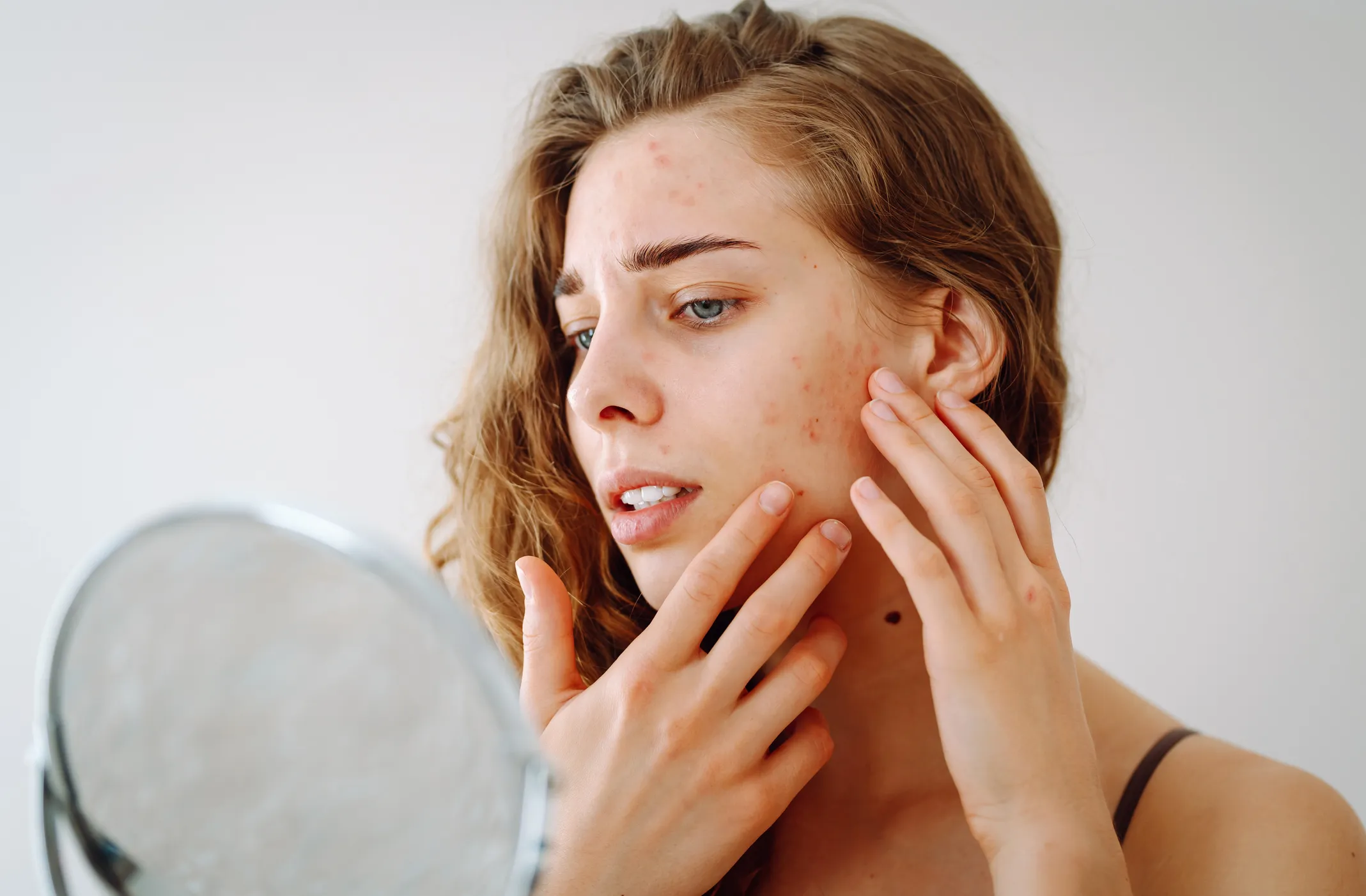
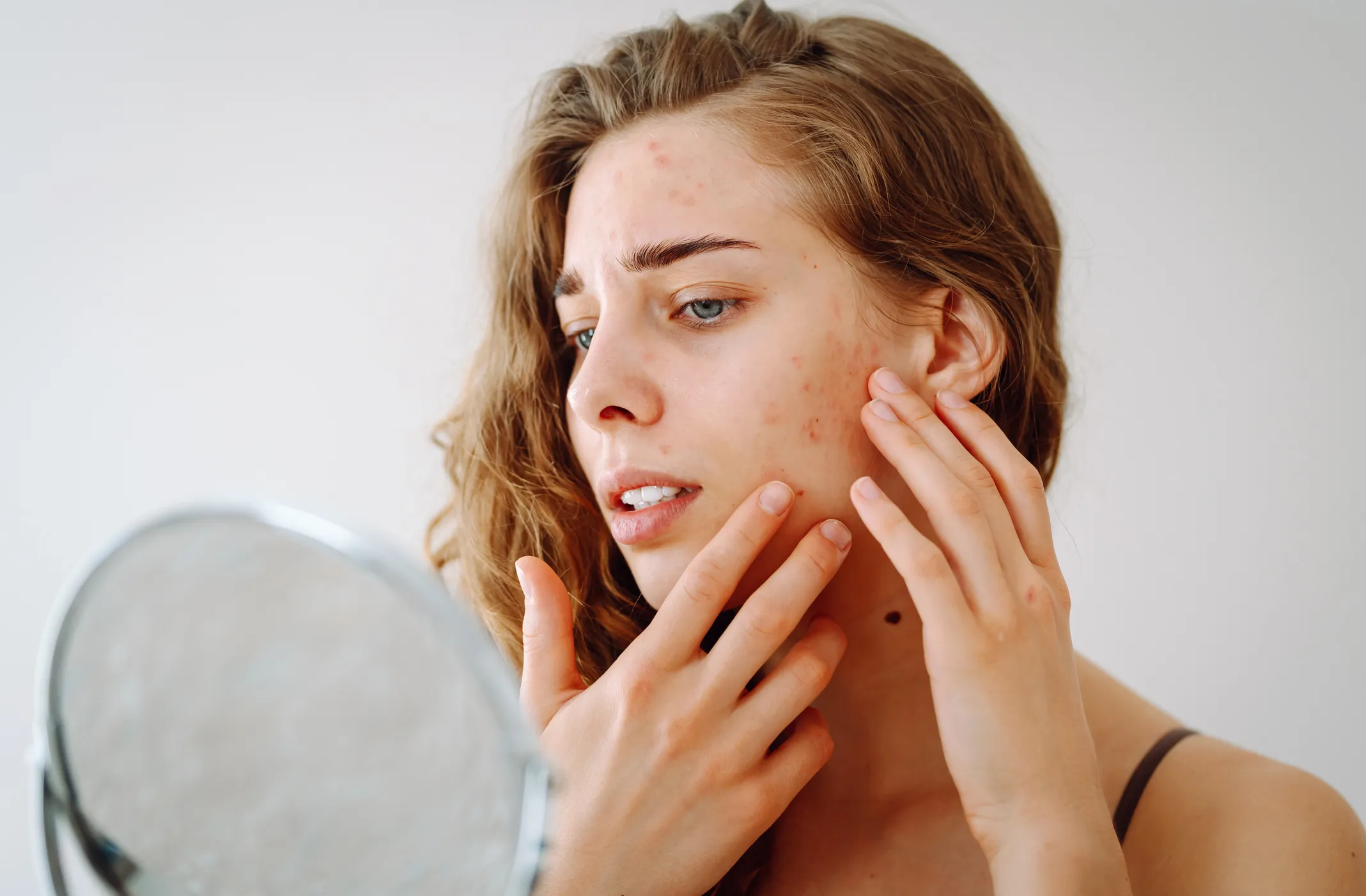
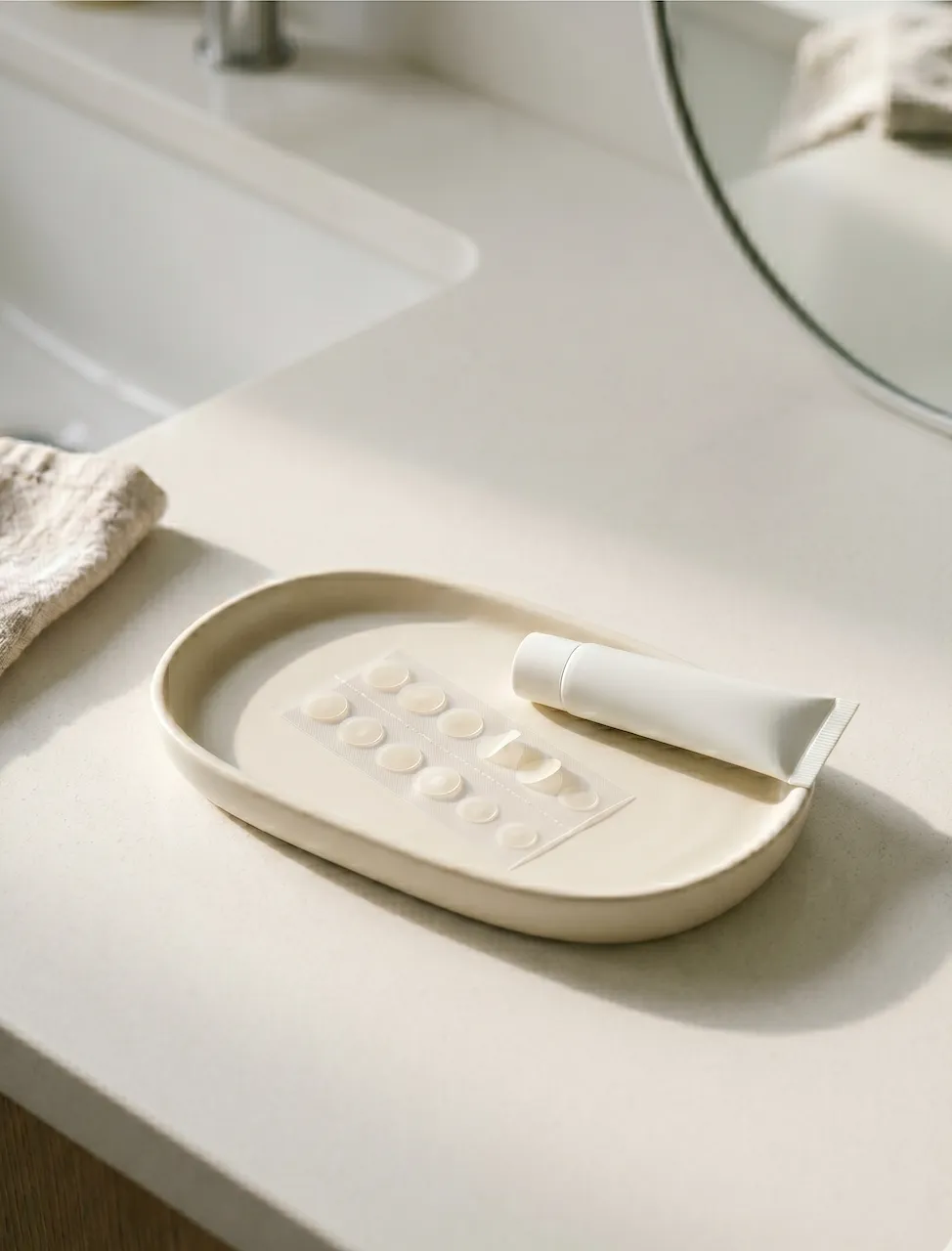
If you have spent any time in a drugstore skincare aisle recently, you have probably noticed the explosion of pimple patches. These small, translucent stickers promise to shrink breakouts overnight while you sleep. They look almost too simple to be effective, which raises a fair question: do acne patches actually work, or are they just another skincare trend that overpromises and underdelivers?
The short answer is yes, they do work — but with important caveats. Pimple patches are genuinely effective for specific types of breakouts, backed by real wound-healing science. They are not, however, an acne treatment in the way that prescription medications are. Understanding the difference between what patches can and cannot do will help you use them effectively and know when you need to step up to something stronger.
This guide will walk you through the science behind how acne patches work, the different types available, how to use them for the best results, and where they fit into a broader acne treatment strategy.
Quick Answer: Do Acne Patches Work?
Yes, but for specific situations. Hydrocolloid pimple patches are most effective for:
- Surface-level pimples with a visible head (whiteheads, pustules) — patches absorb fluid and flatten them in 6-12 hours
- Pimples you have already popped — patches protect the wound, prevent infection, and speed healing
- Preventing picking — the physical barrier stops your hands from making things worse
They are less effective for: Deep cystic acne, blackheads, or widespread breakouts. For persistent or recurring acne, prescription treatments from a dermatologist address the root causes that patches cannot reach.
How Do Acne Patches Work? The Science of Hydrocolloid
Most pimple patches are made from hydrocolloid — a material that has been used in medical wound care since the 1980s. This is not some novel beauty invention. Hydrocolloid dressings were originally developed to help heal chronic wounds, surgical sites, and burns. Their application in acne treatment is a more recent adaptation, but the underlying science is well-established.
Hydrocolloid is a gel-forming material that contains substances like carboxymethylcellulose, pectin, or gelatin embedded in an adhesive matrix. When the patch is placed over a pimple, it works through several mechanisms simultaneously:
1. Absorbing Fluid and Exudate
Hydrocolloid material absorbs moisture from the pimple — drawing out pus, oil, and wound fluid into the patch itself. This is why you will often notice that a patch turns white or opaque after several hours of wear. That visible change means it is absorbing the contents of the breakout. A study published in the Journal of Cosmetic Dermatology found that hydrocolloid dressings significantly reduced the size and inflammation of acne lesions compared to leaving them untreated.
2. Creating a Moist Healing Environment
This is one of the most important — and counterintuitive — principles at play. For decades, the conventional wisdom was that wounds heal best when kept dry and exposed to air. Research has decisively overturned that idea. A landmark study by Dr. George Winter, published in Nature in 1962, demonstrated that wounds kept in a moist environment healed up to 50% faster than those left to dry. The moist environment allows skin cells to migrate more easily across the wound surface, accelerating repair.
Hydrocolloid patches create this optimal moist environment over the pimple. The patch traps just enough moisture to promote healing while still absorbing excess fluid — a balance that dry-it-out approaches like toothpaste or pure alcohol simply cannot achieve.
3. Protecting From Bacteria and External Irritants
The patch forms an occlusive barrier that physically seals off the pimple from the outside environment. This prevents new bacteria from entering the area, blocks dirt and debris from contaminating the breakout, and reduces friction from pillowcases, clothing, or face masks. Research on hydrocolloid wound dressings in the Journal of Wound Care has confirmed that this barrier function significantly reduces the risk of secondary infection.
4. Preventing Picking and Touching
This might be the most underrated benefit of pimple patches, and it is not a minor one. Picking at acne is one of the most common causes of scarring, hyperpigmentation, and prolonged healing. A review in Dermatologic Surgery found that manual manipulation of acne lesions without proper technique consistently leads to greater tissue damage and worse cosmetic outcomes. A patch creates a physical barrier between your fingers and the pimple — and for many people, that is the single biggest benefit.
What to expect: After wearing a hydrocolloid patch for 6-12 hours (overnight is ideal), you should notice the pimple is visibly flatter and less red. The patch itself may have turned white, which means it has absorbed fluid from the breakout. Surface-level pimples with a visible head often show the most dramatic improvement. Deeper breakouts will improve less noticeably, but the patch still helps by preventing irritation and protecting the area.
Types of Pimple Patches: Basic vs. Medicated
Not all pimple patches are the same. There are two main categories, and understanding the difference will help you choose the right one for your breakout.
Basic Hydrocolloid Patches
These are the original, no-frills version. A basic hydrocolloid patch is simply a small disc of hydrocolloid material with an adhesive backing. It contains no active ingredients — the patch itself is the treatment. It works purely through the absorption and barrier mechanisms described above.
Best for:
- Pimples that have come to a head (whiteheads, pustules)
- Post-pop wound protection — if you have already squeezed a pimple, a hydrocolloid patch helps it heal cleanly
- People with sensitive skin who may react to active ingredients
- Overnight use when you want to absorb fluid while you sleep
Pros: Simple, affordable (often under $10 for a pack), minimal risk of irritation, well-supported by wound care research.
Cons: No active acne-fighting ingredients. They manage existing breakouts but do nothing to treat the underlying causes of acne.
Medicated Patches (Active Ingredient Patches)
Medicated pimple patches add active acne-fighting ingredients to the hydrocolloid base. These are designed to do double duty — absorb fluid while simultaneously delivering treatment to the breakout. Common active ingredients include:
- Salicylic acid: A beta hydroxy acid that penetrates into the pore to dissolve the mix of oil and dead skin cells causing the blockage. Particularly effective for comedonal acne
- Niacinamide: A form of vitamin B3 that reduces inflammation and helps regulate oil production. Research in the International Journal of Dermatology showed that 4% topical niacinamide significantly reduced acne severity over an 8-week period
- Tea tree oil: Has natural antimicrobial properties. A study in the Medical Journal of Australia found that 5% tea tree oil was comparable to 5% benzoyl peroxide for reducing acne lesions, though it worked more slowly
- Benzoyl peroxide: Less common in patches but available in some formulations. Kills C. acnes bacteria on contact
Best for:
- Early-stage pimples that have not yet come to a head — the active ingredients can help bring them to the surface faster
- Inflammatory breakouts where you want both absorption and active treatment
- People who want a convenient way to spot-treat without applying separate products
Pros: Combines the benefits of hydrocolloid with targeted acne ingredients. More versatile than basic patches.
Cons: More expensive. Active ingredients can cause irritation in some people — particularly salicylic acid on already-inflamed skin. The concentration of active ingredients in patches is typically lower than what you would get in a dedicated spot treatment.
Microneedle (Dissolving Dart) Patches
A newer category, microneedle patches feature tiny dissolving needles on the patch surface that physically penetrate the outer layer of skin to deliver active ingredients deeper into the breakout. The "needles" are typically made from hyaluronic acid or other dissolving materials and are small enough that application is painless.
Best for: Deeper, under-the-skin pimples that are not accessible to standard hydrocolloid patches.
Pros: Can deliver ingredients below the surface of the skin. May help with early-stage nodular breakouts.
Cons: Most expensive option. Limited clinical research specifically on acne outcomes compared to standard hydrocolloid. Not effective for deep cystic acne that sits far below the dermis.
Patch Type Comparison
| Feature | Basic Hydrocolloid | Medicated | Microneedle |
|---|---|---|---|
| Best pimple type | Whiteheads, pustules | Early-stage, inflammatory | Under-the-skin bumps |
| Active ingredients | None | Salicylic acid, niacinamide, etc. | Varies (hyaluronic acid, salicylic acid) |
| Depth of action | Surface only | Surface + mild penetration | Shallow dermis |
| Irritation risk | Very low | Low to moderate | Low to moderate |
| Price range | $5-10 per pack | $10-20 per pack | $15-30 per pack |
| Clinical evidence | Strong (wound care literature) | Moderate | Limited |
How to Use Pimple Patches for the Best Results
Pimple patches are simple to use, but there are a few steps that make a meaningful difference in how well they work.
Step-by-Step: Applying a Pimple Patch
- Cleanse your face with a gentle, non-comedogenic cleanser. The patch needs clean skin to adhere properly
- Pat the area completely dry. Even slight dampness will prevent the patch from sticking
- Skip serums, moisturizers, and other products on the area where you are placing the patch — products underneath create a slippery layer that ruins adhesion
- Select a patch slightly larger than the pimple so the adhesive extends onto surrounding healthy skin
- Press the patch firmly onto the pimple and hold for a few seconds to secure the seal
- Leave it on for at least 6 hours — overnight is ideal for maximum absorption
- Peel off gently in the morning. If the patch has turned white, it has done its job
- Replace with a fresh patch if the pimple is still draining or if you want continued protection during the day
Timing tip: Pimple patches work best when applied at the right stage of a breakout. The ideal moment is when a pimple has a visible white or yellow head — this means the contents are close to the surface where the hydrocolloid can actually reach them. If the pimple is still deep, red, and painful with no head, a basic hydrocolloid patch will provide protection but will not drain much fluid. In that case, a medicated or microneedle patch may give you a slight edge, or you may be better off using a spot treatment like benzoyl peroxide first.
Can Pimple Patches Make Acne Worse?
This is a common concern, and it is worth addressing directly: in most cases, no, pimple patches do not make acne worse. But there are a few situations where they can cause problems.
When Patches Can Backfire
- Adhesive sensitivity: Some people develop contact irritation from the adhesive, especially with prolonged or repeated use on the same area. If you notice redness, itching, or a rash in a pattern that matches the patch edges (not the pimple itself), you may be reacting to the adhesive. Try a different brand or a hypoallergenic option
- Trapping products underneath: If you apply a pimple patch over a layer of heavy moisturizer, occlusive serum, or makeup, you can trap comedogenic ingredients against your skin under an airtight seal — which is a recipe for more clogging. Always apply patches to clean, bare skin
- Using on the wrong type of breakout: Applying a basic hydrocolloid patch to a deep, cystic lesion will not help because there is nothing near the surface for the patch to absorb. In rare cases, the occlusion could trap heat and moisture around an already-inflamed area. For deep cystic breakouts, see our guide on how to get rid of cystic acne
- Delaying proper treatment: This is perhaps the biggest risk. Pimple patches treat individual breakouts reactively. If you are relying on patches as your primary acne strategy and your breakouts keep coming back, you are managing symptoms while the underlying problem progresses. Over time, untreated persistent acne is more likely to leave scarring and dark spots
Red flag: If you are going through a pack of pimple patches every week or two because new breakouts keep appearing, that is a sign your acne needs more than reactive management. Recurring breakouts mean something systemic is driving your acne — excess oil production, hormonal fluctuations, bacterial overgrowth, or inflammation that runs deeper than any patch can reach. A dermatologist can identify the root cause and prescribe treatments that prevent breakouts before they start.
What Pimple Patches Cannot Do
It is important to be clear about the limitations of acne patches so you do not expect them to solve problems they were never designed to address.
Pimple patches cannot:
- Treat cystic acne: Deep, nodular, or cystic breakouts sit far below the skin's surface — well beyond where a surface patch can reach. These require prescription treatments like isotretinoin, oral antibiotics, or spironolactone to address from the inside
- Prevent future breakouts: A patch treats the pimple you have right now. It does nothing to stop the next one from forming. Acne prevention requires addressing underlying causes — whether through prescription retinoids, hormonal treatments, or antibiotics
- Replace a skincare routine: Patches are a spot treatment, not a replacement for cleansing, moisturizing, and using active ingredients consistently across your skin
- Remove blackheads: Blackheads (open comedones) are not the same as whiteheads. They are clogged pores that are open to the surface, and the dark color comes from oxidized debris. Hydrocolloid patches have no mechanism to extract this type of clog. Salicylic acid or prescription retinoids are far more effective for blackheads
- Fade acne scars or hyperpigmentation: Patches may help prevent scarring by protecting breakouts and stopping you from picking, but they cannot treat existing scars or dark marks. See our guide on how to get rid of acne scars for treatments that actually work for scarring
Where Pimple Patches Fit in Your Acne Treatment Strategy
Think of pimple patches as a tool in your toolkit — not the entire toolkit. They are most useful as a complement to a broader treatment plan, not a replacement for one.
Here is a practical framework for how patches fit alongside other treatments:
| Acne Severity | Role of Patches | What Else You Need |
|---|---|---|
| Occasional pimple (a few per month) | Primary spot treatment — patches handle it well | Consistent basic skincare routine |
| Mild acne (regular small breakouts) | Supplementary — use patches on active spots while treating overall | OTC actives (benzoyl peroxide, salicylic acid) or prescription topicals |
| Moderate acne (persistent, widespread) | Minor supporting role — patches help with individual spots | Prescription treatment plan from a dermatologist |
| Severe/cystic acne | Limited to surface protection — not effective for deep lesions | Prescription treatment (isotretinoin, oral antibiotics, spironolactone) |
If your acne falls in the moderate-to-severe range, patches can still be a useful companion to prescription treatment. Many people use patches overnight on active breakouts while their prescription regimen — such as tretinoin, doxycycline, or isotretinoin (Accutane) — works to clear and prevent new breakouts over time. Just be sure to apply the patch to clean skin rather than layering it over prescription topicals, unless your dermatologist specifically instructs otherwise.
What to expect: If you are using prescription acne treatments, you will likely find yourself needing pimple patches less and less over time. Treatments like tretinoin and isotretinoin work by preventing breakouts at the source — so as your treatment takes effect, the pimples that patches are designed to manage simply stop appearing. Many of our patients report going from daily patch use to rarely needing them within a few months of starting treatment.
When to See a Dermatologist Instead of Reaching for a Patch
Pimple patches are a convenient option for the occasional breakout, but there are clear signs that your skin needs professional treatment rather than another patch.
It is time to see a dermatologist if:
- You are using pimple patches multiple times per week because new breakouts keep coming
- Your acne is deep, painful, or does not come to a head — these nodular or cystic breakouts need prescription treatment
- Over-the-counter products have not improved your acne after 8-12 weeks of consistent use
- Your breakouts are leaving scars, dark marks, or post-inflammatory hyperpigmentation
- Acne is affecting your confidence, social life, or mental health — that impact is real and deserves proper treatment
At Honeydew, our board-certified dermatologists, nurse practitioners, and physician assistants specialize in acne treatment. We have treated over 100,000 acne cases, and more than 90% of our patients see results. We offer same-day and next-day video appointments — no weeks-long wait to get started.
Our providers can prescribe the full range of acne treatments, including tretinoin, doxycycline, spironolactone, and Accutane (isotretinoin), and will create a personalized plan based on your skin type, breakout patterns, and goals. With an annual plan, membership starts at $25/month, and Accutane care starts at $50/month if you need it.
.webp)

Medically Reviewed by
Joel Spitz, MD
Co-Founder & Chief Medical Officer, Board Certified Dermatologist