Key Takeaways

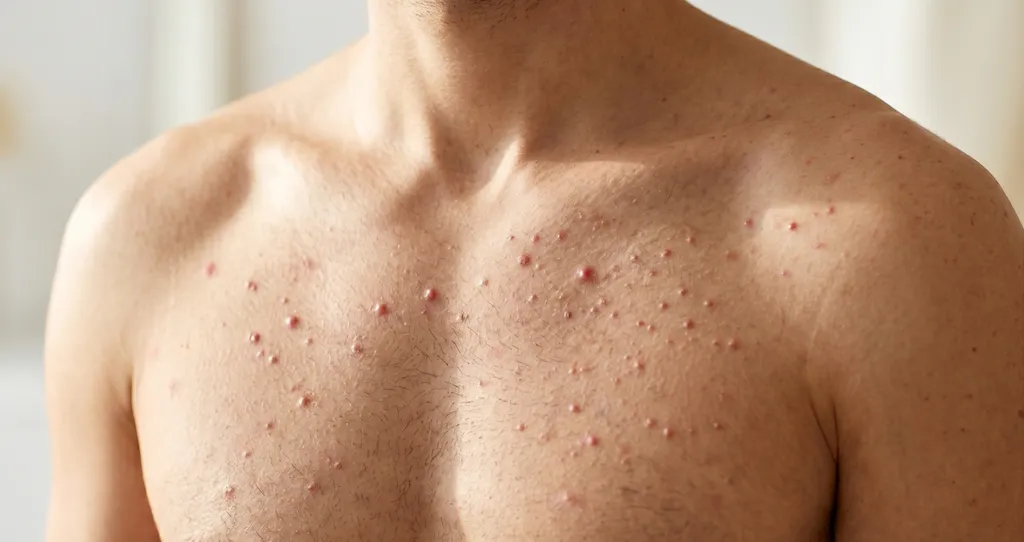
If you have been dealing with persistent acne and oily skin, you may have come across a surprising claim: that Botox — the same injectable used to smooth forehead wrinkles — can help with acne. It sounds unlikely. Botox is a neurotoxin that relaxes muscles. Acne is caused by clogged pores, bacteria, and inflammation. On the surface, these two things seem completely unrelated.
But the connection is not as far-fetched as it first appears. Your sebaceous glands — the tiny oil-producing glands in your skin — are partly controlled by nerve signals. Botox (botulinum toxin type A) blocks those signals. When injected in very small doses into the skin itself rather than into the muscle underneath, Botox can reduce sebum production, which may in turn reduce the breakouts that excess oil causes.
This guide will walk you through what the research actually shows about Botox and acne, the difference between standard Botox and the "micro-Botox" technique used for skin, the real limitations of this approach, and what treatments are more practical and effective if clearing acne is your main goal.
Quick Answer: Does Botox Help With Acne?
Possibly, but with major caveats. Small studies suggest that intradermal Botox injections (also called "micro-Botox" or "meso-Botox") can reduce sebum production and pore size, which may lead to fewer breakouts in people whose acne is primarily driven by oily skin. However, Botox is not FDA-approved for acne, the evidence is limited to small pilot studies, and it is expensive and temporary (lasting 3-4 months per treatment).
Key points:
- Botox can reduce oil production by blocking nerve signals to sebaceous glands
- This effect uses a special "micro-Botox" technique — not standard cosmetic Botox
- Current evidence comes from small studies, not large clinical trials
- It does not address bacteria, inflammation, or hormonal factors in acne
- Proven acne treatments like tretinoin, spironolactone, and isotretinoin are more effective, better studied, and more accessible
How Could Botox Help Acne? The Science
To understand how Botox might affect acne, you need to understand how your sebaceous glands work — and what controls them.
The Oil Production Connection
Excess sebum (skin oil) is one of the four primary drivers of acne. When sebaceous glands produce too much oil, it mixes with dead skin cells and clogs pores, creating the ideal environment for Cutibacterium acnes bacteria to thrive. The result is inflammation, breakouts, and the frustrating cycle of acne.
Sebaceous glands are regulated by multiple factors — hormones (particularly androgens) play the biggest role, but they are also influenced by cholinergic nerve signals. Acetylcholine, the neurotransmitter that Botox blocks, is one of the chemical messengers that stimulates sebaceous glands to produce oil. This is the biological mechanism that makes Botox a theoretically interesting candidate for reducing oiliness.
A 2002 study published in the Journal of Investigative Dermatology demonstrated that acetylcholine receptors are present on human sebocytes (the cells that make up sebaceous glands) and that acetylcholine stimulates sebum production in vitro. This established the foundational science: if you block acetylcholine at the sebaceous gland, you can reduce oil output.
What Is Micro-Botox?
Standard cosmetic Botox is injected into the muscle beneath the skin — for example, into the frontalis muscle to smooth forehead lines, or the corrugator muscles to reduce frown lines. The toxin relaxes the muscle, and wrinkles smooth out.
Micro-Botox (also called "meso-Botox" or "intradermal Botox") is a different technique. Instead of injecting into the muscle, very small, diluted doses of botulinum toxin are injected into the dermis — the layer of skin where sebaceous glands, sweat glands, and tiny blood vessels live. The doses are much smaller than cosmetic Botox, and they are spread across a wider area using multiple superficial injections.
When Botox reaches the sebaceous glands in the dermis, it blocks the acetylcholine signals that tell those glands to produce oil. The result is reduced sebum production, smaller-appearing pores, and a less oily complexion — effects that can, in theory, lead to fewer acne breakouts.
What to expect: Micro-Botox is a cosmetic procedure that must be performed by a trained physician or injector. It is not the same as getting standard Botox for wrinkles — the injection depth, dilution, and technique are all different. If a provider is offering "Botox for acne," make sure they are specifically trained in intradermal injection techniques.
What Does the Research Say About Botox for Acne?
The research on Botox for acne is intriguing but limited. Most of the evidence comes from small pilot studies and case series, not the large, randomized controlled trials that would be needed to establish Botox as a standard acne treatment.
Key Studies on Botox and Sebum Reduction
A 2008 pilot study published in Dermatologic Surgery was one of the first to formally investigate intradermal botulinum toxin for oily skin. The researchers injected small doses of botulinum toxin type A into the foreheads of 20 patients with excessive oiliness. They found a significant reduction in sebum production that lasted approximately 3 months, along with improved skin texture and reduced pore appearance.
A 2014 study in the Journal of the American Academy of Dermatology examined intradermal botulinum toxin in the forehead area and confirmed a measurable decrease in sebum excretion rate compared to the control side. Patients reported visibly less oily skin on the treated side.
A 2019 randomized, split-face study published in JAMA Facial Plastic Surgery compared micro-Botox on one side of the face to placebo on the other. The treated side showed statistically significant reductions in sebum output and improvements in pore size, with effects lasting about 3 months.
Botox and Acne Specifically
While the above studies focused on oil reduction rather than acne counts, a 2019 report in the Journal of Cosmetic Dermatology described the use of intradermal botulinum toxin in patients with facial oiliness and acne, noting improvements in both sebum levels and breakout frequency. However, this was a small case series, not a controlled trial.
The honest assessment is this: Botox can reduce oil production, and reducing oil production can reduce certain types of breakouts. But no large-scale clinical trial has demonstrated that Botox is an effective primary treatment for acne. The evidence supports it as a secondary benefit of an aesthetic procedure — not as a targeted acne therapy.
What Botox Cannot Do for Acne
Even if Botox reduces sebum, it does not address the other major causes of acne:
- Bacterial overgrowth: Botox has no antibacterial properties and does not reduce C. acnes populations in the skin
- Abnormal keratinization: It does not normalize the shedding of skin cells inside the pore, which is a primary driver of comedone formation
- Hormonal factors: Botox does not affect androgen levels or androgen receptor activity — the main hormonal drivers of oil production and acne, especially in hormonal acne
- Inflammation: Botox is not anti-inflammatory in the way that acne medications like doxycycline or retinoids are
Red flag: Be cautious of clinics or providers marketing Botox as an "acne cure" or a replacement for medical acne treatment. Botox is not FDA-approved for acne, and no dermatology guidelines recommend it as a primary acne therapy. If a provider suggests Botox instead of proven treatments for active, persistent acne, seek a second opinion from a board-certified dermatologist.
Can Botox Cause Acne?
This is a question that comes up frequently, and it is worth addressing directly: can Botox itself cause acne or breakouts?
Post-Injection Breakouts
Some people do experience breakouts after Botox injections, but this is typically not caused by the botulinum toxin itself. The more likely explanations include:
- Skin preparation products: Alcohol, antiseptics, or numbing creams applied before injection can irritate the skin or disrupt its protective barrier, leading to breakouts in sensitive or acne-prone individuals
- Post-procedure skincare changes: Some providers instruct patients to avoid touching their face or using certain products for 24 hours after Botox. If this disrupts your normal skincare routine — especially if you skip active acne treatments — a breakout may follow
- Occlusive post-care products: Heavy creams or balms applied to injection sites can clog pores, especially on acne-prone skin
- Stress and coincidence: People often get Botox before events, during stressful periods, or alongside other changes. A breakout that coincides with a Botox appointment is not necessarily caused by it
Does Botox Itself Trigger Acne?
There is no clinical evidence that botulinum toxin directly causes acne. In fact, as discussed above, intradermal Botox is more likely to reduce oil production and breakouts than cause them. However, standard cosmetic Botox — injected into the muscle rather than the dermis — does not reach the sebaceous glands and would not be expected to have any effect on acne, positive or negative.
If you consistently break out after Botox treatments, the issue is more likely related to something in the procedure environment — the prep products, the aftercare routine, or the stress around the appointment — rather than the toxin itself. Mentioning this pattern to your dermatologist or injector can help identify the trigger.
Botox vs. Proven Acne Treatments
If your goal is to clear acne, it is important to understand how Botox compares to treatments that dermatologists actually prescribe for acne. The comparison is not particularly close.
| Factor | Micro-Botox | Prescription Acne Treatment |
|---|---|---|
| FDA-approved for acne? | No | Yes (tretinoin, isotretinoin, antibiotics, etc.) |
| Reduces oil production? | Yes (via cholinergic blockade) | Yes (isotretinoin, spironolactone dramatically reduce sebum) |
| Kills acne bacteria? | No | Yes (benzoyl peroxide, antibiotics) |
| Reduces inflammation? | Minimally | Yes (retinoids, doxycycline, isotretinoin) |
| Addresses hormonal acne? | No | Yes (spironolactone) |
| Duration of effect | 3-4 months per treatment | Ongoing with use; isotretinoin can produce lasting remission |
| Typical cost | $300-600+ per session, every 3-4 months | From $25/month with Honeydew on an annual plan (includes provider access and prescriptions) |
| Evidence quality | Small pilot studies | Large RCTs, meta-analyses, decades of clinical use |
Who Might Actually Benefit From Botox for Acne?
While Botox is not a first-line acne treatment, there is a narrow profile of patients who might see some benefit from the micro-Botox approach:
- People with extremely oily skin whose breakouts are primarily driven by excess sebum rather than hormonal factors or bacterial infection
- People who are already getting Botox for cosmetic purposes and want the added benefit of reduced oiliness
- People who have tried standard acne treatments and are looking for adjunctive approaches to manage residual oiliness
- People seeking pore refinement along with oil control as part of a broader aesthetic treatment plan
Even in these cases, micro-Botox would be used alongside — not instead of — conventional acne treatments. No dermatologist would recommend Botox as a standalone solution for someone with active, persistent acne.
What to expect: If you are interested in micro-Botox for oil control, it is best approached as an add-on to a solid acne treatment plan rather than a replacement for one. Talk to a dermatologist about whether it makes sense for your specific skin type and goals. For most people with acne, prescription medications will deliver faster, more reliable, and more affordable results.
What Actually Works for Oily, Acne-Prone Skin
If your acne is connected to oily skin — and you are looking for treatments that directly address excess oil production — there are several proven options with far more evidence behind them than Botox.
Isotretinoin (Accutane)
Isotretinoin is the most effective medication available for reducing sebum production. It shrinks sebaceous glands by up to 90% and reduces oil output dramatically — an effect that often persists long after the treatment course ends. For people with persistent acne driven by oily skin, isotretinoin is not just effective for clearing breakouts; it fundamentally changes how much oil the skin produces. Learn more about isotretinoin treatment and how it works.
Spironolactone
Spironolactone blocks androgen receptors and reduces the hormonal signals that drive sebaceous glands to overproduce oil. It is particularly effective for people whose acne concentrates along the jawline, chin, and lower face — patterns that are typically hormonally driven. Unlike Botox, spironolactone addresses the hormonal cause of excess oil, not just the nerve signals.
Topical Retinoids
Tretinoin and other retinoids normalize the way skin cells shed inside the pore, preventing the clogs that turn excess oil into comedones and breakouts. While retinoids do not reduce oil production as dramatically as isotretinoin or spironolactone, they are the gold standard topical treatment for keeping pores clear and preventing new acne from forming.
Niacinamide
For an over-the-counter option, niacinamide (vitamin B3) has been shown to reduce sebum production by approximately 23% at concentrations of 2% or higher, based on a study published in the Journal of Cosmetic and Laser Therapy. It is gentle, anti-inflammatory, and compatible with most acne treatments — making it a practical add-on for managing oiliness without the cost or logistics of Botox injections.
The Cost Question: Is Botox Worth It for Acne?
Cost is a practical consideration that weighs heavily against Botox as an acne treatment.
| Treatment | Approximate Cost | Annual Cost | Includes Acne Treatment? |
|---|---|---|---|
| Micro-Botox | $300-600 per session | $900-2,400+ (3-4 sessions/year) | No — only reduces oil; does not treat acne directly |
| Honeydew membership | Starts at $25/month with an annual plan | About $300 (annual plan) | Yes — includes dermatologist consultations and prescriptions |
| Isotretinoin (with Honeydew) | Accutane care starts at $50/month with an annual plan, plus medication | Varies with course length and medication | Yes — comprehensive acne treatment with lasting results |
When you compare a year of micro-Botox sessions ($900-2,400+) — which only reduces oil and does not treat acne at its root — against a full course of isotretinoin through Honeydew (Accutane care starts at $50/month with an annual plan, including consultations and monitoring), the value proposition is clear. Prescription acne treatments deliver better results at a fraction of the cost.
Important: Micro-Botox is considered a cosmetic procedure and is not covered by health insurance. Prescription acne medications, on the other hand, are often partially or fully covered by insurance plans. If you are spending significant money on cosmetic procedures to manage oily, acne-prone skin without seeing lasting improvement, it may be time to invest in medical treatment instead.
The Bottom Line on Botox and Acne
The idea that Botox can help with acne is not entirely unfounded — there is real science behind the connection between acetylcholine, sebaceous glands, and oil production. Small studies have demonstrated that intradermal Botox injections can meaningfully reduce sebum output, and for some people, that translates to fewer oil-driven breakouts.
But the practical reality is that Botox is an expensive, temporary, off-label approach that addresses only one of the four major causes of acne. It does not kill bacteria, reduce inflammation, normalize pore lining, or target hormonal triggers. It is not FDA-approved for acne, it is not covered by insurance, and the evidence supporting it consists of small pilot studies rather than the rigorous clinical trials that back standard acne medications.
If oily skin and breakouts are affecting your quality of life, the most effective path forward is a personalized treatment plan from a dermatologist — one that targets your specific type of acne at its root. Medications like tretinoin, spironolactone, and isotretinoin have decades of clinical evidence proving they work, and they are more accessible and affordable than repeated Botox sessions.
At Honeydew, our board-certified dermatologists, nurse practitioners, and physician assistants specialize in acne treatment. We have treated over 100,000 acne cases and can help you find the right treatment for your skin — whether your breakouts are driven by excess oil, hormones, bacteria, or a combination. No needles required.
.webp)

Medically Reviewed by
Joel Spitz, MD
Co-Founder & Chief Medical Officer, Board Certified Dermatologist


.webp)