Key Takeaways

If you are staring at your skin after a breakout and wondering whether those marks will ever go away, you are asking one of the most common questions in dermatology. It is a question loaded with anxiety — because for many people, the scars left behind by acne feel like a permanent reminder of something they have already worked hard to overcome.
Here is the honest truth: the answer is not a simple yes or no. Some acne marks do go away completely on their own. Others are technically permanent — meaning they will not resolve without intervention. But "permanent" does not mean "untreatable." Even the most stubborn acne scars can be significantly improved with the right approach. The key is understanding exactly what you are dealing with so you can stop guessing and start making progress.
We have helped treat over 100,000 acne cases at Honeydew, and we know how frustrating it can be to feel like your skin is not cooperating even after the acne itself has cleared. This guide will walk you through the difference between marks that fade and scars that stay, explain exactly what determines permanence, and lay out your real options — no false promises, just evidence-based information.
Quick Answer: Do Acne Scars Go Away?
It depends on what type of marks you have:
- Dark marks (post-inflammatory hyperpigmentation): Not permanent. These fade on their own over 3-12 months, and topical treatments can speed that up significantly.
- Red/pink marks (post-inflammatory erythema): Not permanent. These typically resolve within 6-12 months, sometimes longer.
- Textural scars (ice pick, boxcar, rolling): Permanent without treatment. These involve structural damage to the skin and will not resolve on their own — but they can be significantly improved with professional treatments.
- Raised scars (hypertrophic/keloid): Permanent without treatment. These may even worsen over time if left untreated.
Dark Marks vs. True Acne Scars: The Critical Difference
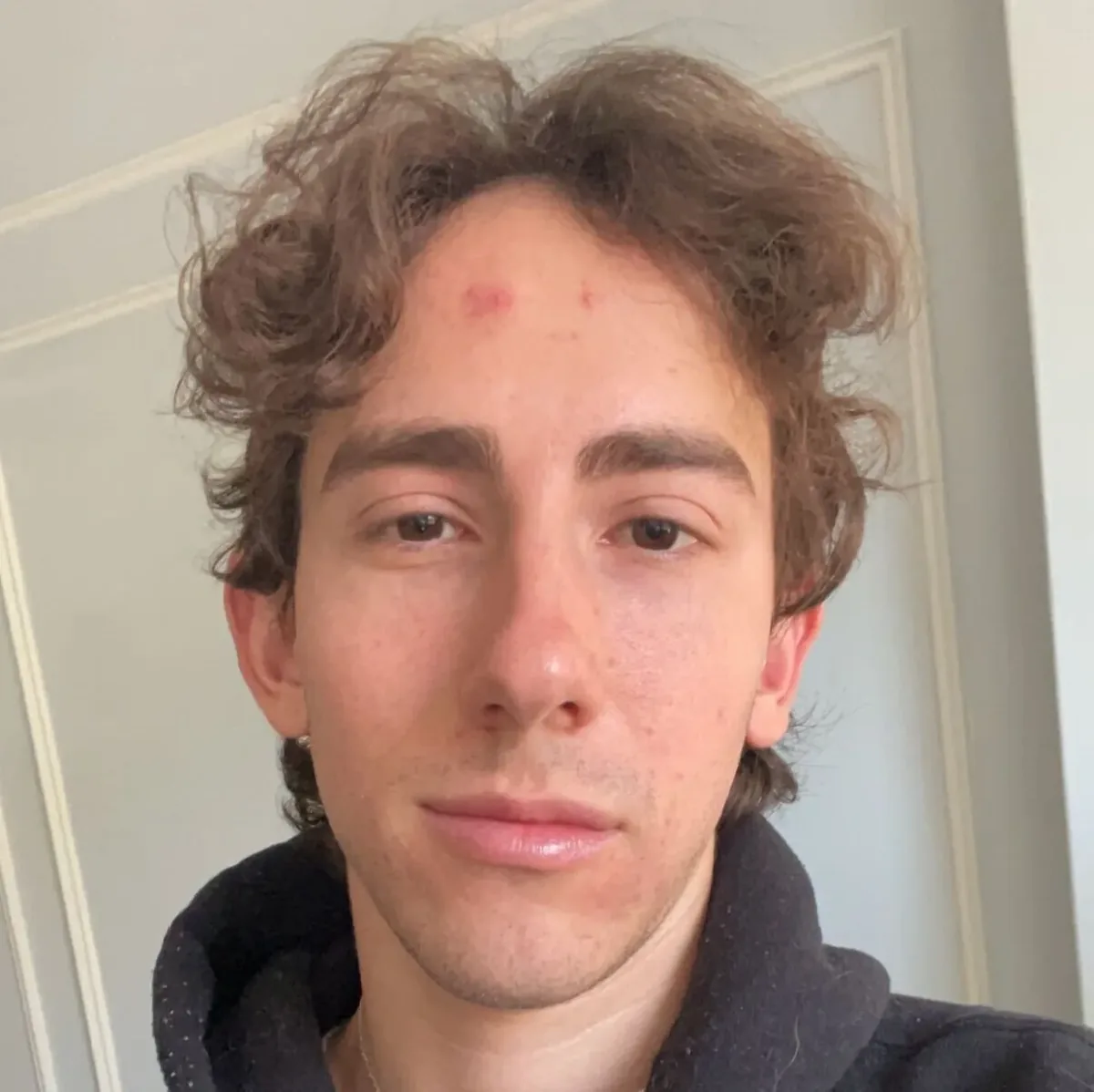
The first and most important thing to understand is that most of what people call "acne scars" are not actually scars at all. They are post-inflammatory marks — flat discolorations that the skin leaves behind after a pimple heals. And this distinction changes everything about whether your marks are permanent.
Post-Inflammatory Hyperpigmentation (PIH) — Not Permanent
Post-inflammatory hyperpigmentation shows up as flat, dark spots — brown, tan, or dark purple depending on your skin tone. These marks are caused by excess melanin production triggered by inflammation during a breakout. According to research published in the Journal of Clinical and Aesthetic Dermatology, PIH is extremely common and affects people of all skin tones, though it tends to be more pronounced and longer-lasting in people with darker complexions.
The good news: PIH is not a scar. The skin's structure is completely intact — it is just discolored. These marks will fade on their own over 3 to 12 months as the excess melanin is naturally broken down and shed through your skin's normal turnover cycle. With targeted treatment, you can cut that timeline significantly.
Post-Inflammatory Erythema (PIE) — Not Permanent
If your marks appear pink, red, or purple-ish (most noticeable on lighter skin tones), you likely have post-inflammatory erythema. PIE is caused by damage to tiny blood vessels (capillaries) beneath the skin's surface during the inflammatory process of a breakout. Like PIH, PIE is flat — there is no texture change — and it resolves on its own, typically within 6 to 12 months.
How to tell the difference: Press a clear glass against the mark. If the color temporarily disappears under pressure, it is likely PIE (a vascular issue). If the color stays, it is likely PIH (a pigment issue). This simple "blanching test" can help you and your dermatologist figure out the best treatment approach.
True Acne Scars — Permanent Without Treatment
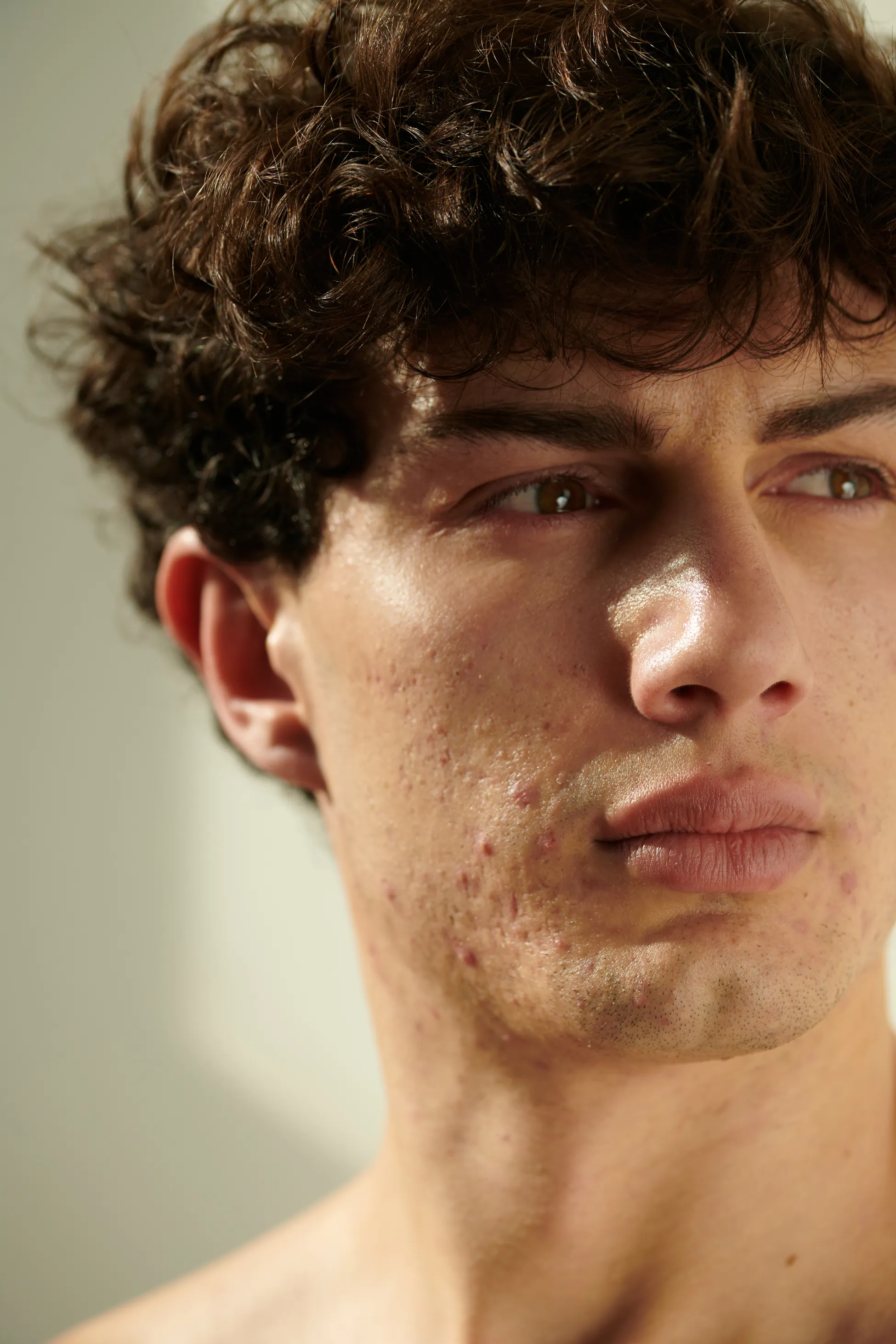
True acne scars are a different story. These form when acne damages the deeper layers of your skin (the dermis) and your body's healing response goes wrong — producing either too little collagen (resulting in indented scars) or too much collagen (resulting in raised scars). Unlike dark marks, true scars involve a structural change to the skin's architecture. You can feel them. The skin is physically different — dented, pitted, or raised.
According to a study published in Clinical, Cosmetic and Investigational Dermatology, up to 95% of people with acne develop some degree of scarring. The severity of scarring is closely linked to the severity and duration of the acne itself — particularly deep, inflammatory lesions like cysts and nodules.
True acne scars will not fade on their own. They are permanent changes to the skin. But permanent does not mean unchangeable. With the right treatments, most acne scars can be improved by 50-80%, and in some cases even more.
Which Acne Scars Are Permanent? A Type-by-Type Breakdown
Not all true scars are equally stubborn. The type of scar you have determines both how permanent it is and how well it responds to treatment.
| Type | What It Looks Like | Permanent? | Treatability |
|---|---|---|---|
| Dark marks (PIH) | Flat brown/purple spots | No — fades in 3-12 months | Excellent with topicals |
| Red marks (PIE) | Flat pink/red spots | No — fades in 6-12 months | Good; vascular lasers can speed fading |
| Ice pick scars | Narrow, deep pits | Yes — without treatment | Moderate — hardest scar type to treat |
| Boxcar scars | Wide depressions with sharp edges | Yes — without treatment | Good, especially shallow ones |
| Rolling scars | Wave-like undulations | Yes — may worsen with age | Good with subcision + resurfacing |
| Hypertrophic scars | Raised, firm, within wound boundary | Yes — some flatten slightly over years | Good with steroid injections |
| Keloid scars | Raised, extends beyond original wound | Yes — can grow larger over time | Challenging; requires specialist care |
One important nuance: rolling scars can actually become more visible as you age. As your skin loses collagen and elasticity over time, the tethering bands that cause rolling scars pull the skin surface down more noticeably. This is one reason why earlier treatment tends to produce better long-term outcomes.
What Fades on Its Own (And How to Speed It Up)
If what you are dealing with is post-inflammatory hyperpigmentation or erythema — flat, discolored marks with no texture change — there is genuinely good news. These marks are temporary. Your skin is already working to resolve them. But there are several evidence-backed ways to accelerate the process.
Sunscreen Is Non-Negotiable
UV exposure is the single biggest factor that makes dark marks darker and longer-lasting. Sunlight stimulates melanin production in areas of PIH, making marks more pronounced and delaying their natural fading. The American Academy of Dermatology recommends broad-spectrum SPF 30 or higher daily — even on cloudy days, even in winter, even if you work indoors. This is the simplest and most impactful thing you can do for post-acne marks.
Topical Treatments That Accelerate Fading
Several ingredients have strong clinical evidence for speeding up the resolution of dark marks:
- Retinoids (tretinoin, adapalene): Accelerate cell turnover to shed pigmented skin cells faster. Tretinoin is the most potent prescription option and is one of the most well-studied treatments for PIH. Our dermatologists can prescribe the right strength for your skin.
- Vitamin C (L-ascorbic acid): Inhibits melanin production and brightens existing dark spots. Look for serums with 10-20% concentration.
- Niacinamide: Reduces melanin transfer to skin cells. A study in the British Journal of Dermatology showed that 5% niacinamide significantly reduced hyperpigmentation within 8 weeks.
- Azelaic acid: Particularly effective for PIH in darker skin tones because it fades pigmentation without the risk of further discoloration.
- Alpha hydroxy acids (AHAs): Glycolic acid and lactic acid gently exfoliate the surface to reveal fresher, more evenly toned skin beneath.
What to expect: With consistent use of topical treatments plus daily sunscreen, most people see meaningful improvement in dark marks within 4-8 weeks. Full resolution typically takes 2-6 months, depending on the depth of pigmentation and your skin tone. Darker skin tones may take longer because PIH tends to be more pronounced, but the results are still achievable with patience.
What Will Not Fade on Its Own — And What to Do About It
True textural acne scars — ice pick, boxcar, rolling, hypertrophic, and keloid — do not go away on their own. No amount of waiting will change the fact that the skin's deeper structure has been altered. But the term "permanent" can be misleading, because these scars are very much treatable.
Research consistently shows that modern dermatologic procedures can improve acne scarring by 50-80%, and many patients achieve even better results with combination treatments. A study published in JAMA Dermatology found that fractional CO2 laser treatment produced 26-50% improvement after just a single session, with greater improvement after additional treatments.
Treatment Options by Scar Type
The right approach depends entirely on what kind of scars you have. Here is a high-level overview — for a much deeper dive into each treatment, including costs, downtime, and what to expect, see our complete guide to getting rid of acne scars.
For indented scars (ice pick, boxcar, rolling):
- Microneedling: Creates controlled micro-injuries that stimulate collagen production. Effective for rolling and boxcar scars, safe for all skin tones. Most patients need 3-6 sessions.
- Fractional laser resurfacing: Uses focused light energy to remodel the deeper layers of skin. Among the most effective options for moderate to deep scarring.
- Subcision: A minor procedure that releases the tethering bands beneath rolling scars, allowing the skin to spring back up. Often combined with other treatments.
- TCA CROSS: A specialized chemical peel technique where high-concentration acid is applied directly into individual ice pick scars. Research in Dermatologic Surgery found over 70% improvement in treated scars.
- Dermal fillers: Injectable hyaluronic acid placed beneath individual scars to raise them to the skin's surface level. Provides immediate improvement.
For raised scars (hypertrophic, keloid):
- Corticosteroid injections: Flatten and soften raised scars by reducing collagen overproduction. Usually requires multiple sessions.
- Silicone sheets/gels: Applied over scars to flatten and hydrate them. Especially useful for newer hypertrophic scars.
- Cryotherapy: Freezing the scar tissue to reduce its size. Often used for keloids in combination with steroid injections.
Important: Most dermatologists recommend that active acne be fully controlled before pursuing scar treatment procedures. Treating scars while you are still breaking out is like trying to repair a roof during a storm — new breakouts can create new scars and compromise the results of your procedure. If you are still dealing with active acne, addressing that first is always step one. Our dermatologists can help you build an effective acne treatment plan to get your breakouts under control.
Can Topical Products Improve True Scars?
To a limited degree, yes — but expectations need to be realistic. Prescription retinoids like tretinoin can stimulate collagen production over time, which may modestly improve the appearance of shallow atrophic scars. A 2016 study in the Journal of Cosmetic Dermatology showed that topical retinoids provided statistically significant improvement in atrophic acne scars over 24 weeks.
However, topical treatments alone will not dramatically reshape deep ice pick or boxcar scars. Think of retinoids as helpful supporting players — they are most valuable when combined with professional procedures, helping to maintain and enhance the results of treatments like microneedling or laser resurfacing.
Why Prevention Is the Most Powerful Strategy
If there is one thing we want you to take away from this article, it is this: the most effective acne scar treatment is preventing scars from forming in the first place. Once a scar exists, you can improve it — often dramatically — but you cannot perfectly restore the skin to its pre-acne state. Prevention, on the other hand, keeps the damage from happening at all.
How to Minimize Your Risk of Permanent Scarring
- Treat acne early and effectively. The longer acne persists and the more inflamed it becomes, the higher your risk of permanent scarring. If over-the-counter products are not working within 8-12 weeks, see a dermatologist. For persistent acne that has not responded to other treatments, Accutane (isotretinoin) is one of the most effective options for clearing acne and preventing future scarring.
- Do not pick, pop, or squeeze. Manipulating acne lesions — especially deep, inflamed ones — dramatically increases the risk of scarring by pushing bacteria and inflammation deeper into the skin.
- Protect your skin from the sun. UV exposure worsens pigmentation and interferes with healing. Daily SPF 30+ is essential.
- Seek help for cystic or nodular acne immediately. Deep, painful acne carries the highest risk of permanent scarring. The sooner you get it under control, the less damage it can do.
Red flag: If you are developing deep, painful cysts or nodules, do not wait and hope they go away. Cystic acne carries the highest risk of permanent scarring, and early aggressive treatment can prevent damage that would otherwise be irreversible. Our dermatologists offer same-day and next-day appointments so you can start treatment quickly.
What Determines Whether Your Acne Will Scar?
Not everyone with acne develops permanent scars. Several factors influence your individual risk:
- Type of acne: Inflammatory acne (red, swollen pimples, cysts, nodules) is far more likely to scar than non-inflammatory acne (blackheads, whiteheads). The deeper and more inflamed the lesion, the greater the risk.
- Duration: The longer acne goes untreated, the more opportunities it has to cause permanent damage. Research published in the Journal of the American Academy of Dermatology has shown that delayed treatment is a significant predictor of acne scarring.
- Genetics: Some people are genetically predisposed to scar more easily. If close family members have acne scars, your risk may be higher.
- Skin picking: Manipulating breakouts significantly increases scar formation. Studies have consistently linked picking and squeezing to worse scarring outcomes.
- Skin tone: While all skin tones can scar, people with deeper skin tones are more prone to post-inflammatory hyperpigmentation and keloid formation. People with lighter skin tones are more likely to notice post-inflammatory erythema.
A Realistic Timeline: What to Expect
Understanding realistic timelines can help you set appropriate expectations and stay motivated through the process.
| Mark/Scar Type | Natural Fading | With Topical Treatment | With Professional Procedures |
|---|---|---|---|
| Dark marks (PIH) | 3-12 months | 4-8 weeks to see improvement | Chemical peels can speed this further |
| Red marks (PIE) | 6-12+ months | Limited response to topicals | Vascular lasers can resolve in weeks |
| Shallow textural scars | Will not fade | Modest improvement over 6+ months | Noticeable improvement in 3-6 months |
| Deep textural scars | Will not fade | Minimal impact | Significant improvement over 6-12 months with multiple sessions |
| Raised scars | Hypertrophic may flatten slightly over years; keloids often worsen | Silicone gels can help flatten | Steroid injections show results in weeks |
The Bottom Line: Permanent Does Not Mean Hopeless
Here is what we want you to walk away with: if your marks are flat and discolored, they are almost certainly going to fade — and you can help them along with the right topicals and sunscreen. If your scars involve texture changes, they will not go away on their own, but they are very much treatable. Modern dermatology has made tremendous progress in acne scar treatment, and most patients see meaningful, visible improvement.
The most productive steps you can take right now:
- Figure out what you actually have. Post-inflammatory marks and true scars need very different approaches. A dermatologist can tell you exactly what you are dealing with.
- Control active acne first. New breakouts create new scars. Getting your acne under control is always priority one.
- Start with sunscreen and a retinoid. These two products alone can meaningfully improve most post-acne marks and mildly improve texture.
- Get a professional assessment for textural scars. If you have indented or raised scars, a dermatologist can recommend the most effective treatment path rather than having you guess with over-the-counter products.
Our board-certified dermatologists have seen every type of acne scar and can help you figure out what you are dealing with, what is realistic, and what your best next steps are. Whether you need a prescription to fade dark marks or guidance on professional procedures for textural scars, we are here to help — starting with a convenient virtual appointment.
.webp)

Medically Reviewed by
Joel Spitz, MD
Co-Founder & Chief Medical Officer, Board Certified Dermatologist