Key Takeaways

Quick Answer: What Acne Products Actually Work?
For mild acne: Over-the-counter benzoyl peroxide (2.5%) and adapalene (Differin) can be effective with consistent daily use for 2-3 months.
For moderate to severe acne: Prescription treatments like tretinoin, topical antibiotics, or oral medications typically outperform OTC options significantly.
For treatment-resistant acne: Isotretinoin (Accutane) remains the most effective option, with 85-95% of patients achieving lasting clearance.
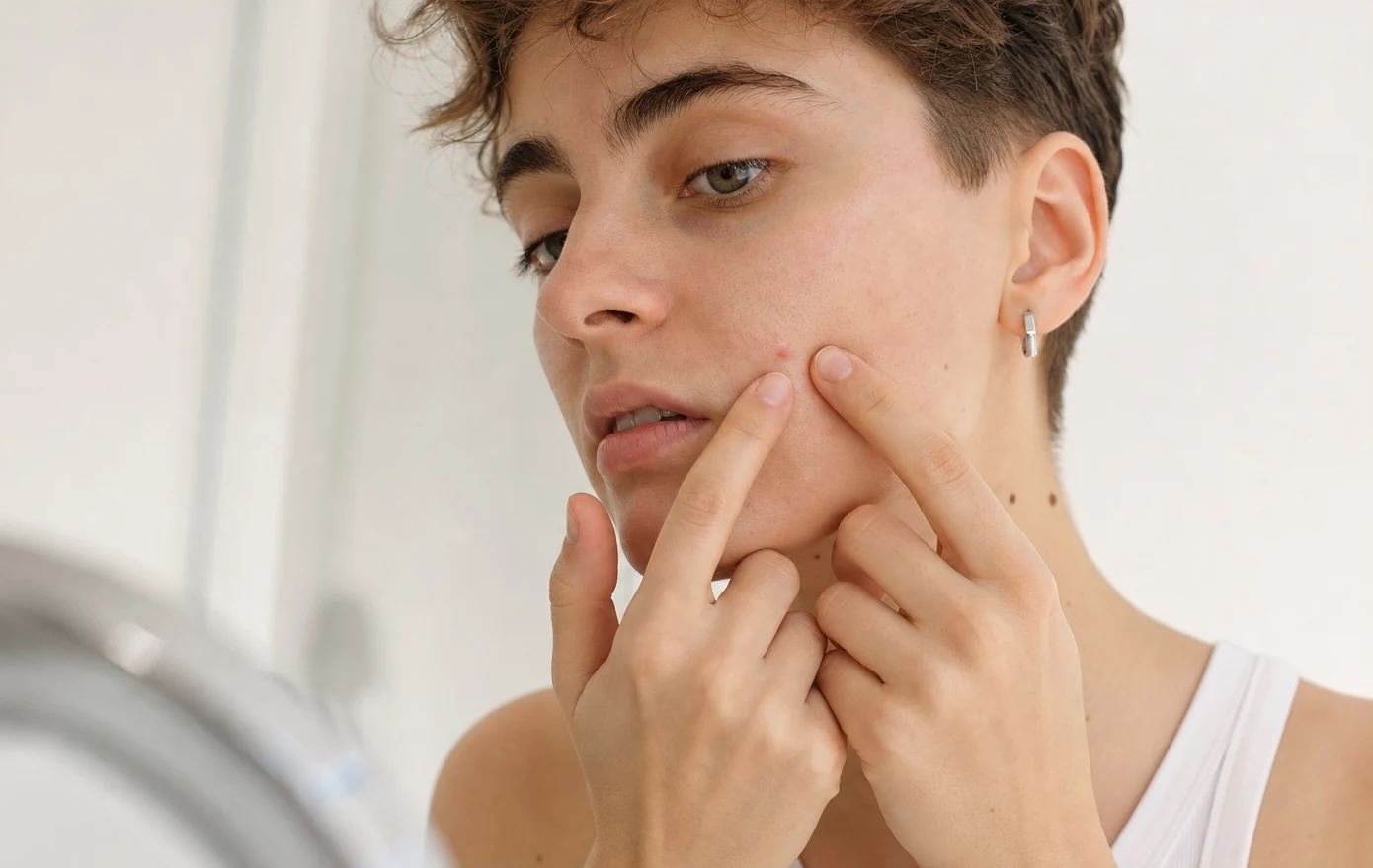
If you've spent months rotating through drugstore acne products without seeing real improvement, you're not alone. The frustrating cycle of hope and disappointment is something dermatologists hear about daily. The problem isn't necessarily the products themselves. It's that most people are treating symptoms without understanding what's actually causing their acne.
Dermatologists approach acne differently. Rather than recommending products based on marketing claims, they diagnose the type and severity of acne first, then match treatment accordingly. This targeted approach is why prescription treatments often succeed where over-the-counter options fail, and why understanding a dermatologist's perspective can save you months of trial and error.
How Dermatologists Actually Approach Acne Treatment
When you see a dermatologist for acne, they don't just hand you a product recommendation. They evaluate several factors: what type of acne you have (comedonal, inflammatory, cystic, or a combination), what's driving it (excess oil, bacteria, hormones, or clogged pores), and how severe it is.
This diagnostic approach matters because different types of acne respond to different treatments. Comedonal acne, characterized by blackheads and whiteheads, needs ingredients that unclog pores. Inflammatory acne with red, swollen pimples requires antibacterial and anti-inflammatory agents. Hormonal acne in adults often won't respond to standard treatments at all because it's driven by internal factors that topical products can't address.
According to the American Academy of Dermatology's clinical guidelines, treatment selection should be based on acne type, severity, patient factors, and previous treatment history. This evidence-based approach is why working with a dermatology provider often produces better results than self-treating.
OTC Treatments Dermatologists Actually Recommend
Before dismissing over-the-counter products entirely, it's worth knowing which ones dermatologists consider genuinely effective. For mild acne, the right OTC treatment used consistently can work well. The key is knowing what to use and having realistic expectations about what these products can and can't do.
Benzoyl Peroxide: The Antibacterial Foundation
Benzoyl peroxide remains one of the most effective over-the-counter acne treatments available. It works through multiple mechanisms: killing Cutibacterium acnes (the bacteria that contribute to inflammatory acne), reducing excess oil, and helping clear dead skin cells from pores.
What to expect: Lower-strength benzoyl peroxide products (2.5%) are just as effective as higher-strength formulations (10%), according to the Mayo Clinic. Starting with a lower concentration reduces dryness and irritation while delivering the same antibacterial benefits.
Adapalene: The OTC Retinoid
Adapalene (sold as Differin) is the only retinoid available without a prescription in the United States. It works by normalizing skin cell turnover, preventing the buildup of dead cells that clog follicles and form comedones. It also has anti-inflammatory properties that help reduce redness.
For blackheads and whiteheads, adapalene is often the most effective over-the-counter option. However, it's notably less potent than prescription retinoids like tretinoin, which is why many people eventually need to upgrade.
When to Combine Them
Dermatologists often recommend using benzoyl peroxide and adapalene together, with one in the morning and one at night. This combination approach addresses different aspects of acne formation. However, this dual approach can increase irritation, so it's not right for everyone, particularly those with sensitive skin.
| OTC Treatment | Best For | How It Works | Timeline |
|---|---|---|---|
| Benzoyl Peroxide 2.5% | Inflammatory acne, red pimples | Kills bacteria, reduces oil | 4-6 weeks |
| Adapalene (Differin) | Blackheads, whiteheads | Speeds cell turnover, unclogs pores | 8-12 weeks |
| Salicylic Acid | Mild comedonal acne | Exfoliates inside pores | 4-8 weeks |
When Over-the-Counter Isn't Enough
The critical question most people struggle to answer: when should you stop trying OTC products and seek prescription treatment? There are clear signs that it's time to escalate.
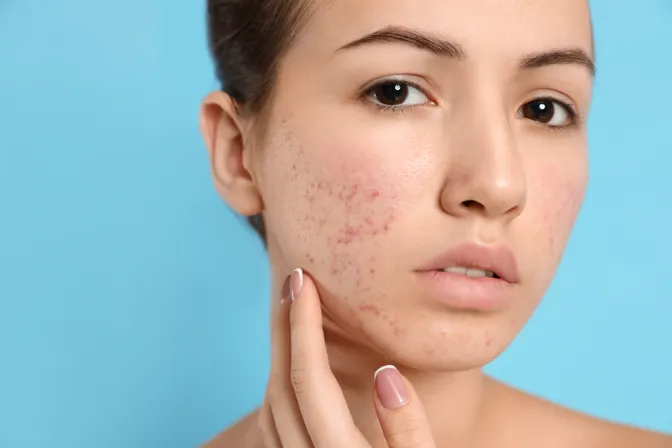
Red flag: If your acne is leaving dark spots or scars, you shouldn't wait. Post-inflammatory hyperpigmentation or actual scarring are signs that your acne is causing lasting damage. Waiting longer with ineffective treatment increases the risk of permanent scarring.
You've given OTC products a fair trial. According to dermatology guidelines, topical nonprescription products need 2 to 3 months of consistent daily use before you can evaluate results. If you've used benzoyl peroxide or adapalene daily for three months without significant improvement, OTC products are unlikely to work for your acne type.
You have deep, painful cysts or nodules. Cystic and nodular acne almost never respond adequately to over-the-counter products. These forms of acne occur deep within the skin and require prescription-strength treatment.
Your acne is affecting your confidence or quality of life. The American Academy of Dermatology recognizes psychological impact as a valid reason to pursue more aggressive treatment. You don't need to suffer through months of visible acne while waiting for mild treatments to work.
Prescription Treatments: What Dermatologists Prescribe for Stubborn Acne
Prescription acne treatments offer two key advantages over OTC options: access to more effective medications and the ability to customize treatment to your specific situation. Here's what dermatologists commonly prescribe and why.
Tretinoin: The Gold Standard Retinoid
Tretinoin is significantly more potent than over-the-counter adapalene. It accelerates skin cell turnover more aggressively, clears clogged pores more effectively, and has decades of clinical evidence supporting its efficacy. For many patients, switching from adapalene to tretinoin produces the improvement they were hoping for from OTC retinoids.
Tretinoin also offers benefits beyond acne treatment, including improvement in skin texture, fine lines, and hyperpigmentation. This makes it a foundational treatment that many patients continue using long after their acne clears.
Topical Antibiotics: Targeting Bacterial Acne
For inflammatory acne with significant redness and pustules, topical antibiotics like clindamycin directly target acne-causing bacteria. Dermatologists typically combine topical antibiotics with benzoyl peroxide to prevent bacterial resistance, a crucial consideration for long-term treatment success.
Combination Treatments and Custom Compounding
One advantage of working with a dermatology provider is access to combination treatments that aren't available over the counter. Products combining a retinoid with benzoyl peroxide, or a retinoid with an antibiotic, can be more effective than using individual products separately.
Custom compounded treatments take this a step further, allowing dermatologists to create personalized formulations with multiple active ingredients tailored to your specific skin needs. This approach simplifies your routine while potentially increasing effectiveness.
Oral Antibiotics for Widespread Acne
When acne covers a large area or topical treatments alone aren't controlling inflammation, oral antibiotics like doxycycline can be highly effective. These work systemically to reduce bacterial populations and inflammation throughout the body.
What to expect: Oral antibiotics are typically used for limited periods (usually 3-6 months) to avoid antibiotic resistance, often as a bridge while other treatments take effect. Your dermatologist will develop a plan to transition off antibiotics while maintaining your results.
| Prescription Treatment | Best For | Key Advantage |
|---|---|---|
| Tretinoin | Comedonal and moderate acne | 20x more potent than OTC retinol |
| Clindamycin | Inflammatory, bacterial acne | Directly kills acne bacteria |
| Doxycycline | Widespread inflammatory acne | Systemic anti-inflammatory action |
| Spironolactone | Hormonal acne in women | Blocks hormonal triggers |
| Isotretinoin | Severe or resistant acne | Only treatment addressing all 4 acne factors |
Hormonal Acne: Why Standard Treatments Often Fail
Adult acne, particularly in women, is frequently hormonal in nature. This type of acne typically appears along the jawline and chin, tends to flare around menstrual cycles, and often doesn't respond well to standard topical treatments. If this describes your acne, you may need a different approach entirely.
Spironolactone is an oral medication that blocks androgen receptors, reducing the hormonal signals that trigger excess oil production and acne formation. Originally developed as a diuretic, it has become a cornerstone treatment for hormonal acne in women. Many patients who struggled for years with topical treatments see dramatic improvement once the hormonal component is addressed.
The key to treating hormonal acne is recognizing it in the first place. A dermatologist can evaluate your acne pattern and history to determine whether hormonal treatment might be more effective than continuing with topical approaches.
When Nothing Else Works: Isotretinoin
For severe acne, acne that causes scarring, or acne that hasn't responded to other treatments, oral isotretinoin (commonly known by the brand names Accutane and Absorica) is often the answer.
Isotretinoin is unique because it's the only acne medication that addresses all four factors contributing to acne: excess oil production, clogged pores, bacterial growth, and inflammation. While other treatments target one or two of these factors, isotretinoin attacks all of them simultaneously. More importantly, isotretinoin can produce long-term remission, meaning many patients remain clear even after treatment ends.
How Isotretinoin Works
Isotretinoin addresses all four major acne factors simultaneously:
- Reduces sebum production by up to 90%
- Normalizes follicular keratinization to prevent clogged pores
- Reduces inflammation throughout the skin
- Decreases acne-causing bacteria populations
No other treatment addresses all four factors at once, which is why 85-95% of patients achieve complete or near-complete clearance.
The medication does require careful medical supervision due to potential side effects, particularly the requirement for pregnancy prevention in women of childbearing age. However, for the right candidates, isotretinoin offers something no other treatment can: the possibility of being done with acne for good.
Low-Dose Isotretinoin: Effective with Fewer Side Effects
Traditional isotretinoin protocols used higher doses over shorter periods. However, low-dose isotretinoin regimens have become increasingly popular among dermatologists. These approaches use lower daily doses over longer periods, often achieving similar long-term results with significantly reduced side effects.
At Honeydew, our dermatologists specialize in personalized isotretinoin treatment, including innovative low-dose protocols that minimize side effects while still achieving lasting results.
Getting Dermatologist-Guided Care
The gap between over-the-counter trial-and-error and effective treatment often comes down to access. Traditional dermatology appointments can mean weeks of waiting for a consultation, then additional visits for follow-ups and adjustments. Many people simply give up and continue struggling with products that don't work.
At Honeydew, we've made expert dermatology care accessible through 100% online consultations. You connect with a board-certified dermatologist or licensed dermatology provider via video, receive a personalized treatment plan based on your specific acne type and history, and get prescriptions delivered to your home or picked up at your local pharmacy.
What to expect: Our approach includes ongoing care, which is crucial for acne treatment success. Your provider monitors your progress, adjusts your treatment plan as needed, and is available for questions throughout your journey. We run prescriptions through your insurance to find the lowest costs, and our membership fees and products are eligible for HSA and FSA reimbursement.
If you've been cycling through over-the-counter products without results, the next step isn't another drugstore purchase. It's getting proper guidance from someone who can diagnose what type of acne you actually have and prescribe treatment matched to that diagnosis. That's what dermatologist-guided care provides, and it's why prescription treatments succeed where OTC products fail.
Ready to Get Real Results?
Stop cycling through products that don't work. Connect with a board-certified dermatologist who can diagnose your acne type and prescribe treatment that actually targets the cause.
Get Started with Honeydew.webp)

Medically Reviewed by
Joel Spitz, MD
Co-Founder & Chief Medical Officer, Board Certified Dermatologist