Key Takeaways

Quick Answer: Does Alcohol Cause Acne?
Alcohol does not directly cause acne, but it can make breakouts significantly worse through several biological mechanisms.
If your acne is persistent regardless of lifestyle changes, a dermatologist can help you build a treatment plan that actually works. Learn more about acne treatment options at Honeydew.
Wondering whether your weekend drinks are behind your breakouts? While alcohol does not directly cause acne, it sets off a chain of effects in your body — inflammation, dehydration, hormonal shifts, and blood sugar spikes — that can absolutely make acne worse. Here is what the science says and what you can do about it.
If you have ever noticed your skin looking worse after a night of drinking, you are not imagining things. The connection between alcohol and acne is a question we hear often from patients, and it is a fair one. You are trying to figure out why your skin keeps breaking out, and you want to know whether your drinking habits are part of the equation.
Acne is already frustrating enough without wondering if every social event or glass of wine is going to show up on your face the next morning. And the internet is full of conflicting advice: some sources say alcohol causes acne, others say it has nothing to do with it, and some forums have even suggested putting rubbing alcohol directly on your pimples. Most of that advice is oversimplified, and some of it is outright harmful.
So let Honeydew break down what the research says about alcohol and acne and what actually happens to your skin when you drink
Does Alcohol Cause Acne Directly?
There is no study that proves alcohol directly causes acne the way, say, a bacterial infection causes a specific disease. No researcher has established that drinking one beer creates one pimple. Acne is a multifactorial condition driven by genetics, hormones, bacteria, inflammation, and lifestyle — and alcohol interacts with several of these factors simultaneously.
That said, the indirect evidence is strong. A 2019 study in the Journal of the European Academy of Dermatology and Venereology examining dietary risk factors for acne in adults found that alcohol consumption was associated with increased acne prevalence. Another systematic review published in Clinical Nutrition noted that alcohol, alongside high-glycemic-index foods and dairy, was among the dietary factors most frequently associated with acne in observational studies.
The clinical picture is consistent: alcohol creates the systemic conditions — inflammation, hormonal shifts, oxidative stress, impaired liver function — that make acne more likely to develop and harder to control. Whether you call that "causing" acne or "worsening" acne is partly a semantic distinction. For your skin, the outcome is the same.
The 5 Ways Drinking Alcohol Affects Acne
To understand why alcohol can worsen acne, you need to understand how alcohol affects your body as a whole. Acne is not just a surface-level skin problem — it is influenced by inflammation, hormones, immune function, and gut health, all of which alcohol impacts. Let us go through the main pathways.
1. Alcohol Triggers Inflammation
Inflammation is at the heart of most acne, especially the red, swollen, painful kind. And alcohol is one of the most potent inflammatory triggers you can put into your body.
When you drink, your body metabolizes alcohol into acetaldehyde, a toxic compound that generates reactive oxygen species (free radicals) and triggers an inflammatory cascade. Research published in Alcohol Research has documented how chronic alcohol consumption increases levels of pro-inflammatory cytokines — signaling molecules like TNF-alpha and interleukin-6 — throughout the body. These same cytokines are elevated in acne lesions and play a central role in turning clogged pores into inflamed, angry breakouts.
Even moderate drinking can raise your baseline level of systemic inflammation. If you are already acne-prone, that additional inflammation can be the difference between a minor clogged pore that resolves on its own and a red, swollen pimple that sticks around for days.
2. Alcohol Dehydrates Your Skin
Alcohol is a diuretic — it suppresses the release of antidiuretic hormone (ADH, also called vasopressin), which causes your kidneys to excrete more water than they normally would. The result is whole-body dehydration that directly affects your skin.
When your skin is dehydrated, its barrier function weakens. The outermost layer of skin becomes less effective at retaining moisture and keeping irritants out. In response, your sebaceous glands ramp up oil production to compensate for the lost moisture. This excess sebum mixes with dead skin cells to clog your pores — the exact recipe for new breakouts.
You have probably noticed that your skin looks dull, tight, or flaky after a night of heavy drinking. That is dehydration at work. And the rebound oil production that follows is a common reason people experience breakouts a day or two after drinking.
3. Alcohol Disrupts Your Hormones
Hormones are one of the biggest drivers of acne, and alcohol interferes with hormonal balance in several ways that are relevant to your skin.
First, alcohol increases cortisol — the stress hormone. A study published in Psychopharmacology demonstrated that alcohol consumption raises cortisol levels, and elevated cortisol directly stimulates sebaceous glands to produce more oil. Chronically elevated cortisol is also linked to increased androgen activity, compounding the effect.
Second, alcohol can affect estrogen and testosterone metabolism. Research in the Alcohol Research and Health journal has shown that alcohol disrupts the hypothalamic-pituitary-gonadal axis, leading to changes in sex hormone levels. These hormonal shifts can worsen hormonal acne patterns, particularly breakouts concentrated along the jawline and chin.
4. Alcohol Stresses Your Liver
Your liver is your body's primary detoxification organ, and it plays a critical role in metabolizing and clearing excess hormones — including the androgens that drive acne. When you drink, your liver has to prioritize processing alcohol over its other functions.
Chronic or heavy drinking can impair liver function over time, reducing its ability to break down and eliminate hormones, toxins, and inflammatory byproducts from your bloodstream. A review in Biomolecules documented how alcohol-induced oxidative stress damages liver cells and impairs metabolic processes. When your liver is not clearing hormones efficiently, those hormones circulate longer and at higher levels, creating more opportunities to stimulate oil production and fuel breakouts.
Even if you are not a heavy drinker, regular alcohol consumption means your liver is regularly diverting resources away from hormone clearance and toward alcohol metabolism. Over time, this can contribute to the hormonal imbalances that keep acne going.
5. Alcohol Is Loaded with Sugar
This is the factor that many people overlook. It is not just the alcohol itself that can cause problems for your skin — it is what comes along with it.
Cocktails, mixed drinks, sweet wines, and many beers contain significant amounts of sugar. Even drinks that do not taste particularly sweet, like tonic water (which is typically mixed with gin or vodka), contain surprising quantities. And sugar is one of the most well-documented dietary triggers for acne.
High-sugar consumption drives up insulin levels. Elevated insulin, in turn, increases insulin-like growth factor 1 (IGF-1), which stimulates sebum production, promotes skin cell proliferation, and amplifies inflammation — all core drivers of acne. This is the same mechanism by which high-glycemic diets are associated with worsened acne, and sugary alcoholic drinks hit you with a double dose: the inflammatory effects of alcohol plus the insulin-spiking effects of sugar.
| Drink | Approximate Sugar Content | Acne Risk Factor |
|---|---|---|
| Margarita | 20-30g per serving | High — sugar + alcohol inflammation |
| Pina colada | 30-40g per serving | Very high — among the most sugar-heavy cocktails |
| Sweet wine (Moscato, Riesling) | 8-12g per glass | Moderate — less than cocktails but adds up |
| Beer | 1-5g per bottle (but high glycemic index) | Moderate — low sugar but spikes blood sugar due to maltose |
| Dry red wine | 1-2g per glass | Lower — minimal sugar, though alcohol effects remain |
| Vodka soda (no juice/syrup) | 0g | Lower — no sugar, though alcohol effects remain |
What to expect: The effects of alcohol on your skin are cumulative. A single glass of wine is unlikely to cause a breakout on its own. But regular drinking — especially combined with sugary mixers, poor sleep, dehydration, and skipped skincare routines — compounds these effects over time. Many people notice that their skin is noticeably clearer during periods when they drink less or not at all.
How About Rubbing Alcohol?
Okay so maybe you’re not talking about tequila or martini’s, but rubbing alcohol. You’re not alone, this is one of the most common acne questions that Honeydew’s team of experts gets asked, and the answer is unequivocal: rubbing alcohol does not help improve acne. Actually, using rubbing alcohol on your skin will almost certainly make things worse.
Also known by its government name, isopropyl alcohol is an entirely different substance from the alcohol you drink, but the advice to use it on acne is widespread and persistent. The logic seems straightforward — rubbing alcohol kills bacteria and dries out skin, so it should help with pimples, right? In reality, it does far more harm than good.
"Skin doesn't thrive in a state of chronic dehydration," shares Megan Schramm, PA-C. "Repeated irritation from rubbing alcohol can set your skin back several weeks in terms of visible improvement."
Rubbing alcohol strips away your skin's acid mantle — the thin film on the skin's surface that serves as your first line of defense against bacteria, irritants, and moisture loss. A study in the British Journal of Dermatology established that a compromised skin barrier is directly associated with increased acne severity, because the loss of barrier function allows acne-causing bacteria to proliferate and triggers an inflammatory response.
Red flag: If you are currently using rubbing alcohol, hydrogen peroxide, or other harsh antiseptics on your acne, stop. These products are not designed for facial skin and will damage your skin barrier, increase inflammation, and make your acne worse over time. Use a gentle, non-comedogenic cleanser instead, and talk to a dermatologist about treatments that actually work — like topical retinoids, benzoyl peroxide, or prescription medications.
Tips for Protecting Your Skin If You Drink
We are not going to tell you to never drink again. That is unrealistic advice, and it is not our place. But if you drink and you are dealing with acne, there are practical steps you can take to minimize the impact on your skin.
1. Hydrate Aggressively
The single most helpful thing you can do is counteract alcohol's dehydrating effects. Drink a glass of water between every alcoholic drink, and have a full glass before bed. This will not eliminate alcohol's other effects on your skin, but it helps prevent the dehydration-driven oil overproduction that leads to post-drinking breakouts.
2. Choose Lower-Sugar Drinks
If you are going to drink, the sugar content of your beverage matters. Opt for dry wines over sweet ones, spirits with soda water and a squeeze of citrus over sugary mixers, and skip the cocktails loaded with syrups and fruit juices. Reducing the sugar load reduces the insulin spike that fuels breakouts.
3. Do Not Skip Your Skincare Routine
This is the one that matters most. When you get home after a night out, washing your face and applying your usual products is the last thing you want to do. But sleeping in makeup, sunscreen, and a day's worth of oil and environmental debris — on top of the inflammatory and dehydrating effects of alcohol — is a recipe for a breakout. Keep micellar water and gentle wipes by your bed as a backup for nights when a full routine feels impossible.
4. Support Your Skin the Day After
The day after drinking, focus on hydration and gentle care. Use a non-comedogenic moisturizer, apply SPF (your skin is more vulnerable when dehydrated), and consider using a product with niacinamide or hyaluronic acid to restore moisture and calm inflammation. Avoid harsh exfoliants or new active ingredients — your skin barrier is already under stress.
5. Track the Pattern
Start noticing whether your breakouts consistently follow drinking. Keep a simple log of when you drink and what you drink, then note any breakouts in the following one to three days. If you see a clear pattern, that information is valuable — both for your own decisions and for your dermatologist if you decide to seek treatment.
What to expect: Lifestyle changes like moderating alcohol intake can help reduce breakouts, but they are rarely enough on their own to resolve persistent acne. Diet and habits are one piece of the puzzle. If your acne is not responding to over-the-counter products and lifestyle adjustments, prescription treatments from a dermatologist are the logical next step — and they are often far more effective than anything you can do on your own.
When Lifestyle Changes Are Not Enough
If you have cut back on drinking, cleaned up your skincare routine, and your acne is still not improving, it is time to see a dermatologist. Persistent acne usually has underlying causes — genetic predisposition, hormonal imbalances, bacterial overgrowth, or a combination — that lifestyle changes alone cannot address.
Depending on your acne type and severity, a dermatologist may recommend:
- Topical retinoids (like tretinoin) to normalize skin cell turnover and prevent clogged pores
- Topical or oral antibiotics (like doxycycline) to reduce acne-causing bacteria and inflammation
- Spironolactone for hormonally driven acne
- Isotretinoin (Accutane) for persistent acne that has not responded to other treatments
At Honeydew, our providers treat all types of acne and take a holistic view that includes lifestyle factors like alcohol consumption. We offer same-day or next-day virtual appointments with board-certified dermatologists and other qualified providers, so you can get a personalized treatment plan without waiting weeks for an in-person visit. Learn more about our pricing and membership options.
Honeydew Recommends
Alcohol does not cause acne in isolation, but it creates a perfect storm of conditions that make breakouts worse — inflammation, dehydration, hormonal disruption, liver stress, and insulin spikes from sugar. If you notice your skin worsening after drinking, the connection is real and backed by science. Honeydew recommends a dual approach: minimize alcohol intake while supporting your skin barrier medically.
"If you're looking to do everything in your power to improve your acne, minimizing alcohol intake is a worthwhile endeavor," says Honeydew provider, Megan Schramm, Physician’s Assistant. "Continuing to drink regularly means fueling the same mechanisms you're trying to fight with acne medications."
Our Derm-Recommended Action Plan:
- Hydrate & Swap: Sip water between drinks and choose low-sugar options (like vodka sodas) to prevent insulin spikes.
- Never Skip Nighttime Skincare: Cleanse and apply a non-comedogenic moisturizer before bed—sleeping in makeup and oil guarantees clogged pores.
- Ditch Rubbing Alcohol: Isopropyl alcohol destroys your skin barrier and worsens inflammation.
- Target the Root Cause: Lifestyle shifts help, but persistent acne requires targeted medical treatment.
Start your virtual consultation with Honeydew today to get a custom, prescription-grade acne plan tailored to your life.
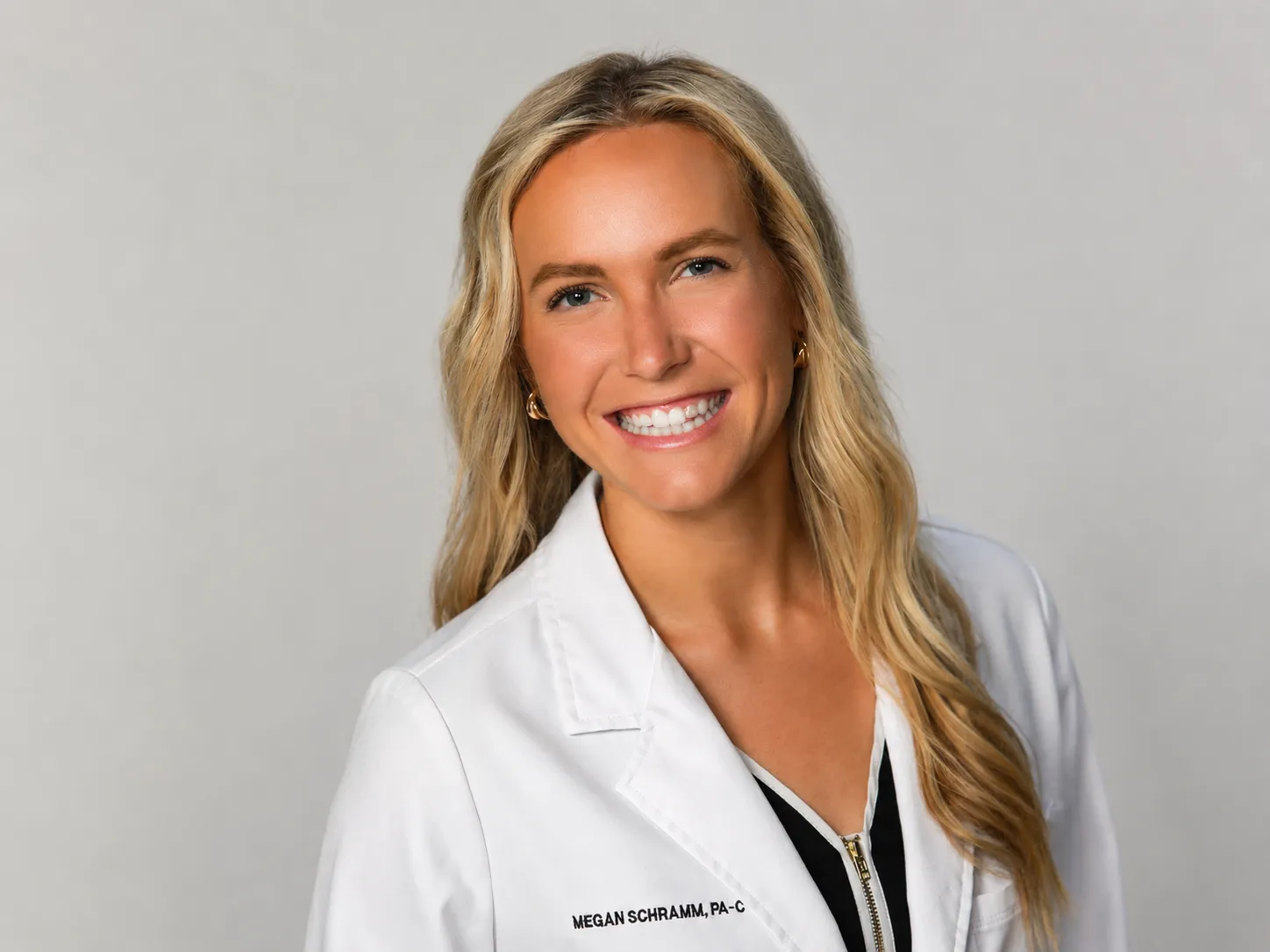

Medically Reviewed by
Megan Schramm, PA-C
Physician Assistant