Key Takeaways

When a painful, swollen pimple appears right before a big day — or honestly, any day — the instinct to grab an ice cube and press it against your face is completely understandable. It is one of the oldest home remedies for inflamed skin, and it shows up in nearly every "how to get rid of a pimple fast" search online.
But does ice actually help acne, or is it just another internet skincare tip that sounds good but does not deliver? The answer is more nuanced than a simple yes or no. Ice can provide real, measurable relief for certain types of acne — particularly inflamed, swollen breakouts — but it has significant limitations that are important to understand before you start treating your skin like a sports injury.
This guide breaks down exactly how cold therapy works on acne, when it helps most, the proper technique to avoid damaging your skin, and — critically — when you need something more effective than what your freezer can offer.
Quick Answer: Does Ice Help Acne?
Yes, but only for reducing inflammation and swelling — not for clearing acne. Here is what ice can and cannot do:
- Ice reduces redness and swelling by constricting blood vessels (vasoconstriction)
- It works best on inflammatory acne — swollen papules, pustules, and cystic lesions
- It provides temporary relief lasting minutes to hours, not permanent results
- It does not treat the root causes of acne: excess oil, clogged pores, bacteria, or hormones
- Proper technique matters — never apply ice directly to skin, and limit application to 1-2 minutes at a time
If your acne is persistent or recurring, ice alone will not resolve it. A dermatologist-guided treatment plan addresses the underlying causes of your breakouts.
How Does Ice Help with Acne? The Science of Cold Therapy
To understand why ice can help with acne, you need to understand what is happening underneath the surface of an inflamed pimple. Acne inflammation is an immune response. When a pore becomes clogged with sebum, dead skin cells, and Cutibacterium acnes bacteria, your immune system sends white blood cells to the area. Blood vessels dilate, increasing blood flow. Inflammatory mediators flood the tissue. The result is the redness, swelling, warmth, and pain you see and feel.
Cold therapy — known in medical literature as cryotherapy — counteracts several of these inflammatory processes simultaneously.
Vasoconstriction: Reducing Blood Flow
The most immediate effect of applying cold to skin is vasoconstriction — the narrowing of blood vessels. When blood vessels constrict, less blood flows to the area, which directly reduces the redness and swelling that make inflamed pimples so visible. This is the same principle behind using cold packs on a sprained ankle or a bruise. Research published in the Postgraduate Medical Journal confirms that local cooling produces rapid vasoconstriction and reduces edema (swelling) in inflamed tissue.
For acne specifically, this means that a swollen, angry-looking pimple will appear visibly smaller and less red within minutes of applying cold. The effect is temporary — once the tissue warms back up, blood vessels gradually dilate again — but it can provide meaningful short-term relief.
Slowing the Inflammatory Cascade
Cold does more than just narrow blood vessels. A 2018 review in the North American Journal of Medical Sciences explained that cold application reduces the metabolic activity of cells at the site of inflammation, slowing the release of pro-inflammatory cytokines and other chemical mediators. In practical terms, this means cold therapy can slow down the inflammatory cascade that makes a pimple progressively redder and more swollen over hours.
This is particularly relevant for cystic acne, where deep, painful lesions can continue to enlarge and become more inflamed over the course of a day. Applying cold early can help limit how much worse the lesion gets.
Pain Relief Through Nerve Desensitization
If you have ever had a throbbing, painful cyst beneath your skin, you know that acne is not just a cosmetic concern — it can genuinely hurt. Cold application provides analgesic (pain-relieving) effects by slowing nerve conduction velocity. A study in the Journal of Emergency Medicine demonstrated that local cold therapy significantly reduced pain perception in inflamed tissue. For deep, painful acne lesions, this numbing effect can provide welcome relief while you wait for medical treatment to take effect.
| Cold Therapy Effect | What Happens | Benefit for Acne |
|---|---|---|
| Vasoconstriction | Blood vessels narrow, reducing blood flow | Less visible redness and swelling |
| Reduced metabolic activity | Inflammatory cells release fewer cytokines | Slows worsening of inflammation |
| Nerve desensitization | Nerve conduction slows, numbing the area | Reduces pain from deep, tender lesions |
| Reduced edema | Less fluid accumulates in tissue | Pimple appears physically smaller |
How to Use Ice on Acne: Proper Technique
Ice can help with acne inflammation, but only if you use it correctly. Applying ice the wrong way can damage your skin, worsen irritation, or even cause cold-related injuries. Here is the step-by-step method dermatologists recommend.
Step-by-Step: Icing an Acne Breakout
- Cleanse your face gently with a mild, non-irritating cleanser
- Wrap an ice cube in a clean, thin cloth, paper towel, or use a small reusable cold pack
- Hold the wrapped ice against the inflamed area for 1 to 2 minutes
- Remove and let your skin rest for 2 to 3 minutes
- Repeat the cycle 2 to 3 times total
- Apply any topical acne treatments after your skin returns to normal temperature
- Follow with a non-comedogenic moisturizer if needed
Key Rules for Safe Cold Therapy
- Never apply ice directly to bare skin. Direct contact can cause ice burn (frostnip), which damages the skin surface, increases irritation, and can leave marks. Always use a barrier — a washcloth, paper towel, or thin fabric.
- Keep sessions short. One to two minutes per application is sufficient. Prolonged cold exposure can cause rebound vasodilation, where blood vessels overcompensate by opening wider than before, potentially worsening redness.
- Do not press hard. Gentle contact is all you need. Pressing the ice firmly against a pimple can irritate the lesion and potentially push infected material deeper into the skin.
- Avoid icing broken skin. If the pimple has an open wound, has been picked, or the surface is broken, cold therapy can sting and slow surface healing. Wait until the wound closes before using ice.
Red flag: If you notice skin turning white, feeling numb for extended periods, or developing a burning sensation during icing, remove the cold source immediately. These are signs of cold injury. People with conditions like Raynaud's phenomenon or cold urticaria should avoid ice application on the face entirely and consult a dermatologist for alternative anti-inflammatory strategies.
Does Ice Help Cystic Acne?
This is one of the most common questions people ask about ice and acne — and for good reason. Cystic acne produces some of the most painful, swollen, and visible lesions, and people understandably want any relief they can find.
The short answer is yes — ice can help cystic acne, and it may actually be more useful for cystic lesions than for milder forms of acne. Here is why.
Cystic acne involves deep, fluid-filled lesions beneath the skin surface. These cysts are intensely inflammatory, and their depth means that many topical treatments cannot reach them effectively. The swelling, redness, and pain associated with a cyst are caused by the same vascular and inflammatory processes that cold therapy directly counteracts — vasodilation, edema, and cytokine release.
Applying ice to a cyst can:
- Reduce the visible swelling so the cyst appears less prominent
- Ease the throbbing pain through nerve desensitization
- Slow inflammatory progression if applied early, before the cyst reaches its peak size
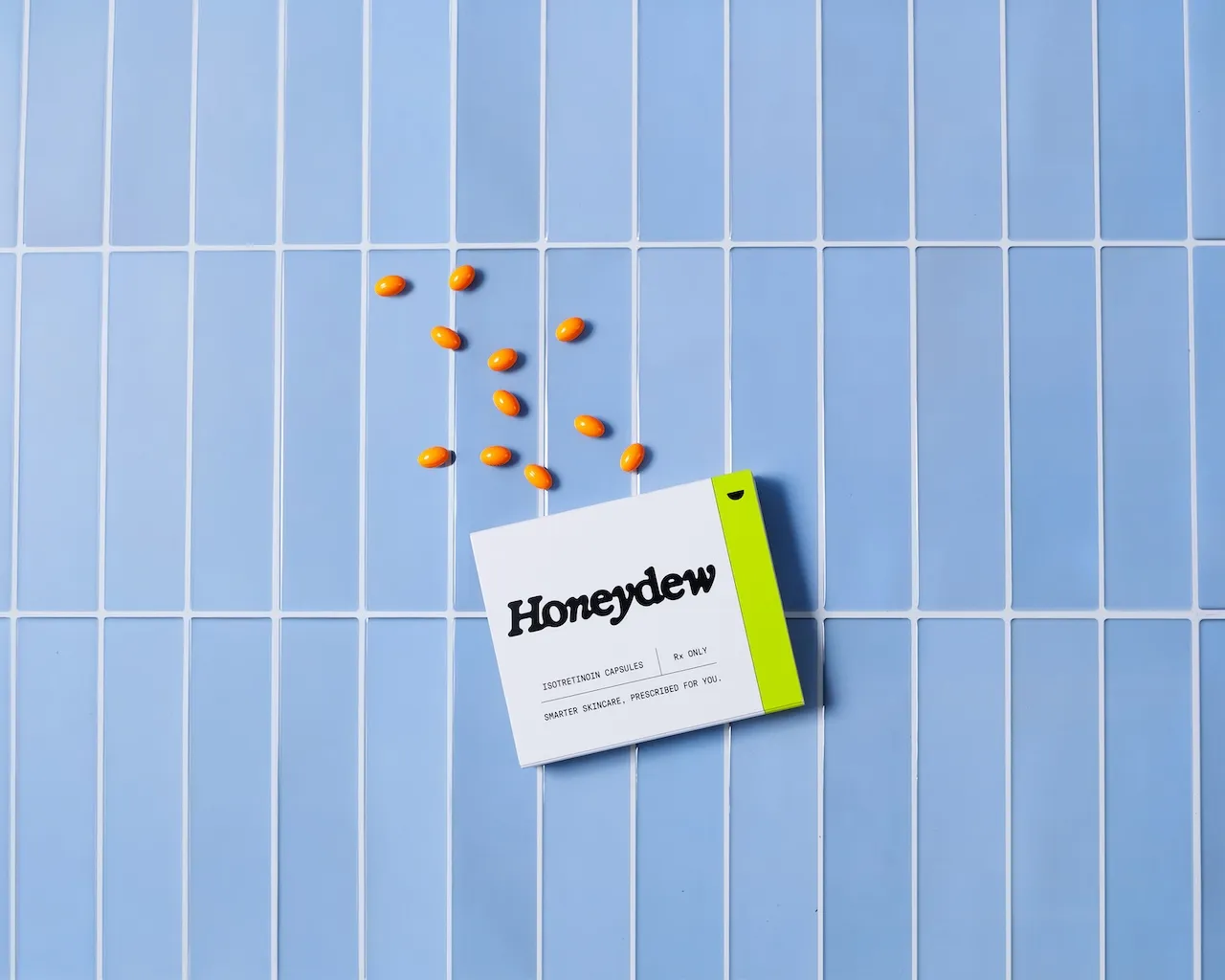
However, ice cannot resolve a cyst. It does not drain the fluid, eliminate the bacteria, or address the hormonal and genetic factors that cause cystic breakouts. If you are dealing with recurring cystic acne, you need a medical treatment plan. A dermatologist may recommend options like isotretinoin, which targets all four root causes of acne, or cortisone injections that can flatten a cyst within hours. Ice is a helpful bridge — something you can do right now while you pursue treatment that actually resolves the problem.
What to expect: Icing a cystic acne lesion can noticeably reduce swelling and pain within 5 to 10 minutes. The effect typically lasts 1 to 2 hours before the cyst begins to swell again. This makes ice particularly useful before events, photos, or any situation where you want temporary relief. For a lasting solution, a dermatologist can prescribe treatments that prevent cysts from forming in the first place.
When Does Ice Help Acne — and When Does It Not?
Ice is not a universal acne remedy. It works well for certain types of breakouts and certain situations, but it is essentially useless for others. Understanding the difference saves you time and helps you focus on what will actually make a difference.
| Acne Type | Does Ice Help? | Why or Why Not |
|---|---|---|
| Inflammatory papules (red bumps without pus) | Yes | Reduces redness and swelling caused by active inflammation |
| Pustules (pimples with visible pus) | Somewhat | Reduces surrounding redness but does not address the pus or bacterial infection |
| Cystic acne (deep, painful lumps) | Yes — often most helpful here | Reduces swelling, eases pain, slows inflammatory progression |
| Nodular acne (hard, deep lumps) | Moderately | Can ease pain and some swelling, but nodules are deeper and more stubborn |
| Blackheads and whiteheads (comedonal acne) | No | These are non-inflammatory — no swelling or redness for ice to reduce |
| Post-inflammatory red marks (PIE) | No | These are caused by damaged blood vessels, not active inflammation |
| Acne scars | No | Scars are structural skin changes — cold therapy has no effect |
The pattern is clear: ice helps when there is active inflammation happening right now. It does not help with non-inflammatory acne, and it does not treat acne after the inflammation has resolved. If your concern is red marks that linger after breakouts heal, read our guide on how to reduce acne redness, which covers targeted treatments for post-inflammatory erythema.
The Limitations of Ice for Acne
It is important to be direct about what ice cannot do. Understanding these limitations prevents frustration and helps you make informed decisions about your skincare.
Ice Does Not Treat the Root Causes of Acne
Acne is driven by four core factors: excess sebum production, abnormal skin cell shedding that clogs pores, Cutibacterium acnes bacterial overgrowth, and inflammation. Ice temporarily addresses only one of these — inflammation — and even that effect is short-lived. It does not reduce oil production, unclog pores, or kill bacteria. That means ice cannot prevent new breakouts from forming, and it cannot clear the ones you already have.
The Effects Are Temporary
Cold-induced vasoconstriction typically lasts 1 to 2 hours after application, sometimes less. Once your skin returns to its normal temperature, blood vessels dilate again and swelling can return. You are managing symptoms in the moment, not making lasting progress against the underlying condition.
It Cannot Replace Medical Treatment
If your acne is persistent, moderate to severe, or causing scarring, ice is not a substitute for medical treatment. Prescription options like tretinoin, oral antibiotics like doxycycline, spironolactone, or isotretinoin target the mechanisms that cause acne and produce lasting improvements. Ice is a supportive measure — a way to manage a flare-up — not a treatment strategy.
Red flag: If you find yourself reaching for ice every day because you are constantly dealing with new inflamed breakouts, that is a signal that you need professional treatment, not a better home remedy. Persistent inflammatory acne will not resolve on its own and can lead to permanent scarring if left untreated. A dermatologist can help you break the cycle.
Ice vs. Other At-Home Anti-Inflammatory Remedies for Acne
Ice is not the only thing in your medicine cabinet that can calm an inflamed breakout. Here is how it compares to other commonly used at-home remedies.
| Remedy | How It Works | Speed | Duration |
|---|---|---|---|
| Ice / cold compress | Vasoconstriction, slows inflammatory mediators | Minutes | 1-2 hours |
| Benzoyl peroxide (2.5%) | Kills bacteria, reduces inflammation | Hours | Ongoing with use |
| Hydrocortisone cream (1%) | Suppresses local immune response | 30-60 minutes | Several hours |
| Aloe vera gel | Mild anti-inflammatory, soothing | 30-60 minutes | A few hours |
| Green tea compress | Polyphenols (EGCG) reduce inflammation | 30-60 minutes | A few hours |
Ice has the fastest onset of any at-home remedy — you can see visible results within minutes. For longer-lasting anti-inflammatory effects, combining ice with a spot treatment like benzoyl peroxide gives you the best of both worlds: immediate relief from the cold, plus ongoing bacterial and inflammatory control from the medication.
What to expect: A practical approach is to ice the inflamed area first, wait for your skin to return to normal temperature (about 5 to 10 minutes), then apply your acne spot treatment. The icing calms the immediate swelling so the topical treatment can work on a less inflamed surface, and some dermatologists suggest this may also help with product penetration.
What About Rice Water for Acne?
If you have been searching about ice and acne, you may have also come across claims about rice water for acne. These are two completely different topics, so let us address rice water briefly.
Rice water — the starchy liquid left over from rinsing or soaking uncooked rice — has a long history in East Asian beauty traditions. Some small studies have looked at its properties: a study published in Skin Pharmacology and Applied Skin Physiology found that rice bran extract has anti-inflammatory and antioxidant effects on skin, and fermented rice water contains ferulic acid and allantoin, both of which have mild soothing properties.
However, there is no clinical evidence that rice water clears acne. It is not antimicrobial in any meaningful way, it does not reduce sebum production, and it does not unclog pores. If you enjoy it as part of a gentle skincare routine, it is unlikely to cause harm — but it is also unlikely to make a noticeable difference in your breakouts. Like ice, it falls into the category of home remedies that are not harmful but are not substitutes for evidence-based acne treatment.
When to See a Dermatologist Instead of Icing at Home
Ice is a reasonable first response for an occasional inflamed pimple. But there are clear signs that you need more than at-home remedies.
- You have recurring cystic or nodular acne — deep, painful breakouts that come back frequently indicate a need for systemic treatment, not symptom management
- Over-the-counter treatments have not worked after 8 to 12 weeks of consistent use
- Your acne is leaving scars or lasting marks — once scarring begins, the priority is stopping new damage as quickly as possible
- Breakouts are affecting your confidence or daily life — you do not need to wait until acne is "severe enough" to see a dermatologist
- You have acne along with other symptoms — irregular periods, excess hair growth, or other hormonal signs that suggest an underlying condition
At Honeydew, our board-certified dermatologists and providers evaluate your skin, identify the type and drivers of your acne, and create a personalized treatment plan. We prescribe evidence-based medications — tretinoin, doxycycline, spironolactone, isotretinoin, and more — tailored to your specific situation. Same-day and next-day virtual appointments are available, so you do not have to wait weeks while your skin gets worse. See our pricing for details.
What to expect: During a virtual consultation, your provider will review your skin history, look at your breakouts, and discuss what you have already tried. From there, we build a treatment plan that targets the root causes of your acne — not just the symptoms. Most patients begin seeing improvement within 6 to 12 weeks of starting prescription treatment, and many wish they had started sooner.
The Bottom Line
Does ice help acne? In a limited but genuinely useful way — yes. Cold therapy reduces swelling, calms redness, and eases the pain of inflamed breakouts, especially deep cystic lesions. It is free, accessible, works within minutes, and is safe when done correctly. As a quick fix for an angry pimple, it is hard to beat.
But ice is a symptom manager, not a treatment. It does not address the hormonal, bacterial, and structural factors that cause acne in the first place. If your breakouts are persistent, recurring, or getting worse, the most effective path forward is a personalized treatment plan from a dermatologist — one that targets the root causes of your acne and delivers lasting results.
Keep the ice in your toolkit for those moments when you need fast relief. But do not settle for only managing symptoms when real solutions are available.
.webp)

Medically Reviewed by
Joel Spitz, MD
Co-Founder & Chief Medical Officer, Board Certified Dermatologist