Key Takeaways

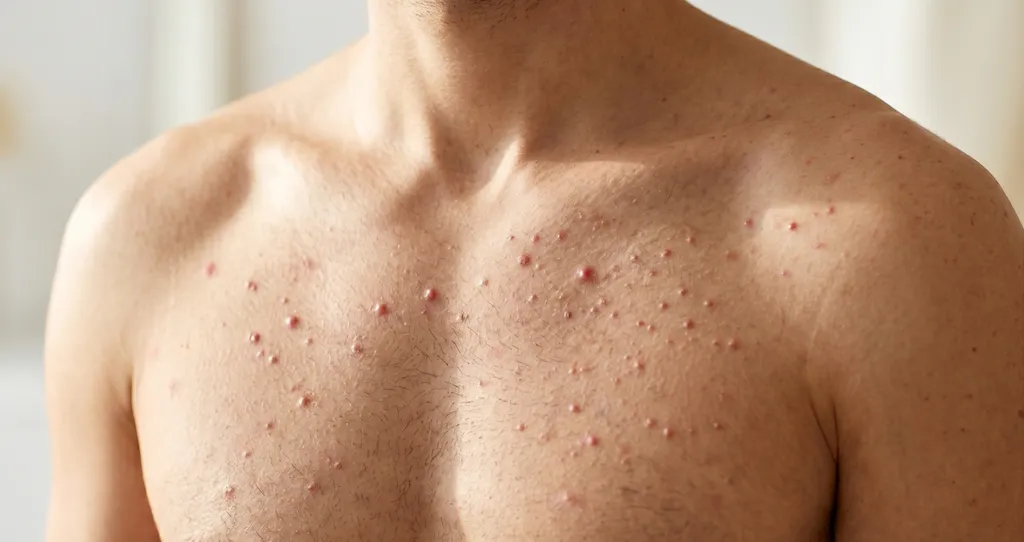
You started Lexapro because you needed help with your mental health. Maybe you were dealing with anxiety that made it hard to get through the day, or depression that drained the color out of everything. The medication started working — you felt more like yourself, more functional, more stable. And then your skin started breaking out.
Now you are searching "does Lexapro cause acne" at midnight, scrolling through Reddit threads full of people describing the exact same experience, and wondering whether you have to choose between your mental health and your skin. If that sounds familiar, you are far from alone. Skin changes are one of the most commonly discussed side effects among SSRI users online, even though they do not always get top billing in the prescribing information.
Here is the most important thing to say upfront: do not stop taking your antidepressant because of acne. Breakouts on Lexapro are manageable with the right approach, and your mental health medication is doing something far more critical than any skincare routine can replace. What you need is a plan that addresses both — and that is exactly what this article is about.
Quick Answer: Does Lexapro Cause Acne?
Lexapro (escitalopram) can contribute to acne breakouts in some people, though it is not one of the most commonly reported side effects. Here is the short version:
- Serotonin affects your skin — SSRIs alter serotonin signaling, and your skin has serotonin receptors that influence inflammation, oil production, and wound healing
- Hormonal shifts — SSRIs can indirectly affect cortisol, prolactin, and other hormones that influence sebum production
- Weight and appetite changes — some people experience increased appetite or cravings on SSRIs, which can affect insulin and inflammation
- Increased sweating — hyperhidrosis is a well-documented SSRI side effect that can contribute to clogged pores
- It is treatable — acne caused or worsened by SSRIs responds well to standard dermatological treatments
If you are dealing with breakouts after starting Lexapro, a dermatologist can help you manage your skin while you continue your medication. Learn more about acne treatment options.
How Lexapro and SSRIs Can Cause Acne
Lexapro (escitalopram) is a selective serotonin reuptake inhibitor (SSRI). It works by blocking the reabsorption of serotonin in the brain, which increases the amount of serotonin available to transmit signals between nerve cells. This is what helps improve mood, reduce anxiety, and stabilize emotions. But serotonin is not just a brain chemical — it is active throughout your entire body, including your skin.
Understanding the pathways through which SSRIs affect the skin helps explain why some people break out on Lexapro while others do not.
Serotonin and Your Skin
Your skin is not a passive bystander when it comes to serotonin. Research published in Experimental Dermatology has established that human skin cells — including keratinocytes, melanocytes, and fibroblasts — express serotonin receptors and can even synthesize serotonin locally. This means your skin has its own serotonergic system that responds to changes in serotonin levels.
When an SSRI like Lexapro increases serotonin availability systemically, it does not only affect your brain. It also alters serotonin signaling in the skin, which can influence several processes relevant to acne:
- Inflammation: Serotonin plays a complex role in the inflammatory response. While it can have anti-inflammatory effects in some contexts, altered serotonin signaling can also promote inflammation in the skin through pathways involving mast cell activation and cytokine release. This increased local inflammation can make the skin more acne-prone.
- Sebum production: Serotonin receptors are present on sebaceous glands, and changes in serotonergic signaling may influence how much oil your skin produces. Research in the Journal of Investigative Dermatology has demonstrated that neuroactive substances — including serotonin — can modulate sebaceous gland function.
- Skin barrier function: Serotonin is involved in keratinocyte differentiation and skin barrier maintenance. Disruptions in serotonin signaling can compromise the barrier, leading to increased sensitivity, dehydration, and compensatory oil production.
Hormonal Effects of SSRIs
SSRIs do not just alter serotonin — they can have downstream effects on several hormones that influence acne.
Cortisol: While SSRIs are prescribed to reduce anxiety and stress, the relationship between SSRIs and cortisol is nuanced. Some research, including a study published in Psychoneuroendocrinology, has found that SSRIs can modulate HPA axis activity and cortisol response. During the initial weeks of treatment, before the therapeutic effects fully kick in, cortisol levels may fluctuate. As we discuss in our article on stress and acne, elevated cortisol directly stimulates sebaceous glands and increases inflammation.
Prolactin: SSRIs can cause mild elevations in prolactin levels. A review in the Journal of Clinical Psychopharmacology noted that serotonergic medications can stimulate prolactin release through their effects on hypothalamic dopamine pathways. Elevated prolactin has been associated with increased androgen activity in some individuals, which can stimulate oil production and contribute to breakouts.
Thyroid function: There is some evidence that SSRIs can subtly affect thyroid hormone levels in certain individuals. Since thyroid hormones influence skin cell turnover and sebum production, even minor changes can contribute to skin changes in susceptible people.
Sweating and Hyperhidrosis
Increased sweating is one of the most well-documented dermatological side effects of SSRIs. A study published in the Annals of Clinical Psychiatry found that SSRI-associated sweating affects an estimated 7 to 19% of patients, depending on the specific medication. Serotonin is directly involved in thermoregulation, and increasing serotonin levels can disrupt the body's temperature control mechanisms.
Excess sweating on its own does not cause acne, but it creates conditions that promote breakouts. When sweat sits on the skin and mixes with oil, dead skin cells, and bacteria, it contributes to pore blockage — particularly in areas prone to friction like the back, chest, hairline, and jawline. If you have noticed that your breakouts tend to cluster in areas where you sweat most, this mechanism may be playing a significant role.
Appetite Changes and Weight Gain
Some people on Lexapro experience increased appetite, carbohydrate cravings, or gradual weight gain. While not everyone is affected, a long-term study published in JAMA Psychiatry found that antidepressant use was associated with weight gain over time. This matters for acne because dietary changes — particularly increased consumption of high-glycemic foods and refined carbohydrates — can spike insulin levels and trigger inflammatory cascades that worsen breakouts.
A study in the American Journal of Clinical Nutrition demonstrated that high-glycemic diets significantly worsened acne compared to low-glycemic alternatives. If Lexapro has shifted your eating patterns toward more sugar and processed carbohydrates, this dietary change could be contributing to your breakouts independently of the medication's direct effects on the skin.
What to expect: If Lexapro is going to cause acne, it most commonly appears during the first few weeks to months of treatment — the same period when your body is adjusting to the medication. For some people, breakouts resolve on their own as the body acclimates. For others, the acne persists and requires targeted treatment. Either way, it is worth tracking the timing of your breakouts relative to when you started or adjusted your dose.
Does Lexapro Cause Acne More Than Other Antidepressants?
Not all antidepressants affect the skin in the same way. If you are wondering whether switching medications might help your skin, here is how the major classes compare in terms of acne risk.
| Medication | Class | Acne-Related Side Effects |
|---|---|---|
| Lexapro (escitalopram) | SSRI | Sweating, possible hormonal shifts, appetite changes; moderate acne risk in some individuals |
| Zoloft (sertraline) | SSRI | Sweating (more common than with Lexapro), similar hormonal mechanisms; comparable acne risk |
| Prozac (fluoxetine) | SSRI | Less weight gain than other SSRIs, but sweating and hormonal effects still possible; acne sometimes reported |
| Paxil (paroxetine) | SSRI | Higher rate of weight gain and sweating among SSRIs; may carry slightly higher acne risk |
| Effexor (venlafaxine) | SNRI | Higher rate of sweating than SSRIs due to norepinephrine effects; may increase acne risk in susceptible individuals |
| Wellbutrin (bupropion) | NDRI | Does not affect serotonin; lower weight gain risk; some reports of skin dryness; generally lower acne risk |
| Remeron (mirtazapine) | Tetracyclic | Significant appetite increase and weight gain; higher acne risk due to dietary and metabolic changes |
Among SSRIs specifically, Lexapro and Zoloft tend to fall in the middle of the spectrum for skin-related side effects. Paxil may carry a slightly higher risk due to its stronger association with weight gain and sweating. Wellbutrin, which works through a completely different mechanism (dopamine and norepinephrine rather than serotonin), is generally associated with fewer skin-related issues — though it has its own side effect profile that may not be appropriate for everyone.
Critical reminder: Never stop, switch, or adjust your antidepressant medication because of acne without consulting your prescribing doctor. Abruptly stopping SSRIs can cause discontinuation syndrome — a set of withdrawal-like symptoms including dizziness, nausea, anxiety, irritability, and brain zaps — and can destabilize your mental health. Acne is a treatable condition. Untreated depression and anxiety have far more serious consequences. Always talk to your prescribing provider before making any changes to your mental health medication.
Can Lexapro Actually Improve Acne?
Here is something that might surprise you: for some people, starting an SSRI actually improves their acne. This is not contradictory — it makes sense when you consider the mechanisms involved.
If your acne is primarily driven by stress and anxiety, and Lexapro effectively reduces that stress, the downstream hormonal benefits can outweigh the medication's direct effects on the skin. Lower anxiety means lower cortisol, which means less sebum production and less inflammation. For people whose acne is tightly linked to their psychological state, treating the underlying anxiety or depression with an SSRI can genuinely result in clearer skin.
Additionally, improved mental health often leads to better self-care habits — more consistent skincare routines, better sleep, healthier eating, and less stress-driven face touching and picking. These behavioral improvements can have a meaningful impact on acne, sometimes enough to offset the medication's acne-promoting side effects.
Whether Lexapro helps or hurts your skin often depends on what was driving your acne in the first place. If stress was the primary trigger, you may see improvement. If your skin was relatively clear before starting the medication, new breakouts are more likely to be medication-related.
How to Treat Acne While Taking Lexapro
The good news is that acne caused or worsened by SSRIs responds to the same evidence-based treatments that work for other forms of acne. You do not need a specialized approach — you just need a dermatologist who understands your full medication picture.
Work with a Dermatologist
If your breakouts started or worsened after beginning Lexapro, the most effective path forward is working with a dermatologist who can assess your skin and build a treatment plan that accounts for your medication. Common prescription options include:
- Topical retinoids (tretinoin, adapalene): These are first-line acne treatments that normalize skin cell turnover, prevent clogged pores, and reduce inflammation. They are safe to use alongside SSRIs and directly counter the excess oil and pore-clogging that medication-related hormonal changes can cause.
- Topical or oral antibiotics: For moderate inflammatory acne, antibiotics like clindamycin (topical) or doxycycline (oral) can help control bacterial overgrowth and reduce inflammation. There are no significant drug interactions between standard acne antibiotics and SSRIs.
- Spironolactone: If your SSRI-related acne has a hormonal pattern — particularly breakouts concentrated on the jawline and lower face — spironolactone can be highly effective. It blocks androgen receptors in the skin, reducing oil production at the hormonal level.
- Isotretinoin (Accutane): For persistent acne that does not respond to other treatments, isotretinoin is the most effective option available. It dramatically reduces sebum production and can provide lasting clearance. Isotretinoin can be used alongside SSRIs, though your dermatologist and prescribing psychiatrist should coordinate care, as both providers should be aware of all medications you are taking.
Skincare Strategies for SSRI-Related Breakouts
Beyond prescription treatment, there are practical skincare adjustments that can help manage breakouts related to your medication.
Daily Skincare Essentials on SSRIs
- Gentle, non-stripping cleanser morning and evening
- Lightweight, non-comedogenic moisturizer (even if skin feels oily)
- SPF 30+ sunscreen daily (essential if using retinoids)
- Shower or cleanse promptly after sweating
- Prescription treatment as directed by your dermatologist
- Moisture-wicking fabrics if sweating is significant
If SSRI-related sweating is a major contributor to your breakouts, pay extra attention to areas where sweat accumulates — the hairline, back of the neck, chest, and back. Keeping these areas clean and using a body wash with salicylic acid or benzoyl peroxide can help prevent the clogged pores that lead to body acne.
Address Dietary Shifts
If Lexapro has increased your appetite or shifted your cravings toward carbohydrate-heavy foods, being mindful about your diet can help your skin. You do not need a restrictive eating plan — just an awareness that high-glycemic foods and excess sugar can worsen acne through insulin-driven inflammation. Prioritize whole foods, lean protein, healthy fats, and plenty of vegetables. Staying hydrated is equally important, particularly if sweating is a side effect you are experiencing.
What to expect: If your acne is related to starting or adjusting Lexapro, give your body time to adjust. Many SSRI side effects — including skin changes — improve after the first 6 to 12 weeks as your body acclimates to the new serotonin levels. If breakouts persist beyond this adjustment period, that is the right time to involve a dermatologist for targeted treatment. In the meantime, a consistent basic skincare routine can help minimize damage.
Will Lexapro Acne Go Away on Its Own?
This is one of the most common questions people ask, and the answer depends on the individual and the mechanism driving the breakouts.
During the adjustment period (first 2 to 3 months): Some people experience acne that resolves on its own as the body adjusts to the medication. Initial hormonal fluctuations, cortisol changes, and stress-response recalibration can cause temporary breakouts that settle once the medication reaches steady state. If your acne appeared in the first few weeks and is mild, waiting it out — while maintaining good skincare — is a reasonable approach.
Beyond the adjustment period: If your acne persists after three months on a stable dose, it is less likely to resolve spontaneously. Ongoing mechanisms like SSRI-related sweating, appetite changes, or hormonal shifts may continue to promote breakouts as long as you are on the medication. In this case, active dermatological treatment is the most effective path to clear skin.
If you stop the medication: Acne that was directly caused by Lexapro's effects on hormones or sweating may improve after discontinuing the medication — but stopping an antidepressant for this reason is rarely advisable. The acne is treatable without changing your mental health medication, and your prescribing doctor should always be involved in decisions about stopping or switching SSRIs.
What People Are Saying Online: The Reddit Perspective
If you have been searching for answers about Lexapro and acne, you have probably come across discussions on Reddit and other forums. The anecdotal experiences shared online are worth acknowledging — not because they replace clinical evidence, but because they reflect real patterns that many people experience.
Common themes in online discussions include:
- Breakouts starting within the first month of starting Lexapro, particularly along the jawline, forehead, and chin
- Increased oiliness and sweating as noticeable changes that preceded the acne
- Improvement after the adjustment period for some, while others report persistent acne throughout treatment
- Success with dermatological treatment — many people share that adding a topical retinoid, spironolactone, or other acne medication resolved their breakouts while they continued Lexapro
- Acne resolving after switching medications — some report improvement after switching to a different SSRI or to Wellbutrin, though this is not universal
These accounts are consistent with what the research suggests: Lexapro can cause or worsen acne in some individuals through multiple overlapping mechanisms, but the acne is treatable and does not have to be a permanent consequence of taking the medication.
When to See a Dermatologist
Mild breakouts during the first few weeks of a new medication may resolve on their own, but there are clear signals that it is time to get professional help.
See a Dermatologist If:
- Your acne started or significantly worsened after beginning Lexapro or another antidepressant
- Breakouts have persisted for more than three months on the medication
- Over-the-counter products are not making a noticeable difference
- You are getting deep, painful cystic breakouts
- Your acne is leaving dark marks or scars
- Skin issues are adding to your anxiety or affecting your mental health
That last point is especially important. If your acne is making your anxiety or depression worse — creating a feedback loop where the medication helps your mood but the skin side effects undermine it — getting dermatological treatment is not optional. It is an important part of your overall mental health care.
At Honeydew, our providers treat all types of acne, including breakouts related to antidepressants and other medications. When you meet with one of our board-certified dermatologists or providers, they take your full medication list into account and create a treatment plan that works alongside your mental health treatment — not against it. We offer same-day or next-day virtual appointments, so you do not have to spend weeks waiting while your skin gets worse. Check out our pricing and membership options to get started.
The Bottom Line
Lexapro and other SSRIs can cause or worsen acne in some people through a combination of serotonergic effects on the skin, hormonal shifts, increased sweating, and appetite changes. The relationship is real, and if you have noticed your skin getting worse after starting an antidepressant, you are not imagining it.
But here is what matters most: this is a solvable problem, and it is not a reason to stop taking medication that is helping your mental health. Acne caused or worsened by SSRIs responds to the same evidence-based treatments that work for any other form of acne — topical retinoids, antibiotics, spironolactone, or isotretinoin when needed. A dermatologist can help you build a plan that keeps your skin clear without interfering with your mental health treatment.
Your mental health and your skin health are both important. You do not have to sacrifice one for the other.
.webp)

Medically Reviewed by
Joel Spitz, MD
Co-Founder & Chief Medical Officer, Board Certified Dermatologist


.webp)