Key Takeaways

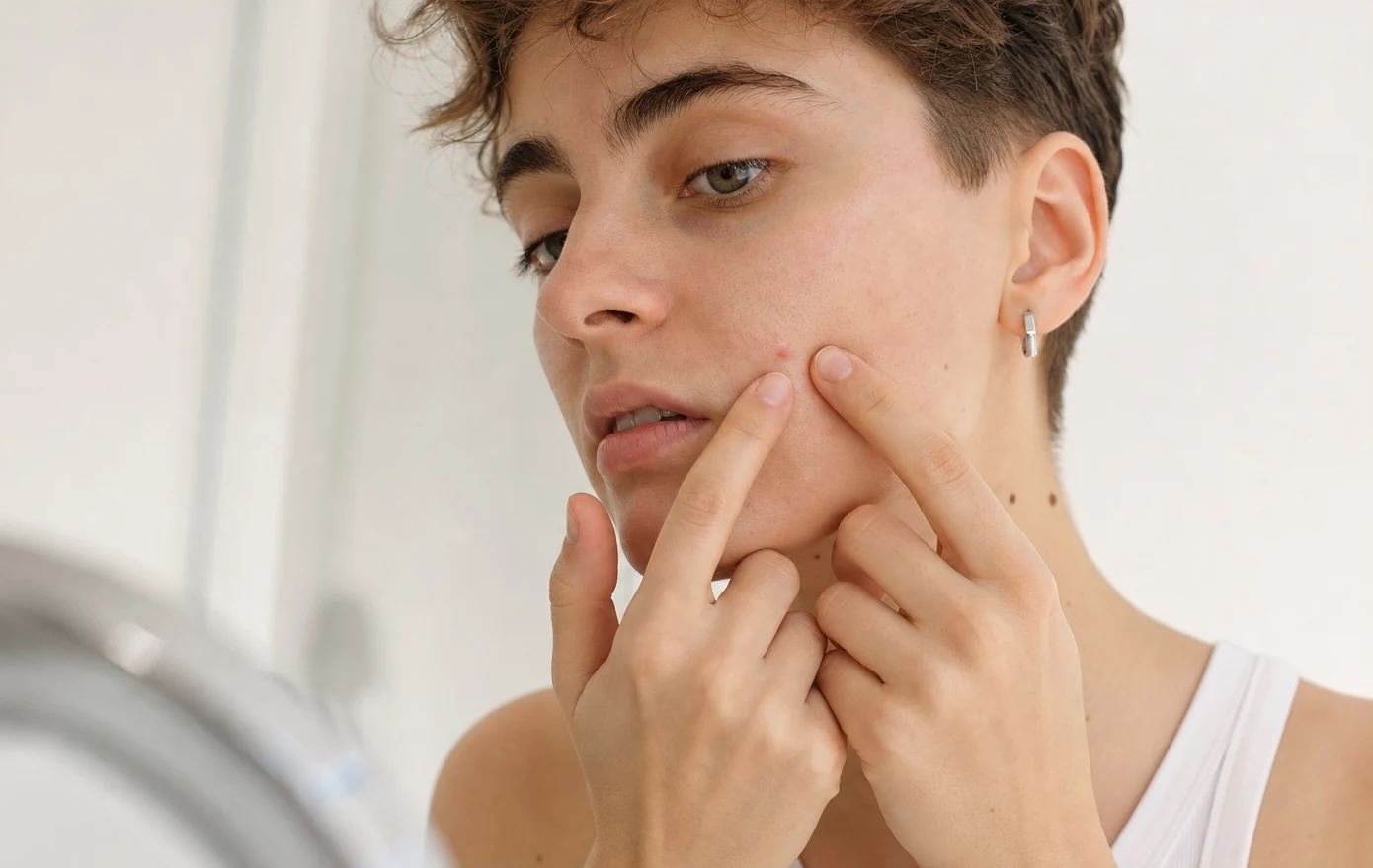
You finally got your acne under control, but now you are dealing with something almost as frustrating — the scars and dark marks it left behind. If you have been researching treatments, you have probably come across tretinoin (the active ingredient in Retin-A) and wondered whether it can actually help fade those stubborn reminders of past breakouts.
The short answer is yes — tretinoin does help with acne scars, but the type of scarring you have matters enormously. For post-inflammatory hyperpigmentation (those flat dark or red marks), tretinoin is one of the most effective topical treatments available. For deeper, textured scars like ice pick or boxcar scars, tretinoin plays a supportive role but likely will not be enough on its own.
Understanding the difference — and knowing what tretinoin can realistically do for your skin — is key to building a treatment plan that actually works. Let's walk through the evidence.
Quick Answer: Does Tretinoin Help With Acne Scars?
Yes, but it depends on the scar type. Tretinoin is highly effective for flat discoloration (post-inflammatory hyperpigmentation) and can modestly improve shallow atrophic scars over time. Deep ice pick or boxcar scars typically need professional procedures in addition to tretinoin.
- Dark marks (PIH): Strong evidence — tretinoin accelerates cell turnover and fades pigmentation
- Shallow scars: Moderate evidence — collagen stimulation can improve texture over months
- Deep scars: Limited benefit alone — best used alongside procedures like microneedling or laser
- Timeline: Expect 8-12 weeks for visible improvement in dark marks; 6+ months for texture changes
How Tretinoin Works on Your Skin
Before diving into scars specifically, it helps to understand why tretinoin is so effective at reshaping skin. Tretinoin is a prescription-strength retinoid — a derivative of vitamin A — that works at the cellular level in several ways:
- Accelerates cell turnover: Tretinoin speeds up the rate at which your skin sheds old, damaged cells and replaces them with new ones. A study published in the Journal of Investigative Dermatology found that tretinoin can increase epidermal turnover by up to 2-3 times the normal rate.
- Stimulates collagen production: Research published in the Journal of the American Academy of Dermatology demonstrated that tretinoin promotes new collagen synthesis in the dermis — the deeper layer of skin where scars form.
- Inhibits melanin transfer: Tretinoin disrupts the process by which pigment is deposited into skin cells, which is why it is so effective at fading hyperpigmentation.
- Thickens the epidermis: Over time, tretinoin increases the thickness of the outer skin layer, which can improve the appearance of shallow depressions.
These mechanisms are exactly why tretinoin is the foundation of so many acne treatment plans — and why it carries over into scar treatment. For a deeper look at how tretinoin fits into a complete acne regimen, see our comprehensive tretinoin guide.
Does Tretinoin Help With Acne Scars? Breaking It Down by Type
Not all acne scars are created equal. The term "acne scars" actually covers several distinct conditions, and tretinoin works differently for each one.
Post-Inflammatory Hyperpigmentation (PIH) — Best Results
PIH refers to the flat, dark or reddish marks left behind after a pimple heals. Technically, these are not scars at all — they are areas where excess melanin was deposited during the inflammatory process. But for most people, they are the most visible and frustrating remnant of acne.
Tretinoin is exceptionally effective here. A clinical trial in the British Journal of Dermatology showed that 0.1% tretinoin cream significantly reduced hyperpigmentation compared to a vehicle control over 40 weeks. The mechanism is straightforward: by accelerating cell turnover, tretinoin pushes pigmented cells to the surface faster, where they are shed and replaced by new, evenly pigmented skin.
What to expect: Most people see noticeable fading of dark marks within 8-12 weeks of consistent tretinoin use. Complete resolution of PIH can take 3-6 months, depending on your skin tone and how deep the pigmentation extends. People with darker skin tones may need longer, but the results tend to be significant.
Post-Inflammatory Erythema (PIE) — Moderate Results
PIE refers to the flat, pink or red marks left by acne — common in lighter skin tones. Unlike PIH, PIE is caused by damaged or dilated blood vessels beneath the skin, not excess pigment.
Tretinoin can help here, though the mechanism is less direct. By promoting overall skin renewal and strengthening the skin barrier, tretinoin can speed the natural resolution of PIE. However, it is not as reliably effective for red marks as it is for brown ones. Treatments like vascular lasers or azelaic acid may be more targeted for PIE.
Atrophic Scars (Ice Pick, Boxcar, Rolling) — Limited Results Alone
Atrophic scars are indented scars caused by a loss of collagen during the healing process. They come in three subtypes:
- Ice pick scars: Deep, narrow, V-shaped pits
- Boxcar scars: Wide, rectangular depressions with defined edges
- Rolling scars: Broad, wave-like undulations in the skin
A study in the Archives of Dermatology demonstrated that tretinoin can improve atrophic scarring to some degree, particularly rolling scars and shallow boxcar scars, by stimulating collagen production in the dermis. However, results are modest and slow — often requiring 6-12 months of consistent use — and deep ice pick scars rarely show significant improvement with tretinoin alone.
For textured scarring, tretinoin works best as part of a combination approach. Many dermatologists use it to prep the skin before procedures like microneedling, chemical peels, or fractional laser resurfacing, and then continue it afterward to maintain collagen stimulation.
Hypertrophic and Keloid Scars — Not Recommended
Raised scars — where the body produces too much collagen during healing — generally do not respond to tretinoin. These require specialized treatments such as corticosteroid injections, silicone sheeting, or laser therapy. If you have raised scarring, talk to a dermatologist about targeted options.
Tretinoin vs. Other Scar Treatments: How Does It Compare?
| Treatment | Best For | Timeline | Prescription Needed? |
|---|---|---|---|
| Tretinoin | PIH, mild texture | 8-24 weeks | Yes |
| Azelaic acid | PIH, PIE | 8-16 weeks | Rx for higher strengths |
| Vitamin C serum | PIH, brightening | 8-12 weeks | No |
| Chemical peels | PIH, shallow scars | Multiple sessions | In-office procedure |
| Microneedling | Atrophic scars | 3-6 sessions | In-office procedure |
| Fractional laser | Deep atrophic scars | 3-6 sessions | In-office procedure |
The biggest advantage of tretinoin is that it is a daily at-home treatment you can use indefinitely, unlike in-office procedures that require appointments and recovery time. For many people, tretinoin alone is enough to address their primary concern — dark spots. For deeper scarring, it becomes a powerful complement to professional treatments. To understand how tretinoin compares to isotretinoin (Accutane) as an acne treatment, check out our Accutane vs. Retin-A comparison.
Can Tretinoin Cause Acne? The Purging Question
One of the most common concerns we hear from patients is a frustrating paradox: they started tretinoin to improve their skin, and it seemed to get worse first. This is known as the "tretinoin purge," and it is a normal — if annoying — part of the adjustment process.
When tretinoin accelerates cell turnover, it can bring existing microcomedones (clogged pores forming beneath the surface) to the surface faster than they would have appeared naturally. This creates what looks like a fresh breakout, but it is actually your skin clearing out congestion that was already there.
Red flag: A tretinoin purge typically lasts 4-6 weeks and gradually improves. If your breakouts are getting progressively worse after 8+ weeks, or if you are developing painful cystic lesions you have never had before, contact your dermatologist. This may indicate that your formulation needs adjustment or that a different treatment approach is warranted.
The purge can be particularly distressing if you started tretinoin specifically for post-acne marks — the last thing you want is new breakouts creating new marks. The good news is that the purge is temporary, and the long-term benefits of tretinoin for both active acne and scarring far outweigh this initial setback.
Tips to Minimize Purging
- Start low and slow: Begin with a lower concentration (0.025%) and apply every other night or even every third night
- Buffer your application: Apply moisturizer first, wait 10-15 minutes, then apply tretinoin to reduce irritation
- Be patient: Resist the urge to increase frequency too quickly — let your skin adapt over 2-4 weeks before increasing
- Do not combine too many actives: Avoid using benzoyl peroxide, AHAs, or vitamin C at the same time as tretinoin during the adjustment period
Does Tretinoin Help With Hormonal Acne?
If your acne tends to flare along the jawline, chin, or lower cheeks — especially around your menstrual cycle — you may be dealing with hormonal acne. Tretinoin does help with hormonal acne, though it addresses the symptoms rather than the underlying hormonal cause.
Tretinoin works by keeping pores clear and preventing the comedone formation that hormonal fluctuations trigger. Many dermatologists prescribe tretinoin alongside other treatments — such as spironolactone — to address both the hormonal root cause and the topical manifestation of breakouts.
For hormonal acne that leaves behind stubborn dark marks, tretinoin serves a dual purpose: it helps prevent new breakouts while simultaneously fading the hyperpigmentation from old ones. This makes it a particularly efficient choice for people dealing with ongoing hormonal breakouts and scarring.
How to Use Tretinoin for Acne Scars: A Step-by-Step Routine
Getting results from tretinoin requires consistency and proper application. Here is how to incorporate it into your routine for scar fading:
Nightly Tretinoin Routine
- Cleanse with a gentle, non-foaming cleanser (avoid scrubs or exfoliating washes)
- Pat skin dry and wait 10-20 minutes — tretinoin on damp skin increases irritation
- Apply a pea-sized amount of tretinoin to your entire face (not just scars)
- Wait 5-10 minutes, then follow with a moisturizer to lock in hydration
- Apply SPF 30+ sunscreen every morning — tretinoin increases sun sensitivity, and UV exposure worsens hyperpigmentation
What to expect: Sunscreen is non-negotiable when using tretinoin for scar fading. Tretinoin makes your skin more photosensitive, and sun exposure can darken hyperpigmentation — undoing the progress you have made. A broad-spectrum SPF 30 or higher is essential every day, even on cloudy days.
Tretinoin Strengths for Scar Treatment
| Strength | Best For | Notes |
|---|---|---|
| 0.025% | Sensitive skin, first-time users | Good starting point to build tolerance |
| 0.05% | Moderate scarring, most patients | Most commonly prescribed concentration |
| 0.1% | Significant scarring, experienced users | Higher efficacy but more irritation — work up to this |
Your dermatologist will recommend the right strength based on your skin type, tolerance, and the type of scarring you are treating. If you are new to tretinoin, most providers start at 0.025% or 0.05% and increase gradually. Learn more about how to get tretinoin online through a board-certified dermatologist.
Timeline: How Long Does Tretinoin Take to Fade Acne Scars?
Patience is essential with tretinoin. Unlike in-office procedures that deliver dramatic results in a single session, tretinoin works gradually through consistent daily application. Here is a realistic timeline:
| Timeframe | What to Expect |
|---|---|
| Weeks 1-4 | Adjustment period — dryness, peeling, possible purging. Scars may temporarily look more prominent as surrounding skin peels. |
| Weeks 4-8 | Irritation subsides. Skin starts to look smoother and brighter overall. Mild PIH may begin to fade. |
| Weeks 8-16 | Noticeable improvement in hyperpigmentation. Skin tone becomes more even. This is when most patients feel it is "working." |
| Months 4-6 | Significant fading of dark marks. Early improvements in skin texture and shallow scarring from new collagen production. |
| Months 6-12+ | Maximum collagen remodeling benefits. Rolling and shallow boxcar scars may show measurable improvement. Continued use maintains results. |
The key takeaway: tretinoin is a marathon, not a sprint. If you stop after a few weeks because you are not seeing results, you are likely quitting right before the benefits kick in.
When Tretinoin Is Not Enough: Next Steps
If you have been using tretinoin consistently for 6+ months and your scarring is still bothersome, it may be time to discuss additional options with your dermatologist. Tretinoin can be combined with:
- Professional chemical peels: Medium-depth peels (like TCA peels) can significantly improve atrophic scars, and tretinoin primes the skin for better peel penetration
- Microneedling: Creates controlled micro-injuries that trigger collagen production; studies show enhanced results when used alongside topical retinoids
- Fractional laser resurfacing: The most effective single treatment for deep atrophic scars, often used in combination with pre- and post-treatment tretinoin
- Isotretinoin (Accutane): If your scarring is being worsened by ongoing deep or persistent acne, oral isotretinoin may be worth considering to stop new breakouts from causing additional scarring. Learn how it compares in our Accutane vs. Retin-A guide
Red flag: You should stop tretinoin 1-2 weeks before any in-office procedure like chemical peels, microneedling, or laser treatments. Using tretinoin on sensitized or healing skin can cause significant irritation and impair recovery. Your dermatologist will advise you on exactly when to pause and resume.
Getting Started With Tretinoin for Acne Scars
Tretinoin is a prescription medication, which means you need a dermatology provider to evaluate your skin, determine the right concentration, and monitor your progress. The good news is that you do not need to wait weeks for an in-person appointment to get started.
At Honeydew, our board-certified dermatologists, nurse practitioners, and physician assistants can evaluate your acne scars, prescribe the right tretinoin formulation for your skin type, and guide you through the adjustment period — all through a convenient online consultation. We see same-day and next-day appointments, so you can start your scar-fading journey without the wait.
Whether you are dealing with dark marks from recent breakouts or textured scars from years ago, a personalized treatment plan is the fastest path to clearer, more even skin. Our providers can also determine if tretinoin alone is your best bet, or if a combination approach — potentially including other prescriptions like azelaic acid — would give you better results.
.webp)

Medically Reviewed by
Joel Spitz, MD
Co-Founder & Chief Medical Officer, Board Certified Dermatologist