Noticing fine lines? A licensed Honeydew provider prescribes what fits your skin, from tretinoin to a custom DewRx cream, and helps you build the daily sun protection that keeps new lines from forming.

First consult free. Membership from $25/month, billed $299/year. Medications are not included and may be covered by insurance.
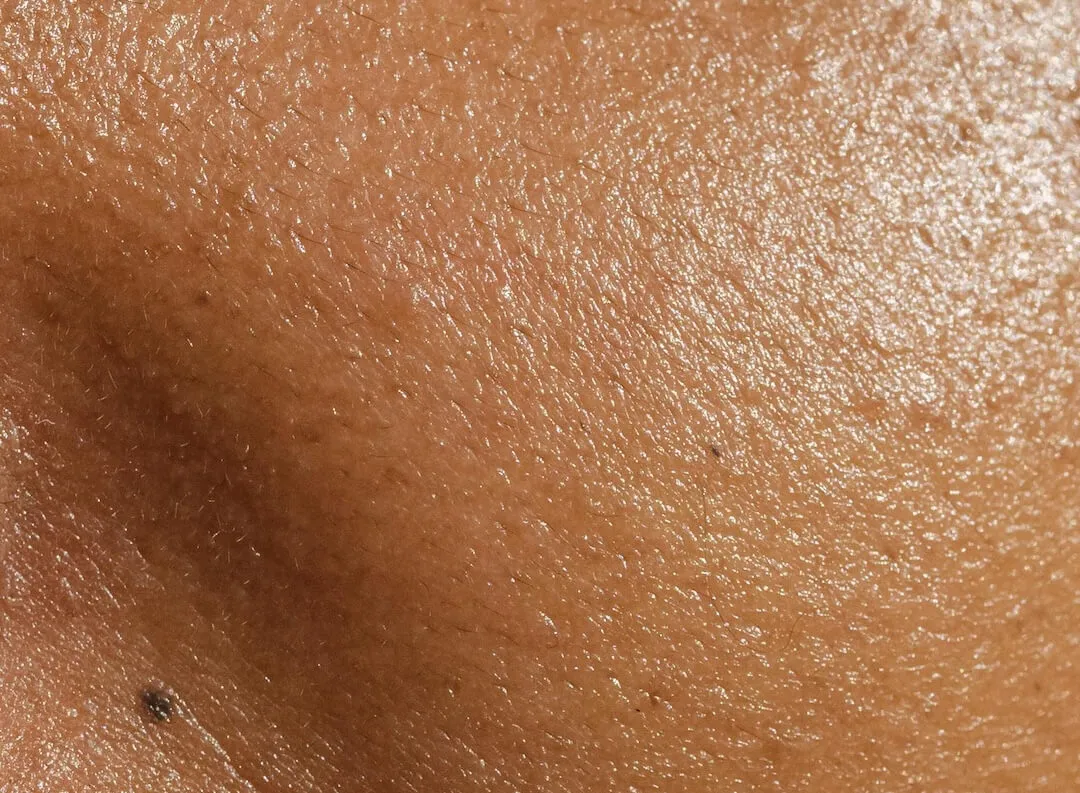
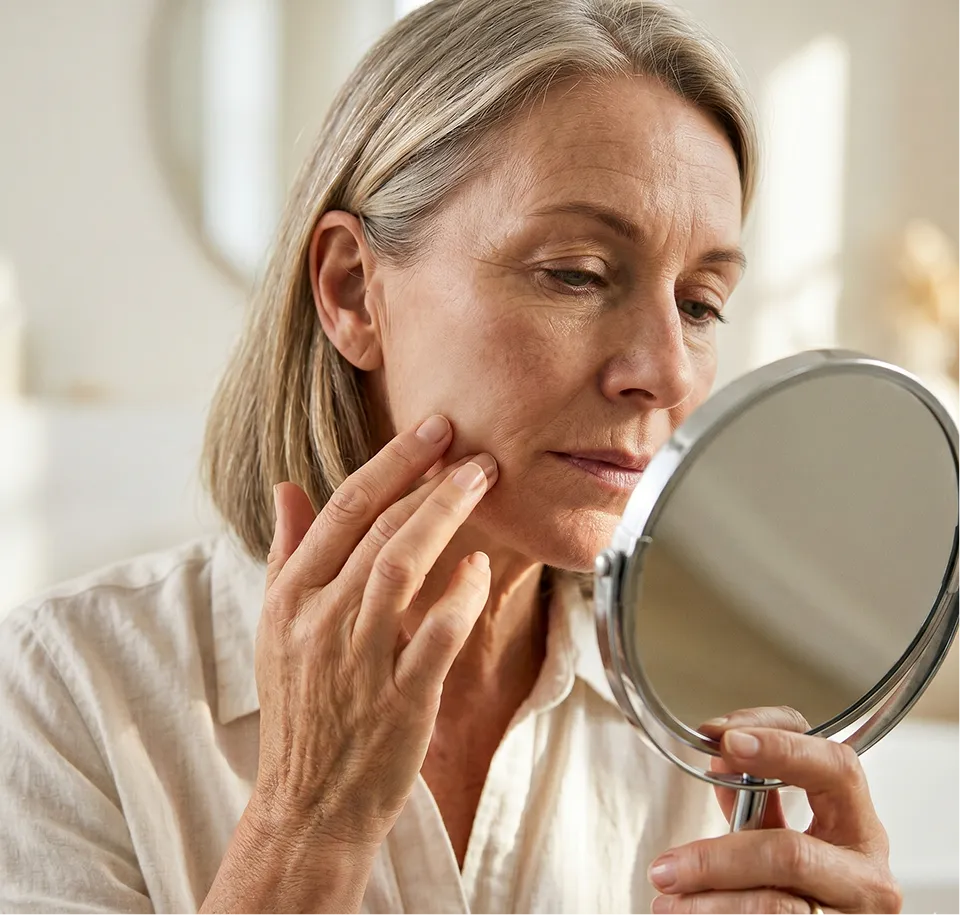
(rhytides)
Wrinkles are creases and fine lines that form as skin loses collagen, elastin, and fat with age, and as sun exposure, smoking, and repeated facial expressions wear it down. They show first around the eyes, forehead, and mouth.
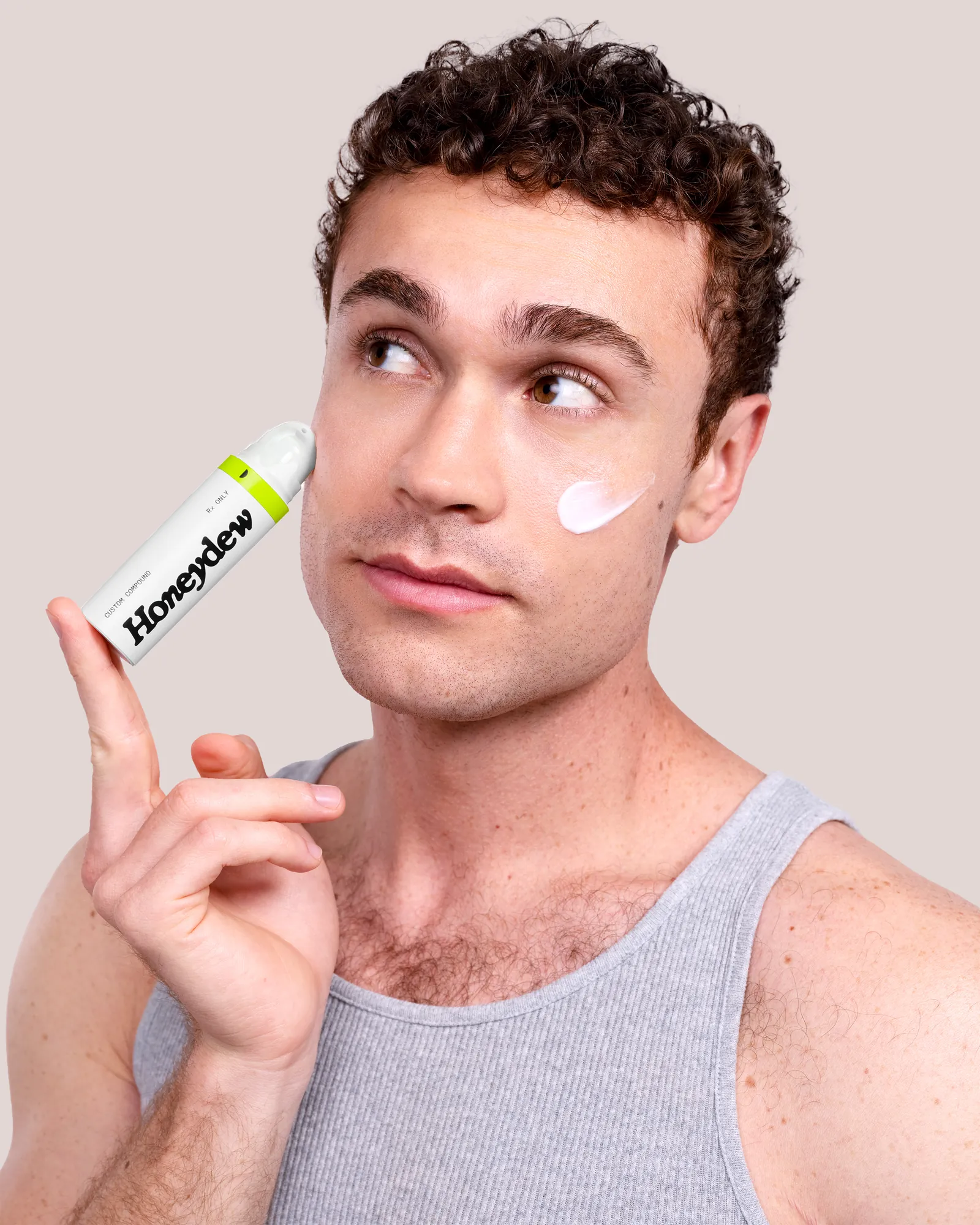
Faint lines around the eyes and forehead that show when you move your face and start to stay when you don't.
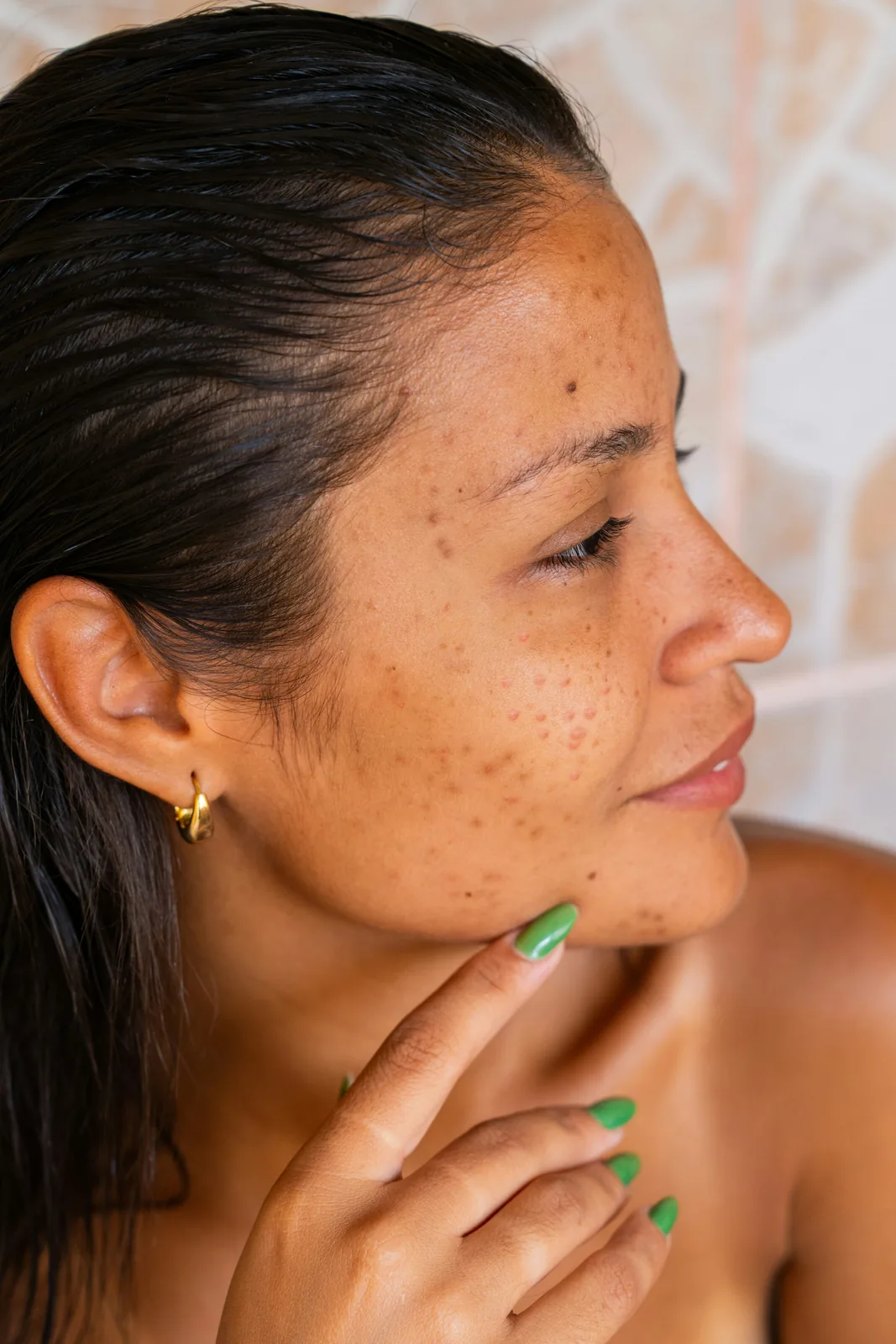
(solar lentigines)
Years of sun exposure leave rough texture, uneven tone, and dark spots along with wrinkles.
Prescription retinoids such as tretinoin have the most evidence for softening fine lines. Over-the-counter serums with retinol, vitamin C, or hyaluronic acid can support your routine, and daily broad-spectrum sunscreen helps prevent new wrinkles. Deep wrinkles and sagging skin usually need in-office procedures, which a cream cannot replace.
“Common signs of skin aging include wrinkles, dark spots, visible tiny blood vessels, dry, rough texture, and thinning, sagging skin. These happen as the skin loses collagen, elastin, and natural fat volume beneath the surface—alongside everyday damage to your skin barrier, blood vessels, and pigment cells.”
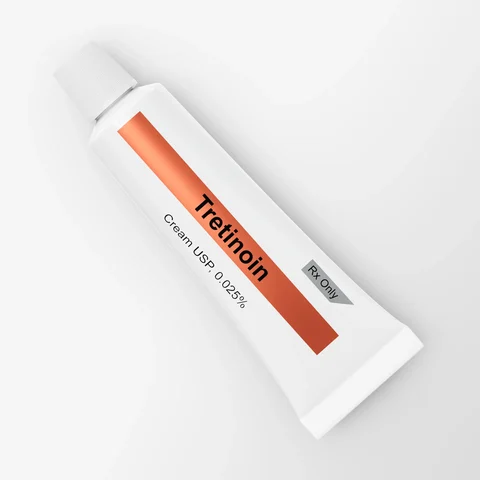
Tretinoin cream is a prescription retinoid. At 0.02% (Renova®) it is FDA-approved to soften fine facial wrinkles when used with daily sun protection and a gentle skin care routine. It does not erase deep wrinkles or reverse sun damage.
A pearl-sized amount on clean, dry skin once a day in the evening, 20 to 30 minutes after washing. Fine lines soften slowly, over months of daily use.
Peeling, dryness, burning, stinging, redness, and itching are common, especially in the first weeks. It makes skin burn more easily, so use sunscreen (SPF 15 or higher) and protective clothing, and avoid sunlamps. Do not use it if you are pregnant or trying to become pregnant, are sunburned, have eczema on your face, or take medicines that make skin sensitive to light.
Renova (tretinoin cream) label on DailyMed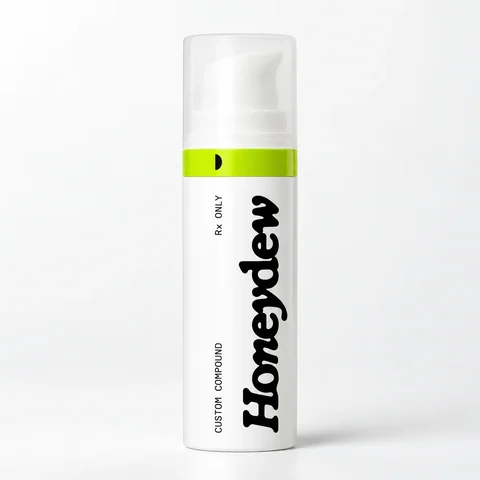
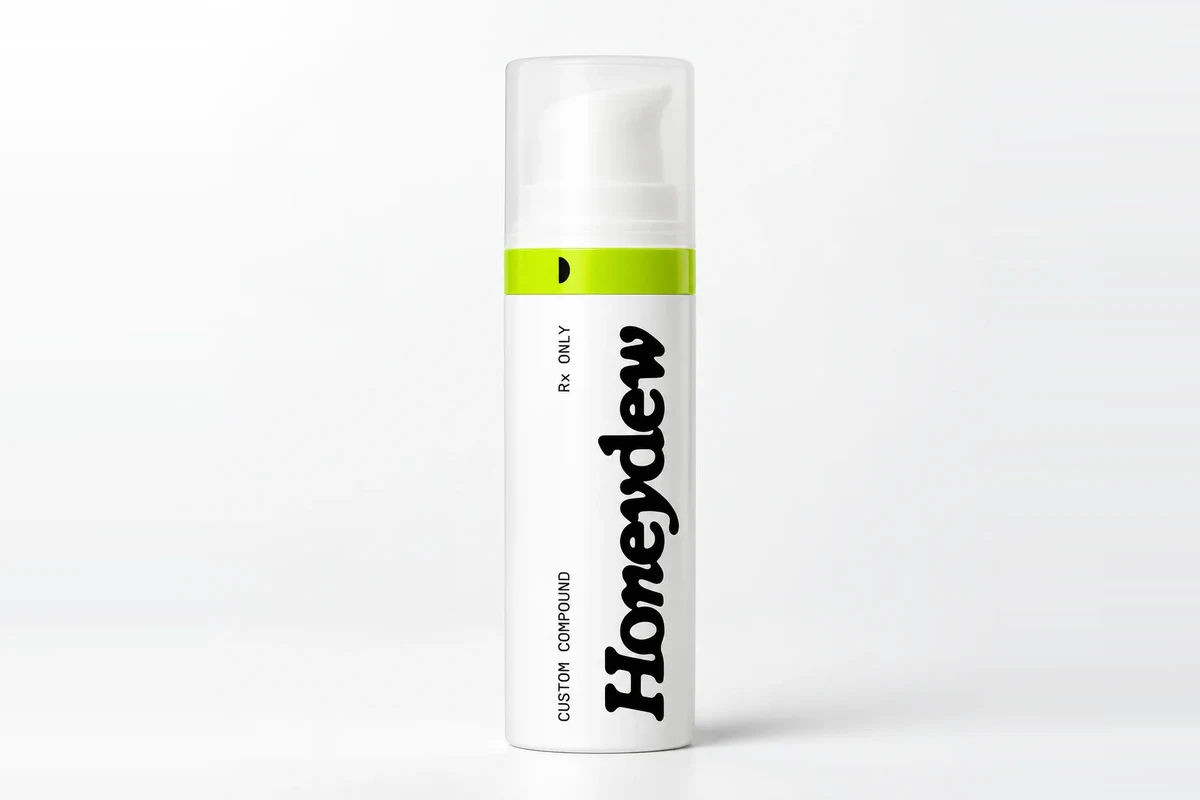
DewRx is Honeydew's prescription wrinkle cream, built around tretinoin and mixed for your skin. Your provider may add niacinamide to ease dryness and redness, or step up to tazarotene if results level off.
Applied as your provider directs. A licensed compounding pharmacy makes your formula and ships it to your door every 2 months, and your provider adjusts the strengths as your skin responds.
DewRx is compounded for you, so it is not an FDA-approved product; licensed compounding pharmacies make it from FDA-approved ingredients. Mild dryness or irritation is common in the first weeks: tell your care team, and your provider can lower a strength. If you are pregnant or trying to conceive, your provider can build a pregnancy-safe formula.
DewRx Custom Topical page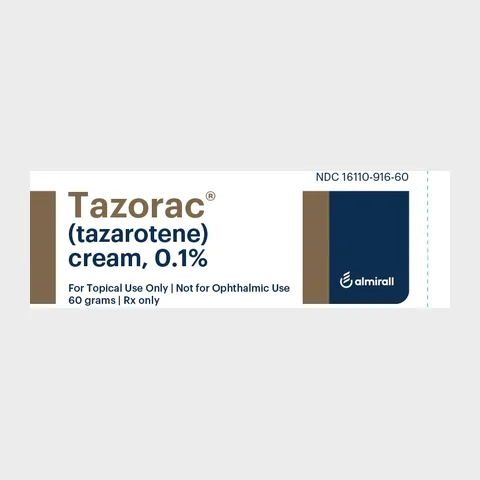
Tazarotene is a prescription retinoid that is stronger than tretinoin. A 0.1% cream was FDA-approved for fine facial wrinkles as Avage®. The tazarotene creams sold today (Tazorac® and generics) are labeled for psoriasis and acne, so using them for wrinkles is off-label.
A thin layer once a day in the evening, only where your provider directs.
Do not use tazarotene if you are pregnant: it can harm an unborn baby. If you can become pregnant, you need a negative pregnancy test within 2 weeks before starting and effective birth control during treatment. Itching, burning, redness, and peeling can happen. Avoid sunlamps and too much sun, and use sunscreen.
Tazarotene cream label on DailyMed“For wrinkles and photoaging, retinoids remain the gold standard, while vitamin C offers antioxidant benefits.”
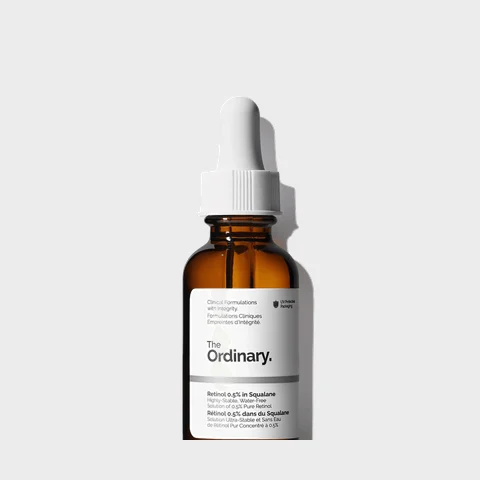
Retinol is a weaker, over-the-counter relative of tretinoin: your skin has to convert it to retinoic acid first. It is a cosmetic ingredient, not an FDA-approved wrinkle treatment. The Ordinary Retinol 0.5% in Squalane is one example.
A few drops on the face in the evening. Use sun protection during the day.
Retinol can cause irritation, redness, and peeling, especially around the eyes and mouth, while your skin builds tolerance. Do not use it with other retinoids, such as tretinoin. Patch test first, and stop if irritation occurs.
The Ordinary Retinol 0.5% product page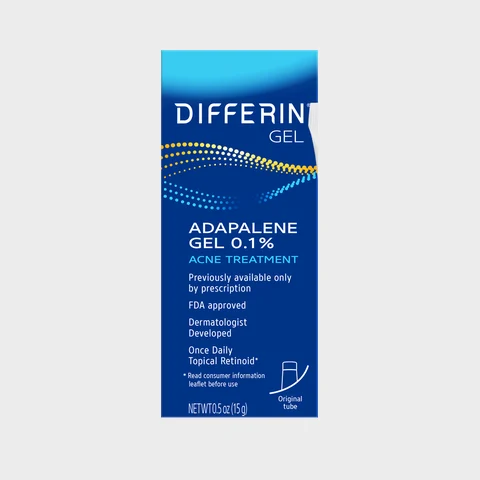
Differin® Gel (adapalene 0.1%) is an over-the-counter retinoid labeled for acne. Some people use it on fine lines, but it is not approved for wrinkles, so that use is off-label.
A thin layer on the whole area once a day. Do not use it more than once a day.
Skin may get dry or irritated in the first weeks. Use sunscreen, and do not apply it to cut, sunburned, or eczema-affected skin. If you are pregnant or breastfeeding, ask a doctor first. For wrinkles, prescription tretinoin has more evidence.
Differin Gel product page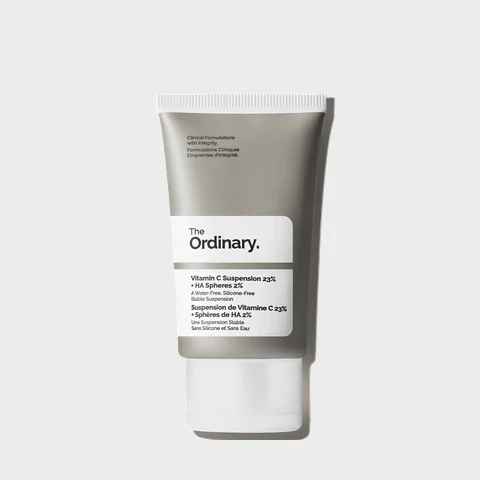
Vitamin C (ascorbic acid) is an antioxidant used in serums for dullness and uneven tone. It is a cosmetic ingredient, not an FDA-approved wrinkle treatment. The Ordinary Vitamin C Suspension 23% + HA Spheres 2% is one example.
A small amount on the face once a day, ideally in the evening. Keep it away from the eye area, and use sun protection during the day.
A tingling feeling is expected; stop if your skin gets irritated. The brand advises not to use it in the same routine as retinoids, exfoliating acids, or other direct vitamin C, and to patch test first.
The Ordinary Vitamin C Suspension product page“One benefit people may not know is that hyaluronic acid can also help support the skin barrier and wound healing. Some research suggests it can help with skin repair.”
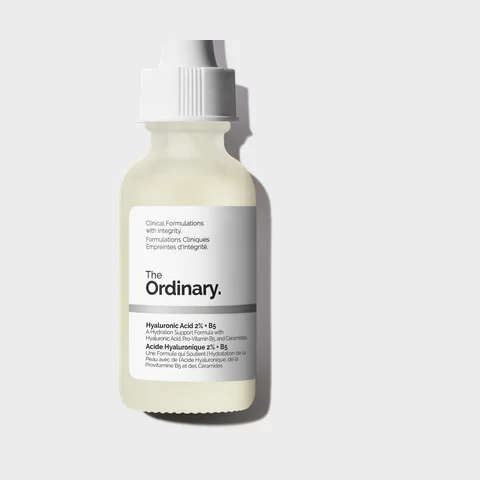
Hyaluronic acid binds water in the skin, so it hydrates and makes fine lines look softer for a while. It is a cosmetic moisturizing ingredient, not an FDA-approved wrinkle treatment. The Ordinary Hyaluronic Acid 2% + B5 (with Ceramides) is one example.
A few drops on the face in the morning and evening.
Gentle enough for most skin types, and a simple way to ease the dryness that retinoids can cause. Patch test first, and stop if irritation occurs.
The Ordinary Hyaluronic Acid 2% + B5 product page“Wearing sunscreen, hats, sunglasses, and photoprotective clothing helps prevent sun damage, which manifests as wrinkles, pigmentation changes, broken blood vessels, changes in skin texture, and thinning of the skin.”
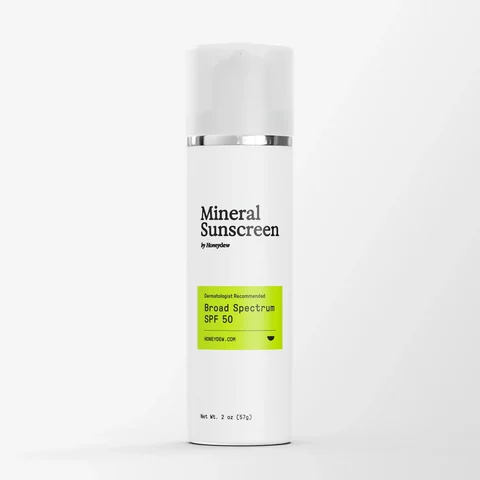
Honeydew Mineral Sunscreen is a broad-spectrum SPF 50 sunscreen with 20.5% zinc oxide, plus hyaluronic acid and antioxidants. Daily sunscreen helps prevent the sun damage behind many wrinkles and dark spots.
Apply generously 15 minutes before sun exposure, as the last step of your morning routine, and reapply every 2 hours.
Zinc oxide sits on top of the skin and reflects UV rays, which suits sensitive skin and skin using retinoids. Honeydew members buy it from the Honeydew Dashboard.
Honeydew Mineral Sunscreen page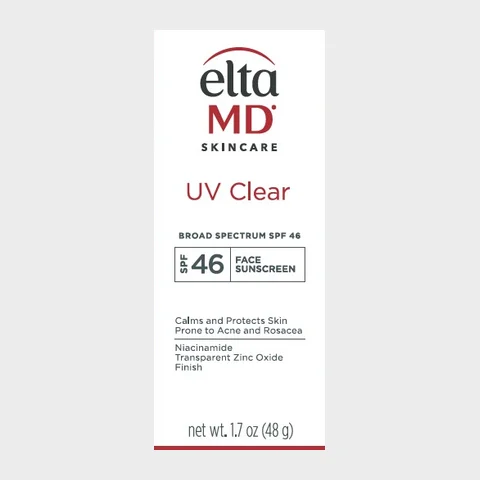
A broad-spectrum sunscreen of SPF 15 or higher, used with other sun protection, decreases the risk of skin cancer and early skin aging caused by the sun. EltaMD UV Clear SPF 46 (zinc oxide 9%, octinoxate 7.5%) is one example.
Apply liberally to the face and neck 15 minutes before sun exposure and reapply at least every 2 hours. Use a water-resistant sunscreen if you swim or sweat.
For external use only. Do not use on damaged or broken skin, and keep it out of your eyes. Stop and ask a doctor if a rash occurs. Also limit time in the sun from 10 a.m. to 2 p.m. and wear hats, sunglasses, and long sleeves.
EltaMD UV Clear label on DailyMed
Answer a short questionnaire and upload photos of your skin. Your first consult is free, and in many cases treatment can start without a video visit.
Your provider looks at your photos and history and builds a plan with you. If a visit is needed, you can book a video consult within 48 hours.
If a treatment is prescribed, we handle prior authorization and send it to your pharmacy or a specialty pharmacy, or deliver it to your door.
Track your progress with photos and message your Care Team anytime for questions, refills, and guidance, 7 days a week.
Not sure where to start? Ask your provider during your free consult.
Start your free consultPrescription tretinoin has the most evidence. At 0.02% (Renova®) it is FDA-approved to soften fine facial wrinkles when used with daily sun protection. Tazarotene is stronger but more irritating and is used off-label for wrinkles today. Over-the-counter retinol, vitamin C, and hyaluronic acid can support your routine but have less evidence. Your provider chooses based on your skin and what you have already tried.
Yes. Retinol, vitamin C, and hyaluronic acid serums are sold over the counter as cosmetics. Broad-spectrum sunscreens of SPF 15 or higher carry an FDA label saying that, used with other sun protection, they decrease the risk of early skin aging caused by the sun. For stronger results, your provider can prescribe tretinoin.
Tretinoin is retinoic acid, the active form, and needs a prescription. Retinol is sold over the counter and has to be converted by your skin into retinoic acid first, so it is weaker and usually gentler. Both can cause dryness and peeling at first, and both make daily sunscreen more important.
Expect months, not weeks. The studies on the Renova® label measured results after 24 weeks of daily use. Texture and brightness often improve first, and fine lines soften more slowly. Dryness and flaking in the first weeks are common while your skin adjusts.
Yes, if your Honeydew provider decides a treatment is right for you after reviewing your photos and history. Tretinoin can be sent to your pharmacy, and DewRx is made by a licensed compounding pharmacy and shipped to your door.
Your first consult is free, and Honeydew membership starts at $25/month, billed $299/year (HSA/FSA eligible). Prescriptions sent to your pharmacy are billed by the pharmacy and your insurance. DewRx is $45/month, billed $90 every 2 months, with the medication included; compounded creams are usually not covered by insurance.