Dermatologist-guided care,
personalized to your skin.

GET STARTED

Acne treatment comparison

Accutane vs tretinoin

Accutane—commonly used to mean oral isotretinoin—is a monitored systemic course for acne that is severe, scarring, persistent or not responding to standard care. Tretinoin is a different retinoid applied to the skin for ongoing pore control. It often comes earlier in a treatment plan and may return later as maintenance.

Get Started

A licensed provider decides what is safe and appropriate after reviewing your acne, treatment history and health information.

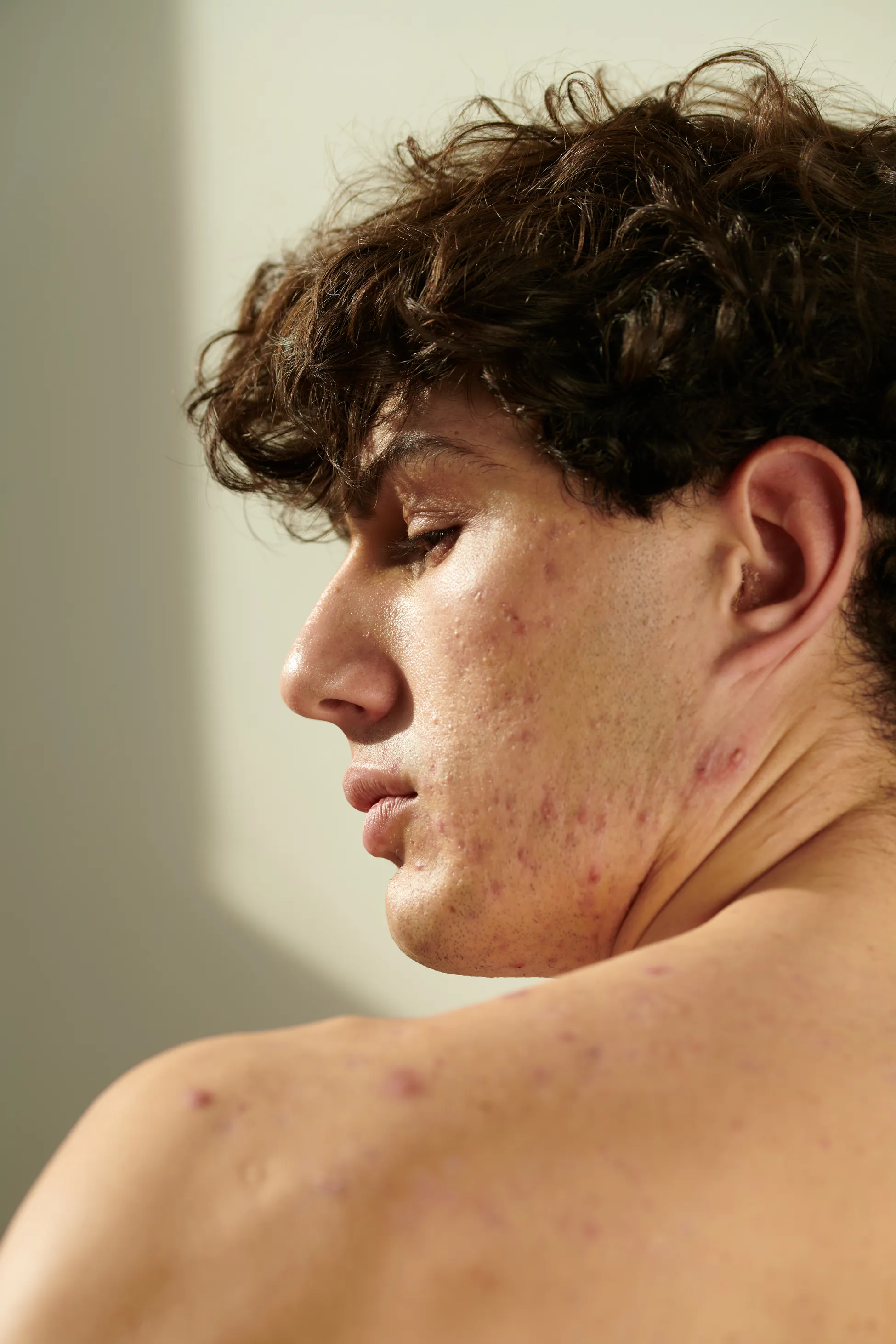
Person considering acne treatmentOne goal. Different paths.
The short answer

These are related retinoids, but they are not oral and topical versions of one medication. Isotretinoin changes acne systemically during a defined course and requires iPLEDGE. Tretinoin works where it is applied and is usually continued to keep pores clear.

At a glance

A treatment course or a continuing routine

Choose the question that matters most to you. The highlight is educational; it cannot assess your skin or select a prescription.

Compare by priority

Select what you want to understand first.

Choose a priority to highlight the most relevant treatment profile.

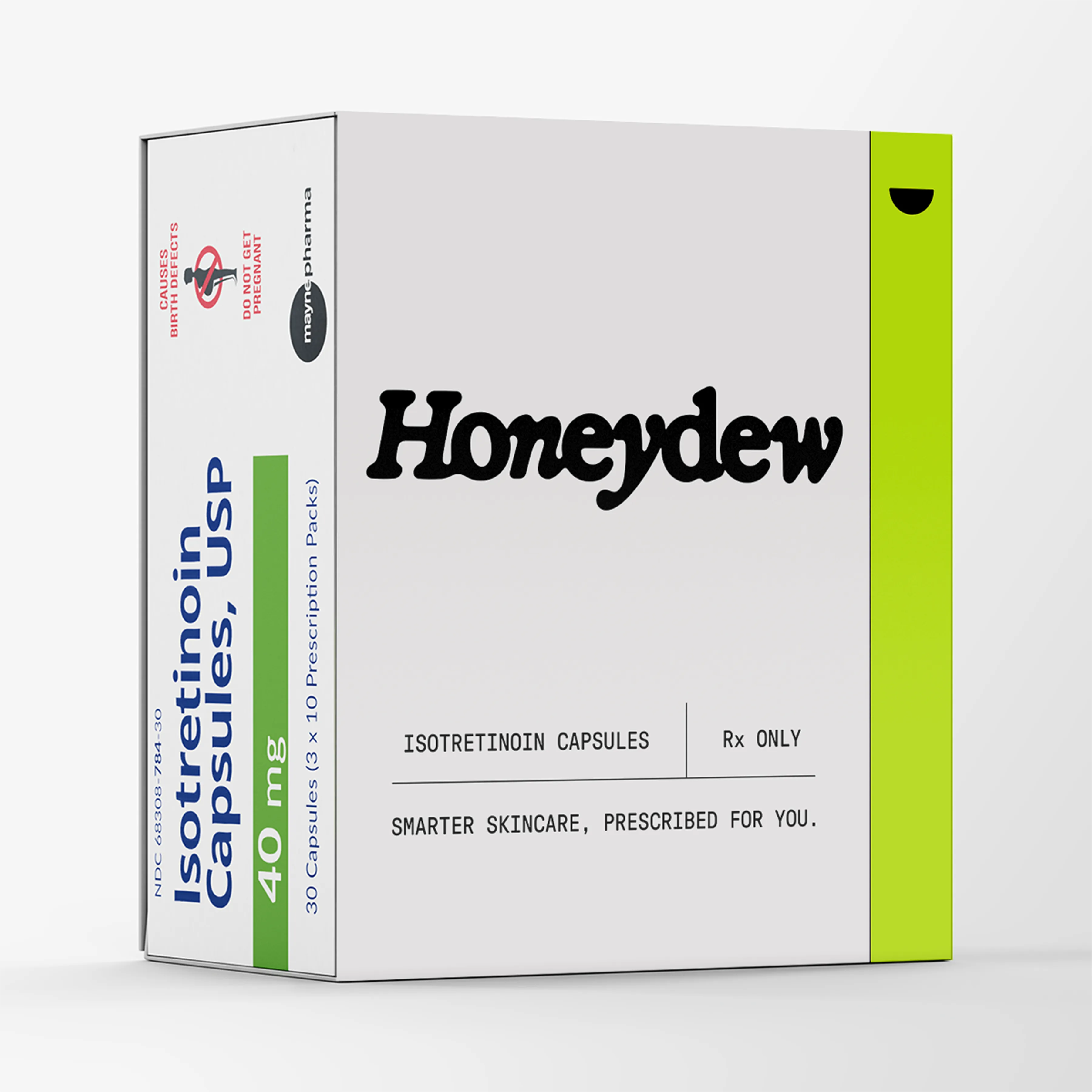
Accutane (isotretinoin) treatmentOral retinoid

Accutane / isotretinoin

Works throughout the body to reduce oil-gland activity, clogged pores and inflammation.

  • Often discussed forSevere, nodular, scarring or treatment-resistant acne; provider-directed use may be broader
  • ReachSystemic, so one course can address acne across the face, chest, back and other affected areas
  • Time horizonAn individualized course with monthly dispensing and monitoring requirements
  • AfterwardImprovement may last, but relapse, topical maintenance or another course can still be part of the story
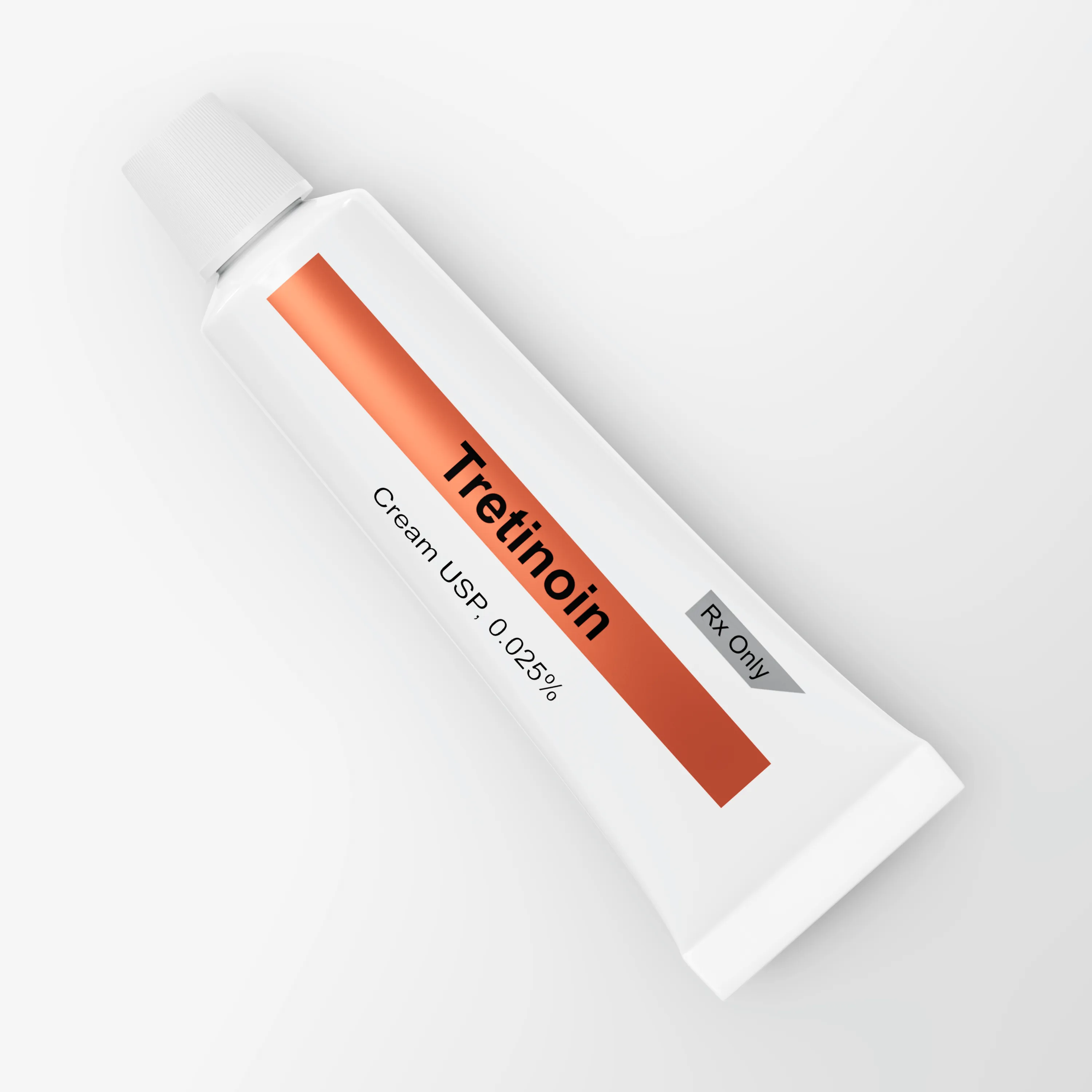
Tretinoin treatmentTopical retinoid

Tretinoin / Retin-A

Normalizes cell turnover where applied, helping keep pores clear.

  • Often discussed forMild-to-moderate acne, clogged pores and long-term prevention after initial control
  • ReachLocal, so a thin layer goes over the provider-directed acne-prone area rather than working systemically
  • Time horizonContinued use; assessment commonly takes 6–12 weeks
  • AfterwardUsually no finish line while it is helping—stopping can allow the pore-clogging cycle to return

Best suited for

Match the treatment to the depth of the problem

A provider looks at lesion type, body area, scarring, prior treatment, tolerance and pregnancy potential.

Accutane may fit when…

  • Deep nodules, cysts, widespread breakouts or acne that is beginning to scar
  • Acne that stayed active after a complete, correctly used topical plan
  • Face and body acne where applying topical medication across every area is impractical
  • Persistent acne that a provider believes justifies an individualized dose path

It may not fit when

  • Pregnancy is planned or iPLEDGE requirements cannot be completed
  • Monthly follow-up, pharmacy windows and provider-directed lab work are not workable
  • A health condition, medication interaction or laboratory result makes systemic treatment unsafe
  • A lower-burden topical strategy has not had a fair trial

Tretinoin may fit when…

  • Blackheads, whiteheads and recurring clogged pores are central to the acne pattern
  • Mild-to-moderate acne needs a prescription foundation that can continue long term
  • A consistent nighttime routine is workable
  • A provider recommends a topical retinoid after isotretinoin to help maintain control

It may not fit when

  • Rapid scarring, deep nodules or extensive body acne calls for faster escalation
  • Severe eczema, sunburn or barrier damage makes current application too irritating
  • Pregnancy is current or planned; disclose this before starting or continuing tretinoin
  • A complete, well-tolerated topical course has already failed and the plan needs reassessment
Honeydew iPLEDGE support: Topical tretinoin does not use iPLEDGE, while oral isotretinoin does at every dose. Honeydew helps coordinate enrollment, testing logistics, monthly confirmation windows and refills. Read Honeydew’s iPLEDGE guide.

Same family, different reach

Think step ladder, not strength dial

Tretinoin is not a weaker tube of Accutane, and isotretinoin is not tretinoin in pill form. Their route explains why treatment feels so different.

Local prevention

Tretinoin keeps working as a routine

A thin layer generally covers the prescribed acne-prone area, not only visible spots. Early redness, peeling or temporary worsening can make the first weeks feel unproductive, so providers may adjust strength or frequency.

Once control is established, the label directs continued use until a clinician says otherwise. Maintenance benefit commonly depends on consistency.

Systemic course

Isotretinoin changes the treatment horizon

Oral isotretinoin reaches oil glands beyond areas conveniently covered with cream. Its broader action can fit lesion depth, scarring risk, body distribution or prior failure. That reach also brings laboratory, pregnancy-prevention and dispensing responsibilities.

A course does not guarantee permanent clearance. Some people later need topical care, relapse management or another provider discussion.

A sequence can include both. Topical retinoids are used as maintenance after oral isotretinoin, but evidence does not establish a universal restart date. Timing should come from the prescriber.

Side effects and safety

Shared dryness does not mean shared risk

Both treatments can irritate or dry skin and increase the importance of sun protection. Oral isotretinoin has systemic risks and a federally required safety program that topical tretinoin does not.

Accutane / isotretinoin

Common effects

  • Very dry lips, skin, eyes or nose
  • Sun sensitivity
  • Muscle or joint aches
  • Possible early acne flare

Important safety considerations

Isotretinoin is contraindicated in pregnancy because exposure can cause life-threatening birth defects. Every patient enrolls in iPLEDGE; patients who can become pregnant follow testing and prevention requirements. The label also calls for baseline lipid and liver tests.

Systemic medication review: Vitamin A supplements, tetracycline antibiotics and other medications can create important problems. Give the prescriber a complete list and do not add, stop or combine products on your own.
Tretinoin

Common effects

  • Dryness, tightness or peeling
  • Redness, burning or stinging
  • Greater sunburn susceptibility
  • Temporary early worsening

Important safety considerations

Keep tretinoin away from eyes and mucous membranes, and use caution with scrubs or other drying products. Severe or persistent irritation warrants clinician contact. It has no iPLEDGE program, but pregnancy plans and breastfeeding should be disclosed.

Do not double the retinoids yourself: Skin already dry from isotretinoin may not tolerate topical tretinoin. A provider decides whether it belongs in the plan and when a post-course routine should begin.

Treatment timeline

One builds toward a finish; one builds a habit

Accutane

Qualify

Review severity, prior treatment and medical history; complete iPLEDGE, pregnancy-prevention steps when applicable and baseline testing.

Adjust the course

Complete required check-ins and track dryness, lab results and response on the individualized dose.

Plan beyond it

Allow skin to recover, then discuss whether gentle care alone, topical maintenance or further treatment fits the result.

Tretinoin

Start tolerably

Use the provider-selected strength and schedule on dry skin. Pair it with gentle cleansing, moisturizer and daily sun protection.

Reassess at 6–12 weeks

Look beyond the adjustment period. Strength or frequency may change with tolerance.

Continue prevention

Keep applying as directed after acne improves. If control is inadequate or scarring develops, revisit the overall strategy.

Interactive cost comparison

Compare the care structure, not just two prescriptions

Switch the billing schedule to see the membership fee. Medication and laboratory charges remain separate because coverage, formulation, pharmacy and clinical needs change the total.

Our Accutane membership

Course care and monitoring

$50/month equivalent

Billed $299 once per year + $25 each month

Medication: Honeydew publishes eligible insurance pricing as low as $0 and a current cash range of $30–$50 per box.

Labs: Separate and not included.

Our basic membership

Tretinoin care

$25/month equivalent

Billed $299 once per year

Medication: Separate. A current coupon example is about $20 for one 20 g tube of generic 0.025% cream; strength, formula and pharmacy change the price.

Labs: Not routinely required for topical tretinoin.

What changes the total

Course costs versus refill costs

Not 1:1

Different care intensity · different refill rhythm

Isotretinoin: Clinical review, iPLEDGE, medication and tests shape each month.

Tretinoin: Formula, tube size and coverage drive cost.

Price snapshot reviewed August 3, 2026. Membership excludes medication, labs and over-the-counter products. Coverage and pharmacy prices vary. The tretinoin figure is one GoodRx example, not a guarantee. Recheck plan terms at enrollment.

How your care works

Decide when topical care is enough, and when it is not

The provider reviews the full pattern before choosing either route. Follow-up then matches the intensity and risks of the prescription.

1

Map the acne

Share photos of every affected area, lesion depth, scarring, sensitivity and the products or prescriptions already tried.

2

Check the trial

Confirm whether tretinoin had enough time, consistency and tolerable use—or whether the acne warrants systemic escalation now.

3

Support the route

Build a barrier-friendly topical routine, or coordinate iPLEDGE, pharmacy steps, testing and side-effect care for isotretinoin.

4

Design the handoff

Track control over time and decide what continues, pauses or returns after the active phase of treatment.

Frequently asked questions

Accutane vs tretinoin, answered

Is tretinoin the same as Accutane?

No. Accutane is commonly used to mean isotretinoin, an oral retinoid. Tretinoin is a different prescription retinoid applied to the skin and is also sold under brand names such as Retin-A. Their related names and vitamin A lineage do not make them interchangeable.

Is Accutane stronger than tretinoin?

Oral isotretinoin has a much broader systemic effect and a heavier safety burden, so it is used for a different level of decision. “Stronger” can obscure the point: tretinoin is a long-term topical prevention tool, while isotretinoin is a monitored course when acne severity, scarring or prior failure justifies it.

Can I use tretinoin while taking Accutane?

Do not add it yourself. Both can cause substantial dryness and irritation, and skin on isotretinoin may not tolerate another retinoid. Some plans pause tretinoin during the oral course and reconsider a topical retinoid later. Follow the prescriber’s exact sequence.

Can tretinoin help keep acne away after Accutane?

It may. Topical retinoids are used as post-isotretinoin maintenance to keep pores clear, and small studies and guidelines support that general strategy. It is not automatic or a guarantee against relapse. A provider should choose the product, timing and frequency after seeing how dry or sensitive the skin remains.

How long should I try tretinoin before asking about Accutane?

A tretinoin label describes continued improvement over about 6–12 weeks, but the right escalation point depends on acne depth, scarring and tolerability—not a calendar alone. Rapid scarring or deep nodules can justify an earlier conversation; mild clogged-pore acne may warrant a careful, longer topical plan.

Which treatment needs more monitoring?

Isotretinoin by a wide margin. It requires iPLEDGE enrollment, monthly prescription authorization and pregnancy safeguards when applicable, plus provider-directed laboratory and side-effect monitoring. Tretinoin does not require iPLEDGE or routine laboratory tests, but follow-up still helps manage irritation and adjust strength.

A clearer next step

Find the right level of acne treatment

Show a dermatology provider what you have tried and talk through whether your skin needs a sustainable topical routine, a systemic course or a planned sequence of both.

Get Started

Medical disclaimer: This page provides general U.S.-focused education and cost examples, not a diagnosis or personalized treatment recommendation. Do not start, stop, switch or combine prescription medications without a licensed clinician. Seek urgent care for severe symptoms or a medical emergency.