Dermatologist-guided care,
personalized to your skin.

GET STARTED

Acne treatment comparison

Clindamycin vs benzoyl peroxide

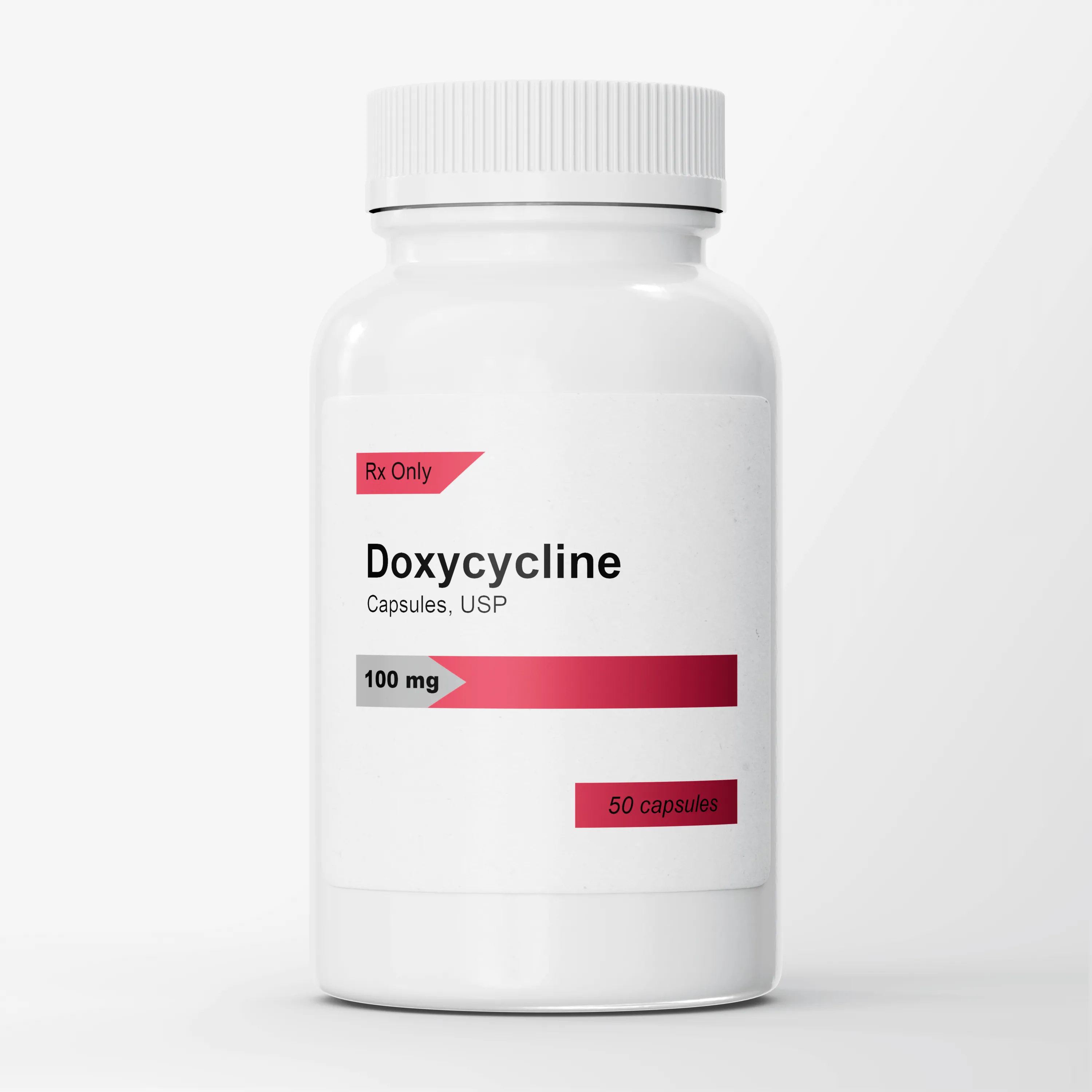
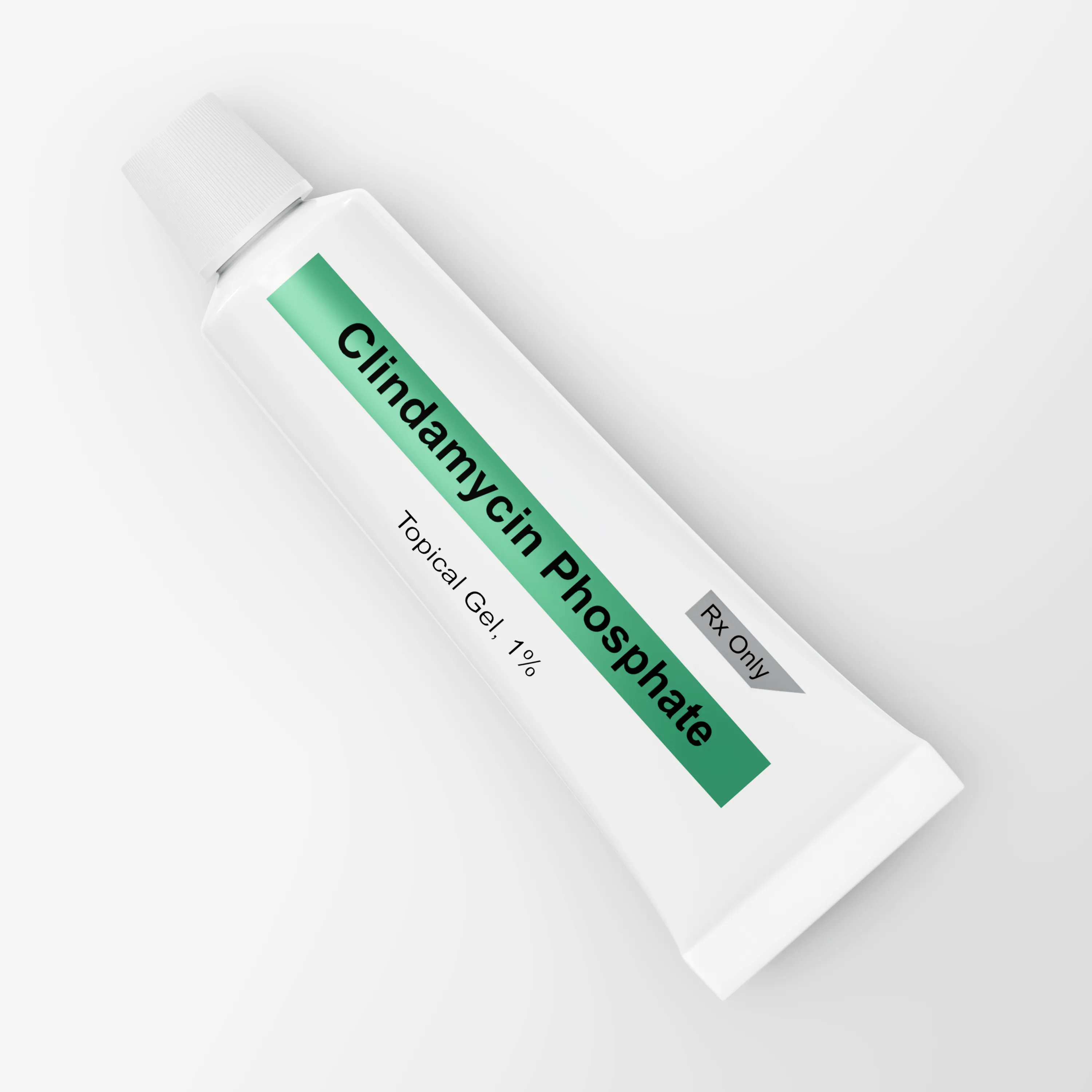
Topical clindamycin is a prescription antibiotic used for a defined inflammatory-acne role. Benzoyl peroxide is an over-the-counter, non-antibiotic antimicrobial that can treat mild-to-moderate acne and helps reduce the selection of antibiotic-resistant bacteria. When clindamycin is appropriate, the practical plan commonly pairs them rather than choosing one forever.

Get Started

A licensed provider decides whether the antibiotic adds value and coordinates the routine.

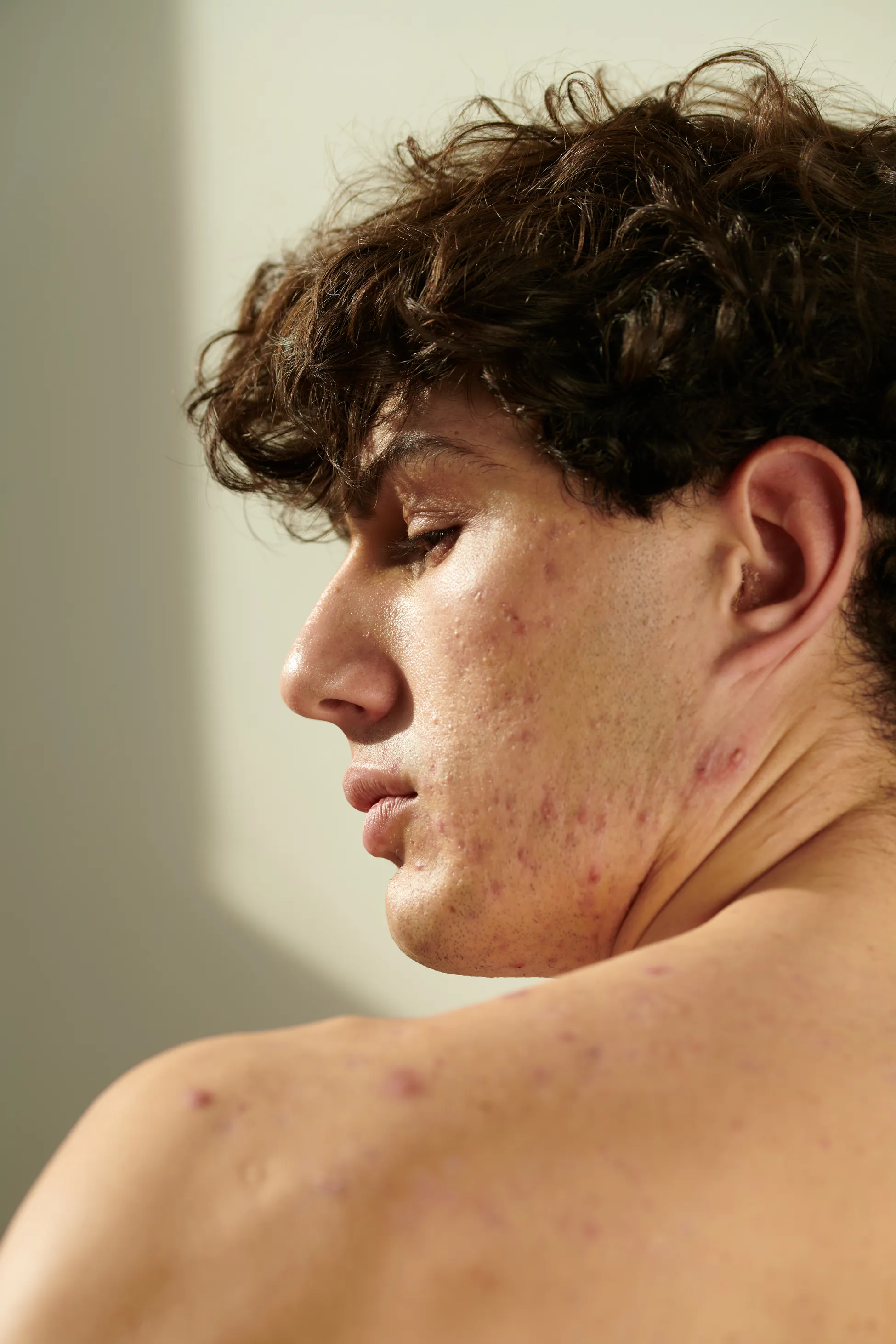
Person considering acne treatmentOne goal. Different paths.
The short answer

Benzoyl peroxide may be enough for some mild inflammatory acne. Clindamycin may add prescription support for inflamed papules or pustules. When used, benzoyl peroxide is its stewardship companion.

At a glance

Compare necessity, access and resistance, not just two tubes

The highlighted profile explains a treatment role, not which product to start.

Compare by priority

Start with the tradeoff you need to understand.

Choose a priority to highlight the most relevant treatment profile.

Clindamycin treatmentPrescription topical antibiotic

Clindamycin

Reduces susceptible Cutibacterium acnes and inflammation on treated skin, but should not be treated as an open-ended solo acne routine.

  • Often discussed forMild-to-moderate inflammatory papules and pustules
  • AccessPrescription gel, lotion, foam, solution, swabs, or a fixed combination
  • Review windowEarly change may appear in 2–4 weeks; reassess the fuller pattern over 8–12 weeks
  • Defining constraintAntibiotic-resistance selection and a limited treatment job
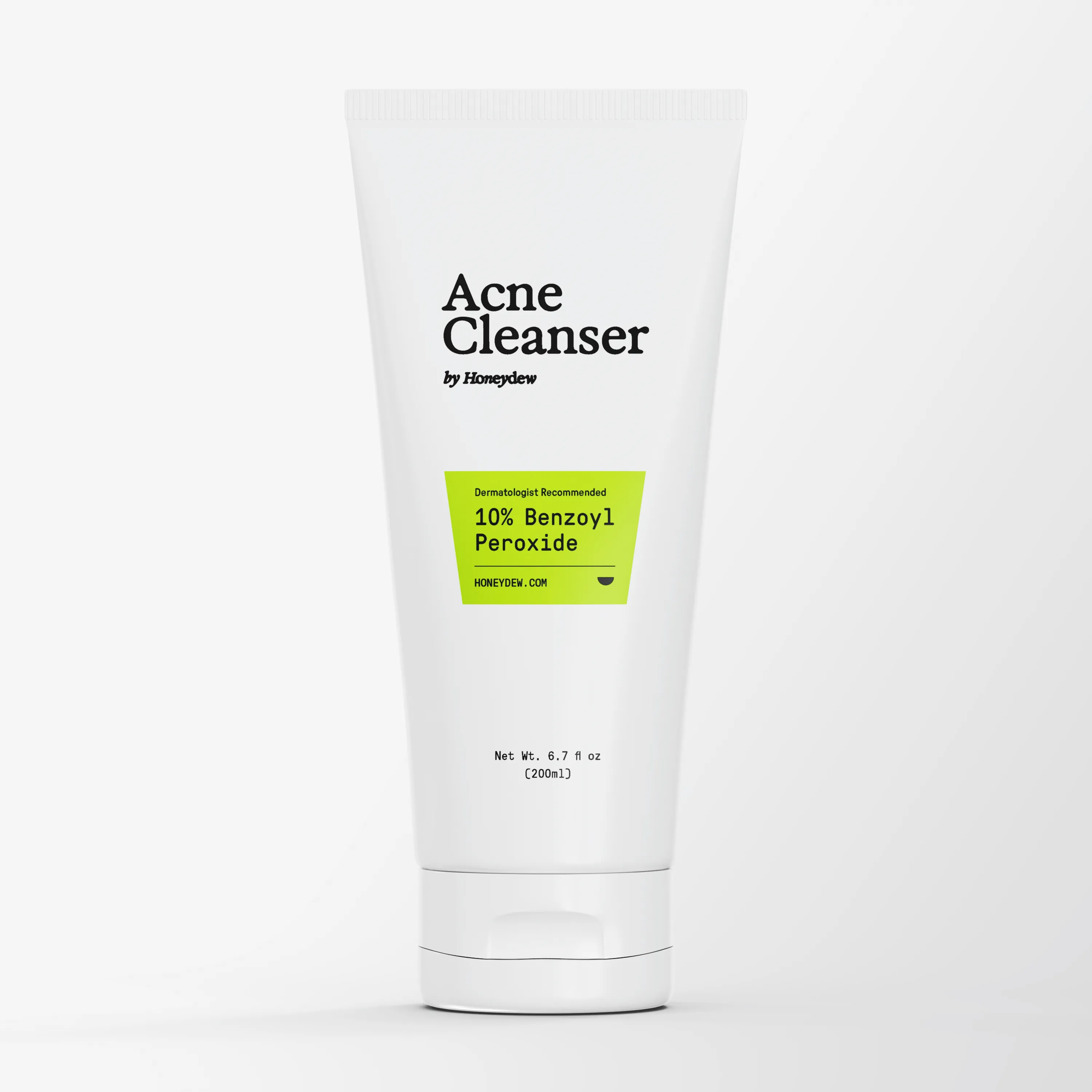
Benzoyl peroxide cleanser treatmentOTC non-antibiotic antimicrobial

Benzoyl peroxide

Creates oxidative antimicrobial activity and helps calm inflamed lesions where applied without adding another antibiotic to the routine.

  • Often discussed forMild-to-moderate inflammatory acne and antibiotic combination plans
  • AccessOTC washes and leave-on products in several concentrations
  • Review windowEffects may take 4–6 weeks; dryness or stinging can show up sooner
  • Defining constraintIrritation, fabric bleaching and practical application to every involved area

Fit and non-fit guidance

Add the antibiotic only when it has a clear assignment

Acne also involves clogged follicles, oil and immune activity. Neither topical automatically covers hormonal, comedonal or deep scarring acne.

Clindamycin may fit when…

It may help address

  • A provider identifies mild-to-moderate acne with prominent redness and pustules
  • Inflammatory lesions need an additional topical mechanism during a planned interval
  • A gel, lotion, foam, solution or combination format suits the treatment area
  • The regimen includes benzoyl peroxide and a defined review point

It may not fit when

  • Blackheads and closed comedones dominate with little inflammation
  • The plan would use topical antibiotic monotherapy indefinitely
  • Past colitis, inflammatory bowel history or antibiotic reactions raise label concerns
  • Deep nodules, scarring or broad body involvement need a different level of care

Benzoyl peroxide may fit when…

It may help address

  • Mild-to-moderate inflamed breakouts on reachable face or body areas
  • A patient wants a non-antibiotic topical available without prescription
  • Topical clindamycin needs a stewardship partner in the regimen
  • A rinse-off wash is more practical than covering a large area with leave-on gel

It may not fit when

  • Very sensitive or barrier-disrupted skin cannot tolerate the selected product
  • Burning, blistering, hives or swelling suggests a significant reaction
  • Acne is mainly comedonal and needs a pore-turnover strategy
  • Persistent pain, nodules or scarring call for prompt prescription reassessment
Sometimes one; often both: Benzoyl peroxide can be used without clindamycin. Clindamycin should not be added merely because acne exists, but when it is chosen, current stewardship guidance places benzoyl peroxide beside it. A retinoid may still carry the clogged-pore and maintenance work.

The antibiotic budget

Treat clindamycin like a limited resource, not a routine default

Ask whether the antibiotic adds enough benefit to justify exposure—and how its job stays narrow.

Selective pressure

Clindamycin changes which bacteria survive

Clindamycin blocks bacterial protein synthesis. Susceptible organisms decrease, but antibiotic exposure can favor resistant populations. That matters beyond one breakout: a topical antibiotic that loses activity becomes less useful for future care. Using it alone, without a stop-or-review point, spends that antibiotic resource without addressing the full acne cycle.

Different mechanism

Benzoyl peroxide lowers the resistance pressure

Benzoyl peroxide is not an antibiotic. Its oxidative action reduces acne-associated bacteria through a different route, and AAD guidance pairs it with topical antibiotics to reduce resistance development. Evidence syntheses generally find the combination more useful than clindamycin alone, while the added antibiotic may contribute little when acne is mainly noninflammatory.

What “paired” does and does not mean: The products may come in one prescription tube or as separately timed products. It does not mean everyone should use Honeydew’s 10% wash, that resistance becomes impossible, or that a red, dry face is the price of success. Vehicle, concentration and frequency should fit the skin.

Side effects and safety

One rare systemic warning and one common irritation problem

These topicals have different risk profiles. Follow each exact product label.

Clindamycin

Commonly discussed effects

  • Dryness or peeling
  • Burning, itching or redness
  • Oiliness or residue that varies by vehicle
  • Contact irritation at the application area

Important safety considerations

Use only the formulation and schedule prescribed. Tell the clinician about a history of regional enteritis, ulcerative colitis, antibiotic-associated colitis or previous clindamycin reactions. Keep it away from eyes and broken skin unless the product label says otherwise.

Rare but important: Topical absorption is much lower than oral exposure, yet DailyMed reports diarrhea, bloody diarrhea and colitis rarely with topical clindamycin. Stop and contact a clinician promptly for significant diarrhea, abdominal cramping or blood in stool.
Benzoyl peroxide

Commonly discussed effects

  • Dryness and peeling
  • Warmth, tingling or mild stinging
  • Redness when exposure exceeds tolerance
  • Bleaching of hair, towels, bedding or clothing

Important safety considerations

Avoid eyes, lips, mouth and unnecessary irritation from scrubs or stacked active products. Honeydew’s 10% Acne Cleanser is a rinse-off product: massage for 1–2 minutes, rinse thoroughly, moisturize, and reduce frequency or discuss a lower strength if irritation occurs.

Stop and get help: Burning, blistering, marked swelling or rash needs review. Hives, throat tightness, breathing difficulty, faintness or swelling of the eyes, face, lips or tongue requires emergency attention.

Treatment timeline and role

Start together, measure separately, then challenge the antibiotic

A good review asks whether inflammation is changing, whether the skin barrier is holding, and whether clindamycin is still earning its place.

Clindamycin

Define the target

Document inflamed papules, pustules, affected areas and prior antibiotic exposure before beginning the prescription.

Review the response

Early calming may appear in 2–4 weeks. Judge broader benefit, tolerance and adherence across roughly 8–12 weeks.

Rejustify or remove

At follow-up, continue, change or stop the antibiotic according to its defined job—not simply because the tube remains available.

Benzoyl peroxide

Find a tolerable start

Follow the product label, use a small test area when appropriate, and protect colored fabric from bleaching.

Build consistency

Benefits may become visible around 4–6 weeks. Adjust frequency, vehicle or concentration if irritation undermines use.

Keep the non-antibiotic role

If it remains helpful and tolerable, benzoyl peroxide may continue after clindamycin is retired within a broader maintenance plan.

Interactive cost comparison

Care, prescription and OTC cleanser have separate prices

Honeydew’s basic membership covers care, not the prescription or Acne Cleanser.

Our basic membership

Topical prescription care

$25/month equivalent

Billed $299 once per year

Includes: Provider care, medication coordination, progress tracking and follow-up messaging.

Medication: Clindamycin is separate and varies by formulation, pharmacy, insurance and discounts.

Prescription purchase

Clindamycin

Variable

No public Honeydew cash estimate is listed

Form matters: Gel, lotion, foam, solution, swabs and fixed combinations may price differently.

Labs: Not presented as routine for this topical; separate if a clinician orders testing.

Separate OTC shop product

Honeydew Acne Cleanser

10% BPO

Public dollar price is not listed

Access: Create a free Honeydew account, then visit the OTC shop.

Not included: The cleanser is purchased separately from membership and clindamycin.

Price snapshot reviewed August 3, 2026. Honeydew membership excludes prescription medication, lab work and OTC products. Insurance, pharmacy, coupon, formulation, package size and availability can change the final amount. Honeydew’s public Acne Cleanser page identifies a 10% product but gives no dollar price.

How your care works

Keep every topical’s job visible

Separate antibiotic benefit from cleanser irritation at each review.

1

Map the lesion mix

Share photos, affected areas, painful lesions, blackheads, scarring, prior antibiotics, bowel history, allergies and every current product.

2

Assign the jobs

Decide whether clindamycin adds enough inflammatory control and select a benzoyl-peroxide vehicle the skin can tolerate.

3

Track benefit and burden

Compare lesion change with redness, peeling, missed applications and any concerning gastrointestinal or allergic symptom.

4

Protect the long game

Reassess the antibiotic’s ongoing need and maintain acne control with effective non-antibiotic mechanisms whenever appropriate.

Frequently asked questions

Clindamycin and benzoyl peroxide, answered

Can clindamycin and benzoyl peroxide be used together?

Yes. They are commonly prescribed as a fixed-combination product or coordinated as separate topicals. Benzoyl peroxide adds non-antibiotic antimicrobial activity and helps reduce selection of clindamycin-resistant bacteria. Follow the exact schedule your provider gives rather than assuming the products should be layered at the same moment.

Is benzoyl peroxide an antibiotic?

No. It is an OTC antimicrobial acne ingredient, but it is not an antibiotic. That distinction is central to this comparison: benzoyl peroxide reduces acne-associated bacteria through oxidative action and is not affected by bacterial antibiotic-resistance mechanisms in the way clindamycin can be.

Can benzoyl peroxide replace clindamycin?

Sometimes benzoyl peroxide alone is an appropriate starting option for mild inflammatory acne, but it is not an automatic replacement for a prescribed plan. Conversely, clindamycin should not be added when no antibiotic job exists. Lesion type, severity, prior response, skin tolerance and scarring risk guide the decision.

Does benzoyl peroxide completely prevent clindamycin resistance?

No. It helps reduce selection of resistant organisms, which is why guideline-based routines pair it with topical antibiotics. Resistance is not made impossible. Using clindamycin only when needed, reviewing its effect and avoiding open-ended monotherapy remain essential parts of stewardship.

Which one is better for blackheads and whiteheads?

Neither is the complete pore-turnover tool. Clindamycin is directed mainly at inflammatory lesions, and evidence does not support adding it solely for noninflammatory acne. Benzoyl peroxide may offer some help, but a topical retinoid is often considered when blackheads and closed comedones are the main pattern.

Is Honeydew’s 10% Acne Cleanser included with clindamycin care?

No. The cleanser is a separate OTC shop product and its public page does not show a dollar price. Ten percent is also not automatically the right strength for every face. Start slowly, moisturize, and discuss lower percentages or another vehicle if irritation prevents consistent use.

A clearer next step

Use the antibiotic only as deliberately as you start it

Start online and ask a dermatology provider whether clindamycin adds value for your inflammatory acne, which benzoyl-peroxide product fits your skin, and how the routine will be reassessed.

Get Started

Medical disclaimer: This page provides general U.S.-focused education and cost examples, not a diagnosis or personalized treatment recommendation. Do not start, stop or combine prescription medications without a licensed clinician. Seek urgent care for severe symptoms or a medical emergency.