Dermatologist-guided care,
personalized to your skin.

GET STARTED

Acne treatment comparison

Spironolactone vs benzoyl peroxide

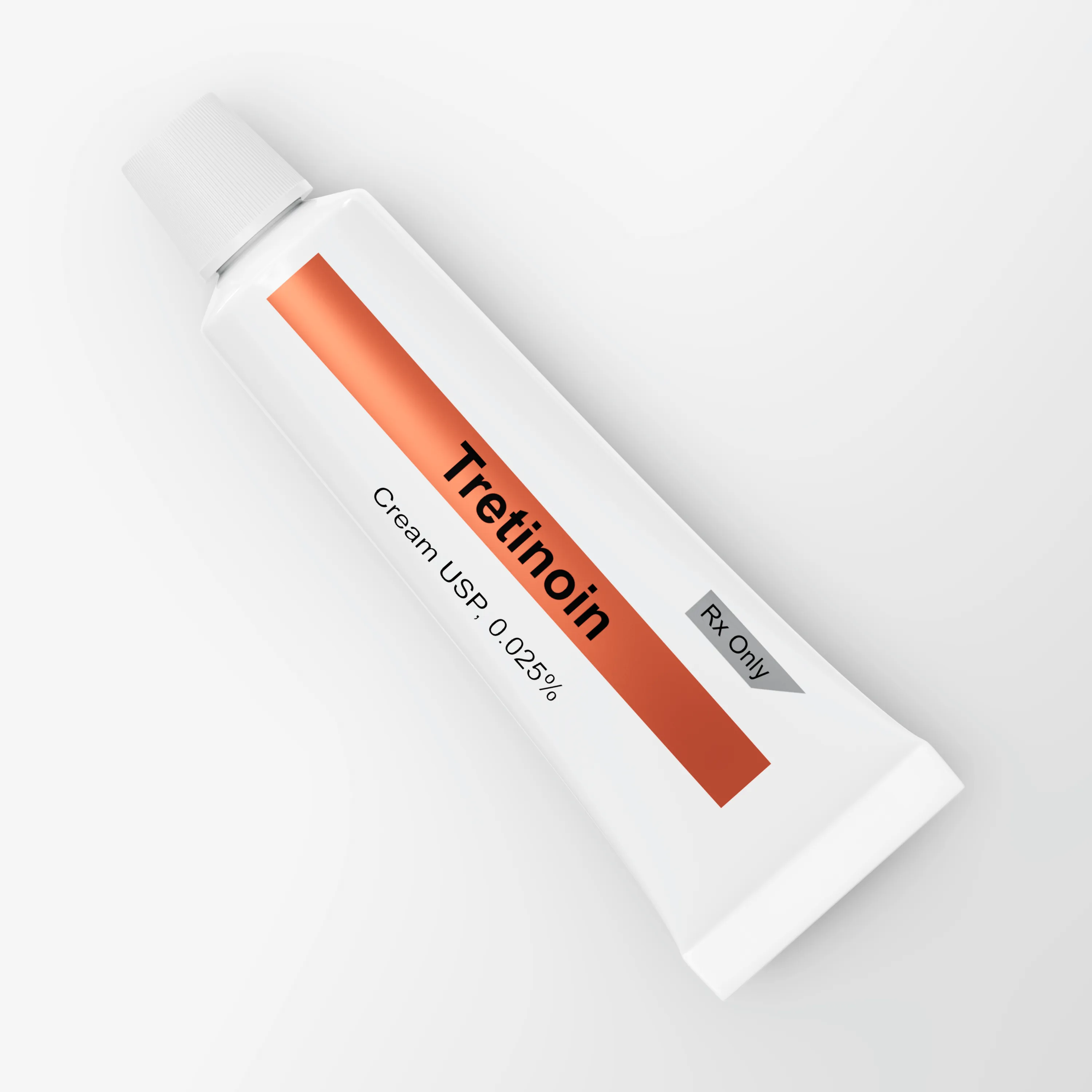
Spironolactone is an oral prescription used off-label to manage persistent hormonal-pattern acne in appropriate women. Benzoyl peroxide is a topical, non-antibiotic antimicrobial that treats acne-associated bacteria and inflamed breakouts where it is applied. They often do different jobs in the same plan rather than replace each other.

Get Started

A licensed provider decides whether a prescription is safe and appropriate after reviewing your skin and health history.

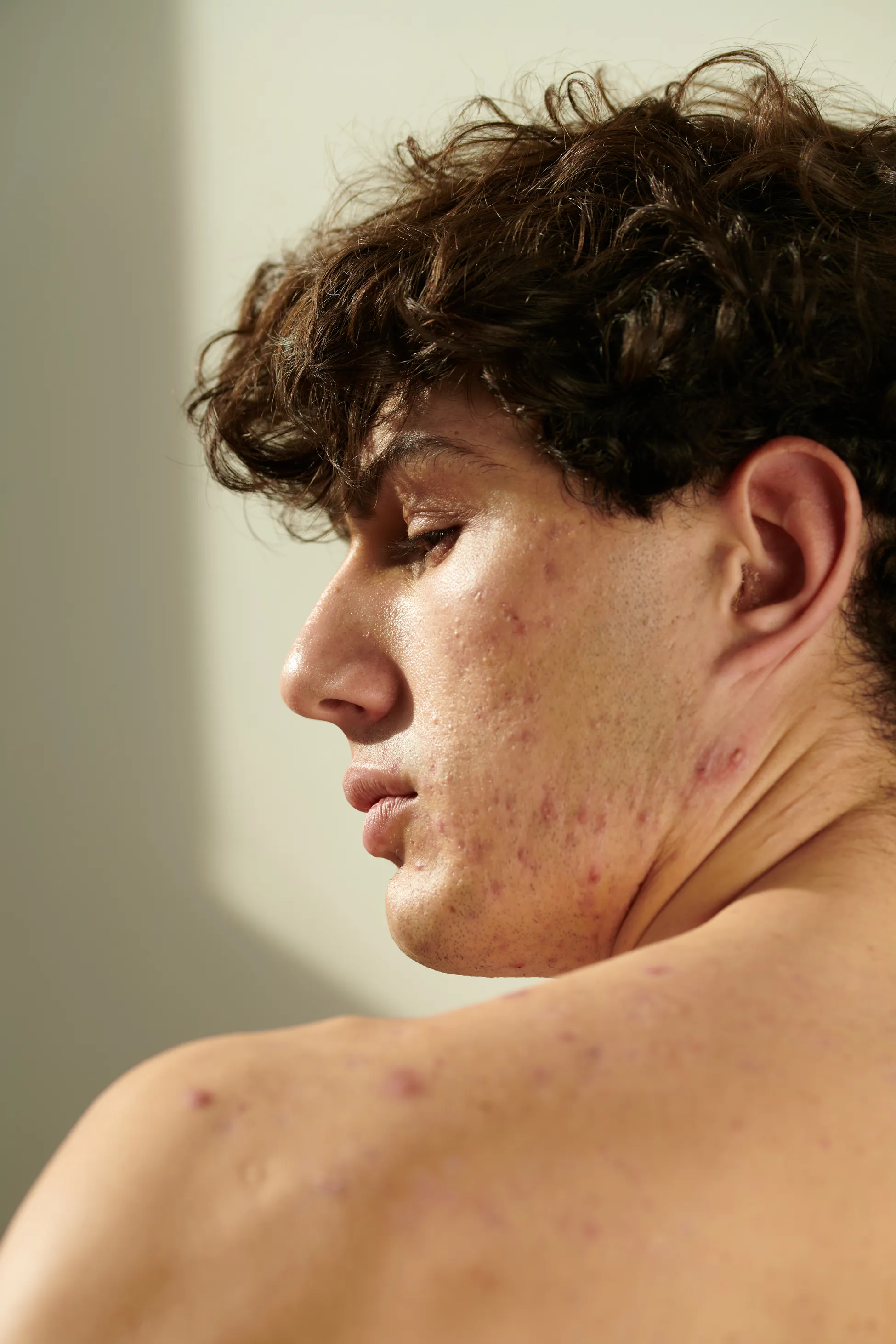
Person considering acne treatmentOne goal. Different paths.
The short answer

For recurring, often cyclical acne, spironolactone may address androgen signaling over months. For mild-to-moderate inflammatory acne, benzoyl peroxide can provide topical support without an antibiotic. One can be prescribed while the other stays in the skincare routine.

At a glance

Hormonal control and surface-level breakout support

Choose a priority to see which profile speaks most directly to it. This overview cannot diagnose hormonal acne or determine whether either treatment is right for you.

Compare by priority

Select what you want to understand first.

Choose a priority to highlight the most relevant treatment profile.

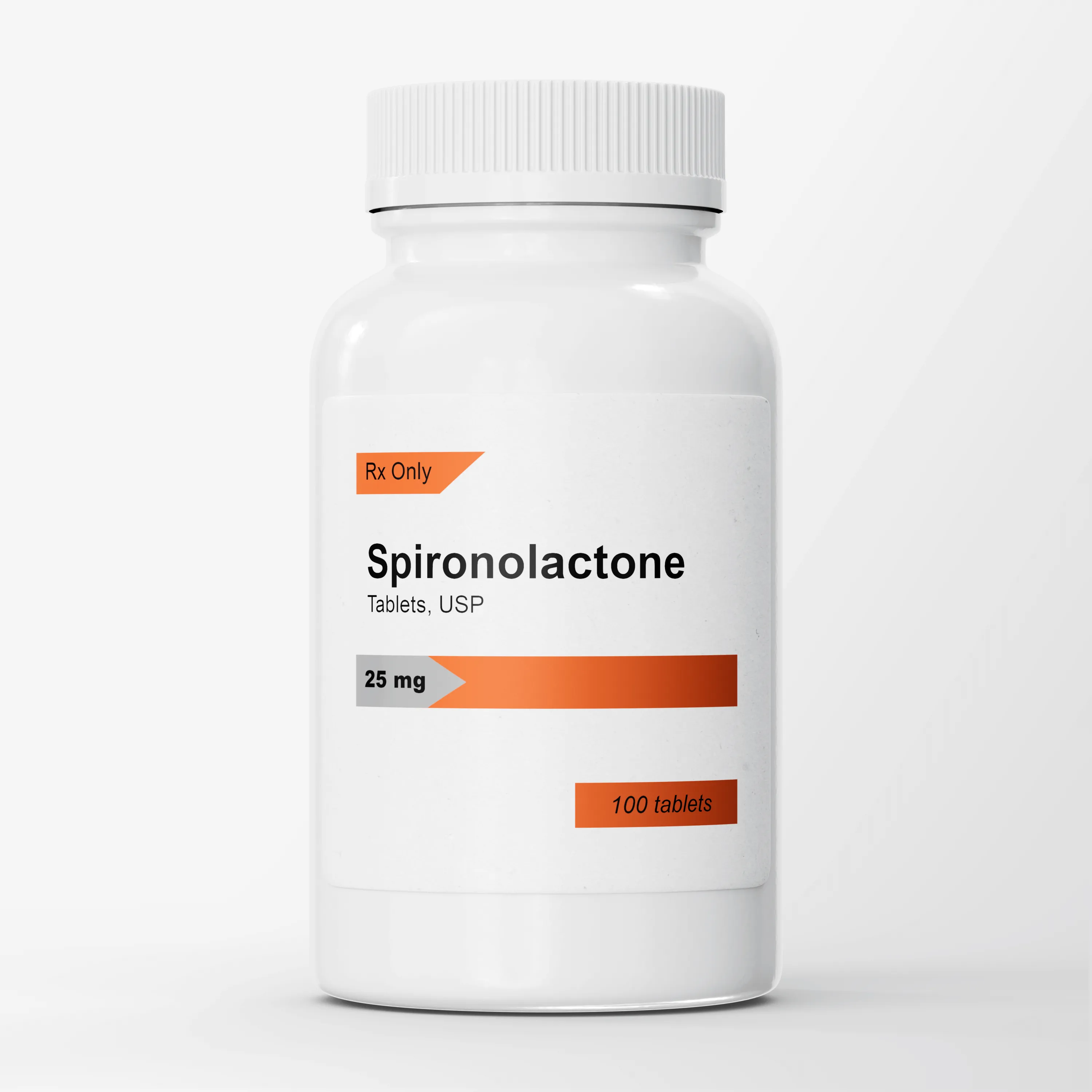
Spironolactone treatmentOral hormonal therapy

Spironolactone

Reduces androgen effects that can contribute to oil production and persistent acne. Its acne use is off-label and requires a prescription.

  • Often discussed forCyclical or persistent lower-face acne in appropriate women
  • Where it worksSystemically, rather than only where a product touches the skin
  • First reviewResponse and tolerance are commonly reassessed over the first 8–12 weeks
  • Usual roleOngoing management while effective, tolerated and medically appropriate
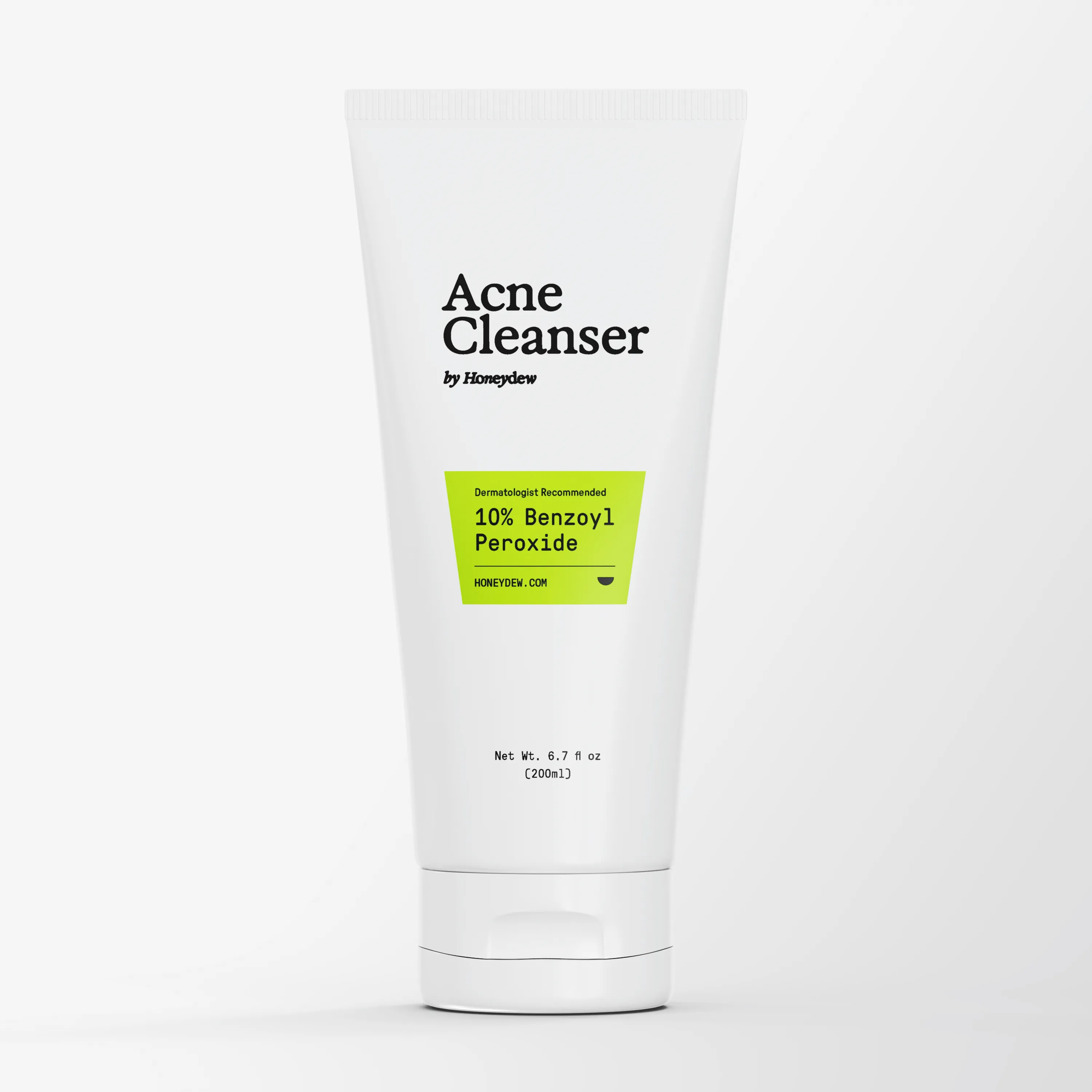
Benzoyl peroxide cleanser treatmentTopical non-antibiotic

Benzoyl peroxide

Reduces acne-associated bacteria and helps inflammatory lesions on treated skin. It is sold without a prescription in washes and leave-on products.

  • Often discussed forMild-to-moderate inflamed facial or body acne
  • Where it worksOn the areas reached by the cleanser, gel or cream
  • First reviewSome change may appear in weeks; a fair trial often takes longer
  • Usual roleAccessible foundation, companion topical, or antibiotic-resistance safeguard

Best suited for

Match the treatment to the pattern, not just the latest pimple

Jawline location or menstrual timing can be useful clues, but neither proves the cause. Severity, distribution, previous treatment and health history all shape the plan.

Spironolactone may fit when…

It may help address

  • Breakouts that predictably flare around the menstrual cycle
  • Persistent chin, jawline, neck or lower-face acne
  • Deep, tender lesions with a suspected hormonal pattern
  • Acne that returns after short-term treatments stop

It may not fit when

  • Pregnancy is current, planned or possible without an appropriate prevention plan
  • Kidney disease, high potassium or interacting medicines raise risk
  • The patient is male and antiandrogen side effects are unacceptable
  • A simple topical routine has not yet had a fair, well-tolerated trial

Benzoyl peroxide may fit when…

It may help address

  • Mild-to-moderate papules, pustules and active inflamed breakouts
  • Acne on the chest, back or shoulders where a wash is practical
  • A need for non-antibiotic antimicrobial support
  • A broader plan that also treats clogged pores or hormonal drivers

It may not fit when

  • Skin is very sensitive or develops significant burning, swelling or rash
  • Deep or scarring acne needs a stronger systemic strategy
  • Hormonal-pattern breakouts persist despite consistent topical treatment
  • The routine already contains several irritating actives without a tolerability plan
Complementary, not compulsory: A provider may prescribe spironolactone while recommending benzoyl peroxide on acne-prone areas. That does not mean every person needs both—or that benzoyl peroxide is required solely because spironolactone is prescribed.

Two jobs in one routine

Think in layers: driver, breakout and maintenance

Acne can involve excess oil, follicle plugging, bacteria and inflammation at the same time. One treatment rarely covers every contributor.

The inside layer

Spironolactone can change the pattern over time

For an appropriate woman with persistent hormonal-pattern acne, oral spironolactone may reduce androgen signaling throughout the body. The effect usually builds gradually. It does not directly exfoliate a clogged pore or act as a topical antimicrobial, so a skin routine may still matter even when the prescription is working.

The outside layer

Benzoyl peroxide can support the skin you treat

A wash or leave-on product acts where it contacts the skin. It can reduce acne-associated bacteria and inflammatory lesions, but it does not correct systemic androgen signaling. If an antibiotic is later added, benzoyl peroxide takes on another useful role: helping reduce the risk of antibiotic resistance.

What the research can and cannot say: Clinical studies have included topical benzoyl peroxide alongside oral spironolactone, so concurrent use is not an unusual concept. Those studies do not prove that every combination, dose or product strength is better for every patient. Your provider’s instructions and the exact product label come first.

Side effects and safety

Systemic screening on one side, skin-barrier management on the other

Spironolactone can affect blood pressure, potassium and reproductive safety. Benzoyl peroxide is applied topically, but local irritation and rare serious allergic reactions still matter.

Spironolactone

Commonly discussed effects

  • More frequent urination
  • Dizziness or lower blood pressure
  • Breast tenderness
  • Menstrual changes

Important safety considerations

Spironolactone can raise potassium, especially with impaired kidney function, potassium supplements or certain interacting medicines. A provider reviews medications and health history and decides what baseline or follow-up testing is appropriate.

Pregnancy: Avoid spironolactone during pregnancy because its antiandrogen activity may affect fetal sex development. Tell your provider about pregnancy plans before starting or continuing it.
Benzoyl peroxide

Commonly discussed effects

  • Dryness or peeling
  • Redness, warmth or stinging
  • Temporary irritation while skin adjusts
  • Bleaching of hair, towels or colored fabric

Important safety considerations

Follow the Drug Facts label and avoid eyes, lips and mouth. Starting less often, shortening wash contact time or using a lower concentration may improve tolerability, but a clinician should guide changes when a prescription routine is involved.

Stop and get help: Severe burning, blistering, swelling, hives, throat tightness, breathing difficulty or facial swelling can signal a serious reaction and needs prompt medical attention.

Treatment timeline

One routine, two different clocks

Early irritation can arrive before improvement. A sustainable schedule matters more than using the most product as fast as possible.

Spironolactone

Screen

Review pregnancy plans, kidney history, blood pressure, current medicines and any need for labs.

Reassess

Track new lesions and side effects over 8–12 weeks. Benefit may become clearer over several months.

Maintain

Continue only while effective and safe. Acne may return after stopping because the medicine manages rather than permanently removes the pattern.

Benzoyl peroxide

Introduce

Patch-test or start gradually as directed. For Honeydew’s 10% wash, massage briefly, rinse and moisturize.

Build tolerance

Dryness can appear early. Reduce frequency or contact time rather than pushing through significant irritation.

Review the role

Assess after consistent use. Keep, adjust or replace it based on results, comfort and the rest of the regimen.

Interactive cost comparison

A prescription-care fee and a separate topical purchase

Spironolactone care falls under Honeydew’s basic membership when prescribed. Benzoyl-peroxide products are purchased separately, whether through Honeydew’s OTC shop or another retailer.

Our basic membership

Spironolactone care

$25/month equivalent

Billed $299 once per year

Medication: Honeydew’s current public example is about $10–$30 retail or $5–$15 with common discounts.

Labs: Separate when clinically indicated.

Over-the-counter product

Benzoyl-peroxide care

Separate

No prescription membership is required to use an OTC product

Honeydew Acne Cleanser: Available through the product shop after creating a free account.

Price: Not listed publicly; confirm in the shop. Other brands, strengths and sizes vary.

What the fee changes

Care versus product

2 roles

Clinical management and the tube or bottle are different costs

Membership: Provider review, progress tracking, prescription coordination and follow-ups.

Products: Prescription, OTC and lab costs remain separate.

Price snapshot reviewed August 3, 2026. Honeydew’s public annual basic membership was listed at $25/month equivalent, billed $299 yearly. Medication, lab work and over-the-counter products are not included. Prices, insurance coverage, discounts, product availability and billing options can change; confirm current terms at enrollment.

How your care works

Build a plan the skin can actually tolerate

Honeydew’s provider reviews the acne pattern and prescription safety, then helps adjust the plan as your response develops.

1

Map the pattern

Share photos, breakout timing, locations, prior topicals, menstrual pattern when relevant, and every medicine or supplement.

2

Choose each job

Decide whether the plan needs systemic hormonal treatment, topical antimicrobial support, pore treatment—or a combination.

3

Protect tolerance

Introduce products at a pace that limits unnecessary dryness. Moisturizer, sunscreen and clear application instructions matter.

4

Review and adjust

Compare new breakouts and side effects over time. Change dose, frequency or product only with appropriate guidance.

Frequently asked questions

Spironolactone and benzoyl peroxide, answered

Is spironolactone better than benzoyl peroxide for hormonal acne?

Spironolactone more directly addresses androgen signaling, so a provider may favor it for persistent hormonal-pattern acne in an appropriate woman. Benzoyl peroxide does not change hormones, but it may still help the inflamed lesions that appear within that pattern. “Better” depends on the treatment job, safety and severity.

Can I use benzoyl peroxide while taking spironolactone?

Often, yes. The combination has been used in clinical studies and in routine acne plans because the medicines act differently. Still, show your provider every product you use. The concentration, frequency and other active ingredients can change irritation risk.

Which one works faster?

Benzoyl peroxide may begin helping inflamed surface breakouts within several weeks, while spironolactone’s more meaningful effect often develops over 8–12 weeks and can build for months. Timelines vary, and early dryness is not proof that benzoyl peroxide is working.

Does benzoyl peroxide prevent antibiotic resistance?

It can help reduce antibiotic-resistance risk when used with a topical or oral acne antibiotic, which is why AAD guidance recommends that pairing. Spironolactone is not an antibiotic, so it does not create that same reason to add benzoyl peroxide.

Is 10% benzoyl peroxide always more effective?

No. Product vehicle, acne location and tolerability matter, and higher strength can mean more irritation. Honeydew’s Acne Cleanser contains 10% benzoyl peroxide and may be useful on facial or body acne for selected users, but the page advises starting slowly and reducing frequency or using a lower strength if irritation develops.

Will either treatment permanently cure acne?

Neither should be described as a guaranteed permanent cure. Spironolactone manages androgen-related activity while it is taken, so breakouts may return after stopping. Benzoyl peroxide works on treated skin and usually requires consistent use or a transition to another maintenance plan.

A clearer next step

Build the inside-and-out plan your acne needs

Start online and ask a dermatology provider whether your routine should address a persistent hormonal pattern, today’s inflamed breakouts—or both with different treatments.

Get Started

Medical disclaimer: This page provides general U.S.-focused education and cost examples, not a diagnosis or personalized treatment recommendation. Do not start, stop or combine prescription medications without a licensed clinician. Follow the Drug Facts label for over-the-counter products. Seek urgent care for severe symptoms, a serious allergic reaction or a medical emergency.