Living with acne? A licensed Honeydew provider prescribes what fits for your skin based on the severity. From topical creams to antibiotics to isotretinoin, our team will prescribe the perfect regimen to treat your acne.

First consult free. Membership from $25/month, billed $299/year. Medications are not included and may be covered by insurance.

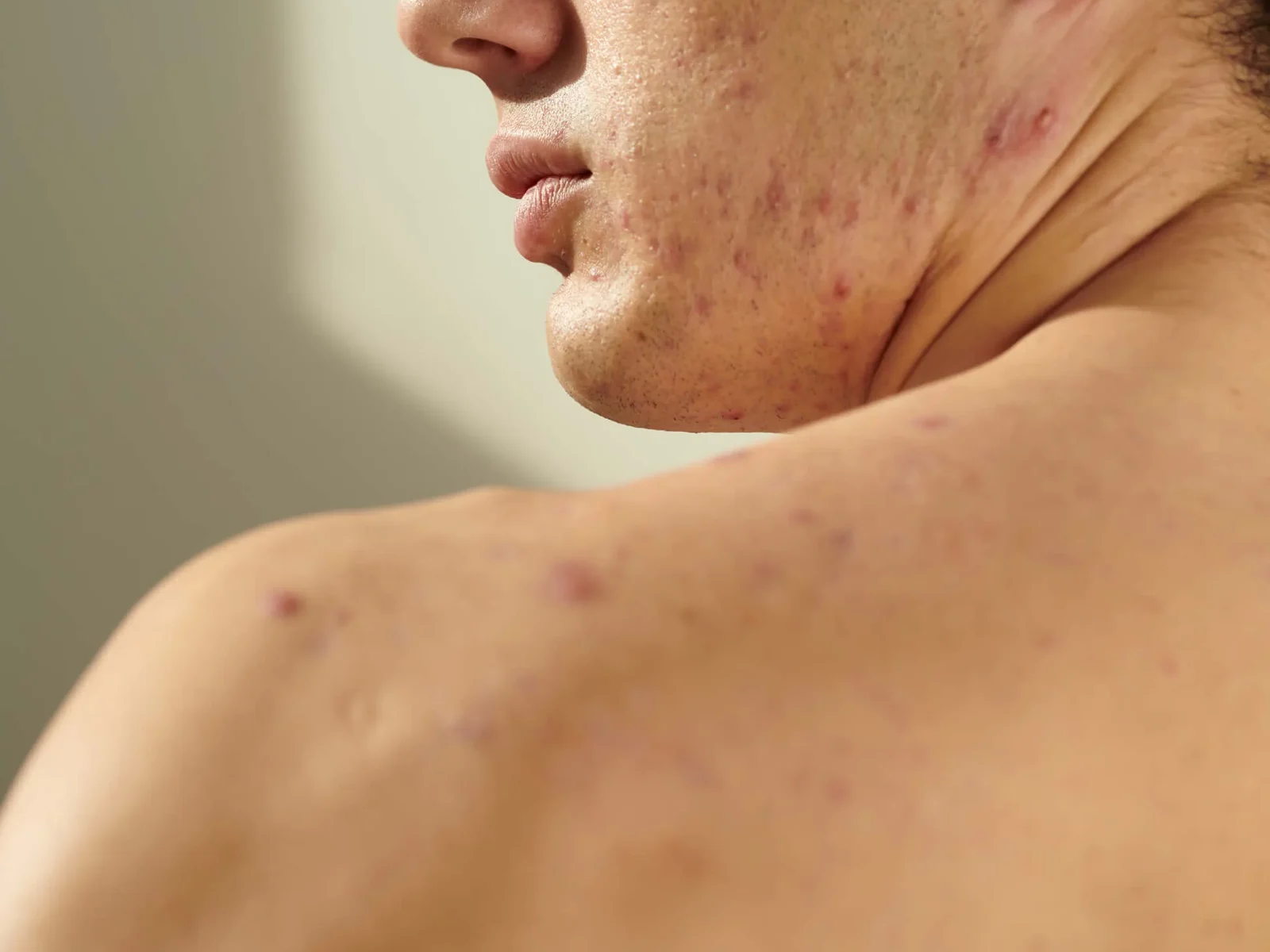
Acne is a chronic skin condition ranging from surface whiteheads and blackheads to deep, painful cystic breakouts on the face, chest, or back—driven by clogged pores, excess oil, bacteria, and inflammation.

Deep, tender breakouts along the jawline and chin that often flare with your cycle.
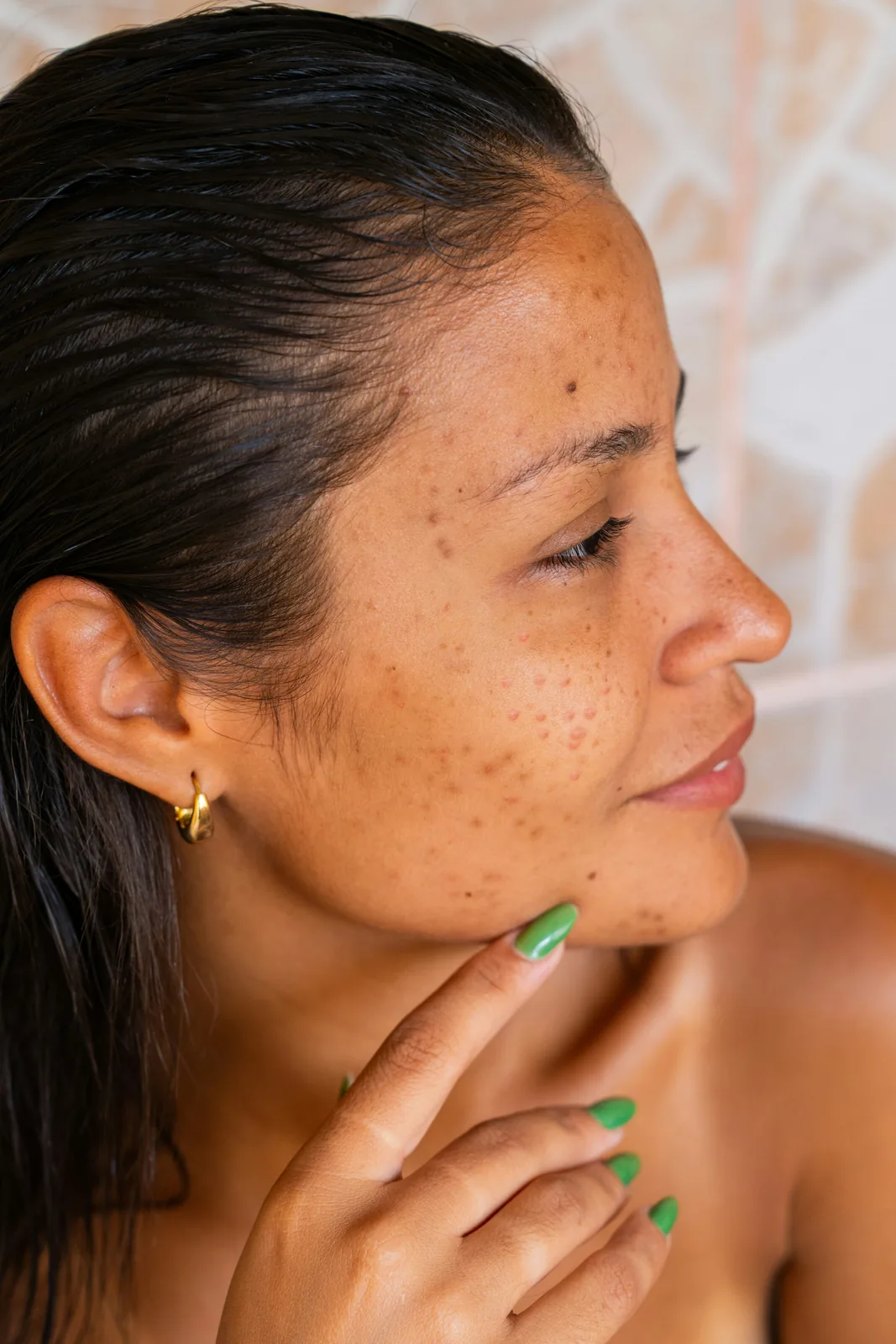
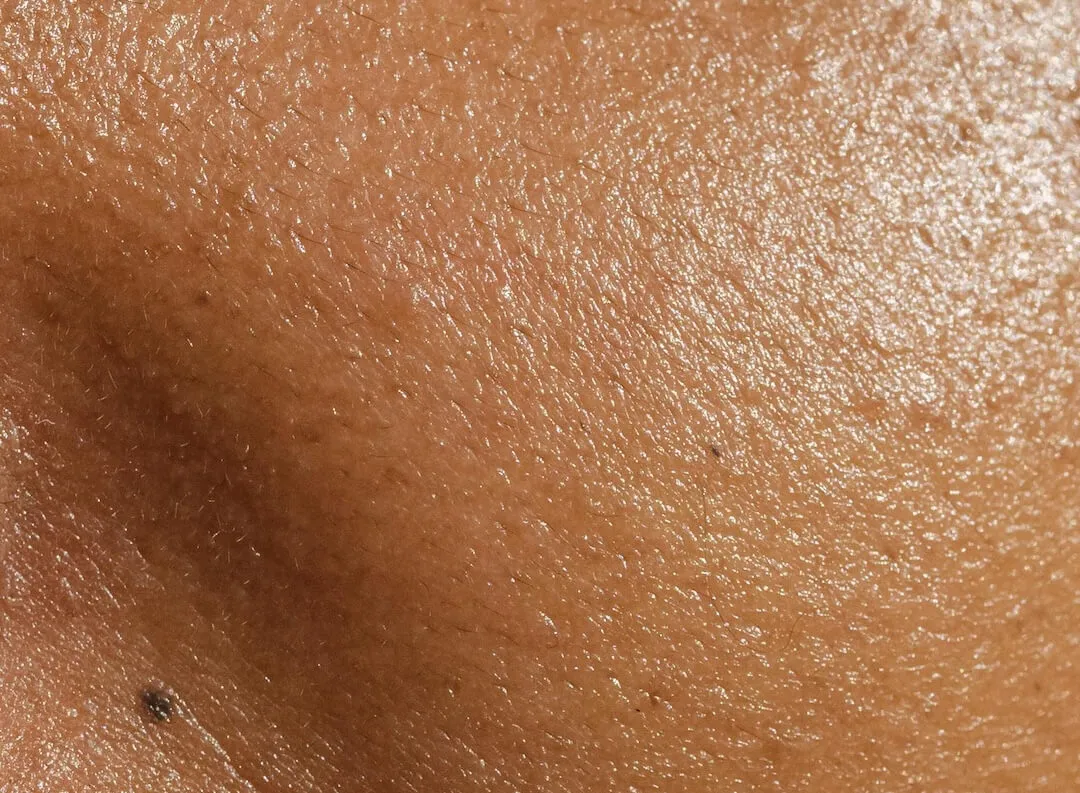
Dark marks that stay on the skin after breakouts heal.
Common acne medicines include retinoids, benzoyl peroxide, salicylic acid, and prescription antibiotics or hormone pills. Milder acne breakouts are often treated with daily creams, lotions, gels, or washes applied right to the skin. For deeper, stubborn acne, doctors prescribe pills like antibiotics, spironolactone, or a isotretinoin (generic Accutane) regimen to stop breakouts from the inside out.
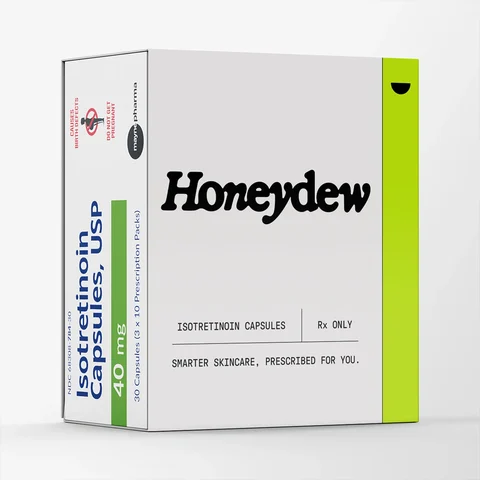
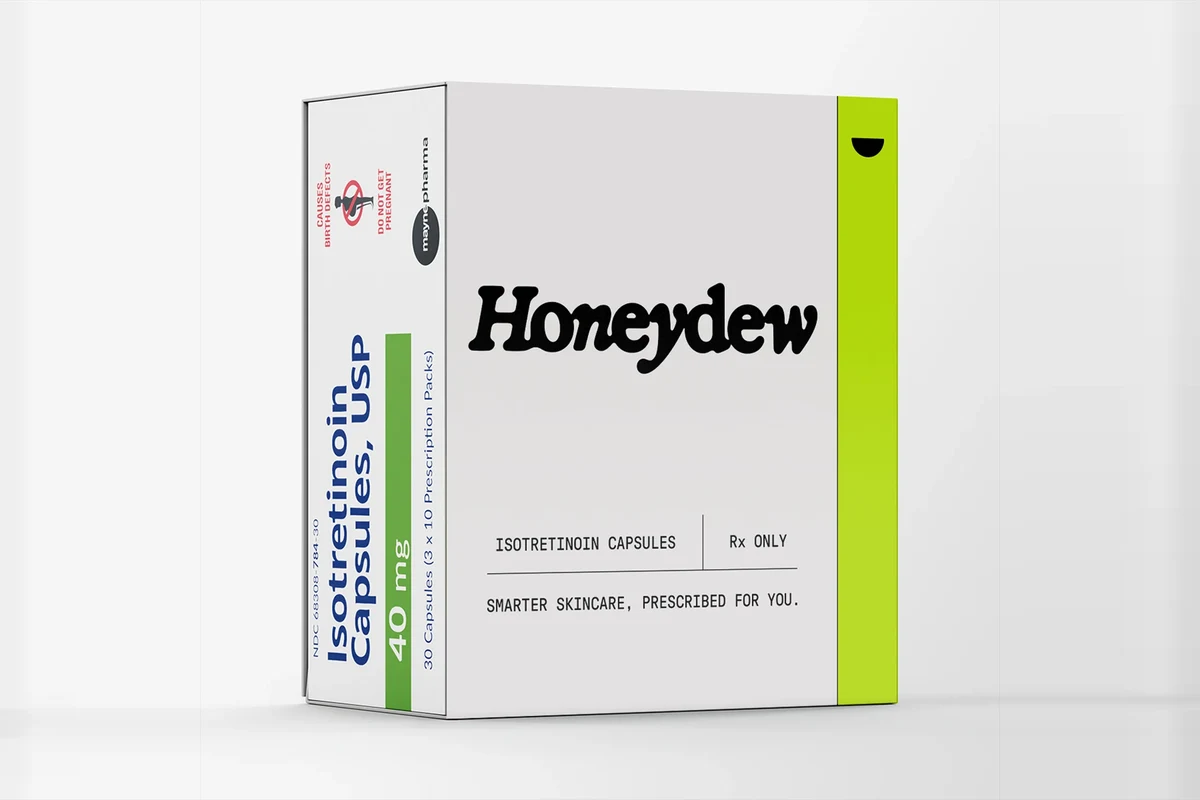
Accutane® (isotretinoin) is a prescription pill for severe nodular acne in people 12 and older, when other treatments, including antibiotics, haven't cleared it.
Capsules by mouth, usually twice a day with food, for about 15 to 20 weeks. Your provider sets the dose by your weight and orders blood tests before and during treatment.
Isotretinoin has a boxed warning. It can cause severe birth defects, so it must never be taken during pregnancy, and it is available only through the iPLEDGE program. It can also cause mood changes, including depression, as well as raised blood fats and liver changes. Dry lips, dry skin, and dry eyes are common. Do not donate blood during treatment or for 1 month after.
Isotretinoin label on DailyMed“My biggest regret is not starting Accutane 10 years ago, which would have saved me from so much suffering, pain, scarring, time, and money. And it turns out that lower doses of Accutane are just as effective as higher doses; you simply take the medication for a longer period. By opting for a lower dose, you can minimize the risk of side effects.”
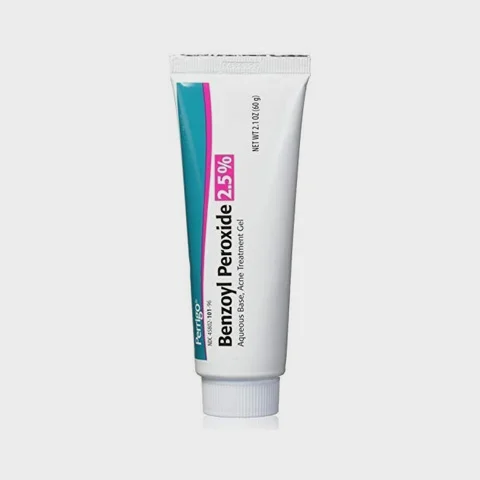
Benzoyl peroxide (2.5%) is an over-the-counter acne gel that kills acne-causing bacteria and helps keep pores clear. Perrigo Benzoyl Peroxide 2.5% Gel (now sold by Padagis) is one example. Providers often pair it with a retinoid or an antibiotic.
New users test it on one or two small areas for the first 3 days. Then clean the skin and apply a thin layer once a day, building up to two or three times a day if needed. If dryness or peeling bothers you, use it once a day or every other day.
For external use only. Avoid your eyes, lips, and mouth. It can bleach hair and dyed fabrics, and it makes skin more sensitive to the sun, so use sunscreen. Using another topical acne medicine at the same time can make irritation and dryness more likely. Stop and ask a doctor if irritation becomes severe.
Benzoyl Peroxide Gel label on DailyMed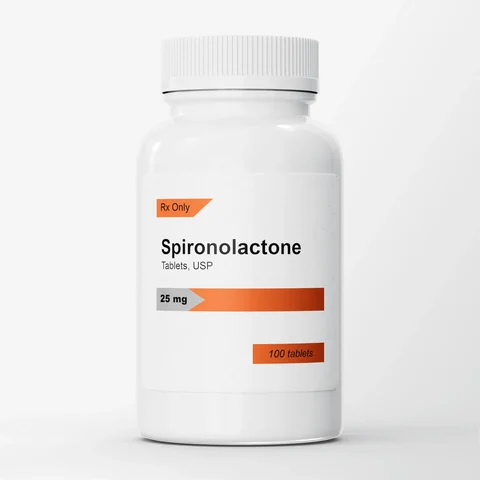
Spironolactone is a prescription pill that blocks androgen hormones. Dermatology providers prescribe it off-label for hormonal acne in adult women, often for breakouts along the jawline and chin. It is not FDA-approved for acne.
Tablets by mouth, as your provider directs. Your provider may check your potassium and blood pressure.
Do not take spironolactone if you have high potassium or Addison's disease, or if you take eplerenone. Avoid it if you are pregnant or planning a pregnancy, and tell your provider if you have kidney problems. It can raise potassium, so mention potassium supplements and blood pressure medicines. Irregular periods, breast tenderness, and dizziness can happen.
Spironolactone label on DailyMed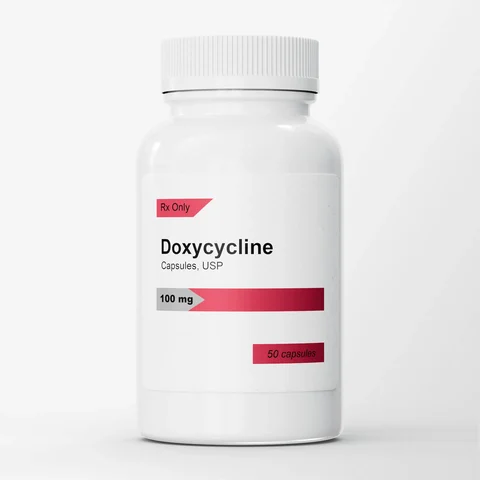
Doxycycline is a prescription antibiotic pill. In severe acne it is used alongside other acne treatments to calm inflamed breakouts.
By mouth once or twice a day with a full glass of water, which helps protect your throat.
Do not take doxycycline if you are allergic to tetracycline antibiotics. Tell your provider if you are pregnant. It is not recommended for children 8 and younger because it can permanently discolor teeth. It makes skin burn more easily in the sun and can cause nausea and diarrhea. Call your provider about severe headaches or vision changes.
Doxycycline label on DailyMed“One product I particularly appreciate is Honeydew’s 10% Benzoyl Peroxide Acne Cleanser. Benzoyl peroxide is effective for inflammatory acne, but higher concentrations can be drying. I’ve found Honeydew’s formulation surprisingly moisturizing and less stripping than many comparable products.”
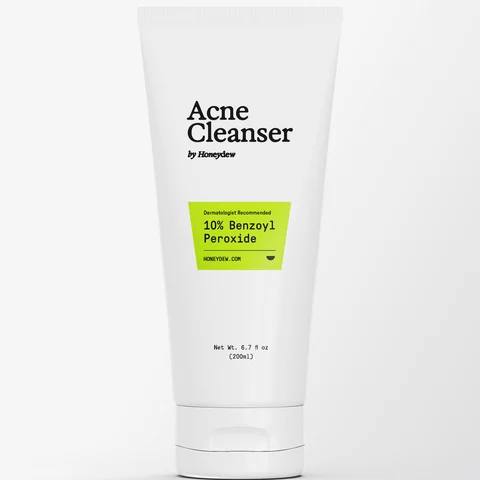
Honeydew Acne Cleanser (benzoyl peroxide 10%) is an over-the-counter acne wash for the face and body. It is free of parabens, fragrances, and phthalates.
Wet the skin, massage the wash in for 1 to 2 minutes, then rinse and pat dry. Start once a day and build up to morning and night if your skin tolerates it, or use it every other day if it gets irritated.
Not for very sensitive skin. Benzoyl peroxide can dry skin and bleach fabric, so follow with a moisturizer. If breakouts keep coming back, your provider can add a prescription treatment.
Honeydew Acne Cleanser page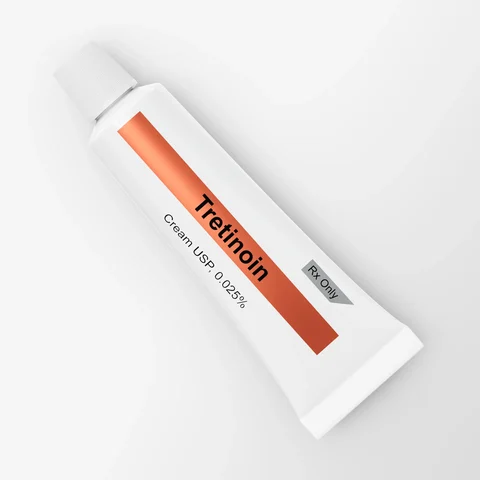
Tretinoin cream (generic Retin-A®) is a prescription retinoid for acne. It speeds up skin cell turnover, which clears clogged pores and helps keep new breakouts from forming.
A thin layer on clean, dry skin once a day at bedtime. Results take several weeks, and acne can look worse before it improves.
Tretinoin can cause redness, peeling, dryness, and stinging, especially in the first weeks. It makes skin more sensitive to sunlight, so use sunscreen and avoid sunlamps. Keep it away from your eyes, mouth, and the corners of your nose. Tell your provider if you are pregnant, planning a pregnancy, or breastfeeding.
Tretinoin cream label on DailyMed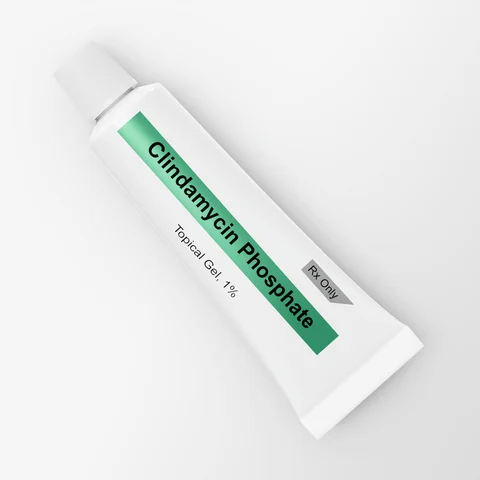
Clindamycin (1%) is a prescription antibiotic gel, lotion, or solution for acne. It lowers acne-causing bacteria on the skin and calms inflamed pimples. Providers often pair it with other acne treatments.
A thin layer on the affected skin, usually twice a day, as directed for the product your provider prescribes.
Do not use clindamycin if you have had Crohn's disease, ulcerative colitis, or colitis caused by antibiotics. Rarely, it can cause severe diarrhea: stop using it and call your provider if you get severe or bloody diarrhea. Dryness, redness, burning, and peeling can happen where you apply it.
Clindamycin gel label on DailyMed“If you’re acne-prone, consider a salicylic acid or benzoyl peroxide wash to help prevent clogged pores and breakouts. Follow with a fragrance-free moisturizer to restore the skin barrier, especially if you’re prone to dryness or eczema. Apply SPF 30+ if heading outdoors.”
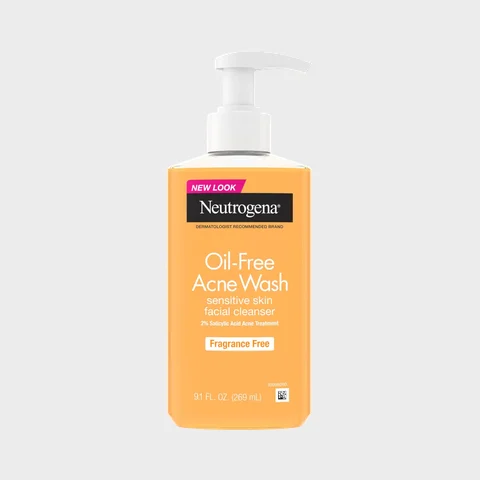
Salicylic acid (2%) is an over-the-counter acne wash ingredient that helps prevent clogged pores and breakouts. Neutrogena Oil-Free Acne Wash is one example.
Use twice a day. Wet the face, work the wash into a lather in your hands, massage gently, then rinse well. Follow with a fragrance-free moisturizer.
For external use only. Avoid contact with the eyes and flush with water if it happens. Using another topical acne medicine at the same time can make irritation and dryness more likely, so tell your provider what you already use. Apply SPF 30+ when you go outdoors.
Neutrogena Oil-Free Acne Wash product page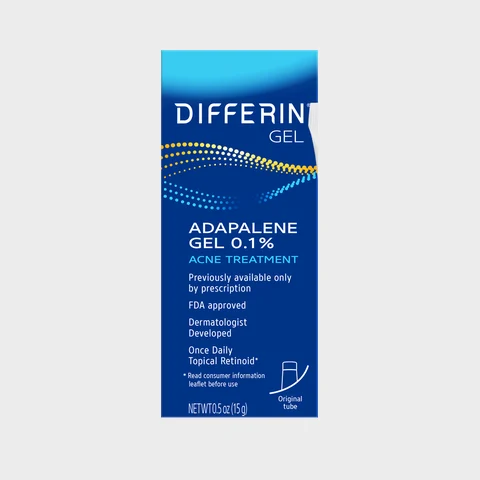
Differin® Gel (adapalene 0.1%) is an over-the-counter retinoid for acne in adults and children 12 and older. It treats acne and is used on the whole affected area, not only on single pimples.
A thin layer on the whole affected area once a day. Do not use it more than once a day.
Skin may get irritated and acne may look worse in the first weeks. Use sunscreen, and do not apply it to cut, sunburned, or eczema-affected skin. If you are pregnant or breastfeeding, ask a doctor first. If there is no improvement after 3 months, a provider can prescribe a stronger option.
Differin Gel product page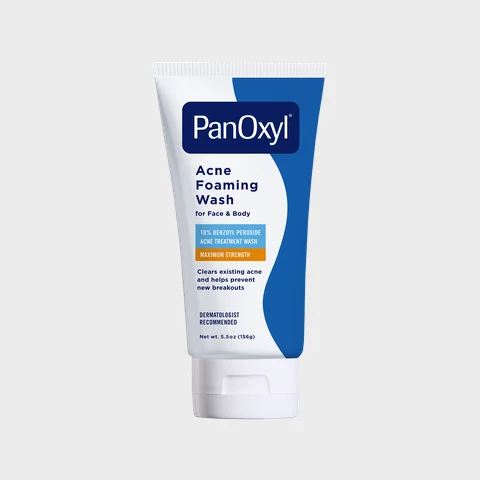
PanOxyl® Acne Foaming Wash (benzoyl peroxide 10%) is an over-the-counter wash for acne on the face, chest, and back.
Wet the skin, lather for 1 to 2 minutes, then rinse well. Start once a day and move to twice a day if your skin tolerates it.
Benzoyl peroxide can dry and irritate skin and can bleach hair, towels, and clothing. Use sunscreen while you use it. If breakouts keep coming back, your provider can add a prescription treatment.
PanOxyl Acne Foaming Wash product page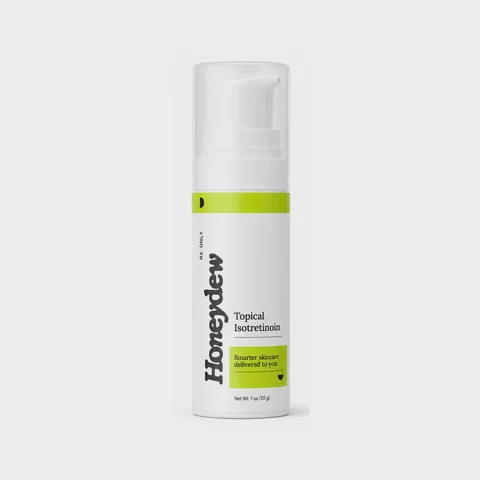
Topical isotretinoin is a prescription retinoid cream for milder acne, such as blackheads and whiteheads. It speeds up skin cell turnover to unclog pores. It works more like tretinoin or adapalene than like oral Accutane®.
Applied to the skin as your provider directs. Your provider adjusts the strength of your custom formula as your skin changes.
Topical isotretinoin is a prescription retinoid, so your provider confirms it is right for your skin first. It is not as effective as oral isotretinoin for severe acne. Because it is applied to the skin, it does not need iPLEDGE or routine blood tests. Redness, dryness, and peeling can still happen. Your provider checks in monthly.
Isotretinoin Cream page
Answer a short questionnaire and upload photos of your skin. Your first consult is free, and in many cases treatment can start without a video visit.
Your provider looks at your photos and history and builds a plan with you. If a visit is needed, you can book a video consult within 48 hours.
If a treatment is prescribed, we handle prior authorization and send it to your pharmacy or a specialty pharmacy, or deliver it to your door.
Track your progress with photos and message your Care Team anytime for questions, refills, and guidance, 7 days a week.
Not sure where to start? Ask your provider during your free consult.
Start your free consultThere is no single best medication. Mild acne often responds to a retinoid such as tretinoin with benzoyl peroxide or clindamycin. Inflamed or widespread acne may need a short course of an antibiotic such as doxycycline, or spironolactone, which providers prescribe off-label for hormonal acne in women. Isotretinoin (Accutane®) is for severe acne or acne that other treatments have not cleared. Your provider chooses based on your acne, your history, and what you have already tried.
Yes. Adapalene 0.1% gel (Differin®) and benzoyl peroxide washes can treat acne. If you see no improvement after about 3 months, your provider can prescribe a stronger cream or a pill.
Creams and gels such as tretinoin and clindamycin treat the skin where you apply them and are the usual starting point. Pills work through the whole body: doxycycline and isotretinoin are used for severe acne, and spironolactone is prescribed off-label for hormonal acne. Isotretinoin has a boxed warning, which your provider reviews with you.
Yes, if your Honeydew provider decides a medication is right for you after reviewing your history and photos. Lab orders, pharmacy coordination, and follow-ups all happen online.
It depends on your plan and the medication. Generic acne medications are often covered, and some plans ask for prior authorization for tretinoin or isotretinoin. Your provider sends the prescription to your pharmacy, and our team helps with the paperwork.
Your first consult is free, and Honeydew membership starts at $25/month, billed $299/year (HSA/FSA eligible). Medications are billed by your pharmacy and insurance, so what you pay depends on your coverage. We run the prescription through your insurance and help you find the lowest cost.