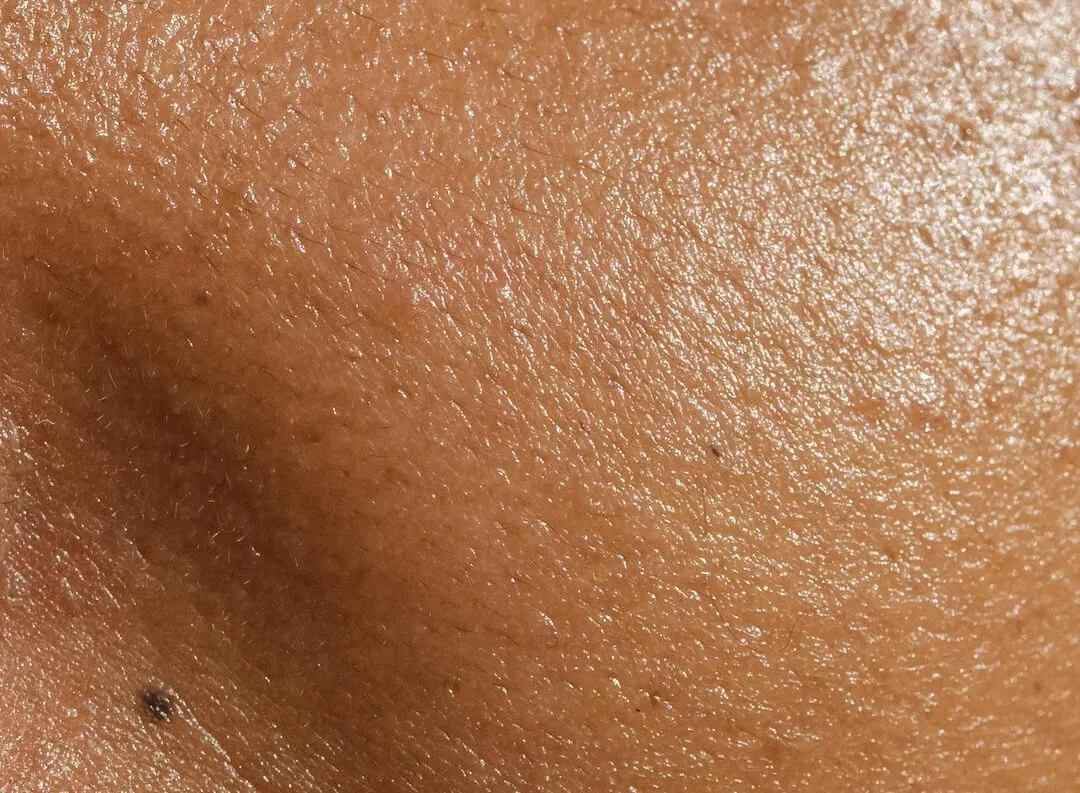
Dermatologist-guided care,
personalized to your skin.

GET STARTED

Acne treatment comparison

Accutane vs clindamycin

Accutane—commonly used to mean isotretinoin—is a monitored oral course that a provider may consider for persistent, scarring or treatment-resistant acne. Topical clindamycin has a narrower job: calming inflamed pimples as one part of a routine, usually with benzoyl peroxide to help limit antibiotic resistance.

Get Started

A licensed provider decides what is safe and appropriate after reviewing your acne, prior care and health history.

Person considering acne treatmentOne goal. Different paths.
The short answer

These are different treatment roles, not simple substitutes. Clindamycin can help a limited area of inflammatory acne but should not become open-ended antibiotic monotherapy. Isotretinoin works throughout the body and carries substantially more safety requirements; the tradeoff is a broader treatment course that may be considered when acne is persistent or risks scarring.

At a glance

Local flare control or a broader course

Select a priority to organize the comparison. The highlight is educational—it does not choose a medication or establish eligibility.

Compare by priority

Start with the tradeoff that matters most to you.

Choose a priority to highlight the most relevant treatment profile.

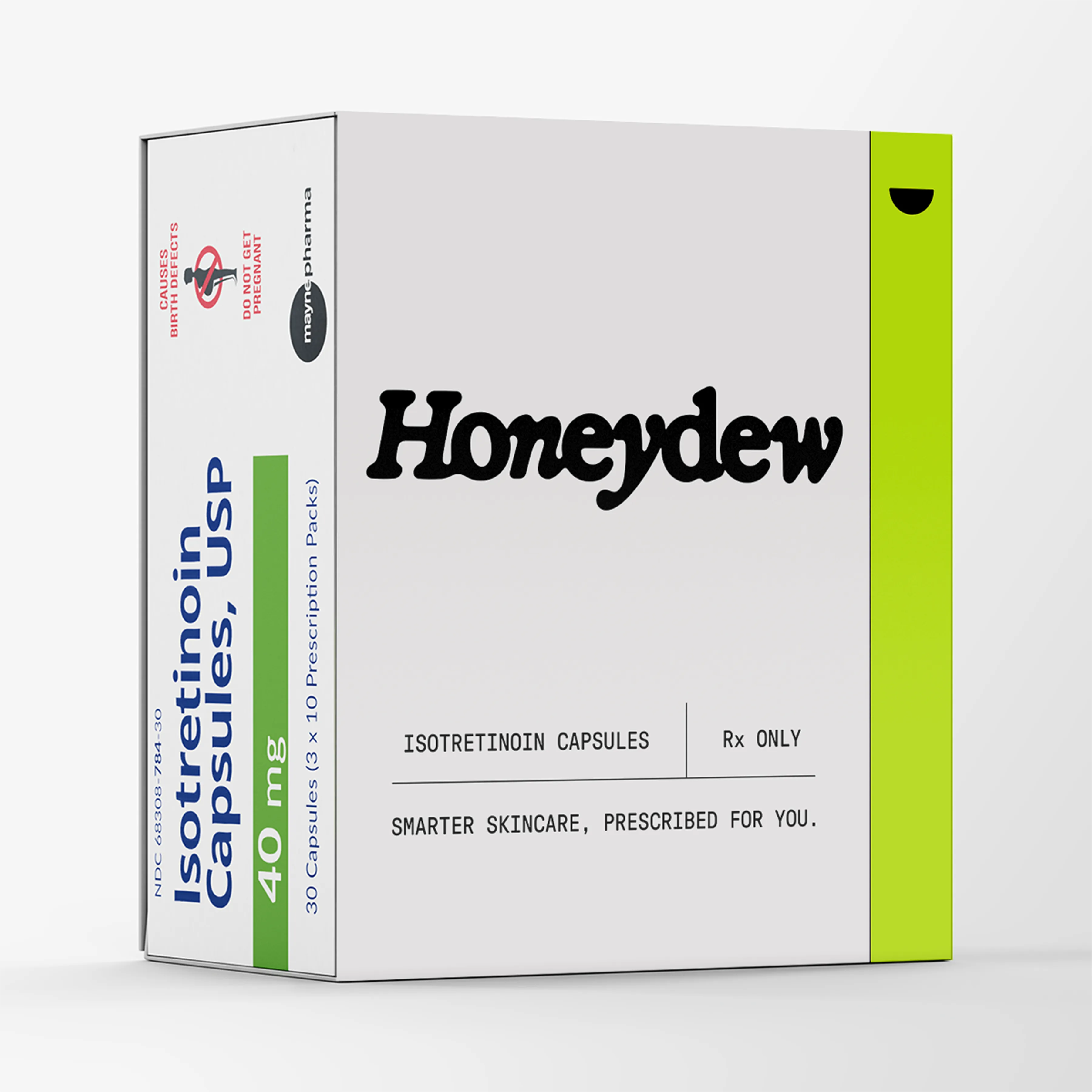
Accutane (isotretinoin) treatmentOral retinoid

Accutane / isotretinoin

Reduces oil-gland activity and affects clogged pores, inflammation and acne-associated bacteria across treated skin, not only a spot where a product is applied.

  • Often discussed forPersistent, nodular, scarring or treatment-resistant acne after a provider reviews prior therapy
  • First changesOften within 4–8 weeks; an early flare is possible and response varies
  • Treatment shapeA defined systemic course with dose and duration adjusted to response and tolerability
  • AfterwardImprovement may last, but relapse, topical maintenance or another course can still be needed
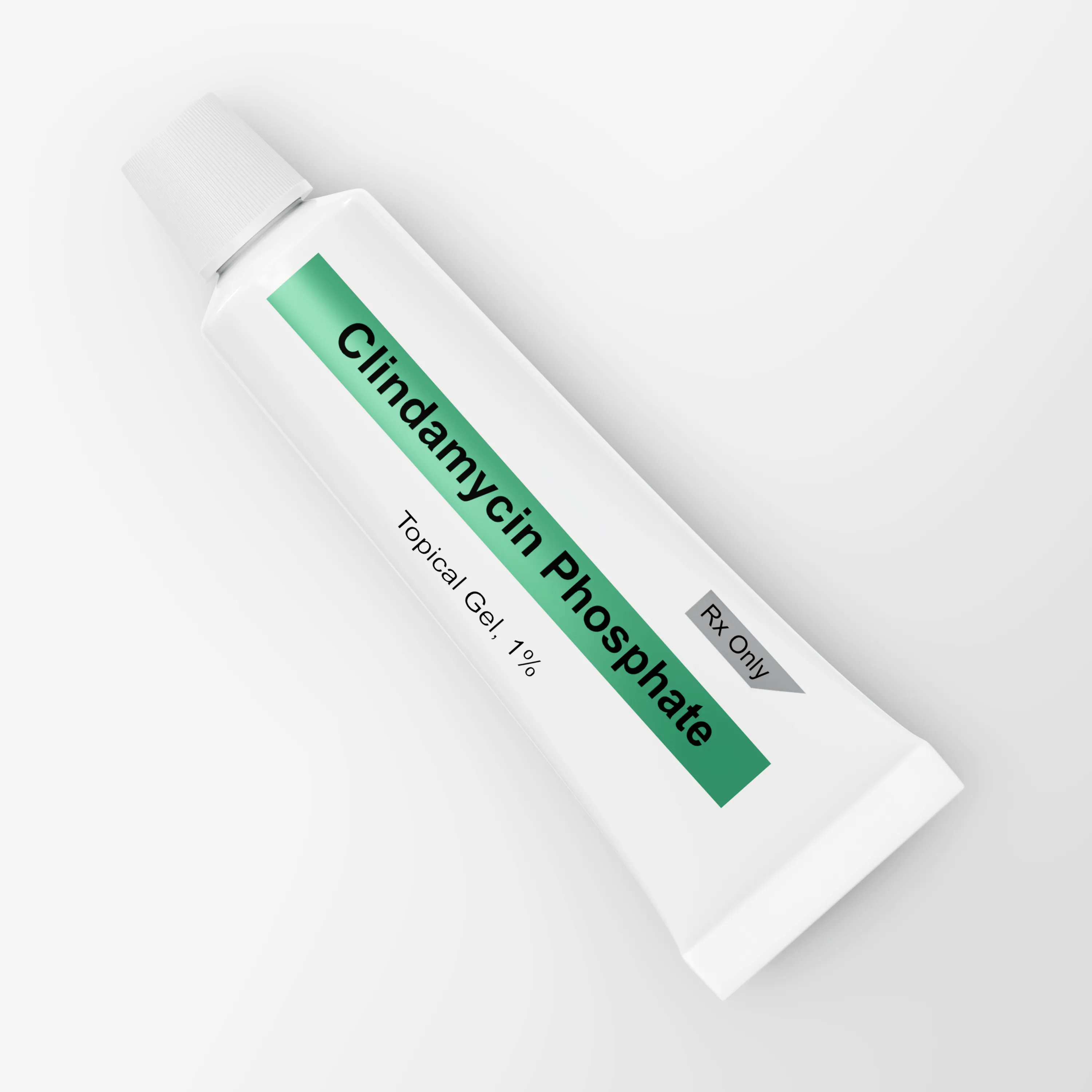
Clindamycin treatmentTopical antibiotic

Clindamycin

Reduces acne-associated bacteria and inflammation where it is applied, helping red papules and pustules while other ingredients address pore clogging and resistance.

  • Often discussed forMild-to-moderate inflammatory acne within a combination topical plan
  • First changesSome improvement may appear within a few weeks; reassessment often occurs around 8–12 weeks
  • Treatment shapeA limited antibiotic phase, paired with benzoyl peroxide rather than used alone indefinitely
  • AfterwardNon-antibiotic topicals generally carry the maintenance role once inflammation is controlled

Best suited for

Fit depends on the pattern and what has already failed

Inflammation alone does not settle the choice. A provider also looks at depth, scarring, body involvement, previous full regimens, pregnancy potential and whether a topical routine is realistic.

Accutane may fit when…

  • Deep nodules, cysts, active scarring or a high risk of permanent scars
  • Acne across the face, chest or back that is difficult to manage topically
  • Persistent breakouts after an adequate combination topical plan or other standard care
  • Mixed acne involving oil, clogged pores and inflammation rather than isolated red spots

It may not fit when

  • Pregnancy is planned or current iPLEDGE requirements cannot be followed
  • Required follow-up, pregnancy prevention when applicable, or lab monitoring is not workable
  • A health condition, medicine, supplement or lab result makes isotretinoin unsafe
  • A limited topical plan has not yet had a fair, clinician-guided trial and scarring risk is low

Clindamycin may fit when…

  • Red, tender papules and pustules are the main concern
  • Mild-to-moderate inflammation needs targeted topical support
  • Benzoyl peroxide and a pore-clearing or maintenance treatment are part of the plan
  • A provider wants to calm a flare without the requirements of systemic isotretinoin

It may not fit when

  • Acne is mostly blackheads and whiteheads; an antibiotic does not correct pore turnover
  • Deep, widespread or rapidly scarring acne needs a broader strategy
  • It would be used alone or indefinitely, increasing the resistance problem
  • There is a clindamycin/lincomycin allergy, prior antibiotic-associated colitis or certain bowel-disease history
Honeydew iPLEDGE support: Unlike topical clindamycin, isotretinoin requires enrollment and monthly program steps. Honeydew helps coordinate enrollment, testing logistics, monthly confirmation windows and refills. Read Honeydew’s iPLEDGE guide.

The escalation decision

Before changing lanes, check two gates

The useful question is not “Which medicine is stronger?” It is whether topical treatment has been designed correctly—and whether the acne now justifies the burden of a systemic course.

Gate one

Was the topical plan complete?

Clindamycin alone is not a complete acne routine. Benzoyl peroxide helps limit resistant bacteria; a retinoid or another clinician-selected ingredient can address clogged pores and prevention. Consistency across acne-prone areas also matters.

If redness improved but new lesions continued, the result may reveal a missing mechanism—not proof that every topical has failed. A provider can adjust the non-antibiotic component.

Gate two

Has the risk-benefit balance changed?

New scars, deep lesions, body acne or repeated relapse can change the conversation. Isotretinoin treats several acne drivers at once but adds pregnancy-prevention rules, follow-up and possible labs.

Escalation does not mean clindamycin “lost.” The medicines solve different problems, and a licensed prescriber should review the whole pattern.

Combination care: Do not automatically continue clindamycin after starting isotretinoin. Your prescriber should decide what pauses and what may return later.

Side effects and safety

Topical does not mean risk-free; systemic means more safeguards

Isotretinoin has a heavier safety program. Clindamycin usually causes local effects, but its label includes rare serious gastrointestinal warnings.

Accutane / isotretinoin

Common effects

  • Dry lips, skin, eyes or nose
  • Sun sensitivity
  • Muscle or joint discomfort
  • Possible early acne flare

Important safety considerations

Isotretinoin can cause severe birth defects and is covered by the iPLEDGE REMS at every dose. Follow the current program and your prescriber’s pregnancy-testing and prevention instructions. Providers may monitor lipids, liver tests, side effects and symptoms that require prompt evaluation.

Share every medicine and supplement: Pregnancy is an absolute contraindication. Concerning mood, vision, severe headache or gastrointestinal symptoms need prompt clinical attention.
Clindamycin

Common effects

  • Dryness or peeling
  • Redness or burning
  • Itching or local irritation
  • Added dryness when paired with benzoyl peroxide

Important safety considerations

Application directions vary by gel, lotion, foam or solution, so follow the prescription rather than a generic frequency. Keep products away from eyes and damaged skin. Tell the provider about a clindamycin or lincomycin allergy and any history of inflammatory bowel disease or antibiotic-associated colitis.

Do not ignore bowel symptoms: Stop and seek prescriber guidance for significant diarrhea, bloody diarrhea or abdominal symptoms. The topical label warns that systemic absorption occurs and serious colitis has been reported with clindamycin.

Treatment timeline

One course aims to reset; one phase supports a routine

Accutane

Qualify

Review severity, prior regimens, health history, medicines and pregnancy potential; complete baseline and iPLEDGE steps.

Adjust the course

Check response and tolerability through regular follow-up. Dose and duration are individualized rather than copied from another patient.

Plan aftercare

Some people remain improved; others use non-antibiotic topical maintenance, relapse or discuss additional treatment.

Clindamycin

Build the pair

Use topical clindamycin with benzoyl peroxide and any provider-directed pore-clearing treatment—not as a solo routine.

Reassess

Track irritation and inflammatory lesions over roughly 8–12 weeks. Lack of response can signal resistance or a mismatched acne pattern.

Remove the antibiotic

When the prescriber ends clindamycin, continue the planned non-antibiotic maintenance instead of restarting it independently.

Interactive cost comparison

Separate membership, medication and monitoring

Change the billing schedule to see the care membership. Prescriptions, labs and over-the-counter products remain separate.

Our Accutane membership

Care and monitoring

$50/month equivalent

Billed $299 once per year + $25 each month

Medication: Honeydew lists eligible insured patients as paying as little as $0 and current cash box prices of $30 for low dose or $50 for standard dose.

Labs: Separate when clinically directed.

Our basic membership

Clindamycin care

$25/month equivalent

Billed $299 once per year

Medication: Separate; price varies by formulation, insurance and pharmacy.

Supplies: Benzoyl peroxide and other products are separate.

Why totals differ

Different care footprints

Topical ↔ systemic

Do not compare the prescription price alone

Clindamycin: Usually lighter monitoring, but often needs companion topical products.

Accutane: Adds iPLEDGE support, provider follow-up and possible lab costs.

Price snapshot reviewed August 3, 2026. Membership excludes medication, lab work and over-the-counter products. Insurance coverage and pharmacy prices vary. Honeydew’s current Accutane and pricing pages govern the membership figures; confirm the available plan and final medication cost at enrollment.

How your care works

Make the escalation decision with evidence

The provider evaluates the whole regimen and the consequence of waiting—not just a photo of today’s most inflamed spot.

1

Map the acne

Share face and body photos, depth, scarring, timing, prior prescriptions and how consistently each full regimen was used.

2

Audit the routine

Confirm whether clindamycin was paired with benzoyl peroxide and whether a non-antibiotic treatment covered clogged pores and maintenance.

3

Choose the burden

Compare another topical adjustment with an isotretinoin course, including pregnancy prevention, iPLEDGE, follow-up and labs.

4

Track the transition

Message the care team about response and side effects, and follow a written plan for stopping, pausing or restarting each topical.

Frequently asked questions

Accutane and clindamycin, answered

Is Accutane better than clindamycin for acne?

Not universally. Clindamycin can fit mild-to-moderate inflammatory acne within a combination routine. Isotretinoin may fit persistent, scarring, nodular or treatment-resistant acne but requires much more oversight. The role depends on severity, prior treatment and health history.

Can clindamycin treat cystic or scarring acne?

It may calm surface inflammation, but topical clindamycin alone is not usually an adequate strategy for deep nodules, widespread disease or active scarring. Those signs deserve prompt provider review because the cost of undertreatment includes permanent scars. Isotretinoin is one option a qualified prescriber may consider.

Why must clindamycin be paired with benzoyl peroxide?

Using an antibiotic alone selects for resistant acne-associated bacteria, making clindamycin less useful over time. Benzoyl peroxide kills bacteria through a different mechanism and helps limit that resistance. A retinoid or another non-antibiotic topical may also address clogged pores and carry maintenance after the antibiotic ends.

Can I use topical clindamycin while taking Accutane?

Only if your prescriber specifically includes it. Isotretinoin often makes skin dry and sensitive, and an antibiotic topical may be unnecessary or add irritation. Do not assume that the old routine should continue. Ask which products to stop, pause or use during the course and what may return afterward.

How long should I try clindamycin before discussing Accutane?

There is no automatic countdown. A combination plan is often assessed around 8–12 weeks, but deep lesions, new scars or rapid worsening can justify an earlier conversation. A provider should confirm clindamycin was paired with benzoyl peroxide before calling it a failure.

Does clindamycin require the same tests as Accutane?

No. Topical clindamycin usually has a lighter monitoring burden and does not use iPLEDGE. Isotretinoin requires iPLEDGE enrollment and pregnancy safeguards, and providers may order lipid and liver testing. Clindamycin still needs prescription review because rare serious diarrhea or colitis can occur, especially with a relevant history.

A clearer next step

Decide whether the routine needs repair or a new lane

Bring your treatment history, current products and photos to a dermatology provider who can weigh scarring risk, antibiotic stewardship and isotretinoin safeguards.

Get Started

Medical disclaimer: This page provides general U.S.-focused education and cost examples, not a diagnosis or personalized treatment recommendation. Do not start, stop, switch or combine prescription medications without a licensed clinician. Seek urgent care for severe symptoms or a medical emergency.